Semmelweis Museum of Medical History, Medical history museum in District I, Budapest, Hungary
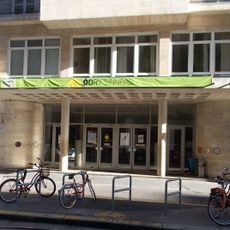
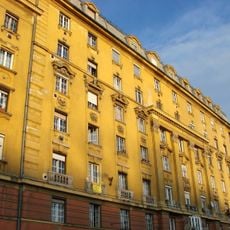
The Semmelweis Museum of Medical History occupies Meindl House, an 18th-century building at Apród utca 1-3 in the Tabán neighbourhood of District I, at the foot of Castle Hill. Rebuilt in Late Baroque style after the Great Tabán Fire of 1810, it has a cornice with twin corbels and hanging stucco garlands. Its rear wing stands on a stone retaining wall with four cellars dug into the slope.
The museum was founded in 1965 to preserve the history of medicine and the legacy of Ignác Semmelweis, the physician who recognized the importance of cleanliness in medical procedures. His insights formed the foundation for modern medical standards.
The name honors Hungarian physician Ignác Semmelweis, whose work transformed medical practice. Visitors can see how his ideas come alive through the displayed objects and documents throughout the rooms.
The museum stands at 1-3 Apród utca in the Tabán district of District I, at the foot of Castle Hill near the Danube, not across the river in Buda proper. The building sits on a steep slope, with a narrow rear wing raised on a stone retaining wall and four cellars cut into the ground. The northern and rear wings were lost in 1945, so the visit covers the surviving part of the house.
The house is Meindl House, built around 1790 and rebuilt in Late Baroque style after the Great Tabán Fire of 1810. Its facade cornice, with twin corbels and hanging stucco garlands, was once regarded as the most beautiful in Buda. The family's flat on the first floor was lost when the northern and rear wings were destroyed in 1945.
The community of curious travelers
AroundUs brings together thousands of curated places, local tips, and hidden gems, enriched daily by 92,652 contributors worldwide.