See the monuments around you in AROpen chests in the app
Around Us is built for your phone — point your camera at the streets and discover the monuments and places around you in augmented reality.Around Us is built for your phone — chests unlock when you walk, explore and capture nearby places.
Budapest is a city where history appears at every corner. The Danube River divides the city into two parts: the hilly Buda with its castle and the flatter Pest with its wide streets and squares. Walking through Budapest, you see medieval churches standing beside 19th-century buildings, thermal baths left over from Ottoman times, and modern art spaces.
The route connects the main places of Hungarian history. You can visit the castle complex on Castle Hill, where kings once ruled, and then cross to the Parliament Building, an enormous structure with hundreds of rooms. The Chain Bridge links both sides of the city. Large squares like Heroes' Square tell stories of the past. Churches such as Matthias Church and St. Stephen's Basilica shape the cityscape. There are also museums that document difficult periods in the city's past, old baths where people still bathe today, and lively markets.
At the same time, you will find the modern side of Budapest: young artists in converted factories, clubs with music, and restaurants where the city lives now. Margaret Island in the river offers green space and quiet in the middle of the city.
Budapest is a city where history appears at every corner. The Danube River divides the city into two parts: the hilly Buda with its castle and the flatter Pest with its wide streets and squares. Walking through Budapest, you see medieval churches standing beside 19th-century buildings, thermal baths left over from Ottoman times, and modern art spaces.
The route connects the main places of Hungarian history. You can visit the castle complex on Castle Hill, where kings once ruled, and then cross to the Parliament Building, an enormous structure with hundreds of rooms. The Chain Bridge links both sides of the city. Large squares like Heroes' Square tell stories of the past. Churches such as Matthias Church and St. Stephen's Basilica shape the cityscape. There are also museums that document difficult periods in the city's past, old baths where people still bathe today, and lively markets.
At the same time, you will find the modern side of Budapest: young artists in converted factories, clubs with music, and restaurants where the city lives now. Margaret Island in the river offers green space and quiet in the middle of the city.
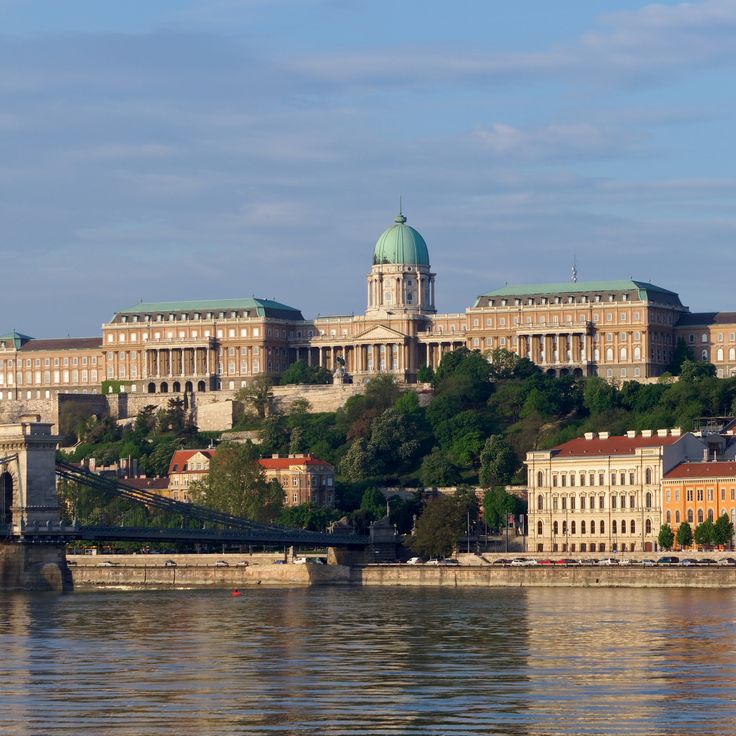
Buda Castle is part of this route through Hungarian history and stands on Castle Hill. The palace complex houses three museums, the National Gallery and the National Library. From here you can see across the city and connect medieval architecture with the contemporary buildings that shape Budapest today.
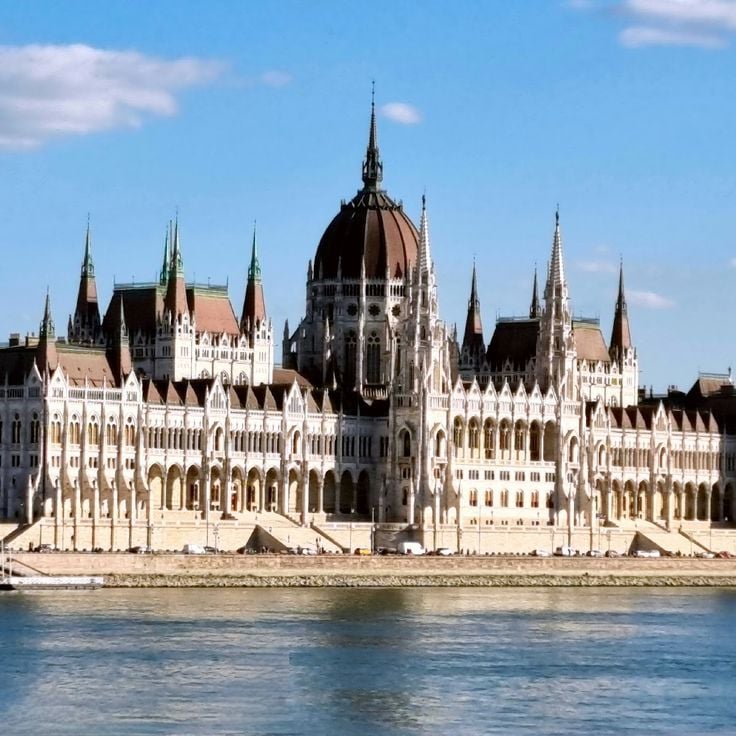
The Parliament Building along this route represents Budapest's 19th century architectural ambition. Built between 1885 and 1904 in Gothic Revival style, it displays a symmetrical main facade topped by a central dome. The building connects stone craftsmanship with functional spaces inside, serving as a tangible expression of Hungary's political history. Walking past it, you see how this structure defines the city's skyline and connects to the surrounding historical sites.
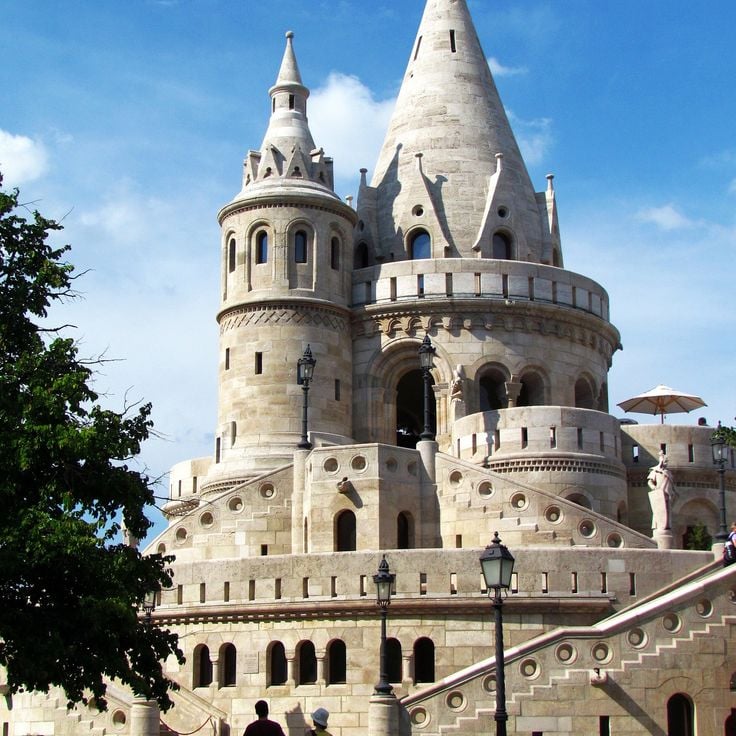
This viewing platform was completed in 1905 and consists of seven towers that symbolize the seven Hungarian tribes. As part of the route through the main sites of Hungarian history, Fisherman's Bastion connects medieval churches with contemporary architecture and offers views across the historic old town of Budapest.
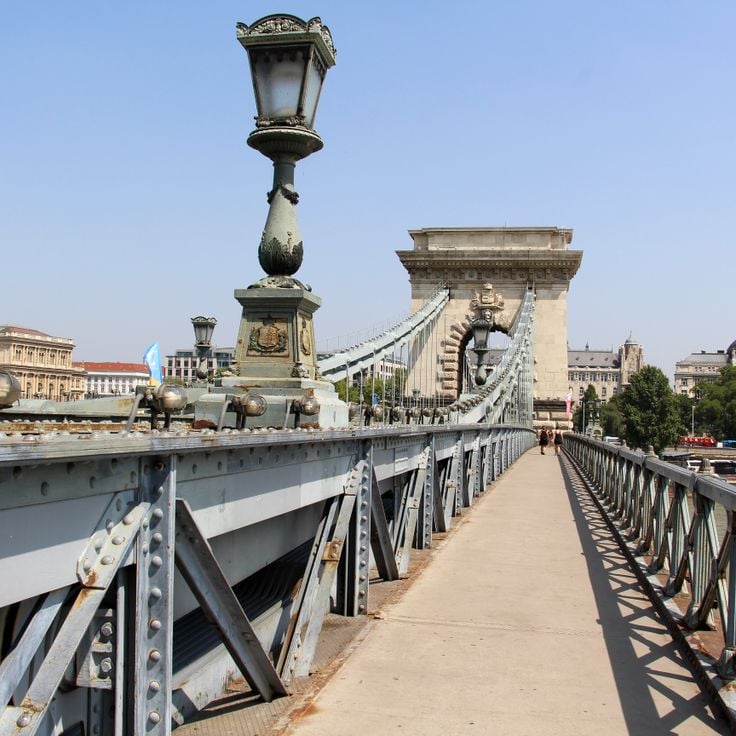
The Chain Bridge was the first permanent bridge of Budapest, opening in 1849 to connect the districts of Buda and Pest across the Danube. This bridge sits within the main sites of Hungarian history, from the castle complex to the Parliament building, from medieval churches to thermal baths from Ottoman times, where historical buildings stand alongside contemporary architecture.
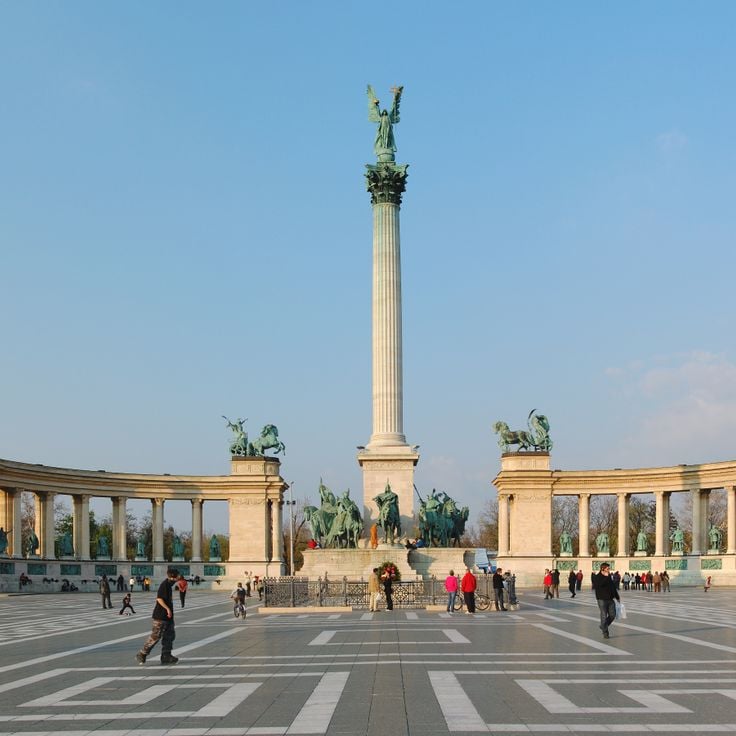
Heroes' Square stands in the heart of Budapest with monuments and the Millennium Column that honor the founding of the Hungarian state. This square connects historical buildings with contemporary architecture and forms a key stop along the route through Hungarian history - from the castle complex to the Parliament building, from medieval churches to thermal baths from Ottoman times.
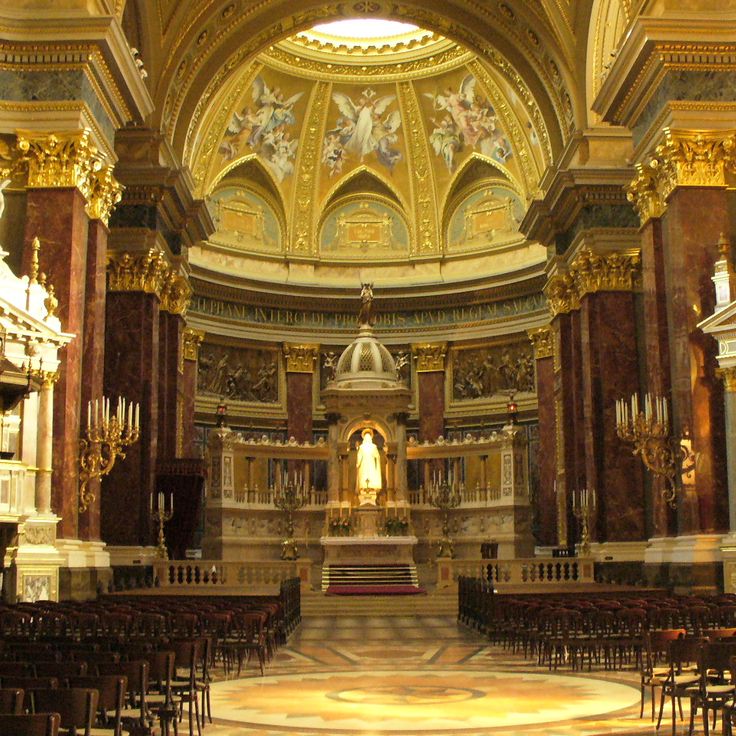
St. Stephen's Basilica stands at the heart of Budapest as one of the city's most important religious buildings. This Roman Catholic basilica defines the skyline with its 96-meter dome, visible from many points across the city. The interior displays religious art and craftsmanship from different periods. From the observation platform at the top, you can look out over Budapest and see the Danube, the bridges, and the historic neighborhoods spread below. This basilica is part of the route through the main sites of Hungarian history, connecting medieval traditions with the modern urban landscape.
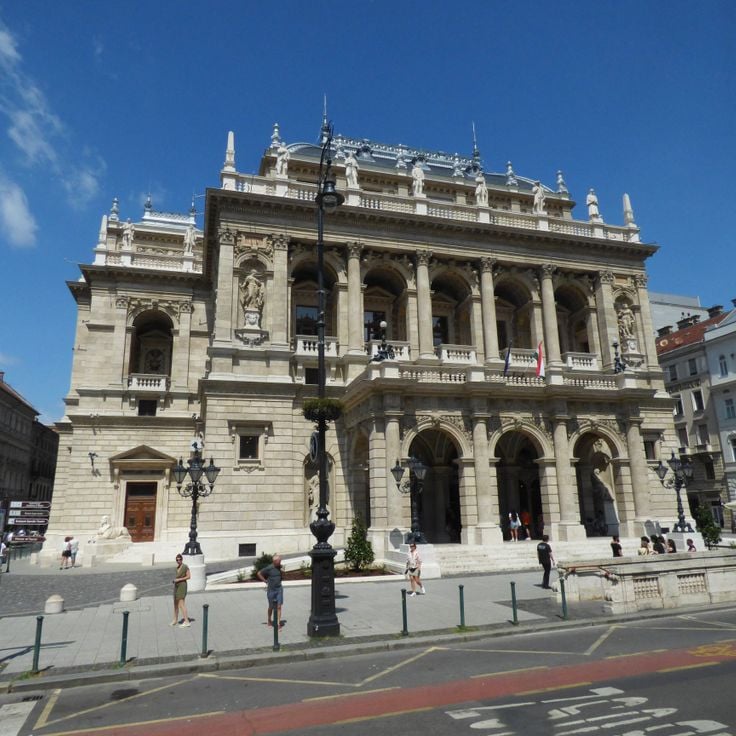
The Hungarian State Opera House is a 19th-century building that represents the cultural heritage of Budapest and fits into the historical route of Hungarian history. The opera house holds 1200 seats and hosts regular performances, while its interior walls display murals and ornate decorative details that reflect the craftsmanship of its era.
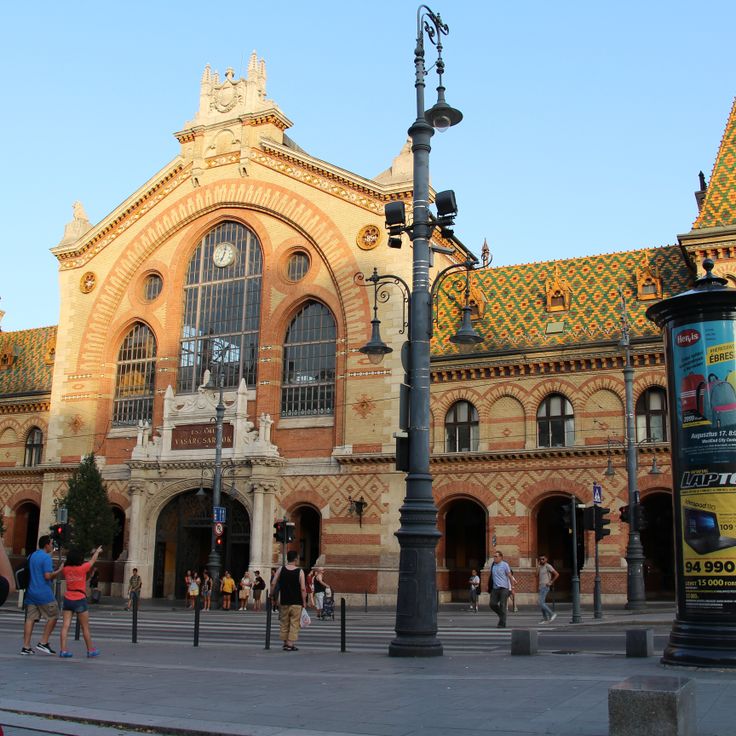
The Great Market Hall is where Budapest keeps its food traditions alive. This restored building from 1897 sits at the heart of the city and shows how Hungarians connect to their past through everyday life. Across three floors, you find traditional Hungarian food and crafts that local people use and value. Walking through this market is a direct way to understand what Budapest residents eat, buy, and care about.
Andrassy Avenue connects the city center to City Park along this route through Budapest's history. This 2.5 kilometer street shows how the city developed over time, passing stores, cafes, and restaurants while linking historical buildings with contemporary architecture, much like the other sites on this route from the castle complex to the Parliament building.
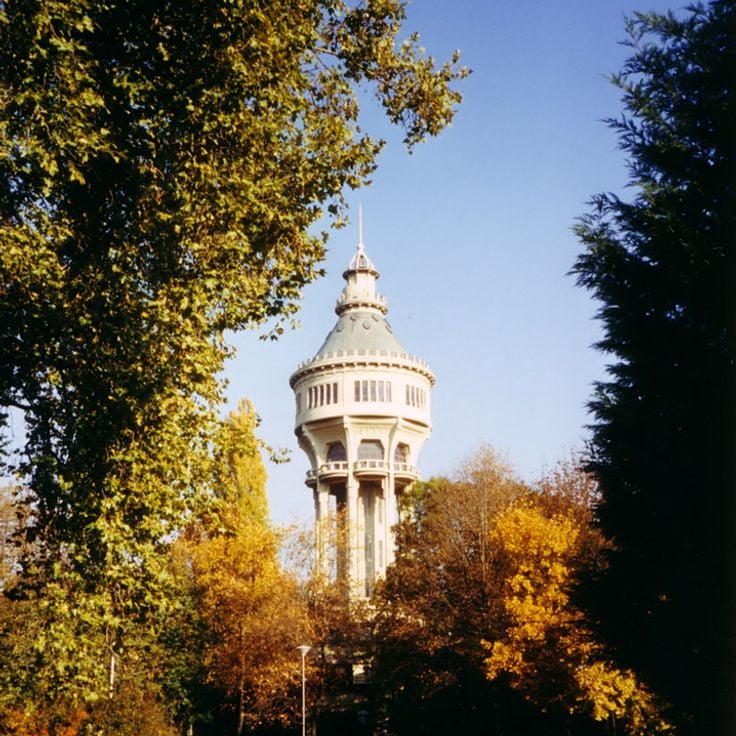
Margaret Island sits in the middle of the Danube River in Budapest and shows the variety of the city. The island has wide green spaces where people walk and rest, as well as sports facilities for active visitors. Here stand ruins of a medieval monastery that tell of Hungary's religious past. Margaret Island brings together nature and history on a route through Budapest's main historical sites.
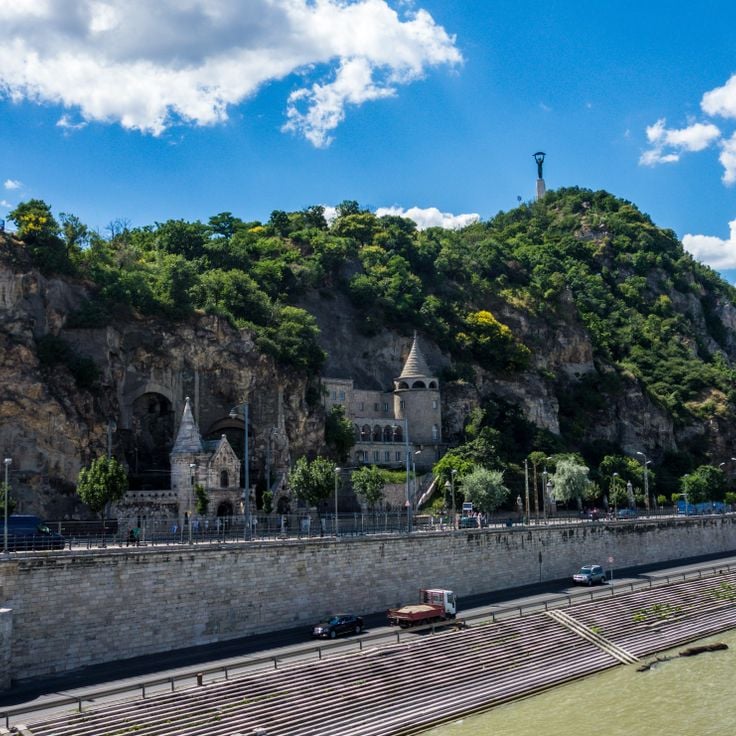
Gellért Hill is a 235-meter hill in Budapest and an important site of Hungarian history. From here, visitors can see the city, the Danube River, and the Liberty Statue. The hill connects historical buildings with the modern cityscape and shows the different periods of Hungary's past.
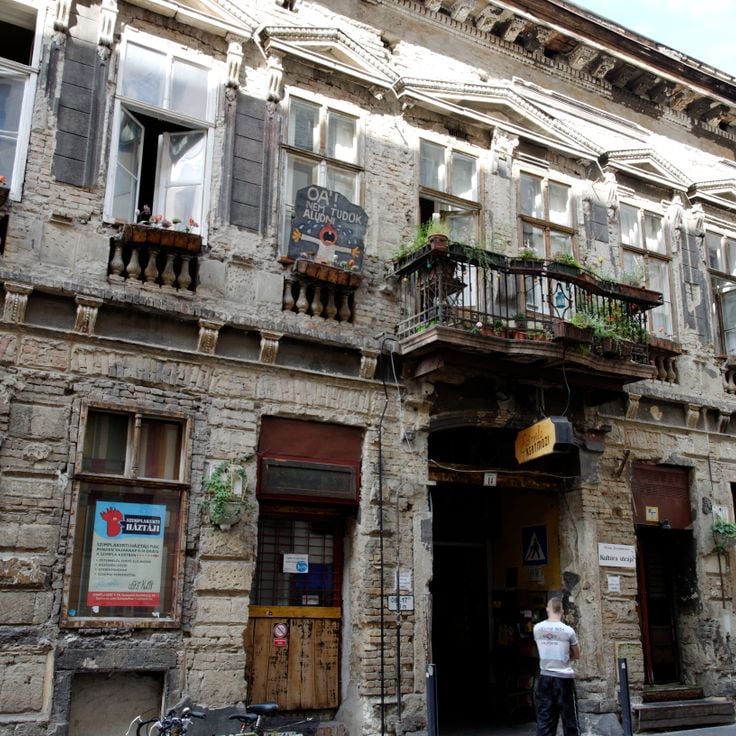
Szimpla Kert occupies a renovated 19th century building and shows how Budapest merges contemporary culture with historical architecture. This bar with its many rooms, art installations and garden represents the living culture of the city today, existing alongside major historical sites like the castle complex and Parliament building.
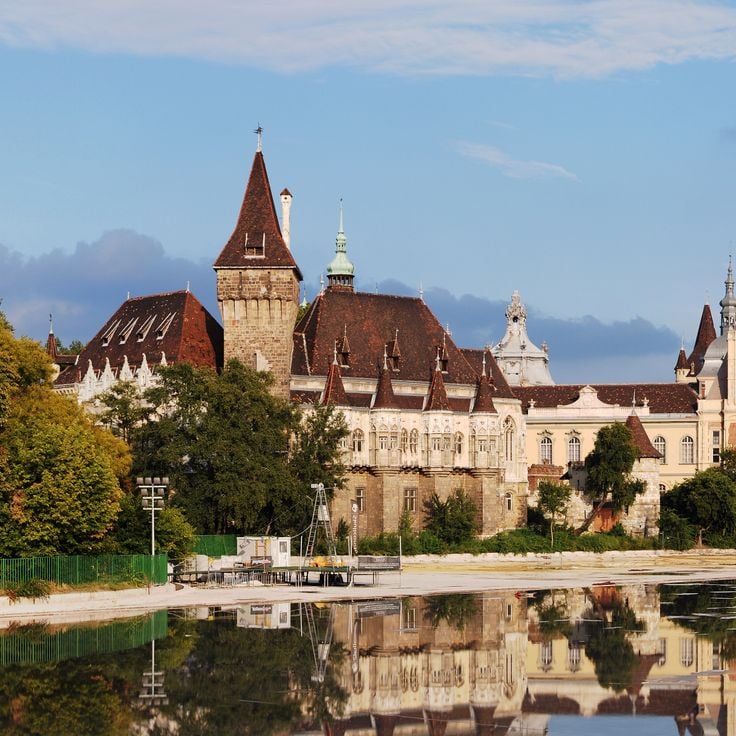
This castle from 1896 shows different styles of Hungarian architecture in one place. It combines building styles from Romanesque to Gothic periods, displaying how Hungarian construction developed over centuries. The castle serves as an architectural museum that brings together historical styles with 19th-century design. On this route through Budapest, it connects the medieval churches with the modern structures of the city, showing how different periods of Hungarian history built upon one another.
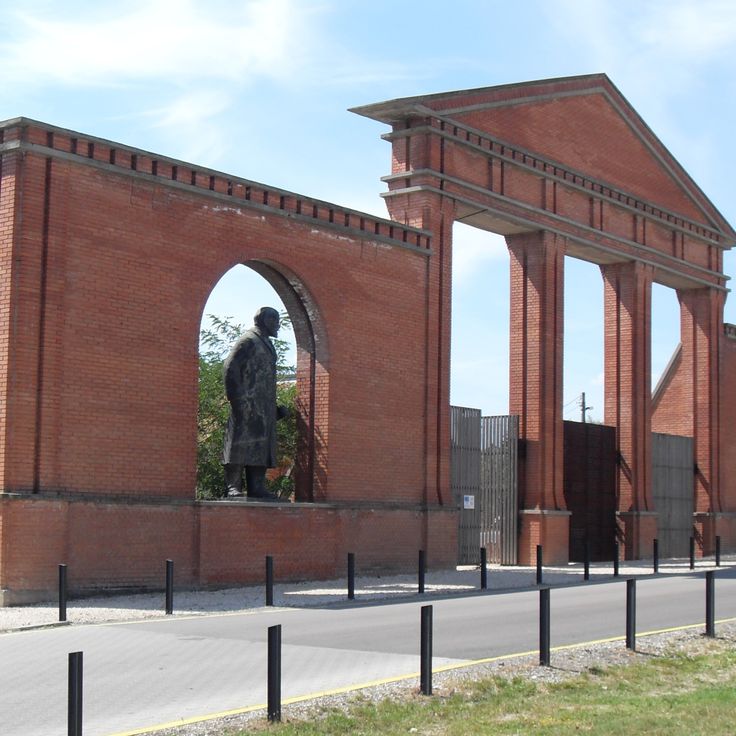
Memento Park in Budapest gathers 42 monuments and statues from the period between 1945 and 1989, when Hungary was under Soviet influence. These works of art show how the country looked during this era of Hungarian history. Walking through the park helps visitors understand what life was like during the Cold War and how people expressed their identity in those years.
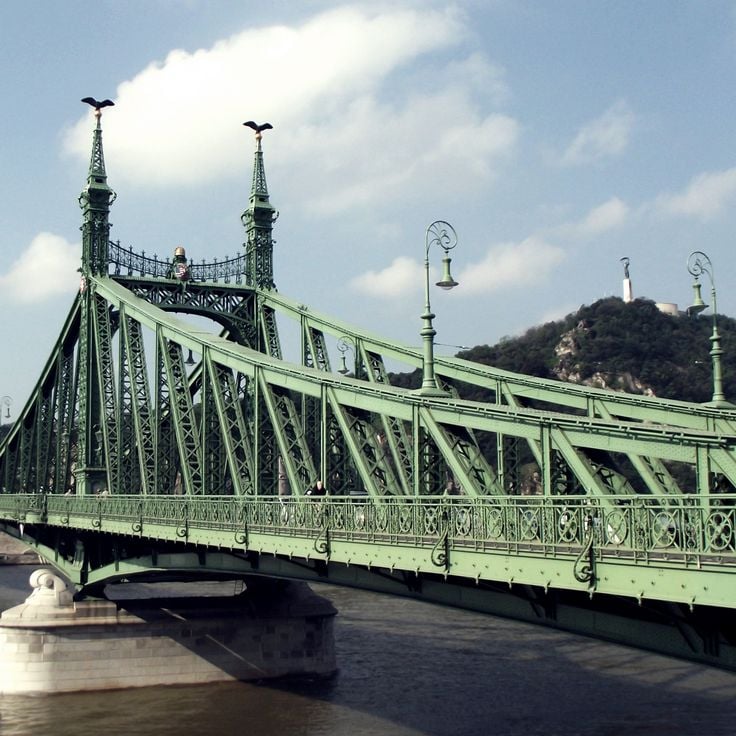
The Liberty Bridge is an important crossing of the Danube that connects the two parts of Budapest. Built in 1896 as part of the city's expansion during the Austro-Hungarian Empire, this steel bridge links Buda on the west bank with Pest on the east. The bridge sits on the route through Budapest that shows how the city developed from medieval times to the modern era, connecting historical landmarks and contemporary areas. When you walk across it, you see the Parliament building upriver and the castle complex on the hills above Buda.
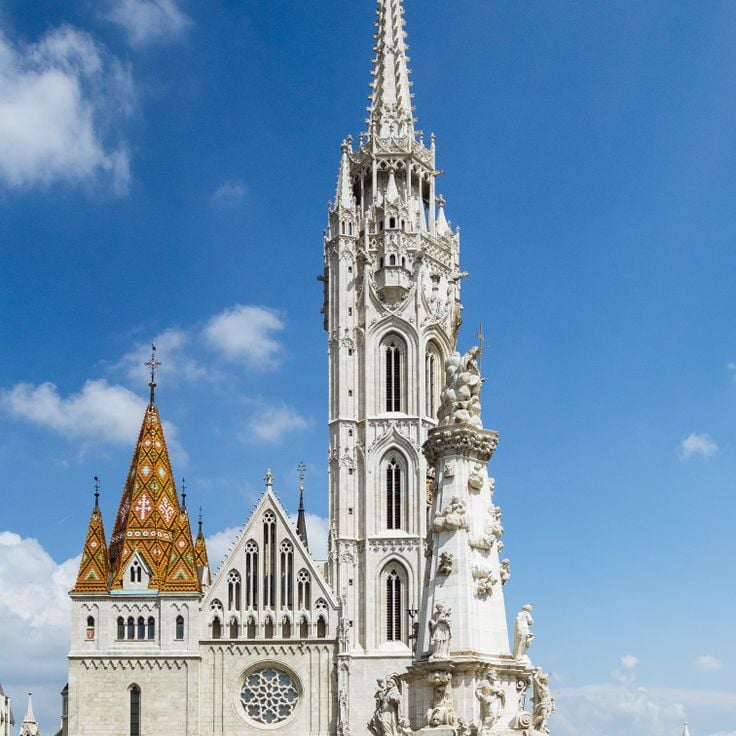
Matthias Church is a Roman Catholic place of worship built in the 13th century that forms a key stop on this route through Hungarian history. The building reflects Budapest's complex past: during Ottoman rule, it served as a mosque. Today it stands alongside other historical structures and contemporary architecture, marking the layers of time that have shaped the city.
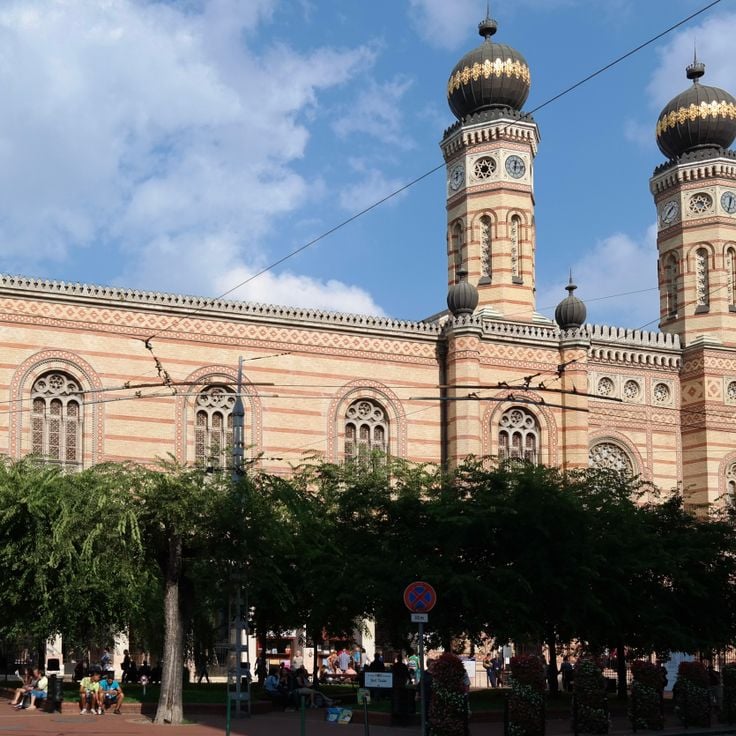
The Dohány Street Synagogue is the largest synagogue in Europe and holds an important place in this route through Budapest's history. It shows the depth of the city's Jewish heritage, which developed alongside medieval churches, the castle complex, and the Parliament building. This structure connects historical architecture with the contemporary city and served as a center for the Neolog movement in Judaism.
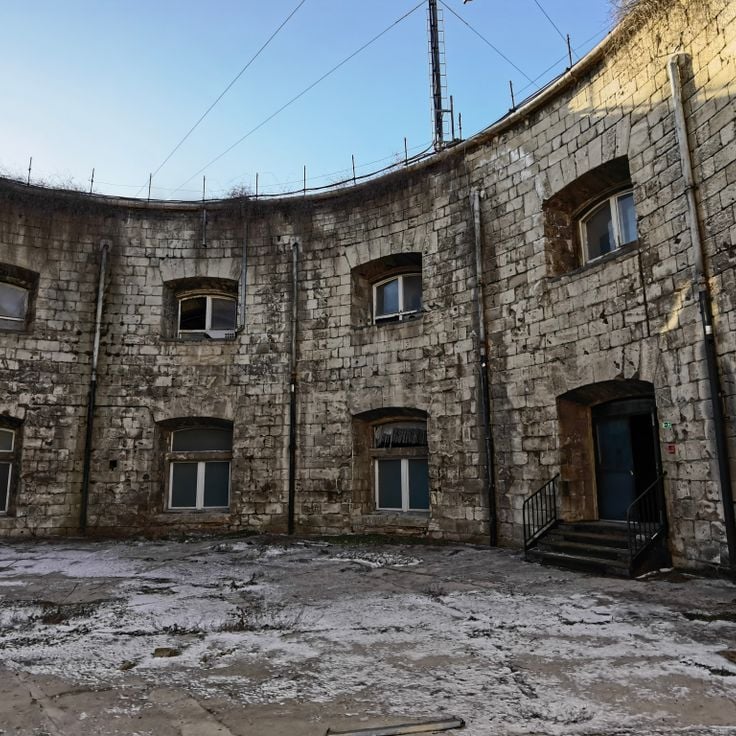
The Citadella sits atop Gellért Hill and is one of the key historical sites on this route through Hungarian history. This fortress connects you to Budapest's past while offering views of the city's mix of historical and modern buildings. From here, you can see the main landmarks of Hungarian history spread across the capital.
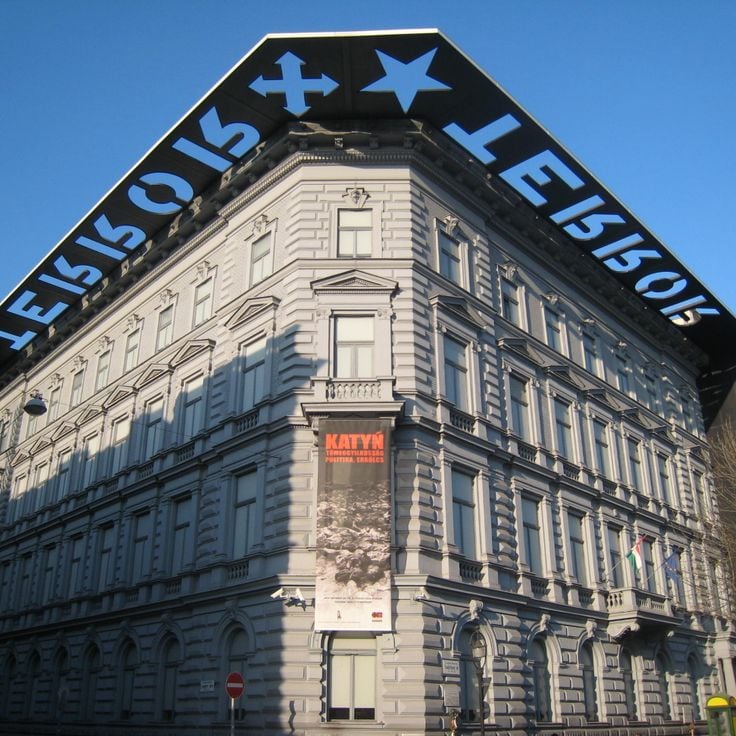
The House of Terror Museum on Andrássy Street documents the fascist and communist regimes that shaped Hungary during the 20th century. Within this route through Budapest, the museum connects with other historical sites and reveals how oppression and resistance became central to Hungarian history.
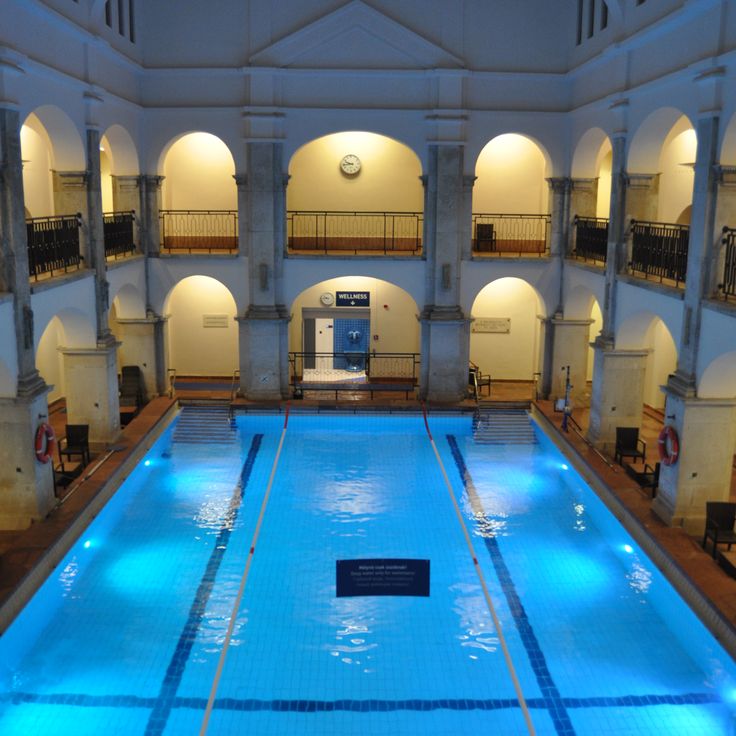
The Rudas Baths are part of this route through Hungarian history. This thermal and medicinal bath dates back to the Ottoman era and continues to function as a healing refuge today. Located on the riverside, it connects Budapest's past with its present while offering visitors a view of the city from its terraces.
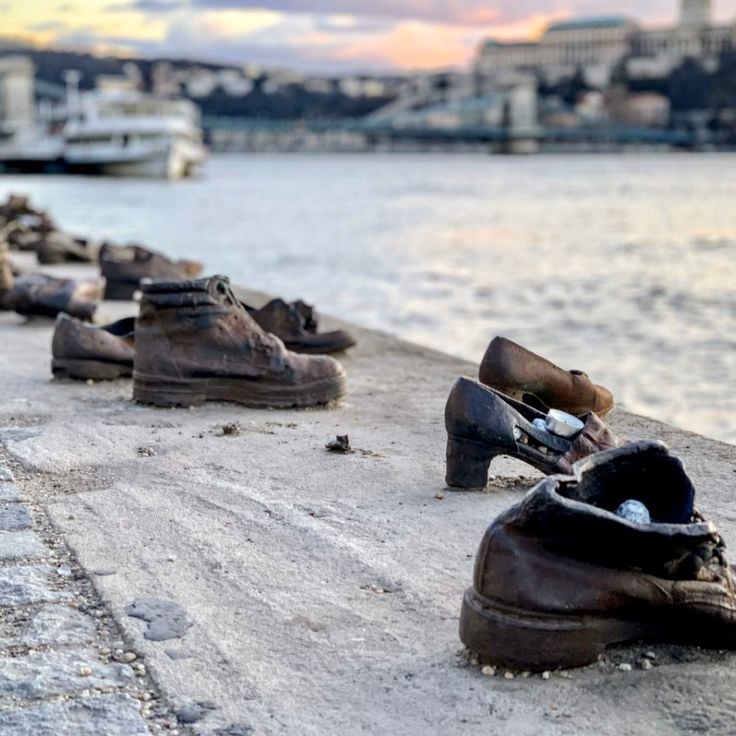
The Shoes on the Danube Bank in Budapest commemorates Jewish citizens murdered in 1944-1945. Sixty pairs of metal shoes line the riverbank, serving as a memorial to those lost. This installation connects to the collection's focus on Hungarian history by showing how the city honors and reflects on its past through contemporary art and remembrance.
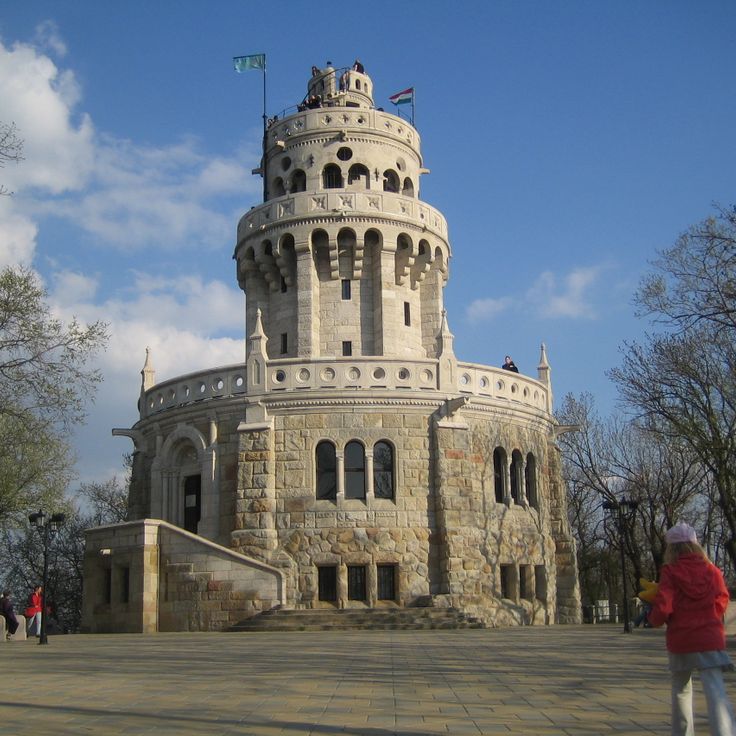
The Erzsébet Lookout Tower stands at the highest point of Budapest and offers views across the city and the Buda Mountains. On this route through Hungarian history, it provides a vantage point to observe the historical buildings and contemporary structures that shape Budapest's streets, from the castle complex to the Parliament building and the thermal baths from Ottoman times.
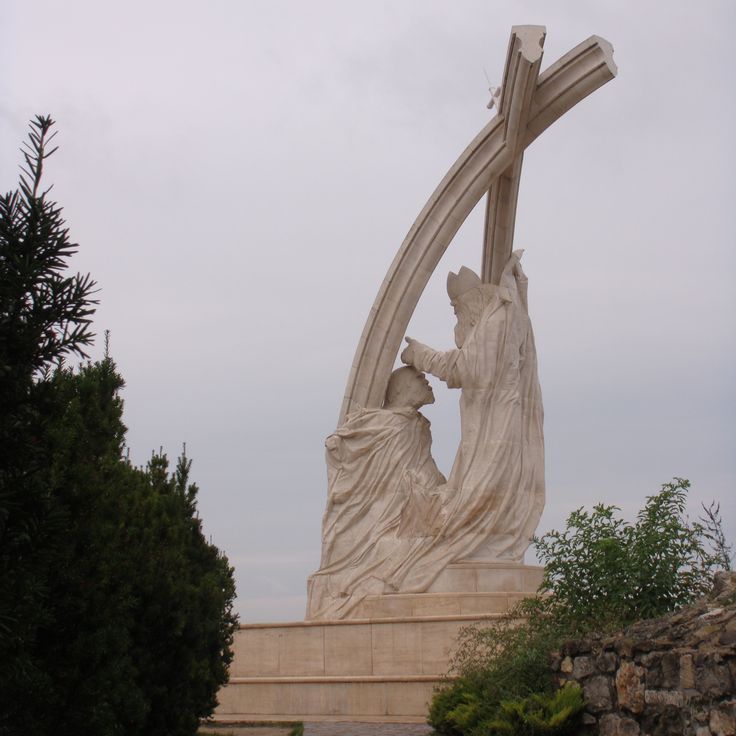
The Stephen I Statue stands in front of Matthias Church and tells the story of Hungary's past. This bronze sculpture from 1906 depicts the nation's first king and connects the medieval past with the modern streets of Budapest. The monument is part of a route through the main sites of Hungarian history, leading from the castle complex to the Parliament building and including churches and thermal baths from different periods.
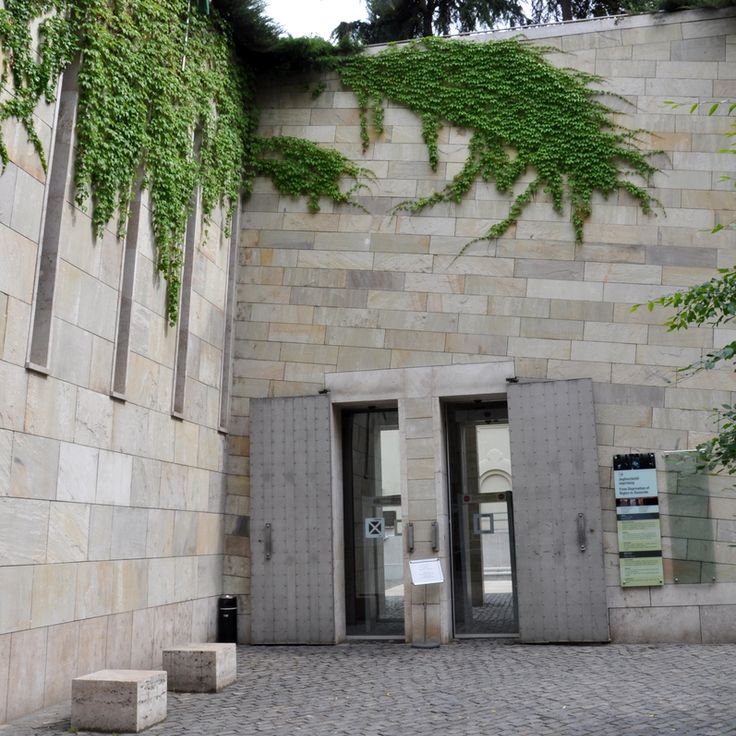
The Holocaust Memorial Center in Budapest is a museum and education center housed in a renovated 1924 synagogue. It contains documents and exhibitions that tell stories of the Holocaust. This center preserves memory and connects to the historical sites that line Budapest's streets, from medieval churches to buildings from the Ottoman period and beyond.
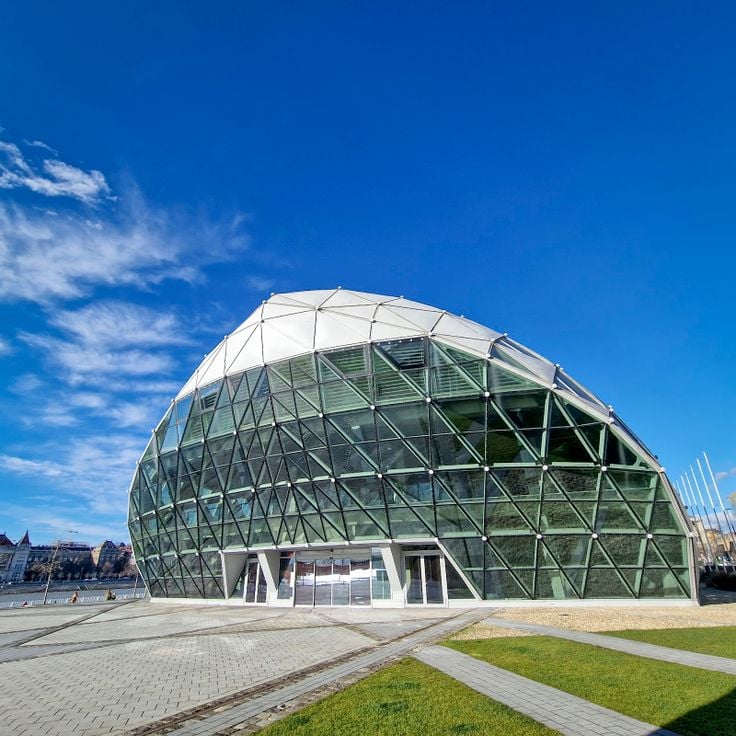
The Bálna Budapest on Cet Street represents the contemporary side of this route through Hungarian history. This modern building shows how Budapest connects historical monuments with current architecture and offers a contrast to the medieval churches and castle found at other stops along this journey.
Akvárium Klub is an entertainment complex with a concert venue, club and several bars located in the fifth district of Budapest. It represents the contemporary cultural scene of the city and shows how Budapest connects its historical streets with modern venues that have developed alongside medieval churches and thermal baths from Ottoman times.
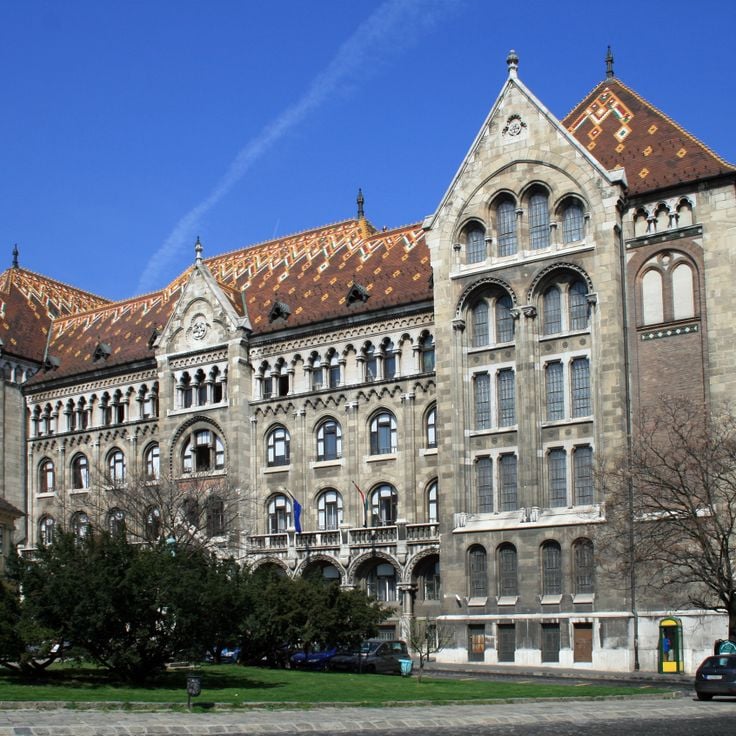
This building on Bérc Street is a historic structure from 1920 that houses the National Archives of Hungary. It connects with other major sites of Hungarian history that this route covers: from the castle complex to the Parliament building, from medieval churches to thermal baths from Ottoman times. The National Archives preserve important documents and records of Hungary's past.
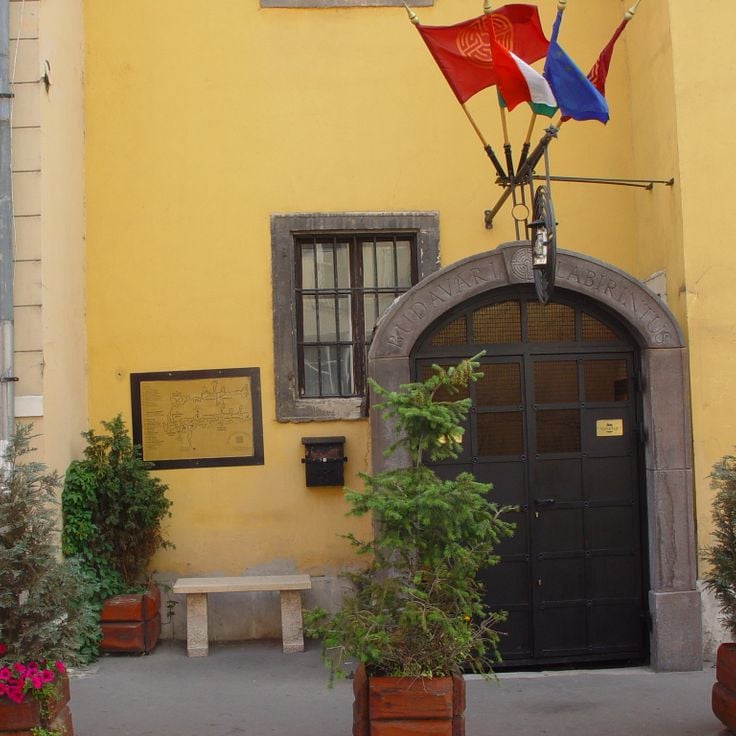
The Labyrinth of Buda Castle is a historical underground tunnel system beneath the castle on Castle Hill. As part of this route through Hungarian history, this labyrinth shows how the castle expanded and changed over the centuries. The tunnels connect different parts of the castle complex and reveal how various periods shaped Budapest's development.
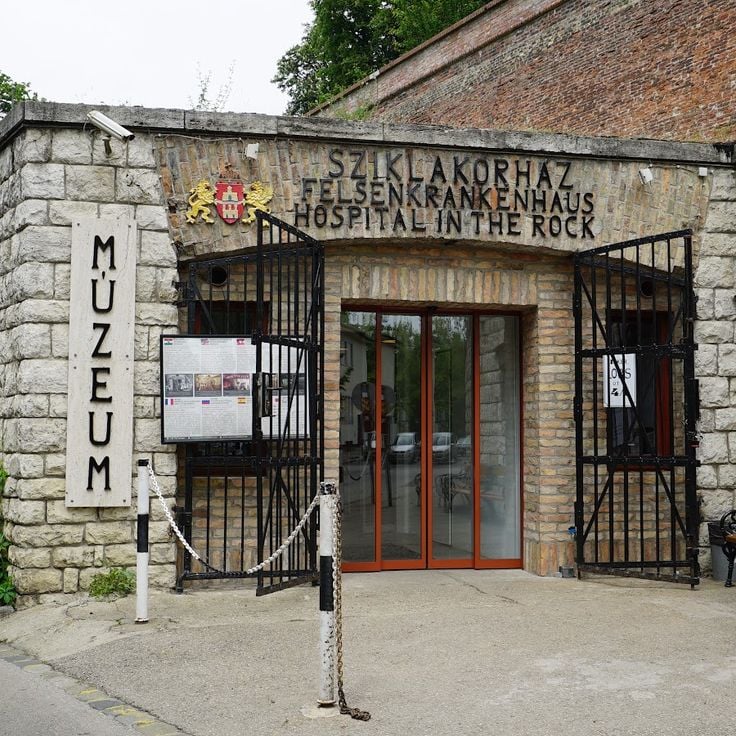
The Hospital in the Rock is an underground military hospital from World War II located in Budapest, part of the route through Hungarian history. The facility displays medical equipment and documents that tell the story of this hidden institution. The site connects the city's darker past with its journey to the present, offering insight into daily life during wartime.
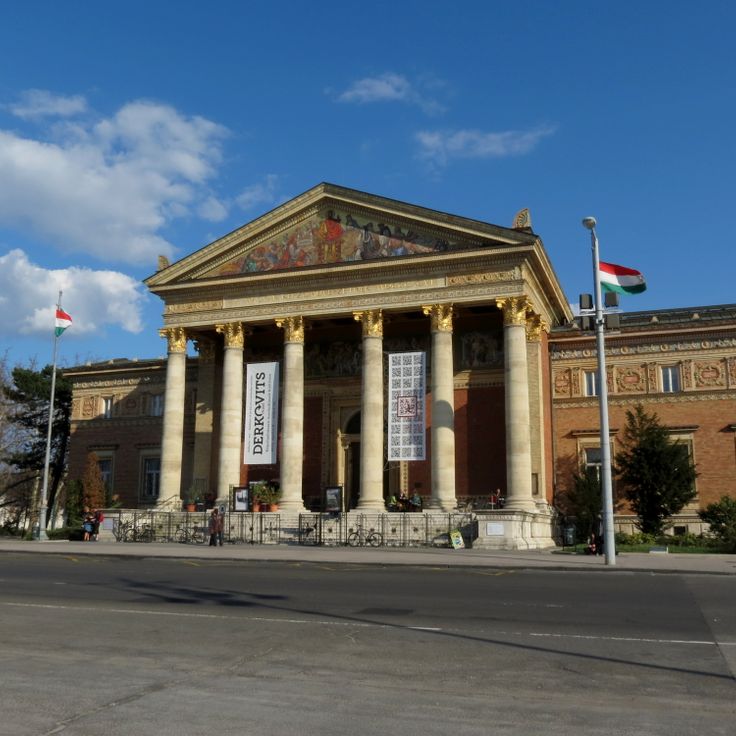
Műcsarnok is a 19th-century exhibition hall built in Neo-Renaissance style. It hosts rotating art exhibitions and cultural events throughout the year. On this route through Budapest connecting historical buildings with contemporary architecture, Műcsarnok leads to the main sites of Hungarian history, from the castle complex to the Parliament building, from medieval churches to Ottoman-era thermal baths.
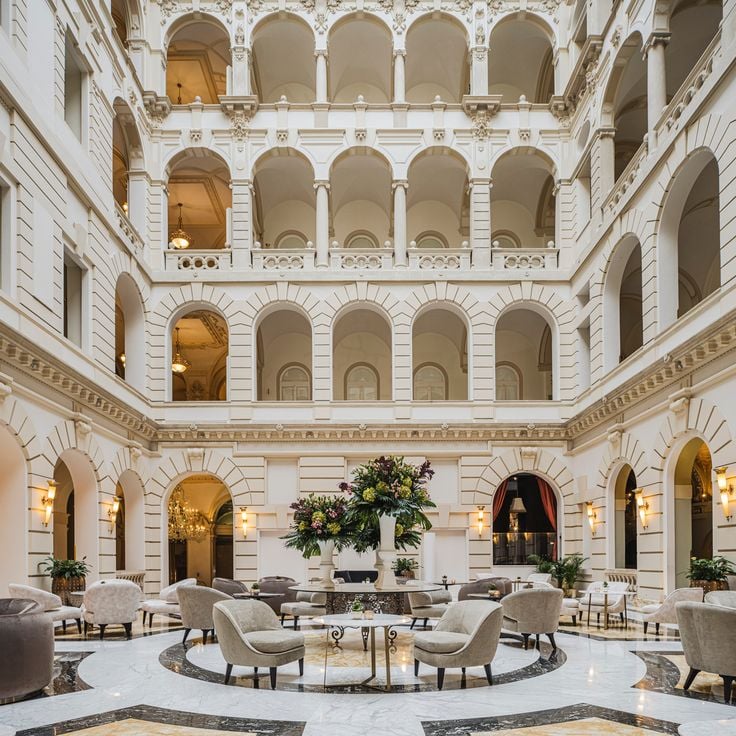
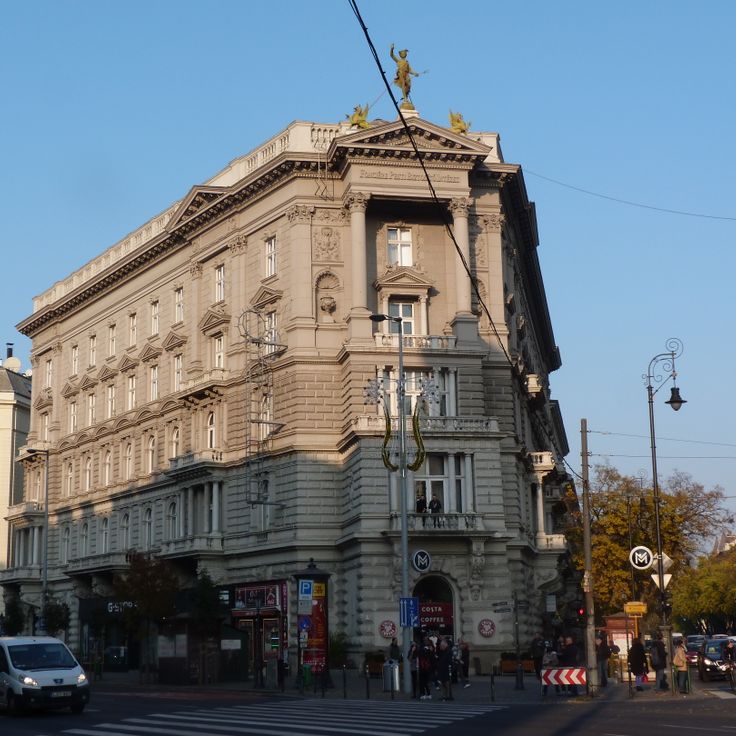
The Boscolo Budapest Hotel stands along this route through Budapest and shows how the city preserves its past. The building dates from 1894 and connects Hungarian history with modern life. Inside the hotel is the New York Café, designed in Italian Renaissance style. When you walk past, you see how the elegant architecture of that era continues to serve people today.
Buda Castle is part of this route through Hungarian history and stands on Castle Hill. The palace complex houses three museums, the National Gallery and the National Library. From here you can see across the city and connect medieval architecture with the contemporary buildings that shape Budapest today.
The Parliament Building along this route represents Budapest's 19th century architectural ambition. Built between 1885 and 1904 in Gothic Revival style, it displays a symmetrical main facade topped by a central dome. The building connects stone craftsmanship with functional spaces inside, serving as a tangible expression of Hungary's political history. Walking past it, you see how this structure defines the city's skyline and connects to the surrounding historical sites.
This viewing platform was completed in 1905 and consists of seven towers that symbolize the seven Hungarian tribes. As part of the route through the main sites of Hungarian history, Fisherman's Bastion connects medieval churches with contemporary architecture and offers views across the historic old town of Budapest.
The Chain Bridge was the first permanent bridge of Budapest, opening in 1849 to connect the districts of Buda and Pest across the Danube. This bridge sits within the main sites of Hungarian history, from the castle complex to the Parliament building, from medieval churches to thermal baths from Ottoman times, where historical buildings stand alongside contemporary architecture.
Heroes' Square stands in the heart of Budapest with monuments and the Millennium Column that honor the founding of the Hungarian state. This square connects historical buildings with contemporary architecture and forms a key stop along the route through Hungarian history - from the castle complex to the Parliament building, from medieval churches to thermal baths from Ottoman times.
St. Stephen's Basilica stands at the heart of Budapest as one of the city's most important religious buildings. This Roman Catholic basilica defines the skyline with its 96-meter dome, visible from many points across the city. The interior displays religious art and craftsmanship from different periods. From the observation platform at the top, you can look out over Budapest and see the Danube, the bridges, and the historic neighborhoods spread below. This basilica is part of the route through the main sites of Hungarian history, connecting medieval traditions with the modern urban landscape.
The Hungarian State Opera House is a 19th-century building that represents the cultural heritage of Budapest and fits into the historical route of Hungarian history. The opera house holds 1200 seats and hosts regular performances, while its interior walls display murals and ornate decorative details that reflect the craftsmanship of its era.
The Great Market Hall is where Budapest keeps its food traditions alive. This restored building from 1897 sits at the heart of the city and shows how Hungarians connect to their past through everyday life. Across three floors, you find traditional Hungarian food and crafts that local people use and value. Walking through this market is a direct way to understand what Budapest residents eat, buy, and care about.
Andrassy Avenue connects the city center to City Park along this route through Budapest's history. This 2.5 kilometer street shows how the city developed over time, passing stores, cafes, and restaurants while linking historical buildings with contemporary architecture, much like the other sites on this route from the castle complex to the Parliament building.
Margaret Island sits in the middle of the Danube River in Budapest and shows the variety of the city. The island has wide green spaces where people walk and rest, as well as sports facilities for active visitors. Here stand ruins of a medieval monastery that tell of Hungary's religious past. Margaret Island brings together nature and history on a route through Budapest's main historical sites.
Gellért Hill is a 235-meter hill in Budapest and an important site of Hungarian history. From here, visitors can see the city, the Danube River, and the Liberty Statue. The hill connects historical buildings with the modern cityscape and shows the different periods of Hungary's past.
Szimpla Kert occupies a renovated 19th century building and shows how Budapest merges contemporary culture with historical architecture. This bar with its many rooms, art installations and garden represents the living culture of the city today, existing alongside major historical sites like the castle complex and Parliament building.
This castle from 1896 shows different styles of Hungarian architecture in one place. It combines building styles from Romanesque to Gothic periods, displaying how Hungarian construction developed over centuries. The castle serves as an architectural museum that brings together historical styles with 19th-century design. On this route through Budapest, it connects the medieval churches with the modern structures of the city, showing how different periods of Hungarian history built upon one another.
Memento Park in Budapest gathers 42 monuments and statues from the period between 1945 and 1989, when Hungary was under Soviet influence. These works of art show how the country looked during this era of Hungarian history. Walking through the park helps visitors understand what life was like during the Cold War and how people expressed their identity in those years.
The Liberty Bridge is an important crossing of the Danube that connects the two parts of Budapest. Built in 1896 as part of the city's expansion during the Austro-Hungarian Empire, this steel bridge links Buda on the west bank with Pest on the east. The bridge sits on the route through Budapest that shows how the city developed from medieval times to the modern era, connecting historical landmarks and contemporary areas. When you walk across it, you see the Parliament building upriver and the castle complex on the hills above Buda.
Matthias Church is a Roman Catholic place of worship built in the 13th century that forms a key stop on this route through Hungarian history. The building reflects Budapest's complex past: during Ottoman rule, it served as a mosque. Today it stands alongside other historical structures and contemporary architecture, marking the layers of time that have shaped the city.
The Dohány Street Synagogue is the largest synagogue in Europe and holds an important place in this route through Budapest's history. It shows the depth of the city's Jewish heritage, which developed alongside medieval churches, the castle complex, and the Parliament building. This structure connects historical architecture with the contemporary city and served as a center for the Neolog movement in Judaism.
The Citadella sits atop Gellért Hill and is one of the key historical sites on this route through Hungarian history. This fortress connects you to Budapest's past while offering views of the city's mix of historical and modern buildings. From here, you can see the main landmarks of Hungarian history spread across the capital.
The House of Terror Museum on Andrássy Street documents the fascist and communist regimes that shaped Hungary during the 20th century. Within this route through Budapest, the museum connects with other historical sites and reveals how oppression and resistance became central to Hungarian history.
The Rudas Baths are part of this route through Hungarian history. This thermal and medicinal bath dates back to the Ottoman era and continues to function as a healing refuge today. Located on the riverside, it connects Budapest's past with its present while offering visitors a view of the city from its terraces.
The Shoes on the Danube Bank in Budapest commemorates Jewish citizens murdered in 1944-1945. Sixty pairs of metal shoes line the riverbank, serving as a memorial to those lost. This installation connects to the collection's focus on Hungarian history by showing how the city honors and reflects on its past through contemporary art and remembrance.
The Erzsébet Lookout Tower stands at the highest point of Budapest and offers views across the city and the Buda Mountains. On this route through Hungarian history, it provides a vantage point to observe the historical buildings and contemporary structures that shape Budapest's streets, from the castle complex to the Parliament building and the thermal baths from Ottoman times.
The Stephen I Statue stands in front of Matthias Church and tells the story of Hungary's past. This bronze sculpture from 1906 depicts the nation's first king and connects the medieval past with the modern streets of Budapest. The monument is part of a route through the main sites of Hungarian history, leading from the castle complex to the Parliament building and including churches and thermal baths from different periods.
The Holocaust Memorial Center in Budapest is a museum and education center housed in a renovated 1924 synagogue. It contains documents and exhibitions that tell stories of the Holocaust. This center preserves memory and connects to the historical sites that line Budapest's streets, from medieval churches to buildings from the Ottoman period and beyond.
The Bálna Budapest on Cet Street represents the contemporary side of this route through Hungarian history. This modern building shows how Budapest connects historical monuments with current architecture and offers a contrast to the medieval churches and castle found at other stops along this journey.
Akvárium Klub is an entertainment complex with a concert venue, club and several bars located in the fifth district of Budapest. It represents the contemporary cultural scene of the city and shows how Budapest connects its historical streets with modern venues that have developed alongside medieval churches and thermal baths from Ottoman times.
This building on Bérc Street is a historic structure from 1920 that houses the National Archives of Hungary. It connects with other major sites of Hungarian history that this route covers: from the castle complex to the Parliament building, from medieval churches to thermal baths from Ottoman times. The National Archives preserve important documents and records of Hungary's past.
The Labyrinth of Buda Castle is a historical underground tunnel system beneath the castle on Castle Hill. As part of this route through Hungarian history, this labyrinth shows how the castle expanded and changed over the centuries. The tunnels connect different parts of the castle complex and reveal how various periods shaped Budapest's development.
The Hospital in the Rock is an underground military hospital from World War II located in Budapest, part of the route through Hungarian history. The facility displays medical equipment and documents that tell the story of this hidden institution. The site connects the city's darker past with its journey to the present, offering insight into daily life during wartime.
Műcsarnok is a 19th-century exhibition hall built in Neo-Renaissance style. It hosts rotating art exhibitions and cultural events throughout the year. On this route through Budapest connecting historical buildings with contemporary architecture, Műcsarnok leads to the main sites of Hungarian history, from the castle complex to the Parliament building, from medieval churches to Ottoman-era thermal baths.
The Boscolo Budapest Hotel stands along this route through Budapest and shows how the city preserves its past. The building dates from 1894 and connects Hungarian history with modern life. Inside the hotel is the New York Café, designed in Italian Renaissance style. When you walk past, you see how the elegant architecture of that era continues to serve people today.
Buda Castle is part of this route through Hungarian history and stands on Castle Hill. The palace complex houses three museums, the National Gallery and the National Library. From here you can see across the city and connect medieval architecture with the contemporary buildings that shape Budapest today.
The Parliament Building along this route represents Budapest's 19th century architectural ambition. Built between 1885 and 1904 in Gothic Revival style, it displays a symmetrical main facade topped by a central dome. The building connects stone craftsmanship with functional spaces inside, serving as a tangible expression of Hungary's political history. Walking past it, you see how this structure defines the city's skyline and connects to the surrounding historical sites.
This viewing platform was completed in 1905 and consists of seven towers that symbolize the seven Hungarian tribes. As part of the route through the main sites of Hungarian history, Fisherman's Bastion connects medieval churches with contemporary architecture and offers views across the historic old town of Budapest.
The Chain Bridge was the first permanent bridge of Budapest, opening in 1849 to connect the districts of Buda and Pest across the Danube. This bridge sits within the main sites of Hungarian history, from the castle complex to the Parliament building, from medieval churches to thermal baths from Ottoman times, where historical buildings stand alongside contemporary architecture.
Heroes' Square stands in the heart of Budapest with monuments and the Millennium Column that honor the founding of the Hungarian state. This square connects historical buildings with contemporary architecture and forms a key stop along the route through Hungarian history - from the castle complex to the Parliament building, from medieval churches to thermal baths from Ottoman times.
St. Stephen's Basilica stands at the heart of Budapest as one of the city's most important religious buildings. This Roman Catholic basilica defines the skyline with its 96-meter dome, visible from many points across the city. The interior displays religious art and craftsmanship from different periods. From the observation platform at the top, you can look out over Budapest and see the Danube, the bridges, and the historic neighborhoods spread below. This basilica is part of the route through the main sites of Hungarian history, connecting medieval traditions with the modern urban landscape.
The Hungarian State Opera House is a 19th-century building that represents the cultural heritage of Budapest and fits into the historical route of Hungarian history. The opera house holds 1200 seats and hosts regular performances, while its interior walls display murals and ornate decorative details that reflect the craftsmanship of its era.
The Great Market Hall is where Budapest keeps its food traditions alive. This restored building from 1897 sits at the heart of the city and shows how Hungarians connect to their past through everyday life. Across three floors, you find traditional Hungarian food and crafts that local people use and value. Walking through this market is a direct way to understand what Budapest residents eat, buy, and care about.
Andrassy Avenue connects the city center to City Park along this route through Budapest's history. This 2.5 kilometer street shows how the city developed over time, passing stores, cafes, and restaurants while linking historical buildings with contemporary architecture, much like the other sites on this route from the castle complex to the Parliament building.
Margaret Island sits in the middle of the Danube River in Budapest and shows the variety of the city. The island has wide green spaces where people walk and rest, as well as sports facilities for active visitors. Here stand ruins of a medieval monastery that tell of Hungary's religious past. Margaret Island brings together nature and history on a route through Budapest's main historical sites.
Gellért Hill is a 235-meter hill in Budapest and an important site of Hungarian history. From here, visitors can see the city, the Danube River, and the Liberty Statue. The hill connects historical buildings with the modern cityscape and shows the different periods of Hungary's past.
Szimpla Kert occupies a renovated 19th century building and shows how Budapest merges contemporary culture with historical architecture. This bar with its many rooms, art installations and garden represents the living culture of the city today, existing alongside major historical sites like the castle complex and Parliament building.
This castle from 1896 shows different styles of Hungarian architecture in one place. It combines building styles from Romanesque to Gothic periods, displaying how Hungarian construction developed over centuries. The castle serves as an architectural museum that brings together historical styles with 19th-century design. On this route through Budapest, it connects the medieval churches with the modern structures of the city, showing how different periods of Hungarian history built upon one another.
Memento Park in Budapest gathers 42 monuments and statues from the period between 1945 and 1989, when Hungary was under Soviet influence. These works of art show how the country looked during this era of Hungarian history. Walking through the park helps visitors understand what life was like during the Cold War and how people expressed their identity in those years.
The Liberty Bridge is an important crossing of the Danube that connects the two parts of Budapest. Built in 1896 as part of the city's expansion during the Austro-Hungarian Empire, this steel bridge links Buda on the west bank with Pest on the east. The bridge sits on the route through Budapest that shows how the city developed from medieval times to the modern era, connecting historical landmarks and contemporary areas. When you walk across it, you see the Parliament building upriver and the castle complex on the hills above Buda.
Matthias Church is a Roman Catholic place of worship built in the 13th century that forms a key stop on this route through Hungarian history. The building reflects Budapest's complex past: during Ottoman rule, it served as a mosque. Today it stands alongside other historical structures and contemporary architecture, marking the layers of time that have shaped the city.
The Dohány Street Synagogue is the largest synagogue in Europe and holds an important place in this route through Budapest's history. It shows the depth of the city's Jewish heritage, which developed alongside medieval churches, the castle complex, and the Parliament building. This structure connects historical architecture with the contemporary city and served as a center for the Neolog movement in Judaism.
The Citadella sits atop Gellért Hill and is one of the key historical sites on this route through Hungarian history. This fortress connects you to Budapest's past while offering views of the city's mix of historical and modern buildings. From here, you can see the main landmarks of Hungarian history spread across the capital.
The House of Terror Museum on Andrássy Street documents the fascist and communist regimes that shaped Hungary during the 20th century. Within this route through Budapest, the museum connects with other historical sites and reveals how oppression and resistance became central to Hungarian history.
The Rudas Baths are part of this route through Hungarian history. This thermal and medicinal bath dates back to the Ottoman era and continues to function as a healing refuge today. Located on the riverside, it connects Budapest's past with its present while offering visitors a view of the city from its terraces.
The Shoes on the Danube Bank in Budapest commemorates Jewish citizens murdered in 1944-1945. Sixty pairs of metal shoes line the riverbank, serving as a memorial to those lost. This installation connects to the collection's focus on Hungarian history by showing how the city honors and reflects on its past through contemporary art and remembrance.
The Erzsébet Lookout Tower stands at the highest point of Budapest and offers views across the city and the Buda Mountains. On this route through Hungarian history, it provides a vantage point to observe the historical buildings and contemporary structures that shape Budapest's streets, from the castle complex to the Parliament building and the thermal baths from Ottoman times.
The Stephen I Statue stands in front of Matthias Church and tells the story of Hungary's past. This bronze sculpture from 1906 depicts the nation's first king and connects the medieval past with the modern streets of Budapest. The monument is part of a route through the main sites of Hungarian history, leading from the castle complex to the Parliament building and including churches and thermal baths from different periods.
The Holocaust Memorial Center in Budapest is a museum and education center housed in a renovated 1924 synagogue. It contains documents and exhibitions that tell stories of the Holocaust. This center preserves memory and connects to the historical sites that line Budapest's streets, from medieval churches to buildings from the Ottoman period and beyond.
The Bálna Budapest on Cet Street represents the contemporary side of this route through Hungarian history. This modern building shows how Budapest connects historical monuments with current architecture and offers a contrast to the medieval churches and castle found at other stops along this journey.
Akvárium Klub is an entertainment complex with a concert venue, club and several bars located in the fifth district of Budapest. It represents the contemporary cultural scene of the city and shows how Budapest connects its historical streets with modern venues that have developed alongside medieval churches and thermal baths from Ottoman times.
This building on Bérc Street is a historic structure from 1920 that houses the National Archives of Hungary. It connects with other major sites of Hungarian history that this route covers: from the castle complex to the Parliament building, from medieval churches to thermal baths from Ottoman times. The National Archives preserve important documents and records of Hungary's past.
The Labyrinth of Buda Castle is a historical underground tunnel system beneath the castle on Castle Hill. As part of this route through Hungarian history, this labyrinth shows how the castle expanded and changed over the centuries. The tunnels connect different parts of the castle complex and reveal how various periods shaped Budapest's development.
The Hospital in the Rock is an underground military hospital from World War II located in Budapest, part of the route through Hungarian history. The facility displays medical equipment and documents that tell the story of this hidden institution. The site connects the city's darker past with its journey to the present, offering insight into daily life during wartime.
Műcsarnok is a 19th-century exhibition hall built in Neo-Renaissance style. It hosts rotating art exhibitions and cultural events throughout the year. On this route through Budapest connecting historical buildings with contemporary architecture, Műcsarnok leads to the main sites of Hungarian history, from the castle complex to the Parliament building, from medieval churches to Ottoman-era thermal baths.
The Boscolo Budapest Hotel stands along this route through Budapest and shows how the city preserves its past. The building dates from 1894 and connects Hungarian history with modern life. Inside the hotel is the New York Café, designed in Italian Renaissance style. When you walk past, you see how the elegant architecture of that era continues to serve people today.