See the monuments around you in AROpen chests in the app
Around Us is built for your phone — point your camera at the streets and discover the monuments and places around you in augmented reality.Around Us is built for your phone — chests unlock when you walk, explore and capture nearby places.
Ancient temples around the world reveal the building skill and cultural values of past civilizations. From Cambodia to Mexico, these structures show us how ancient peoples practiced religion, built with available materials, and organized their societies. Sites across Asia, Europe and America display different construction methods, decoration styles and spaces designed for ceremonies.
Egyptian temples like Karnak and Edfu impress with their rows of columns and carved reliefs. Greece offers the Parthenon, a model of classical design. Asian sanctuaries such as Angkor Wat in Cambodia and Borobudur in Indonesia blend spiritual purpose with intricate craftsmanship and reveal how builders solved complex engineering problems without modern tools.
These places tell the stories of communities that invested enormous effort in creating spaces for worship. Visitors can walk through the same halls where priests performed rituals, observe how light enters through windows and doorways, and see how each culture expressed its beliefs through architecture.
Ancient temples around the world reveal the building skill and cultural values of past civilizations. From Cambodia to Mexico, these structures show us how ancient peoples practiced religion, built with available materials, and organized their societies. Sites across Asia, Europe and America display different construction methods, decoration styles and spaces designed for ceremonies.
Egyptian temples like Karnak and Edfu impress with their rows of columns and carved reliefs. Greece offers the Parthenon, a model of classical design. Asian sanctuaries such as Angkor Wat in Cambodia and Borobudur in Indonesia blend spiritual purpose with intricate craftsmanship and reveal how builders solved complex engineering problems without modern tools.
These places tell the stories of communities that invested enormous effort in creating spaces for worship. Visitors can walk through the same halls where priests performed rituals, observe how light enters through windows and doorways, and see how each culture expressed its beliefs through architecture.
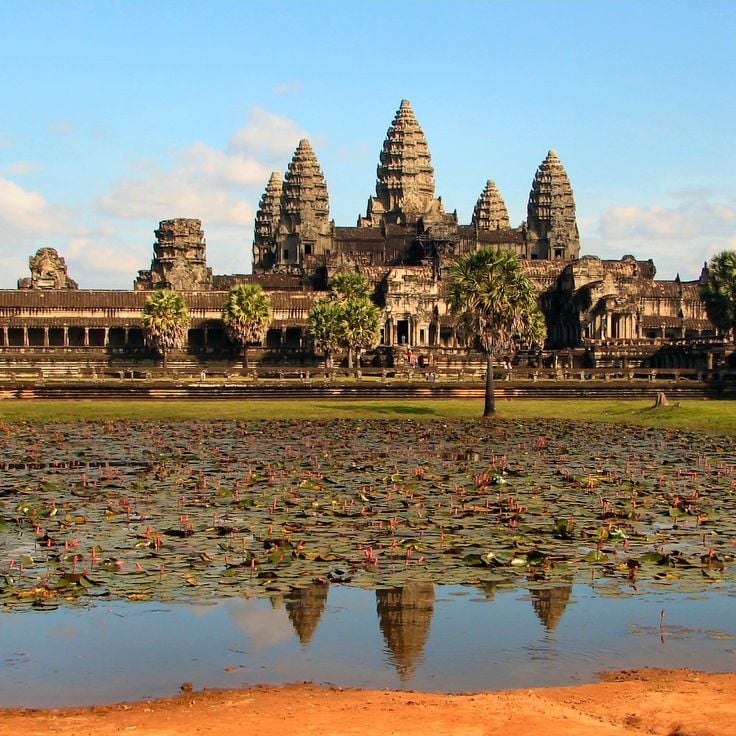
Angkor Wat is a 12th-century temple complex in Cambodia that showcases the architectural and artistic accomplishments of the Khmer civilization. The complex covers 162 hectares and displays classical Khmer architecture with detailed stone reliefs. Angkor Wat documents the religious practices, construction methods and social structures of its era, and stands among the world's major temple sites that reflect the knowledge and abilities of ancient cultures.
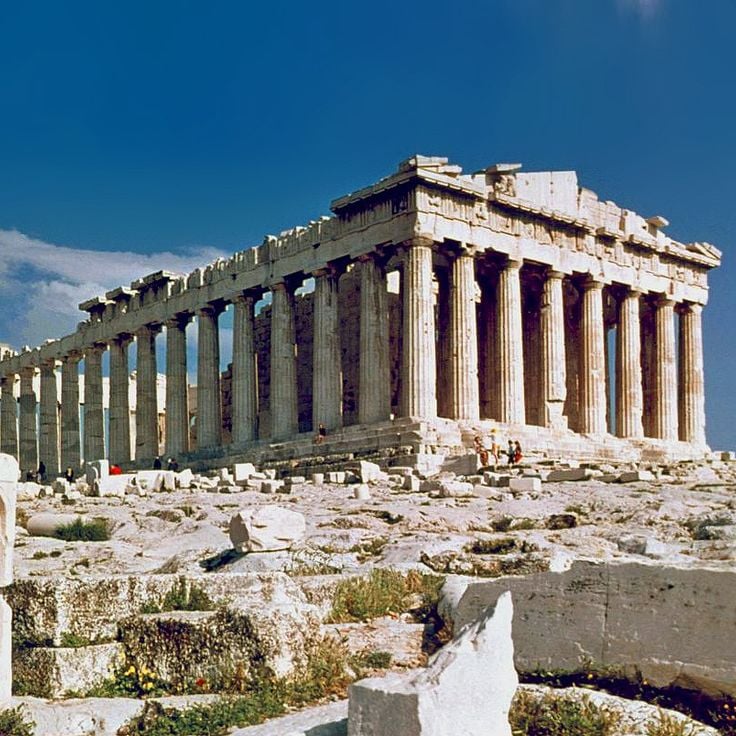
The Parthenon is a marble temple built on the Acropolis in the 5th century BC and displays the Doric column order. As a work of the ancient Greeks, this temple documents religious practices, construction methods and social structures of its time. The Parthenon shows the architectural and cultural achievements of ancient civilizations, comparable to major temples worldwide from Cambodia to Mexico.
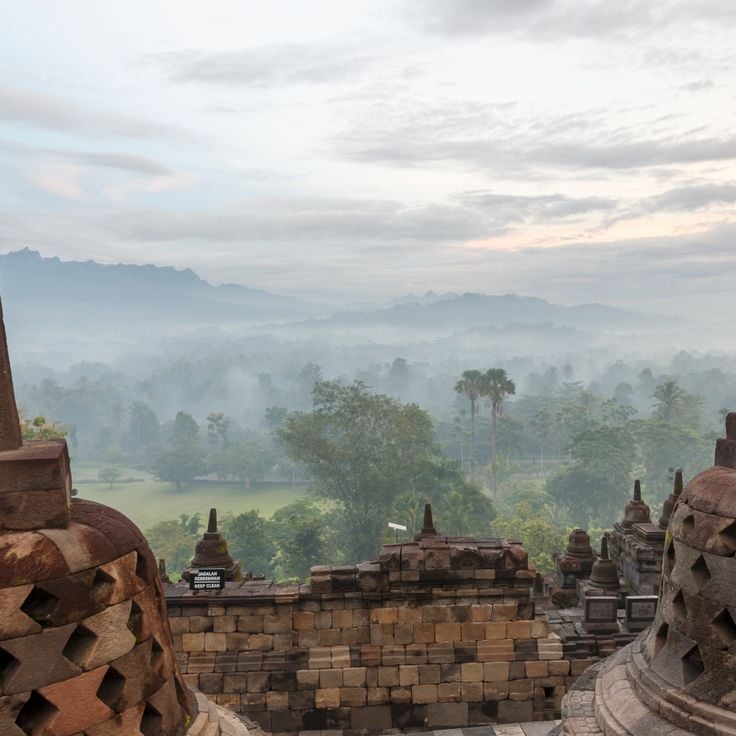
Borobudur is a 9th-century Buddhist temple that displays religious practices and construction methods of its ancient era. This sanctuary consists of nine stacked platforms containing 504 Buddha statues and 2,672 relief panels. The site in Indonesia documents the craftsmanship and social structures of the civilization that built it.
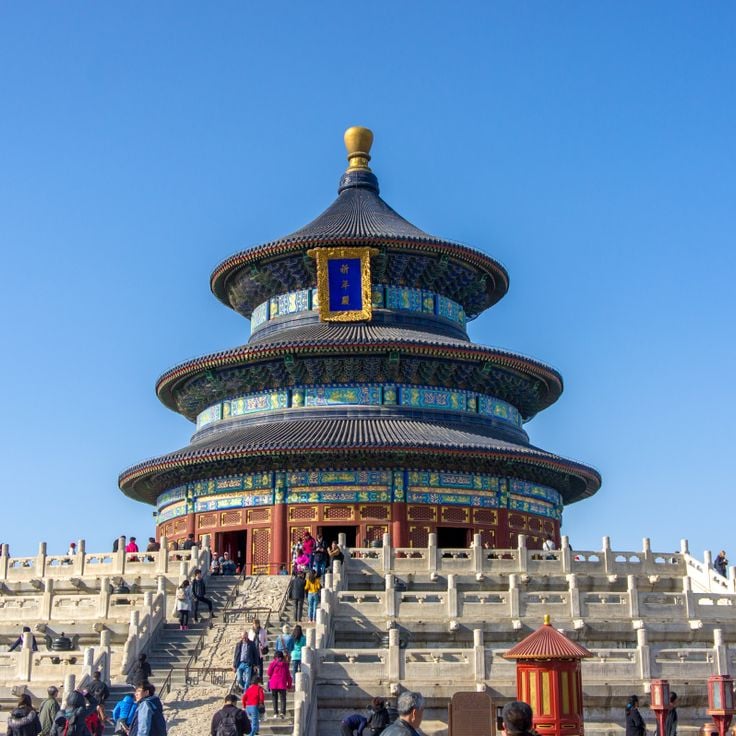
The Temple of Heaven is a 15th-century complex in Beijing that reveals the religious and political practices of the Ming Dynasty. The site features three main buildings and shows how ancient Chinese rulers expressed their power through architecture and ceremony. This temple documents construction methods and social structures of its era, fitting among the world's major religious complexes that display the knowledge and capabilities of ancient civilizations.
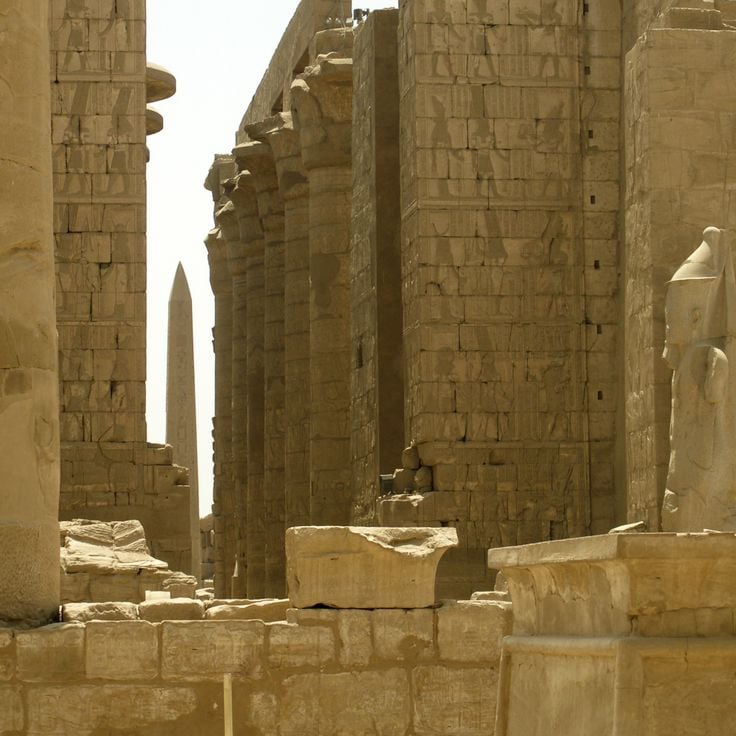
Karnak Temple is a religious complex that documents the architectural and religious achievements of ancient Egypt over many centuries. The site contains multiple temples, chapels and columned halls built during Egypt's Middle and New Kingdom periods. These structures reveal the construction methods, religious practices and social hierarchy of ancient Egyptian civilization. Like other major temples worldwide, Karnak shows how ancient societies organized space for worship and expressed their values through monumental architecture.
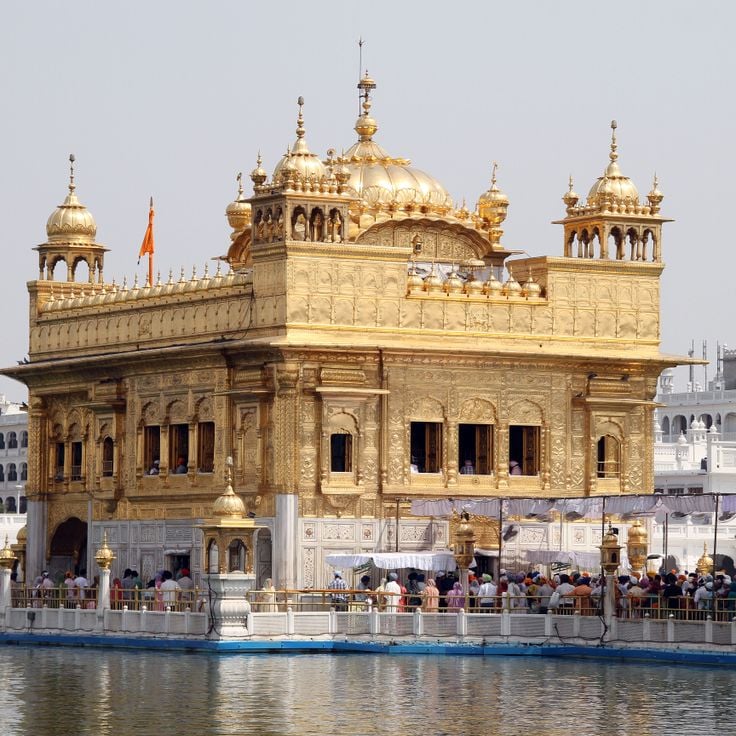
The Golden Temple is the central shrine of Sikhism and demonstrates the religious and architectural accomplishments of this faith community. The marble structure is covered in gold and reflects in a pool of water. This temple records building styles, ornaments and ceremonial spaces significant to Sikh practice, holding an important place in the collection of ancient religious sites worldwide.
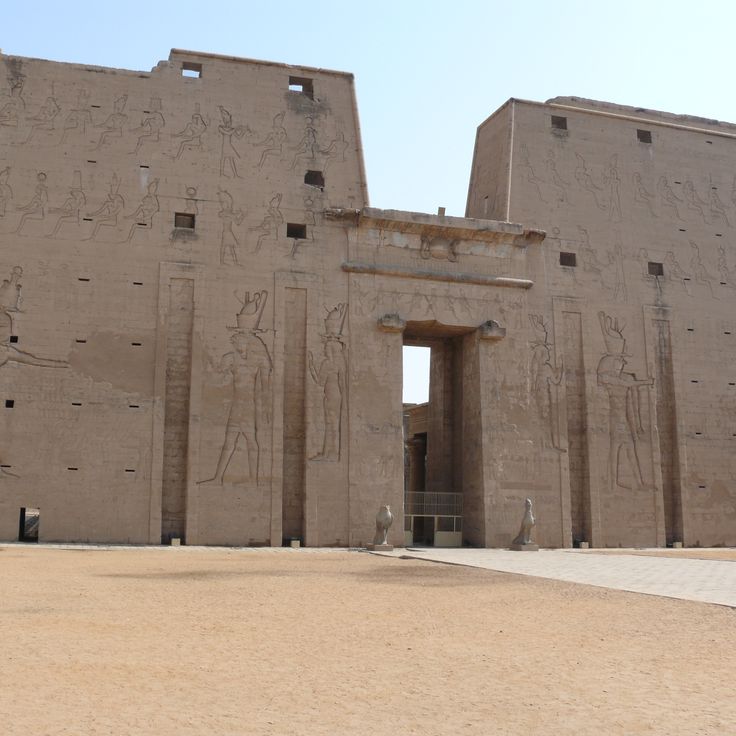
The Temple of Edfu is a remarkable example from the Ptolemaic period and displays how major temples worldwide document the architectural and cultural achievements of ancient civilizations. The walls of this temple are covered with hieroglyphs and reliefs that record religious rituals and festivals of ancient Egypt. This structure reveals the construction methods, religious practices and social order of its time.
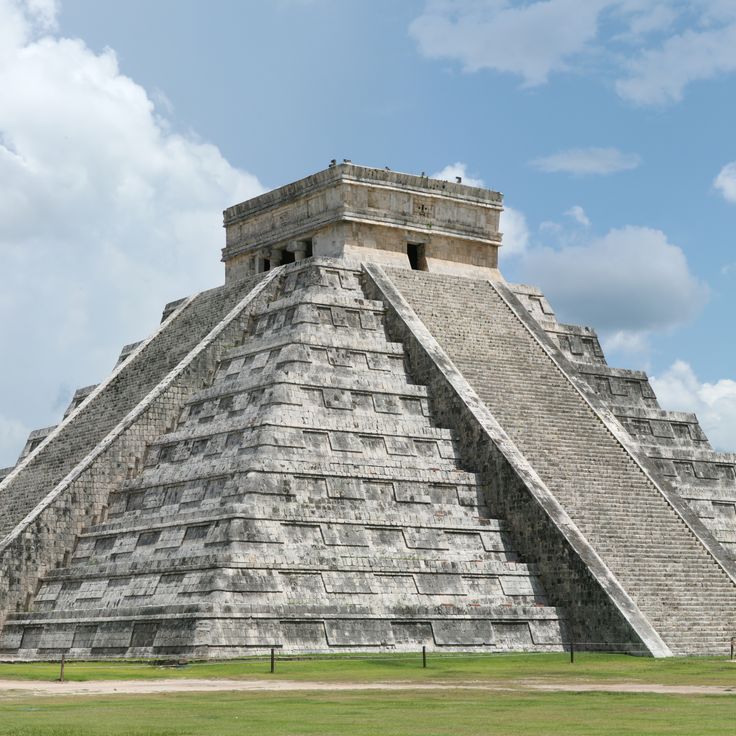
Chichen Itza displays the architectural achievements of the Maya civilization and documents religious practices and construction methods of this ancient culture. The site contains a step pyramid, an observatory, a ball court, and colonnaded halls with astronomical representations. These structures show how Maya builders transformed their religious beliefs into stone and how astronomy played a central role in their daily life.
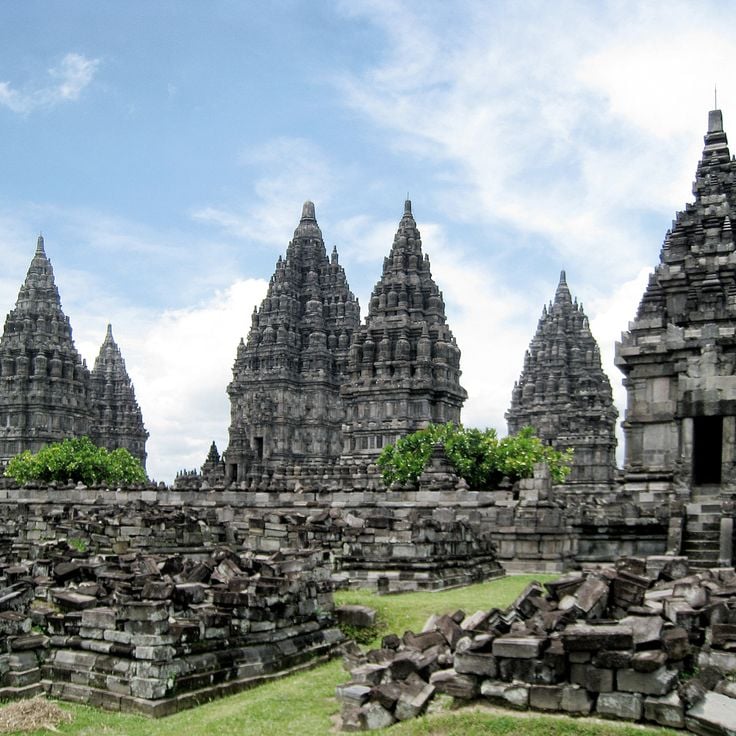
Prambanan Temple is a Hindu temple complex dating from the 9th century in Yogyakarta. The site consists of multiple towers, with the tallest reaching 47 meters. The reliefs carved into the towers are dedicated to the gods Shiva, Vishnu and Brahma. This temple demonstrates the construction skills and religious practices of Javanese society in that era. It represents the kind of major temple that documents the architectural and cultural achievements of ancient civilizations across Asia.
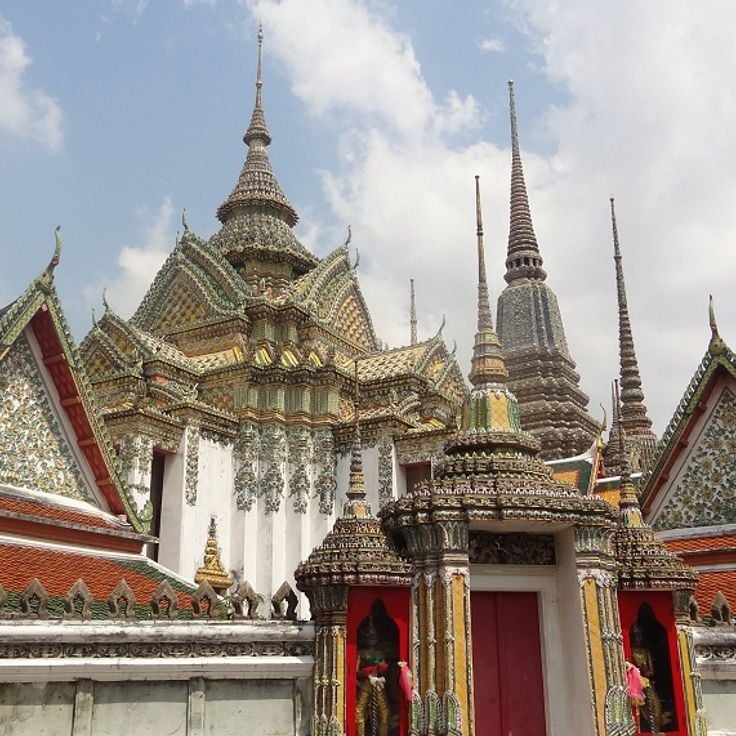
Wat Pho is a major temple in Bangkok that represents the architectural and cultural achievements of ancient civilizations. This temple houses a 46-meter long gilded reclining Buddha statue. Since 1782, Wat Pho has served as a center of traditional Thai medicine and massage. The complex demonstrates the building styles, ornaments and ceremonial spaces that document the religious practices and social structures of its time.
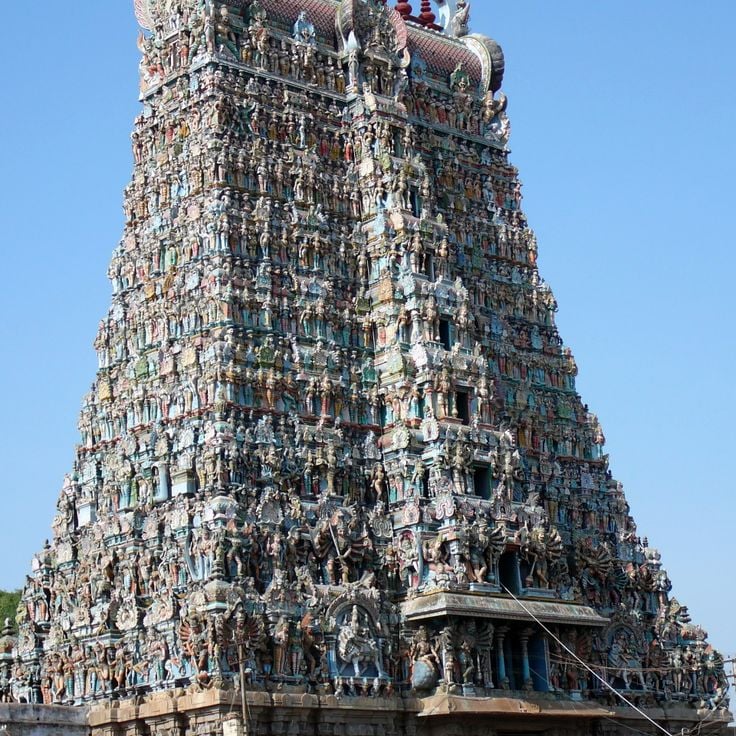
The Meenakshi Amman Temple demonstrates the religious practices and architectural achievements of ancient South Indian civilization. This temple displays Dravidian architecture with 14 towers decorated with colored sculptures. The complex spreads across a large area and houses thousands of stone carvings depicting religious stories and local traditions. The temple shows how ancient societies turned their spiritual beliefs and social structures into monumental stone buildings.
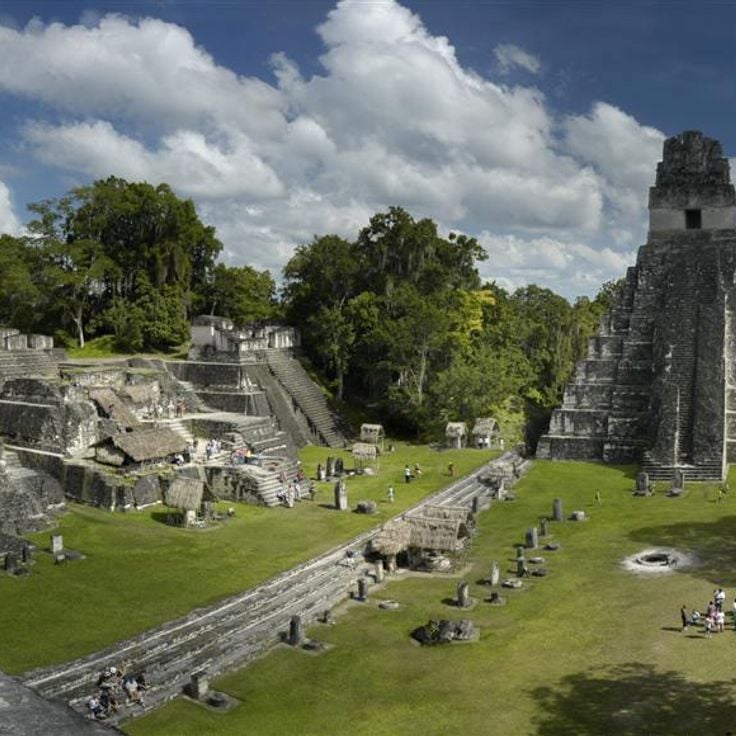
Tikal is a Maya city with pyramids reaching up to 70 meters high. The archaeological complex contains around 3000 buildings spread across the rainforest. This site shows the construction achievements and religious practices of Maya civilization. The temples and palaces reveal how the Maya built their stone structures and organized their cities. Tikal documents the architectural methods and social organization of this ancient culture.
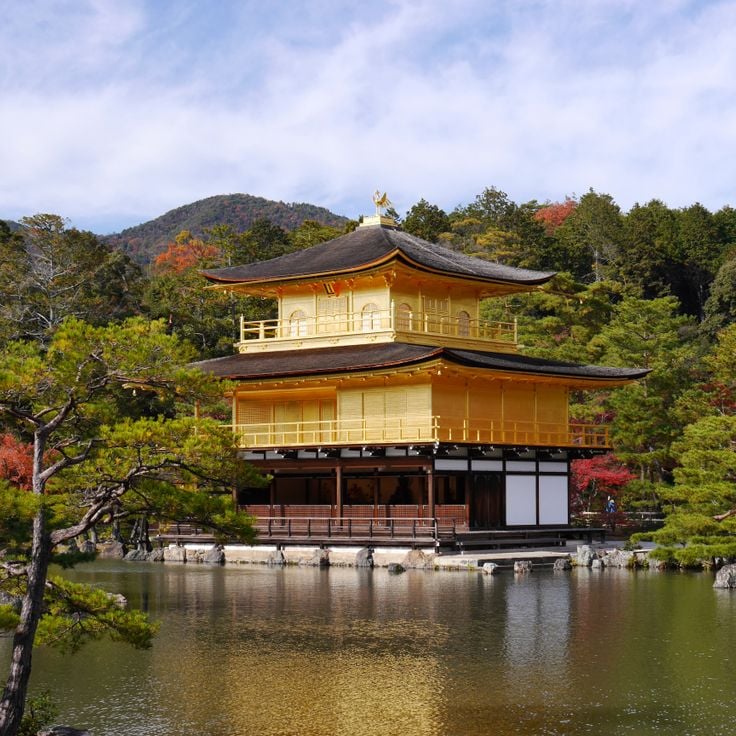
Kinkaku-ji is a Buddhist temple in Kyoto that displays the architectural achievements of the Muromachi period. The three-story main building is covered in gold leaf and surrounded by gardens. This temple documents the religious practices and construction methods of its time, contributing to our understanding of the social structures of ancient Japan.
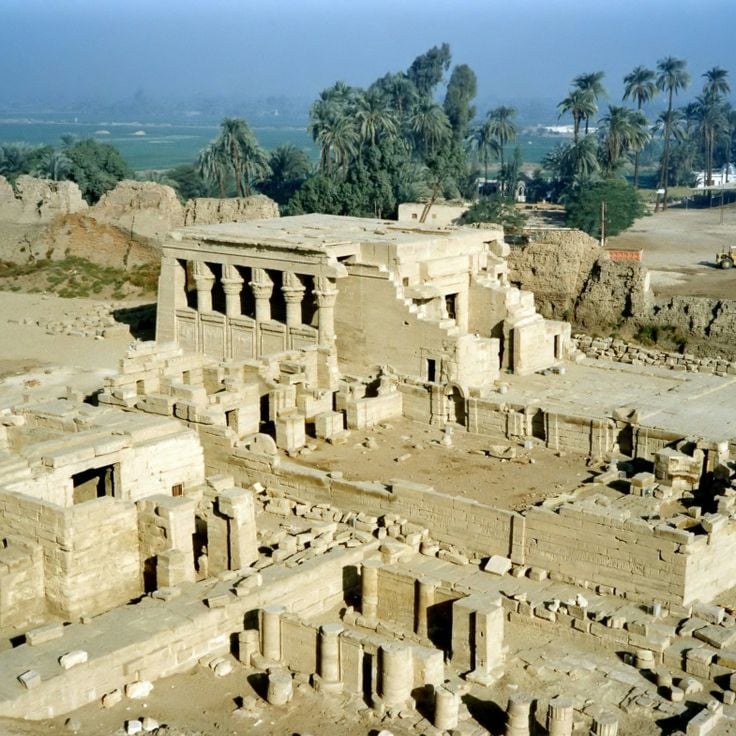
The Dendera Temple Complex was built during the Ptolemaic period and blends Roman and Egyptian architecture. Its ceilings display astronomical representations and the zodiac. This site stands among the great temples worldwide that document the construction methods, religious practices and social structures of ancient civilizations. The structure shows how different cultures expressed their spiritual beliefs through monumental buildings.
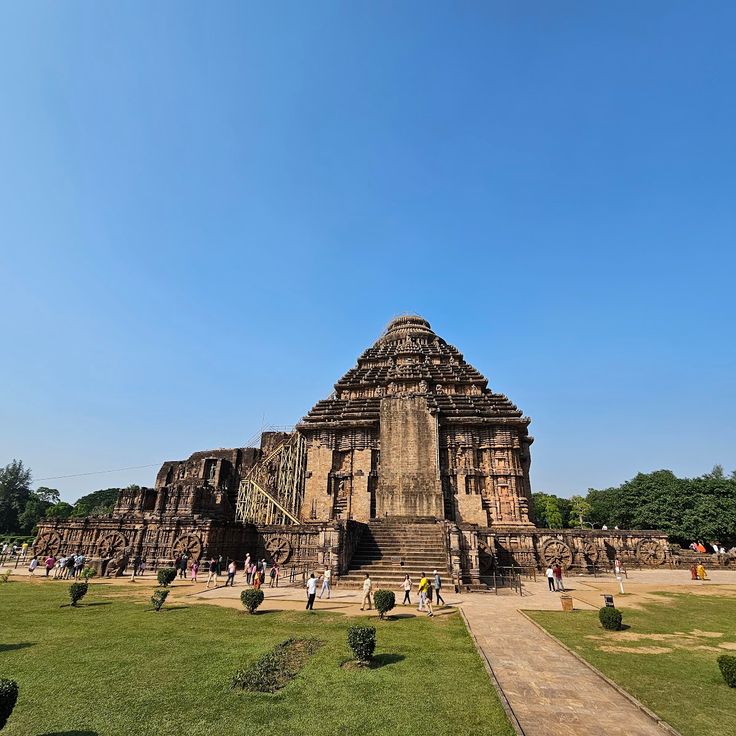
The Konark Sun Temple demonstrates how architecture and religious belief came together in the Kalinga style. Built in the form of a chariot with 24 wheels, the temple's walls tell mythological stories through detailed stone carvings. This structure preserves construction methods and spiritual practices of an ancient civilization in Asia.
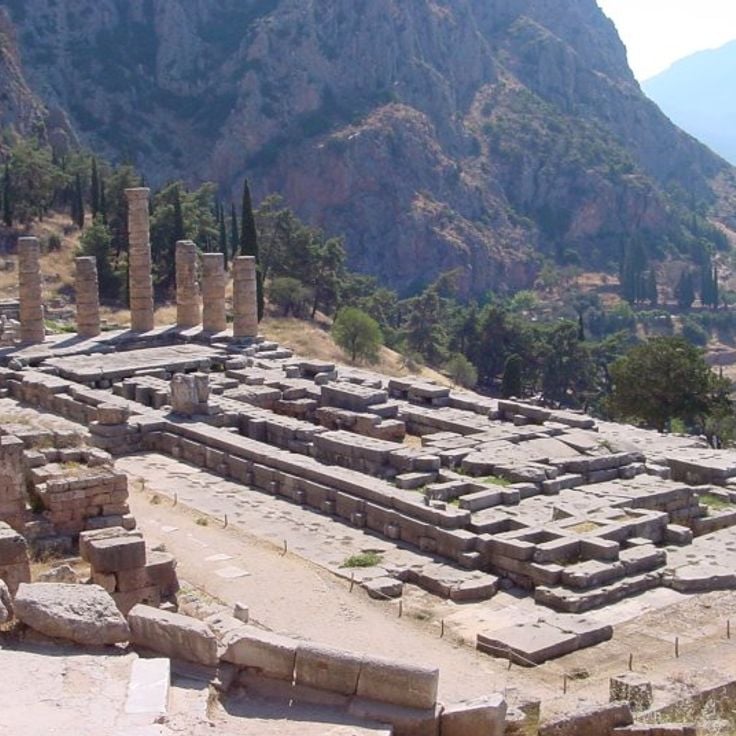
The Temple of Apollo at Delphi is a Doric temple built in the 4th century BCE. This structure demonstrates the architectural achievements of ancient Greek civilization. Within its inner chamber, called the adyton, the oracle delivered prophecies to visitors. The temple documents religious practices, construction techniques and the social importance of sacred sites in antiquity.
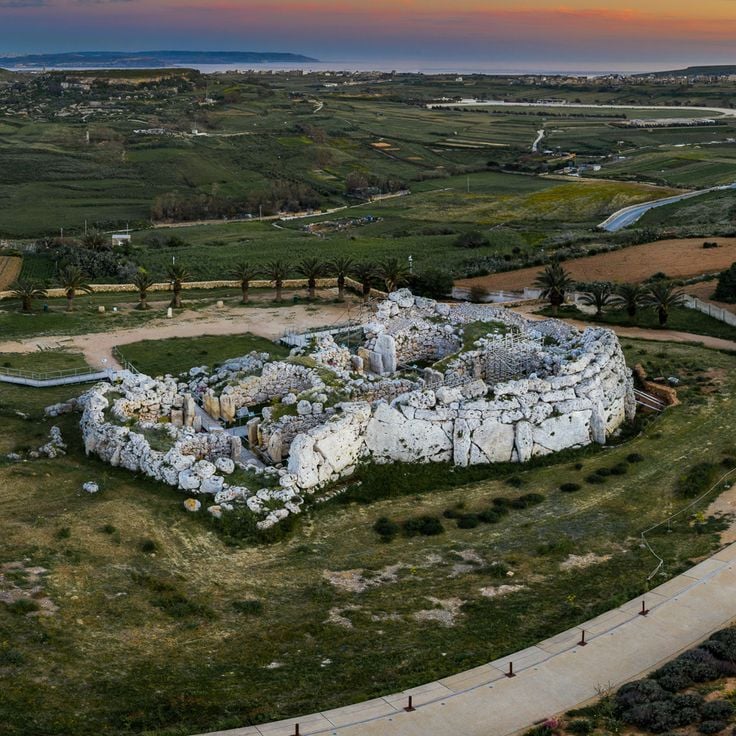
The Ggantija Temples represent the religious practices and building methods of an ancient civilization. These megalithic structures were built between 3600 and 3200 BCE and show the architectural abilities of their time. The temples are part of the UNESCO World Heritage list and document how people constructed and used their sacred spaces in the distant past.
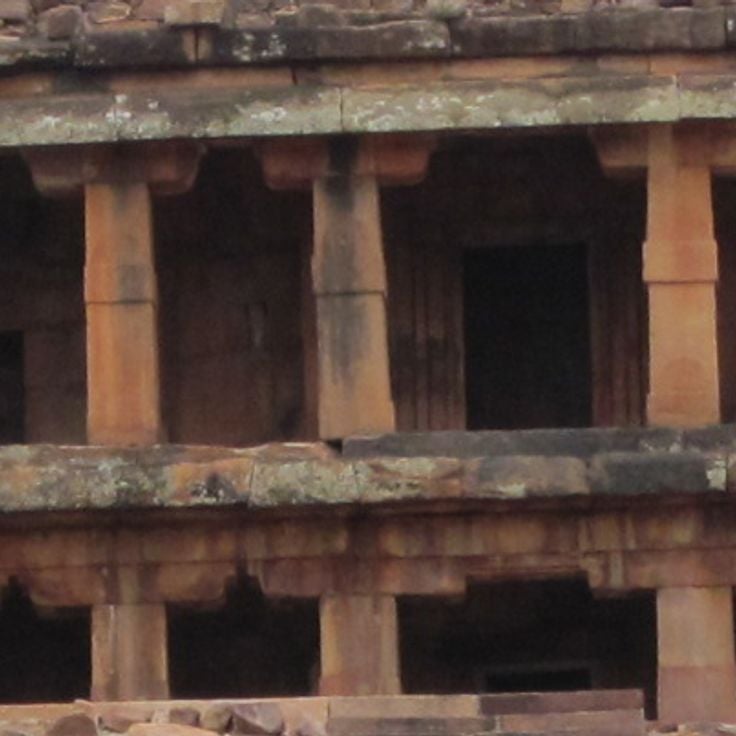
Aihole is a temple complex with over 125 temples built from the 6th to 12th centuries. This site demonstrates the evolution of Chalukya architecture and documents the religious practices, construction techniques, and social structures of an ancient civilization. The varied building styles and ornamental details found here reflect the beliefs and organization of its time.
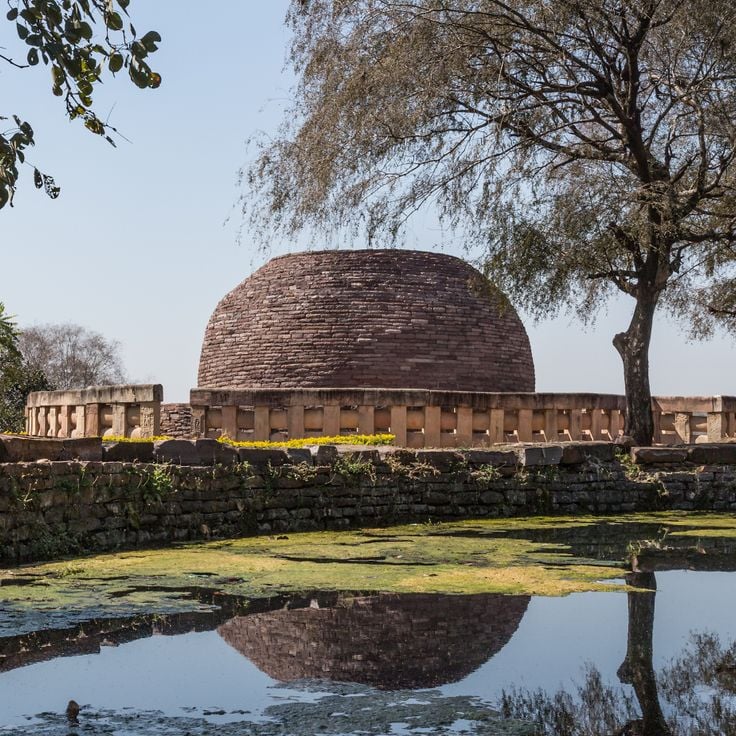
The Sanchi Stupa is a Buddhist structure dating to the 3rd century BCE that exemplifies the architectural methods of ancient civilizations. This hemispherical dome stands in Madhya Pradesh and documents religious practices and construction techniques of its era. The building combines simple geometric forms with carved stone ornaments and reveals much about the social organization of the region.
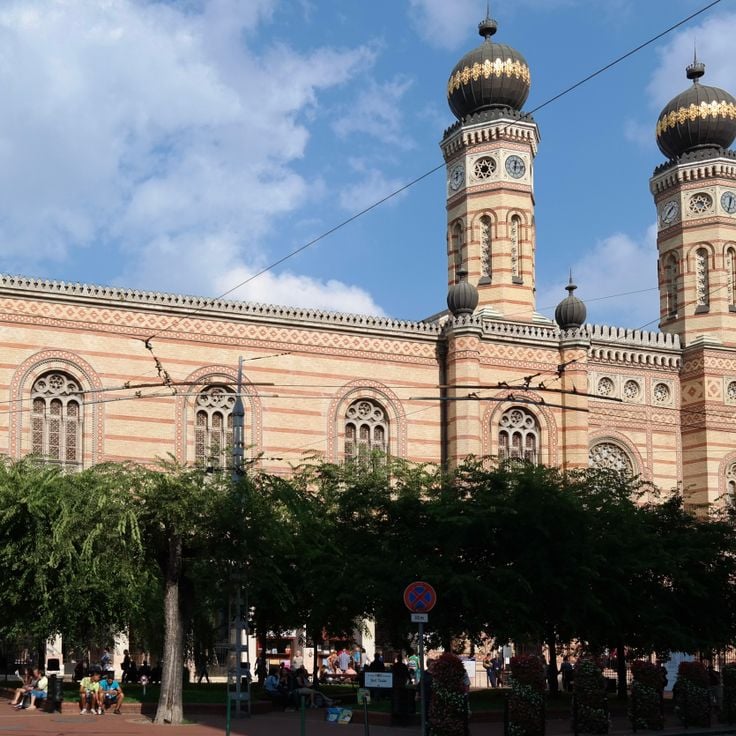
The Great Synagogue of Budapest was completed in 1859 and seats 3000 people. Like the temples and religious structures in this collection, it showcases the architectural and cultural achievements of its time. The building blends oriental and romantic architectural elements with traditional Jewish motifs. Through its design and decoration, this synagogue records the religious practices and construction methods of the 19th century.
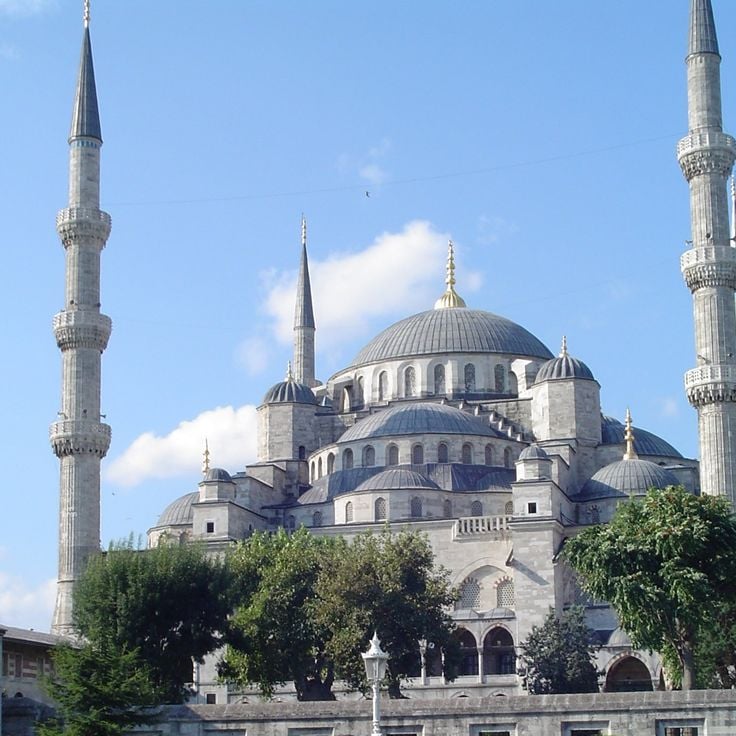
The Sultan Ahmed Mosque displays the architectural achievements of the Ottoman Empire and documents the religious practices of its time. Built between 1609 and 1616, this mosque shapes Istanbul's skyline with six minarets marking its corners. More than 20,000 handmade ceramic tiles cover the interior walls, demonstrating the craftsmanship of the period.
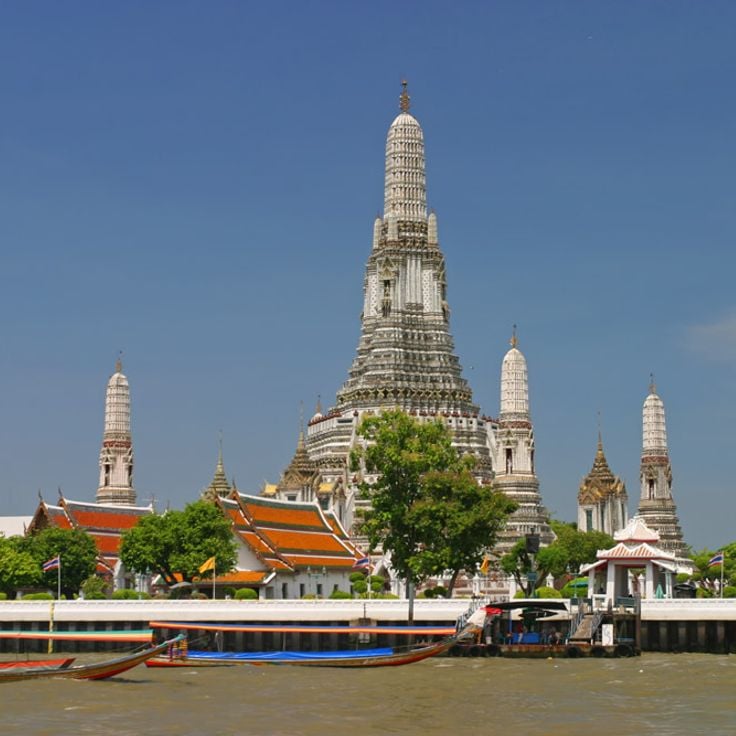
This 17th century Buddhist temple on the west bank of the Chao Phraya River in Bangkok exemplifies the religious architecture documented in temples worldwide. Its central tower rises 70 meters high and displays colored glass and Chinese porcelain decorations that reflect the craftsmanship and spiritual practices of its era. The temple complex reveals the construction methods and religious significance central to Buddhist communities in Southeast Asia.
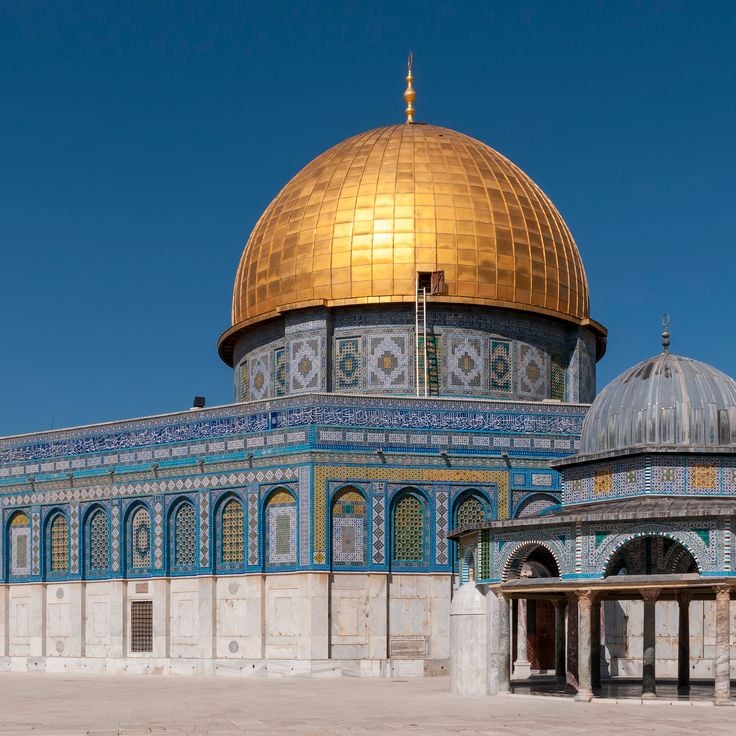
The Dome of the Rock demonstrates how religious architecture was designed in the 7th century. This octagonal shrine was built in 691 CE and combines Islamic construction methods with decorative elements from different traditions. The golden dome stands out visually, while marble and mosaics cover the interior walls. The structure was erected over a sacred stone that holds meaning for multiple faiths. The Dome of the Rock records both religious practices and the craftsmanship of its time, showing how people then created spaces for worship.
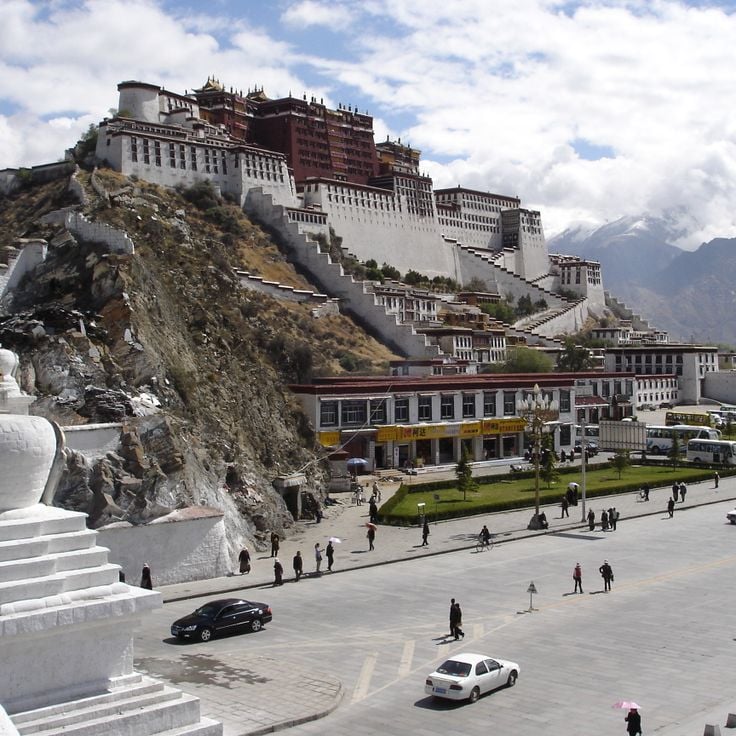
This Buddhist monastery complex demonstrates the architectural and cultural achievements documented throughout this collection of ancient temples and religious sites. Built in 1645, Potala Palace rises 13 stories and houses over 1000 rooms including temples, tombs and meditation halls. The structure illustrates the religious practices, construction methods and social organization of its era.
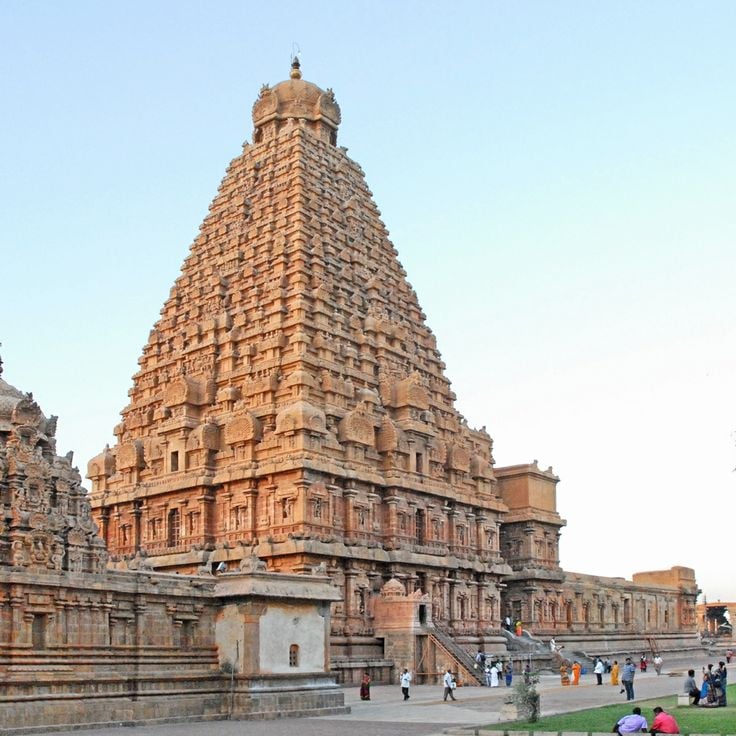
The Brihadeeswarar Temple was built in 1010 during the Chola dynasty and rises 66 meters high with monolithic granite blocks. It contains carved panels depicting scenes from Hindu mythology. This temple shows the architectural and artistic skills of an ancient civilization and records the religious practices and construction methods of its time.
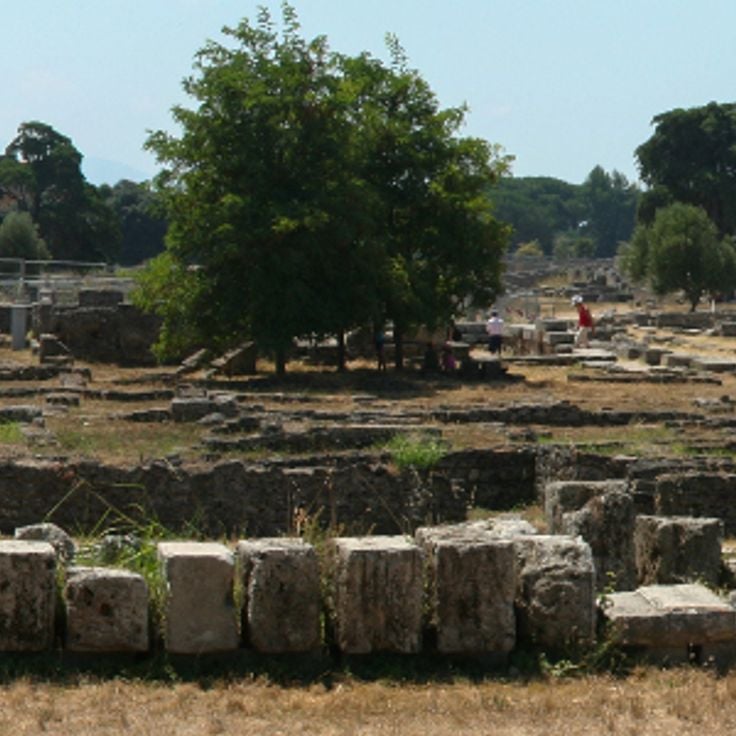
This archaeological complex contains three ancient Greek temples built between 550 and 450 BC. The structures exemplify early Doric architecture in Magna Graecia and, like other major temples worldwide, document the construction methods and religious practices of their time.
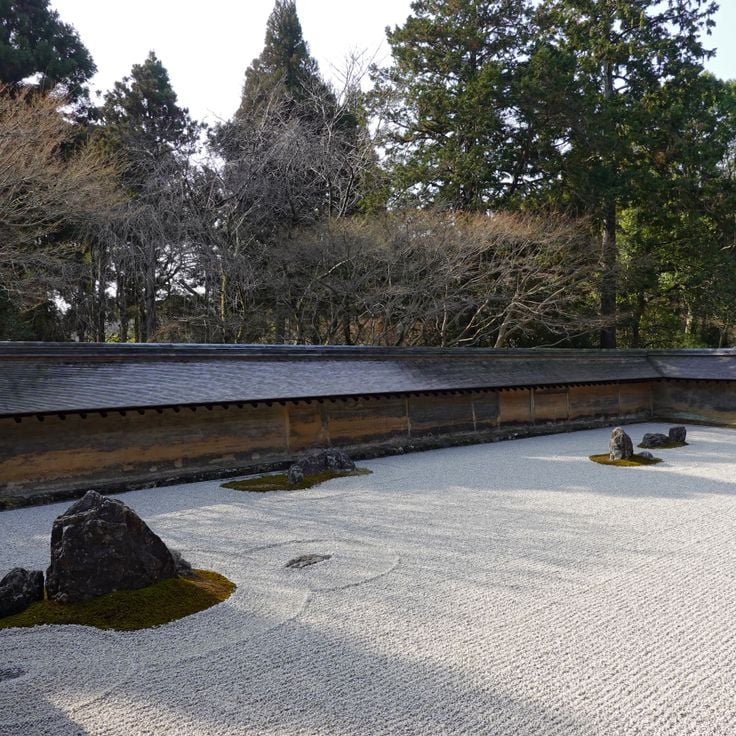
This meditation temple from 1450 is among the major religious sites that document architectural and cultural achievements of ancient civilizations. The temple houses the oldest Japanese rock garden, where fifteen stones rest on raked white gravel in specific patterns. The garden reveals the construction methods and spiritual practices of its era, offering insight into the building styles and ceremonial spaces that developed across different cultures.
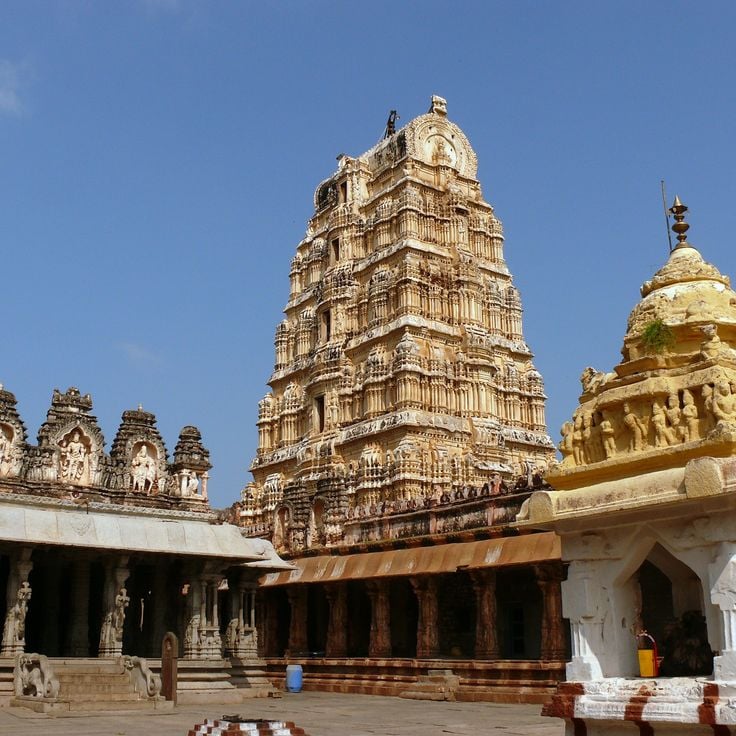
The Virupaksha Temple is a stone complex dedicated to Shiva that shows how builders in ancient times created structures with careful planning and skilled craftsmanship. The temple features pyramidal towers, open courtyards and halls with numerous columns. The main tower rises prominently and commands attention across the site. This complex in Hampi documents the religious practices and construction methods of its era, much like other major temples and sacred places worldwide that reveal how different cultures developed their own building styles and ceremonial spaces.
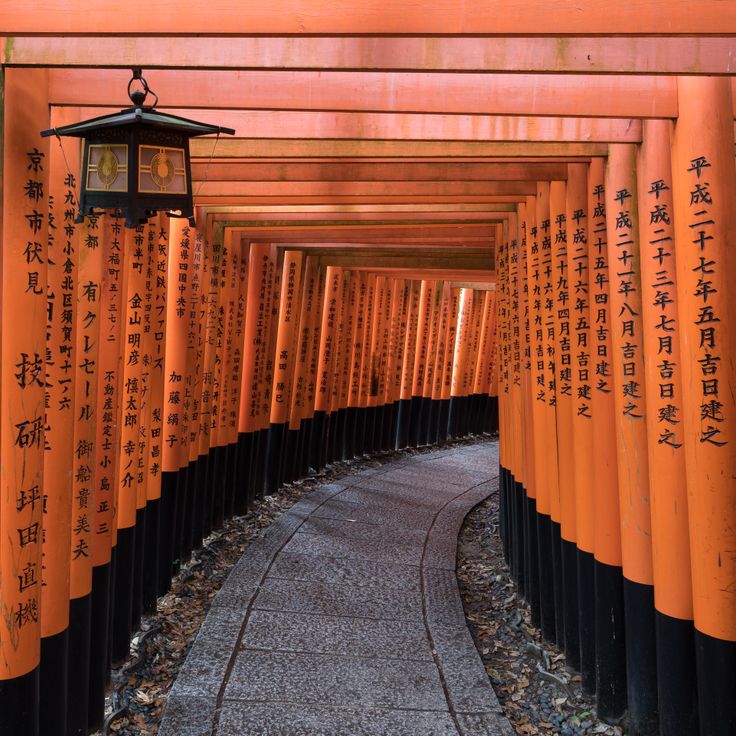
This shrine is a complex of religious structures dedicated to the deity Inari. Thousands of vermilion torii gates line mountain trails and show the construction methods and religious practices of ancient Japan. Like major temples worldwide, the Fushimi Inari Shrine documents the religious beliefs and social structures of its period.
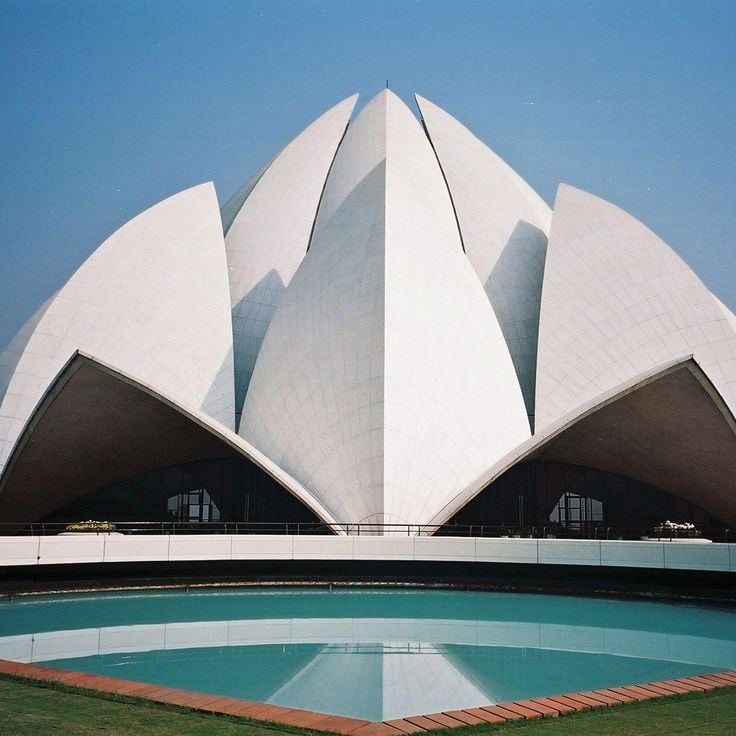
The Lotus Temple is a modern place of worship that demonstrates how religious architecture continues to develop beyond ancient times. Built from marble, the structure takes the form of a flower with nine sides and 27 petals arranged in sets of three. This temple shows that the architectural traditions documented worldwide in ancient religious complexes have evolved to create new forms of sacred space.
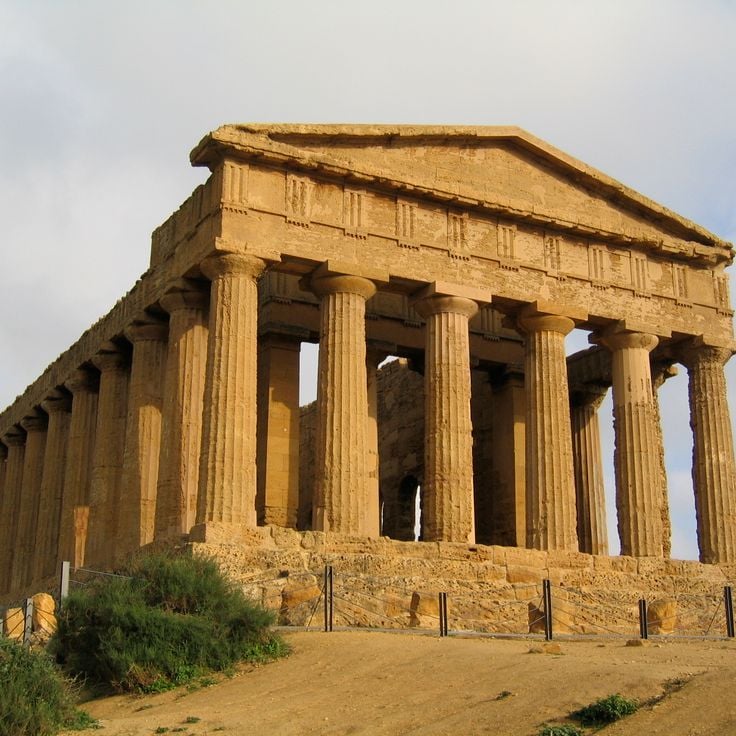
The Temple of Concordia is an ancient Doric structure that stands on a rectangular platform and shows how ancient civilizations built their religious buildings. With 34 limestone columns and six columns at the main facade, this temple demonstrates the architectural achievements of antiquity and documents the construction methods and religious practices of its time.
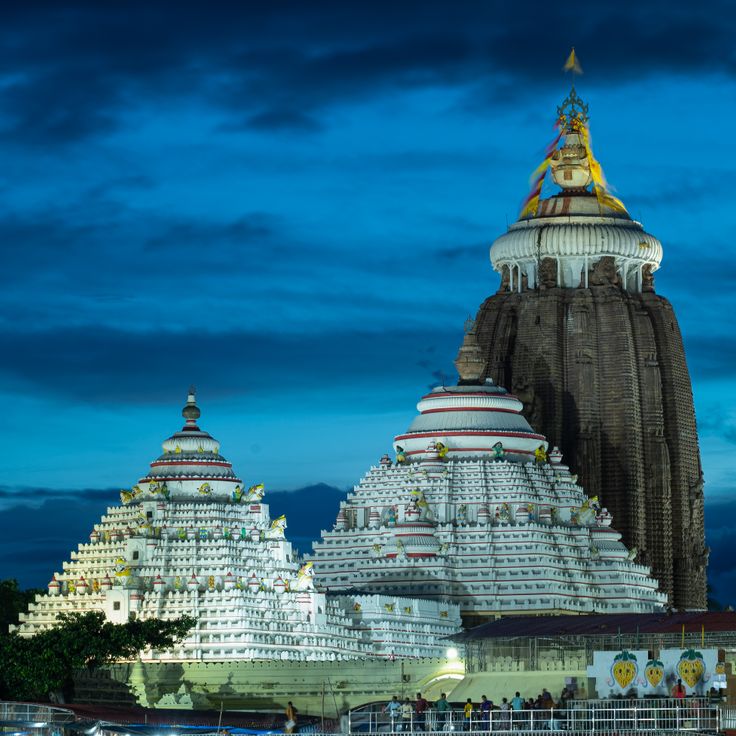
The Jagannath Temple is a stone temple complex from 1161 with a white tower reaching 65 meters high. Devoted to the deity Jagannath, this temple shows the architectural achievements of ancient Indian civilizations. It is known for the annual Ratha Yatra procession, when religious rituals unfold through the streets, revealing the building methods and social structures of its time.
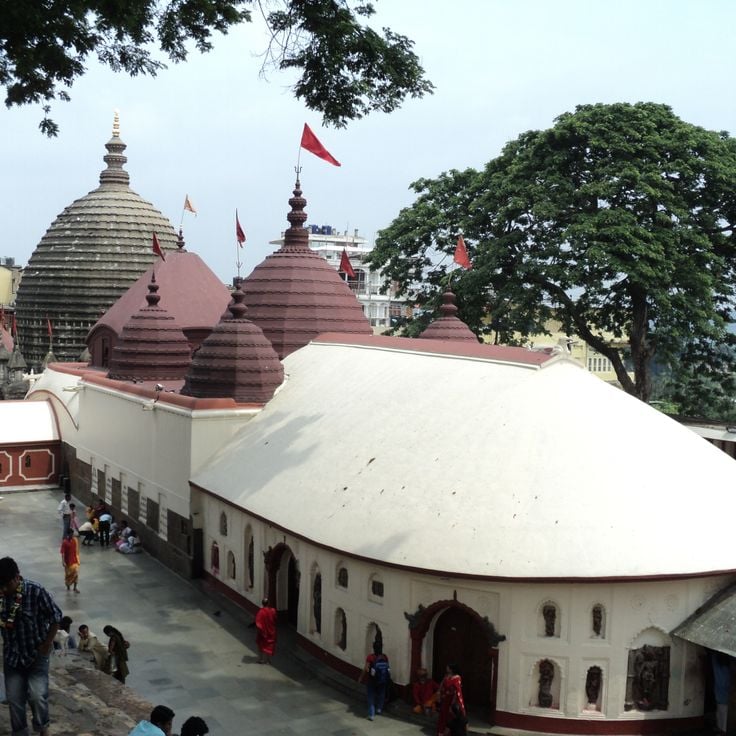
This Hindu temple stands on Nilachal Hill and belongs to the sacred group of 51 Shakti Pithas dedicated to goddess worship. Kamakhya Temple shows the religious practices and architectural methods of ancient Indian civilization. The structure documents how people in this region built temples to honor their goddess and created sacred spaces that reflected their spiritual beliefs.
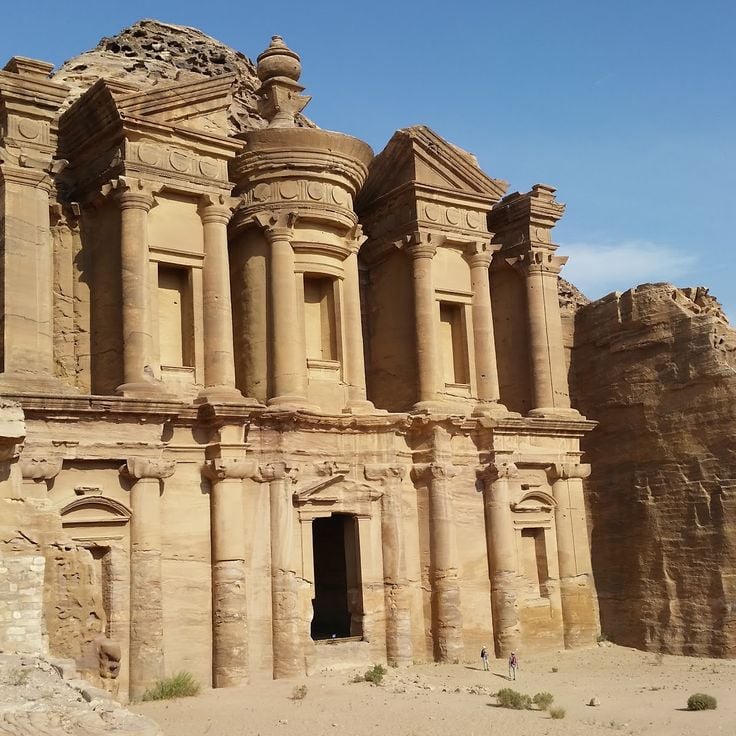
Al-Khazneh in this collection exemplifies the architectural achievements of ancient civilizations. This monument is carved into red sandstone and stands 40 meters high, displaying Hellenistic columns, pediments and friezes. It served as a tomb for a Nabataean king and reveals the construction methods and religious practices of its time.
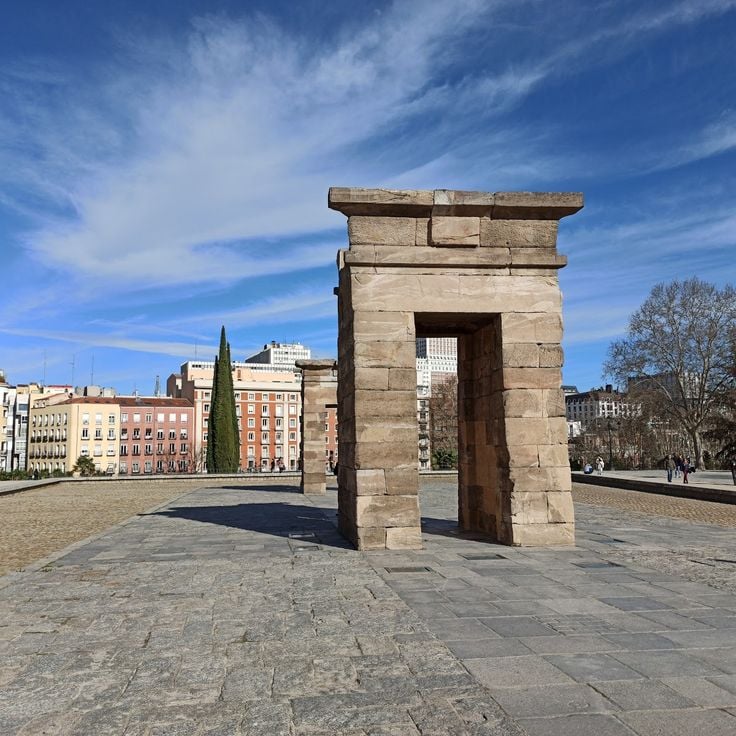
The Temple of Debod stands in Parque del Oeste in Madrid and displays Egyptian architecture from the 2nd century BCE. Egypt gave this temple to Spain in 1968 as thanks for helping preserve monuments in Nubia. This structure shows religious practices and building methods of ancient Egyptian civilization and reveals cultural exchange between distant peoples.
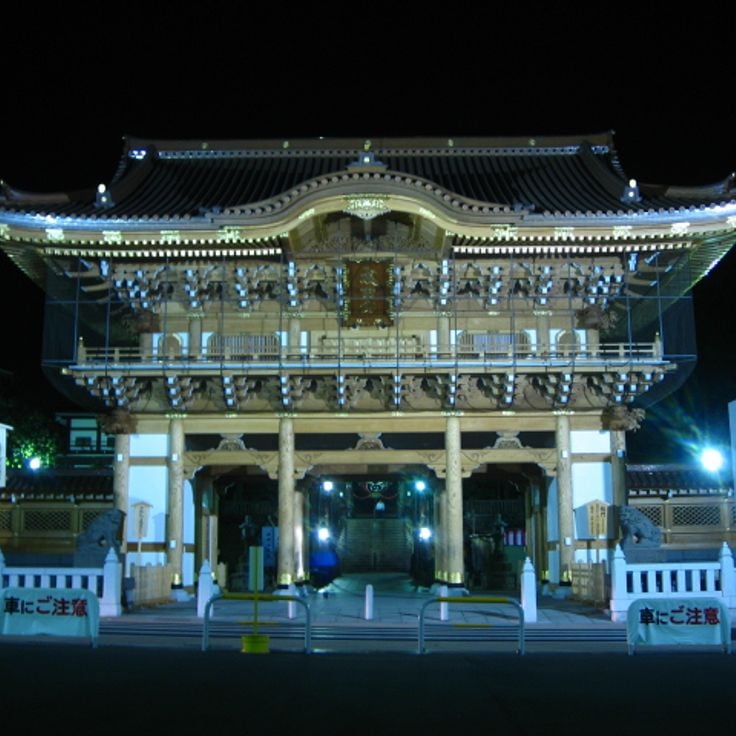
This Buddhist temple complex displays Japanese architectural and religious achievements across different eras. Naritasan Shinshoji contains a ritual hall where monks perform traditional Goma fire ceremonies. The grounds feature pagodas, gates and gardens built in various Japanese styles, reflecting construction methods and spiritual practices from their time. The complex shows how religious sites served as important centers of learning and community life.
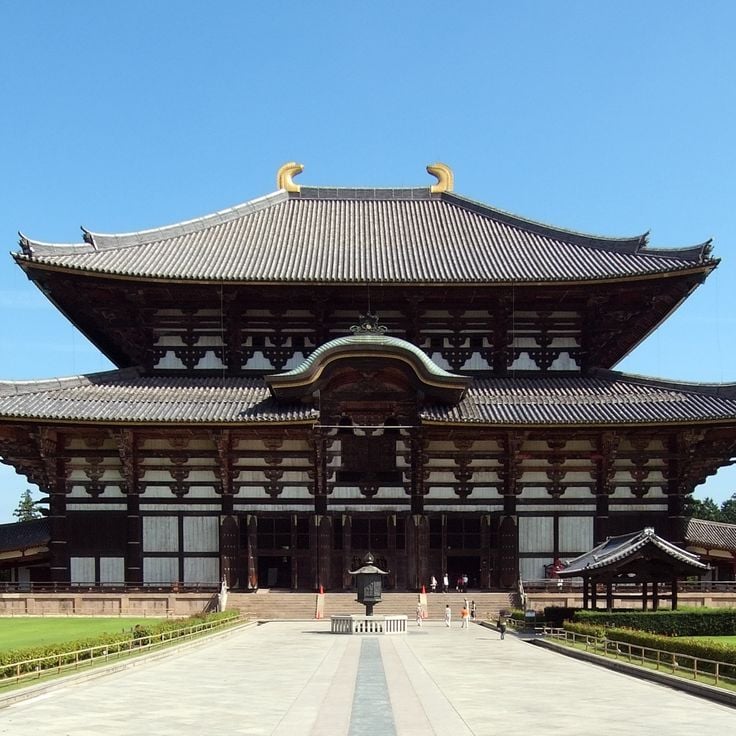
Built in 752, Todaiji Temple houses a monumental bronze Vairocana Buddha statue measuring 15 meters in height and serves as headquarters for the Kegon school. This Buddhist temple shows the architectural and craft achievements of ancient Japan. The site documents religious practices, construction methods and the social structure of its time, representing one of the major temples worldwide that reflect the cultural accomplishments of ancient civilizations.
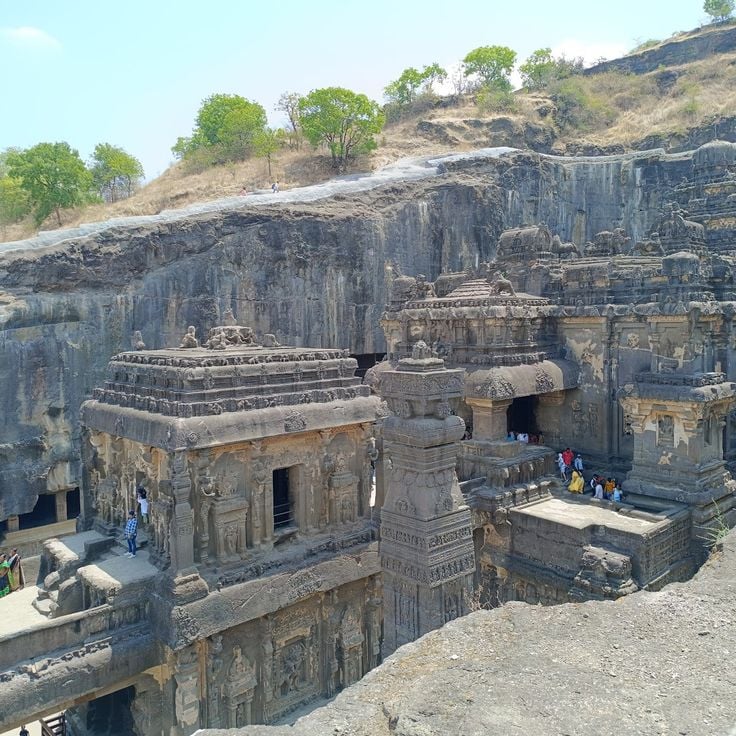
The Ellora Caves document how three religions coexisted and built side by side in medieval India. Carved between 600 and 1000 CE, the site contains 34 Buddhist, Hindu and Jain temples and monasteries cut directly into vertical basalt cliffs. Artisans chiseled and excavated entire structures from the rock face, leaving behind detailed carvings, pillars and prayer halls. Each faith expressed its own traditions in stone, and the proximity of these different religious spaces reveals how communities managed shared sacred ground. The site preserves construction methods, artistic techniques and the religious life of the period.
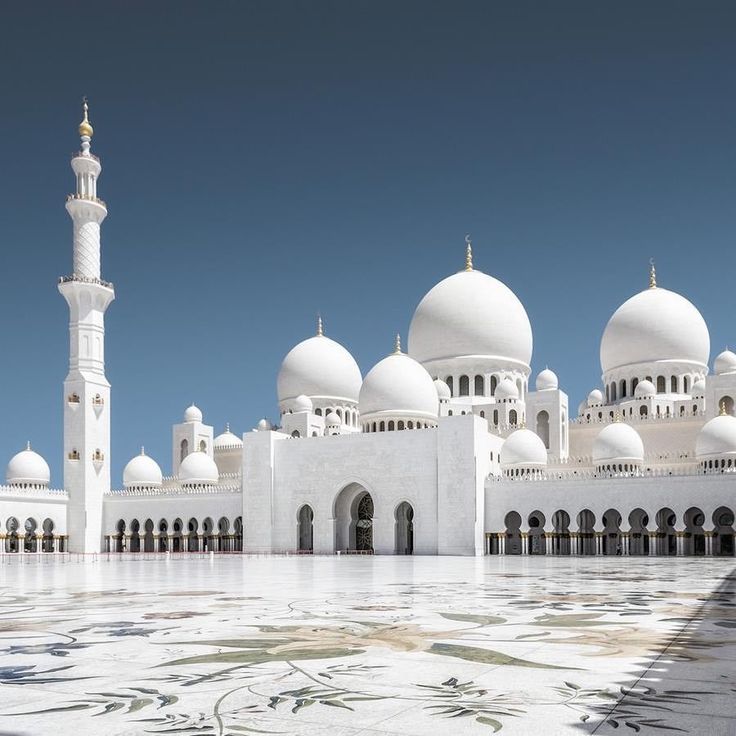
The Sheikh Zayed Grand Mosque is a major religious complex in Abu Dhabi that demonstrates contemporary Islamic architectural practices. This structure documents construction methods, craftsmanship and the organization of communal prayer spaces. The mosque displays marble panels, crystal chandeliers and reflective pools alongside domes and minarets that define the composition of the site.
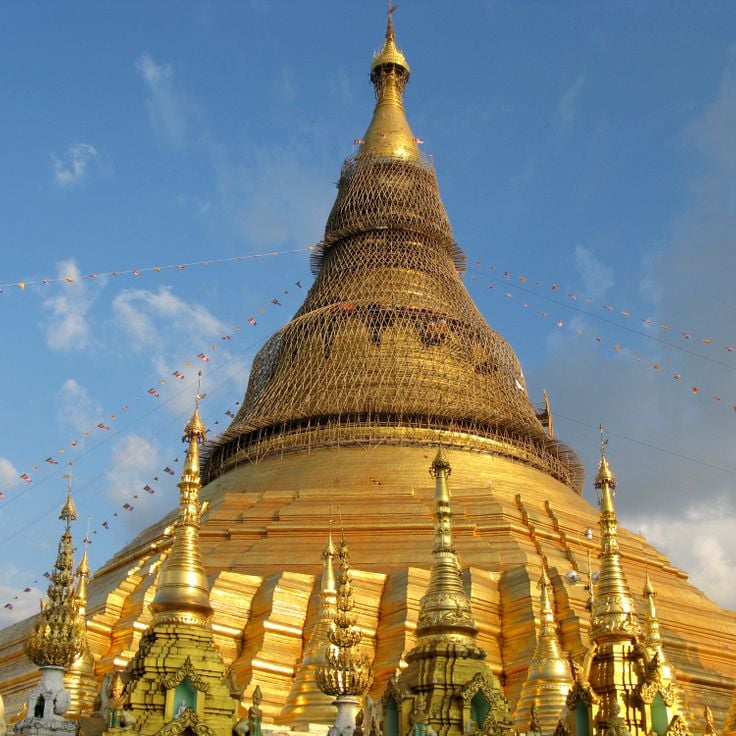
The Shwedagon Pagoda in Yangon represents the religious architecture of Southeast Asia. This 99-meter-high golden stupa is Myanmar's principal Buddhist temple and houses ancient relics from four historical Buddhas. Like major temples worldwide, this structure documents religious practices and construction methods of its time, revealing how people expressed their spiritual beliefs through architecture and creating a ceremonial center that shaped daily life.
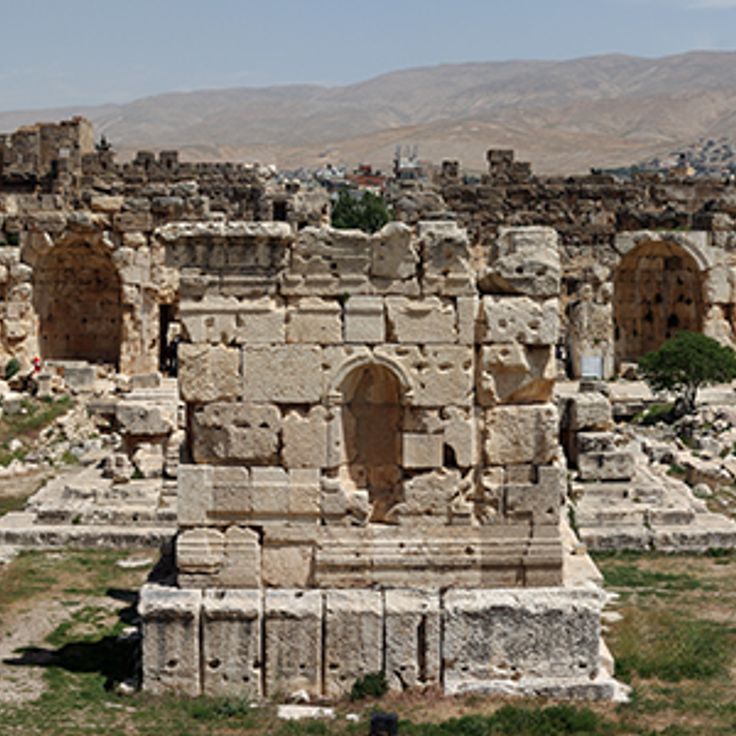
The ancient Baalbek sanctuary displays Roman construction methods with six religious structures built in limestone. This complex documents the architectural techniques and religious practices of an ancient civilization. The Temple of Jupiter stands on a platform supported by columns reaching 20 meters high, with individual stone blocks weighing 800 tons.
Angkor Wat is a 12th-century temple complex in Cambodia that showcases the architectural and artistic accomplishments of the Khmer civilization. The complex covers 162 hectares and displays classical Khmer architecture with detailed stone reliefs. Angkor Wat documents the religious practices, construction methods and social structures of its era, and stands among the world's major temple sites that reflect the knowledge and abilities of ancient cultures.
The Parthenon is a marble temple built on the Acropolis in the 5th century BC and displays the Doric column order. As a work of the ancient Greeks, this temple documents religious practices, construction methods and social structures of its time. The Parthenon shows the architectural and cultural achievements of ancient civilizations, comparable to major temples worldwide from Cambodia to Mexico.
Borobudur is a 9th-century Buddhist temple that displays religious practices and construction methods of its ancient era. This sanctuary consists of nine stacked platforms containing 504 Buddha statues and 2,672 relief panels. The site in Indonesia documents the craftsmanship and social structures of the civilization that built it.
The Temple of Heaven is a 15th-century complex in Beijing that reveals the religious and political practices of the Ming Dynasty. The site features three main buildings and shows how ancient Chinese rulers expressed their power through architecture and ceremony. This temple documents construction methods and social structures of its era, fitting among the world's major religious complexes that display the knowledge and capabilities of ancient civilizations.
Karnak Temple is a religious complex that documents the architectural and religious achievements of ancient Egypt over many centuries. The site contains multiple temples, chapels and columned halls built during Egypt's Middle and New Kingdom periods. These structures reveal the construction methods, religious practices and social hierarchy of ancient Egyptian civilization. Like other major temples worldwide, Karnak shows how ancient societies organized space for worship and expressed their values through monumental architecture.
The Golden Temple is the central shrine of Sikhism and demonstrates the religious and architectural accomplishments of this faith community. The marble structure is covered in gold and reflects in a pool of water. This temple records building styles, ornaments and ceremonial spaces significant to Sikh practice, holding an important place in the collection of ancient religious sites worldwide.
The Temple of Edfu is a remarkable example from the Ptolemaic period and displays how major temples worldwide document the architectural and cultural achievements of ancient civilizations. The walls of this temple are covered with hieroglyphs and reliefs that record religious rituals and festivals of ancient Egypt. This structure reveals the construction methods, religious practices and social order of its time.
Chichen Itza displays the architectural achievements of the Maya civilization and documents religious practices and construction methods of this ancient culture. The site contains a step pyramid, an observatory, a ball court, and colonnaded halls with astronomical representations. These structures show how Maya builders transformed their religious beliefs into stone and how astronomy played a central role in their daily life.
Prambanan Temple is a Hindu temple complex dating from the 9th century in Yogyakarta. The site consists of multiple towers, with the tallest reaching 47 meters. The reliefs carved into the towers are dedicated to the gods Shiva, Vishnu and Brahma. This temple demonstrates the construction skills and religious practices of Javanese society in that era. It represents the kind of major temple that documents the architectural and cultural achievements of ancient civilizations across Asia.
Wat Pho is a major temple in Bangkok that represents the architectural and cultural achievements of ancient civilizations. This temple houses a 46-meter long gilded reclining Buddha statue. Since 1782, Wat Pho has served as a center of traditional Thai medicine and massage. The complex demonstrates the building styles, ornaments and ceremonial spaces that document the religious practices and social structures of its time.
The Meenakshi Amman Temple demonstrates the religious practices and architectural achievements of ancient South Indian civilization. This temple displays Dravidian architecture with 14 towers decorated with colored sculptures. The complex spreads across a large area and houses thousands of stone carvings depicting religious stories and local traditions. The temple shows how ancient societies turned their spiritual beliefs and social structures into monumental stone buildings.
Tikal is a Maya city with pyramids reaching up to 70 meters high. The archaeological complex contains around 3000 buildings spread across the rainforest. This site shows the construction achievements and religious practices of Maya civilization. The temples and palaces reveal how the Maya built their stone structures and organized their cities. Tikal documents the architectural methods and social organization of this ancient culture.
Kinkaku-ji is a Buddhist temple in Kyoto that displays the architectural achievements of the Muromachi period. The three-story main building is covered in gold leaf and surrounded by gardens. This temple documents the religious practices and construction methods of its time, contributing to our understanding of the social structures of ancient Japan.
The Dendera Temple Complex was built during the Ptolemaic period and blends Roman and Egyptian architecture. Its ceilings display astronomical representations and the zodiac. This site stands among the great temples worldwide that document the construction methods, religious practices and social structures of ancient civilizations. The structure shows how different cultures expressed their spiritual beliefs through monumental buildings.
The Konark Sun Temple demonstrates how architecture and religious belief came together in the Kalinga style. Built in the form of a chariot with 24 wheels, the temple's walls tell mythological stories through detailed stone carvings. This structure preserves construction methods and spiritual practices of an ancient civilization in Asia.
The Temple of Apollo at Delphi is a Doric temple built in the 4th century BCE. This structure demonstrates the architectural achievements of ancient Greek civilization. Within its inner chamber, called the adyton, the oracle delivered prophecies to visitors. The temple documents religious practices, construction techniques and the social importance of sacred sites in antiquity.
The Ggantija Temples represent the religious practices and building methods of an ancient civilization. These megalithic structures were built between 3600 and 3200 BCE and show the architectural abilities of their time. The temples are part of the UNESCO World Heritage list and document how people constructed and used their sacred spaces in the distant past.
Aihole is a temple complex with over 125 temples built from the 6th to 12th centuries. This site demonstrates the evolution of Chalukya architecture and documents the religious practices, construction techniques, and social structures of an ancient civilization. The varied building styles and ornamental details found here reflect the beliefs and organization of its time.
The Sanchi Stupa is a Buddhist structure dating to the 3rd century BCE that exemplifies the architectural methods of ancient civilizations. This hemispherical dome stands in Madhya Pradesh and documents religious practices and construction techniques of its era. The building combines simple geometric forms with carved stone ornaments and reveals much about the social organization of the region.
The Great Synagogue of Budapest was completed in 1859 and seats 3000 people. Like the temples and religious structures in this collection, it showcases the architectural and cultural achievements of its time. The building blends oriental and romantic architectural elements with traditional Jewish motifs. Through its design and decoration, this synagogue records the religious practices and construction methods of the 19th century.
The Sultan Ahmed Mosque displays the architectural achievements of the Ottoman Empire and documents the religious practices of its time. Built between 1609 and 1616, this mosque shapes Istanbul's skyline with six minarets marking its corners. More than 20,000 handmade ceramic tiles cover the interior walls, demonstrating the craftsmanship of the period.
This 17th century Buddhist temple on the west bank of the Chao Phraya River in Bangkok exemplifies the religious architecture documented in temples worldwide. Its central tower rises 70 meters high and displays colored glass and Chinese porcelain decorations that reflect the craftsmanship and spiritual practices of its era. The temple complex reveals the construction methods and religious significance central to Buddhist communities in Southeast Asia.
The Dome of the Rock demonstrates how religious architecture was designed in the 7th century. This octagonal shrine was built in 691 CE and combines Islamic construction methods with decorative elements from different traditions. The golden dome stands out visually, while marble and mosaics cover the interior walls. The structure was erected over a sacred stone that holds meaning for multiple faiths. The Dome of the Rock records both religious practices and the craftsmanship of its time, showing how people then created spaces for worship.
This Buddhist monastery complex demonstrates the architectural and cultural achievements documented throughout this collection of ancient temples and religious sites. Built in 1645, Potala Palace rises 13 stories and houses over 1000 rooms including temples, tombs and meditation halls. The structure illustrates the religious practices, construction methods and social organization of its era.
The Brihadeeswarar Temple was built in 1010 during the Chola dynasty and rises 66 meters high with monolithic granite blocks. It contains carved panels depicting scenes from Hindu mythology. This temple shows the architectural and artistic skills of an ancient civilization and records the religious practices and construction methods of its time.
This archaeological complex contains three ancient Greek temples built between 550 and 450 BC. The structures exemplify early Doric architecture in Magna Graecia and, like other major temples worldwide, document the construction methods and religious practices of their time.
This meditation temple from 1450 is among the major religious sites that document architectural and cultural achievements of ancient civilizations. The temple houses the oldest Japanese rock garden, where fifteen stones rest on raked white gravel in specific patterns. The garden reveals the construction methods and spiritual practices of its era, offering insight into the building styles and ceremonial spaces that developed across different cultures.
The Virupaksha Temple is a stone complex dedicated to Shiva that shows how builders in ancient times created structures with careful planning and skilled craftsmanship. The temple features pyramidal towers, open courtyards and halls with numerous columns. The main tower rises prominently and commands attention across the site. This complex in Hampi documents the religious practices and construction methods of its era, much like other major temples and sacred places worldwide that reveal how different cultures developed their own building styles and ceremonial spaces.
This shrine is a complex of religious structures dedicated to the deity Inari. Thousands of vermilion torii gates line mountain trails and show the construction methods and religious practices of ancient Japan. Like major temples worldwide, the Fushimi Inari Shrine documents the religious beliefs and social structures of its period.
The Lotus Temple is a modern place of worship that demonstrates how religious architecture continues to develop beyond ancient times. Built from marble, the structure takes the form of a flower with nine sides and 27 petals arranged in sets of three. This temple shows that the architectural traditions documented worldwide in ancient religious complexes have evolved to create new forms of sacred space.
The Temple of Concordia is an ancient Doric structure that stands on a rectangular platform and shows how ancient civilizations built their religious buildings. With 34 limestone columns and six columns at the main facade, this temple demonstrates the architectural achievements of antiquity and documents the construction methods and religious practices of its time.
The Jagannath Temple is a stone temple complex from 1161 with a white tower reaching 65 meters high. Devoted to the deity Jagannath, this temple shows the architectural achievements of ancient Indian civilizations. It is known for the annual Ratha Yatra procession, when religious rituals unfold through the streets, revealing the building methods and social structures of its time.
This Hindu temple stands on Nilachal Hill and belongs to the sacred group of 51 Shakti Pithas dedicated to goddess worship. Kamakhya Temple shows the religious practices and architectural methods of ancient Indian civilization. The structure documents how people in this region built temples to honor their goddess and created sacred spaces that reflected their spiritual beliefs.
Al-Khazneh in this collection exemplifies the architectural achievements of ancient civilizations. This monument is carved into red sandstone and stands 40 meters high, displaying Hellenistic columns, pediments and friezes. It served as a tomb for a Nabataean king and reveals the construction methods and religious practices of its time.
The Temple of Debod stands in Parque del Oeste in Madrid and displays Egyptian architecture from the 2nd century BCE. Egypt gave this temple to Spain in 1968 as thanks for helping preserve monuments in Nubia. This structure shows religious practices and building methods of ancient Egyptian civilization and reveals cultural exchange between distant peoples.
This Buddhist temple complex displays Japanese architectural and religious achievements across different eras. Naritasan Shinshoji contains a ritual hall where monks perform traditional Goma fire ceremonies. The grounds feature pagodas, gates and gardens built in various Japanese styles, reflecting construction methods and spiritual practices from their time. The complex shows how religious sites served as important centers of learning and community life.
Built in 752, Todaiji Temple houses a monumental bronze Vairocana Buddha statue measuring 15 meters in height and serves as headquarters for the Kegon school. This Buddhist temple shows the architectural and craft achievements of ancient Japan. The site documents religious practices, construction methods and the social structure of its time, representing one of the major temples worldwide that reflect the cultural accomplishments of ancient civilizations.
The Ellora Caves document how three religions coexisted and built side by side in medieval India. Carved between 600 and 1000 CE, the site contains 34 Buddhist, Hindu and Jain temples and monasteries cut directly into vertical basalt cliffs. Artisans chiseled and excavated entire structures from the rock face, leaving behind detailed carvings, pillars and prayer halls. Each faith expressed its own traditions in stone, and the proximity of these different religious spaces reveals how communities managed shared sacred ground. The site preserves construction methods, artistic techniques and the religious life of the period.
The Sheikh Zayed Grand Mosque is a major religious complex in Abu Dhabi that demonstrates contemporary Islamic architectural practices. This structure documents construction methods, craftsmanship and the organization of communal prayer spaces. The mosque displays marble panels, crystal chandeliers and reflective pools alongside domes and minarets that define the composition of the site.
The Shwedagon Pagoda in Yangon represents the religious architecture of Southeast Asia. This 99-meter-high golden stupa is Myanmar's principal Buddhist temple and houses ancient relics from four historical Buddhas. Like major temples worldwide, this structure documents religious practices and construction methods of its time, revealing how people expressed their spiritual beliefs through architecture and creating a ceremonial center that shaped daily life.
The ancient Baalbek sanctuary displays Roman construction methods with six religious structures built in limestone. This complex documents the architectural techniques and religious practices of an ancient civilization. The Temple of Jupiter stands on a platform supported by columns reaching 20 meters high, with individual stone blocks weighing 800 tons.
Angkor Wat is a 12th-century temple complex in Cambodia that showcases the architectural and artistic accomplishments of the Khmer civilization. The complex covers 162 hectares and displays classical Khmer architecture with detailed stone reliefs. Angkor Wat documents the religious practices, construction methods and social structures of its era, and stands among the world's major temple sites that reflect the knowledge and abilities of ancient cultures.
The Parthenon is a marble temple built on the Acropolis in the 5th century BC and displays the Doric column order. As a work of the ancient Greeks, this temple documents religious practices, construction methods and social structures of its time. The Parthenon shows the architectural and cultural achievements of ancient civilizations, comparable to major temples worldwide from Cambodia to Mexico.
Borobudur is a 9th-century Buddhist temple that displays religious practices and construction methods of its ancient era. This sanctuary consists of nine stacked platforms containing 504 Buddha statues and 2,672 relief panels. The site in Indonesia documents the craftsmanship and social structures of the civilization that built it.
The Temple of Heaven is a 15th-century complex in Beijing that reveals the religious and political practices of the Ming Dynasty. The site features three main buildings and shows how ancient Chinese rulers expressed their power through architecture and ceremony. This temple documents construction methods and social structures of its era, fitting among the world's major religious complexes that display the knowledge and capabilities of ancient civilizations.
Karnak Temple is a religious complex that documents the architectural and religious achievements of ancient Egypt over many centuries. The site contains multiple temples, chapels and columned halls built during Egypt's Middle and New Kingdom periods. These structures reveal the construction methods, religious practices and social hierarchy of ancient Egyptian civilization. Like other major temples worldwide, Karnak shows how ancient societies organized space for worship and expressed their values through monumental architecture.
The Golden Temple is the central shrine of Sikhism and demonstrates the religious and architectural accomplishments of this faith community. The marble structure is covered in gold and reflects in a pool of water. This temple records building styles, ornaments and ceremonial spaces significant to Sikh practice, holding an important place in the collection of ancient religious sites worldwide.
The Temple of Edfu is a remarkable example from the Ptolemaic period and displays how major temples worldwide document the architectural and cultural achievements of ancient civilizations. The walls of this temple are covered with hieroglyphs and reliefs that record religious rituals and festivals of ancient Egypt. This structure reveals the construction methods, religious practices and social order of its time.
Chichen Itza displays the architectural achievements of the Maya civilization and documents religious practices and construction methods of this ancient culture. The site contains a step pyramid, an observatory, a ball court, and colonnaded halls with astronomical representations. These structures show how Maya builders transformed their religious beliefs into stone and how astronomy played a central role in their daily life.
Prambanan Temple is a Hindu temple complex dating from the 9th century in Yogyakarta. The site consists of multiple towers, with the tallest reaching 47 meters. The reliefs carved into the towers are dedicated to the gods Shiva, Vishnu and Brahma. This temple demonstrates the construction skills and religious practices of Javanese society in that era. It represents the kind of major temple that documents the architectural and cultural achievements of ancient civilizations across Asia.
Wat Pho is a major temple in Bangkok that represents the architectural and cultural achievements of ancient civilizations. This temple houses a 46-meter long gilded reclining Buddha statue. Since 1782, Wat Pho has served as a center of traditional Thai medicine and massage. The complex demonstrates the building styles, ornaments and ceremonial spaces that document the religious practices and social structures of its time.
The Meenakshi Amman Temple demonstrates the religious practices and architectural achievements of ancient South Indian civilization. This temple displays Dravidian architecture with 14 towers decorated with colored sculptures. The complex spreads across a large area and houses thousands of stone carvings depicting religious stories and local traditions. The temple shows how ancient societies turned their spiritual beliefs and social structures into monumental stone buildings.
Tikal is a Maya city with pyramids reaching up to 70 meters high. The archaeological complex contains around 3000 buildings spread across the rainforest. This site shows the construction achievements and religious practices of Maya civilization. The temples and palaces reveal how the Maya built their stone structures and organized their cities. Tikal documents the architectural methods and social organization of this ancient culture.
Kinkaku-ji is a Buddhist temple in Kyoto that displays the architectural achievements of the Muromachi period. The three-story main building is covered in gold leaf and surrounded by gardens. This temple documents the religious practices and construction methods of its time, contributing to our understanding of the social structures of ancient Japan.
The Dendera Temple Complex was built during the Ptolemaic period and blends Roman and Egyptian architecture. Its ceilings display astronomical representations and the zodiac. This site stands among the great temples worldwide that document the construction methods, religious practices and social structures of ancient civilizations. The structure shows how different cultures expressed their spiritual beliefs through monumental buildings.
The Konark Sun Temple demonstrates how architecture and religious belief came together in the Kalinga style. Built in the form of a chariot with 24 wheels, the temple's walls tell mythological stories through detailed stone carvings. This structure preserves construction methods and spiritual practices of an ancient civilization in Asia.
The Temple of Apollo at Delphi is a Doric temple built in the 4th century BCE. This structure demonstrates the architectural achievements of ancient Greek civilization. Within its inner chamber, called the adyton, the oracle delivered prophecies to visitors. The temple documents religious practices, construction techniques and the social importance of sacred sites in antiquity.
The Ggantija Temples represent the religious practices and building methods of an ancient civilization. These megalithic structures were built between 3600 and 3200 BCE and show the architectural abilities of their time. The temples are part of the UNESCO World Heritage list and document how people constructed and used their sacred spaces in the distant past.
Aihole is a temple complex with over 125 temples built from the 6th to 12th centuries. This site demonstrates the evolution of Chalukya architecture and documents the religious practices, construction techniques, and social structures of an ancient civilization. The varied building styles and ornamental details found here reflect the beliefs and organization of its time.
The Sanchi Stupa is a Buddhist structure dating to the 3rd century BCE that exemplifies the architectural methods of ancient civilizations. This hemispherical dome stands in Madhya Pradesh and documents religious practices and construction techniques of its era. The building combines simple geometric forms with carved stone ornaments and reveals much about the social organization of the region.
The Great Synagogue of Budapest was completed in 1859 and seats 3000 people. Like the temples and religious structures in this collection, it showcases the architectural and cultural achievements of its time. The building blends oriental and romantic architectural elements with traditional Jewish motifs. Through its design and decoration, this synagogue records the religious practices and construction methods of the 19th century.
The Sultan Ahmed Mosque displays the architectural achievements of the Ottoman Empire and documents the religious practices of its time. Built between 1609 and 1616, this mosque shapes Istanbul's skyline with six minarets marking its corners. More than 20,000 handmade ceramic tiles cover the interior walls, demonstrating the craftsmanship of the period.
This 17th century Buddhist temple on the west bank of the Chao Phraya River in Bangkok exemplifies the religious architecture documented in temples worldwide. Its central tower rises 70 meters high and displays colored glass and Chinese porcelain decorations that reflect the craftsmanship and spiritual practices of its era. The temple complex reveals the construction methods and religious significance central to Buddhist communities in Southeast Asia.
The Dome of the Rock demonstrates how religious architecture was designed in the 7th century. This octagonal shrine was built in 691 CE and combines Islamic construction methods with decorative elements from different traditions. The golden dome stands out visually, while marble and mosaics cover the interior walls. The structure was erected over a sacred stone that holds meaning for multiple faiths. The Dome of the Rock records both religious practices and the craftsmanship of its time, showing how people then created spaces for worship.
This Buddhist monastery complex demonstrates the architectural and cultural achievements documented throughout this collection of ancient temples and religious sites. Built in 1645, Potala Palace rises 13 stories and houses over 1000 rooms including temples, tombs and meditation halls. The structure illustrates the religious practices, construction methods and social organization of its era.
The Brihadeeswarar Temple was built in 1010 during the Chola dynasty and rises 66 meters high with monolithic granite blocks. It contains carved panels depicting scenes from Hindu mythology. This temple shows the architectural and artistic skills of an ancient civilization and records the religious practices and construction methods of its time.
This archaeological complex contains three ancient Greek temples built between 550 and 450 BC. The structures exemplify early Doric architecture in Magna Graecia and, like other major temples worldwide, document the construction methods and religious practices of their time.
This meditation temple from 1450 is among the major religious sites that document architectural and cultural achievements of ancient civilizations. The temple houses the oldest Japanese rock garden, where fifteen stones rest on raked white gravel in specific patterns. The garden reveals the construction methods and spiritual practices of its era, offering insight into the building styles and ceremonial spaces that developed across different cultures.
The Virupaksha Temple is a stone complex dedicated to Shiva that shows how builders in ancient times created structures with careful planning and skilled craftsmanship. The temple features pyramidal towers, open courtyards and halls with numerous columns. The main tower rises prominently and commands attention across the site. This complex in Hampi documents the religious practices and construction methods of its era, much like other major temples and sacred places worldwide that reveal how different cultures developed their own building styles and ceremonial spaces.
This shrine is a complex of religious structures dedicated to the deity Inari. Thousands of vermilion torii gates line mountain trails and show the construction methods and religious practices of ancient Japan. Like major temples worldwide, the Fushimi Inari Shrine documents the religious beliefs and social structures of its period.
The Lotus Temple is a modern place of worship that demonstrates how religious architecture continues to develop beyond ancient times. Built from marble, the structure takes the form of a flower with nine sides and 27 petals arranged in sets of three. This temple shows that the architectural traditions documented worldwide in ancient religious complexes have evolved to create new forms of sacred space.
The Temple of Concordia is an ancient Doric structure that stands on a rectangular platform and shows how ancient civilizations built their religious buildings. With 34 limestone columns and six columns at the main facade, this temple demonstrates the architectural achievements of antiquity and documents the construction methods and religious practices of its time.
The Jagannath Temple is a stone temple complex from 1161 with a white tower reaching 65 meters high. Devoted to the deity Jagannath, this temple shows the architectural achievements of ancient Indian civilizations. It is known for the annual Ratha Yatra procession, when religious rituals unfold through the streets, revealing the building methods and social structures of its time.
This Hindu temple stands on Nilachal Hill and belongs to the sacred group of 51 Shakti Pithas dedicated to goddess worship. Kamakhya Temple shows the religious practices and architectural methods of ancient Indian civilization. The structure documents how people in this region built temples to honor their goddess and created sacred spaces that reflected their spiritual beliefs.
Al-Khazneh in this collection exemplifies the architectural achievements of ancient civilizations. This monument is carved into red sandstone and stands 40 meters high, displaying Hellenistic columns, pediments and friezes. It served as a tomb for a Nabataean king and reveals the construction methods and religious practices of its time.
The Temple of Debod stands in Parque del Oeste in Madrid and displays Egyptian architecture from the 2nd century BCE. Egypt gave this temple to Spain in 1968 as thanks for helping preserve monuments in Nubia. This structure shows religious practices and building methods of ancient Egyptian civilization and reveals cultural exchange between distant peoples.
This Buddhist temple complex displays Japanese architectural and religious achievements across different eras. Naritasan Shinshoji contains a ritual hall where monks perform traditional Goma fire ceremonies. The grounds feature pagodas, gates and gardens built in various Japanese styles, reflecting construction methods and spiritual practices from their time. The complex shows how religious sites served as important centers of learning and community life.
Built in 752, Todaiji Temple houses a monumental bronze Vairocana Buddha statue measuring 15 meters in height and serves as headquarters for the Kegon school. This Buddhist temple shows the architectural and craft achievements of ancient Japan. The site documents religious practices, construction methods and the social structure of its time, representing one of the major temples worldwide that reflect the cultural accomplishments of ancient civilizations.
The Ellora Caves document how three religions coexisted and built side by side in medieval India. Carved between 600 and 1000 CE, the site contains 34 Buddhist, Hindu and Jain temples and monasteries cut directly into vertical basalt cliffs. Artisans chiseled and excavated entire structures from the rock face, leaving behind detailed carvings, pillars and prayer halls. Each faith expressed its own traditions in stone, and the proximity of these different religious spaces reveals how communities managed shared sacred ground. The site preserves construction methods, artistic techniques and the religious life of the period.
The Sheikh Zayed Grand Mosque is a major religious complex in Abu Dhabi that demonstrates contemporary Islamic architectural practices. This structure documents construction methods, craftsmanship and the organization of communal prayer spaces. The mosque displays marble panels, crystal chandeliers and reflective pools alongside domes and minarets that define the composition of the site.
The Shwedagon Pagoda in Yangon represents the religious architecture of Southeast Asia. This 99-meter-high golden stupa is Myanmar's principal Buddhist temple and houses ancient relics from four historical Buddhas. Like major temples worldwide, this structure documents religious practices and construction methods of its time, revealing how people expressed their spiritual beliefs through architecture and creating a ceremonial center that shaped daily life.
The ancient Baalbek sanctuary displays Roman construction methods with six religious structures built in limestone. This complex documents the architectural techniques and religious practices of an ancient civilization. The Temple of Jupiter stands on a platform supported by columns reaching 20 meters high, with individual stone blocks weighing 800 tons.