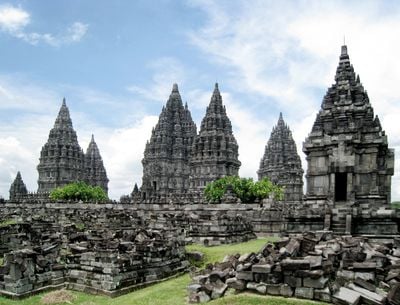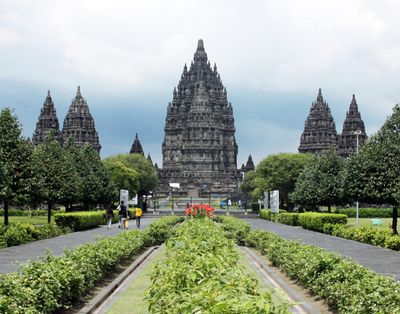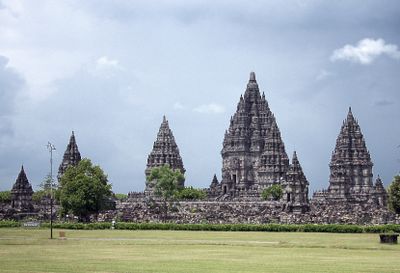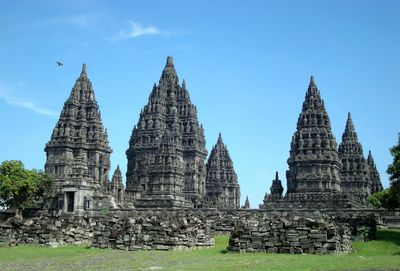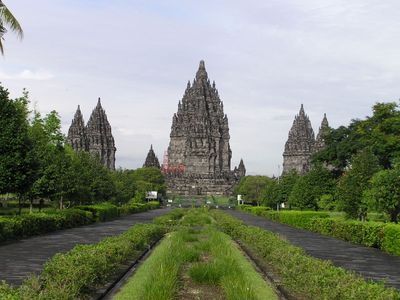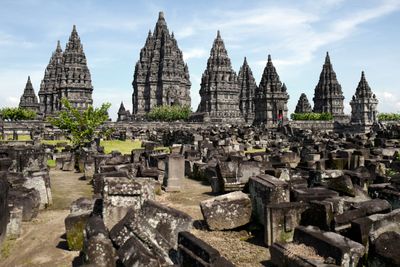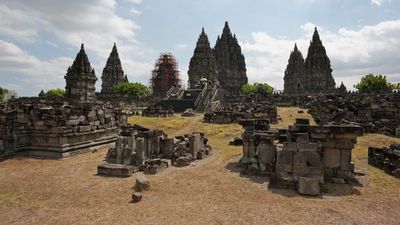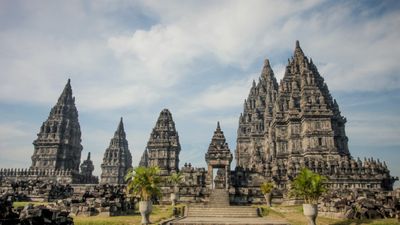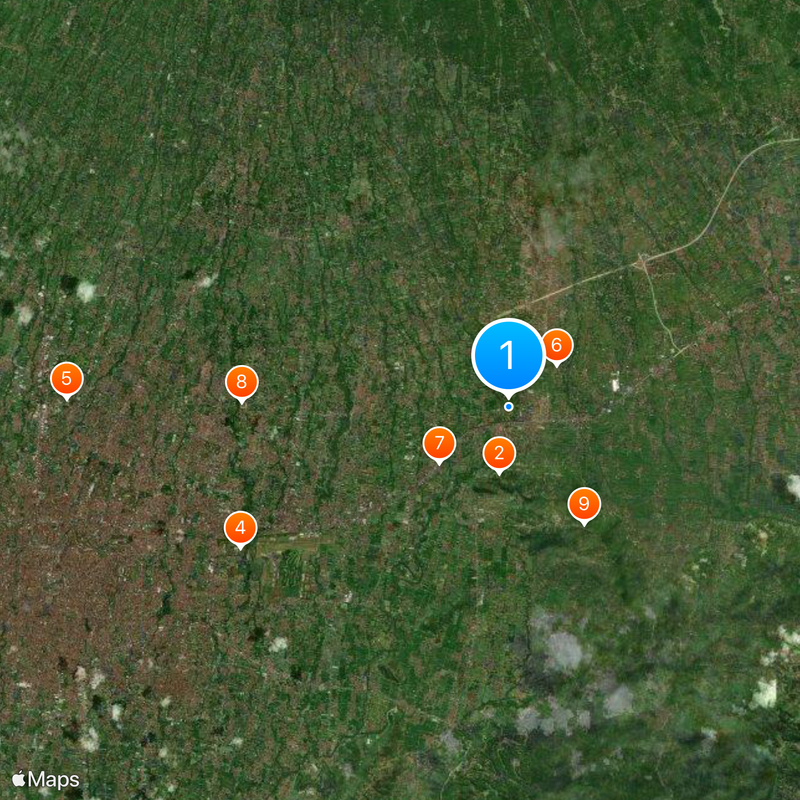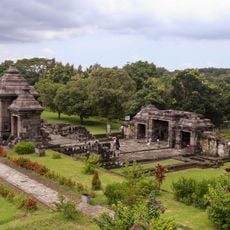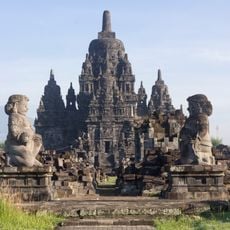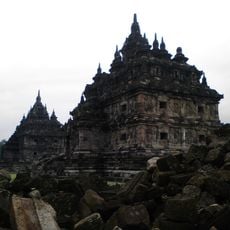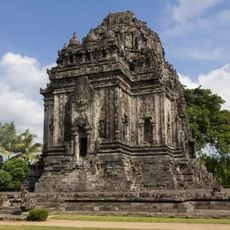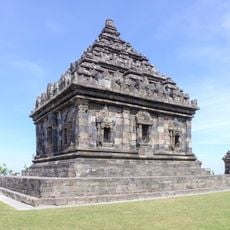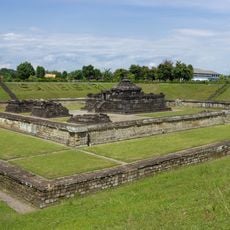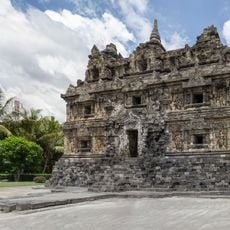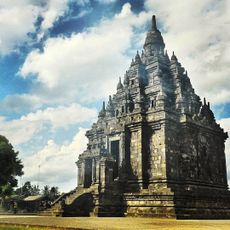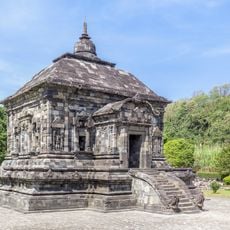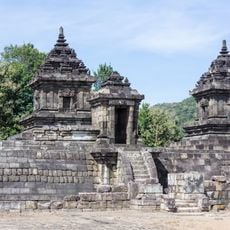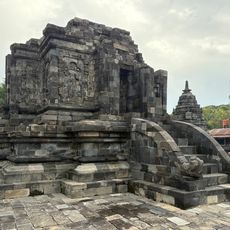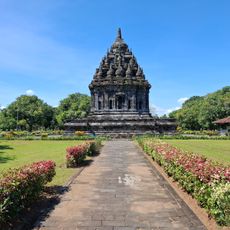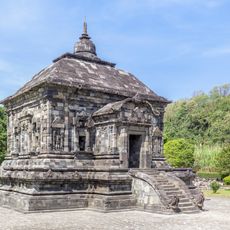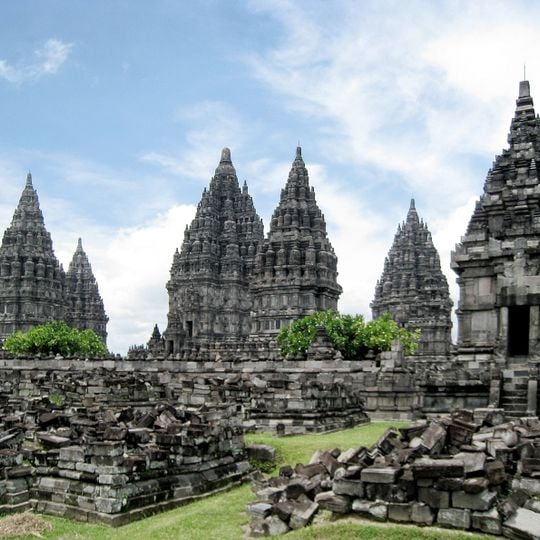
Prambanan Temple, Hindu temple compound in Yogyakarta, Indonesia
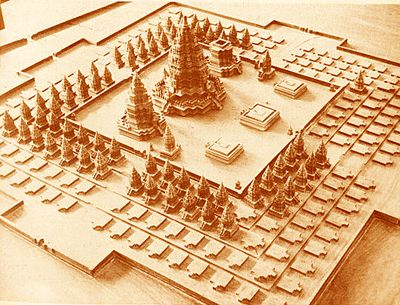
Prambanan is a Hindu temple compound near Yogyakarta in Indonesia, consisting of 240 structures arranged in concentric squares. Three central towers dedicated to Shiva, Vishnu, and Brahma rise above smaller surrounding shrines, forming together a geometric layout.
Construction of the temple compound began around 850 under the Sanjaya dynasty, during a period when Hinduism gained influence in central Java. Multiple earthquakes damaged the site over the centuries, until restoration efforts started in the early 20th century and continue today.
The temple walls display stone reliefs depicting scenes from the Ramayana epic, showing ancient Javanese interpretations of Hindu mythology and traditions. Visitors can follow these detailed carvings along the walkways, which tell the story in continuous panels and remain a site of pilgrimage and worship today.
Access to the site is available from Yogyakarta through regular connections, with guided tours offered in several languages. Those arriving early in the morning or late afternoon can avoid larger crowds and experience the site in a calmer atmosphere.
The central temple structure reaches a height of 47 meters (154 feet) and contains four chambers oriented to the cardinal directions, each housing different deity statues. The eastern chamber holds a statue of Shiva as teacher, while the other chambers represent different aspects of the gods, showing the complex symbolism of the site.
Location: Prambanan
Height: 47 m
Address: Jl. Raya Solo - Yogyakarta No.16, Kranggan, Bokoharjo, Kec. Prambanan, Kabupaten Sleman, Daerah Istimewa Yogyakarta 55571, Indonesia
Opening Hours: Monday-Sunday 06:30-17:00
Phone: +62274496401
Website: http://borobudurpark.com/prambanan.php
GPS coordinates: -7.75202,110.49146
Latest update: December 3, 2025 07:19
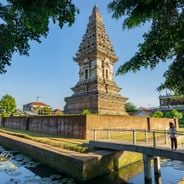
The Indonesian temples from the 8th to 14th centuries display Buddhist and Hindu architecture of the Mataram and Singhasari kingdoms. The stone structures carry reliefs, sculptures, and religious symbols depicting deities such as Shiva, Buddha, and Vishnu. The complexes are located mainly on Java and Bali, where rice fields and volcanoes shape the landscape. Borobudur near Magelang forms the largest Buddhist temple in the region with nine levels and 2,672 relief panels. Prambanan in Klaten rises with 157-foot (47-meter) towers as Java's most important Hindu sanctuary. The Gedong Songo temples near Semarang stand at 3,900 feet (1,200 meters) elevation between sulfur vents and volcanic cones. Gunung Kawi near Tampaksiring on Bali shows 33-foot (10-meter) rock-cut shrines from the 11th century. Sukuh and Ceto on the slopes of Lawu present unusual pyramid forms. Plaosan, Kalasan, and Sari near Yogyakarta combine Buddhist and Hindu elements. The Dieng temples document early Hindu architecture of the 8th century as the oldest surviving structures on Java.
Ancient temples around the world reveal the building skill and cultural values of past civilizations. From Cambodia to Mexico, these structures show us how ancient peoples practiced religion, built with available materials, and organized their societies. Sites across Asia, Europe and America display different construction methods, decoration styles and spaces designed for ceremonies. Egyptian temples like Karnak and Edfu impress with their rows of columns and carved reliefs. Greece offers the Parthenon, a model of classical design. Asian sanctuaries such as Angkor Wat in Cambodia and Borobudur in Indonesia blend spiritual purpose with intricate craftsmanship and reveal how builders solved complex engineering problems without modern tools. These places tell the stories of communities that invested enormous effort in creating spaces for worship. Visitors can walk through the same halls where priests performed rituals, observe how light enters through windows and doorways, and see how each culture expressed its beliefs through architecture.
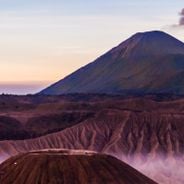
The island of Java showcases an exceptional heritage blending spiritual traditions and natural wonders. The temples of Prambanan and Candi Mendut attest to the grandeur of 9th-century Hindu and Buddhist civilizations, while the Candi Sewu complex reveals sacred architecture organized according to mandala principles. Active volcanoes like Mount Bromo and Kawah Ijen offer striking landscapes, from the smoking crater dominating the black sand plain to turquoise lakes where miners still extract sulfur. Javanese cities combine tradition and modernity: Jakarta features the National Monument on Merdeka Square, Bandung houses the Geology Museum founded in 1928, and Malang surprises with Kampung Biru, whose houses are entirely painted blue. The Seribu Islands extend this diversity into the Java Sea with their coral reefs, while floating markets like in Lembang maintain age-old trading practices. This array of sites invites exploration of Indonesia’s deep spirit, between spirituality, volcanic nature, and human ingenuity.
Ratu Boko Temple
2 km
Sewu
913 m
Dirgantara Mandala Museum
9.2 km
Monument Yogya Kembali
13.4 km
Plaosan temple
1.9 km
Kalasan Temple
2.7 km
Maguwoharjo Stadium
8.1 km
Ijo Temple
4.2 km
Sambisari
5 km
Sari Temple
2.2 km
Mandala Krida Stadium
12.8 km
Affandi Museum
11 km
Sajiwan
1.1 km
Banyunibo
2.9 km
Barong Temple
2.7 km
Kid Fun Parc
10.2 km
Gebang Temple
8.3 km
Dharma Wiratama Museum
13.2 km
Sandi Museum
13.8 km
Kimpulan Temple
11 km
Kedulan Temple
2.6 km
Grha Sabha Pramana
12.7 km
Candi Merak
11.4 km
UGM Campus Mosque
12.5 km
Waterboom Jogja
8 km
Candi Dawangsari
2.5 km
Grhatama Pustaka
11.5 km
Yogyakarta City Library
13.4 kmVisited this place? Tap the stars to rate it and share your experience / photos with the community! Try now! You can cancel it anytime.
Discover hidden gems everywhere you go!
From secret cafés to breathtaking viewpoints, skip the crowded tourist spots and find places that match your style. Our app makes it easy with voice search, smart filtering, route optimization, and insider tips from travelers worldwide. Download now for the complete mobile experience.
A unique approach to discovering new places❞
— Le Figaro
All the places worth exploring❞
— France Info
A tailor-made excursion in just a few clicks❞
— 20 Minutes