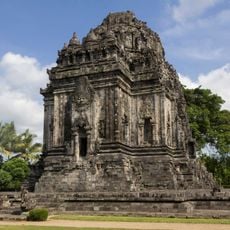
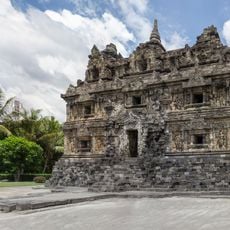
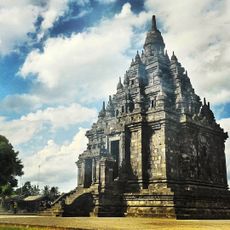
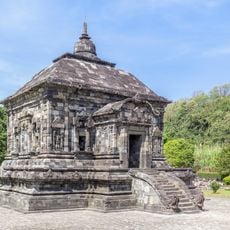
Sewu, Buddhist temple complex in Klaten, Indonesia
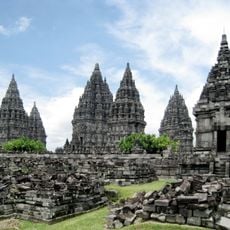
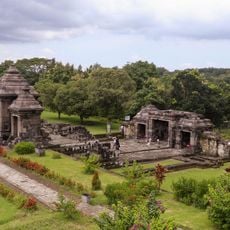
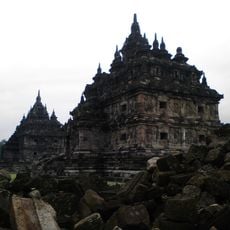
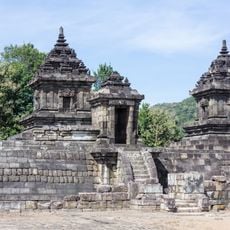
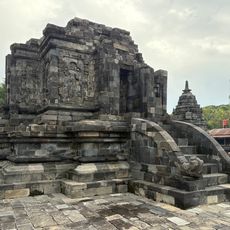
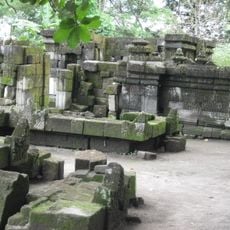
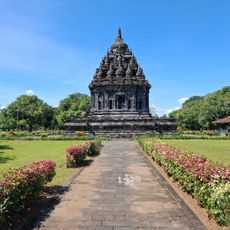
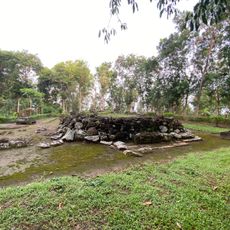
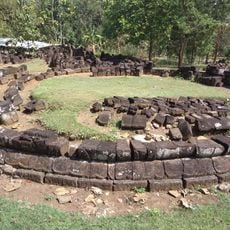
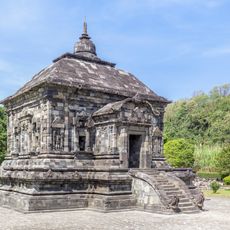
Sewu is a Buddhist temple compound in Klaten on Java, built around a central shrine with eight satellite temples and 240 smaller structures in a symmetrical layout. The site spans multiple terraces, and the main buildings feature stone reliefs carved into their walls.
Built at the end of the 8th century, the compound was completed under King Indra after the reign of Rakai Panangkaran. The Kelurak (782) and Manjusrigrha (792) inscriptions, found in 1960, give its original name, Prasada Vajrasana Manjusrigrha. It predates Prambanan by over 70 years and Borobudur by about 37. A May 2006 earthquake damaged the main temple, which was later restored and reopened.
Locals call the complex Sewu, Javanese for "a thousand," though it holds 249 shrines; the name comes from the legend of Roro Jonggrang, in which demons built the temples in one night. The original name, Manjusrigrha, means "House of Manjusri" and appears in the 792 CE Manjusrigrha inscription.
The site is open to visitors daily, and guided walks through the main structures can be arranged. Paths between the temples are mostly level, though some areas require climbing a few steps.
Each entrance gate of the outer courtyard features paired Dwarapala guardian statues carved from single stone blocks. The figures stand about 2.3 meters (7.5 feet) tall and show typical features of Javanese stone carving.
The community of curious travelers
AroundUs brings together thousands of curated places, local tips, and hidden gems, enriched daily by 93,240 contributors worldwide.