Sajiwan, Buddhist temple in Klaten, Indonesia
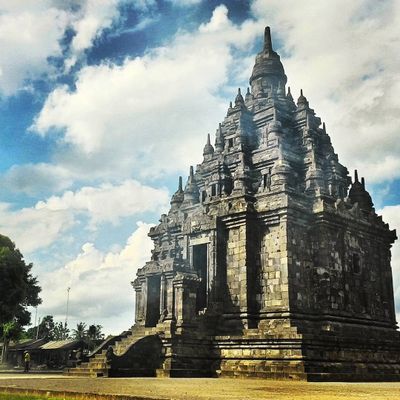
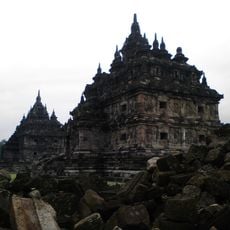
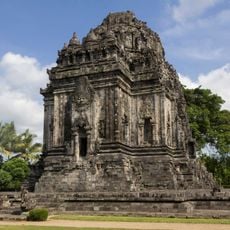
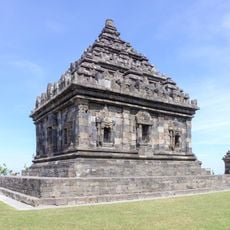
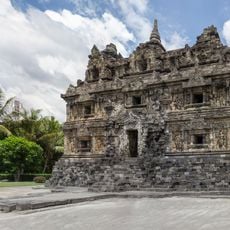
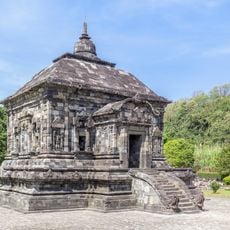
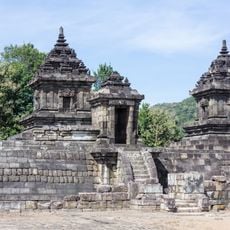
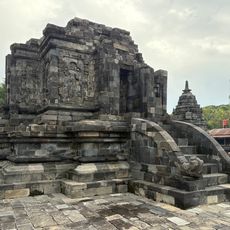
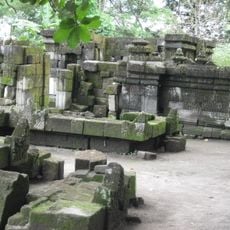
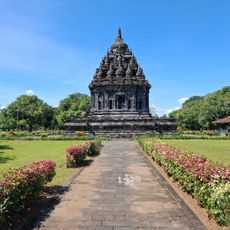
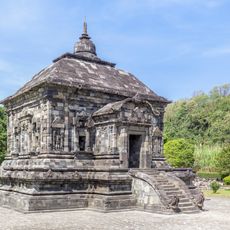
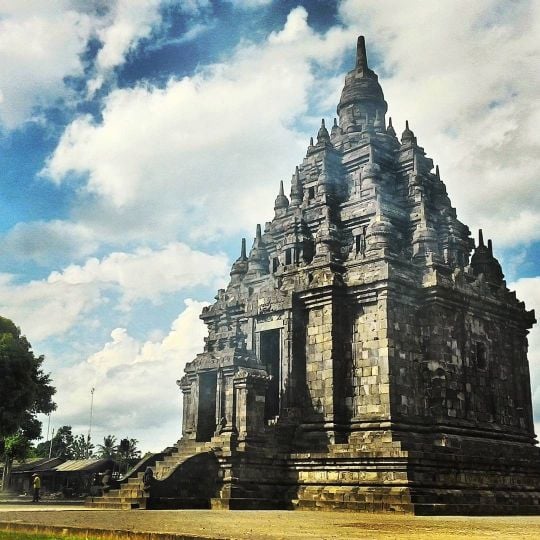
Sajiwan is a Buddhist temple in Klaten with a stepped stone structure featuring carved reliefs and animal figures along its base. The roof is adorned with multiple stone stupas arranged in a pyramid formation.
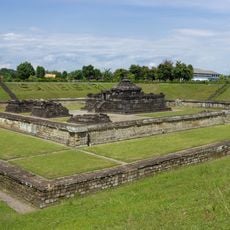
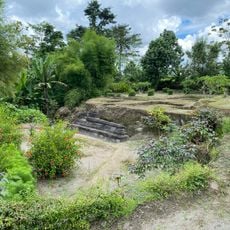
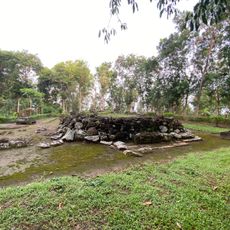
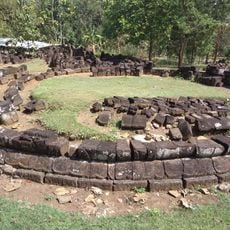
The Rukam inscription, dated 829 Saka (907 CE) and kept in the National Museum of Indonesia, records that Nini Haji Rakryan Sanjiwana restored the village of Rukam after a volcanic eruption; its inhabitants were then obliged to maintain a sacred building at Limwung, identified as this temple. The building itself was erected between 842 and 850 CE, in the same period as nearby Plaosan. Colonel Colin Mackenzie rediscovered its surrounding wall in 1813, and reconstruction ran from 1996 to its completion in December 2011.
The carved reliefs at the base show stories from Pancatantra and Jataka texts that visitors can still read and interpret today. These images show how this place once functioned as a learning center where people came to study Buddhist teachings.
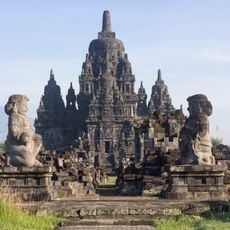
The site is accessible by foot and can be viewed from several angles, giving visitors different perspectives of the structure. The region has a tropical climate, so it is wise to bring water and plan visits during cooler parts of the day.
The inner chamber is empty, but two lotus pedestals remain, once holding Buddha and Bodhisattva statues. A damaged Buddha statue with its head missing, found at the temple, is now kept in the site's guard post, along with a broken dwarapala figure.
The community of curious travelers
AroundUs brings together thousands of curated places, local tips, and hidden gems, enriched daily by 93,173 contributors worldwide.