Ratu Boko Temple, Archaeological site in Yogyakarta, Indonesia
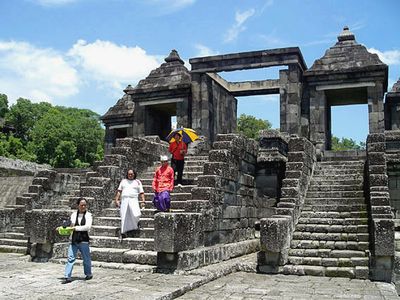
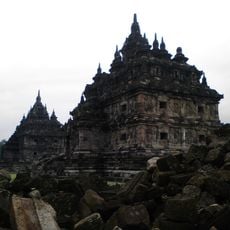
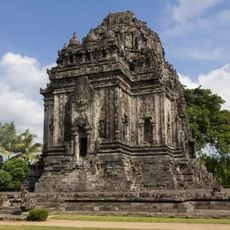
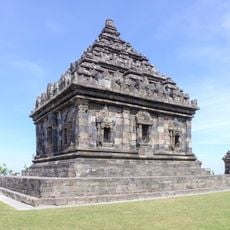
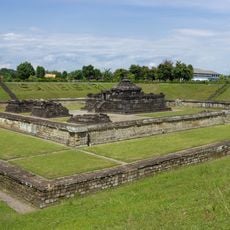
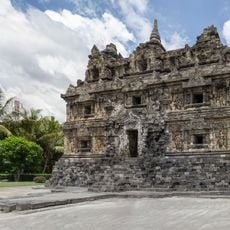
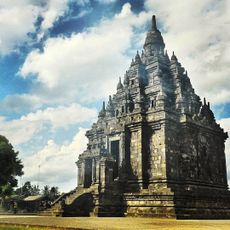
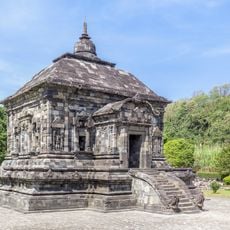
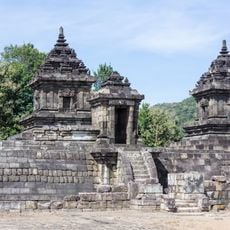
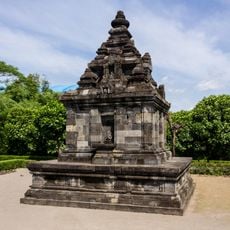
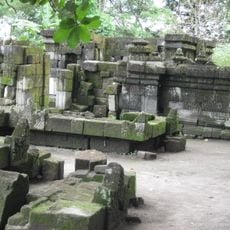
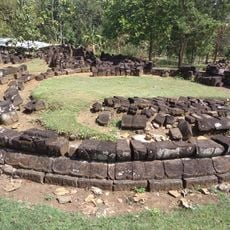
Ratu Boko is a sprawling archaeological site on a plateau above Yogyakarta, showing the remains of temples, gates, and walled courtyards. The compound extends across two villages and includes stone structures, water pools, and fortified walls with a dry moat.
The compound was built in the 8th century by the Buddhist Syailendra Dynasty as a royal residence. Later, the Hindu-Buddhist Mataram Kingdom took over the site and left inscriptions and religious monuments from both traditions.
The name Ratu Boko means King Boko and refers to a figure from Javanese folklore, though the site was actually a royal palace compound. Visitors today see the remains of gateways, stone foundations, and courtyards that once served ceremonial and administrative purposes.
The main compound sits about 100 meters uphill from the entrance and requires some walking between the scattered structures. The site opens early in the morning and closes in the late afternoon, allowing enough time to explore the wide area.
The grounds contain two caves called Gua Lanang and Gua Wadon, whose names mean male and female and suggest symbolic meaning. In the Keputren area once reserved for princesses, stone walls separate several consecutive water pools.
The community of curious travelers
AroundUs brings together thousands of curated places, local tips, and hidden gems, enriched daily by 92,604 contributors worldwide.