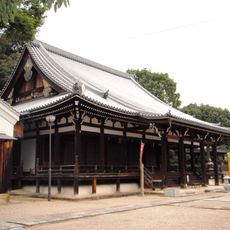
Fushimi Inari-taisha, Inari shrine in Fushimi-ku, Kyoto, Japan
Fushimi Inari-taisha is the head shrine of Inari in Fushimi-ku, Kyoto, at the western foot of 233-metre Mount Inari. Its precinct opens with a tower gate and the main hall, rebuilt in 1499, behind which the Senbon Torii path climbs the slope: about 800 vermilion gates with black bases, donors' names painted on the pillars, and a black metal lantern hanging from the beams.
The shrine was founded in 711 by Hata no Irogu and grew into an important site of imperial support during the Heian period. Emperor Murakami granted it elevated status in 965, which increased its role in Japanese religious life.
At this central place of Inari worship, fox statues serve as messengers of the deity and often receive small offerings such as rice or coins. Visitors can watch worshippers pray before the shrines, light incense sticks, and hang small wooden votive tablets with personal wishes.
A full walk along the shrine paths takes around three to four hours, with the climb demanding depending on the chosen route. Rest spots and food stalls are located at the base of the mountain, available before or after the ascent.
Each of the roughly ten thousand torii gates along the trails carries inscriptions with the names of business donors who dedicated them. This collection forms the largest assembly of consecrated gates in all of Japan and shows the close link between religious worship and commercial support.
The community of curious travelers
AroundUs brings together thousands of curated places, local tips, and hidden gems, enriched daily by 92,240 contributors worldwide.