See the monuments around you in AROpen chests in the app
Around Us is built for your phone — point your camera at the streets and discover the monuments and places around you in augmented reality.Around Us is built for your phone — chests unlock when you walk, explore and capture nearby places.
Kyoto: Buddhist temples, Shinto shrines, imperial palaces, traditional gardens, historic districts
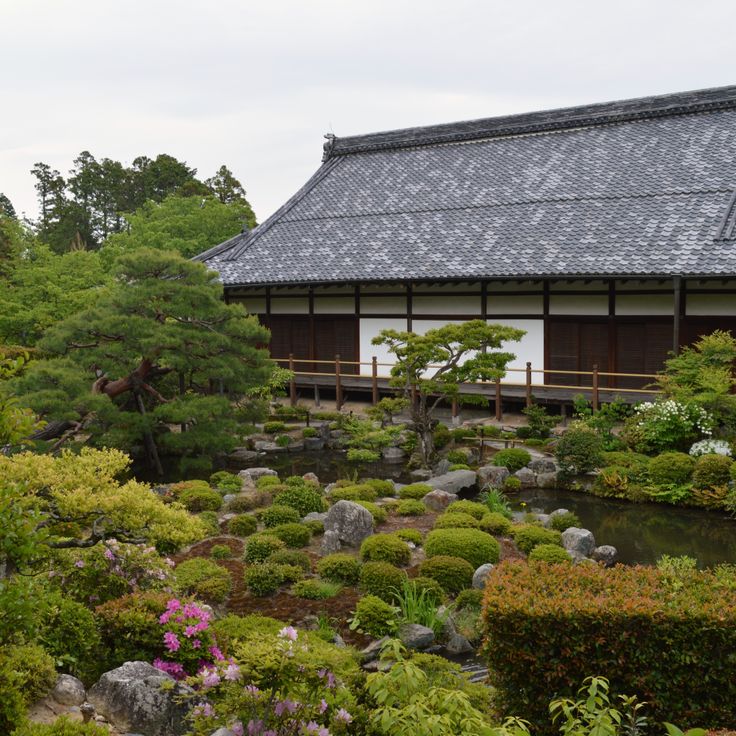
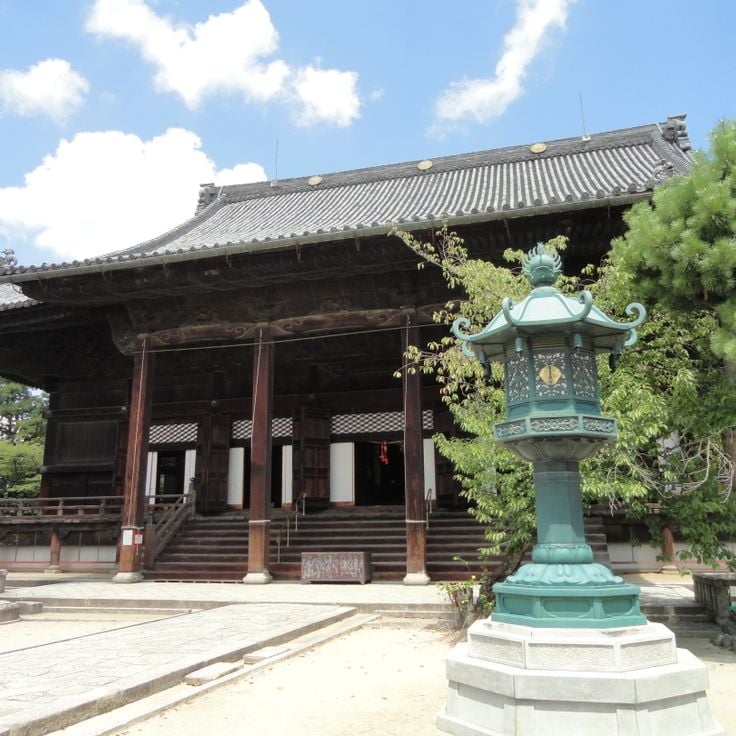
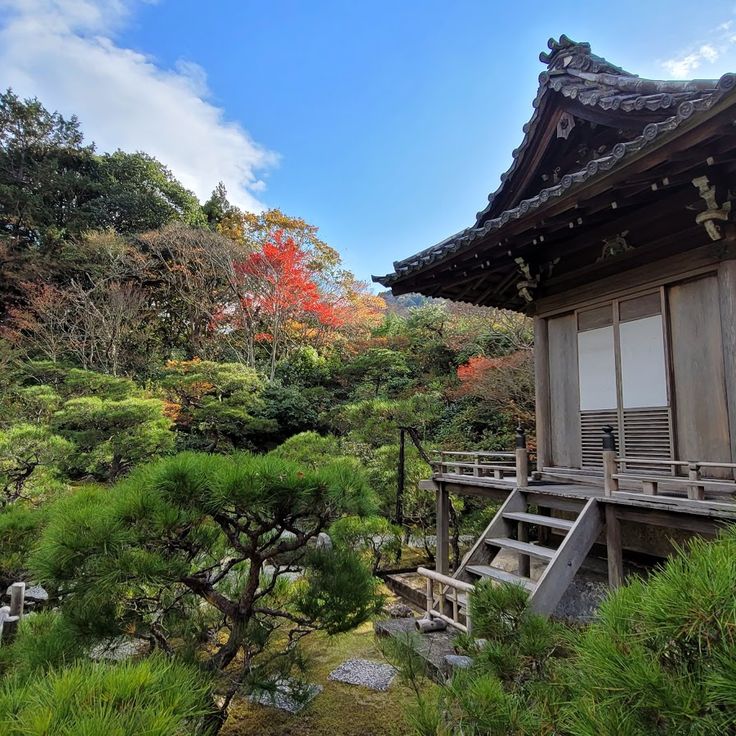
Kyoto is a city where history is found around every corner. You will see Buddhist temples with curved roofs, Shinto shrines hidden in forests, imperial palaces with grand gates, and castles that remind visitors of old warriors. Well-kept gardens invite long walks, and older neighborhoods keep their wooden houses and quiet alleys. The Golden Pavilion and Fushimi Inari Shrine are listed as world treasures, known for their historical and cultural value.
This former imperial capital does not only look at the past. Modern places like the Manga Museum tell the story of Japanese comics, and Kyoto Station is a modern building made of glass and steel. During your walk, you might visit Nishiki Market where vendors have sold local foods for many years, the Philosopher's Path lined with cherry trees, or the Gion district where locals and geishas keep old traditions alive. You can climb the Kyoto Tower to see the city stretch out below or get lost in the bamboo forest of Arashiyama. Each place has its own story.
Kyoto: Buddhist temples, Shinto shrines, imperial palaces, traditional gardens, historic districts
Kyoto is a city where history is found around every corner. You will see Buddhist temples with curved roofs, Shinto shrines hidden in forests, imperial palaces with grand gates, and castles that remind visitors of old warriors. Well-kept gardens invite long walks, and older neighborhoods keep their wooden houses and quiet alleys. The Golden Pavilion and Fushimi Inari Shrine are listed as world treasures, known for their historical and cultural value.
This former imperial capital does not only look at the past. Modern places like the Manga Museum tell the story of Japanese comics, and Kyoto Station is a modern building made of glass and steel. During your walk, you might visit Nishiki Market where vendors have sold local foods for many years, the Philosopher's Path lined with cherry trees, or the Gion district where locals and geishas keep old traditions alive. You can climb the Kyoto Tower to see the city stretch out below or get lost in the bamboo forest of Arashiyama. Each place has its own story.
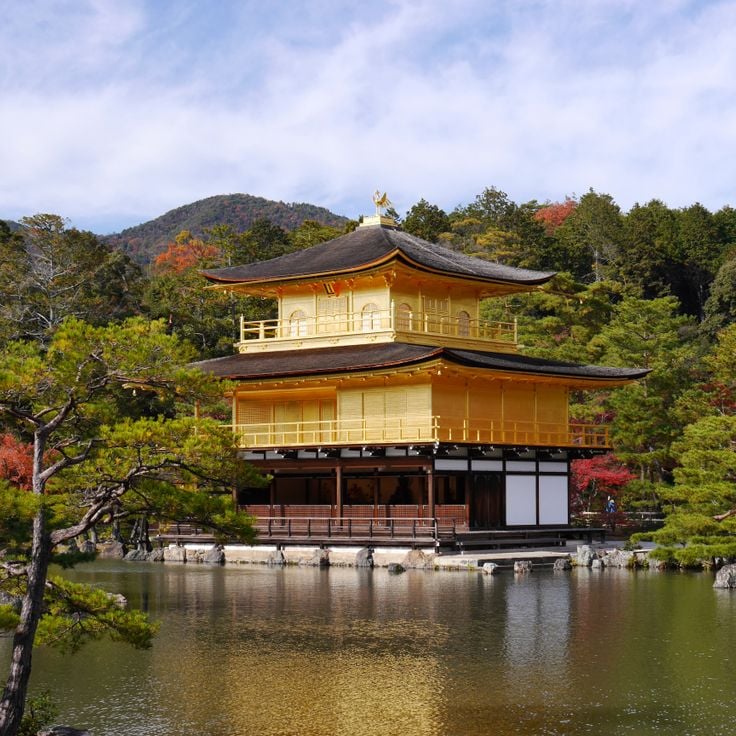
The Golden Pavilion is a Zen temple built in the 14th century with three levels. Its upper two stories are covered in gold leaf and shimmer in the sunlight. The temple sits beside a garden with a calm pond that mirrors the building. This place in Kyoto shows the beauty of traditional Japanese architecture and garden design.
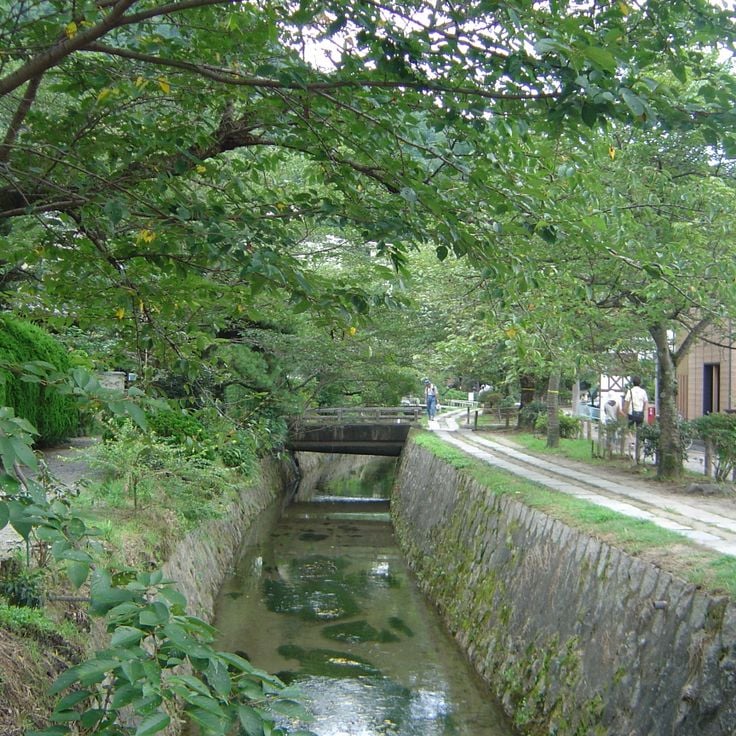
The Philosopher's Path is a quiet walking trail in Kyoto that runs along a canal lined with cherry trees. The path connects two important temples and offers visitors a chance to walk through nature while surrounded by the city. Cherry blossoms bloom here in spring, creating a soft pink canopy overhead. The gentle pace of walking here feels separate from the busier parts of Kyoto, making it a place where people come to think and observe their surroundings.
Kyoto Tower is a modern structure that rises above the historic city. From its observation platform on the 15th floor, you can see Kyoto and the surrounding mountains. The tower connects contemporary architecture with the city's rich historical past and offers a place where you can take in the expanse of Kyoto from above.
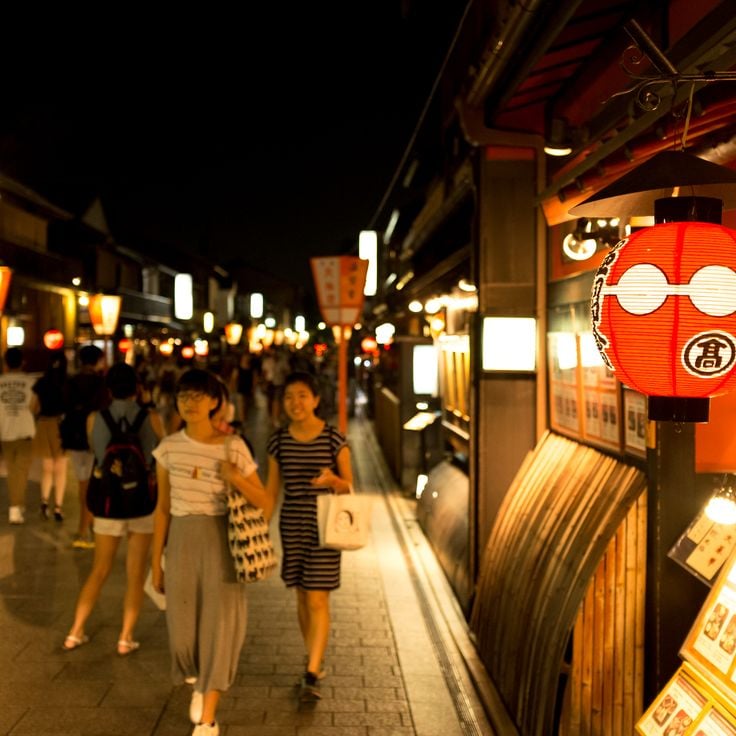
Gion is the historic quarter of Kyoto where traditional wooden houses line narrow streets. Geishas live and work here in tea houses that have welcomed guests for centuries. Walking through these streets, you see the characteristic architecture with white walls and dark wooden beams. The neighborhood keeps the ways of the past alive and shows how the city has maintained its traditions to this day.
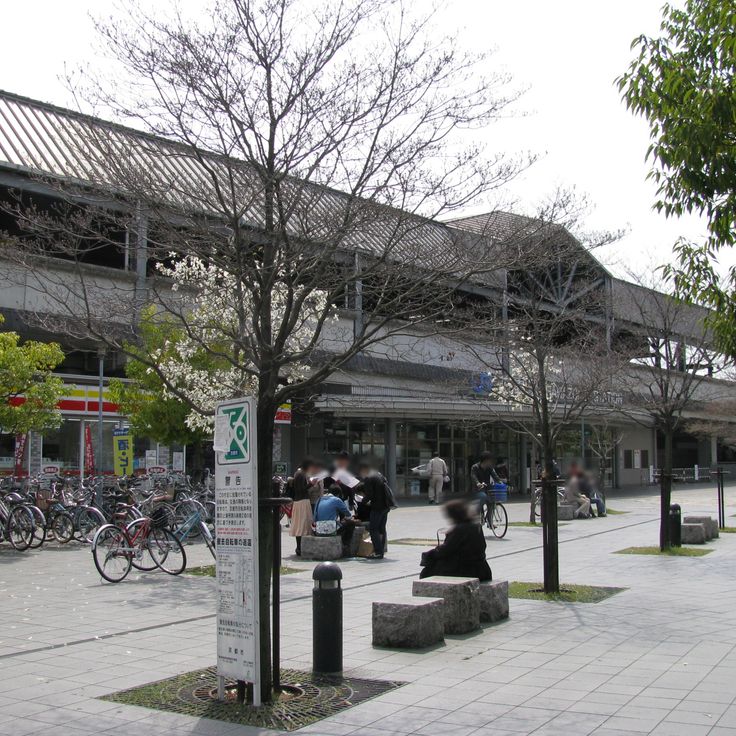
Kyoto Station is a modern transportation hub built in 1997 that stands apart from the city's traditional architecture. Its facade of glass and steel rises 70 meters high. Inside, you will find not only train platforms but also a shopping center and a hotel. The station connects Kyoto's old world with contemporary infrastructure, serving as a gateway for millions of visitors entering the city.
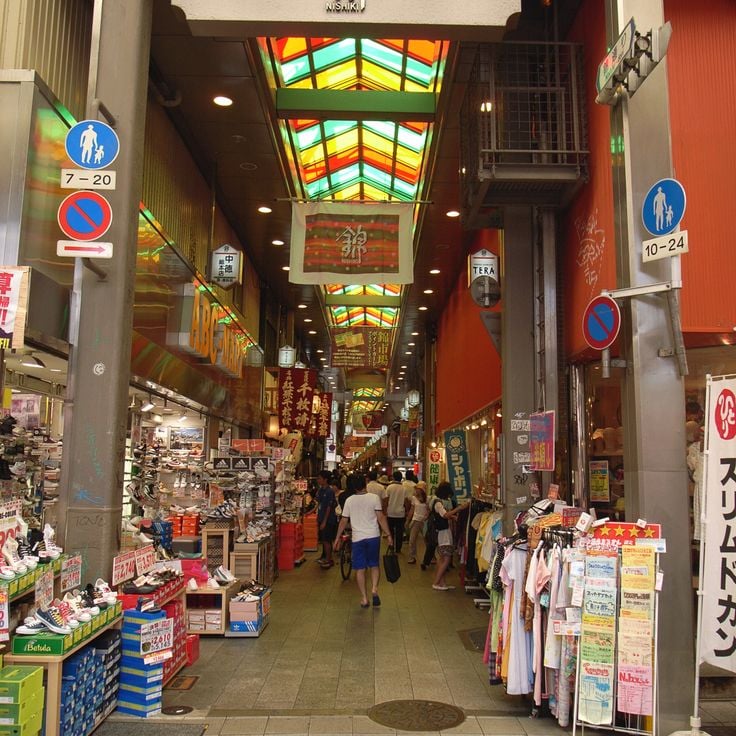
The Nishiki Market is a 400-meter-long covered shopping arcade in this ancient imperial city, housing more than one hundred shops and stalls selling regional specialties since the 14th century. Walking through its narrow passages, you see vendors displaying fish, vegetables, dried goods, and sweets. The market is woven into Kyoto's food culture, showing how people here have shopped for meals and ingredients for hundreds of years. The air fills with the smell of fresh produce and roasted foods, while older shops sit alongside newer ones.
The International Manga Museum of Kyoto displays 300,000 publications on the history of Japanese comics. The museum features a permanent exhibition and a reading room where visitors can explore the development of this art form. This place offers insight into an important part of modern Japanese culture.
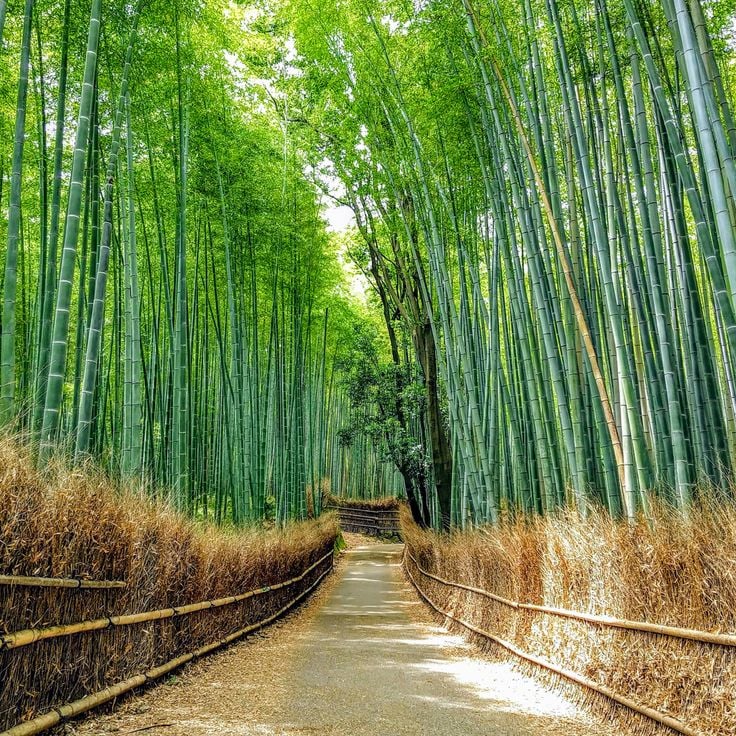
The Arashiyama Bamboo Grove is a natural forest of bamboo stalks that rise above 60 feet (20 meters) tall. A walking path about 1,650 feet (500 meters) long cuts through the dense growth. As you move along the narrow passage, towering bamboo surrounds you on all sides, with sunlight filtering through the leaves above. The stalks create a quieting effect as they sway, and you hear only the subtle creaking and rustling of the forest. Walking here feels like stepping into another world, far removed from the bustling city just beyond the forest edge. This is one of Kyoto's special places where visitors find themselves surrounded by nature while remaining in the heart of the city.
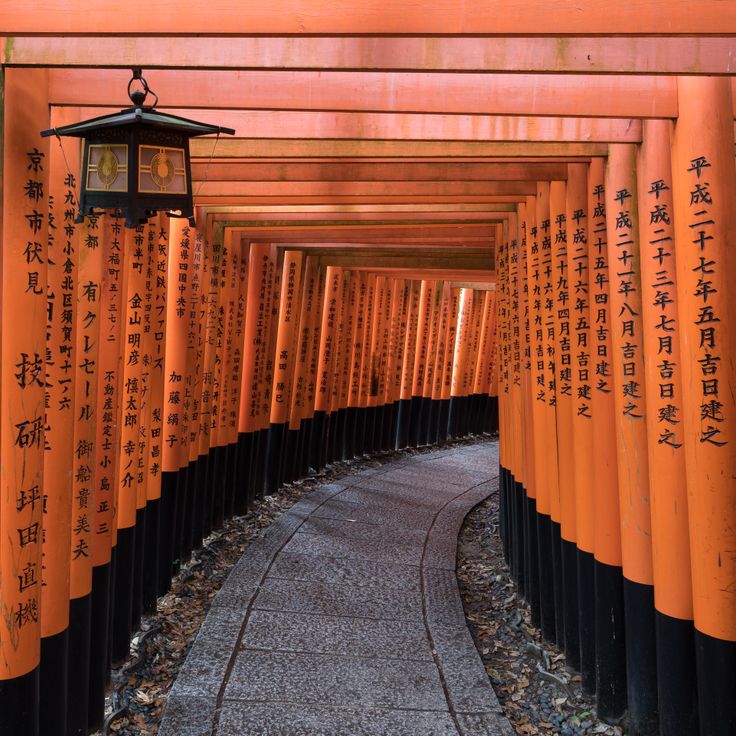
The Fushimi Inari shrine in Kyoto is a major Shinto sanctuary set on a hillside covered with thousands of vermillion torii gates. These gates form tunnels of lacquered wood that visitors pass through as they climb the mountain paths. The shrine honors an important Shinto deity and attracts crowds of worshippers daily who walk the winding routes and stop at small altars along the way.
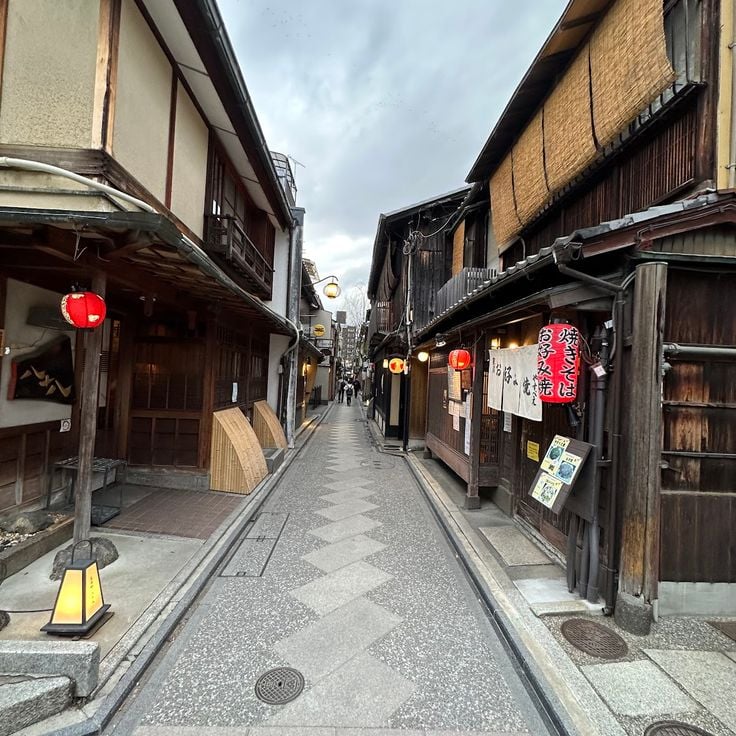
The Pontocho district is a narrow alleyway in this former imperial capital where traditional restaurants, teahouses, and wooden buildings from the Edo period sit side by side. It embodies the understated grace that defines Kyoto and offers a contrast to the modern spaces like the Manga Museum or the railway station. Walking through Pontocho, you experience the same blend of history and daily life that runs throughout the city.
The Budo Center in Kyoto has been welcoming practitioners of Japanese martial arts since 1895, including judo, kendo, and aikido. Within this city where history appears at every turn, this center serves as a place where ancient traditions are passed down. As you walk through Kyoto and encounter temples with curved roofs, hidden shrines tucked into forests, and wooden houses lining quiet lanes, you can observe how martial arts that have been part of Japanese culture for generations continue to be practiced and honored here.
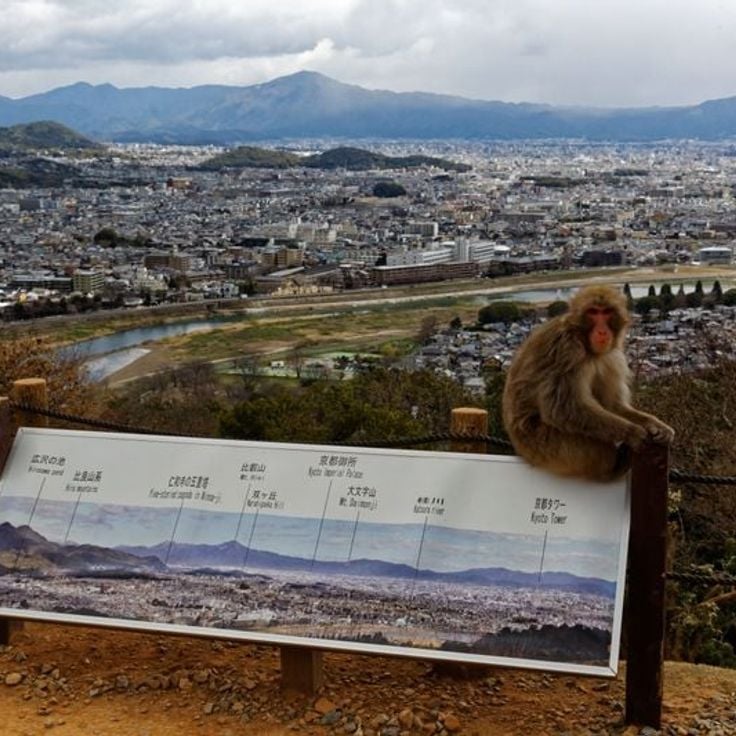
Iwatayama Monkey Park is a natural area on a hillside in Kyoto where over 120 Japanese macaques roam freely. Walking paths wind through the park, allowing visitors to observe these primates up close. The park offers a different perspective on Kyoto's natural side, away from the temples and gardens.
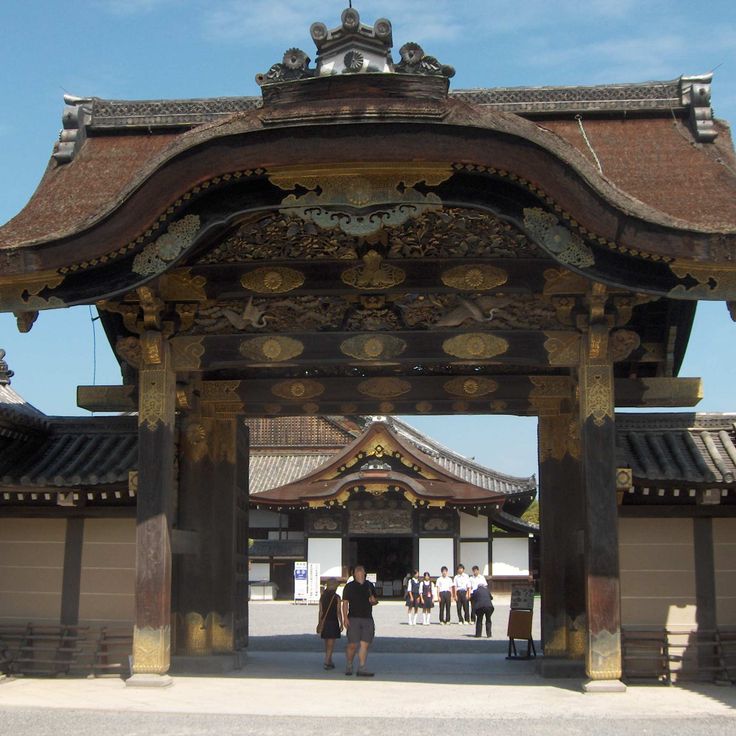
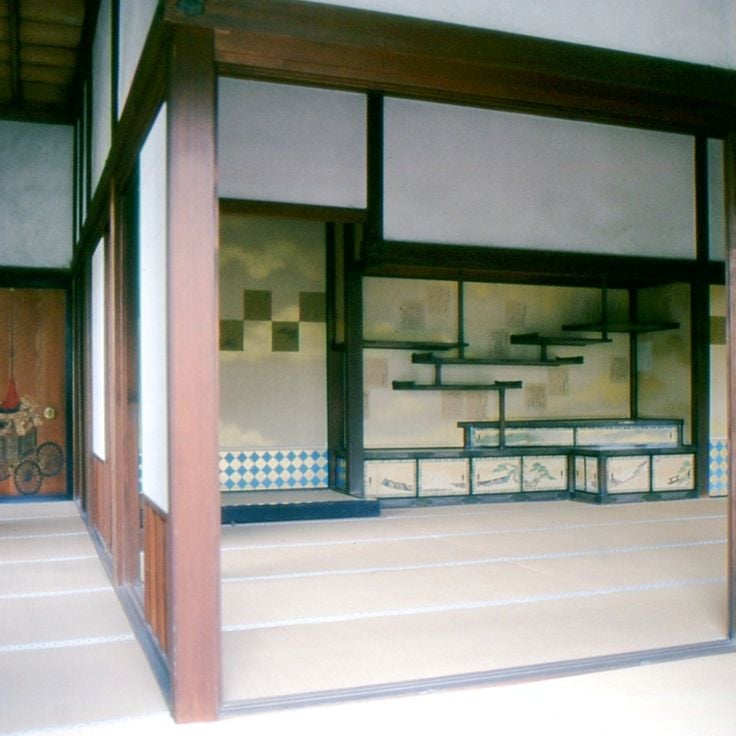
Nijō Castle is a fortress residence that shows how the Tokugawa shoguns lived and ruled in Kyoto. Built in 1603, this castle served as a display of power and authority. Inside, walls are decorated with paintings from the Kano school, adding beauty to the rooms. Gardens surround the castle, creating spaces for walking and reflection. The castle is recognized by UNESCO for its historical and cultural value, offering visitors a window into Japan's feudal past.
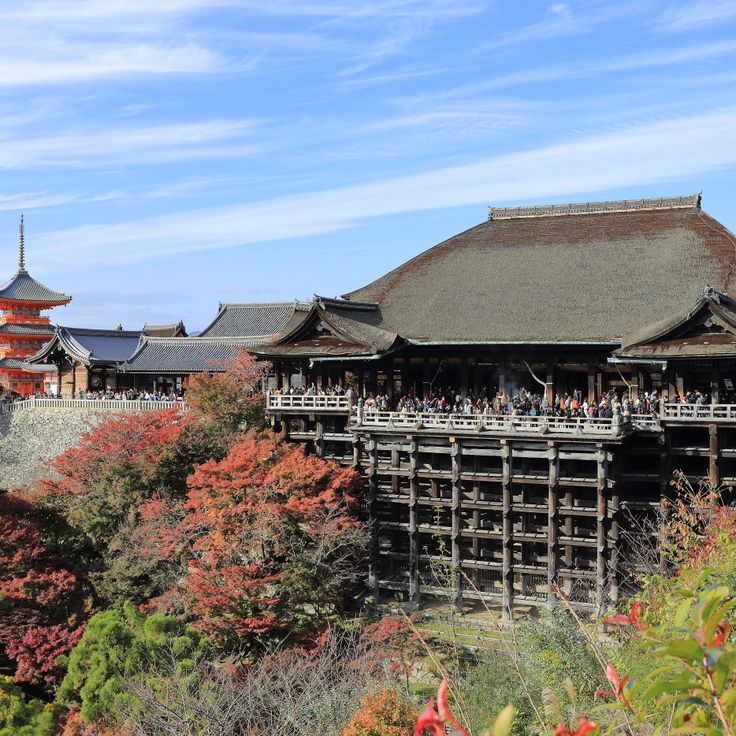
Kiyomizu-dera is a Buddhist temple that has stood on a hillside in Kyoto for more than 1,200 years. What makes it stand out is its large wooden platform, held up by tall wooden pillars, that juts out over the city below. Visitors come here to admire the building and to experience the religious practices that continue there. The path to the temple winds through narrow streets lined with old shops and houses, giving a sense of Kyoto's historical character. From the platform, you can see across the landscape and feel the weight of centuries at this location.
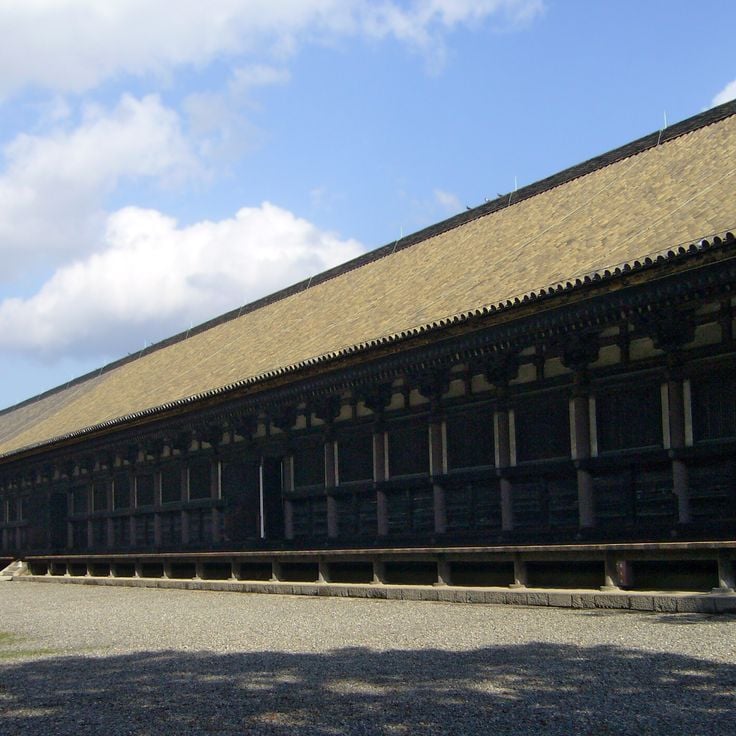
Sanjusangen-do Temple is a Buddhist temple built in the 13th century in Kyoto that houses an extraordinary collection of 1001 golden wooden statues of Kannon. The temple's main hall stretches 120 meters (394 ft) in length and displays these statues in neat rows. Visitors walk through this space to observe the intricate carved details and experience the spiritual quality of the site. The statues were created over centuries by different craftspeople, showing the depth of religious devotion and artistic skill that shaped this temple.
The Silver Pavilion is a Zen temple built in the 15th century in Kyoto. It features a dry rock garden with raked sand that invites contemplation. A moss-covered garden surrounds the temple, creating a space for quiet reflection. A library holds Buddhist texts and preserves ancient writings. The temple demonstrates the beauty of Japanese garden design and Zen philosophy. Visitors experience the simple elegance of this historic place.
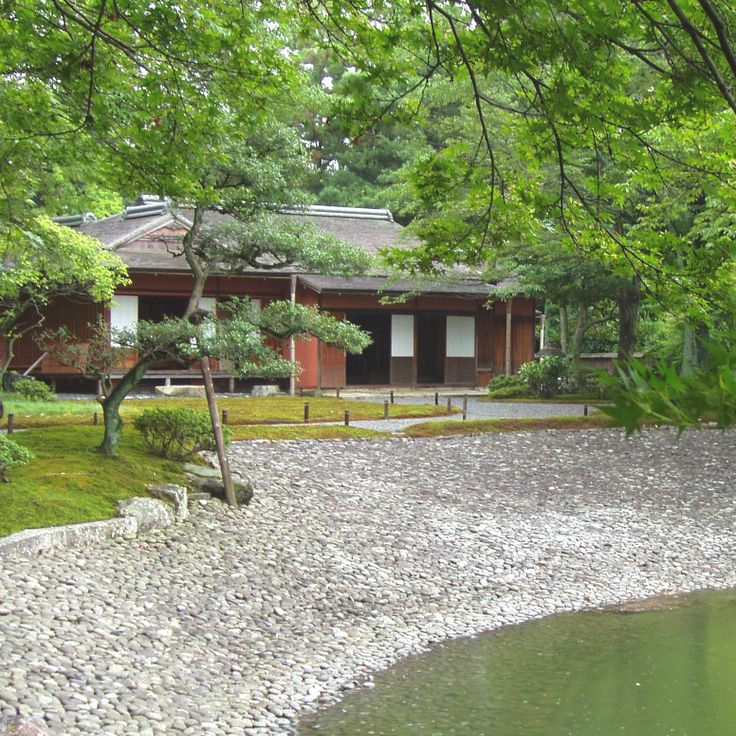
The Katsura Imperial Villa is a 17th-century residence in Kyoto that showcases classical Japanese architecture and design. The estate combines a main palace with multiple tea pavilions arranged according to the shoin-zukuri style, a traditional approach to residential layout. The surrounding garden features a pond, several bridges, and stone lanterns positioned with careful attention to natural proportions. This integration of buildings and landscape reflects the Japanese philosophy of harmony between human structures and the natural world. The villa demonstrates how the imperial court lived during the Edo period.
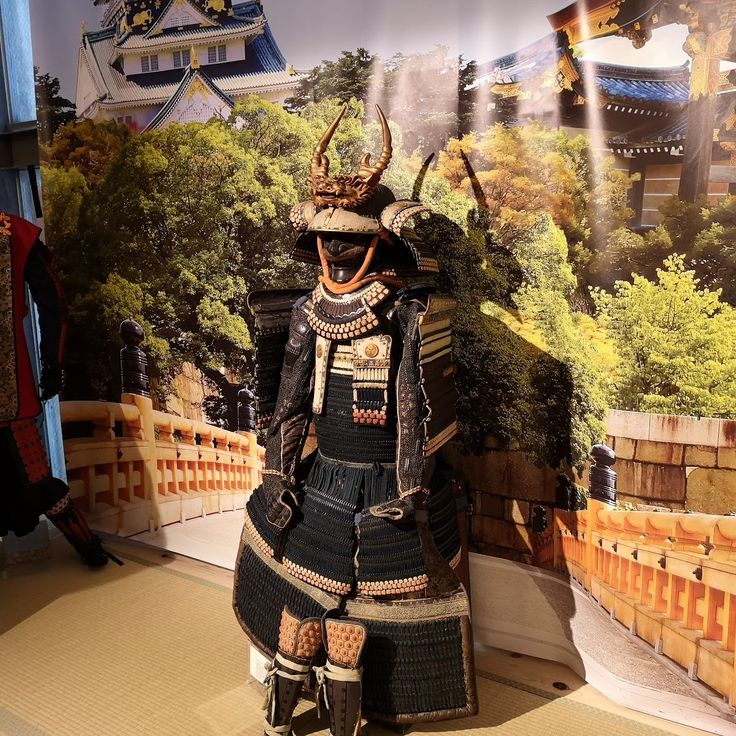
The Samurai and Ninja Museum in Kyoto displays the combat techniques and daily life of Japanese warriors. Visitors can see weapons, watch demonstrations, and try on traditional costumes. This museum fits naturally into Kyoto's story, where warrior history appears everywhere - from the old palaces to hidden shrines tucked into the forests.
Toji Temple is a Buddhist temple built in 796 in Kyoto. Its five-story wooden pagoda stands 187 feet (57 meters) tall and is one of Japan's oldest wooden structures. The temple sits within gardens and prayer halls that welcome visitors to experience the calm and spiritual nature of this place. Toji Temple shows Kyoto's long history as a former imperial capital and remains an important site for Buddhist believers.
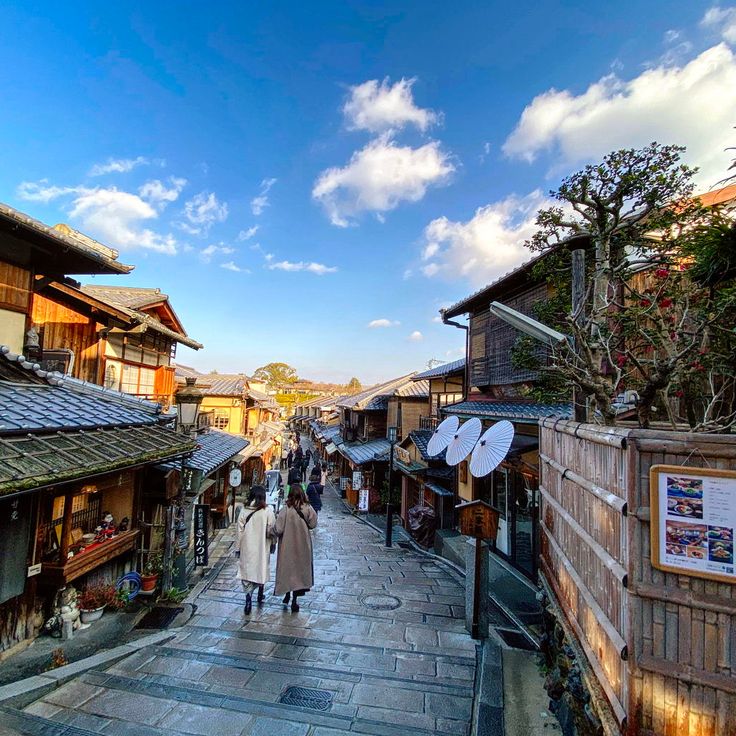
These steep stone-paved streets in the Higashiyama district slope downward toward the Kiyomizu Temple. Wooden houses from the 17th century line both sides, their narrow storefronts hosting restaurants, craft shops, and small businesses. Visitors walk slowly through these lanes, stopping to browse local goods and enjoy meals in family-run establishments. The buildings retain their traditional wooden architecture with small front facades and deeper interiors. The street layout has remained largely unchanged for centuries, creating a passage that feels removed from modern Kyoto.
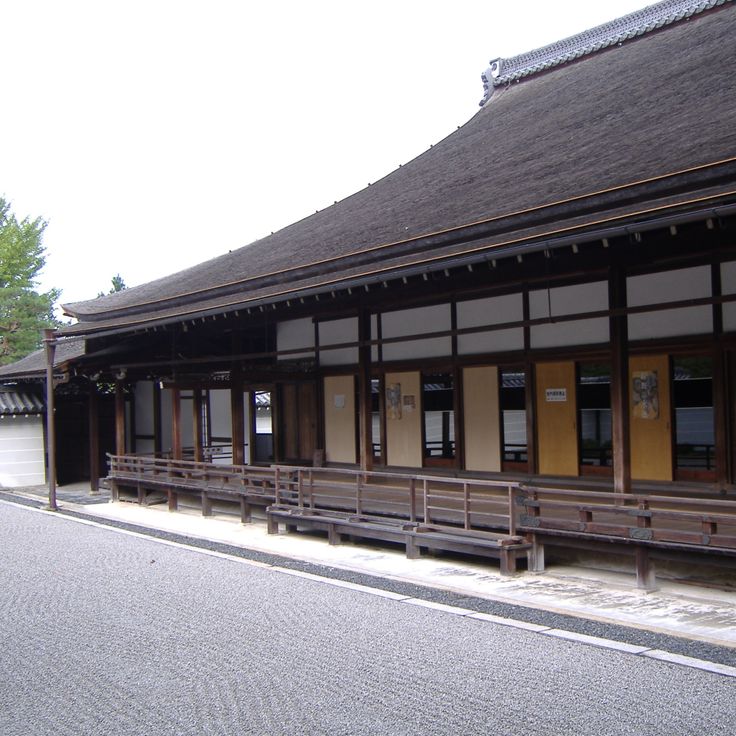
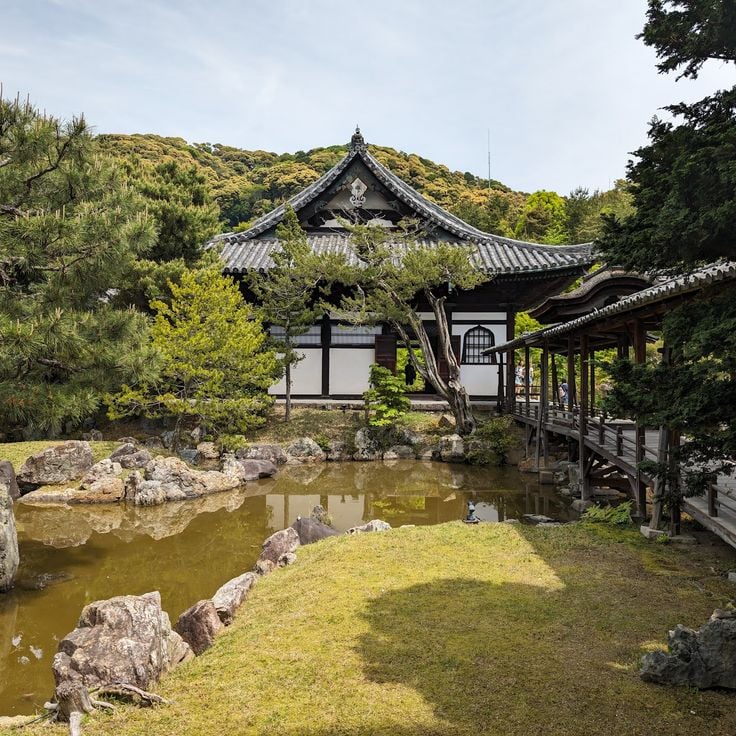
Eikan-do is a Zen temple in Kyoto built in the 11th century, featuring wooden buildings connected by covered corridors. The temple is set among gardens and ponds that invite you to walk and reflect. It belongs to Kyoto's rich collection of Buddhist temples, Shinto shrines, and imperial palaces scattered throughout the city. At Eikan-do, you can experience the skill of traditional wooden architecture and enjoy the quiet of the gardens that surround it.
Nanzen-ji Temple is a large religious complex built in the 13th century in Kyoto. The temple features a striking Sanmon gate, peaceful meditation halls, a distinctive red brick aqueduct, and moss-covered gardens. This place connects Kyoto's history with spaces of quiet and invites visitors to experience the peace and depth of the temple.
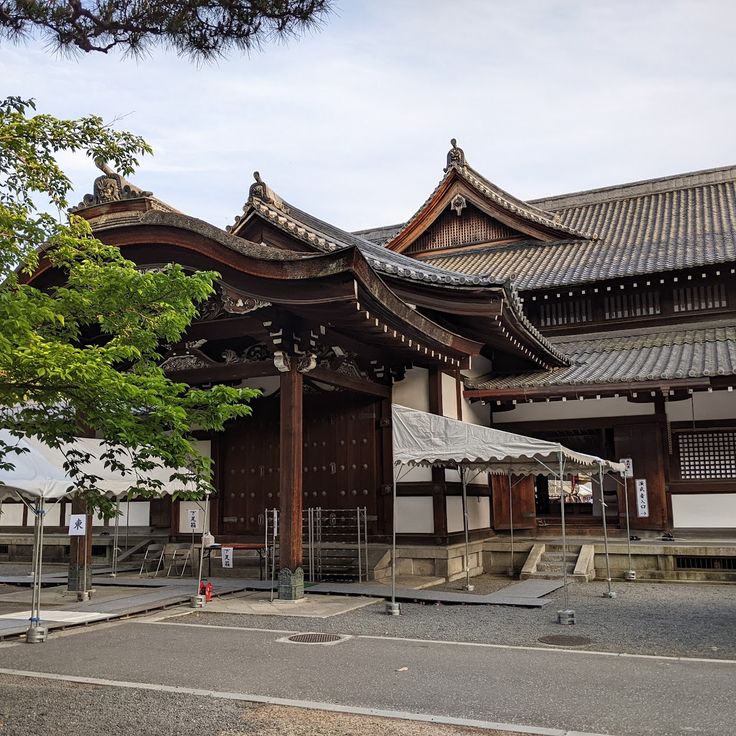
The Kyoto Gosho Imperial Palace was the residence of Japanese emperors until 1869. It sits within a large park containing inner courtyards, ceremonial halls, and traditional gardens. The palace displays the architecture and lifestyle of the imperial family. Visitors can explore its elegant rooms and carefully designed outdoor spaces that reflect centuries of imperial history.
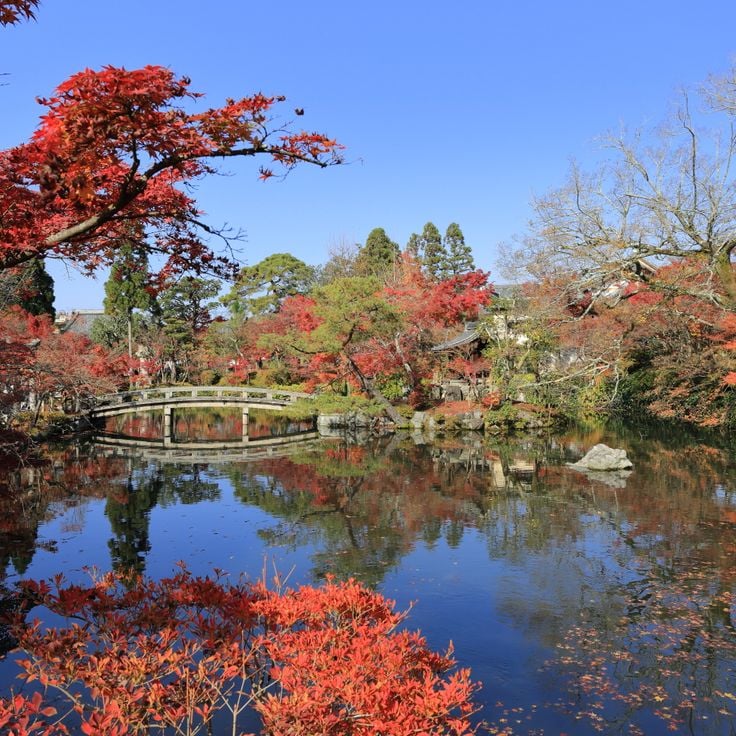
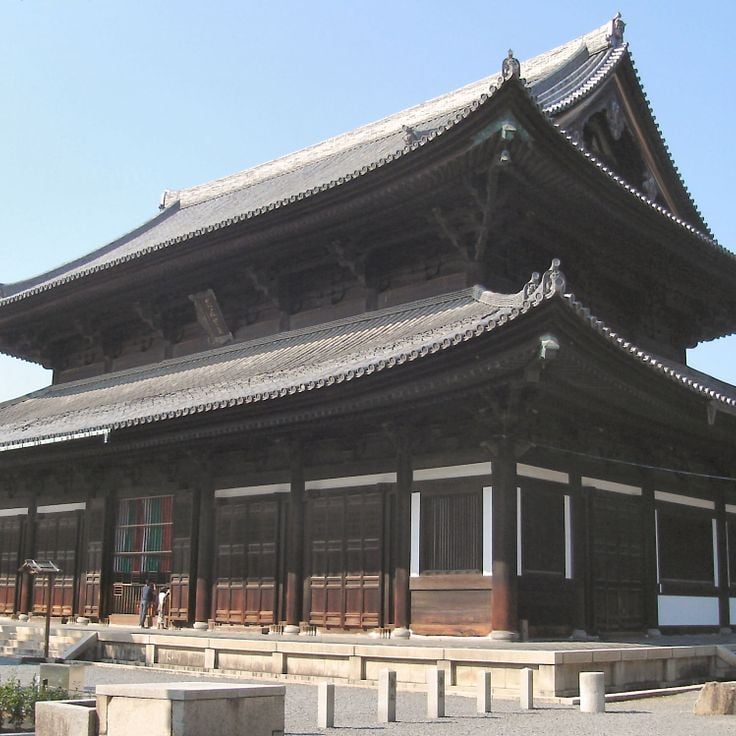
Tofuku-ji Temple in Kyoto is a large Buddhist monastery founded in 1236. The site features four stone gardens that use raked sand and rocks to represent nature in abstract forms. A wooden footbridge connects different areas of the temple and offers views of the surrounding landscape. Red maple trees ring the grounds and draw many visitors in autumn, when the leaves turn brilliant shades of orange and crimson.
Shugaku-in Imperial Villa is a 17th-century royal residence in Kyoto designed across three levels of gardens. Tea pavilions and water basins sit throughout the grounds, creating spaces where you can walk and reflect. The villa shows how imperial rulers of that era shaped their retreat spaces, with carefully arranged gardens that invite you to slow down and experience the connection between architecture and nature.
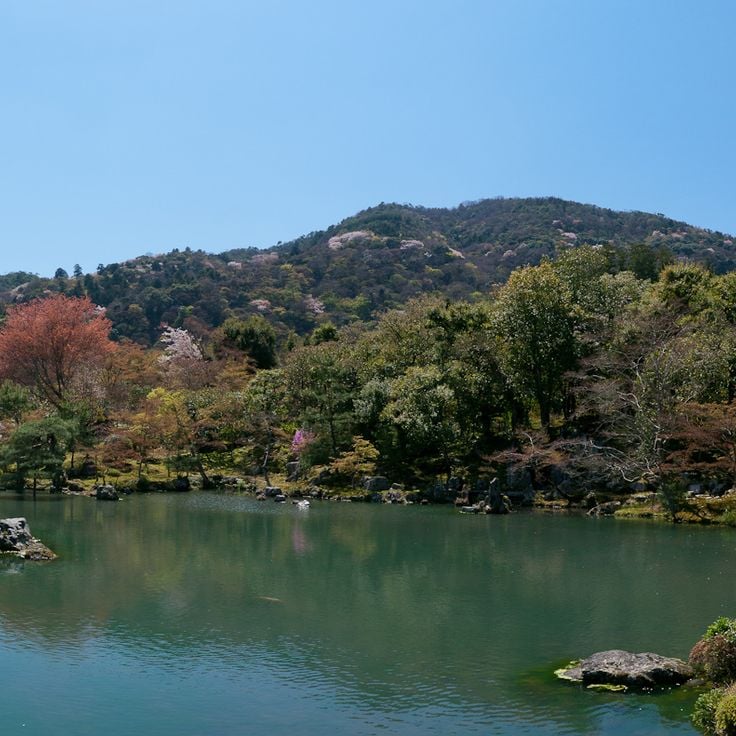
Tenryu-ji Temple is one of Kyoto's oldest Zen monasteries, founded in 1339. Located near Arashiyama, it is surrounded by a landscape garden with a central pond where the mountains and sky reflect on the water. The temple buildings follow classical architecture, and their rooms open onto quiet courtyards. Bamboo groves grow near the temple, creating a sense of seclusion from the city. Many visitors come here to walk slowly through the grounds and find a moment of quiet contemplation.
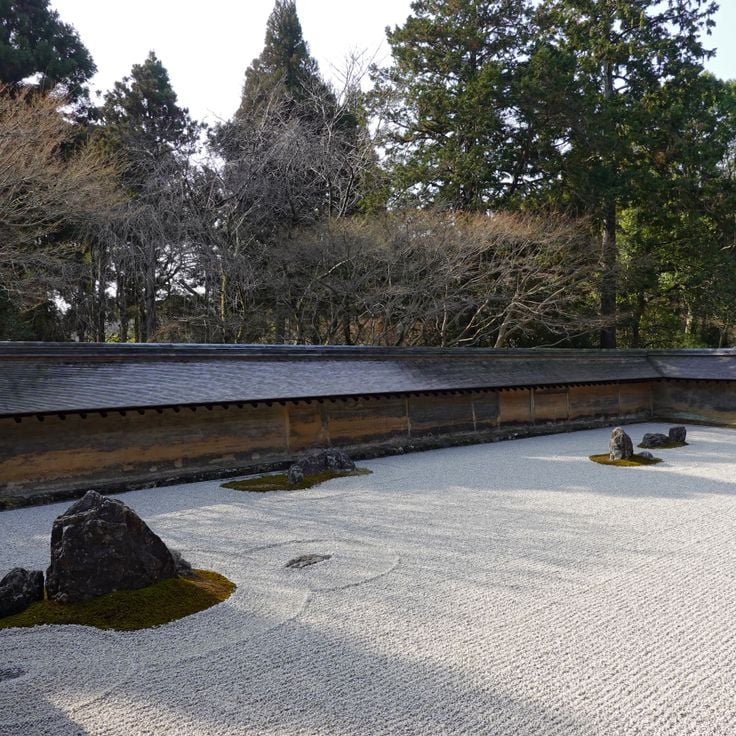
Ryoan-ji Temple was founded in 1450 and is most known for its dry garden. This garden features fifteen stones arranged on raked white gravel. Visitors come to observe the garden's design and the quiet feeling of the place. The temple is part of Kyoto's rich history, where the past appears at every corner of the city.
This Heian Shrine is a Shinto sanctuary built in 1895 that recreates the imperial palace from the Heian period. It is part of Kyoto's rich history, where old temples and shrines appear around every corner. The shrine's gardens invite you to walk through them, featuring carefully tended ponds, bridges, and cherry trees that hold appeal throughout the year. Visitors can experience the traditional design that is typical of Kyoto's historic sites.
Kodai-ji Temple is a Zen temple from the Momoyama period with stone gardens, tea pavilions, and bamboo paths. The gardens are lit at night and display intricate patterns. This temple is part of Kyoto's religious and cultural treasures, where history appears at every corner.
Chion-in Temple is the head temple of the Jodo school of Buddhism, founded in 1234. This temple impresses with its mighty San-mon gate and an enormous bell that has hung here for centuries. The structure and details inside show the religious devotion of earlier generations. In Kyoto, where temples and shrines appear around every corner, this temple holds an important place. Visitors can walk through the grounds and feel the deep spiritual roots of Jodo Buddhism. The scale and craftsmanship of the architecture reflect centuries of reverence and care.
Villa Okochi Sanso is the former residence of actor Okochi Denjiro, situated on a hillside in Arashiyama. The house displays traditional Japanese architecture with wooden structures, sliding doors, and open rooms that connect to the surrounding landscape. The gardens flow down the slope, offering different vistas of the city from various points. Walking through this space, you sense how residents once experienced the changing seasons through carefully tended plants and water features. The villa preserves this bond between indoor and outdoor spaces that defines many Kyoto properties.
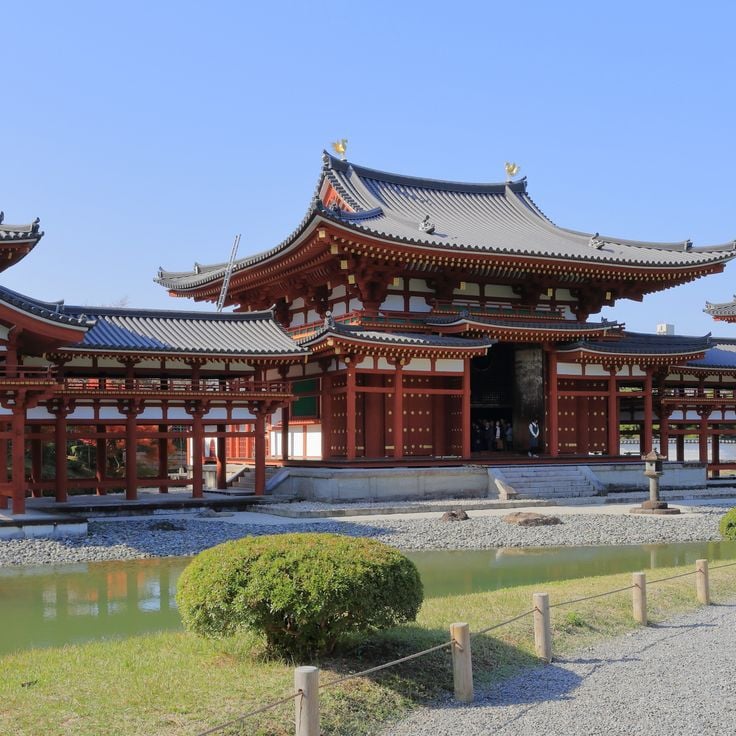
The Byodo-in Temple is an 11th century Buddhist sanctuary located in Kyoto and ranks among the city's most important sites. The temple features a striking Phoenix Pavilion, the same structure shown on the 10-yen coin. Carefully designed gardens surround a central pond, inviting visitors to walk through spaces that reflect traditional Japanese garden design. The architecture and landscape tell the story of Japan's religious and artistic development during medieval times.
The Golden Pavilion is a Zen temple built in the 14th century with three levels. Its upper two stories are covered in gold leaf and shimmer in the sunlight. The temple sits beside a garden with a calm pond that mirrors the building. This place in Kyoto shows the beauty of traditional Japanese architecture and garden design.
The Philosopher's Path is a quiet walking trail in Kyoto that runs along a canal lined with cherry trees. The path connects two important temples and offers visitors a chance to walk through nature while surrounded by the city. Cherry blossoms bloom here in spring, creating a soft pink canopy overhead. The gentle pace of walking here feels separate from the busier parts of Kyoto, making it a place where people come to think and observe their surroundings.
Kyoto Tower is a modern structure that rises above the historic city. From its observation platform on the 15th floor, you can see Kyoto and the surrounding mountains. The tower connects contemporary architecture with the city's rich historical past and offers a place where you can take in the expanse of Kyoto from above.
Gion is the historic quarter of Kyoto where traditional wooden houses line narrow streets. Geishas live and work here in tea houses that have welcomed guests for centuries. Walking through these streets, you see the characteristic architecture with white walls and dark wooden beams. The neighborhood keeps the ways of the past alive and shows how the city has maintained its traditions to this day.
Kyoto Station is a modern transportation hub built in 1997 that stands apart from the city's traditional architecture. Its facade of glass and steel rises 70 meters high. Inside, you will find not only train platforms but also a shopping center and a hotel. The station connects Kyoto's old world with contemporary infrastructure, serving as a gateway for millions of visitors entering the city.
The Nishiki Market is a 400-meter-long covered shopping arcade in this ancient imperial city, housing more than one hundred shops and stalls selling regional specialties since the 14th century. Walking through its narrow passages, you see vendors displaying fish, vegetables, dried goods, and sweets. The market is woven into Kyoto's food culture, showing how people here have shopped for meals and ingredients for hundreds of years. The air fills with the smell of fresh produce and roasted foods, while older shops sit alongside newer ones.
The International Manga Museum of Kyoto displays 300,000 publications on the history of Japanese comics. The museum features a permanent exhibition and a reading room where visitors can explore the development of this art form. This place offers insight into an important part of modern Japanese culture.
The Arashiyama Bamboo Grove is a natural forest of bamboo stalks that rise above 60 feet (20 meters) tall. A walking path about 1,650 feet (500 meters) long cuts through the dense growth. As you move along the narrow passage, towering bamboo surrounds you on all sides, with sunlight filtering through the leaves above. The stalks create a quieting effect as they sway, and you hear only the subtle creaking and rustling of the forest. Walking here feels like stepping into another world, far removed from the bustling city just beyond the forest edge. This is one of Kyoto's special places where visitors find themselves surrounded by nature while remaining in the heart of the city.
The Fushimi Inari shrine in Kyoto is a major Shinto sanctuary set on a hillside covered with thousands of vermillion torii gates. These gates form tunnels of lacquered wood that visitors pass through as they climb the mountain paths. The shrine honors an important Shinto deity and attracts crowds of worshippers daily who walk the winding routes and stop at small altars along the way.
The Pontocho district is a narrow alleyway in this former imperial capital where traditional restaurants, teahouses, and wooden buildings from the Edo period sit side by side. It embodies the understated grace that defines Kyoto and offers a contrast to the modern spaces like the Manga Museum or the railway station. Walking through Pontocho, you experience the same blend of history and daily life that runs throughout the city.
The Budo Center in Kyoto has been welcoming practitioners of Japanese martial arts since 1895, including judo, kendo, and aikido. Within this city where history appears at every turn, this center serves as a place where ancient traditions are passed down. As you walk through Kyoto and encounter temples with curved roofs, hidden shrines tucked into forests, and wooden houses lining quiet lanes, you can observe how martial arts that have been part of Japanese culture for generations continue to be practiced and honored here.
Iwatayama Monkey Park is a natural area on a hillside in Kyoto where over 120 Japanese macaques roam freely. Walking paths wind through the park, allowing visitors to observe these primates up close. The park offers a different perspective on Kyoto's natural side, away from the temples and gardens.
Nijō Castle is a fortress residence that shows how the Tokugawa shoguns lived and ruled in Kyoto. Built in 1603, this castle served as a display of power and authority. Inside, walls are decorated with paintings from the Kano school, adding beauty to the rooms. Gardens surround the castle, creating spaces for walking and reflection. The castle is recognized by UNESCO for its historical and cultural value, offering visitors a window into Japan's feudal past.
Kiyomizu-dera is a Buddhist temple that has stood on a hillside in Kyoto for more than 1,200 years. What makes it stand out is its large wooden platform, held up by tall wooden pillars, that juts out over the city below. Visitors come here to admire the building and to experience the religious practices that continue there. The path to the temple winds through narrow streets lined with old shops and houses, giving a sense of Kyoto's historical character. From the platform, you can see across the landscape and feel the weight of centuries at this location.
Sanjusangen-do Temple is a Buddhist temple built in the 13th century in Kyoto that houses an extraordinary collection of 1001 golden wooden statues of Kannon. The temple's main hall stretches 120 meters (394 ft) in length and displays these statues in neat rows. Visitors walk through this space to observe the intricate carved details and experience the spiritual quality of the site. The statues were created over centuries by different craftspeople, showing the depth of religious devotion and artistic skill that shaped this temple.
The Silver Pavilion is a Zen temple built in the 15th century in Kyoto. It features a dry rock garden with raked sand that invites contemplation. A moss-covered garden surrounds the temple, creating a space for quiet reflection. A library holds Buddhist texts and preserves ancient writings. The temple demonstrates the beauty of Japanese garden design and Zen philosophy. Visitors experience the simple elegance of this historic place.
The Katsura Imperial Villa is a 17th-century residence in Kyoto that showcases classical Japanese architecture and design. The estate combines a main palace with multiple tea pavilions arranged according to the shoin-zukuri style, a traditional approach to residential layout. The surrounding garden features a pond, several bridges, and stone lanterns positioned with careful attention to natural proportions. This integration of buildings and landscape reflects the Japanese philosophy of harmony between human structures and the natural world. The villa demonstrates how the imperial court lived during the Edo period.
The Samurai and Ninja Museum in Kyoto displays the combat techniques and daily life of Japanese warriors. Visitors can see weapons, watch demonstrations, and try on traditional costumes. This museum fits naturally into Kyoto's story, where warrior history appears everywhere - from the old palaces to hidden shrines tucked into the forests.
Toji Temple is a Buddhist temple built in 796 in Kyoto. Its five-story wooden pagoda stands 187 feet (57 meters) tall and is one of Japan's oldest wooden structures. The temple sits within gardens and prayer halls that welcome visitors to experience the calm and spiritual nature of this place. Toji Temple shows Kyoto's long history as a former imperial capital and remains an important site for Buddhist believers.
These steep stone-paved streets in the Higashiyama district slope downward toward the Kiyomizu Temple. Wooden houses from the 17th century line both sides, their narrow storefronts hosting restaurants, craft shops, and small businesses. Visitors walk slowly through these lanes, stopping to browse local goods and enjoy meals in family-run establishments. The buildings retain their traditional wooden architecture with small front facades and deeper interiors. The street layout has remained largely unchanged for centuries, creating a passage that feels removed from modern Kyoto.
Eikan-do is a Zen temple in Kyoto built in the 11th century, featuring wooden buildings connected by covered corridors. The temple is set among gardens and ponds that invite you to walk and reflect. It belongs to Kyoto's rich collection of Buddhist temples, Shinto shrines, and imperial palaces scattered throughout the city. At Eikan-do, you can experience the skill of traditional wooden architecture and enjoy the quiet of the gardens that surround it.
Nanzen-ji Temple is a large religious complex built in the 13th century in Kyoto. The temple features a striking Sanmon gate, peaceful meditation halls, a distinctive red brick aqueduct, and moss-covered gardens. This place connects Kyoto's history with spaces of quiet and invites visitors to experience the peace and depth of the temple.
The Kyoto Gosho Imperial Palace was the residence of Japanese emperors until 1869. It sits within a large park containing inner courtyards, ceremonial halls, and traditional gardens. The palace displays the architecture and lifestyle of the imperial family. Visitors can explore its elegant rooms and carefully designed outdoor spaces that reflect centuries of imperial history.
Tofuku-ji Temple in Kyoto is a large Buddhist monastery founded in 1236. The site features four stone gardens that use raked sand and rocks to represent nature in abstract forms. A wooden footbridge connects different areas of the temple and offers views of the surrounding landscape. Red maple trees ring the grounds and draw many visitors in autumn, when the leaves turn brilliant shades of orange and crimson.
Shugaku-in Imperial Villa is a 17th-century royal residence in Kyoto designed across three levels of gardens. Tea pavilions and water basins sit throughout the grounds, creating spaces where you can walk and reflect. The villa shows how imperial rulers of that era shaped their retreat spaces, with carefully arranged gardens that invite you to slow down and experience the connection between architecture and nature.
Tenryu-ji Temple is one of Kyoto's oldest Zen monasteries, founded in 1339. Located near Arashiyama, it is surrounded by a landscape garden with a central pond where the mountains and sky reflect on the water. The temple buildings follow classical architecture, and their rooms open onto quiet courtyards. Bamboo groves grow near the temple, creating a sense of seclusion from the city. Many visitors come here to walk slowly through the grounds and find a moment of quiet contemplation.
Ryoan-ji Temple was founded in 1450 and is most known for its dry garden. This garden features fifteen stones arranged on raked white gravel. Visitors come to observe the garden's design and the quiet feeling of the place. The temple is part of Kyoto's rich history, where the past appears at every corner of the city.
This Heian Shrine is a Shinto sanctuary built in 1895 that recreates the imperial palace from the Heian period. It is part of Kyoto's rich history, where old temples and shrines appear around every corner. The shrine's gardens invite you to walk through them, featuring carefully tended ponds, bridges, and cherry trees that hold appeal throughout the year. Visitors can experience the traditional design that is typical of Kyoto's historic sites.
Kodai-ji Temple is a Zen temple from the Momoyama period with stone gardens, tea pavilions, and bamboo paths. The gardens are lit at night and display intricate patterns. This temple is part of Kyoto's religious and cultural treasures, where history appears at every corner.
Chion-in Temple is the head temple of the Jodo school of Buddhism, founded in 1234. This temple impresses with its mighty San-mon gate and an enormous bell that has hung here for centuries. The structure and details inside show the religious devotion of earlier generations. In Kyoto, where temples and shrines appear around every corner, this temple holds an important place. Visitors can walk through the grounds and feel the deep spiritual roots of Jodo Buddhism. The scale and craftsmanship of the architecture reflect centuries of reverence and care.
Villa Okochi Sanso is the former residence of actor Okochi Denjiro, situated on a hillside in Arashiyama. The house displays traditional Japanese architecture with wooden structures, sliding doors, and open rooms that connect to the surrounding landscape. The gardens flow down the slope, offering different vistas of the city from various points. Walking through this space, you sense how residents once experienced the changing seasons through carefully tended plants and water features. The villa preserves this bond between indoor and outdoor spaces that defines many Kyoto properties.
The Byodo-in Temple is an 11th century Buddhist sanctuary located in Kyoto and ranks among the city's most important sites. The temple features a striking Phoenix Pavilion, the same structure shown on the 10-yen coin. Carefully designed gardens surround a central pond, inviting visitors to walk through spaces that reflect traditional Japanese garden design. The architecture and landscape tell the story of Japan's religious and artistic development during medieval times.
The Golden Pavilion is a Zen temple built in the 14th century with three levels. Its upper two stories are covered in gold leaf and shimmer in the sunlight. The temple sits beside a garden with a calm pond that mirrors the building. This place in Kyoto shows the beauty of traditional Japanese architecture and garden design.
The Philosopher's Path is a quiet walking trail in Kyoto that runs along a canal lined with cherry trees. The path connects two important temples and offers visitors a chance to walk through nature while surrounded by the city. Cherry blossoms bloom here in spring, creating a soft pink canopy overhead. The gentle pace of walking here feels separate from the busier parts of Kyoto, making it a place where people come to think and observe their surroundings.
Kyoto Tower is a modern structure that rises above the historic city. From its observation platform on the 15th floor, you can see Kyoto and the surrounding mountains. The tower connects contemporary architecture with the city's rich historical past and offers a place where you can take in the expanse of Kyoto from above.
Gion is the historic quarter of Kyoto where traditional wooden houses line narrow streets. Geishas live and work here in tea houses that have welcomed guests for centuries. Walking through these streets, you see the characteristic architecture with white walls and dark wooden beams. The neighborhood keeps the ways of the past alive and shows how the city has maintained its traditions to this day.
Kyoto Station is a modern transportation hub built in 1997 that stands apart from the city's traditional architecture. Its facade of glass and steel rises 70 meters high. Inside, you will find not only train platforms but also a shopping center and a hotel. The station connects Kyoto's old world with contemporary infrastructure, serving as a gateway for millions of visitors entering the city.
The Nishiki Market is a 400-meter-long covered shopping arcade in this ancient imperial city, housing more than one hundred shops and stalls selling regional specialties since the 14th century. Walking through its narrow passages, you see vendors displaying fish, vegetables, dried goods, and sweets. The market is woven into Kyoto's food culture, showing how people here have shopped for meals and ingredients for hundreds of years. The air fills with the smell of fresh produce and roasted foods, while older shops sit alongside newer ones.
The International Manga Museum of Kyoto displays 300,000 publications on the history of Japanese comics. The museum features a permanent exhibition and a reading room where visitors can explore the development of this art form. This place offers insight into an important part of modern Japanese culture.
The Arashiyama Bamboo Grove is a natural forest of bamboo stalks that rise above 60 feet (20 meters) tall. A walking path about 1,650 feet (500 meters) long cuts through the dense growth. As you move along the narrow passage, towering bamboo surrounds you on all sides, with sunlight filtering through the leaves above. The stalks create a quieting effect as they sway, and you hear only the subtle creaking and rustling of the forest. Walking here feels like stepping into another world, far removed from the bustling city just beyond the forest edge. This is one of Kyoto's special places where visitors find themselves surrounded by nature while remaining in the heart of the city.
The Fushimi Inari shrine in Kyoto is a major Shinto sanctuary set on a hillside covered with thousands of vermillion torii gates. These gates form tunnels of lacquered wood that visitors pass through as they climb the mountain paths. The shrine honors an important Shinto deity and attracts crowds of worshippers daily who walk the winding routes and stop at small altars along the way.
The Pontocho district is a narrow alleyway in this former imperial capital where traditional restaurants, teahouses, and wooden buildings from the Edo period sit side by side. It embodies the understated grace that defines Kyoto and offers a contrast to the modern spaces like the Manga Museum or the railway station. Walking through Pontocho, you experience the same blend of history and daily life that runs throughout the city.
The Budo Center in Kyoto has been welcoming practitioners of Japanese martial arts since 1895, including judo, kendo, and aikido. Within this city where history appears at every turn, this center serves as a place where ancient traditions are passed down. As you walk through Kyoto and encounter temples with curved roofs, hidden shrines tucked into forests, and wooden houses lining quiet lanes, you can observe how martial arts that have been part of Japanese culture for generations continue to be practiced and honored here.
Iwatayama Monkey Park is a natural area on a hillside in Kyoto where over 120 Japanese macaques roam freely. Walking paths wind through the park, allowing visitors to observe these primates up close. The park offers a different perspective on Kyoto's natural side, away from the temples and gardens.
Nijō Castle is a fortress residence that shows how the Tokugawa shoguns lived and ruled in Kyoto. Built in 1603, this castle served as a display of power and authority. Inside, walls are decorated with paintings from the Kano school, adding beauty to the rooms. Gardens surround the castle, creating spaces for walking and reflection. The castle is recognized by UNESCO for its historical and cultural value, offering visitors a window into Japan's feudal past.
Kiyomizu-dera is a Buddhist temple that has stood on a hillside in Kyoto for more than 1,200 years. What makes it stand out is its large wooden platform, held up by tall wooden pillars, that juts out over the city below. Visitors come here to admire the building and to experience the religious practices that continue there. The path to the temple winds through narrow streets lined with old shops and houses, giving a sense of Kyoto's historical character. From the platform, you can see across the landscape and feel the weight of centuries at this location.
Sanjusangen-do Temple is a Buddhist temple built in the 13th century in Kyoto that houses an extraordinary collection of 1001 golden wooden statues of Kannon. The temple's main hall stretches 120 meters (394 ft) in length and displays these statues in neat rows. Visitors walk through this space to observe the intricate carved details and experience the spiritual quality of the site. The statues were created over centuries by different craftspeople, showing the depth of religious devotion and artistic skill that shaped this temple.
The Silver Pavilion is a Zen temple built in the 15th century in Kyoto. It features a dry rock garden with raked sand that invites contemplation. A moss-covered garden surrounds the temple, creating a space for quiet reflection. A library holds Buddhist texts and preserves ancient writings. The temple demonstrates the beauty of Japanese garden design and Zen philosophy. Visitors experience the simple elegance of this historic place.
The Katsura Imperial Villa is a 17th-century residence in Kyoto that showcases classical Japanese architecture and design. The estate combines a main palace with multiple tea pavilions arranged according to the shoin-zukuri style, a traditional approach to residential layout. The surrounding garden features a pond, several bridges, and stone lanterns positioned with careful attention to natural proportions. This integration of buildings and landscape reflects the Japanese philosophy of harmony between human structures and the natural world. The villa demonstrates how the imperial court lived during the Edo period.
The Samurai and Ninja Museum in Kyoto displays the combat techniques and daily life of Japanese warriors. Visitors can see weapons, watch demonstrations, and try on traditional costumes. This museum fits naturally into Kyoto's story, where warrior history appears everywhere - from the old palaces to hidden shrines tucked into the forests.
Toji Temple is a Buddhist temple built in 796 in Kyoto. Its five-story wooden pagoda stands 187 feet (57 meters) tall and is one of Japan's oldest wooden structures. The temple sits within gardens and prayer halls that welcome visitors to experience the calm and spiritual nature of this place. Toji Temple shows Kyoto's long history as a former imperial capital and remains an important site for Buddhist believers.
These steep stone-paved streets in the Higashiyama district slope downward toward the Kiyomizu Temple. Wooden houses from the 17th century line both sides, their narrow storefronts hosting restaurants, craft shops, and small businesses. Visitors walk slowly through these lanes, stopping to browse local goods and enjoy meals in family-run establishments. The buildings retain their traditional wooden architecture with small front facades and deeper interiors. The street layout has remained largely unchanged for centuries, creating a passage that feels removed from modern Kyoto.
Eikan-do is a Zen temple in Kyoto built in the 11th century, featuring wooden buildings connected by covered corridors. The temple is set among gardens and ponds that invite you to walk and reflect. It belongs to Kyoto's rich collection of Buddhist temples, Shinto shrines, and imperial palaces scattered throughout the city. At Eikan-do, you can experience the skill of traditional wooden architecture and enjoy the quiet of the gardens that surround it.
Nanzen-ji Temple is a large religious complex built in the 13th century in Kyoto. The temple features a striking Sanmon gate, peaceful meditation halls, a distinctive red brick aqueduct, and moss-covered gardens. This place connects Kyoto's history with spaces of quiet and invites visitors to experience the peace and depth of the temple.
The Kyoto Gosho Imperial Palace was the residence of Japanese emperors until 1869. It sits within a large park containing inner courtyards, ceremonial halls, and traditional gardens. The palace displays the architecture and lifestyle of the imperial family. Visitors can explore its elegant rooms and carefully designed outdoor spaces that reflect centuries of imperial history.
Tofuku-ji Temple in Kyoto is a large Buddhist monastery founded in 1236. The site features four stone gardens that use raked sand and rocks to represent nature in abstract forms. A wooden footbridge connects different areas of the temple and offers views of the surrounding landscape. Red maple trees ring the grounds and draw many visitors in autumn, when the leaves turn brilliant shades of orange and crimson.
Shugaku-in Imperial Villa is a 17th-century royal residence in Kyoto designed across three levels of gardens. Tea pavilions and water basins sit throughout the grounds, creating spaces where you can walk and reflect. The villa shows how imperial rulers of that era shaped their retreat spaces, with carefully arranged gardens that invite you to slow down and experience the connection between architecture and nature.
Tenryu-ji Temple is one of Kyoto's oldest Zen monasteries, founded in 1339. Located near Arashiyama, it is surrounded by a landscape garden with a central pond where the mountains and sky reflect on the water. The temple buildings follow classical architecture, and their rooms open onto quiet courtyards. Bamboo groves grow near the temple, creating a sense of seclusion from the city. Many visitors come here to walk slowly through the grounds and find a moment of quiet contemplation.
Ryoan-ji Temple was founded in 1450 and is most known for its dry garden. This garden features fifteen stones arranged on raked white gravel. Visitors come to observe the garden's design and the quiet feeling of the place. The temple is part of Kyoto's rich history, where the past appears at every corner of the city.
This Heian Shrine is a Shinto sanctuary built in 1895 that recreates the imperial palace from the Heian period. It is part of Kyoto's rich history, where old temples and shrines appear around every corner. The shrine's gardens invite you to walk through them, featuring carefully tended ponds, bridges, and cherry trees that hold appeal throughout the year. Visitors can experience the traditional design that is typical of Kyoto's historic sites.
Kodai-ji Temple is a Zen temple from the Momoyama period with stone gardens, tea pavilions, and bamboo paths. The gardens are lit at night and display intricate patterns. This temple is part of Kyoto's religious and cultural treasures, where history appears at every corner.
Chion-in Temple is the head temple of the Jodo school of Buddhism, founded in 1234. This temple impresses with its mighty San-mon gate and an enormous bell that has hung here for centuries. The structure and details inside show the religious devotion of earlier generations. In Kyoto, where temples and shrines appear around every corner, this temple holds an important place. Visitors can walk through the grounds and feel the deep spiritual roots of Jodo Buddhism. The scale and craftsmanship of the architecture reflect centuries of reverence and care.
Villa Okochi Sanso is the former residence of actor Okochi Denjiro, situated on a hillside in Arashiyama. The house displays traditional Japanese architecture with wooden structures, sliding doors, and open rooms that connect to the surrounding landscape. The gardens flow down the slope, offering different vistas of the city from various points. Walking through this space, you sense how residents once experienced the changing seasons through carefully tended plants and water features. The villa preserves this bond between indoor and outdoor spaces that defines many Kyoto properties.
The Byodo-in Temple is an 11th century Buddhist sanctuary located in Kyoto and ranks among the city's most important sites. The temple features a striking Phoenix Pavilion, the same structure shown on the 10-yen coin. Carefully designed gardens surround a central pond, inviting visitors to walk through spaces that reflect traditional Japanese garden design. The architecture and landscape tell the story of Japan's religious and artistic development during medieval times.