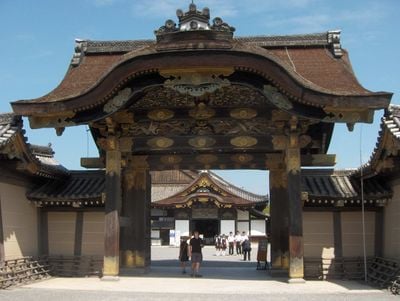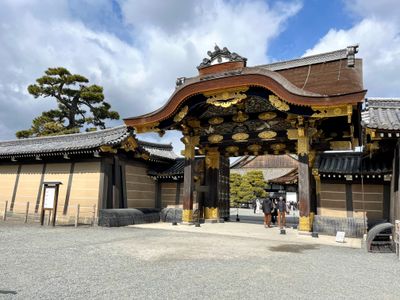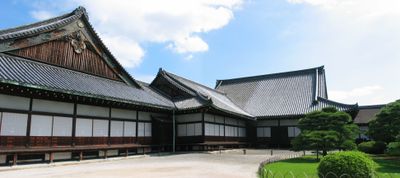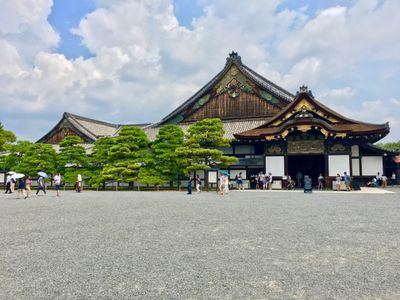
Nijō Castle, Japanese feudal castle in Nakagyō-ku, Kyoto, Japan
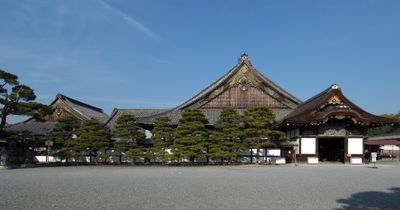
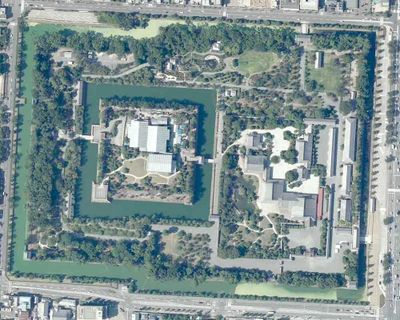
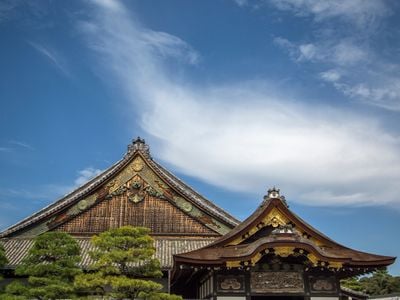
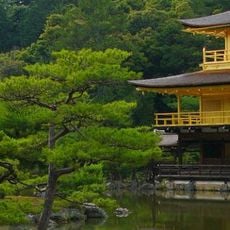
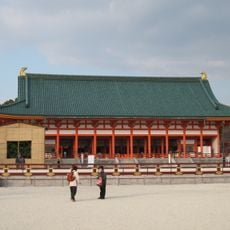
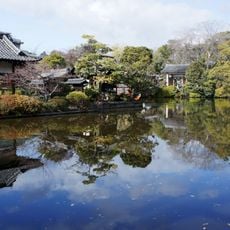
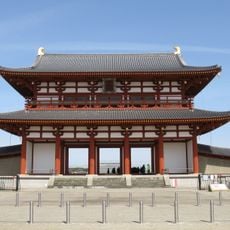
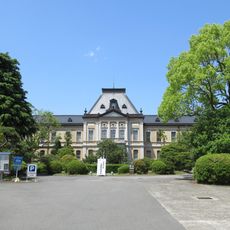
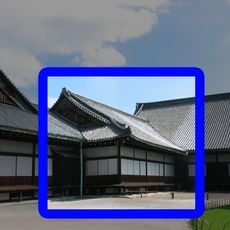
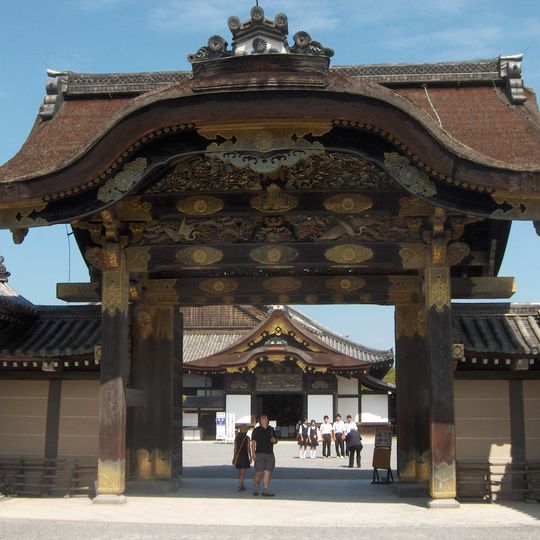
Nijō Castle is a former seat of the Tokugawa shoguns in central Kyoto, Japan, encompassing palace buildings and garden grounds. The Ninomaru Palace forms the main complex with six connected pavilions, surrounded by landscaped ponds and pruned pine trees, while the Honmaru area occupies the inner enclosure.
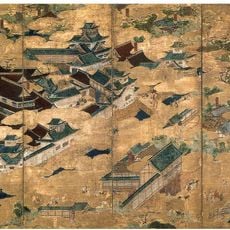
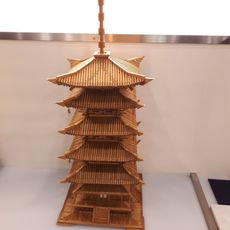
Tokugawa Ieyasu ordered the construction of this residence in 1603, shortly after becoming the first shogun of the Edo Period. His grandson Iemitsu later expanded the compound with a five-story tower, which was lost to fire in the 18th century.
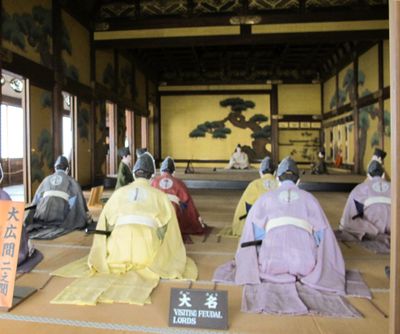
Visitors walk through the palace rooms in their socks, following the traditional custom of removing shoes before entering the tatami-matted spaces. The painted screens and carvings show motifs of nature and authority, reflecting the symbolic language used by the warrior elite to assert power and refinement.
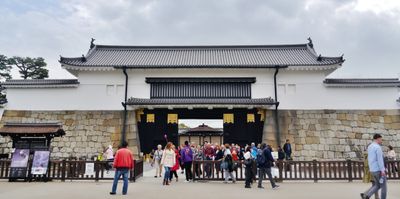
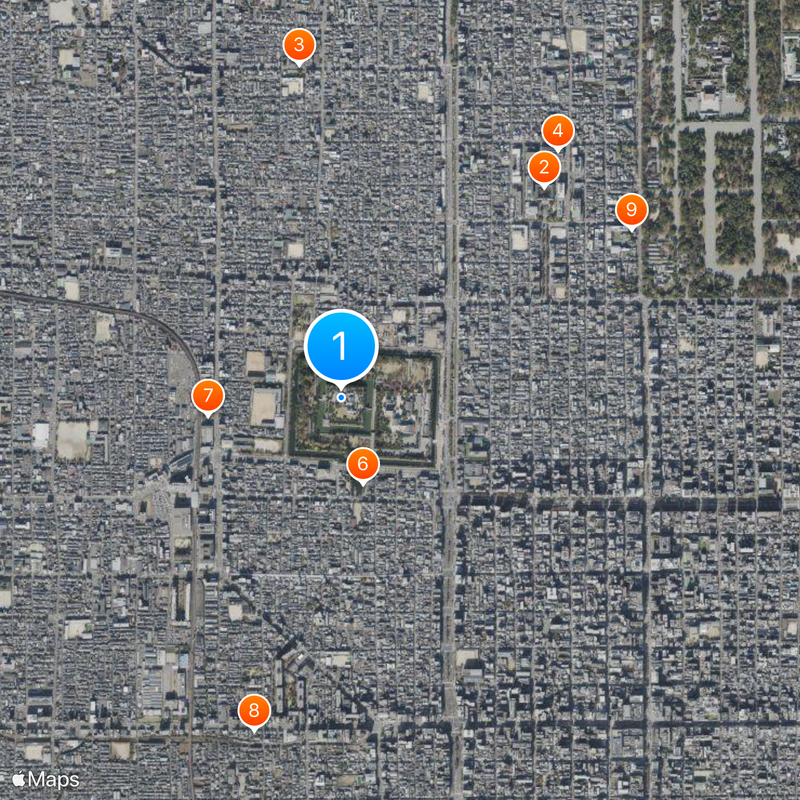
The site opens in the morning and closes by early afternoon; the Ninomaru Palace requires a separate ticket and can be crowded during peak hours. A nearby subway station makes arrival easy, and wide outdoor paths are accessible for wheelchairs, though palace interiors have steps.
The corridors are fitted with nightingale floors that creak deliberately when stepped on, producing a chirping sound. This system served as an acoustic alarm to detect intruders before they could reach the inner chambers.
The community of curious travelers
AroundUs brings together thousands of curated places, local tips, and hidden gems, enriched daily by 90,901 contributors worldwide.