Nagi-jinja, Shinto shrine in Japan
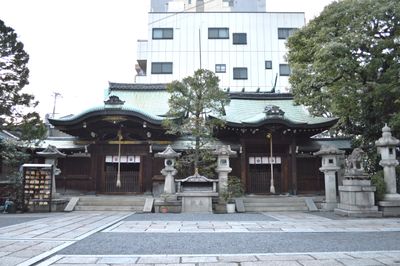
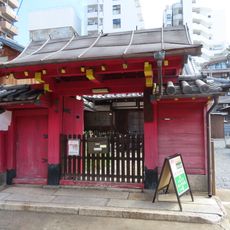
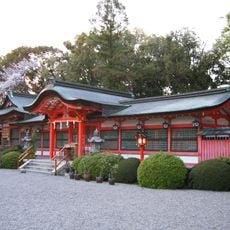
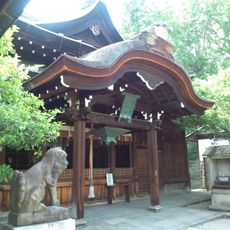
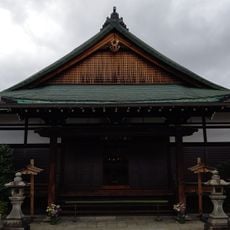
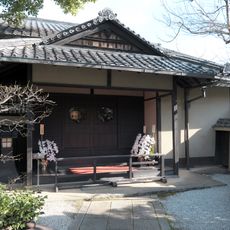
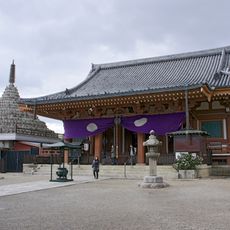
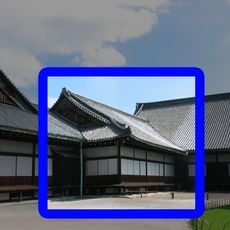
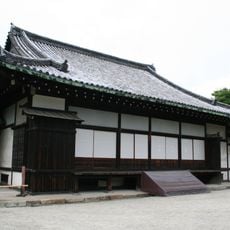
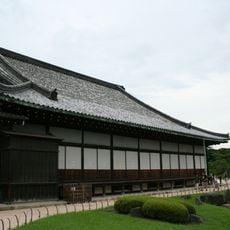
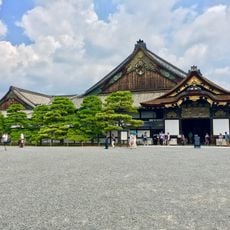
Nagi-jinja is a small Shinto shrine in Mibu district, Nakagyō, built in nagare-zukuri style where the roof characteristically extends across the front of the building. The structure features simple wooden columns and a gracefully curved roof with decorative boards, creating a balanced and peaceful appearance.
The shrine was established in 876 when the deity Susanoo was moved here from another shrine in Harima Province. This event marked the beginning of an important place of worship in Kyoto and would later influence the creation of one of the city's greatest festivals.
The shrine is deeply connected to the Gion Festival, one of Kyoto's most celebrated annual events. Local tradition credits this place with being the origin point of that festival, which is why it is sometimes called Moto Gion-sha, or the original Gion shrine.
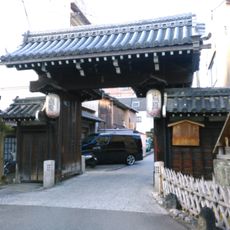
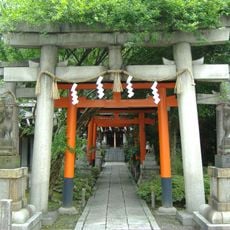
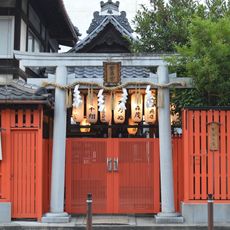
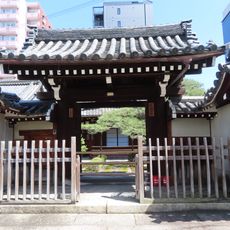
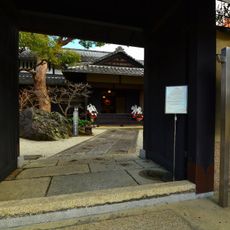
Access is marked by traditional torii gates that mark the transition to sacred space, and visitors walk along stone paths through the grounds. The quiet setting and natural surroundings with old trees provide a peaceful place to reflect and make traditional offerings.
A neighboring shrine called Hayabusa-jinja was moved to these grounds in 1918 and was originally located at a castle site. This merger shows how historical shrines shifted locations over time, with multiple places of worship now sharing a single compound.
The community of curious travelers
AroundUs brings together thousands of curated places, local tips, and hidden gems, enriched daily by 60,000 contributors worldwide.