Sumiya, Historical entertainment venue in Shimogyō-ku, Japan
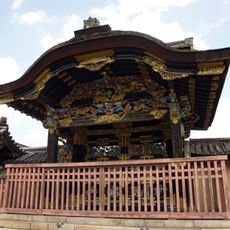
Sumiya is an ageya house in Kyoto that combines two architectural approaches: the formal shoin style with spacious, structured rooms and the informal sukiya style with natural aesthetics. The building contains large tatami rooms, detailed wood carvings, and traditional Japanese design elements throughout its preserved spaces.
The Tokuemon family opened Sumiya in 1589 in the Yanagimachi pleasure quarter, then moved it twice under shogunal orders, reaching Shimabara in 1641 under the second Tokuemon. It operated as an ageya until 1872, when it was reclassified as a teahouse; the Matsu-no-ma was still used for banquets until 1985. Designated an Important Cultural Property in 1952, it opened as a museum in 1998, now led by the 14th head of the family.
The name Sumiya reflects its past role as a top-tier entertainment establishment where the city's wealthy gathered. Walking through the rooms shows how this status was expressed through refined décor and careful design choices.
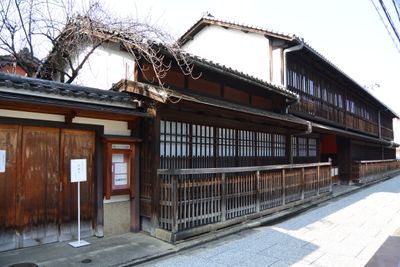
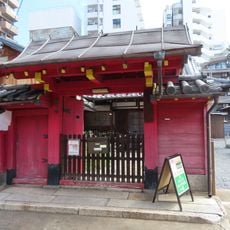
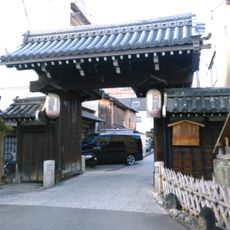
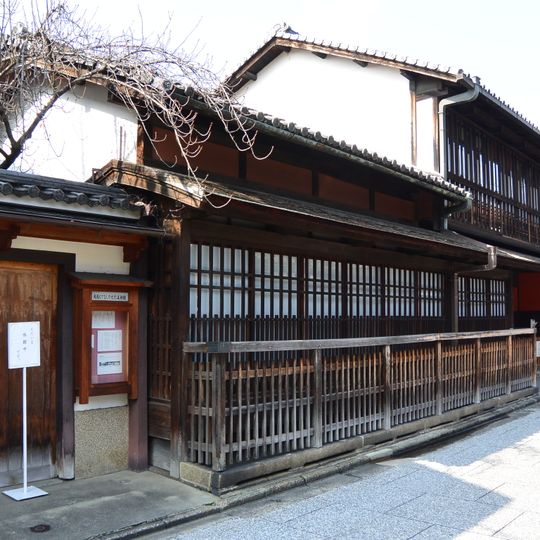
Only the ground floor is open to general visitors; seeing the second-floor rooms requires a reservation made in advance, as the upper storey is protected because of damage. The building faces the street on its east side, with the entrance slightly south of centre, and the lattice frontage runs 31.5 metres along the road. A framed notice board beside the door carries a white sign reading "一般公開中".
It stands as the sole surviving example of ageya architecture in Kyoto, displaying the building techniques used in entertainment establishments from the former Shimabara district. This preservation offers a direct window into an architectural form that otherwise vanished from the city.
The community of curious travelers
AroundUs brings together thousands of curated places, local tips, and hidden gems, enriched daily by 93,783 contributors worldwide.