Saiin Kasuga Shrine, Shinto shrine in Japan
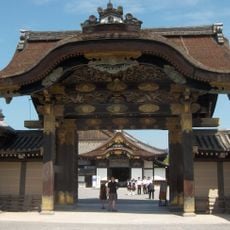
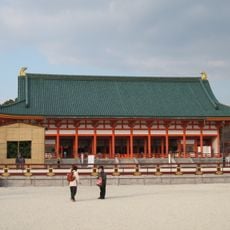
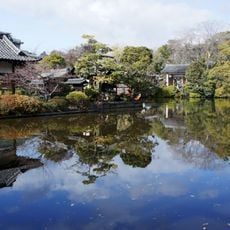
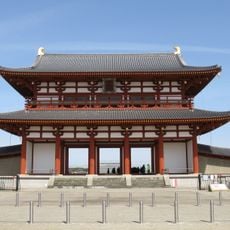
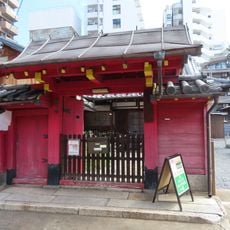
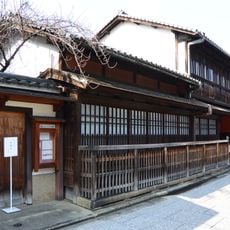
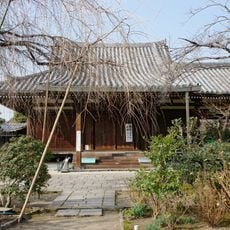
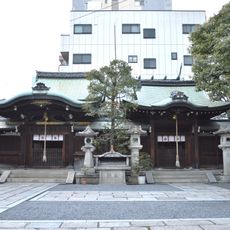
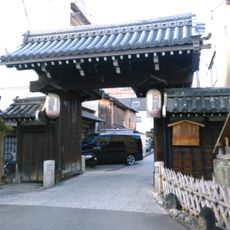
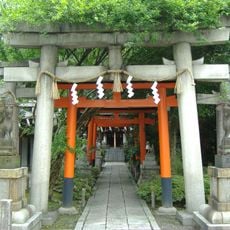
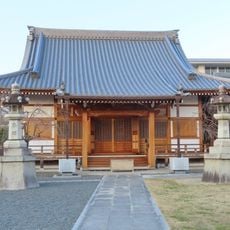
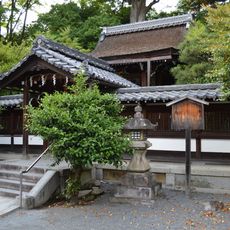
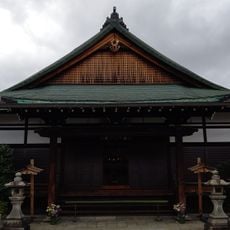
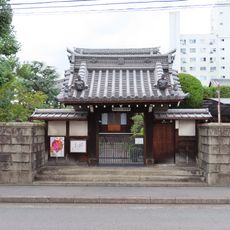
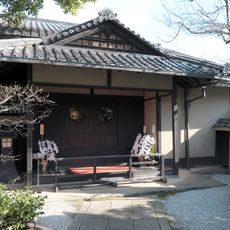
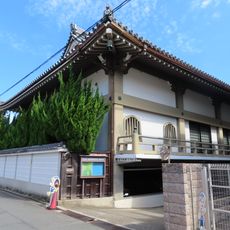
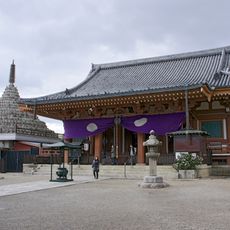
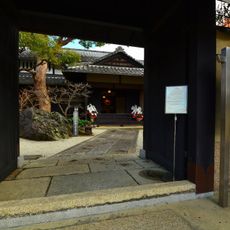
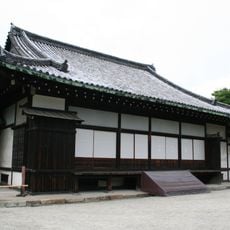
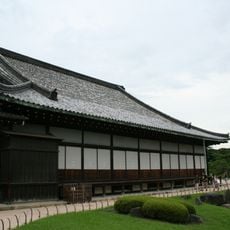
Saiin Kasuga Shrine is a Shinto shrine in Ukyō-ku, Kyoto, Japan, made up of traditional wooden structures set among old trees. Stone lanterns and weathered statues line the pathways that lead to the main hall at the center of the grounds.
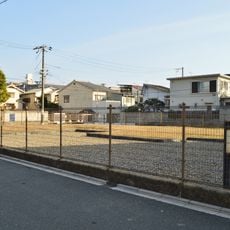
Founded on 28 February 833 as the tutelary shrine of Junna-in, the retired emperor Junna's villa, whose alternative name Saiin gave the district its name. Excavations nearby have revealed remains of that large villa. Princess Takako, Junna's daughter, recovered from smallpox through the shrine's Kasuga deity, and the imperial court came to venerate it for healing and warding off misfortune. In 1873 a primary school opened within the grounds, and the shrine was ranked a village shrine in the Meiji era.
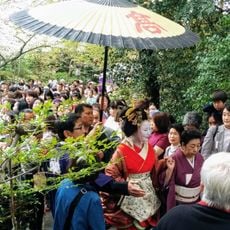
The name Saiin comes from Junna-in, the retired emperor's villa whose grounds this area once belonged to. The shrine's festival, the Kasuga Matsuri, is held on the second Sunday of October, when two mikoshi weighing about two tons each, one from the east group and one from the west, are carried through the parish along with five kenboko halberds and a drum-and-fife band.
The shrine is within walking distance of Saiin Station on the Hankyu Kyoto Line and can also be reached by city bus. A festival takes place in October, when the grounds are noticeably busier than on ordinary days.
The Hōsō-ishi, a sacred rock in the grounds, is tied to Princess Takako, daughter of Emperor Junna: she fell ill with smallpox and recovered through the power of the shrine's Kasuga deity. The shrine then became known to the imperial court as a protector against illness and misfortune.
The community of curious travelers
AroundUs brings together thousands of curated places, local tips, and hidden gems, enriched daily by 94,020 contributors worldwide.