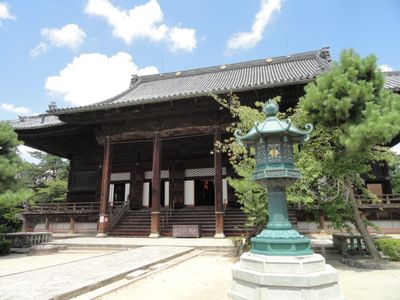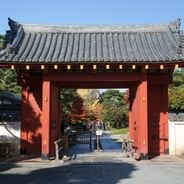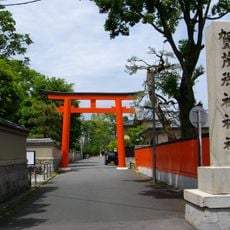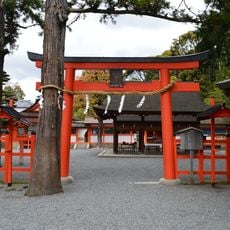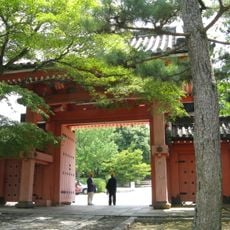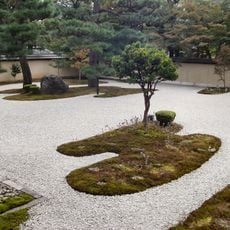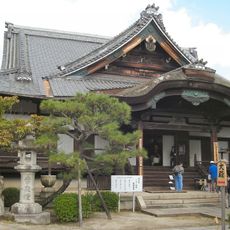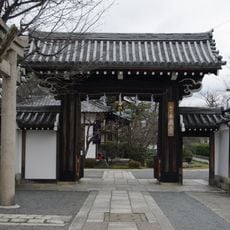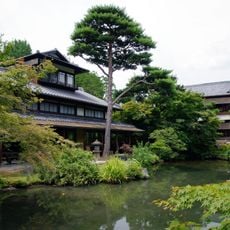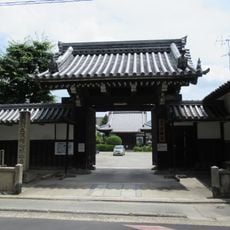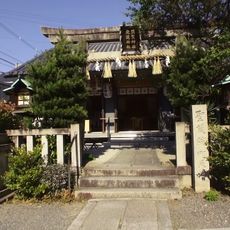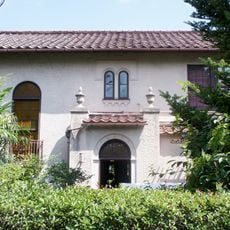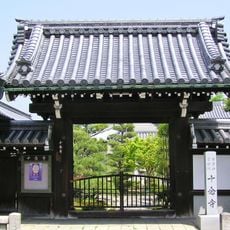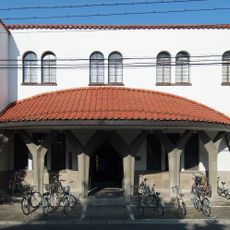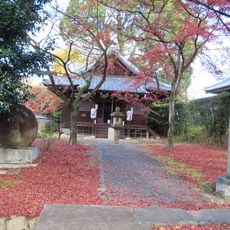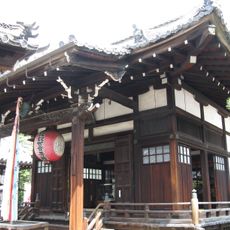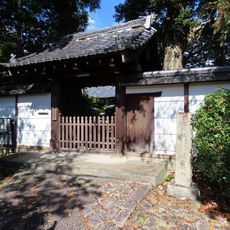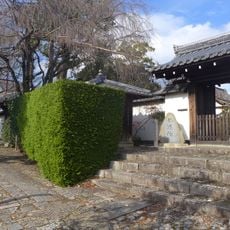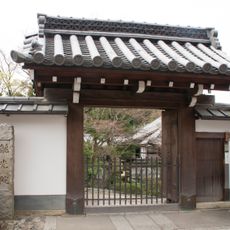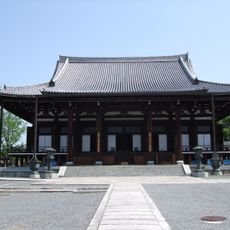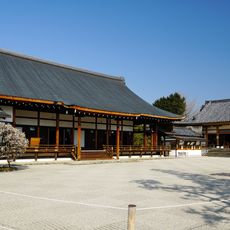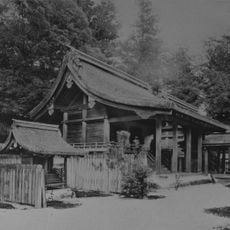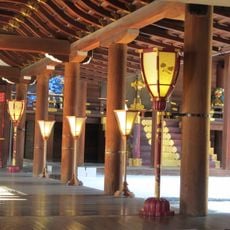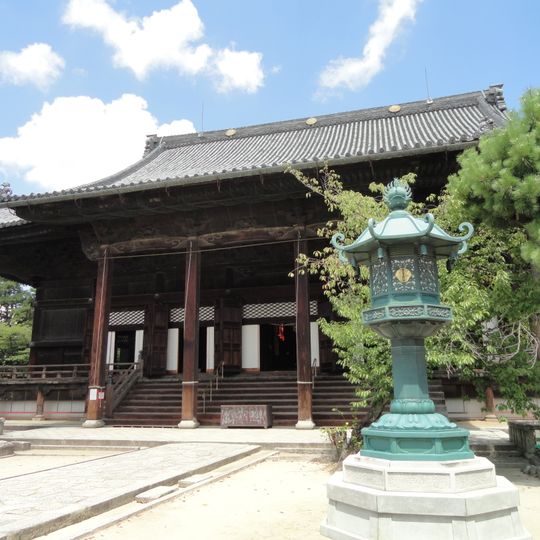
Hyakumanben Chion-ji, Buddhist temple in Sakyo-ku, Japan.
Hyakumanben Chion-ji is a Buddhist temple in Sakyo-ku, Japan, featuring wooden buildings, prayer halls, and dry gardens arranged with rocks and gravel. Narrow paths connect the different structures while pine trees and low walls separate the various sections from each other.
The temple was founded in 947 by a monk named Ennin and only later gained its current standing. In the 17th century Emperor Go-Mizunoo gave the site special status within the Jōdo-shū school of Buddhism.
The temple lends its name to an entire northern district where residents simply say "Hyakumanben" when referring to the area. During large celebrations this part of the city fills with food stalls and pilgrims who walk between several nearby holy sites.
The grounds lie north of Kyoto University and welcome visitors daily between 9 and 4.30 without admission charges. Paths around the site are flat, although some buildings have steps that may limit access.
A particular ritual uses large rosaries with 108 beads that participants slide through their hands while reciting sutras. This practice gave the temple and surrounding neighborhood their current name, which refers to this repeated recitation.
The community of curious travelers
AroundUs brings together thousands of curated places, local tips, and hidden gems, enriched daily by 60,000 contributors worldwide.