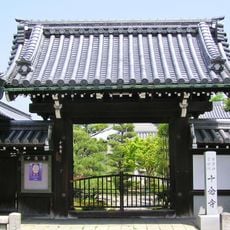
Honman-ji, Buddhist temple in Kamigyō-ku, Japan
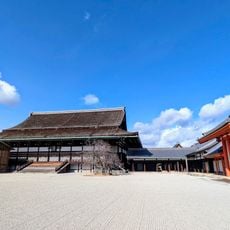
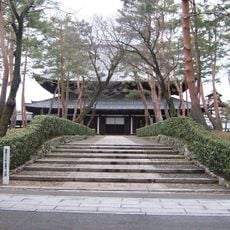
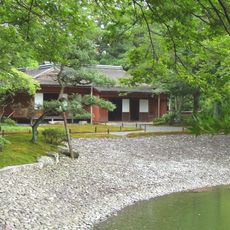
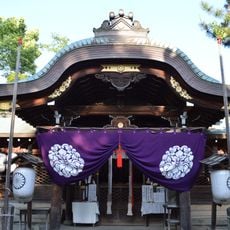
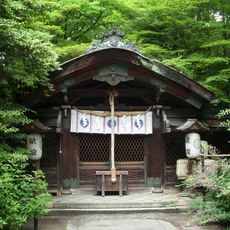
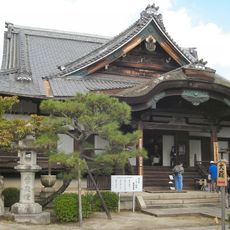
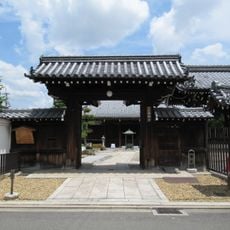
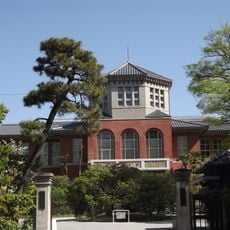
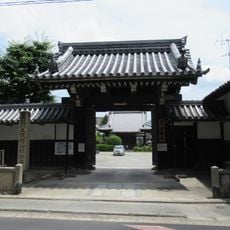
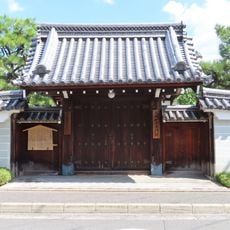
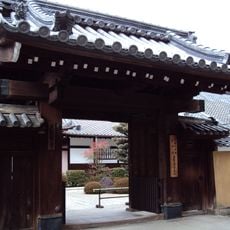
Honman-ji is a Nichiren-sect head temple (honzan) in Kamigyō-ku, Kyoto, with the mountain name Kōfusan. Its main hall was rebuilt in 1927 after a 1911 fire, and the grounds contain a garden, a bell tower, a seven-story stone pagoda, and four sub-temples (tatchū).
The temple was founded in 1410 and gained prominence when Emperor Go Nara chose it as an imperial prayer site. Later support from Tokugawa Yoshimune helped secure its role in the religious landscape.
The temple's main object of veneration is a ten-realm mandala, and its mountain name, Kōfusan, refers to the widespread propagation of the Lotus Sutra. The temple holds a designated Important Cultural Property: nine scrolls of the Lotus Sutra and the Kan Fugen Sutra copied in gold characters on dark blue paper. A copy of Nichiren's Kaimokushō is also kept here.
Honman-ji stands on Teramachi-dori just north of Imadegawa, in the Tsuruyama-chō district of Kamigyō-ku. The nearest stations are Demachiyanagi on the Keihan Ōtō line and the Eizan main line, each about 13 minutes on foot. The temple is a working Nichiren head temple, so some halls may be closed to visitors.
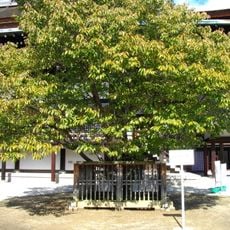
The weeping cherry in the grounds is a sister tree of the Gion weeping cherry of Maruyama Park, and is about 90 years old. The temple also keeps the tomb of Yamanaka Shikanosuke and a stone tomb of Tsuruhime, daughter of Edo Shigemichi and wife of Yūki Hideyasu.
The community of curious travelers
AroundUs brings together thousands of curated places, local tips, and hidden gems, enriched daily by 93,415 contributors worldwide.