Kyoto Gyoen National Garden, National garden in Kamigyō-ku, Kyoto, Japan
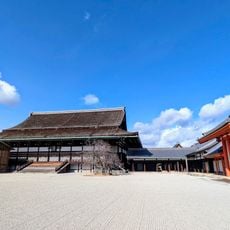
Kyoto Gyoen is a large public garden in central Kyoto housing three imperial structures: the Kyoto Imperial Palace, the Omiya Imperial Palace, and the Sento Imperial Palace. The grounds feature multiple paths, open green spaces, and seasonal flowers that change throughout the year.
The area served as a residential district for court nobles during the Edo period until the capital relocated to Tokyo. After the move, buildings were dismantled and the land was transformed into a public garden.
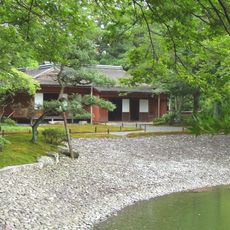
The garden's name comes from the imperial enclosure that surrounded the palace. The Kujō family teahouse, Shūsui-tei, stands by Kujō Pond, originally a fire pond called Magatama-ike; the Takakura Bridge over it was completed in January 1883. The garden also contains the Aoi Matsuri and Jidai Matsuri processions, which pass along its streets.
The garden is free to enter and can be reached on foot from Marutamachi Station on the Karasuma Line subway. Visitors should wear weather-appropriate clothing, as the garden is accessible year-round with varying conditions depending on the season.
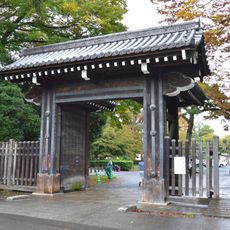
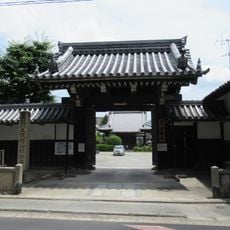
The garden's 92-hectare site contains nine outer gates and six cuttings that survive from the Edo period. The gate in the photograph has a tiled roof with white end caps and metal-studded pillars. The garden also holds the well where Emperor Meiji's mother is said to have bathed him.
The community of curious travelers
AroundUs brings together thousands of curated places, local tips, and hidden gems, enriched daily by 93,132 contributors worldwide.