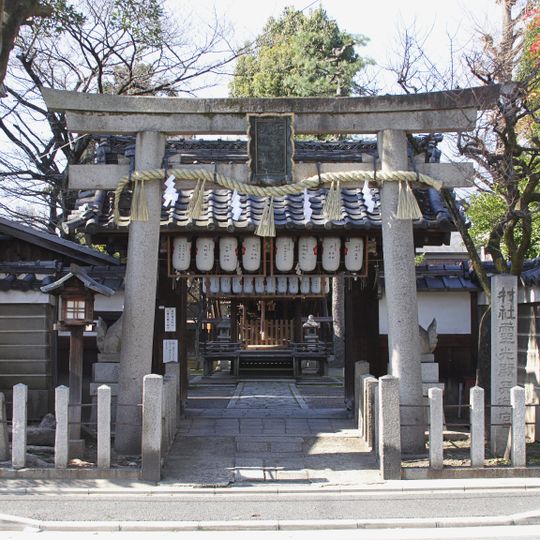
Reikōden Tenman-gū, Shinto shrine in Japan
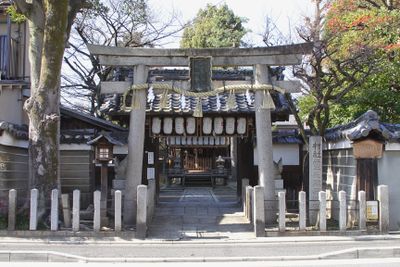
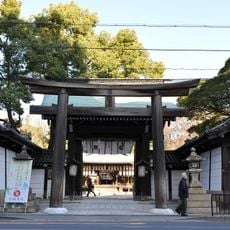
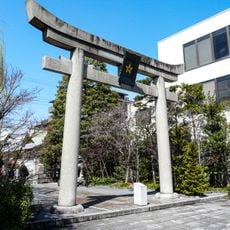
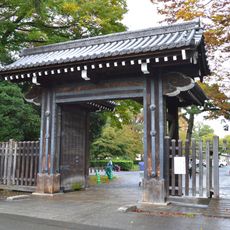
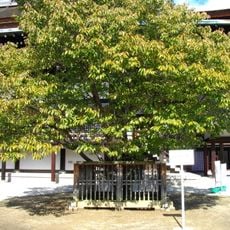
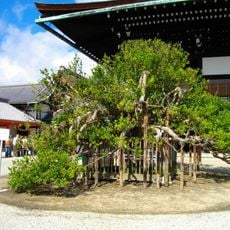
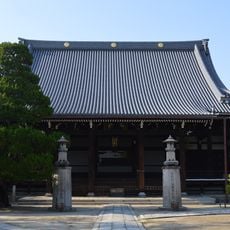
Reikōden Tenman-gū is a Shinto shrine in Kyoto dedicated to the historical scholar Sugawara no Michizane, who was deified after his death as a protective deity. The grounds feature over 1,500 plum trees, elaborate gates decorated with colorful carvings, a treasure hall displaying ancient scrolls and paintings, and numerous cattle statues representing the god's sacred messengers.
The shrine was founded in 947 to appease the spirit of the deceased scholar Sugawara no Michizane after natural disasters like lightning strikes and illnesses ravaged Kyoto, believed by the people to be signs of his angry spirit. Over centuries, emperors and military leaders including Toyotomi Hideyoshi supported the shrine's development, resulting in the structures that remain today, predominantly built during the 1600s.
The shrine honors Tenjin, the god of learning and scholarly pursuits, and draws students who come to pray for exam success throughout the year. Cattle statues scattered across the grounds serve as sacred symbols, with visitors traditionally touching them for good fortune in their studies and personal endeavors.
The shrine is freely accessible year-round and most easily reached by bus or walking from nearby train stations throughout Kyoto. The treasure hall displaying ancient artifacts charges a small fee and operates on limited days, particularly during the plum blossom season and early January.
According to legend, the spirit of the venerated scholar was transported on a cart drawn by oxen, and these animals have been sacred ever since, with visitors touching specific statues to seek blessings for particular body parts or personal concerns. This practice directly connects the deity's mythological past with the everyday faith of modern visitors.
The community of curious travelers
AroundUs brings together thousands of curated places, local tips, and hidden gems, enriched daily by 91,986 contributors worldwide.