Sentō Imperial Palace, Former imperial retirement residence in Kyoto, Japan
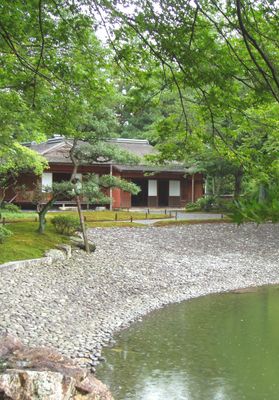
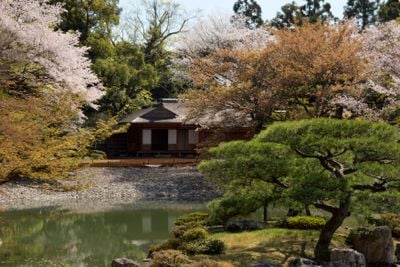
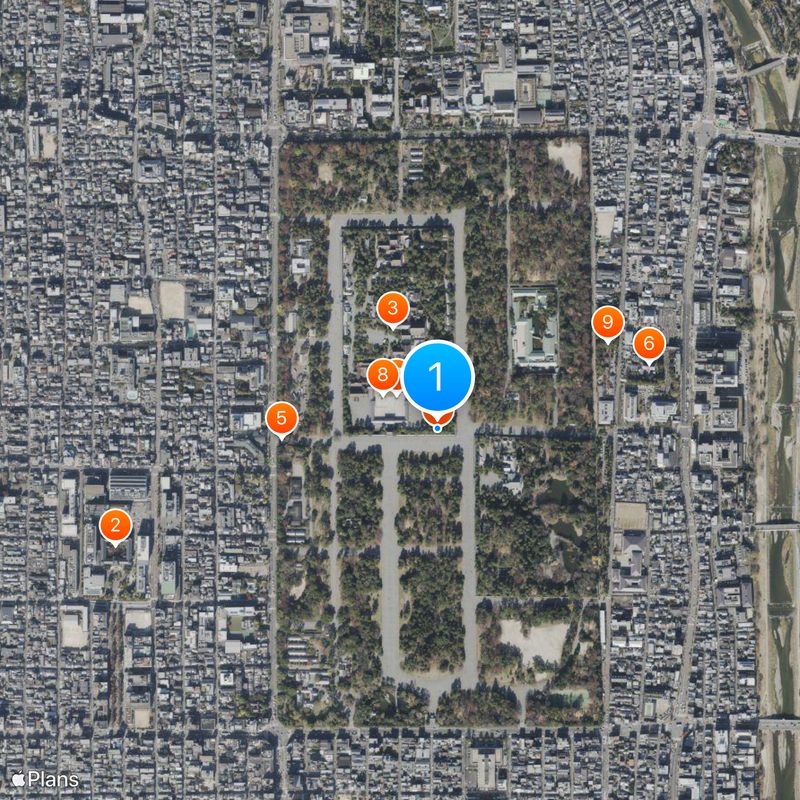
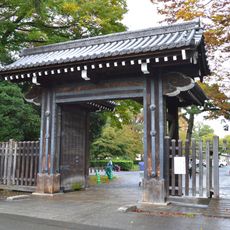
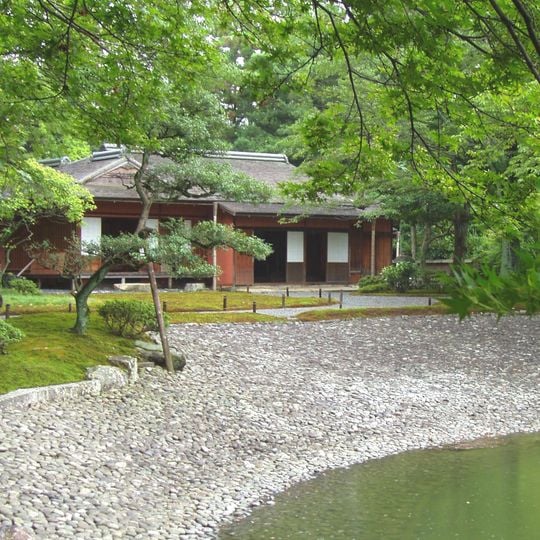
Sentō Imperial Palace is a former imperial retirement residence in Kyoto, Japan, now known primarily for its gardens since the main buildings no longer stand. Two large ponds are connected by a canal and crossed by six bridges, each built in a different style.
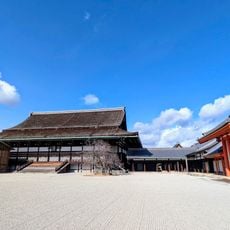
Emperor Go-Mizunoo had the complex built from 1630 as a place to retire after abdicating in favor of his daughter. The main buildings burned down in 1854 and were never rebuilt, so only the gardens and the two teahouses remain.
The name Sentō traditionally refers to a retreat for an emperor who stepped down in favor of a successor. The two surviving teahouses, Seika-tei and Yushin-tei, are visited during the guided tour and display two different approaches to tea ceremony architecture.
Visits are only possible through official guided tours, which require advance registration with the Imperial Household Agency. Audio guides in several languages are available for international visitors to follow along the route through the gardens.
Although most buildings are gone, the paths along the pond edges were laid with a thick layer of small pebbles, giving the garden a distinct crunching sound underfoot. This pebble design is typical of imperial gardens from the Edo period and shapes how every visitor moves through the space.
The community of curious travelers
AroundUs brings together thousands of curated places, local tips, and hidden gems, enriched daily by 90,738 contributors worldwide.