Tenryū-ji, Buddhist temple in Arashiyama, Japan
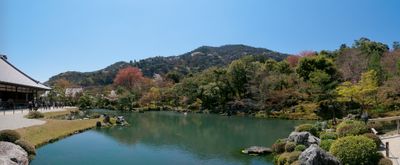
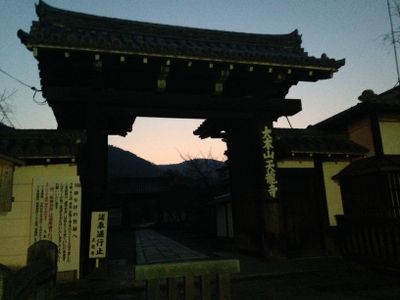
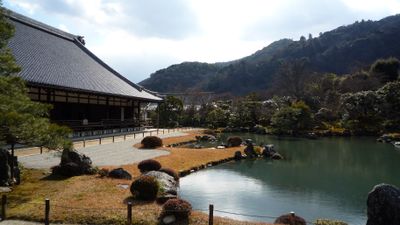
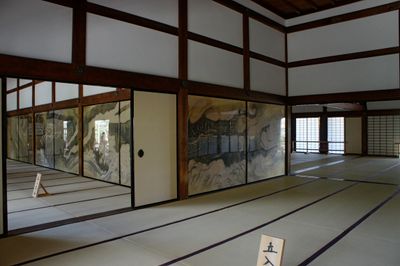
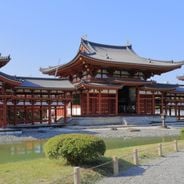
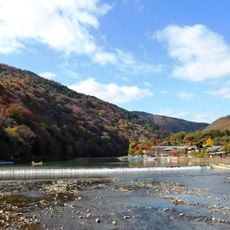
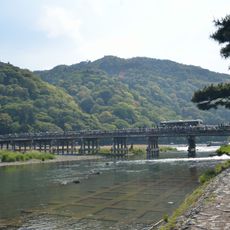
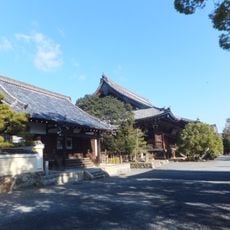
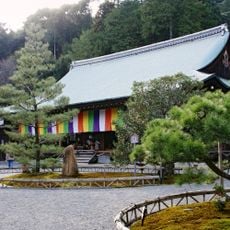
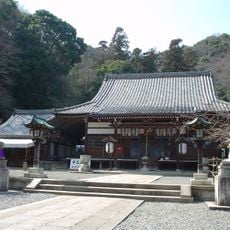
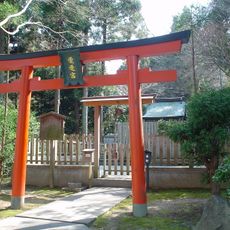
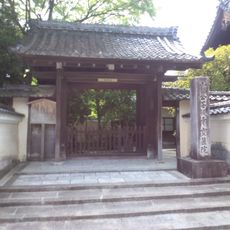
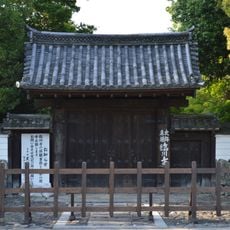
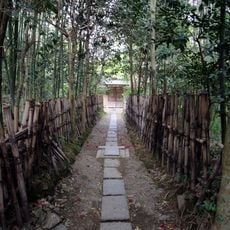
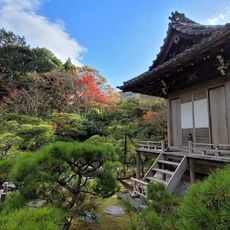
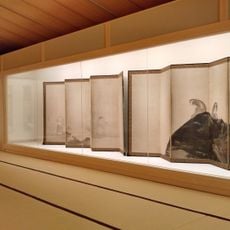
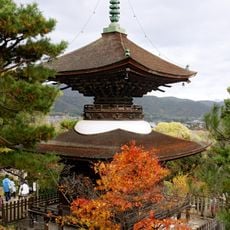
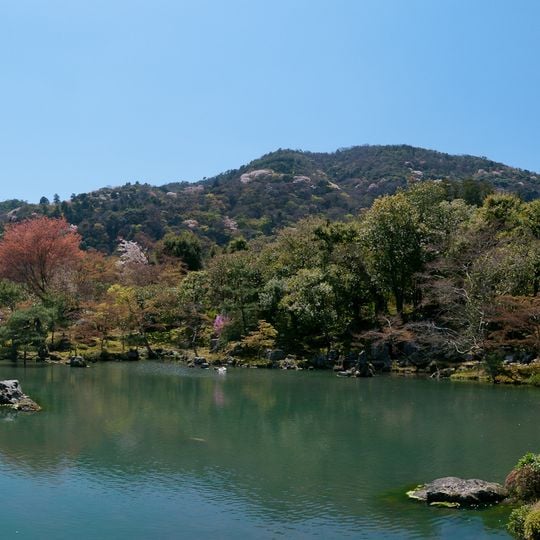
Tenryū-ji is a Buddhist temple in the Ukyō Ward of Kyoto, nestled between wooded hills west of the city. The complex includes several halls with curved roofs, a large pond with small islands and bridges, and paths through bamboo and pine groves that lead from the temple entrance to the rear mountain slope.
The shogun founded the temple in 1345 after the death of Emperor Go-Daigo to honor his spirit and ease political tensions. Over the centuries the complex burned down several times, but the garden remained largely in its original form.
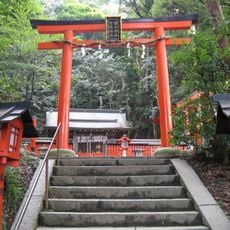
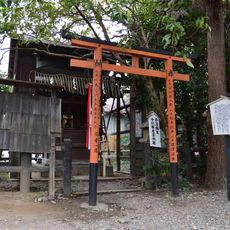
The name means Temple of the Heavenly Dragon and refers to an old legend in which a monk saw a dragon rising from the river here. Visitors can often watch Zen students sitting in the meditation halls on weekends, while pilgrims light incense sticks in front of the shrines.
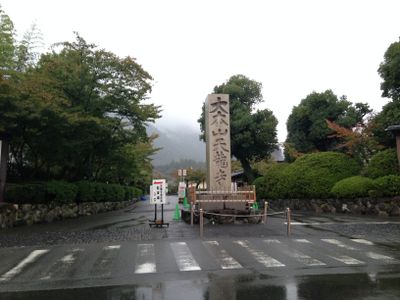
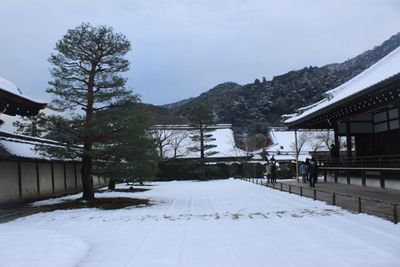
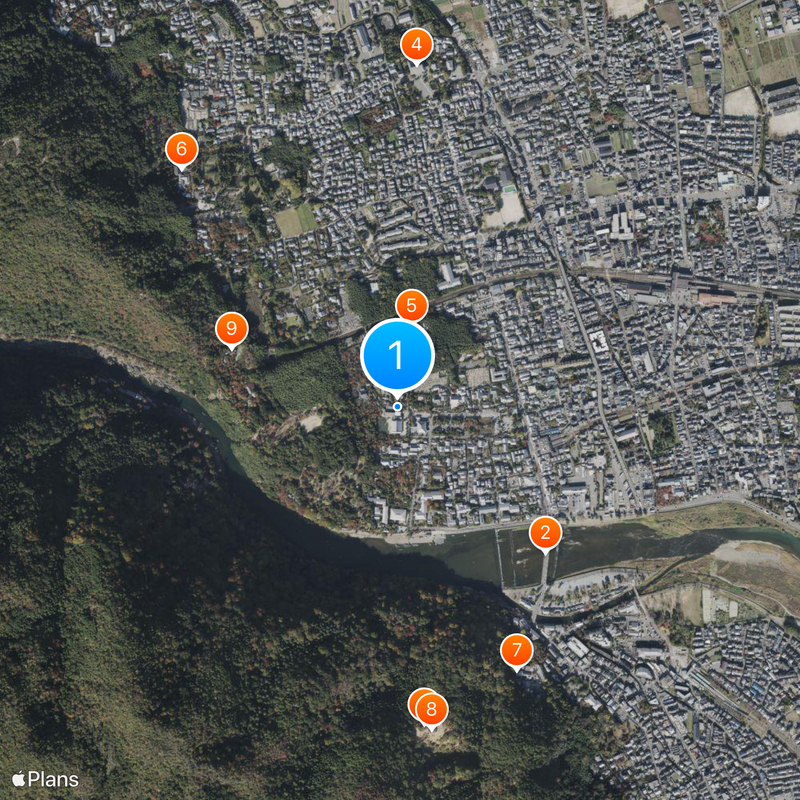
The complex is about a ten-minute walk west of Arashiyama Station and opens early in the morning, so visitors can arrive before the biggest crowds. Comfortable shoes are advisable, as some paths lead slightly uphill and can become slippery when wet in winter.
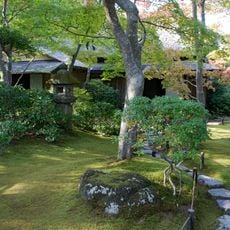
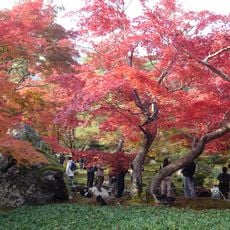
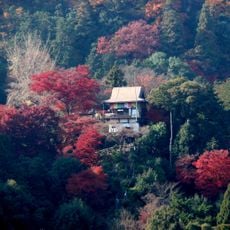
The garden was designed so that the distant mountains appear like a painted screen behind the pond, dissolving the boundary between designed space and natural landscape. This technique is called Shakkei and turns each season into a new picture, depending on how fog or snow veils the peaks.
The community of curious travelers
AroundUs brings together thousands of curated places, local tips, and hidden gems, enriched daily by 92,206 contributors worldwide.