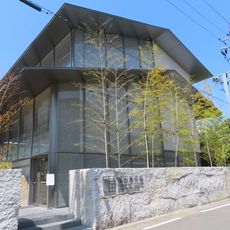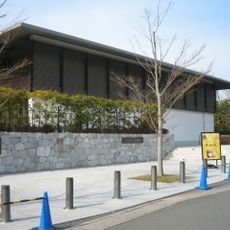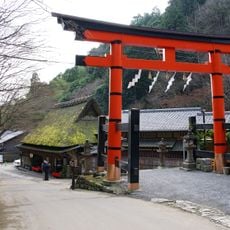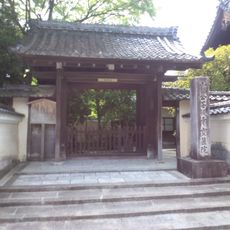
Enri-an, Buddhist temple in Ukyō Ward, Japan
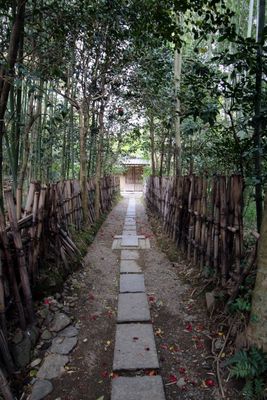
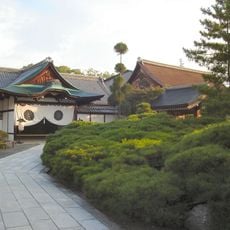
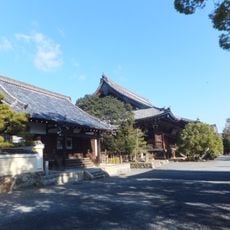
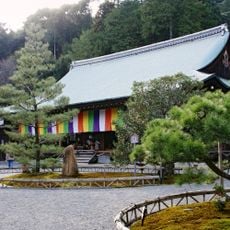
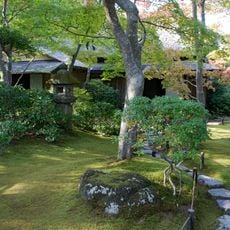
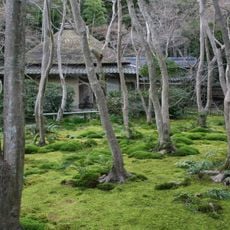
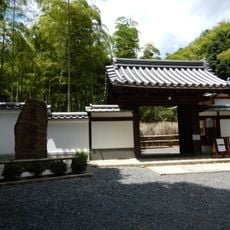
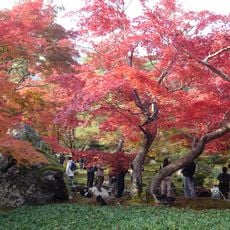
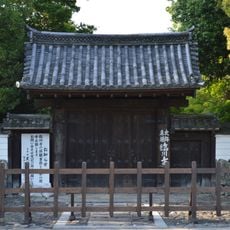
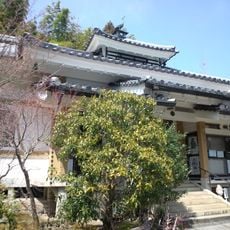
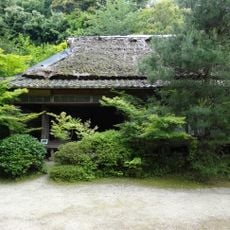
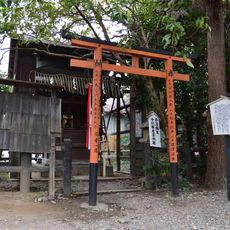
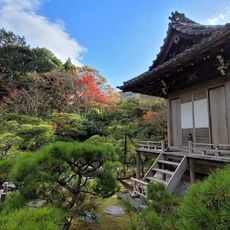
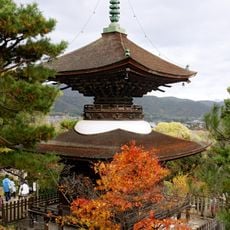
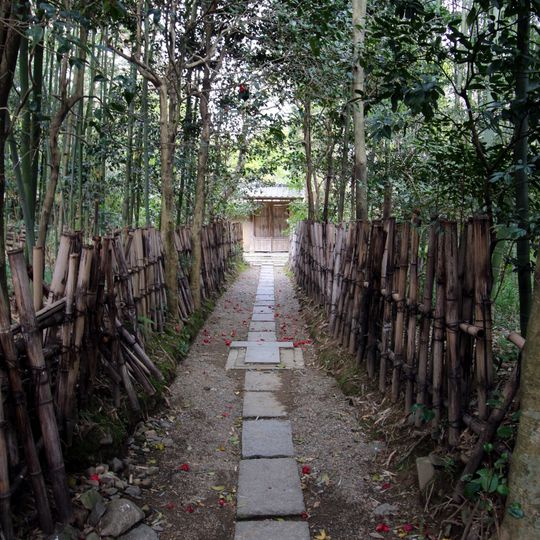
Enri-an is a Buddhist temple in Ukyō Ward, Kyoto, Japan, made up of a main hall, the Shigure-tei tea house, and a traditional garden. The grounds are arranged around wooden buildings and carefully laid-out outdoor spaces that follow the conventions of classical Japanese temple design.
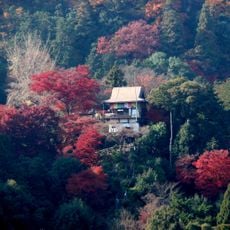
The temple was founded in 1736 on the former site of a mountain villa that once belonged to FUJIWARA no Sadaie, a major poet of classical Japan. It was in that villa that he is said to have compiled the Ogura Hyakunin Isshu, one of the best-known poetry anthologies in Japanese literature.
The temple belongs to the Tenryuji school of Rinzai Zen Buddhism and houses a principal image of Nyoirin Kannon, a figure associated with compassion. Visitors can also see the Shigure-tei tea house, which sits within the garden and is known for its connection to classical Japanese poetry gatherings.
This temple opens to visitors only during a specific season each year, so it is worth checking the dates well in advance before making plans. Once inside, the different areas of the grounds are easy to reach on foot from the main gate.
The name Enri-an comes from a Buddhist term describing the state of being free from weariness, which sets a specific intention for the space. This name was chosen by the founder to suggest a place for deep practice rather than simple rest.
The community of curious travelers
AroundUs brings together thousands of curated places, local tips, and hidden gems, enriched daily by 91,942 contributors worldwide.