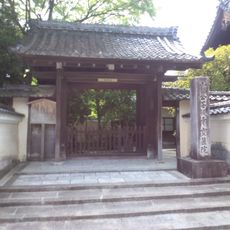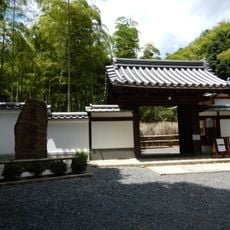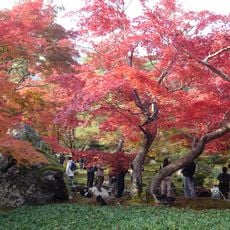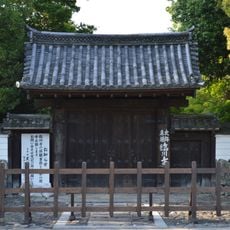
Giō-ji, Buddhist nunnery in Saga Toriimoto, Ukyō-ku, Japan
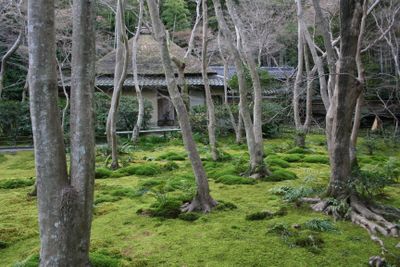
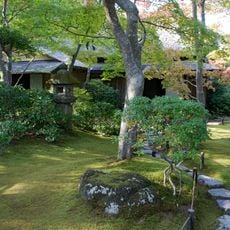
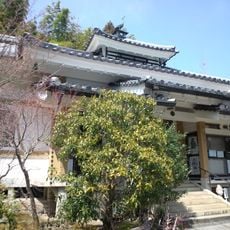
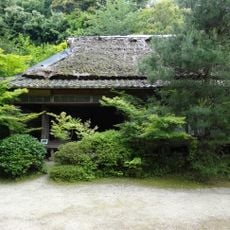
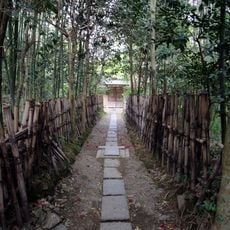
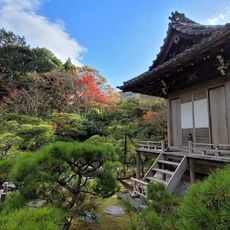
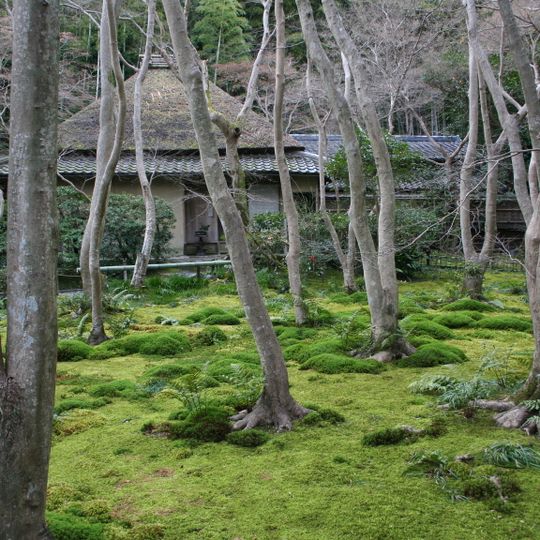
Giō-ji is a Buddhist nunnery in western Kyoto distinguished by traditional thatched buildings surrounded by expansive moss gardens and bamboo groves. The grounds blend architectural elements with natural features to create a cohesive setting.
The nunnery originated as the remaining portion of Ojo-in, founded by Ryochin, a student of Honen who established the Jodo-shu branch of Pure Land Buddhism. This preserves a key moment in the development of this Buddhist tradition in Japan.
The nunnery is named after Gio, a dancer from the Heian period whose story appears in the classic tale Heike Monogatari. Visitors can sense this connection through the way the space is arranged and maintained today.
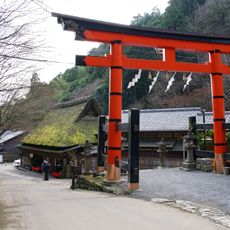
The nunnery is accessible by bus to the Toriimoto stop or by a 25-minute walk from Daikaku-ji through the preserved streets of Saga. The grounds are easy to explore on foot and work well for a leisurely visit.
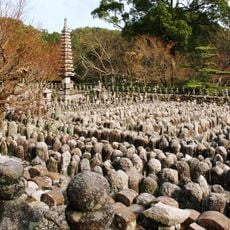
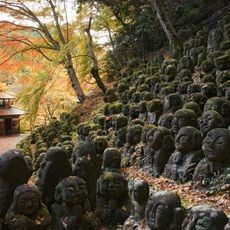
The grounds contain more than 8,000 Buddhist statues scattered throughout the moss gardens, creating a distinctive environment. This large collection often goes unnoticed by visitors despite setting the site apart from other temples in the area.
The community of curious travelers
AroundUs brings together thousands of curated places, local tips, and hidden gems, enriched daily by 91,367 contributors worldwide.