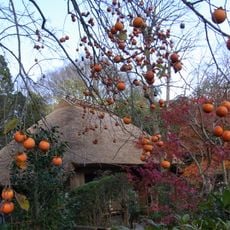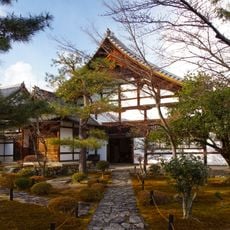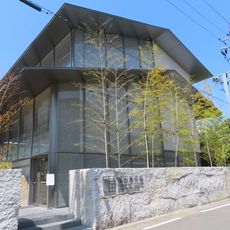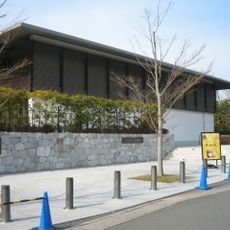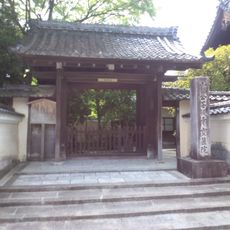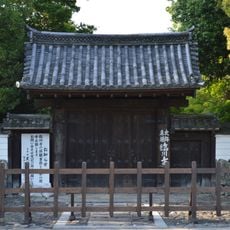
Hōgon-in, Buddhist temple in Ukyō-ku, Japan
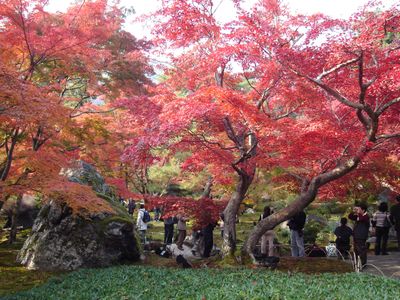
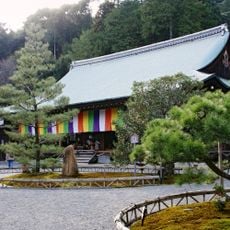
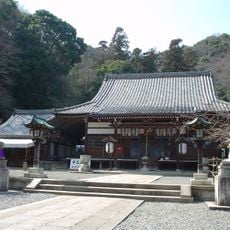
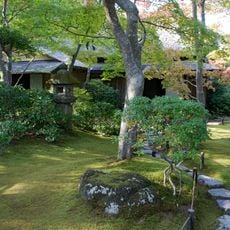
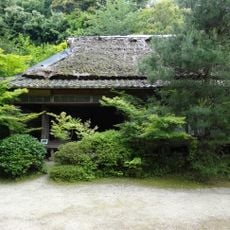
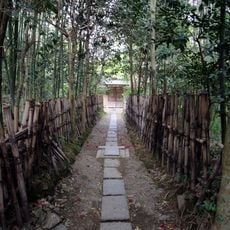
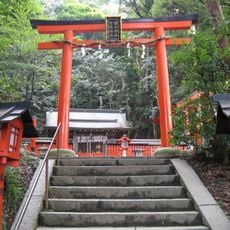
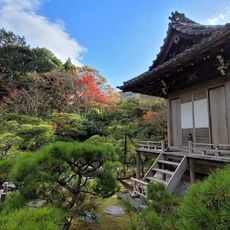
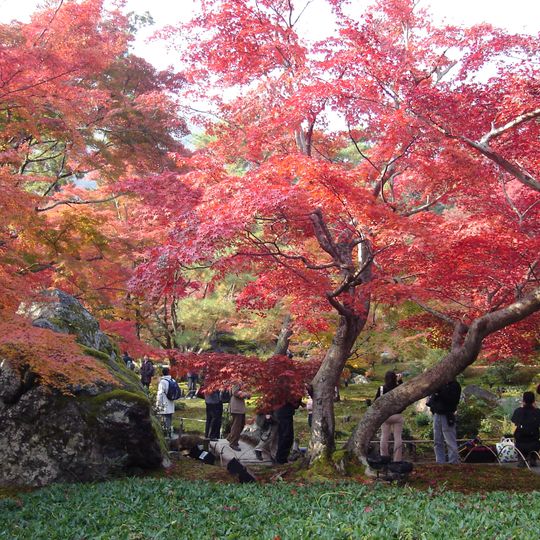
Hōgon-in is a temple located in a corner section of the Tenryū-ji complex and features a landscape garden with shaped rocks and dense moss formations. The garden's design creates visual depth through careful placement of elements within the limited space.
The temple was founded in 1461 by Hosokawa Yoriyuki and reached its current location after being destroyed during the Ōnin War. Its reconstruction shaped how it sits within the complex today.
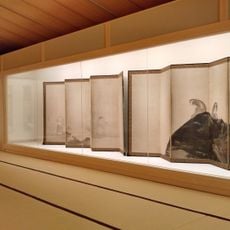
The main hall displays 58 sliding-panel paintings by artist Noriko Tamura and houses statues of Kannon and Jizō Bodhisattva that visitors encounter when entering.
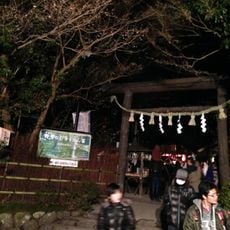
The temple opens for special viewings during spring and autumn months, with evening illuminations of the foliage visible from mid to late November. Plan your visit during these seasons for the best experience.
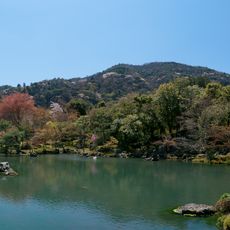
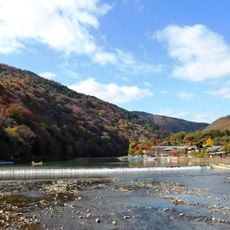
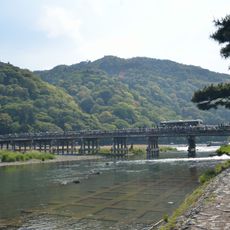
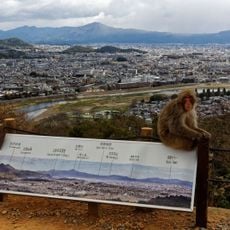
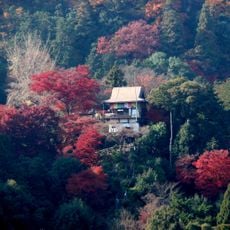
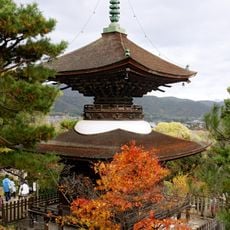
The garden uses the shakkei technique to incorporate the Arashiyama mountains into its design, creating a visual perspective that extends beyond the temple grounds. This method weaves the distant landscape into what visitors see from within.
The community of curious travelers
AroundUs brings together thousands of curated places, local tips, and hidden gems, enriched daily by 91,810 contributors worldwide.