Nonomiya Shrine, Shinto shrine in Japan
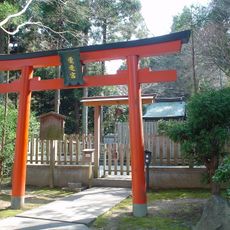
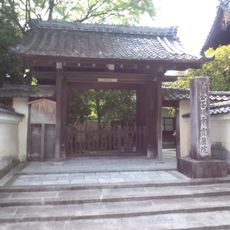
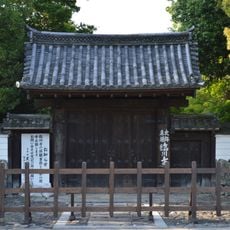
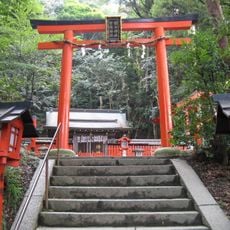
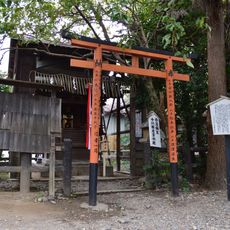
Nonomiya Shrine in Ukyō Ward, Kyoto, is entered through a black-bark torii of unbarked kunugi oak from Mount Tsurugi in Tokushima, its pillars hung with a straw rope and five white zigzag paper streamers. A low fence of kuro-moji branches flanks the gate, and a second grey stone torii stands atop a short flight of steps before the shrine building.
The shrine traces its origin to the "Nonomiya", the purification retreat where an unmarried imperial princess chosen as Saiō purified herself for a year before departing for Ise Shrine. It was founded in 809 (Daidō 4). From the reign of Emperor Saga and Princess Ninko, the Nonomiya was fixed at this site; the Saiō system ended in the Nanboku-chō period with Princess Shōshi, and the shrine later declined amid wars before being protected by imperial edicts and ranked a village shrine in the Meiji era.
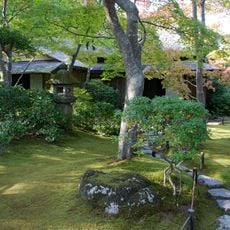
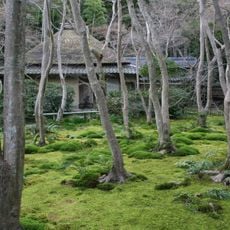
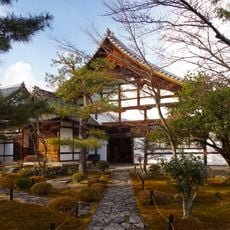
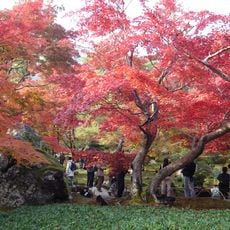
The shrine's name comes from the "Nonomiya" where an unmarried imperial princess chosen as Saiō purified herself for a year before leaving for Ise Shrine. Since 1998, parishioners have reenacted her departure procession as the Saigū Gyōretsu at the October festival. The moss garden is called "Nonomiya jūtan" moss.
The shrine is freely accessible throughout the year without tickets. The grounds are laid out for easy walking and there is space to move around, though it can become crowded during peak visiting times.
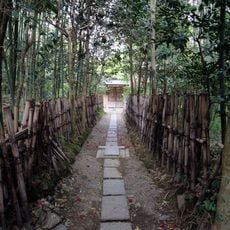
The black-wood torii is made from a bark-covered oak trunk from Mount Tsurugi in Tokushima Prefecture, coated in resin; its shape follows Japan's oldest torii form. Beside it stands a fence of kuromoji branches, the kind of purification enclosure described in The Tale of Genji.
The community of curious travelers
AroundUs brings together thousands of curated places, local tips, and hidden gems, enriched daily by 94,454 contributors worldwide.