Byōdō-in, Buddhist temple in Uji, Japan
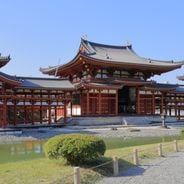
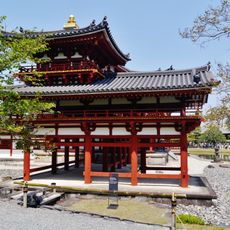
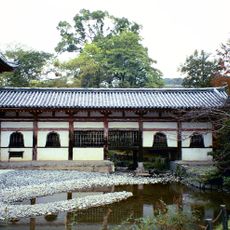
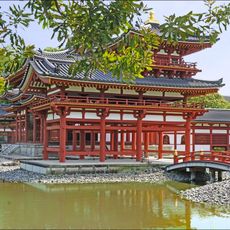
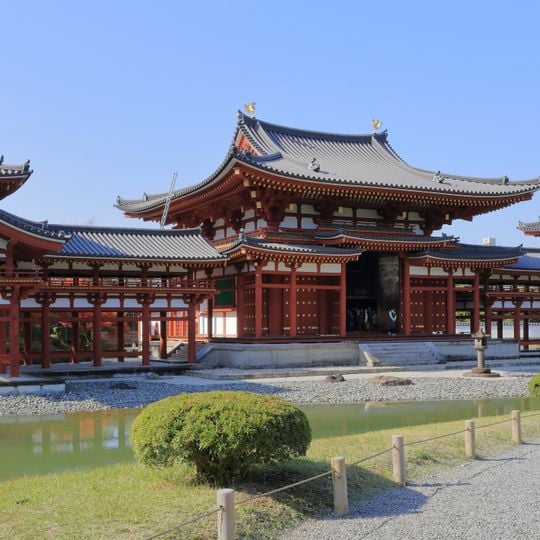
Byōdō-in is a Buddhist temple in Uji, Japan, registered as part of a UNESCO World Heritage Site and as a National Treasure of the country. The Phoenix Hall forms the heart of the complex with a central hall flanked by twin wing corridors that reflect in a pond.
The site was a villa of Fujiwara no Michinaga from 998; his son Fujiwara no Yorimichi converted it into a temple in 1052, the year then held to begin the age of mappō. The Amida Hall, later called Phoenix Hall, was completed in 1053, and Yorimichi died there in 1074. In 1336 Kusunoki Masashige's troops burned the compound, leaving only the hall.
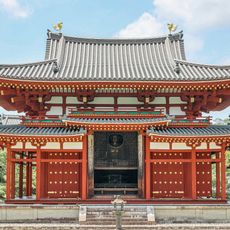
The central hall houses an Amida Buddha statue by sculptor Jocho that visitors can view as a significant example of 11th-century Japanese religious art. This temple reflects design principles of Pure Land Buddhism practice, where architecture and garden worked together to convey an image of paradise.
The grounds are accessible daily between 8:30 and 17:30, with the interior of the Phoenix Hall available for viewing at set times between 9:50 and 15:50. Visitors should plan enough time to explore the buildings, gardens, and museum, as the site includes several separate areas.
The temple appears on Japanese 10 yen coins, displaying the Phoenix Hall mirrored in the adjacent pond. Two gilded phoenix figures crown the roof of the main building and gave the hall its name, though they are difficult to spot from a distance.
The community of curious travelers
AroundUs brings together thousands of curated places, local tips, and hidden gems, enriched daily by 92,122 contributors worldwide.