See the monuments around you in AROpen chests in the app
Around Us is built for your phone — point your camera at the streets and discover the monuments and places around you in augmented reality.Around Us is built for your phone — chests unlock when you walk, explore and capture nearby places.
Natural tree tunnels and arched pathways worldwide
Across the world, roads and paths are shaded by trees that form natural tunnels with their branches. Beech trees, cherry blossoms, bamboo, maples and oaks create arched passages over streets, walkways and railway lines. Some of these tunnels were planted deliberately by people, while others developed over decades as trees grew together. They provide cooling shade during hot months and transform their look as the seasons change.
These botanical paths exist in many locations around the globe. The Dark Hedges in Northern Ireland displays old beech trees forming a dark corridor. In Ukraine, the Tunnel of Love connects two places with dense greenery. Japan holds several such paths: the Wisteria Tunnel at Kawachi Fuji Gardens drapes visitors in purple flowers, while the Sagano Bamboo Forest near Kyoto fills the senses with dense bamboo groves. In South Korea, cherry blossoms frame the route at Gyeonghwa Station, and red maples color the pathways near Lake Kawaguchi in Japan. The United States offers examples too, from Oak Alley in Louisiana to the Cypress Tree Tunnel in California.
Each route carries its own character and appeal. Some are maintained by careful hands, others grow wild without intervention. These places show how nature and human presence can work together. Visitors find quiet moments, green surroundings and the shifting beauty that comes with spring, summer, autumn and winter.
Natural tree tunnels and arched pathways worldwide
Across the world, roads and paths are shaded by trees that form natural tunnels with their branches. Beech trees, cherry blossoms, bamboo, maples and oaks create arched passages over streets, walkways and railway lines. Some of these tunnels were planted deliberately by people, while others developed over decades as trees grew together. They provide cooling shade during hot months and transform their look as the seasons change.
These botanical paths exist in many locations around the globe. The Dark Hedges in Northern Ireland displays old beech trees forming a dark corridor. In Ukraine, the Tunnel of Love connects two places with dense greenery. Japan holds several such paths: the Wisteria Tunnel at Kawachi Fuji Gardens drapes visitors in purple flowers, while the Sagano Bamboo Forest near Kyoto fills the senses with dense bamboo groves. In South Korea, cherry blossoms frame the route at Gyeonghwa Station, and red maples color the pathways near Lake Kawaguchi in Japan. The United States offers examples too, from Oak Alley in Louisiana to the Cypress Tree Tunnel in California.
Each route carries its own character and appeal. Some are maintained by careful hands, others grow wild without intervention. These places show how nature and human presence can work together. Visitors find quiet moments, green surroundings and the shifting beauty that comes with spring, summer, autumn and winter.
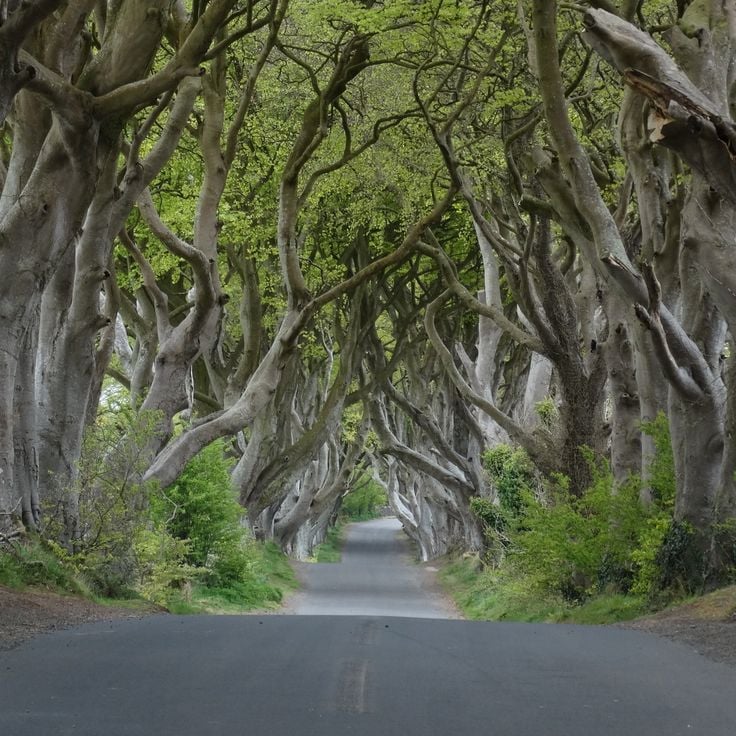
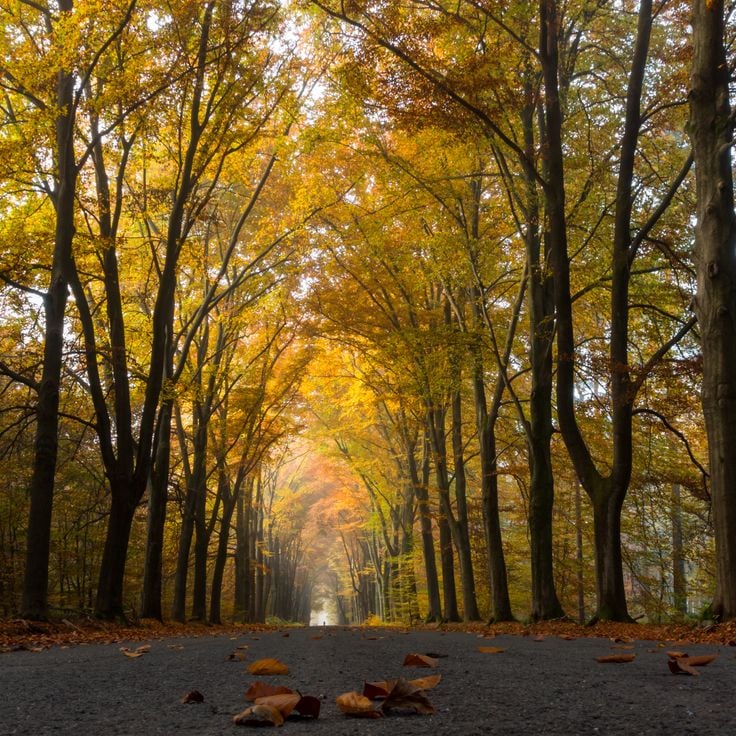
This eighteenth-century beech tree avenue lines a country road and forms a natural tunnel overhead. The densely grown branches create a leafy canopy that casts the road in shadow. The path changes its appearance through the seasons, displaying warm tones in autumn while bursting into bright green in spring. The Dark Hedges belongs to a worldwide collection of botanical paths where trees form natural vaults over roads, paths and railway lines.
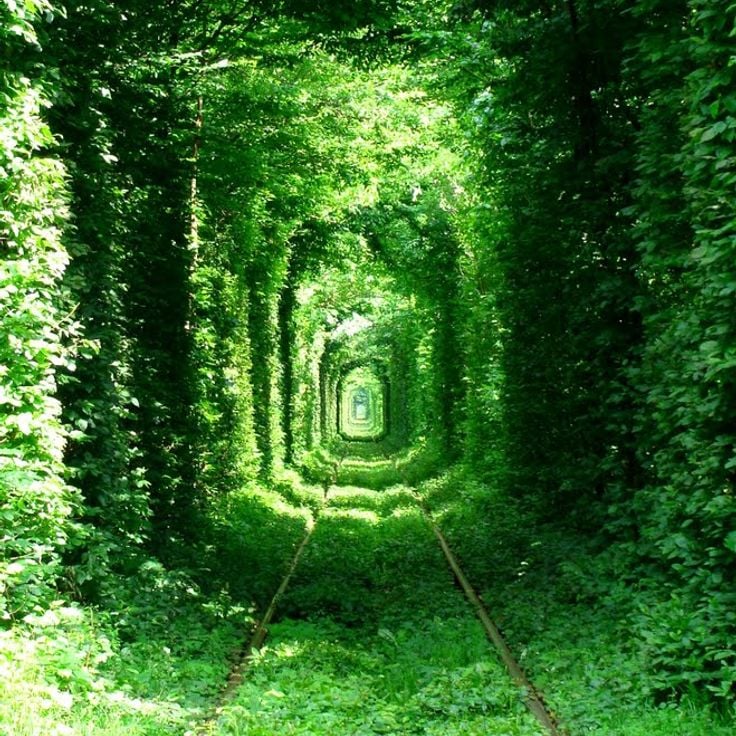
The Tunnel of Love in Klevan is a natural tree structure that arches over a railway line. The green corridor was not deliberately planted but formed through regular train passages that shaped the branches over decades. This tree tunnel provides shade in summer and transforms with each season, fitting the collection of botanical pathways around the world where trees create natural vaults over roads, paths and railways.
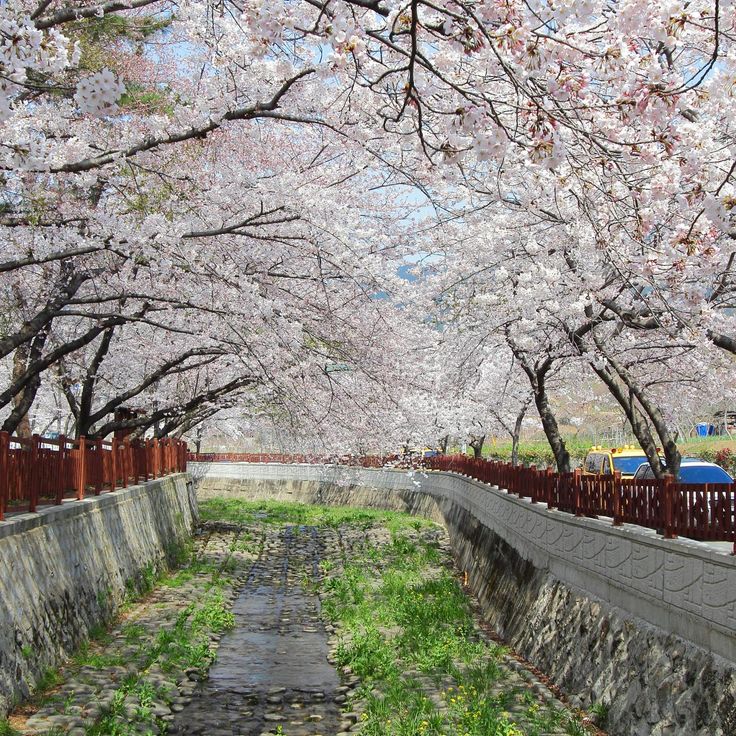
The cherry blossom road at Gyeonghwa Station is a natural tunnel formed by blooming cherry trees arching over the railway line. In spring, pink flowers create a canopy above the tracks, transforming the route into something special for both train passengers and visitors walking alongside. These trees were deliberately planted to create this botanical corridor, showing how such pathways develop their character over time.
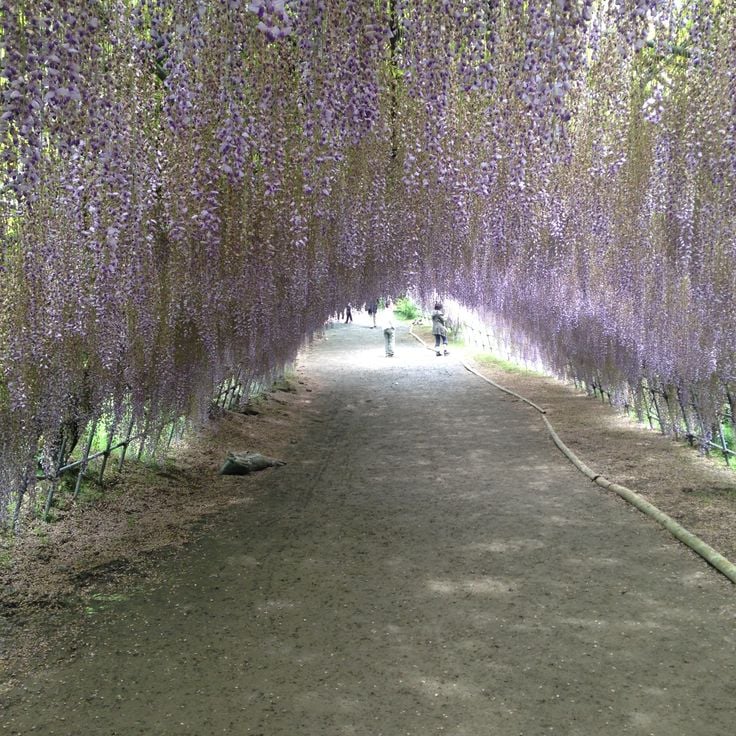
The Wisteria Tunnel at Kawachi Fuji Gardens is a garden path where flowering wisterias in shades of purple and white grow over metal frames. This planting is part of a collection of natural tree tunnels and arched pathways worldwide, where branches and vines form natural covers over roads, paths and routes. The tunnel provides shade on hot days and shifts in appearance as the seasons change.
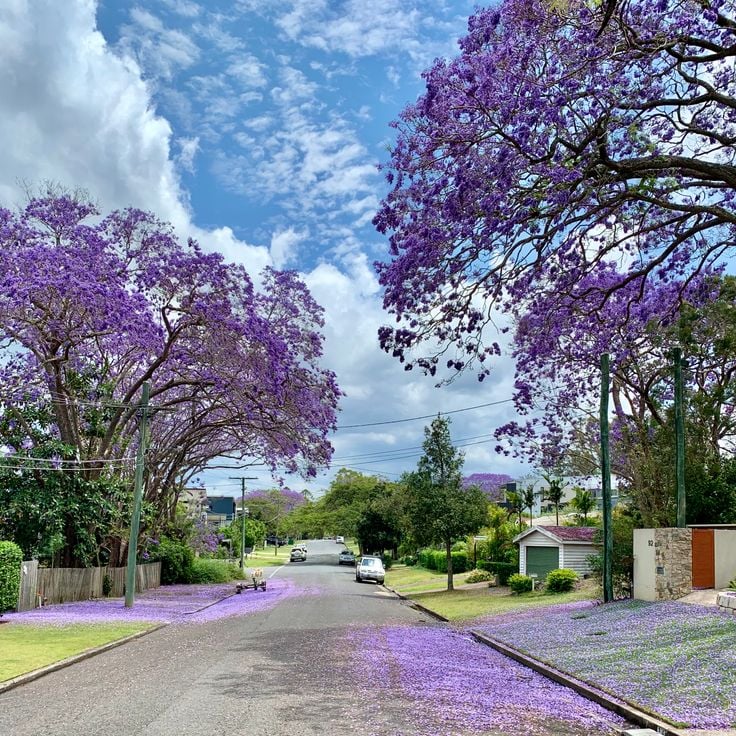
Jacarandas Walk features tall jacaranda trees lining both sides of Herbert Baker Street. This botanical path belongs to the collection of tree-lined routes where branches form natural arches overhead. In spring, violet petals blanket the ground in a colorful display. The trees provide shade during summer and transform their appearance throughout the seasons.
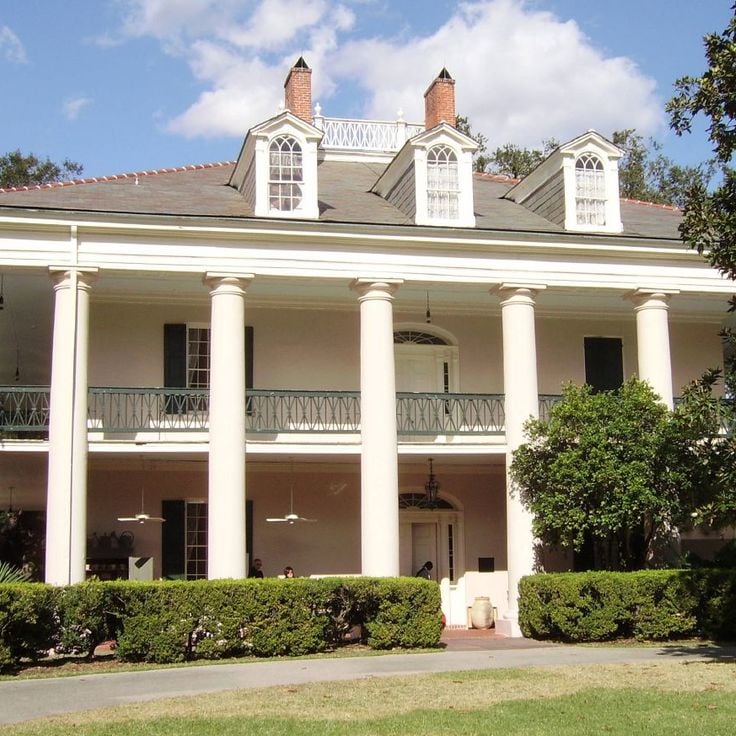
This tree alley in Vacherie is part of a worldwide collection of natural tree tunnels and arched pathways. The avenue features 28 oak trees dating from 1820 that form a passage leading to the plantation mansion. The massive branches of these trees arch over the road, creating a natural tunnel. In summer the foliage provides shade, and the appearance of the pathway changes throughout the year as seasons shift.
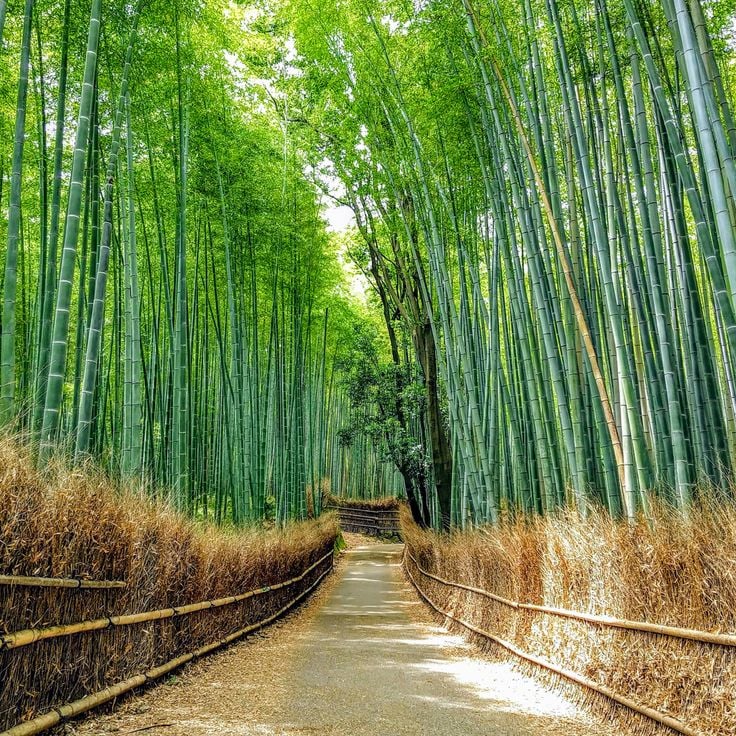
The Sagano Bamboo Forest is a striking example of natural tree tunnels found around the world. This 500-meter path winds through a dense bamboo grove where stalks rise up to 30 meters high, forming a natural canopy overhead. The towering bamboo creates filtered green light along the walkway and shifts in appearance throughout the seasons. The forest demonstrates how bamboo can naturally develop into arched passages that shade the paths below.
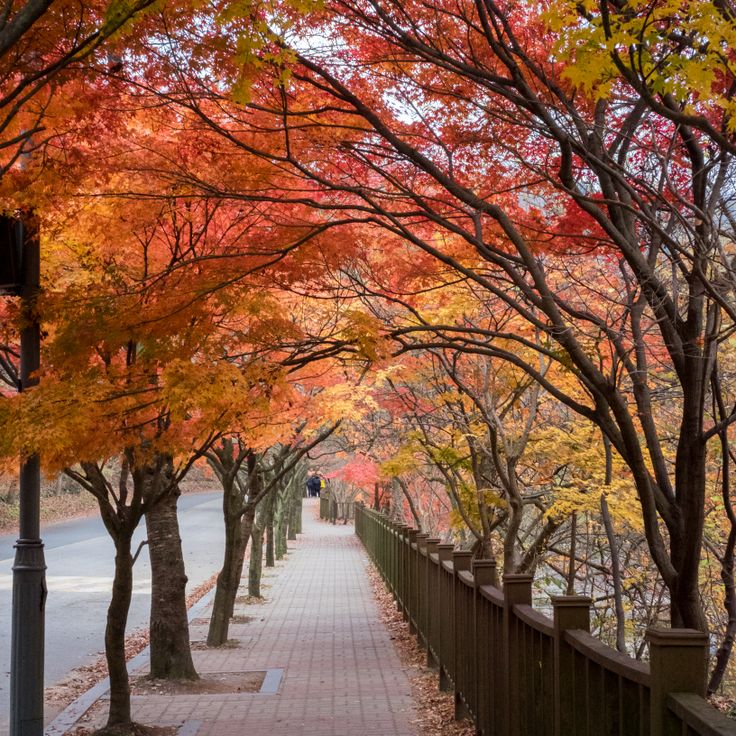
The Maple Tunnel is part of this collection of natural tree passages found around the world. This two-kilometer road runs through red maple trees whose branches form a natural canopy overhead. The leaves shift color in October and November, turning shades of red that make the passage especially appealing during those months. The tunnel shows how trees naturally create a welcoming environment over time.
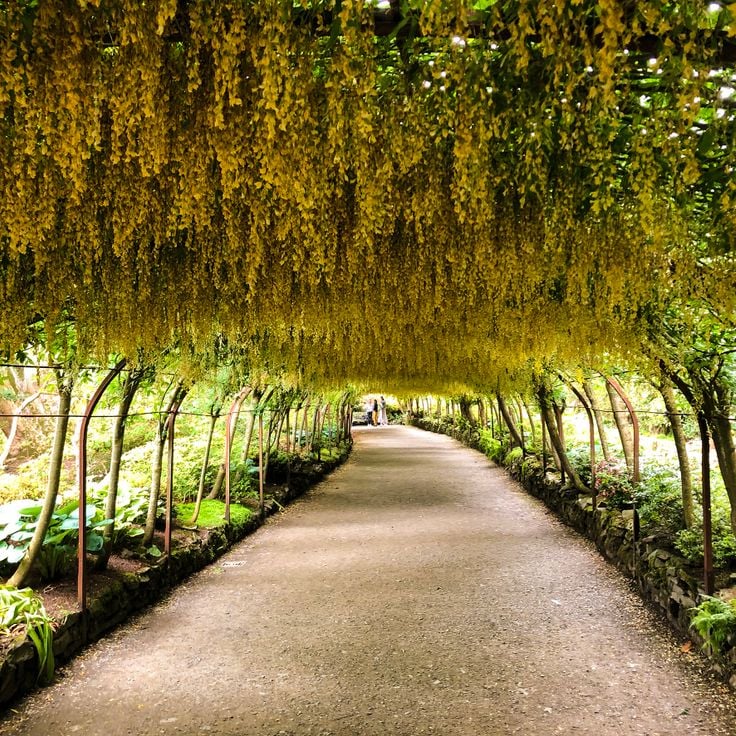
The Laburnum Arch in this garden shows how trees can form natural tunnels over pathways. The branches create a vault measuring 55 meters long, forming a leafy passage. In late spring, yellow flowers appear, bathing the walkway in light. This arched structure is part of gardens where plants create organic roofs that shift with the changing seasons.
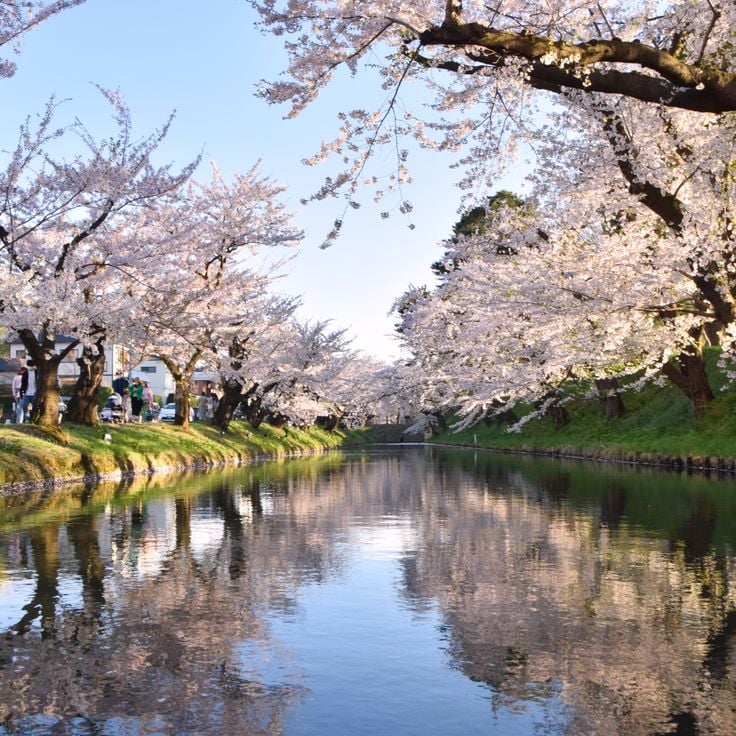
The Cherry Blossom Avenue at Hirosaki Castle is part of a worldwide collection of natural tree tunnels and arched pathways. This road next to the castle features hundreds of cherry trees that produce pink flowers in April. The branches form a natural canopy overhead that shifts in appearance throughout the seasons.
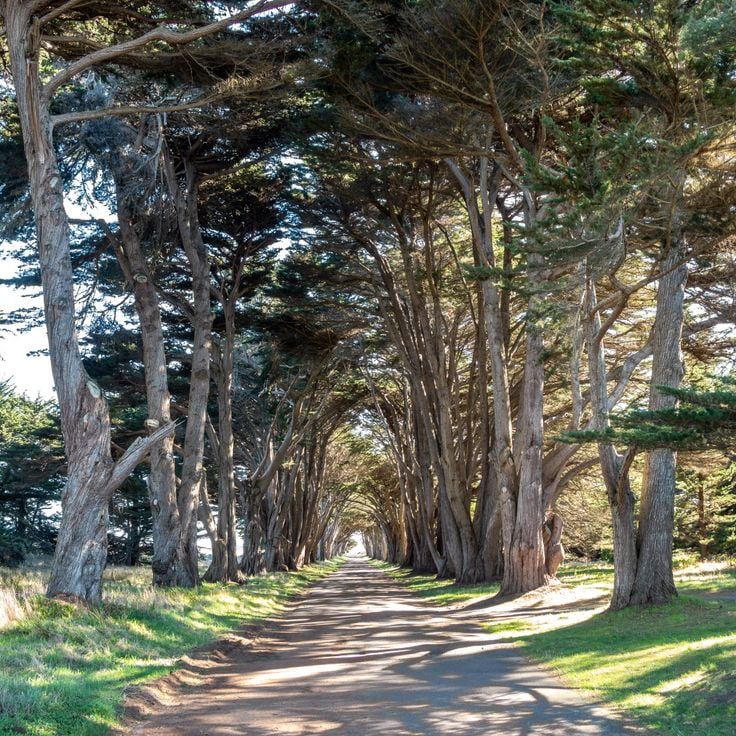
The Cypress Tree Tunnel at Point Reyes is an example of natural tree corridors found around the world. Monterey cypress trees form a natural archway above the path, creating a green tunnel that leads to the Marconi RCA Station. Like other botanical pathways in this collection, these trees provide shade and shift their appearance with the changing seasons.
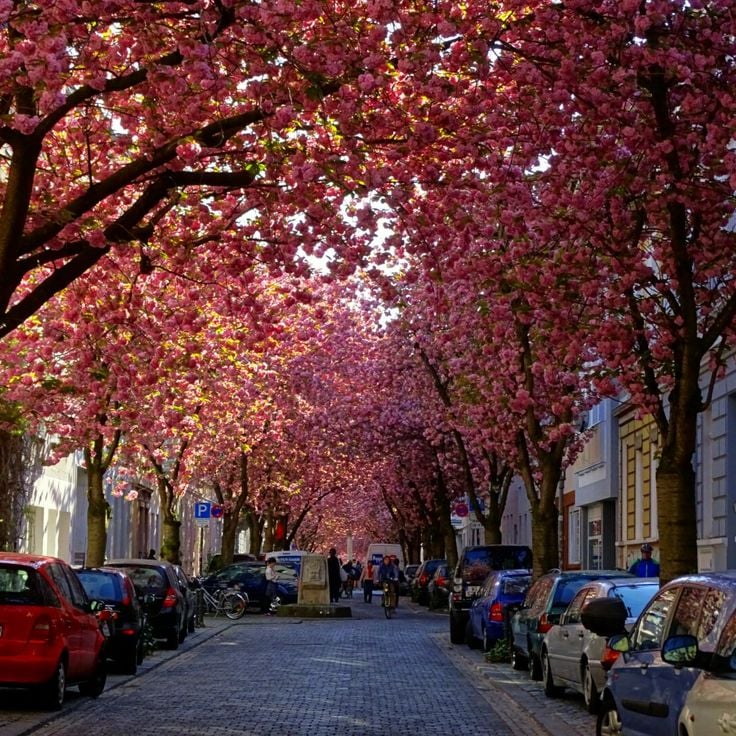
This street in Bonn displays pink cherry blossoms along its entire length in April. The trees form a natural canopy of blooms overhead. Like other tree tunnels around the world, this alley evolved over time, with branches creating a vault above the walkway. In spring the blossoms transform into green leaves that provide shade throughout the warm months, while seasonal changes continually reshape the character of the path.
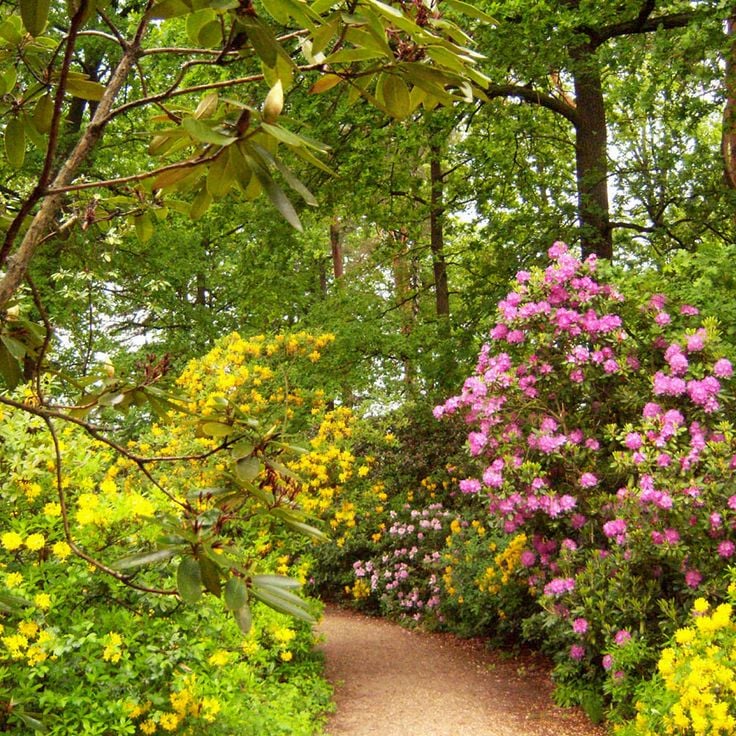
The Azalea and Rhododendron Park Kromlau features stone bridges that cross narrow waterways, surrounded by flowering shrubs that create natural archways overhead. This park fits within the collection of natural tree tunnels and arched pathways worldwide, as the dense vegetation forms botanical vaults above the walkways. The blooms change with the seasons, offering shade and color throughout the year as visitors walk through the grounds.
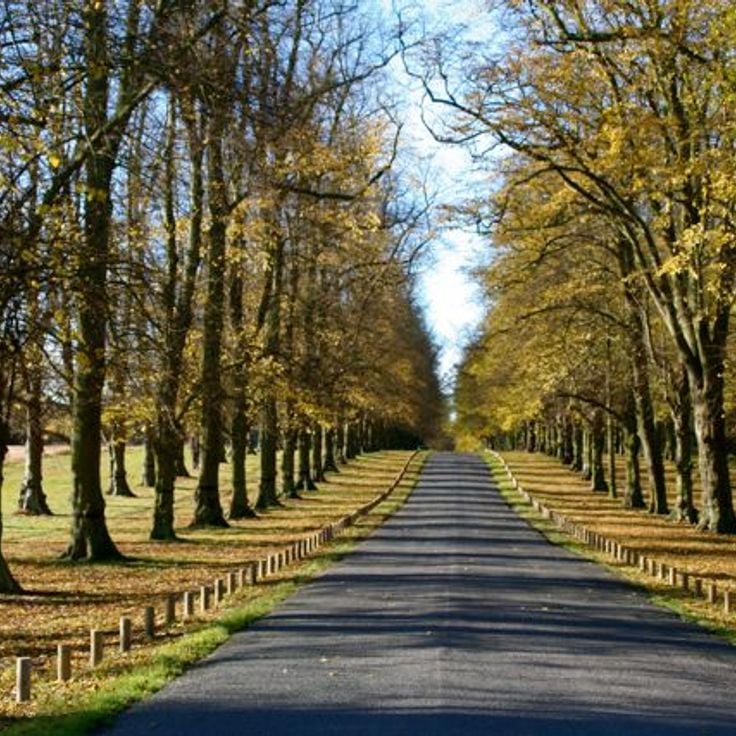
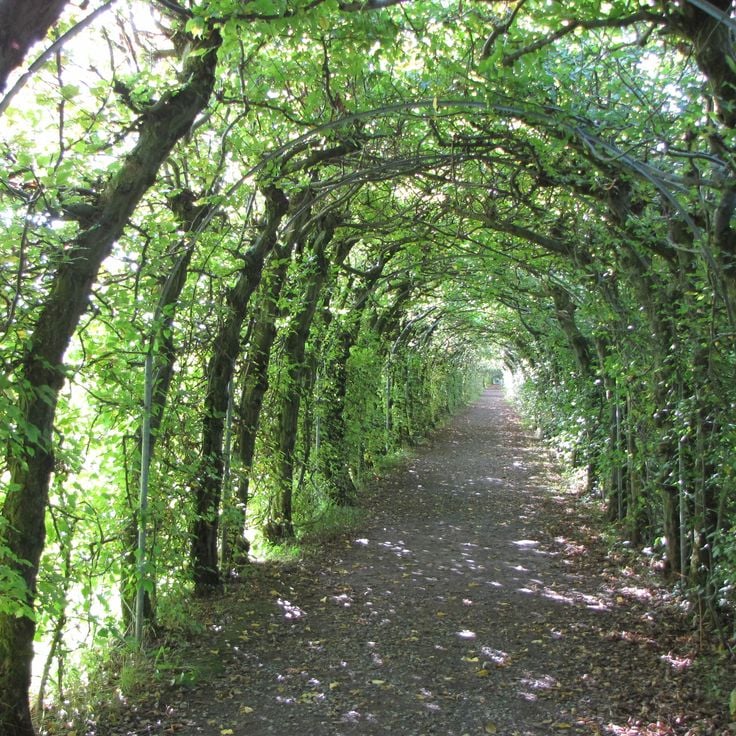
This lime avenue at Clumber Park forms a long tunnel of branches and leaves through carefully shaped trees. It belongs to a worldwide collection of botanical paths where trees create natural arches over roads, paths and railway lines. Some of these tunnels were deliberately planted, others developed over many decades. In summer they provide shade and change their appearance with the seasons.
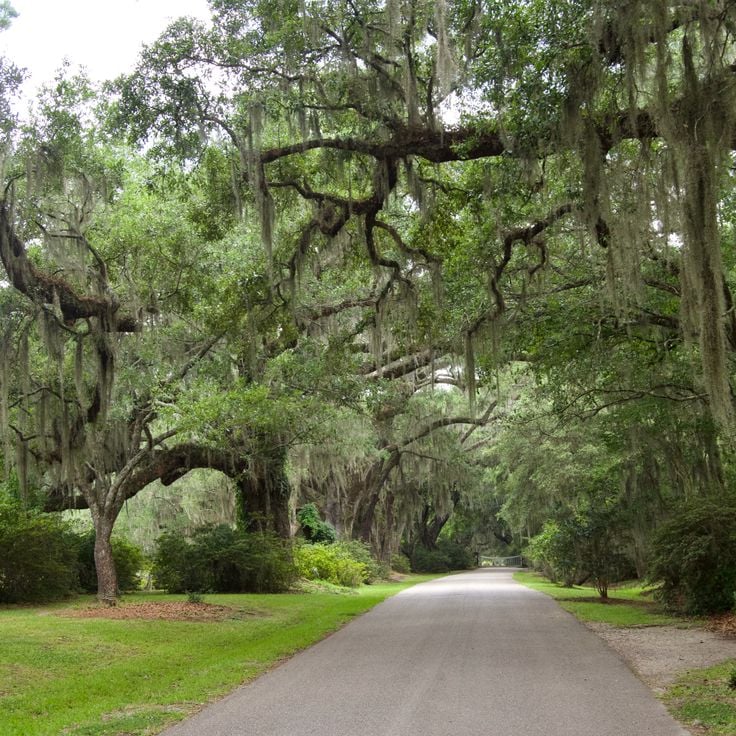
Magnolia Plantation and Gardens form part of a worldwide collection of tree tunnels and arched pathways. At this location, ancient oak trees draped with Spanish moss create natural canopies over winding paths. Azaleas bloom along the walkways, offering a calm walking experience. The trees have been tended over generations and transform their appearance with the changing seasons.
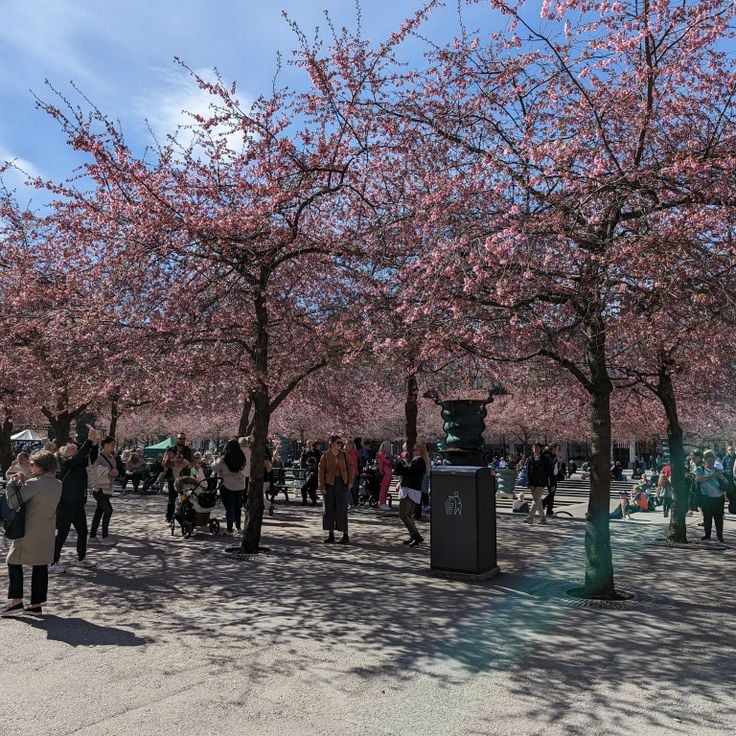
The Cherry Blossom Boulevard in Stockholm is an example of natural tree tunnels and arched pathways found worldwide. This boulevard runs between modern buildings and is lined with cherry trees that bear pink flowers in spring. Like other botanical paths in this collection, the branches form a natural arch over the walkway and provide shade during summer months. The boulevard changes its appearance with the seasons.
This forest road in Victoria is part of a worldwide collection of natural tree tunnels and arched pathways. The road runs through tall mountain ash forests where eucalyptus trees reach heights of 100 meters. Beneath them, tree ferns grow in abundance, creating a dense green environment. The overhanging branches form a natural canopy over the road, providing shade as travelers pass through. The road's appearance changes with each season, offering different views throughout the year.
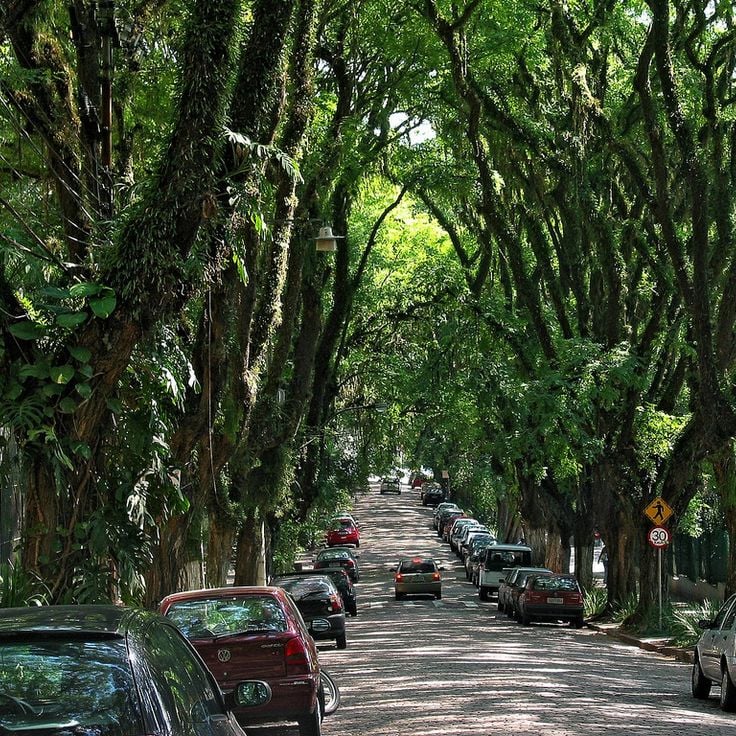
This street in Porto Alegre belongs to the collection of natural tree tunnels and arched pathways worldwide. The Rua Gonçalo de Carvalho features a continuous canopy of tipuana trees that form a green corridor overhead. The trees were planted in the 1930s and now create a shaded passage through the urban landscape.
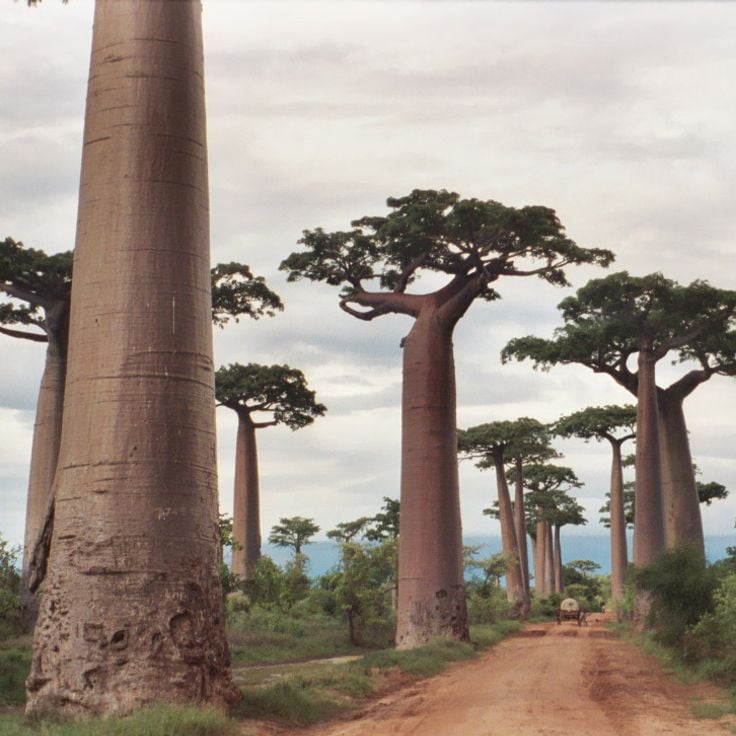
This dirt road in Menabe is lined with Grandidier's baobabs, native to Madagascar. These trees are over 800 years old and reach heights of up to 30 meters (98 feet). The road is part of a worldwide collection of botanical paths where tree branches form natural vaults over roads and pathways. Some of these paths were created through deliberate planting, while others developed over decades. They provide shade in summer and shift in appearance with the seasons.
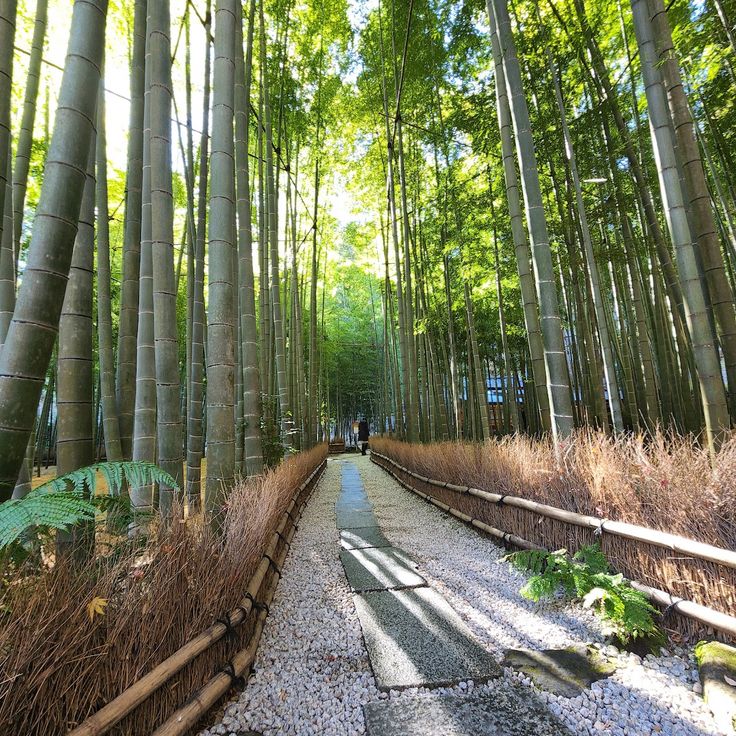
The bamboo path of this temple in Kamakura winds through a dense bamboo forest where stems reach 20 meters (66 feet) high. The tall, slender trunks form a natural roof of leaves and branches overhead. This path is part of a collection of botanical walkways around the world where various trees like beech, cherry, maple and oak arch their branches over roads and pathways. At the temple itself, visitors can watch traditional tea ceremonies and experience the quiet of this setting.
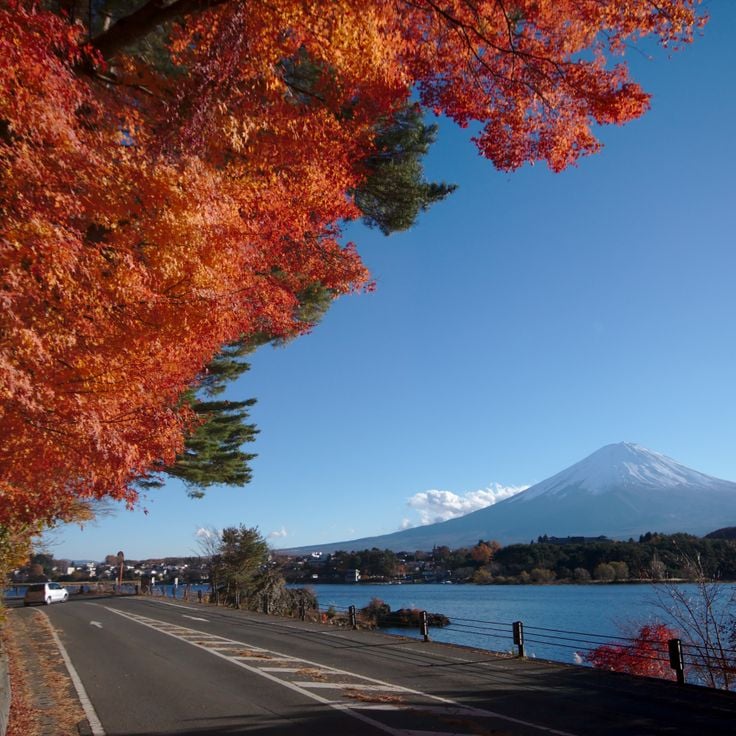
The red maples of Lake Kawaguchi are part of this collection of natural tree tunnels and arched pathways found around the world. In autumn, the trees surrounding the lake turn a deep red and mirror their colors on the water. The branches form natural vaults over the paths. With each season, the appearance of these trees changes, providing shade and shaping the landscape.
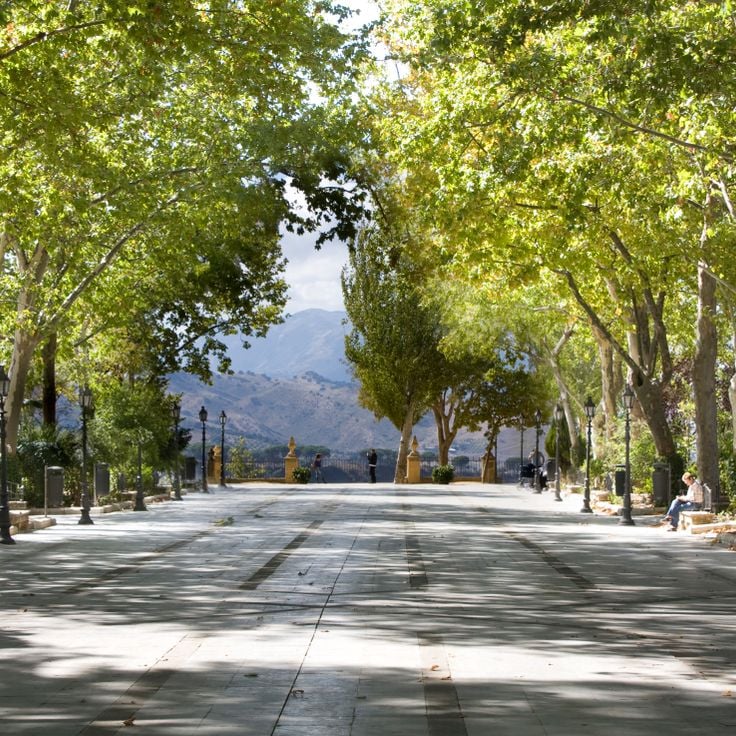
This tree-lined avenue in Ronda runs along the edge of a rocky plateau and overlooks the valley below. Tall trees form a natural canopy over the path, part of a worldwide collection of botanical passages where branches create natural arches above roads, trails, and railway lines. Like others in this collection, the trees were deliberately planted and offer shade during summer months while transforming with the changing seasons.
The tree tunnel of Haut-Maret in Theux is part of a collection of botanical paths where trees naturally form arched passages. The branches meet at the top and create a continuous vault over the road. Some of these tunnels developed over decades, while others were deliberately planted. They offer shade during summer and transform their appearance with each season.
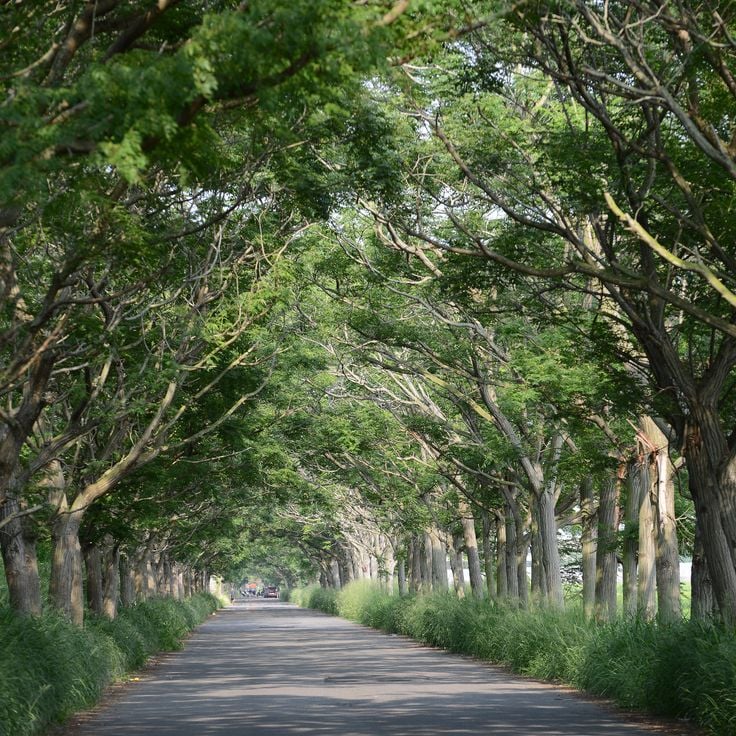
The Neem Tunnel in Xingang Township features trees that naturally arch over the road, creating a green vault. Dense leaves provide shade throughout the year and transform the daily drive into a journey under leafy branches. This tunnel is part of a collection of botanical paths worldwide where trees such as beeches, cherry trees, bamboo, maples and oaks form natural arches over roads, paths and railway lines.
The Dernekcamp Tree Tunnel is a road where old trees form a natural ceiling with their branches. The branches arch over the path creating a green tunnel. This tree-lined path is part of a collection of botanical paths worldwide where branches create natural vaults over roads and walkways. Some tunnels were deliberately planted, others grew together over decades. In summer they provide shade, and their appearance changes with the seasons.
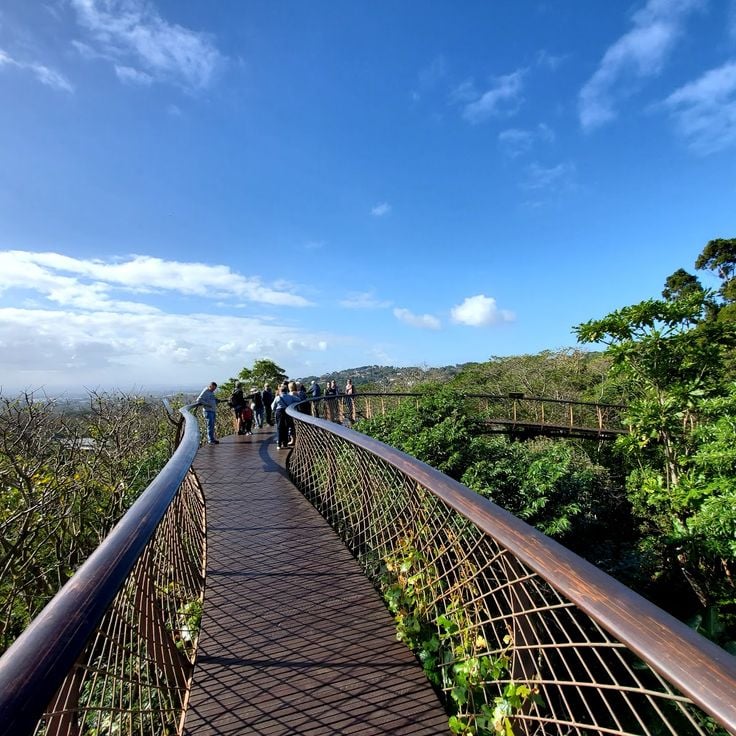
The Canopy Walk at Kirstenbosch National Botanical Garden is an elevated wooden pathway that takes visitors through the treetops. This structure demonstrates how trees naturally create overhead coverage, while offering new perspectives on South African plant life. The walkway brings together the concept of natural tree arches with a contemporary design.
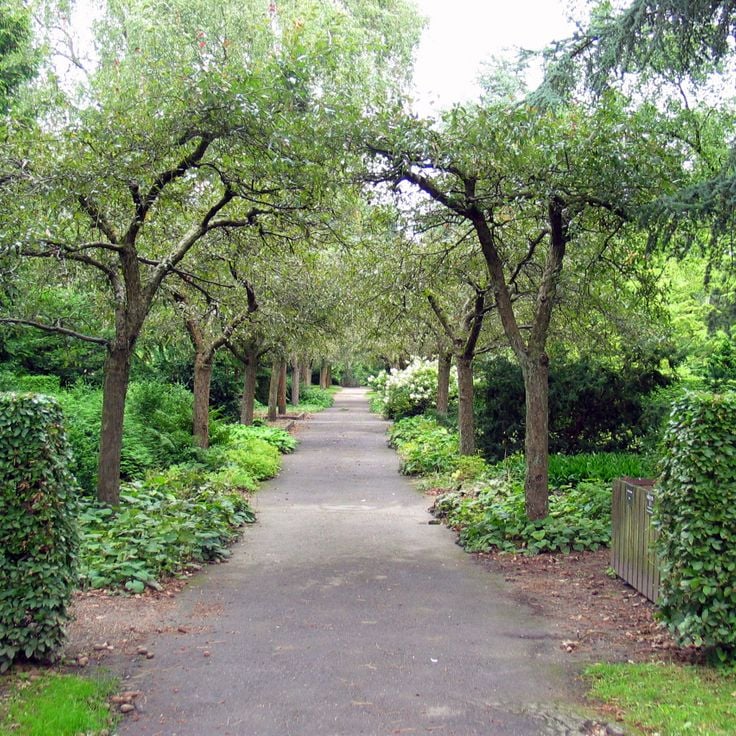
The Cherry Walk in Bispebjerg Cemetery in Copenhagen is a path lined with Japanese cherry trees. In April, the trees bloom and create a delicate pink canopy overhead. This site belongs to the collection of botanical paths worldwide where tree branches form natural vaults over walkways. Some of these tunnels were deliberately planted, while others developed over many decades. The path offers shade in summer and transforms its appearance with the changing seasons.
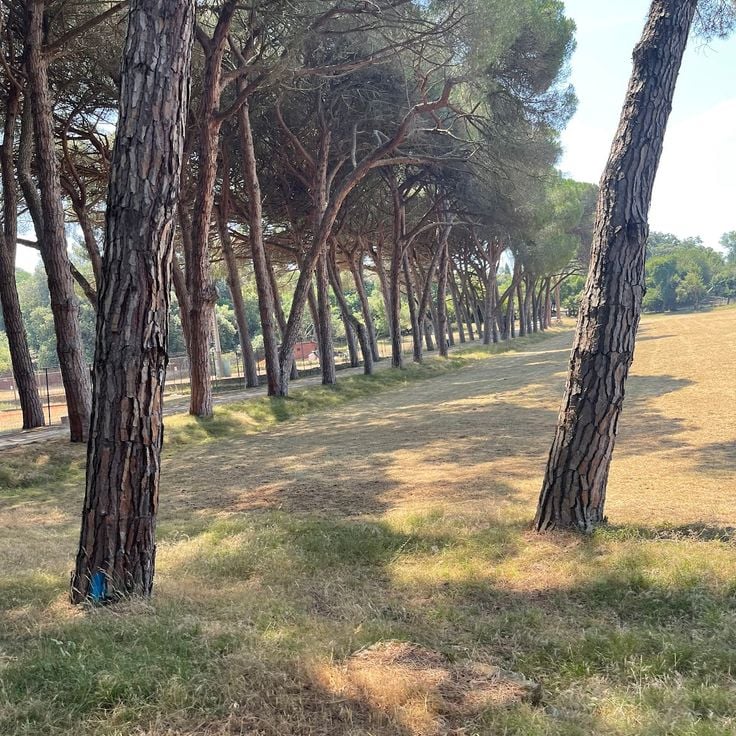
The Aleja pinija in Pula contributes to this collection of natural tree tunnels, where branches form vaults over paths and roads. This street is lined with old stone pines that provide shade and release the typical scent of the Mediterranean region. The path connects the town to nature through a green arched passage that changes with the seasons.
This eighteenth-century beech tree avenue lines a country road and forms a natural tunnel overhead. The densely grown branches create a leafy canopy that casts the road in shadow. The path changes its appearance through the seasons, displaying warm tones in autumn while bursting into bright green in spring. The Dark Hedges belongs to a worldwide collection of botanical paths where trees form natural vaults over roads, paths and railway lines.
The Tunnel of Love in Klevan is a natural tree structure that arches over a railway line. The green corridor was not deliberately planted but formed through regular train passages that shaped the branches over decades. This tree tunnel provides shade in summer and transforms with each season, fitting the collection of botanical pathways around the world where trees create natural vaults over roads, paths and railways.
The cherry blossom road at Gyeonghwa Station is a natural tunnel formed by blooming cherry trees arching over the railway line. In spring, pink flowers create a canopy above the tracks, transforming the route into something special for both train passengers and visitors walking alongside. These trees were deliberately planted to create this botanical corridor, showing how such pathways develop their character over time.
The Wisteria Tunnel at Kawachi Fuji Gardens is a garden path where flowering wisterias in shades of purple and white grow over metal frames. This planting is part of a collection of natural tree tunnels and arched pathways worldwide, where branches and vines form natural covers over roads, paths and routes. The tunnel provides shade on hot days and shifts in appearance as the seasons change.
Jacarandas Walk features tall jacaranda trees lining both sides of Herbert Baker Street. This botanical path belongs to the collection of tree-lined routes where branches form natural arches overhead. In spring, violet petals blanket the ground in a colorful display. The trees provide shade during summer and transform their appearance throughout the seasons.
This tree alley in Vacherie is part of a worldwide collection of natural tree tunnels and arched pathways. The avenue features 28 oak trees dating from 1820 that form a passage leading to the plantation mansion. The massive branches of these trees arch over the road, creating a natural tunnel. In summer the foliage provides shade, and the appearance of the pathway changes throughout the year as seasons shift.
The Sagano Bamboo Forest is a striking example of natural tree tunnels found around the world. This 500-meter path winds through a dense bamboo grove where stalks rise up to 30 meters high, forming a natural canopy overhead. The towering bamboo creates filtered green light along the walkway and shifts in appearance throughout the seasons. The forest demonstrates how bamboo can naturally develop into arched passages that shade the paths below.
The Maple Tunnel is part of this collection of natural tree passages found around the world. This two-kilometer road runs through red maple trees whose branches form a natural canopy overhead. The leaves shift color in October and November, turning shades of red that make the passage especially appealing during those months. The tunnel shows how trees naturally create a welcoming environment over time.
The Laburnum Arch in this garden shows how trees can form natural tunnels over pathways. The branches create a vault measuring 55 meters long, forming a leafy passage. In late spring, yellow flowers appear, bathing the walkway in light. This arched structure is part of gardens where plants create organic roofs that shift with the changing seasons.
The Cherry Blossom Avenue at Hirosaki Castle is part of a worldwide collection of natural tree tunnels and arched pathways. This road next to the castle features hundreds of cherry trees that produce pink flowers in April. The branches form a natural canopy overhead that shifts in appearance throughout the seasons.
The Cypress Tree Tunnel at Point Reyes is an example of natural tree corridors found around the world. Monterey cypress trees form a natural archway above the path, creating a green tunnel that leads to the Marconi RCA Station. Like other botanical pathways in this collection, these trees provide shade and shift their appearance with the changing seasons.
This street in Bonn displays pink cherry blossoms along its entire length in April. The trees form a natural canopy of blooms overhead. Like other tree tunnels around the world, this alley evolved over time, with branches creating a vault above the walkway. In spring the blossoms transform into green leaves that provide shade throughout the warm months, while seasonal changes continually reshape the character of the path.
The Azalea and Rhododendron Park Kromlau features stone bridges that cross narrow waterways, surrounded by flowering shrubs that create natural archways overhead. This park fits within the collection of natural tree tunnels and arched pathways worldwide, as the dense vegetation forms botanical vaults above the walkways. The blooms change with the seasons, offering shade and color throughout the year as visitors walk through the grounds.
This lime avenue at Clumber Park forms a long tunnel of branches and leaves through carefully shaped trees. It belongs to a worldwide collection of botanical paths where trees create natural arches over roads, paths and railway lines. Some of these tunnels were deliberately planted, others developed over many decades. In summer they provide shade and change their appearance with the seasons.
Magnolia Plantation and Gardens form part of a worldwide collection of tree tunnels and arched pathways. At this location, ancient oak trees draped with Spanish moss create natural canopies over winding paths. Azaleas bloom along the walkways, offering a calm walking experience. The trees have been tended over generations and transform their appearance with the changing seasons.
The Cherry Blossom Boulevard in Stockholm is an example of natural tree tunnels and arched pathways found worldwide. This boulevard runs between modern buildings and is lined with cherry trees that bear pink flowers in spring. Like other botanical paths in this collection, the branches form a natural arch over the walkway and provide shade during summer months. The boulevard changes its appearance with the seasons.
This forest road in Victoria is part of a worldwide collection of natural tree tunnels and arched pathways. The road runs through tall mountain ash forests where eucalyptus trees reach heights of 100 meters. Beneath them, tree ferns grow in abundance, creating a dense green environment. The overhanging branches form a natural canopy over the road, providing shade as travelers pass through. The road's appearance changes with each season, offering different views throughout the year.
This street in Porto Alegre belongs to the collection of natural tree tunnels and arched pathways worldwide. The Rua Gonçalo de Carvalho features a continuous canopy of tipuana trees that form a green corridor overhead. The trees were planted in the 1930s and now create a shaded passage through the urban landscape.
This dirt road in Menabe is lined with Grandidier's baobabs, native to Madagascar. These trees are over 800 years old and reach heights of up to 30 meters (98 feet). The road is part of a worldwide collection of botanical paths where tree branches form natural vaults over roads and pathways. Some of these paths were created through deliberate planting, while others developed over decades. They provide shade in summer and shift in appearance with the seasons.
The bamboo path of this temple in Kamakura winds through a dense bamboo forest where stems reach 20 meters (66 feet) high. The tall, slender trunks form a natural roof of leaves and branches overhead. This path is part of a collection of botanical walkways around the world where various trees like beech, cherry, maple and oak arch their branches over roads and pathways. At the temple itself, visitors can watch traditional tea ceremonies and experience the quiet of this setting.
The red maples of Lake Kawaguchi are part of this collection of natural tree tunnels and arched pathways found around the world. In autumn, the trees surrounding the lake turn a deep red and mirror their colors on the water. The branches form natural vaults over the paths. With each season, the appearance of these trees changes, providing shade and shaping the landscape.
This tree-lined avenue in Ronda runs along the edge of a rocky plateau and overlooks the valley below. Tall trees form a natural canopy over the path, part of a worldwide collection of botanical passages where branches create natural arches above roads, trails, and railway lines. Like others in this collection, the trees were deliberately planted and offer shade during summer months while transforming with the changing seasons.
The tree tunnel of Haut-Maret in Theux is part of a collection of botanical paths where trees naturally form arched passages. The branches meet at the top and create a continuous vault over the road. Some of these tunnels developed over decades, while others were deliberately planted. They offer shade during summer and transform their appearance with each season.
The Neem Tunnel in Xingang Township features trees that naturally arch over the road, creating a green vault. Dense leaves provide shade throughout the year and transform the daily drive into a journey under leafy branches. This tunnel is part of a collection of botanical paths worldwide where trees such as beeches, cherry trees, bamboo, maples and oaks form natural arches over roads, paths and railway lines.
The Dernekcamp Tree Tunnel is a road where old trees form a natural ceiling with their branches. The branches arch over the path creating a green tunnel. This tree-lined path is part of a collection of botanical paths worldwide where branches create natural vaults over roads and walkways. Some tunnels were deliberately planted, others grew together over decades. In summer they provide shade, and their appearance changes with the seasons.
The Canopy Walk at Kirstenbosch National Botanical Garden is an elevated wooden pathway that takes visitors through the treetops. This structure demonstrates how trees naturally create overhead coverage, while offering new perspectives on South African plant life. The walkway brings together the concept of natural tree arches with a contemporary design.
The Cherry Walk in Bispebjerg Cemetery in Copenhagen is a path lined with Japanese cherry trees. In April, the trees bloom and create a delicate pink canopy overhead. This site belongs to the collection of botanical paths worldwide where tree branches form natural vaults over walkways. Some of these tunnels were deliberately planted, while others developed over many decades. The path offers shade in summer and transforms its appearance with the changing seasons.
The Aleja pinija in Pula contributes to this collection of natural tree tunnels, where branches form vaults over paths and roads. This street is lined with old stone pines that provide shade and release the typical scent of the Mediterranean region. The path connects the town to nature through a green arched passage that changes with the seasons.
This eighteenth-century beech tree avenue lines a country road and forms a natural tunnel overhead. The densely grown branches create a leafy canopy that casts the road in shadow. The path changes its appearance through the seasons, displaying warm tones in autumn while bursting into bright green in spring. The Dark Hedges belongs to a worldwide collection of botanical paths where trees form natural vaults over roads, paths and railway lines.
The Tunnel of Love in Klevan is a natural tree structure that arches over a railway line. The green corridor was not deliberately planted but formed through regular train passages that shaped the branches over decades. This tree tunnel provides shade in summer and transforms with each season, fitting the collection of botanical pathways around the world where trees create natural vaults over roads, paths and railways.
The cherry blossom road at Gyeonghwa Station is a natural tunnel formed by blooming cherry trees arching over the railway line. In spring, pink flowers create a canopy above the tracks, transforming the route into something special for both train passengers and visitors walking alongside. These trees were deliberately planted to create this botanical corridor, showing how such pathways develop their character over time.
The Wisteria Tunnel at Kawachi Fuji Gardens is a garden path where flowering wisterias in shades of purple and white grow over metal frames. This planting is part of a collection of natural tree tunnels and arched pathways worldwide, where branches and vines form natural covers over roads, paths and routes. The tunnel provides shade on hot days and shifts in appearance as the seasons change.
Jacarandas Walk features tall jacaranda trees lining both sides of Herbert Baker Street. This botanical path belongs to the collection of tree-lined routes where branches form natural arches overhead. In spring, violet petals blanket the ground in a colorful display. The trees provide shade during summer and transform their appearance throughout the seasons.
This tree alley in Vacherie is part of a worldwide collection of natural tree tunnels and arched pathways. The avenue features 28 oak trees dating from 1820 that form a passage leading to the plantation mansion. The massive branches of these trees arch over the road, creating a natural tunnel. In summer the foliage provides shade, and the appearance of the pathway changes throughout the year as seasons shift.
The Sagano Bamboo Forest is a striking example of natural tree tunnels found around the world. This 500-meter path winds through a dense bamboo grove where stalks rise up to 30 meters high, forming a natural canopy overhead. The towering bamboo creates filtered green light along the walkway and shifts in appearance throughout the seasons. The forest demonstrates how bamboo can naturally develop into arched passages that shade the paths below.
The Maple Tunnel is part of this collection of natural tree passages found around the world. This two-kilometer road runs through red maple trees whose branches form a natural canopy overhead. The leaves shift color in October and November, turning shades of red that make the passage especially appealing during those months. The tunnel shows how trees naturally create a welcoming environment over time.
The Laburnum Arch in this garden shows how trees can form natural tunnels over pathways. The branches create a vault measuring 55 meters long, forming a leafy passage. In late spring, yellow flowers appear, bathing the walkway in light. This arched structure is part of gardens where plants create organic roofs that shift with the changing seasons.
The Cherry Blossom Avenue at Hirosaki Castle is part of a worldwide collection of natural tree tunnels and arched pathways. This road next to the castle features hundreds of cherry trees that produce pink flowers in April. The branches form a natural canopy overhead that shifts in appearance throughout the seasons.
The Cypress Tree Tunnel at Point Reyes is an example of natural tree corridors found around the world. Monterey cypress trees form a natural archway above the path, creating a green tunnel that leads to the Marconi RCA Station. Like other botanical pathways in this collection, these trees provide shade and shift their appearance with the changing seasons.
This street in Bonn displays pink cherry blossoms along its entire length in April. The trees form a natural canopy of blooms overhead. Like other tree tunnels around the world, this alley evolved over time, with branches creating a vault above the walkway. In spring the blossoms transform into green leaves that provide shade throughout the warm months, while seasonal changes continually reshape the character of the path.
The Azalea and Rhododendron Park Kromlau features stone bridges that cross narrow waterways, surrounded by flowering shrubs that create natural archways overhead. This park fits within the collection of natural tree tunnels and arched pathways worldwide, as the dense vegetation forms botanical vaults above the walkways. The blooms change with the seasons, offering shade and color throughout the year as visitors walk through the grounds.
This lime avenue at Clumber Park forms a long tunnel of branches and leaves through carefully shaped trees. It belongs to a worldwide collection of botanical paths where trees create natural arches over roads, paths and railway lines. Some of these tunnels were deliberately planted, others developed over many decades. In summer they provide shade and change their appearance with the seasons.
Magnolia Plantation and Gardens form part of a worldwide collection of tree tunnels and arched pathways. At this location, ancient oak trees draped with Spanish moss create natural canopies over winding paths. Azaleas bloom along the walkways, offering a calm walking experience. The trees have been tended over generations and transform their appearance with the changing seasons.
The Cherry Blossom Boulevard in Stockholm is an example of natural tree tunnels and arched pathways found worldwide. This boulevard runs between modern buildings and is lined with cherry trees that bear pink flowers in spring. Like other botanical paths in this collection, the branches form a natural arch over the walkway and provide shade during summer months. The boulevard changes its appearance with the seasons.
This forest road in Victoria is part of a worldwide collection of natural tree tunnels and arched pathways. The road runs through tall mountain ash forests where eucalyptus trees reach heights of 100 meters. Beneath them, tree ferns grow in abundance, creating a dense green environment. The overhanging branches form a natural canopy over the road, providing shade as travelers pass through. The road's appearance changes with each season, offering different views throughout the year.
This street in Porto Alegre belongs to the collection of natural tree tunnels and arched pathways worldwide. The Rua Gonçalo de Carvalho features a continuous canopy of tipuana trees that form a green corridor overhead. The trees were planted in the 1930s and now create a shaded passage through the urban landscape.
This dirt road in Menabe is lined with Grandidier's baobabs, native to Madagascar. These trees are over 800 years old and reach heights of up to 30 meters (98 feet). The road is part of a worldwide collection of botanical paths where tree branches form natural vaults over roads and pathways. Some of these paths were created through deliberate planting, while others developed over decades. They provide shade in summer and shift in appearance with the seasons.
The bamboo path of this temple in Kamakura winds through a dense bamboo forest where stems reach 20 meters (66 feet) high. The tall, slender trunks form a natural roof of leaves and branches overhead. This path is part of a collection of botanical walkways around the world where various trees like beech, cherry, maple and oak arch their branches over roads and pathways. At the temple itself, visitors can watch traditional tea ceremonies and experience the quiet of this setting.
The red maples of Lake Kawaguchi are part of this collection of natural tree tunnels and arched pathways found around the world. In autumn, the trees surrounding the lake turn a deep red and mirror their colors on the water. The branches form natural vaults over the paths. With each season, the appearance of these trees changes, providing shade and shaping the landscape.
This tree-lined avenue in Ronda runs along the edge of a rocky plateau and overlooks the valley below. Tall trees form a natural canopy over the path, part of a worldwide collection of botanical passages where branches create natural arches above roads, trails, and railway lines. Like others in this collection, the trees were deliberately planted and offer shade during summer months while transforming with the changing seasons.
The tree tunnel of Haut-Maret in Theux is part of a collection of botanical paths where trees naturally form arched passages. The branches meet at the top and create a continuous vault over the road. Some of these tunnels developed over decades, while others were deliberately planted. They offer shade during summer and transform their appearance with each season.
The Neem Tunnel in Xingang Township features trees that naturally arch over the road, creating a green vault. Dense leaves provide shade throughout the year and transform the daily drive into a journey under leafy branches. This tunnel is part of a collection of botanical paths worldwide where trees such as beeches, cherry trees, bamboo, maples and oaks form natural arches over roads, paths and railway lines.
The Dernekcamp Tree Tunnel is a road where old trees form a natural ceiling with their branches. The branches arch over the path creating a green tunnel. This tree-lined path is part of a collection of botanical paths worldwide where branches create natural vaults over roads and walkways. Some tunnels were deliberately planted, others grew together over decades. In summer they provide shade, and their appearance changes with the seasons.
The Canopy Walk at Kirstenbosch National Botanical Garden is an elevated wooden pathway that takes visitors through the treetops. This structure demonstrates how trees naturally create overhead coverage, while offering new perspectives on South African plant life. The walkway brings together the concept of natural tree arches with a contemporary design.
The Cherry Walk in Bispebjerg Cemetery in Copenhagen is a path lined with Japanese cherry trees. In April, the trees bloom and create a delicate pink canopy overhead. This site belongs to the collection of botanical paths worldwide where tree branches form natural vaults over walkways. Some of these tunnels were deliberately planted, while others developed over many decades. The path offers shade in summer and transforms its appearance with the changing seasons.
The Aleja pinija in Pula contributes to this collection of natural tree tunnels, where branches form vaults over paths and roads. This street is lined with old stone pines that provide shade and release the typical scent of the Mediterranean region. The path connects the town to nature through a green arched passage that changes with the seasons.