See the monuments around you in AROpen chests in the app
Around Us is built for your phone — point your camera at the streets and discover the monuments and places around you in augmented reality.Around Us is built for your phone — chests unlock when you walk, explore and capture nearby places.
Some places in the world owe their colors to geology, others to the traditions of those who live there.
Earth displays its color range at numerous sites, from geological formations to human-built environments. The selection includes locations on six continents, where natural processes or cultural traditions have resulted in prominent visual displays. The Danxia mountains in China's Gansu province show layered sedimentary rock formations in reds, oranges and yellows, while Arizona's Painted Desert derives its colors from iron oxides and other minerals. Yellowstone's Grand Prismatic Spring owes its concentric bands of color to heat-loving bacteria that thrive in different temperature zones of the water. The Great Blue Hole off the coast of Belize reaches a depth of 407 feet (124 meters), providing a deep blue contrast to the surrounding turquoise shallows.
Various communities have marked their built environment with distinctive color palettes. Chefchaouen in Morocco's Rif Mountains displays blue walls throughout its medina. Jodhpur in Rajasthan uses blue paint that originally marked Brahmin residences. Cape Town's Bo-Kaap presents houses in yellows, pinks, greens and blues, while Buenos Aires' La Boca neighborhood has corrugated metal facades in bright colors. Copenhagen's Nyhavn shows 17th and 18th century townhouses along the canal in reds, oranges, yellows and other hues. Scarborough's beach huts on the English coast offer a smaller scale of residential color.
Water features contribute to the variety. China's Jiuzhaigou lakes display blues and greens due to calcium carbonate and algae. Tanzania's Lake Natron turns red to pink because of microorganisms living in its alkaline water. Pena Palace on a hilltop near Sintra, Portugal, combines yellow and red facades. Copacabana on Bolivia's Lake Titicaca offers whitewashed buildings with colorful accents. Hitsujiyama Park in Chichibu presents fields of phlox in pinks, whites and purples, while Kitakyushu's Kawachi Fuji Gardens feature wisteria tunnels. Even Longyearbyen on Svalbard displays colored wooden houses against Arctic landscapes.
Some places in the world owe their colors to geology, others to the traditions of those who live there.
Earth displays its color range at numerous sites, from geological formations to human-built environments. The selection includes locations on six continents, where natural processes or cultural traditions have resulted in prominent visual displays. The Danxia mountains in China's Gansu province show layered sedimentary rock formations in reds, oranges and yellows, while Arizona's Painted Desert derives its colors from iron oxides and other minerals. Yellowstone's Grand Prismatic Spring owes its concentric bands of color to heat-loving bacteria that thrive in different temperature zones of the water. The Great Blue Hole off the coast of Belize reaches a depth of 407 feet (124 meters), providing a deep blue contrast to the surrounding turquoise shallows.
Various communities have marked their built environment with distinctive color palettes. Chefchaouen in Morocco's Rif Mountains displays blue walls throughout its medina. Jodhpur in Rajasthan uses blue paint that originally marked Brahmin residences. Cape Town's Bo-Kaap presents houses in yellows, pinks, greens and blues, while Buenos Aires' La Boca neighborhood has corrugated metal facades in bright colors. Copenhagen's Nyhavn shows 17th and 18th century townhouses along the canal in reds, oranges, yellows and other hues. Scarborough's beach huts on the English coast offer a smaller scale of residential color.
Water features contribute to the variety. China's Jiuzhaigou lakes display blues and greens due to calcium carbonate and algae. Tanzania's Lake Natron turns red to pink because of microorganisms living in its alkaline water. Pena Palace on a hilltop near Sintra, Portugal, combines yellow and red facades. Copacabana on Bolivia's Lake Titicaca offers whitewashed buildings with colorful accents. Hitsujiyama Park in Chichibu presents fields of phlox in pinks, whites and purples, while Kitakyushu's Kawachi Fuji Gardens feature wisteria tunnels. Even Longyearbyen on Svalbard displays colored wooden houses against Arctic landscapes.
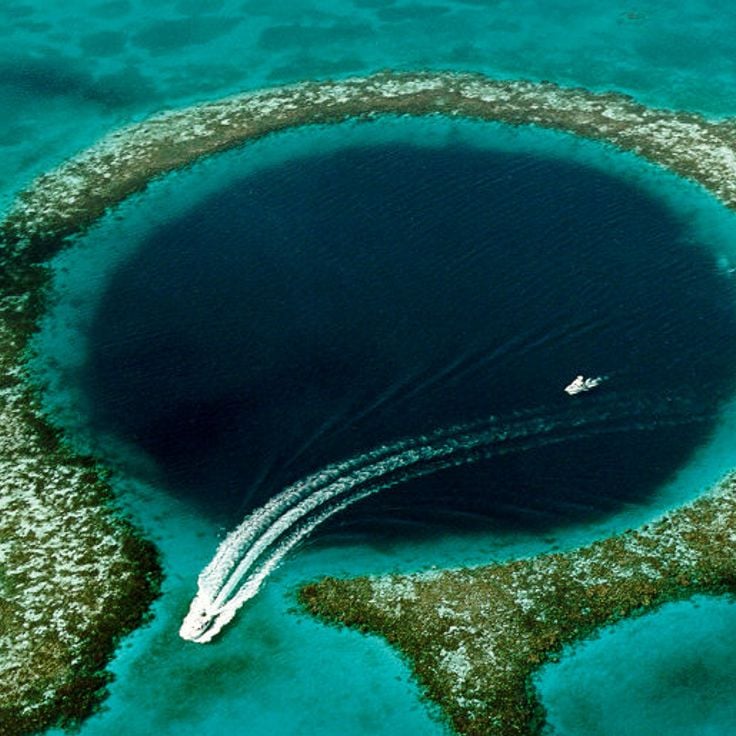
This circular karst formation sits in the Lighthouse Reef approximately 43 miles (70 kilometers) off the coast of Belize, measuring 984 feet (300 meters) across and reaching a depth of 410 feet (125 meters). The Great Blue Hole displays the intense blue coloration typical of such formations. The geological structure formed during the last ice age when sea levels were lower. Today the site offers one of the most recognizable color contrasts between the dark center and the surrounding turquoise waters of the barrier reef.
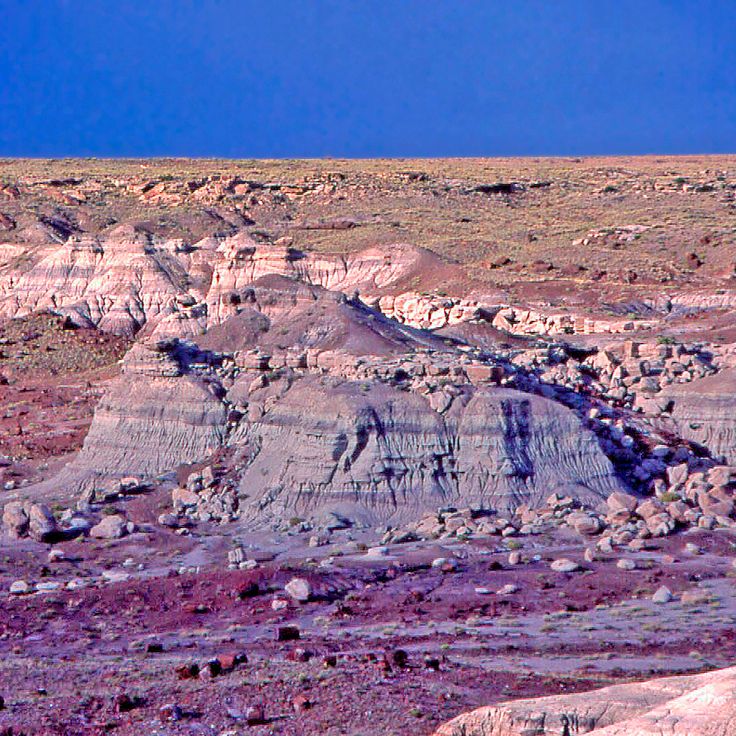
The Painted Desert covers 380 square miles (985 square kilometers) in northeastern Arizona and displays rock layers colored in shades of red, orange and yellow through different mineral deposits. The sedimentary layers of clay, siltstone and sandstone were laid down over millions of years and exposed through erosion. Iron oxide and manganese compounds create the characteristic colors, which shift throughout the day as light changes. This geological formation lies mostly within Petrified Forest National Park and represents an important example in this collection of colorful places through its natural palette of mineral-derived hues.
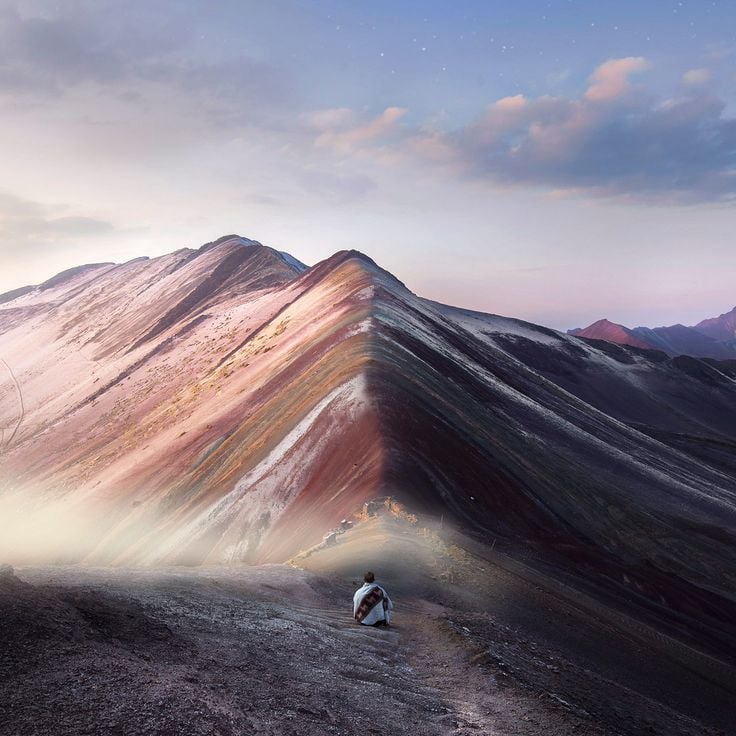
This mountain at 17,060 feet (5,200 meters) in the Andes displays pronounced color bands formed by different mineral deposits in the rock layers. Rainbow Mountain sits roughly 62 miles (100 kilometers) southeast of Cusco and forms part of the Vilcanota range. The colors range from reds created by iron oxide to yellows and greens from sulfur compounds and whites from limestone. Geologists date the formation of these layers to millions of years, with tectonic activity and erosion exposing the present formations. The ascent typically begins from the village of Pitumarca and takes several hours.
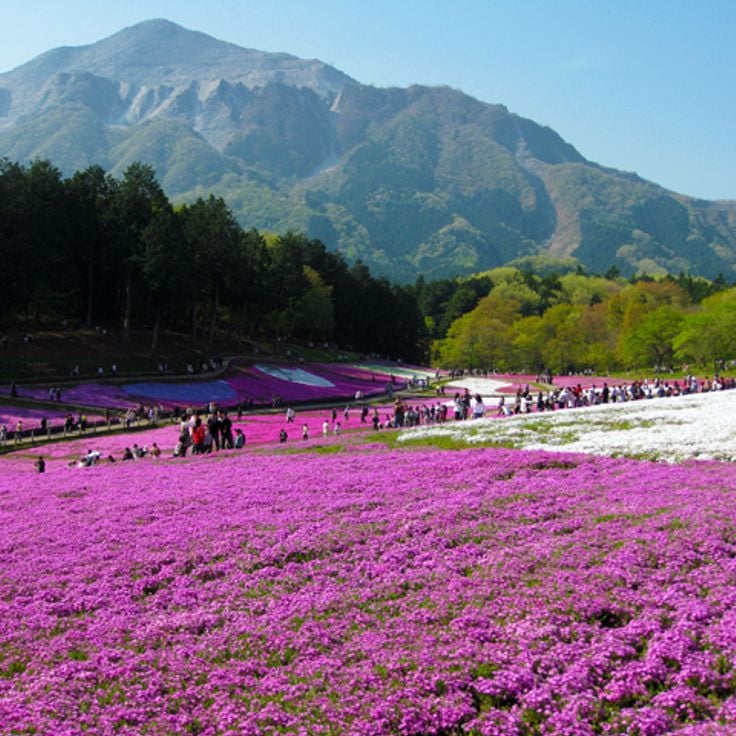
This park displays 400,000 pink phlox plants from April to May, covering a hillside and contributing to the colorful destinations in this collection. The flowers appear in shades of pink and white, creating a mosaic pattern across the slopes. Visitors find paths through the plantings that also offer viewpoints toward the surrounding mountains. Outside the blooming season, locals use the park for walks and recreation.
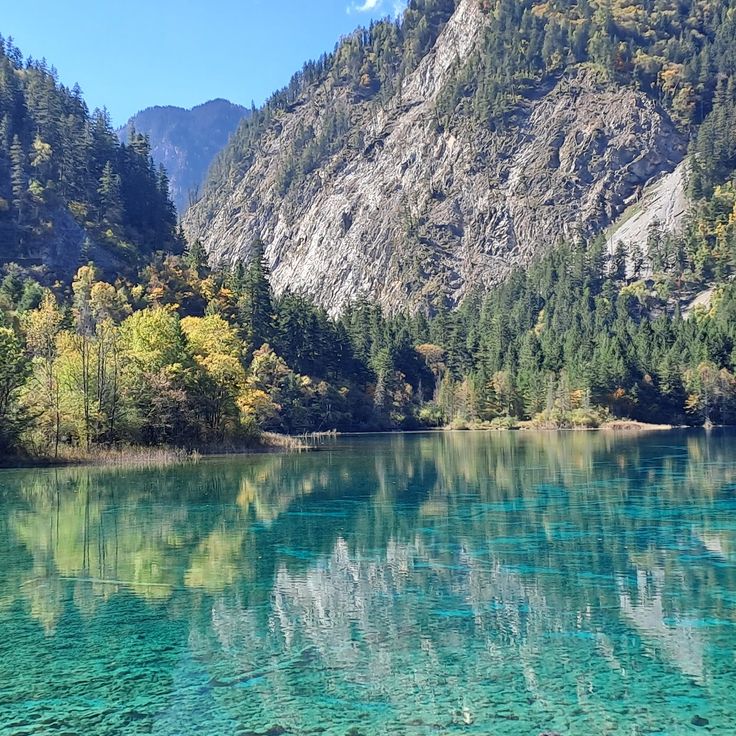
The lakes in this valley display a notable range of colors created by mineral deposits in the water. Limestone combines with algae to produce the characteristic blue and turquoise tones that make Jiuzhaigou an example of natural coloration. Different concentrations of these minerals in individual bodies of water result in variations from pale aquamarine to deep blue. These geological conditions have created over thousands of years a landscape defined by color contrasts between water, vegetation and limestone formations. The water remains transparent despite the color variations, allowing views of submerged logs and rock formations.
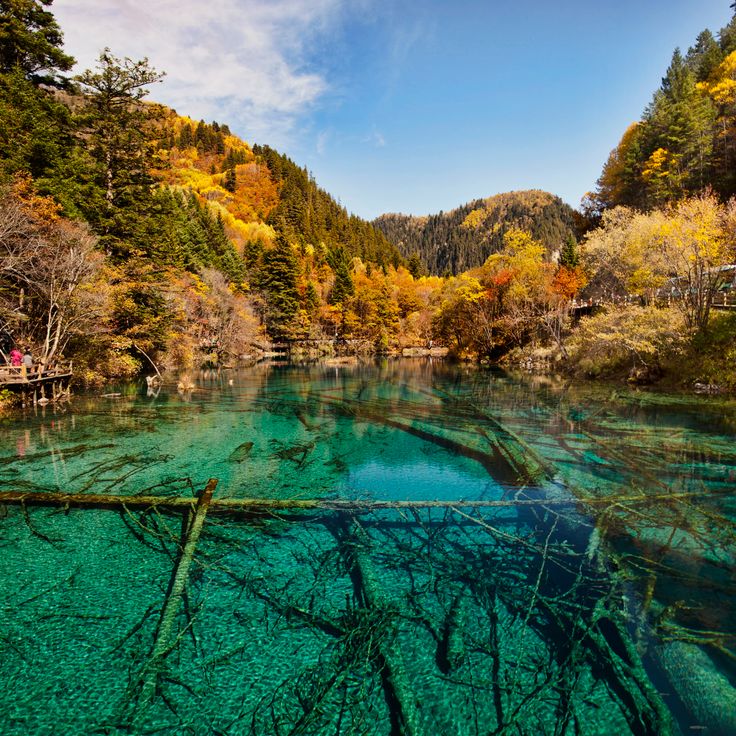
This lake in China's Jiuzhaigou Valley displays different color shades created by the accumulation of minerals and algae in the water. The color patterns shift with temperature and seasons. The water sits within a protected area known for its colored lakes. Visibility often extends to the bottom, leaving submerged fallen trees visible beneath the surface. This natural coloring makes the lake an example of the range of colorful places worldwide, from geological formations to turquoise waters.
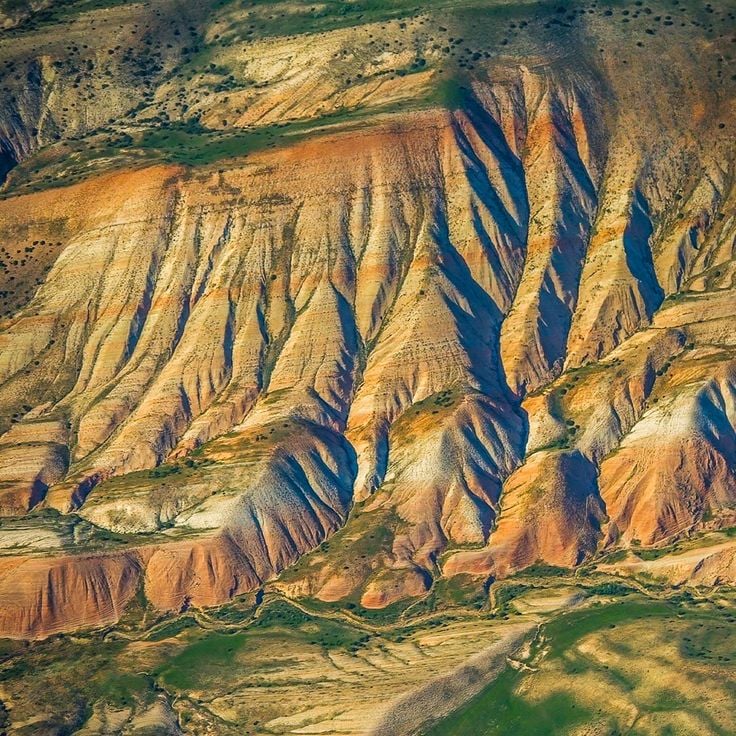
These mountains display alternating layers of red and white sedimentary rock. The geological formation developed through the deposition of sandstone and limestone over millions of years. The striped pattern results from different mineral compositions and oxidation processes across various geological periods. The color contrasts become particularly visible under certain lighting conditions. These mountains add to the collection of colorful landmarks around the world through their natural geological coloring, comparable to the Danxia Mountains in China or the Painted Desert in Arizona.
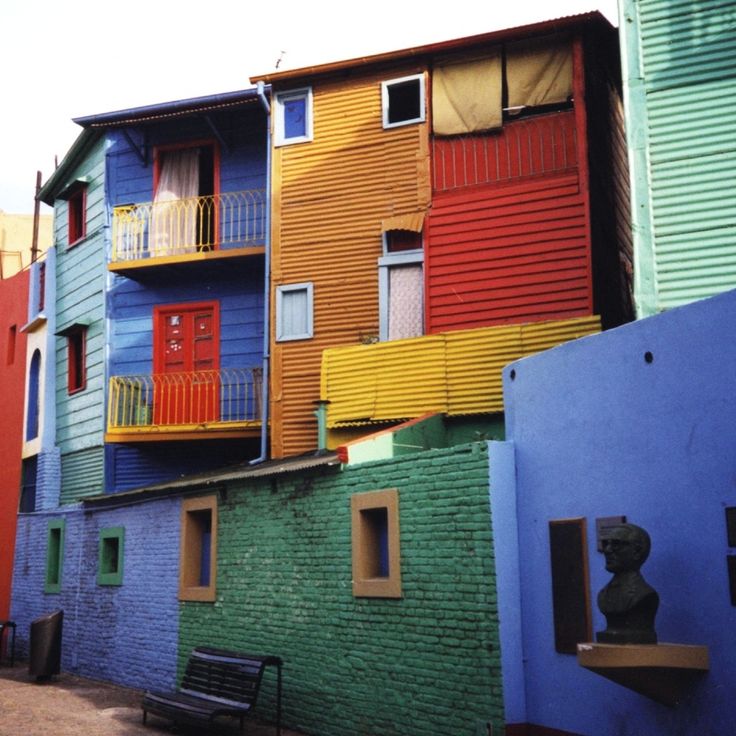
This working class neighborhood displays its identity through the brightly painted corrugated metal houses lining its streets. The color palette of reds, yellows and blues originated from the use of surplus ship paint from the nearby port. El Caminito street forms the heart of the district with its painted facades, while street artists and tango dancers perform on the cobblestones. The neighborhood developed in the late 19th century as an immigrant community and maintains its bohemian character, though it now primarily serves visitors. The architectural tradition of conventillos, communal tenement buildings, shaped the dense construction and colorful aesthetic that defines the district today.
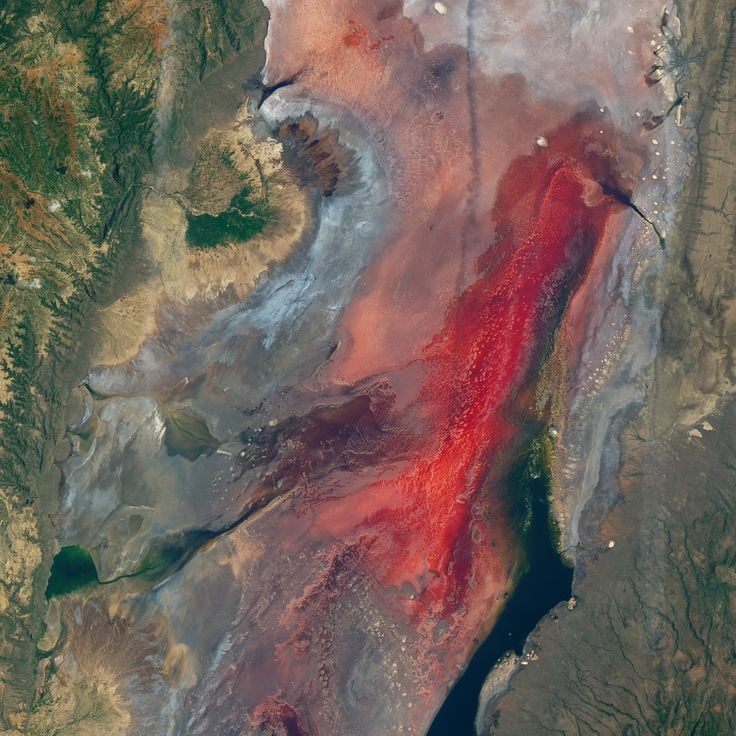
This salt lake displays its red coloring through microorganisms and salt crystals living in the water. The intensity of the color increases during the dry season when water evaporates and salt concentration rises. The Red Lake sits in a remote region of Tanzania and provides a strong contrast to the surrounding landscape. The extreme conditions in the lake create an ecosystem inhabited only by specialized organisms that produce the characteristic red coloring.
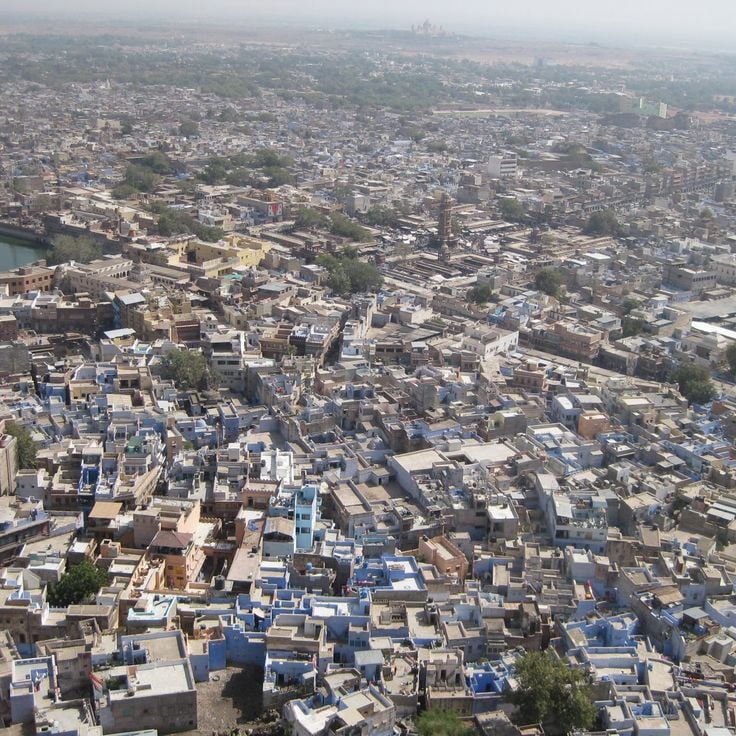
This city in Rajasthan displays a characteristic blue urban architecture dating from the 15th century. The old town houses are painted in indigo blue, a tradition originally intended to cool buildings in the hot desert climate. Jodhpur sits at the edge of the Thar Desert and is dominated by the Mehrangarh Fort perched on a rocky outcrop. The blue buildings concentrate particularly around the clock tower in the historic center and extend through the narrow lanes of the old bazaar quarter. The coloring serves both practical and cultural purposes in this desert metropolis.
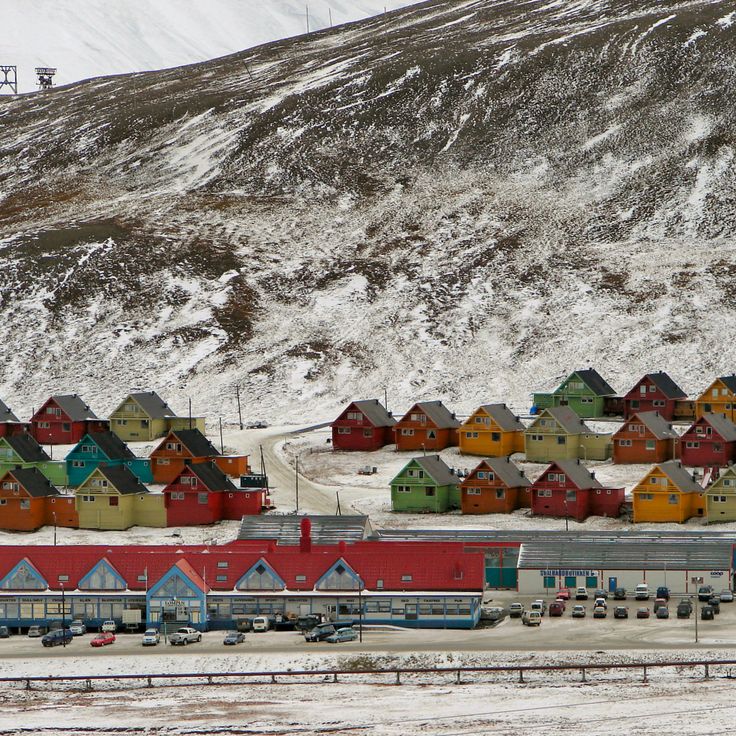
This Arctic settlement uses multicolored building facades as a practical orientation system during the four-month polar night. Longyearbyen sits at 78 degrees north latitude, where the sun does not rise above the horizon from November through February. Residents paint their houses in contrasting colors to facilitate navigation through the streets in complete darkness. This functional use of color differs from the decorative role of colored architecture in warmer climates, serving a specific Arctic need.
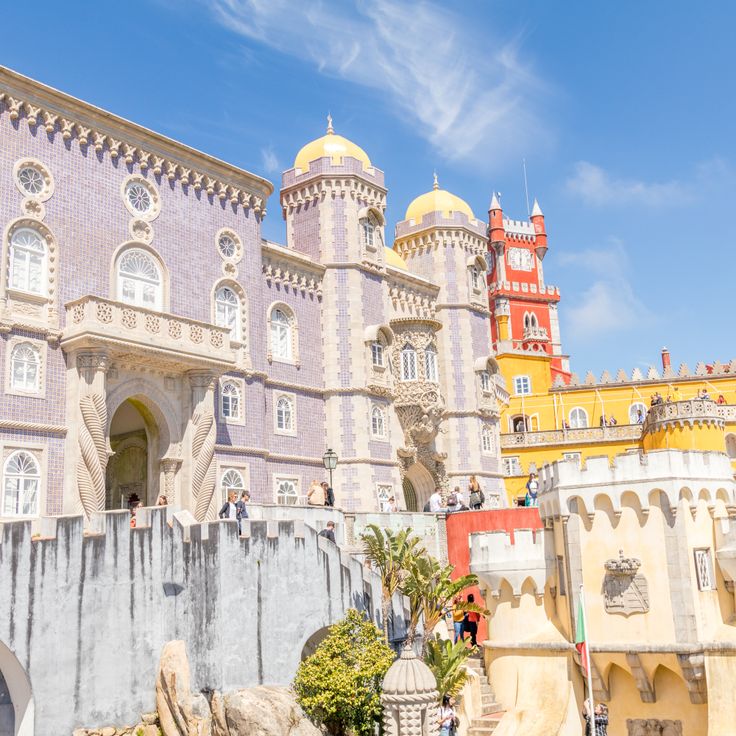
This hilltop palace near Sintra combines colors and architectural styles from the 19th century. The yellow and red facades follow Romantic design principles, while the interiors display period furniture and azulejo tilework. The surrounding park covers 500 acres (200 hectares) and contains plant species from different climate zones, along with smaller structures in Moorish and Gothic styles. From the terraces, visitors can view the Sintra mountains and the coastline extending to the Atlantic Ocean.
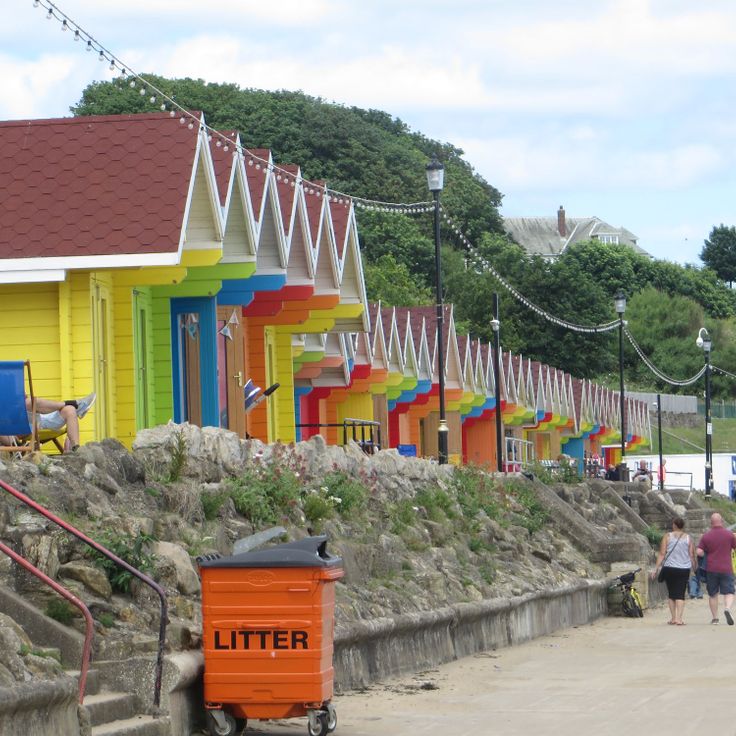
These Scarborough beach huts display rows of painted wooden doors along North Bay. The traditional cabins serve visitors for changing clothes and storing beach equipment. The colorful facades add to this collection's range alongside natural color formations like Grand Prismatic Spring and architectural examples such as Bo-Kaap. The huts form a characteristic coastal scene at this Yorkshire seaside resort.
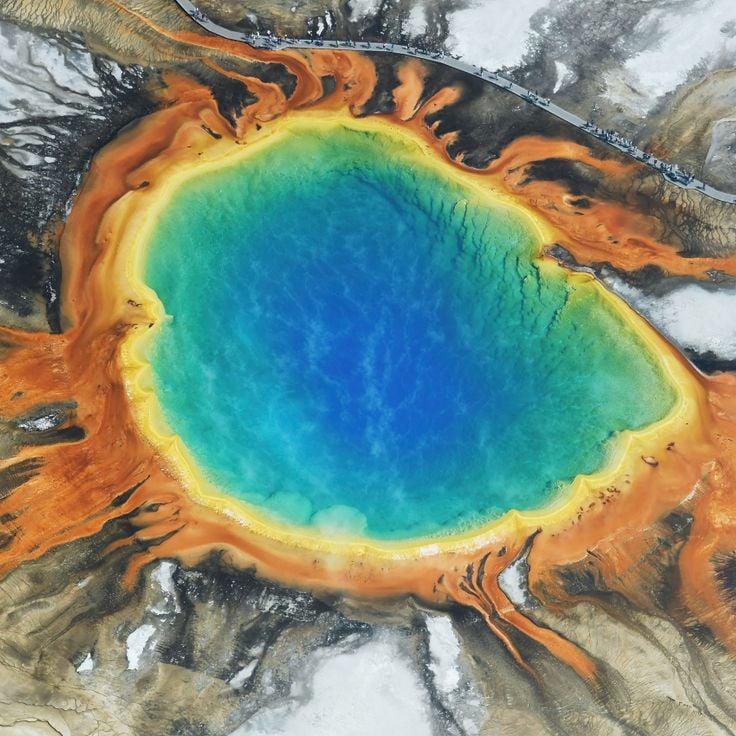
The Grand Prismatic Spring measures 230 feet (70 meters) in diameter, making it the largest hot spring in the United States and the third largest in the world. Thermophilic bacteria and microorganisms living in different temperature zones of the spring create concentric rings of orange, yellow, green and brown around the deep blue center. Water temperature at the center reaches approximately 189 degrees Fahrenheit (87 degrees Celsius), while the cooler edges host the characteristic orange and brown mats. This geothermal feature represents one of the most striking color displays in Yellowstone National Park and contributes to the variety of natural color phenomena found across the globe.
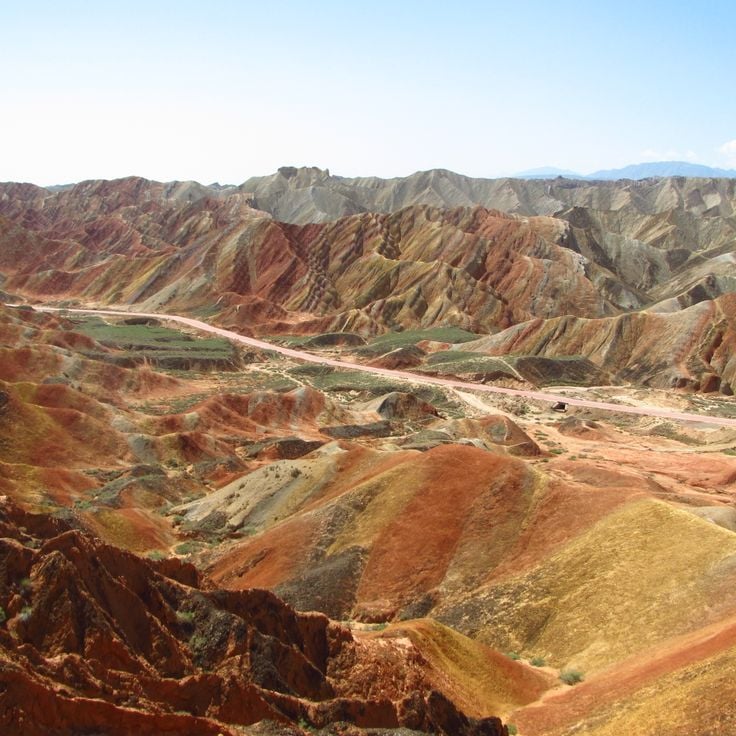
This geological formation covers approximately 155 square miles (400 square kilometers) south of Zhangye city in Gansu Province. The distinctive color bands of red, orange, yellow and green developed through deposits of sandstone and mineral compounds over 24 million years. Tectonic activity folded these sediment layers and created the wave-like structures visible today. The park maintains several viewing platforms connected by paved paths and shuttle buses. Colors appear most intense under overcast skies or after rain when the rock surfaces are wet.
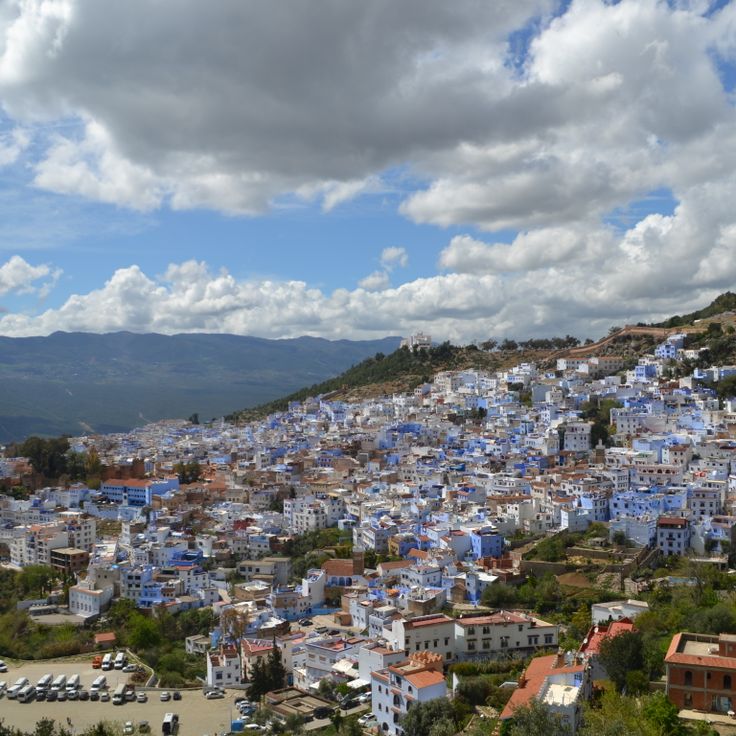
This mountain town displays traditional houses, streets and staircases in various shades of blue, providing a compelling example of the colorful landmarks featured in this collection. The centuries-old practice of painting buildings blue defines the entire cityscape of Chefchaouen and sets it apart from other Moroccan towns. Visitors find a labyrinth of blue-washed lanes, courtyards and squares threading through the narrow streets of the medina.
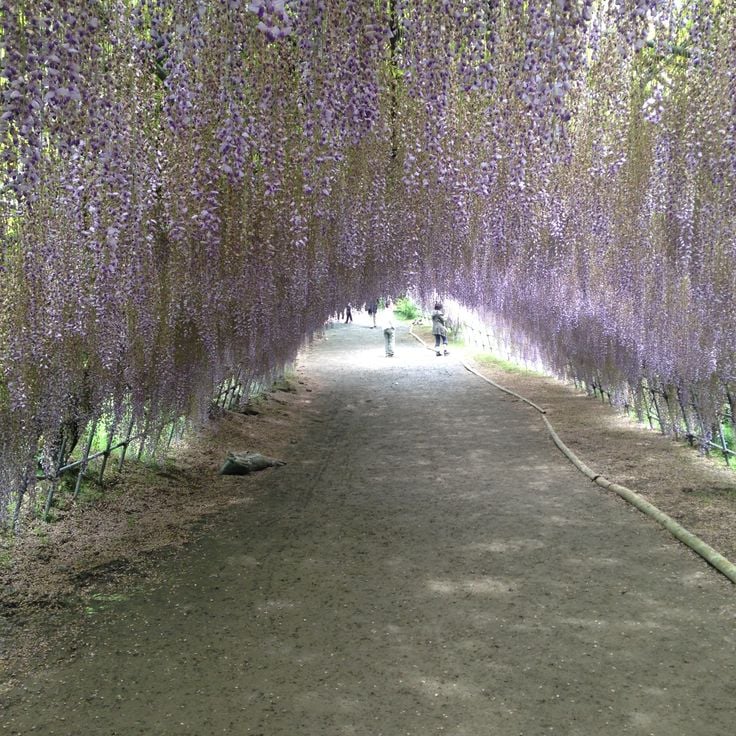
This garden in Kitakyushu contains 150 wisteria plants representing 20 different species that produce purple, pink, white and blue blooms. The plants grow along tunnels and over pergolas, creating colored canopies during the flowering season in April and May. The site opens only seasonally when the wisteria are in full bloom. Visitors can walk beneath the hanging flower clusters, which display different color tones depending on the species.
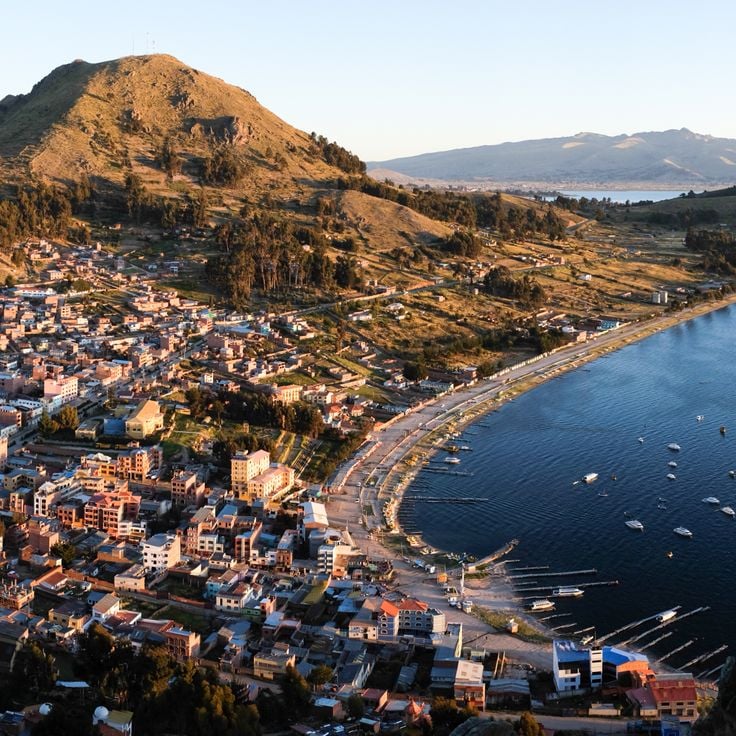
Copacabana displays buildings with colored tiles and local motifs on exterior walls throughout its streets. The town sits on the shore of Lake Titicaca at 12,500 feet (3,810 meters) elevation and serves as a departure point for boat trips to Isla del Sol. The 16th-century Basilica of Our Lady of Copacabana contains religious artwork and functions as a major pilgrimage site. Markets and street vendors sell textiles and handicrafts, while surrounding hills provide lookout points over the lake.
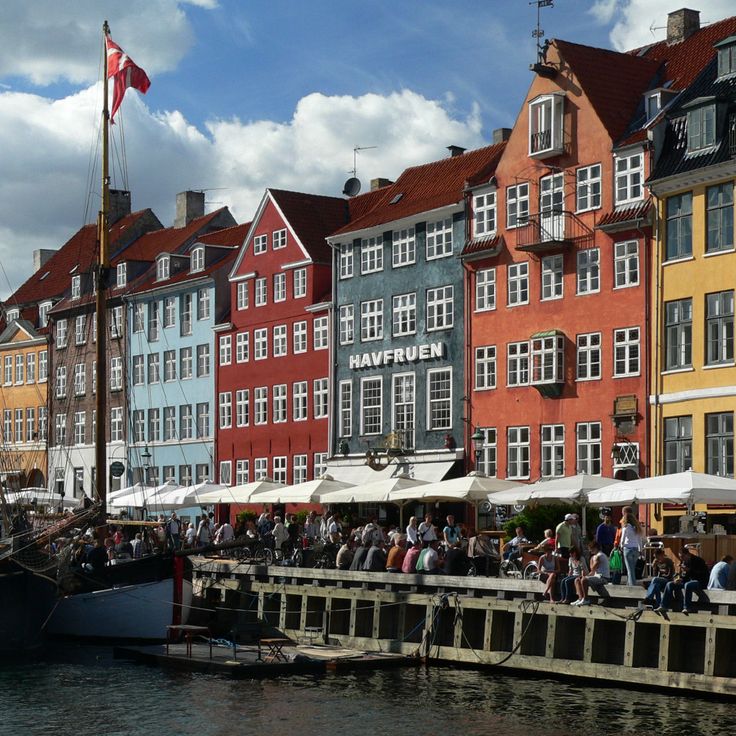
This historic canal in central Copenhagen was constructed in the 17th century and is now known for its row of colorful townhouses lining the waterfront. The buildings display facades in bright reds, yellows, and oranges, with many ground floors operating as restaurants and cafés. Nyhavn originally served as a busy commercial harbor and attracted sailors, merchants, and artists over the centuries. Today the colorful buildings combine with the historic wooden ships moored along the quay to create a characteristic cityscape that reflects Denmark's maritime history.
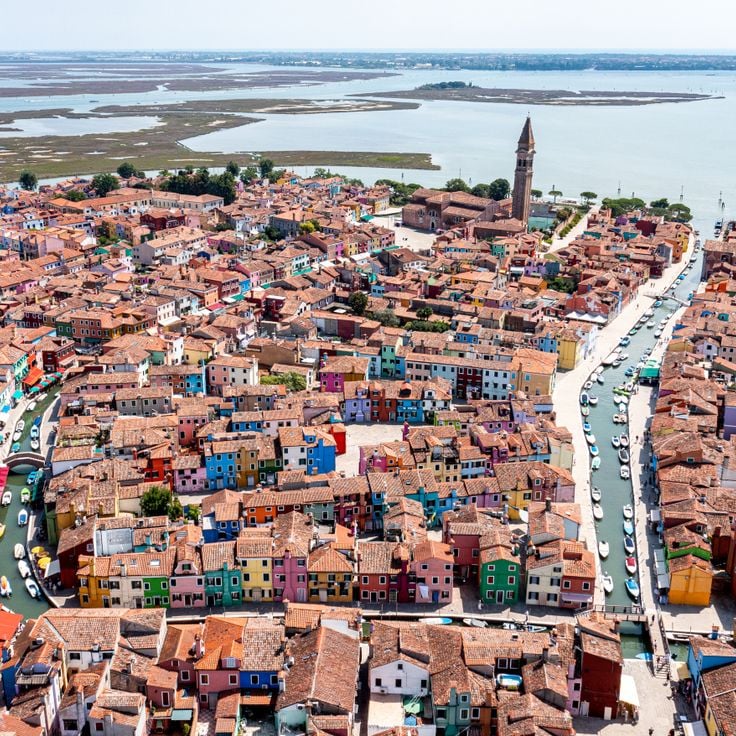
This lagoon island's painted houses follow a tradition in which fishermen colored their facades in bright hues to identify their dwellings from the water. The village displays red, yellow, blue, green and orange buildings along narrow canals that traverse the island. The color palette contributes to the location's visual identity and has evolved from practical origins to a feature that attracts visitors. Located a 40-minute vaporetto ride from Venice, Burano maintains its lace-making tradition alongside its colorful architecture.
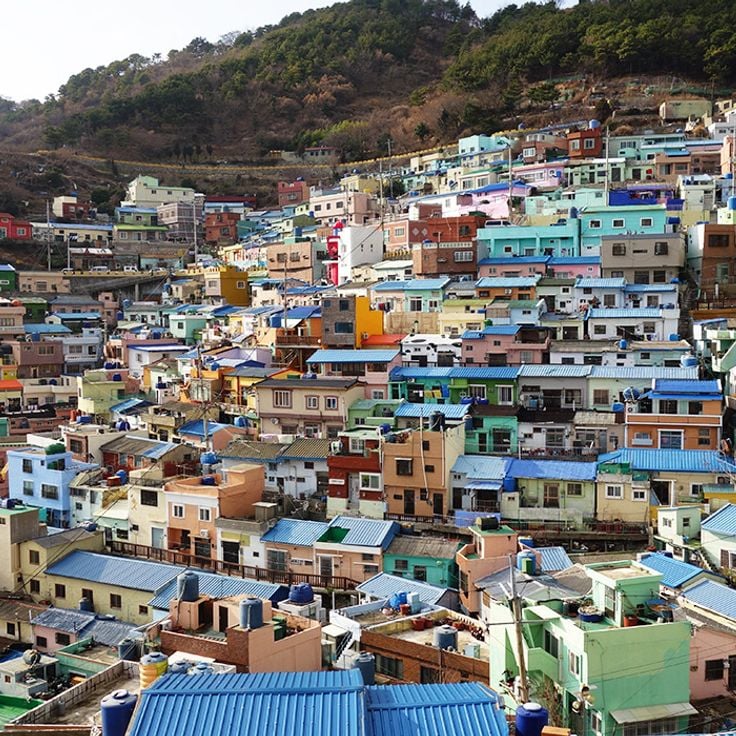
Gamcheon Culture Village is an artistic district in the Saha ward of Busan, South Korea. Houses cling to a steep hillside like colored blocks, creating a maze of narrow alleys and staircases. Walls are painted in red, blue, yellow, and green. Artists have left murals on buildings throughout the area. The place was once a fishing village, later settled by refugees and workers. Today visitors walk between houses and find art galleries, small cafes, and shops selling handmade objects. The hillside offers views of the harbor and the city below. The village feels like an open-air art museum where people still live and work.
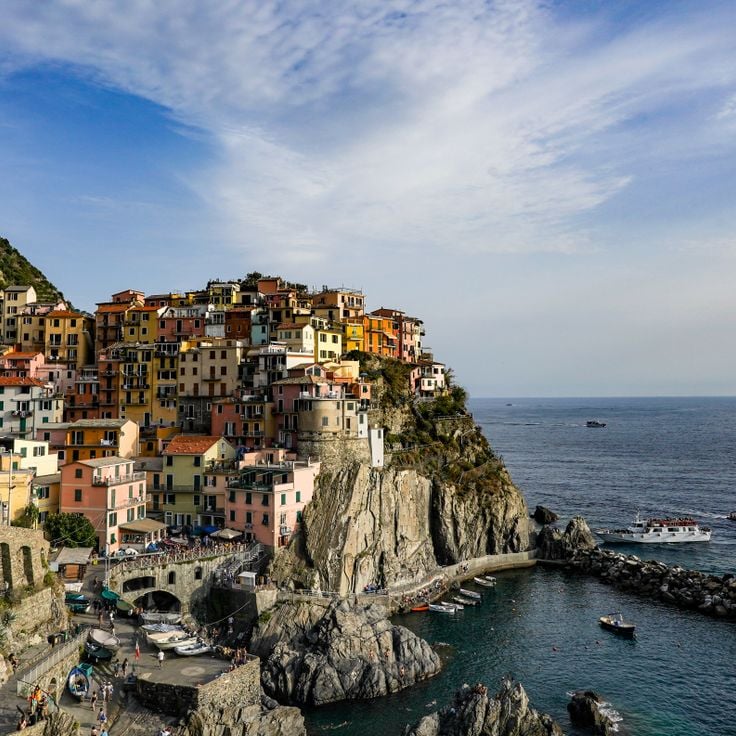
Manarola is a coastal village in Cinque Terre and displays the colorful houses that define this Italian region. Buildings in bright shades of red, orange, yellow, and pink cling to steep cliffs above the sea. Narrow lanes connect the homes together, while small boats sit in the water below. The village keeps its calm, everyday character, where fishermen and locals move between the colorful structures going about their daily lives.
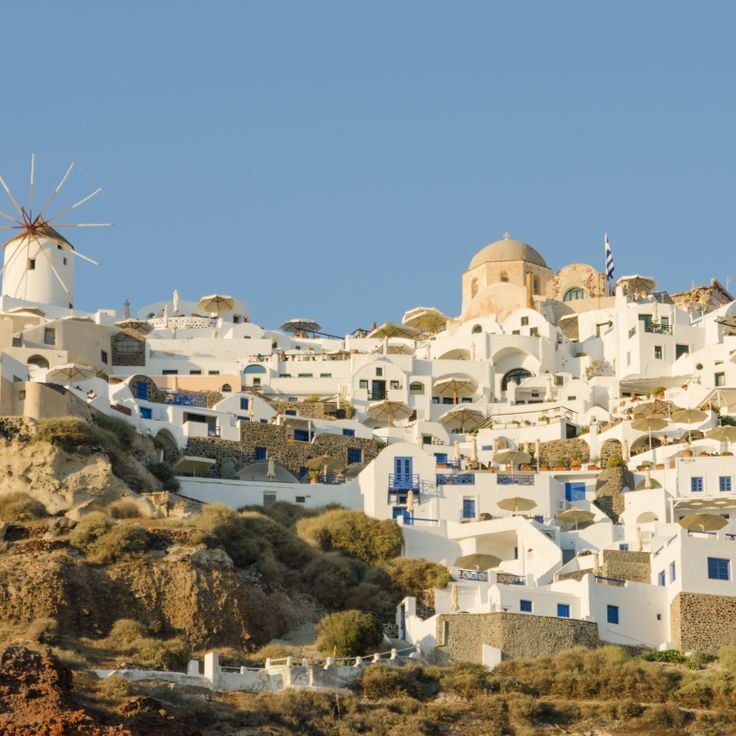
Ía is a village on the northwestern coast of Santorin in Greece. It sits on a cliff high above the sea with views of the caldera. White houses with blue details are built into the rock. Many buildings have curved roofs and small windows. Narrow streets wind between the houses in the style typical of a Greek island. In the evening, the squares fill with people watching the sunset. The place shows the traditional architecture of the Cyclades with its palette of white and blue.
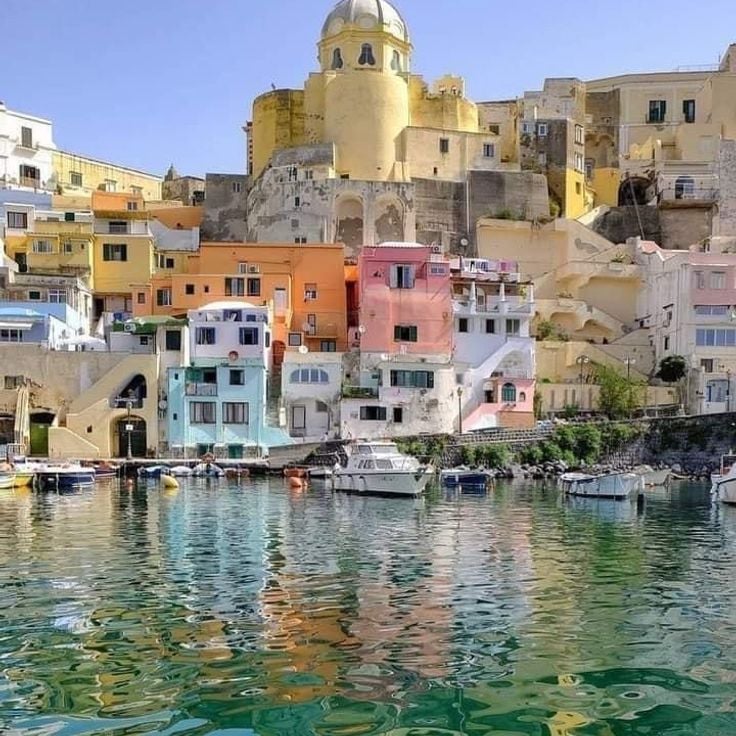
Procida is a small Italian island in the Bay of Naples, known for its colorful houses that line the coastal hillsides. The buildings display bright tones of pink, yellow, green and blue that reflect in the calm harbor and bay waters. The island preserves the image of a place where fishermen have lived and worked for centuries. Narrow streets connect the residential areas, while small squares invite visitors to stop. Procida shows how a community has shaped its built environment through color.
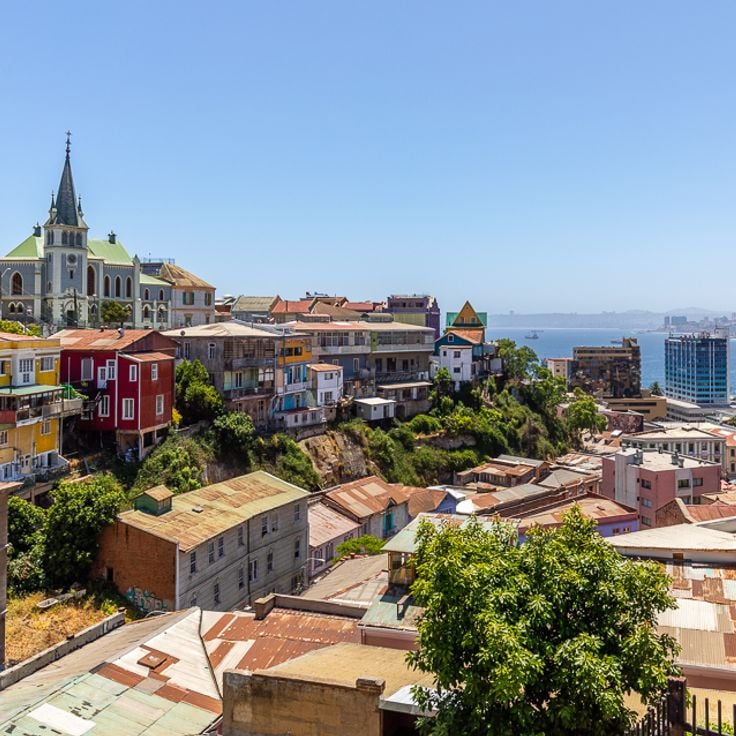
The Historic Quarter of Valparaíso is a UNESCO World Heritage site where colorful houses climb steeply across the hillsides. Buildings display strong colors in yellow, blue, red, green and other tones that layer across the slopes. Old wooden structures and bright facades define the character of this quarter. Narrow, winding streets follow the uneven terrain, and staircases connect different levels. Artwork and murals are visible throughout the streets. The quarter tells the story of the city through its architecture and its connection to maritime history.
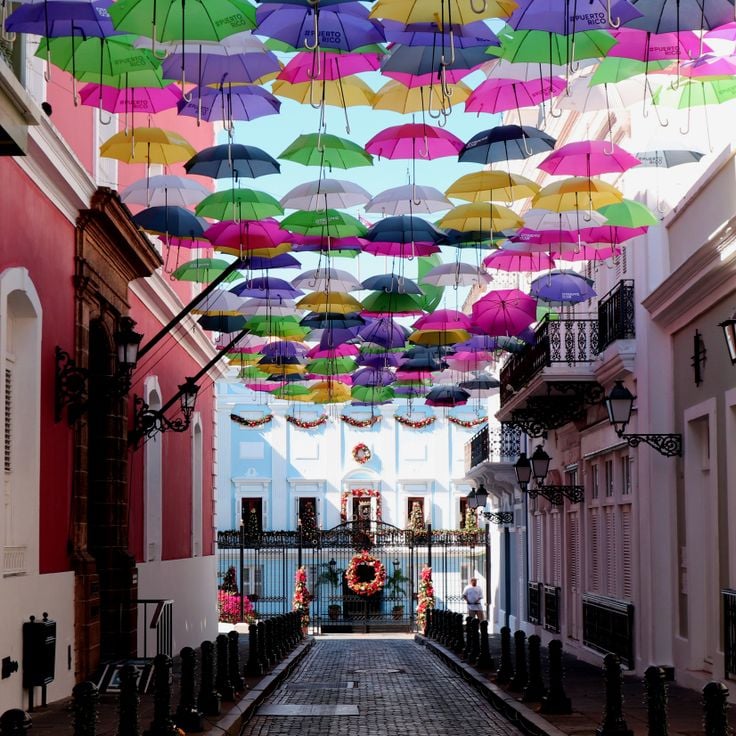
Vieux San Juan is a historic district in San Juan featuring colonial buildings from the 16th century with facades painted in vivid shades of blue, yellow, pink, and green. Narrow cobblestone streets wind past craft shops, local restaurants, and art galleries. The colorful architecture reflects the history of Spanish conquest and shows influences from Caribbean and European traditions. The buildings have been restored over the centuries while maintaining their original character and appeal.
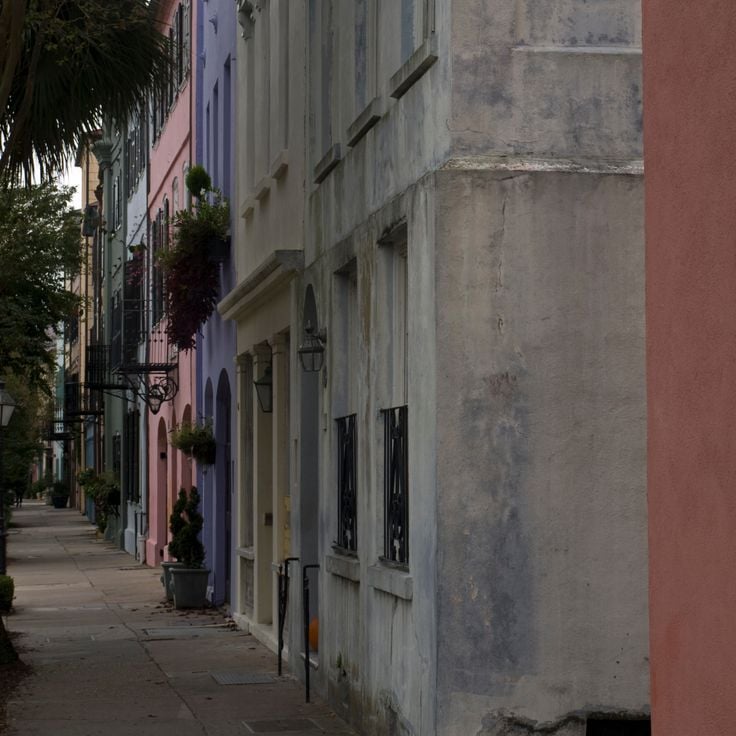
Rainbow Row in Charleston displays a line of historic townhouses painted in vivid colors. The buildings on East Bay Street wear shades of pink, yellow, blue, green, and orange. These structures date from the 18th century and shape the city's character. The colorful facades came about through paint that marked ships and their owners. Today, Rainbow Row offers a place where visitors experience Charleston's history and color.
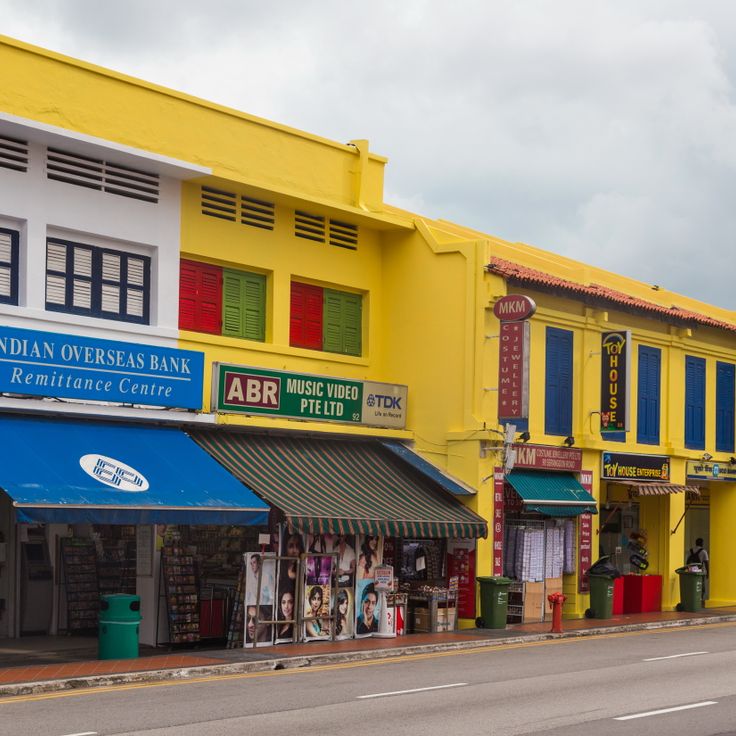
Little India is a historic commercial district in Rochor with a strong Indian and South Asian cultural presence. The streets feature colorful facades in yellow, blue, green and pink that reflect the diverse community. Temples, mosques and Hindu shrines shape the streetscape. Small shops sell spices, fabrics and religious items. The air fills with aromas from Indian restaurants and street food vendors. The district remains a gathering place for immigrants and their descendants, where traditions are visible in the architecture and daily life.
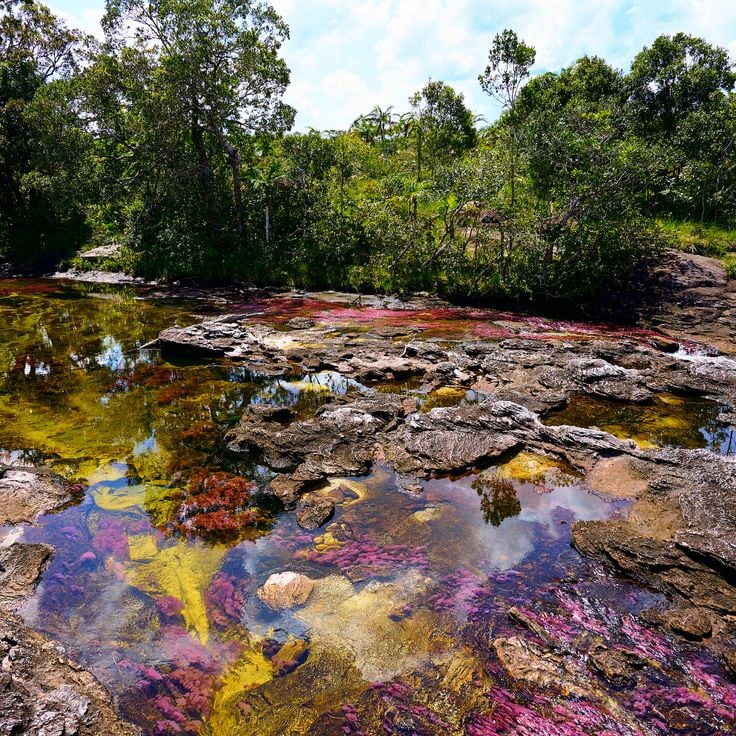
The Caño Cristales river in Colombia's La Macarena region flows with water in shades of red, yellow, and green. These colors come from aquatic plants and minerals on the riverbed. Rocky banks frame the water as it moves through dense forest. The river's appearance changes with the seasons and water levels. The surrounding landscape creates a natural setting where you can see the shifting hues reflected in the flow.
The Laguna Colorada is a salt lake in the Eduardo Abaroa Andean National Fauna Reserve in Bolivia. The water shifts between red and pink tones created by microorganisms that thrive in the alkaline water. Small islands dotted with boron mineral deposits break up the surface. Flamingos arrive to feed in the shallow waters along the shore. The lake sits on the high Andean plateau where the air is thin and temperatures swing dramatically between day and night.
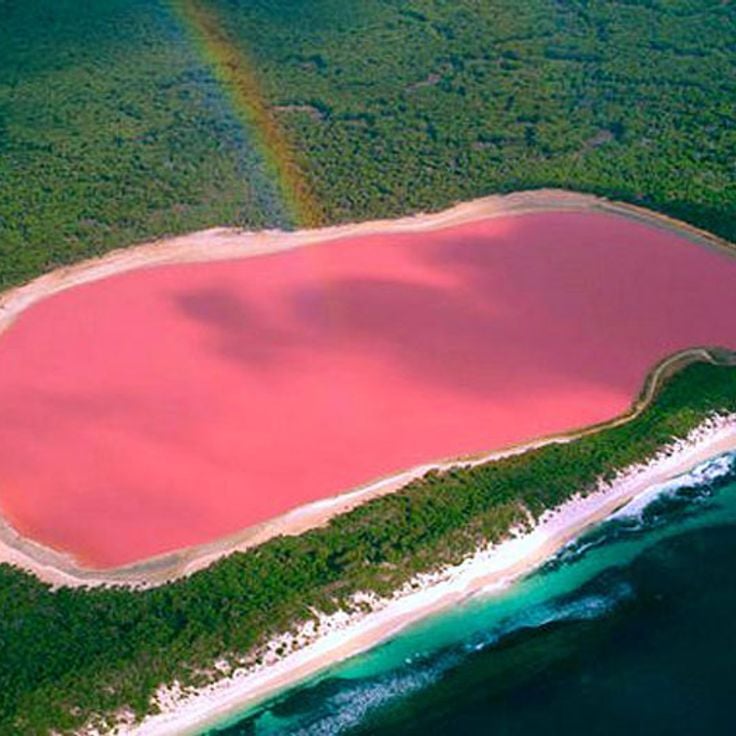
Lake Hillier in Western Australia displays a striking pink color created by salt content and microorganisms. This lake fits well into the collection of colorful monuments worldwide, where natural processes create visually prominent features. The water shifts between light pink and coral tones depending on the light, making this lake a rare example of Earth's color palette.
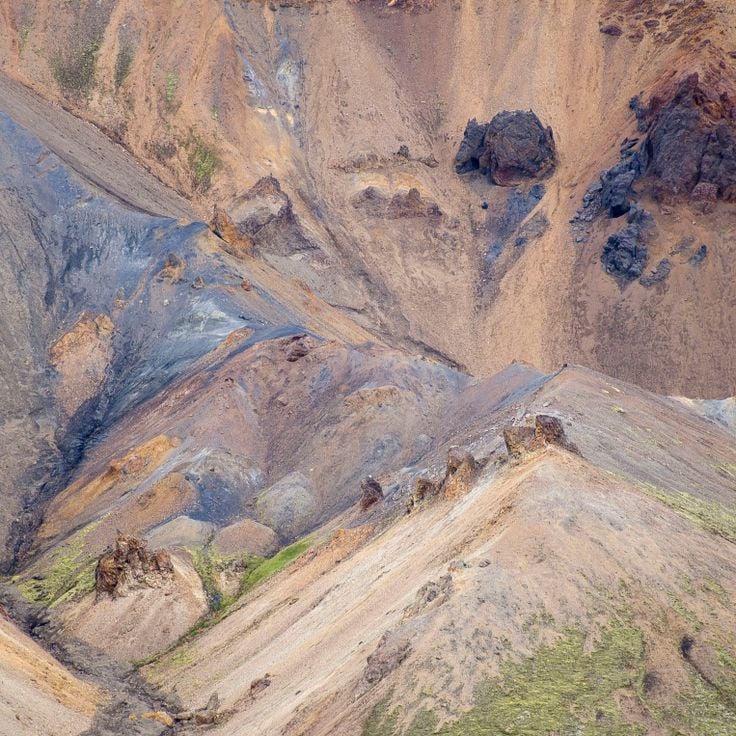
Landmannalaugar is a geothermal region in southern Iceland known for its colorful rock formations in shades of red, green, blue, and yellow. These colors result from mineral deposits created by volcanic activity. Hot springs and steaming vents shape the landscape throughout the area. Visitors can soak in naturally warm pools while surrounded by multicolored mountains. Walking paths wind through different geothermal zones, revealing new colors and geological features at every turn.
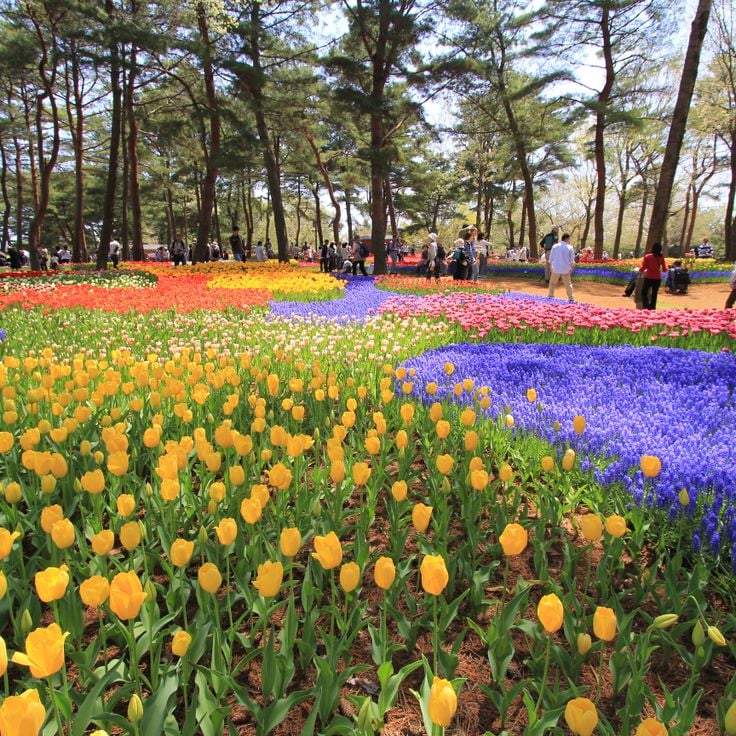
Hitachi Seaside Park lies in Hitachinaka in Ibaraki Prefecture. The park displays colorful flower fields that change with the seasons. In spring, daffodils bloom in yellow and white across rolling hills. In summer, blue lotus flowers and red dahlias fill the beds. In autumn, cosmos flowers paint the landscape in pink, red, and white. The park offers pathways between flower beds and viewpoints overlooking the coast. Flowers grow in natural patterns across the hills, creating colored landscapes visible from high above.
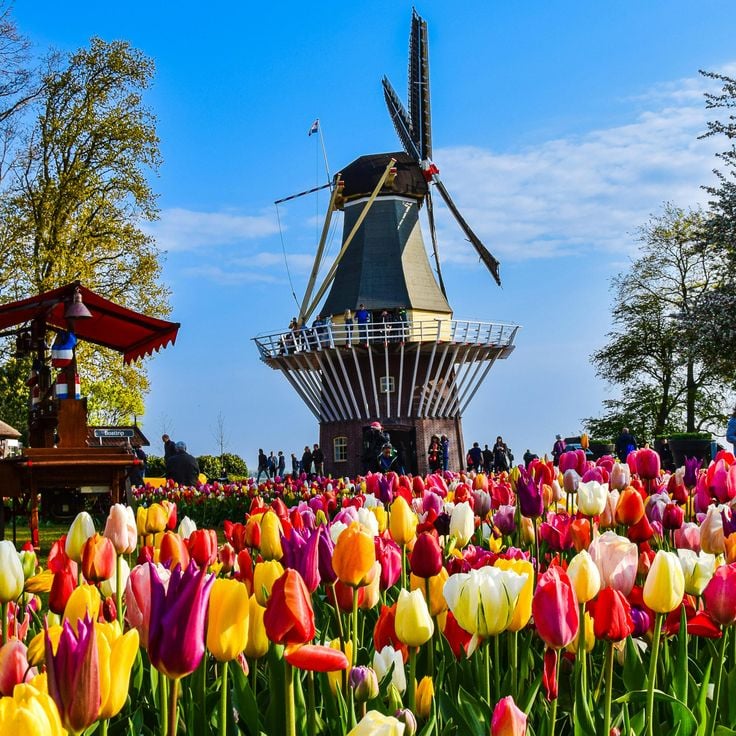
Keukenhof in the Netherlands is a flower garden that fits into this collection's theme of colorful spaces. The garden displays carefully arranged blooms in many colors, both in outdoor beds and indoor pavilions. Visitors walk through paths lined with tulips, daffodils, hyacinths, and other spring flowers that fill the space with reds, yellows, oranges, pinks, purples, and whites. Dating back to the 19th century, Keukenhof shows how living plants create visual richness through their natural hues, much like the painted buildings and mineral-colored formations found elsewhere in the world.
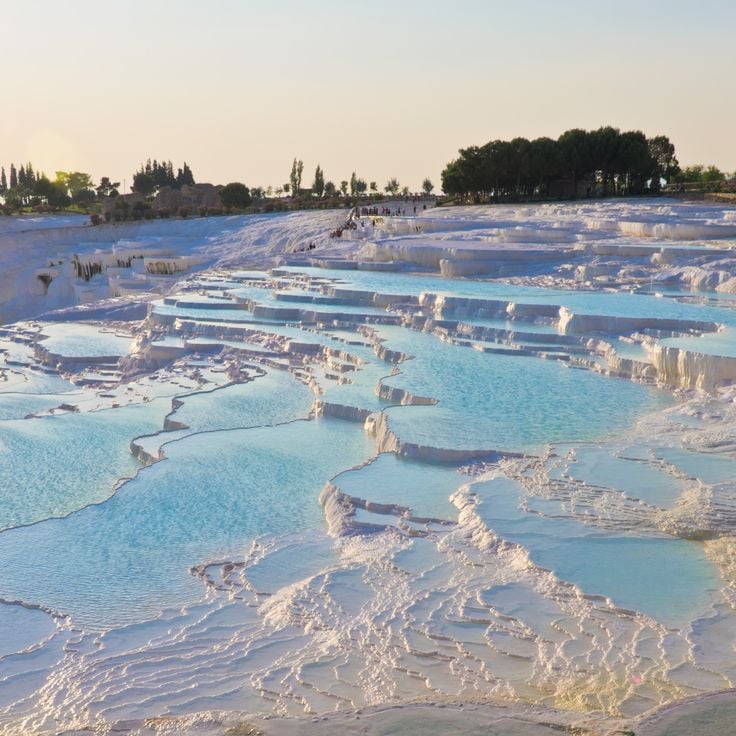
The travertine terraces of Pamukkale formed over millennia from natural hot springs that deposited white mineral layers. Water flows down the hillside creating a system of shallow pools and cascading levels. These terraces belong to the world's monuments with colors and show how natural processes shape the earth. The white and cream appearance comes from calcium carbonate that the water leaves behind. Visitors see shimmering pools in various shades of blue where thermal water collects. The landscape looks like naturally formed steps leading down the slope.
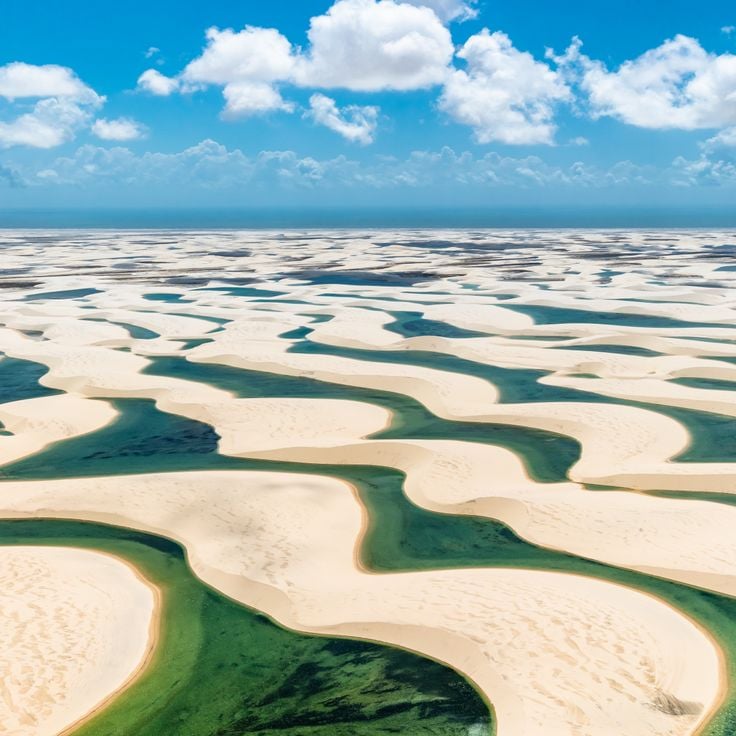
This national park in Maranhão displays towering sand dunes of brilliant white that stretch across the landscape like frozen waves. The dunes create a striking contrast with emerald and turquoise lagoons nestled between them. Water fills natural depressions after seasonal rains, creating pools of color that shift throughout the day. Walking across the soft sand, visitors encounter clear lagoons surrounded by dunes, with sparse vegetation adapted to the sandy environment. The park sits between the Atlantic coast and inland Brazil, where wind and weather have shaped one of the world's largest dune systems.
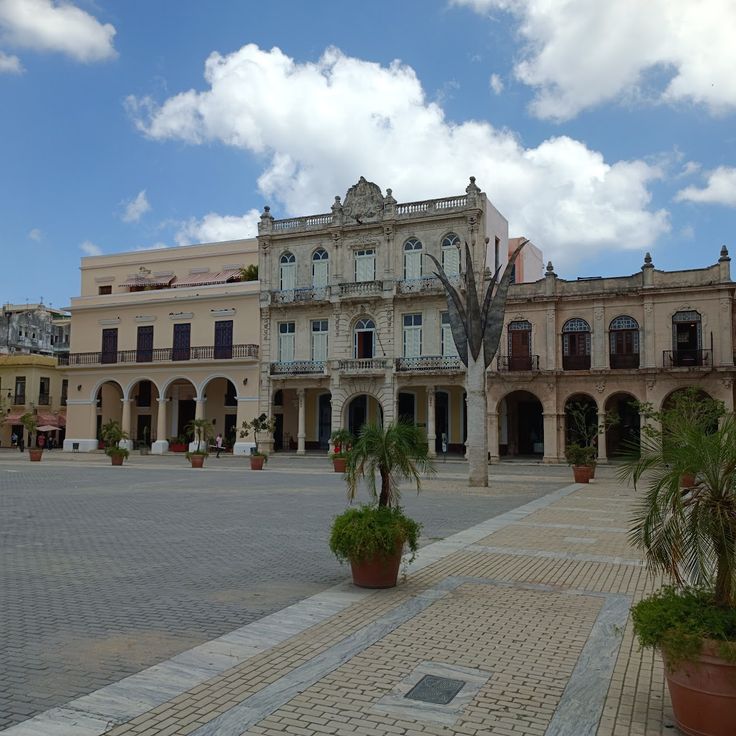
Old Town Square in Havana displays colonial-era architecture with pastel-colored facades. The buildings surrounding the square feature soft shades of pink, yellow, blue, and green, typical of Cuba's capital. This coloring reflects the collection's theme, showing how different places around the world have shaped their surroundings with vibrant hues. The square is a place where history and color meet, and daily life unfolds.
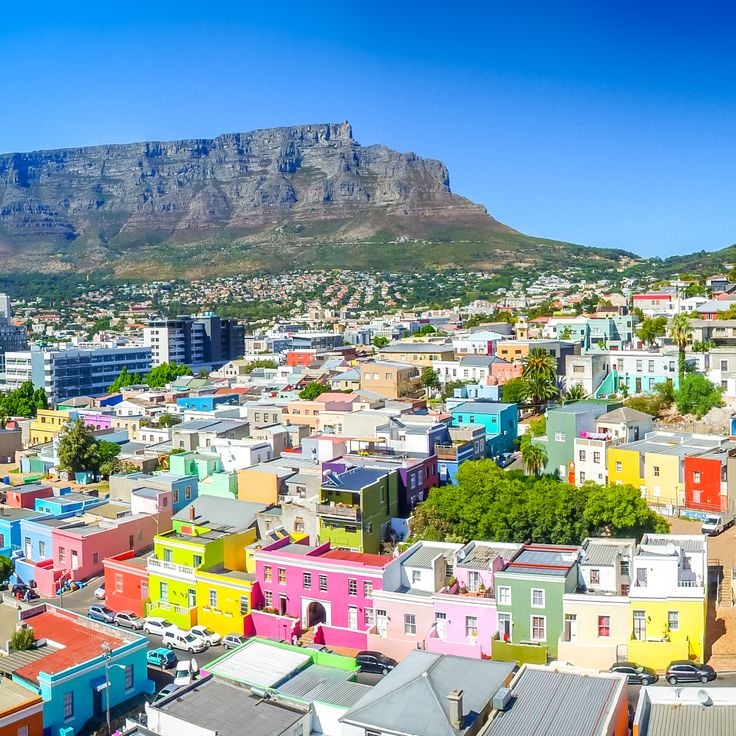
This residential district from the 18th century presents a collection of brightly colored facades along cobblestone streets on the slopes of Signal Hill. The houses display vivid yellow, green, pink, and blue walls that mark this historic neighborhood. Bo-Kaap was originally settled by enslaved people, artisans, and immigrants, developing into a culturally significant area of Cape Town. The colored buildings, mostly constructed in Cape Dutch and Georgian architectural styles, contribute to the visual range of this collection, demonstrating urban architecture as an expression of community and history.
This circular karst formation sits in the Lighthouse Reef approximately 43 miles (70 kilometers) off the coast of Belize, measuring 984 feet (300 meters) across and reaching a depth of 410 feet (125 meters). The Great Blue Hole displays the intense blue coloration typical of such formations. The geological structure formed during the last ice age when sea levels were lower. Today the site offers one of the most recognizable color contrasts between the dark center and the surrounding turquoise waters of the barrier reef.
The Painted Desert covers 380 square miles (985 square kilometers) in northeastern Arizona and displays rock layers colored in shades of red, orange and yellow through different mineral deposits. The sedimentary layers of clay, siltstone and sandstone were laid down over millions of years and exposed through erosion. Iron oxide and manganese compounds create the characteristic colors, which shift throughout the day as light changes. This geological formation lies mostly within Petrified Forest National Park and represents an important example in this collection of colorful places through its natural palette of mineral-derived hues.
This mountain at 17,060 feet (5,200 meters) in the Andes displays pronounced color bands formed by different mineral deposits in the rock layers. Rainbow Mountain sits roughly 62 miles (100 kilometers) southeast of Cusco and forms part of the Vilcanota range. The colors range from reds created by iron oxide to yellows and greens from sulfur compounds and whites from limestone. Geologists date the formation of these layers to millions of years, with tectonic activity and erosion exposing the present formations. The ascent typically begins from the village of Pitumarca and takes several hours.
This park displays 400,000 pink phlox plants from April to May, covering a hillside and contributing to the colorful destinations in this collection. The flowers appear in shades of pink and white, creating a mosaic pattern across the slopes. Visitors find paths through the plantings that also offer viewpoints toward the surrounding mountains. Outside the blooming season, locals use the park for walks and recreation.
The lakes in this valley display a notable range of colors created by mineral deposits in the water. Limestone combines with algae to produce the characteristic blue and turquoise tones that make Jiuzhaigou an example of natural coloration. Different concentrations of these minerals in individual bodies of water result in variations from pale aquamarine to deep blue. These geological conditions have created over thousands of years a landscape defined by color contrasts between water, vegetation and limestone formations. The water remains transparent despite the color variations, allowing views of submerged logs and rock formations.
This lake in China's Jiuzhaigou Valley displays different color shades created by the accumulation of minerals and algae in the water. The color patterns shift with temperature and seasons. The water sits within a protected area known for its colored lakes. Visibility often extends to the bottom, leaving submerged fallen trees visible beneath the surface. This natural coloring makes the lake an example of the range of colorful places worldwide, from geological formations to turquoise waters.
These mountains display alternating layers of red and white sedimentary rock. The geological formation developed through the deposition of sandstone and limestone over millions of years. The striped pattern results from different mineral compositions and oxidation processes across various geological periods. The color contrasts become particularly visible under certain lighting conditions. These mountains add to the collection of colorful landmarks around the world through their natural geological coloring, comparable to the Danxia Mountains in China or the Painted Desert in Arizona.
This working class neighborhood displays its identity through the brightly painted corrugated metal houses lining its streets. The color palette of reds, yellows and blues originated from the use of surplus ship paint from the nearby port. El Caminito street forms the heart of the district with its painted facades, while street artists and tango dancers perform on the cobblestones. The neighborhood developed in the late 19th century as an immigrant community and maintains its bohemian character, though it now primarily serves visitors. The architectural tradition of conventillos, communal tenement buildings, shaped the dense construction and colorful aesthetic that defines the district today.
This salt lake displays its red coloring through microorganisms and salt crystals living in the water. The intensity of the color increases during the dry season when water evaporates and salt concentration rises. The Red Lake sits in a remote region of Tanzania and provides a strong contrast to the surrounding landscape. The extreme conditions in the lake create an ecosystem inhabited only by specialized organisms that produce the characteristic red coloring.
This city in Rajasthan displays a characteristic blue urban architecture dating from the 15th century. The old town houses are painted in indigo blue, a tradition originally intended to cool buildings in the hot desert climate. Jodhpur sits at the edge of the Thar Desert and is dominated by the Mehrangarh Fort perched on a rocky outcrop. The blue buildings concentrate particularly around the clock tower in the historic center and extend through the narrow lanes of the old bazaar quarter. The coloring serves both practical and cultural purposes in this desert metropolis.
This Arctic settlement uses multicolored building facades as a practical orientation system during the four-month polar night. Longyearbyen sits at 78 degrees north latitude, where the sun does not rise above the horizon from November through February. Residents paint their houses in contrasting colors to facilitate navigation through the streets in complete darkness. This functional use of color differs from the decorative role of colored architecture in warmer climates, serving a specific Arctic need.
This hilltop palace near Sintra combines colors and architectural styles from the 19th century. The yellow and red facades follow Romantic design principles, while the interiors display period furniture and azulejo tilework. The surrounding park covers 500 acres (200 hectares) and contains plant species from different climate zones, along with smaller structures in Moorish and Gothic styles. From the terraces, visitors can view the Sintra mountains and the coastline extending to the Atlantic Ocean.
These Scarborough beach huts display rows of painted wooden doors along North Bay. The traditional cabins serve visitors for changing clothes and storing beach equipment. The colorful facades add to this collection's range alongside natural color formations like Grand Prismatic Spring and architectural examples such as Bo-Kaap. The huts form a characteristic coastal scene at this Yorkshire seaside resort.
The Grand Prismatic Spring measures 230 feet (70 meters) in diameter, making it the largest hot spring in the United States and the third largest in the world. Thermophilic bacteria and microorganisms living in different temperature zones of the spring create concentric rings of orange, yellow, green and brown around the deep blue center. Water temperature at the center reaches approximately 189 degrees Fahrenheit (87 degrees Celsius), while the cooler edges host the characteristic orange and brown mats. This geothermal feature represents one of the most striking color displays in Yellowstone National Park and contributes to the variety of natural color phenomena found across the globe.
This geological formation covers approximately 155 square miles (400 square kilometers) south of Zhangye city in Gansu Province. The distinctive color bands of red, orange, yellow and green developed through deposits of sandstone and mineral compounds over 24 million years. Tectonic activity folded these sediment layers and created the wave-like structures visible today. The park maintains several viewing platforms connected by paved paths and shuttle buses. Colors appear most intense under overcast skies or after rain when the rock surfaces are wet.
This mountain town displays traditional houses, streets and staircases in various shades of blue, providing a compelling example of the colorful landmarks featured in this collection. The centuries-old practice of painting buildings blue defines the entire cityscape of Chefchaouen and sets it apart from other Moroccan towns. Visitors find a labyrinth of blue-washed lanes, courtyards and squares threading through the narrow streets of the medina.
This garden in Kitakyushu contains 150 wisteria plants representing 20 different species that produce purple, pink, white and blue blooms. The plants grow along tunnels and over pergolas, creating colored canopies during the flowering season in April and May. The site opens only seasonally when the wisteria are in full bloom. Visitors can walk beneath the hanging flower clusters, which display different color tones depending on the species.
Copacabana displays buildings with colored tiles and local motifs on exterior walls throughout its streets. The town sits on the shore of Lake Titicaca at 12,500 feet (3,810 meters) elevation and serves as a departure point for boat trips to Isla del Sol. The 16th-century Basilica of Our Lady of Copacabana contains religious artwork and functions as a major pilgrimage site. Markets and street vendors sell textiles and handicrafts, while surrounding hills provide lookout points over the lake.
This historic canal in central Copenhagen was constructed in the 17th century and is now known for its row of colorful townhouses lining the waterfront. The buildings display facades in bright reds, yellows, and oranges, with many ground floors operating as restaurants and cafés. Nyhavn originally served as a busy commercial harbor and attracted sailors, merchants, and artists over the centuries. Today the colorful buildings combine with the historic wooden ships moored along the quay to create a characteristic cityscape that reflects Denmark's maritime history.
This lagoon island's painted houses follow a tradition in which fishermen colored their facades in bright hues to identify their dwellings from the water. The village displays red, yellow, blue, green and orange buildings along narrow canals that traverse the island. The color palette contributes to the location's visual identity and has evolved from practical origins to a feature that attracts visitors. Located a 40-minute vaporetto ride from Venice, Burano maintains its lace-making tradition alongside its colorful architecture.
Gamcheon Culture Village is an artistic district in the Saha ward of Busan, South Korea. Houses cling to a steep hillside like colored blocks, creating a maze of narrow alleys and staircases. Walls are painted in red, blue, yellow, and green. Artists have left murals on buildings throughout the area. The place was once a fishing village, later settled by refugees and workers. Today visitors walk between houses and find art galleries, small cafes, and shops selling handmade objects. The hillside offers views of the harbor and the city below. The village feels like an open-air art museum where people still live and work.
Manarola is a coastal village in Cinque Terre and displays the colorful houses that define this Italian region. Buildings in bright shades of red, orange, yellow, and pink cling to steep cliffs above the sea. Narrow lanes connect the homes together, while small boats sit in the water below. The village keeps its calm, everyday character, where fishermen and locals move between the colorful structures going about their daily lives.
Ía is a village on the northwestern coast of Santorin in Greece. It sits on a cliff high above the sea with views of the caldera. White houses with blue details are built into the rock. Many buildings have curved roofs and small windows. Narrow streets wind between the houses in the style typical of a Greek island. In the evening, the squares fill with people watching the sunset. The place shows the traditional architecture of the Cyclades with its palette of white and blue.
Procida is a small Italian island in the Bay of Naples, known for its colorful houses that line the coastal hillsides. The buildings display bright tones of pink, yellow, green and blue that reflect in the calm harbor and bay waters. The island preserves the image of a place where fishermen have lived and worked for centuries. Narrow streets connect the residential areas, while small squares invite visitors to stop. Procida shows how a community has shaped its built environment through color.
The Historic Quarter of Valparaíso is a UNESCO World Heritage site where colorful houses climb steeply across the hillsides. Buildings display strong colors in yellow, blue, red, green and other tones that layer across the slopes. Old wooden structures and bright facades define the character of this quarter. Narrow, winding streets follow the uneven terrain, and staircases connect different levels. Artwork and murals are visible throughout the streets. The quarter tells the story of the city through its architecture and its connection to maritime history.
Vieux San Juan is a historic district in San Juan featuring colonial buildings from the 16th century with facades painted in vivid shades of blue, yellow, pink, and green. Narrow cobblestone streets wind past craft shops, local restaurants, and art galleries. The colorful architecture reflects the history of Spanish conquest and shows influences from Caribbean and European traditions. The buildings have been restored over the centuries while maintaining their original character and appeal.
Rainbow Row in Charleston displays a line of historic townhouses painted in vivid colors. The buildings on East Bay Street wear shades of pink, yellow, blue, green, and orange. These structures date from the 18th century and shape the city's character. The colorful facades came about through paint that marked ships and their owners. Today, Rainbow Row offers a place where visitors experience Charleston's history and color.
Little India is a historic commercial district in Rochor with a strong Indian and South Asian cultural presence. The streets feature colorful facades in yellow, blue, green and pink that reflect the diverse community. Temples, mosques and Hindu shrines shape the streetscape. Small shops sell spices, fabrics and religious items. The air fills with aromas from Indian restaurants and street food vendors. The district remains a gathering place for immigrants and their descendants, where traditions are visible in the architecture and daily life.
The Caño Cristales river in Colombia's La Macarena region flows with water in shades of red, yellow, and green. These colors come from aquatic plants and minerals on the riverbed. Rocky banks frame the water as it moves through dense forest. The river's appearance changes with the seasons and water levels. The surrounding landscape creates a natural setting where you can see the shifting hues reflected in the flow.
The Laguna Colorada is a salt lake in the Eduardo Abaroa Andean National Fauna Reserve in Bolivia. The water shifts between red and pink tones created by microorganisms that thrive in the alkaline water. Small islands dotted with boron mineral deposits break up the surface. Flamingos arrive to feed in the shallow waters along the shore. The lake sits on the high Andean plateau where the air is thin and temperatures swing dramatically between day and night.
Lake Hillier in Western Australia displays a striking pink color created by salt content and microorganisms. This lake fits well into the collection of colorful monuments worldwide, where natural processes create visually prominent features. The water shifts between light pink and coral tones depending on the light, making this lake a rare example of Earth's color palette.
Landmannalaugar is a geothermal region in southern Iceland known for its colorful rock formations in shades of red, green, blue, and yellow. These colors result from mineral deposits created by volcanic activity. Hot springs and steaming vents shape the landscape throughout the area. Visitors can soak in naturally warm pools while surrounded by multicolored mountains. Walking paths wind through different geothermal zones, revealing new colors and geological features at every turn.
Hitachi Seaside Park lies in Hitachinaka in Ibaraki Prefecture. The park displays colorful flower fields that change with the seasons. In spring, daffodils bloom in yellow and white across rolling hills. In summer, blue lotus flowers and red dahlias fill the beds. In autumn, cosmos flowers paint the landscape in pink, red, and white. The park offers pathways between flower beds and viewpoints overlooking the coast. Flowers grow in natural patterns across the hills, creating colored landscapes visible from high above.
Keukenhof in the Netherlands is a flower garden that fits into this collection's theme of colorful spaces. The garden displays carefully arranged blooms in many colors, both in outdoor beds and indoor pavilions. Visitors walk through paths lined with tulips, daffodils, hyacinths, and other spring flowers that fill the space with reds, yellows, oranges, pinks, purples, and whites. Dating back to the 19th century, Keukenhof shows how living plants create visual richness through their natural hues, much like the painted buildings and mineral-colored formations found elsewhere in the world.
The travertine terraces of Pamukkale formed over millennia from natural hot springs that deposited white mineral layers. Water flows down the hillside creating a system of shallow pools and cascading levels. These terraces belong to the world's monuments with colors and show how natural processes shape the earth. The white and cream appearance comes from calcium carbonate that the water leaves behind. Visitors see shimmering pools in various shades of blue where thermal water collects. The landscape looks like naturally formed steps leading down the slope.
This national park in Maranhão displays towering sand dunes of brilliant white that stretch across the landscape like frozen waves. The dunes create a striking contrast with emerald and turquoise lagoons nestled between them. Water fills natural depressions after seasonal rains, creating pools of color that shift throughout the day. Walking across the soft sand, visitors encounter clear lagoons surrounded by dunes, with sparse vegetation adapted to the sandy environment. The park sits between the Atlantic coast and inland Brazil, where wind and weather have shaped one of the world's largest dune systems.
Old Town Square in Havana displays colonial-era architecture with pastel-colored facades. The buildings surrounding the square feature soft shades of pink, yellow, blue, and green, typical of Cuba's capital. This coloring reflects the collection's theme, showing how different places around the world have shaped their surroundings with vibrant hues. The square is a place where history and color meet, and daily life unfolds.
This residential district from the 18th century presents a collection of brightly colored facades along cobblestone streets on the slopes of Signal Hill. The houses display vivid yellow, green, pink, and blue walls that mark this historic neighborhood. Bo-Kaap was originally settled by enslaved people, artisans, and immigrants, developing into a culturally significant area of Cape Town. The colored buildings, mostly constructed in Cape Dutch and Georgian architectural styles, contribute to the visual range of this collection, demonstrating urban architecture as an expression of community and history.
This circular karst formation sits in the Lighthouse Reef approximately 43 miles (70 kilometers) off the coast of Belize, measuring 984 feet (300 meters) across and reaching a depth of 410 feet (125 meters). The Great Blue Hole displays the intense blue coloration typical of such formations. The geological structure formed during the last ice age when sea levels were lower. Today the site offers one of the most recognizable color contrasts between the dark center and the surrounding turquoise waters of the barrier reef.
The Painted Desert covers 380 square miles (985 square kilometers) in northeastern Arizona and displays rock layers colored in shades of red, orange and yellow through different mineral deposits. The sedimentary layers of clay, siltstone and sandstone were laid down over millions of years and exposed through erosion. Iron oxide and manganese compounds create the characteristic colors, which shift throughout the day as light changes. This geological formation lies mostly within Petrified Forest National Park and represents an important example in this collection of colorful places through its natural palette of mineral-derived hues.
This mountain at 17,060 feet (5,200 meters) in the Andes displays pronounced color bands formed by different mineral deposits in the rock layers. Rainbow Mountain sits roughly 62 miles (100 kilometers) southeast of Cusco and forms part of the Vilcanota range. The colors range from reds created by iron oxide to yellows and greens from sulfur compounds and whites from limestone. Geologists date the formation of these layers to millions of years, with tectonic activity and erosion exposing the present formations. The ascent typically begins from the village of Pitumarca and takes several hours.
This park displays 400,000 pink phlox plants from April to May, covering a hillside and contributing to the colorful destinations in this collection. The flowers appear in shades of pink and white, creating a mosaic pattern across the slopes. Visitors find paths through the plantings that also offer viewpoints toward the surrounding mountains. Outside the blooming season, locals use the park for walks and recreation.
The lakes in this valley display a notable range of colors created by mineral deposits in the water. Limestone combines with algae to produce the characteristic blue and turquoise tones that make Jiuzhaigou an example of natural coloration. Different concentrations of these minerals in individual bodies of water result in variations from pale aquamarine to deep blue. These geological conditions have created over thousands of years a landscape defined by color contrasts between water, vegetation and limestone formations. The water remains transparent despite the color variations, allowing views of submerged logs and rock formations.
This lake in China's Jiuzhaigou Valley displays different color shades created by the accumulation of minerals and algae in the water. The color patterns shift with temperature and seasons. The water sits within a protected area known for its colored lakes. Visibility often extends to the bottom, leaving submerged fallen trees visible beneath the surface. This natural coloring makes the lake an example of the range of colorful places worldwide, from geological formations to turquoise waters.
These mountains display alternating layers of red and white sedimentary rock. The geological formation developed through the deposition of sandstone and limestone over millions of years. The striped pattern results from different mineral compositions and oxidation processes across various geological periods. The color contrasts become particularly visible under certain lighting conditions. These mountains add to the collection of colorful landmarks around the world through their natural geological coloring, comparable to the Danxia Mountains in China or the Painted Desert in Arizona.
This working class neighborhood displays its identity through the brightly painted corrugated metal houses lining its streets. The color palette of reds, yellows and blues originated from the use of surplus ship paint from the nearby port. El Caminito street forms the heart of the district with its painted facades, while street artists and tango dancers perform on the cobblestones. The neighborhood developed in the late 19th century as an immigrant community and maintains its bohemian character, though it now primarily serves visitors. The architectural tradition of conventillos, communal tenement buildings, shaped the dense construction and colorful aesthetic that defines the district today.
This salt lake displays its red coloring through microorganisms and salt crystals living in the water. The intensity of the color increases during the dry season when water evaporates and salt concentration rises. The Red Lake sits in a remote region of Tanzania and provides a strong contrast to the surrounding landscape. The extreme conditions in the lake create an ecosystem inhabited only by specialized organisms that produce the characteristic red coloring.
This city in Rajasthan displays a characteristic blue urban architecture dating from the 15th century. The old town houses are painted in indigo blue, a tradition originally intended to cool buildings in the hot desert climate. Jodhpur sits at the edge of the Thar Desert and is dominated by the Mehrangarh Fort perched on a rocky outcrop. The blue buildings concentrate particularly around the clock tower in the historic center and extend through the narrow lanes of the old bazaar quarter. The coloring serves both practical and cultural purposes in this desert metropolis.
This Arctic settlement uses multicolored building facades as a practical orientation system during the four-month polar night. Longyearbyen sits at 78 degrees north latitude, where the sun does not rise above the horizon from November through February. Residents paint their houses in contrasting colors to facilitate navigation through the streets in complete darkness. This functional use of color differs from the decorative role of colored architecture in warmer climates, serving a specific Arctic need.
This hilltop palace near Sintra combines colors and architectural styles from the 19th century. The yellow and red facades follow Romantic design principles, while the interiors display period furniture and azulejo tilework. The surrounding park covers 500 acres (200 hectares) and contains plant species from different climate zones, along with smaller structures in Moorish and Gothic styles. From the terraces, visitors can view the Sintra mountains and the coastline extending to the Atlantic Ocean.
These Scarborough beach huts display rows of painted wooden doors along North Bay. The traditional cabins serve visitors for changing clothes and storing beach equipment. The colorful facades add to this collection's range alongside natural color formations like Grand Prismatic Spring and architectural examples such as Bo-Kaap. The huts form a characteristic coastal scene at this Yorkshire seaside resort.
The Grand Prismatic Spring measures 230 feet (70 meters) in diameter, making it the largest hot spring in the United States and the third largest in the world. Thermophilic bacteria and microorganisms living in different temperature zones of the spring create concentric rings of orange, yellow, green and brown around the deep blue center. Water temperature at the center reaches approximately 189 degrees Fahrenheit (87 degrees Celsius), while the cooler edges host the characteristic orange and brown mats. This geothermal feature represents one of the most striking color displays in Yellowstone National Park and contributes to the variety of natural color phenomena found across the globe.
This geological formation covers approximately 155 square miles (400 square kilometers) south of Zhangye city in Gansu Province. The distinctive color bands of red, orange, yellow and green developed through deposits of sandstone and mineral compounds over 24 million years. Tectonic activity folded these sediment layers and created the wave-like structures visible today. The park maintains several viewing platforms connected by paved paths and shuttle buses. Colors appear most intense under overcast skies or after rain when the rock surfaces are wet.
This mountain town displays traditional houses, streets and staircases in various shades of blue, providing a compelling example of the colorful landmarks featured in this collection. The centuries-old practice of painting buildings blue defines the entire cityscape of Chefchaouen and sets it apart from other Moroccan towns. Visitors find a labyrinth of blue-washed lanes, courtyards and squares threading through the narrow streets of the medina.
This garden in Kitakyushu contains 150 wisteria plants representing 20 different species that produce purple, pink, white and blue blooms. The plants grow along tunnels and over pergolas, creating colored canopies during the flowering season in April and May. The site opens only seasonally when the wisteria are in full bloom. Visitors can walk beneath the hanging flower clusters, which display different color tones depending on the species.
Copacabana displays buildings with colored tiles and local motifs on exterior walls throughout its streets. The town sits on the shore of Lake Titicaca at 12,500 feet (3,810 meters) elevation and serves as a departure point for boat trips to Isla del Sol. The 16th-century Basilica of Our Lady of Copacabana contains religious artwork and functions as a major pilgrimage site. Markets and street vendors sell textiles and handicrafts, while surrounding hills provide lookout points over the lake.
This historic canal in central Copenhagen was constructed in the 17th century and is now known for its row of colorful townhouses lining the waterfront. The buildings display facades in bright reds, yellows, and oranges, with many ground floors operating as restaurants and cafés. Nyhavn originally served as a busy commercial harbor and attracted sailors, merchants, and artists over the centuries. Today the colorful buildings combine with the historic wooden ships moored along the quay to create a characteristic cityscape that reflects Denmark's maritime history.
This lagoon island's painted houses follow a tradition in which fishermen colored their facades in bright hues to identify their dwellings from the water. The village displays red, yellow, blue, green and orange buildings along narrow canals that traverse the island. The color palette contributes to the location's visual identity and has evolved from practical origins to a feature that attracts visitors. Located a 40-minute vaporetto ride from Venice, Burano maintains its lace-making tradition alongside its colorful architecture.
Gamcheon Culture Village is an artistic district in the Saha ward of Busan, South Korea. Houses cling to a steep hillside like colored blocks, creating a maze of narrow alleys and staircases. Walls are painted in red, blue, yellow, and green. Artists have left murals on buildings throughout the area. The place was once a fishing village, later settled by refugees and workers. Today visitors walk between houses and find art galleries, small cafes, and shops selling handmade objects. The hillside offers views of the harbor and the city below. The village feels like an open-air art museum where people still live and work.
Manarola is a coastal village in Cinque Terre and displays the colorful houses that define this Italian region. Buildings in bright shades of red, orange, yellow, and pink cling to steep cliffs above the sea. Narrow lanes connect the homes together, while small boats sit in the water below. The village keeps its calm, everyday character, where fishermen and locals move between the colorful structures going about their daily lives.
Ía is a village on the northwestern coast of Santorin in Greece. It sits on a cliff high above the sea with views of the caldera. White houses with blue details are built into the rock. Many buildings have curved roofs and small windows. Narrow streets wind between the houses in the style typical of a Greek island. In the evening, the squares fill with people watching the sunset. The place shows the traditional architecture of the Cyclades with its palette of white and blue.
Procida is a small Italian island in the Bay of Naples, known for its colorful houses that line the coastal hillsides. The buildings display bright tones of pink, yellow, green and blue that reflect in the calm harbor and bay waters. The island preserves the image of a place where fishermen have lived and worked for centuries. Narrow streets connect the residential areas, while small squares invite visitors to stop. Procida shows how a community has shaped its built environment through color.
The Historic Quarter of Valparaíso is a UNESCO World Heritage site where colorful houses climb steeply across the hillsides. Buildings display strong colors in yellow, blue, red, green and other tones that layer across the slopes. Old wooden structures and bright facades define the character of this quarter. Narrow, winding streets follow the uneven terrain, and staircases connect different levels. Artwork and murals are visible throughout the streets. The quarter tells the story of the city through its architecture and its connection to maritime history.
Vieux San Juan is a historic district in San Juan featuring colonial buildings from the 16th century with facades painted in vivid shades of blue, yellow, pink, and green. Narrow cobblestone streets wind past craft shops, local restaurants, and art galleries. The colorful architecture reflects the history of Spanish conquest and shows influences from Caribbean and European traditions. The buildings have been restored over the centuries while maintaining their original character and appeal.
Rainbow Row in Charleston displays a line of historic townhouses painted in vivid colors. The buildings on East Bay Street wear shades of pink, yellow, blue, green, and orange. These structures date from the 18th century and shape the city's character. The colorful facades came about through paint that marked ships and their owners. Today, Rainbow Row offers a place where visitors experience Charleston's history and color.
Little India is a historic commercial district in Rochor with a strong Indian and South Asian cultural presence. The streets feature colorful facades in yellow, blue, green and pink that reflect the diverse community. Temples, mosques and Hindu shrines shape the streetscape. Small shops sell spices, fabrics and religious items. The air fills with aromas from Indian restaurants and street food vendors. The district remains a gathering place for immigrants and their descendants, where traditions are visible in the architecture and daily life.
The Caño Cristales river in Colombia's La Macarena region flows with water in shades of red, yellow, and green. These colors come from aquatic plants and minerals on the riverbed. Rocky banks frame the water as it moves through dense forest. The river's appearance changes with the seasons and water levels. The surrounding landscape creates a natural setting where you can see the shifting hues reflected in the flow.
The Laguna Colorada is a salt lake in the Eduardo Abaroa Andean National Fauna Reserve in Bolivia. The water shifts between red and pink tones created by microorganisms that thrive in the alkaline water. Small islands dotted with boron mineral deposits break up the surface. Flamingos arrive to feed in the shallow waters along the shore. The lake sits on the high Andean plateau where the air is thin and temperatures swing dramatically between day and night.
Lake Hillier in Western Australia displays a striking pink color created by salt content and microorganisms. This lake fits well into the collection of colorful monuments worldwide, where natural processes create visually prominent features. The water shifts between light pink and coral tones depending on the light, making this lake a rare example of Earth's color palette.
Landmannalaugar is a geothermal region in southern Iceland known for its colorful rock formations in shades of red, green, blue, and yellow. These colors result from mineral deposits created by volcanic activity. Hot springs and steaming vents shape the landscape throughout the area. Visitors can soak in naturally warm pools while surrounded by multicolored mountains. Walking paths wind through different geothermal zones, revealing new colors and geological features at every turn.
Hitachi Seaside Park lies in Hitachinaka in Ibaraki Prefecture. The park displays colorful flower fields that change with the seasons. In spring, daffodils bloom in yellow and white across rolling hills. In summer, blue lotus flowers and red dahlias fill the beds. In autumn, cosmos flowers paint the landscape in pink, red, and white. The park offers pathways between flower beds and viewpoints overlooking the coast. Flowers grow in natural patterns across the hills, creating colored landscapes visible from high above.
Keukenhof in the Netherlands is a flower garden that fits into this collection's theme of colorful spaces. The garden displays carefully arranged blooms in many colors, both in outdoor beds and indoor pavilions. Visitors walk through paths lined with tulips, daffodils, hyacinths, and other spring flowers that fill the space with reds, yellows, oranges, pinks, purples, and whites. Dating back to the 19th century, Keukenhof shows how living plants create visual richness through their natural hues, much like the painted buildings and mineral-colored formations found elsewhere in the world.
The travertine terraces of Pamukkale formed over millennia from natural hot springs that deposited white mineral layers. Water flows down the hillside creating a system of shallow pools and cascading levels. These terraces belong to the world's monuments with colors and show how natural processes shape the earth. The white and cream appearance comes from calcium carbonate that the water leaves behind. Visitors see shimmering pools in various shades of blue where thermal water collects. The landscape looks like naturally formed steps leading down the slope.
This national park in Maranhão displays towering sand dunes of brilliant white that stretch across the landscape like frozen waves. The dunes create a striking contrast with emerald and turquoise lagoons nestled between them. Water fills natural depressions after seasonal rains, creating pools of color that shift throughout the day. Walking across the soft sand, visitors encounter clear lagoons surrounded by dunes, with sparse vegetation adapted to the sandy environment. The park sits between the Atlantic coast and inland Brazil, where wind and weather have shaped one of the world's largest dune systems.
Old Town Square in Havana displays colonial-era architecture with pastel-colored facades. The buildings surrounding the square feature soft shades of pink, yellow, blue, and green, typical of Cuba's capital. This coloring reflects the collection's theme, showing how different places around the world have shaped their surroundings with vibrant hues. The square is a place where history and color meet, and daily life unfolds.
This residential district from the 18th century presents a collection of brightly colored facades along cobblestone streets on the slopes of Signal Hill. The houses display vivid yellow, green, pink, and blue walls that mark this historic neighborhood. Bo-Kaap was originally settled by enslaved people, artisans, and immigrants, developing into a culturally significant area of Cape Town. The colored buildings, mostly constructed in Cape Dutch and Georgian architectural styles, contribute to the visual range of this collection, demonstrating urban architecture as an expression of community and history.