See the monuments around you in AROpen chests in the app
Around Us is built for your phone — point your camera at the streets and discover the monuments and places around you in augmented reality.Around Us is built for your phone — chests unlock when you walk, explore and capture nearby places.
Unusual places around the world: abandoned sites, mysterious locations, natural phenomena
This collection brings together locations that challenge the norms of conventional tourism. It offers the chance to discover places where nature, history, and human activities have created astonishing sites: a complex of 732 unfinished villas in Turkey, a Mexican island where hundreds of dolls are hung in trees, a Canadian lake with mineral-formed multicolored basins, and a Polish forest of 400 pines with mysteriously bent trunks facing north.
The route also includes unique human-made creations, such as an art installation representing an isolated Prada store in the Texas desert, or the Japanese village of Nagoro where an artist populated the streets with 350 dolls after the residents left. Geological phenomena are also featured, including Darvaza crater in Turkmenistan, which has been burning continuously since 1971, the Great Blue Hole in Belize, a 124-meter-deep underwater cavity, and Colombia’s Caño Cristales river that changes color to red, yellow, and green from July to November. These destinations provide a different perspective on our planet and invite exploration of lesser-known facets of our world.
Unusual places around the world: abandoned sites, mysterious locations, natural phenomena
This collection brings together locations that challenge the norms of conventional tourism. It offers the chance to discover places where nature, history, and human activities have created astonishing sites: a complex of 732 unfinished villas in Turkey, a Mexican island where hundreds of dolls are hung in trees, a Canadian lake with mineral-formed multicolored basins, and a Polish forest of 400 pines with mysteriously bent trunks facing north.
The route also includes unique human-made creations, such as an art installation representing an isolated Prada store in the Texas desert, or the Japanese village of Nagoro where an artist populated the streets with 350 dolls after the residents left. Geological phenomena are also featured, including Darvaza crater in Turkmenistan, which has been burning continuously since 1971, the Great Blue Hole in Belize, a 124-meter-deep underwater cavity, and Colombia’s Caño Cristales river that changes color to red, yellow, and green from July to November. These destinations provide a different perspective on our planet and invite exploration of lesser-known facets of our world.
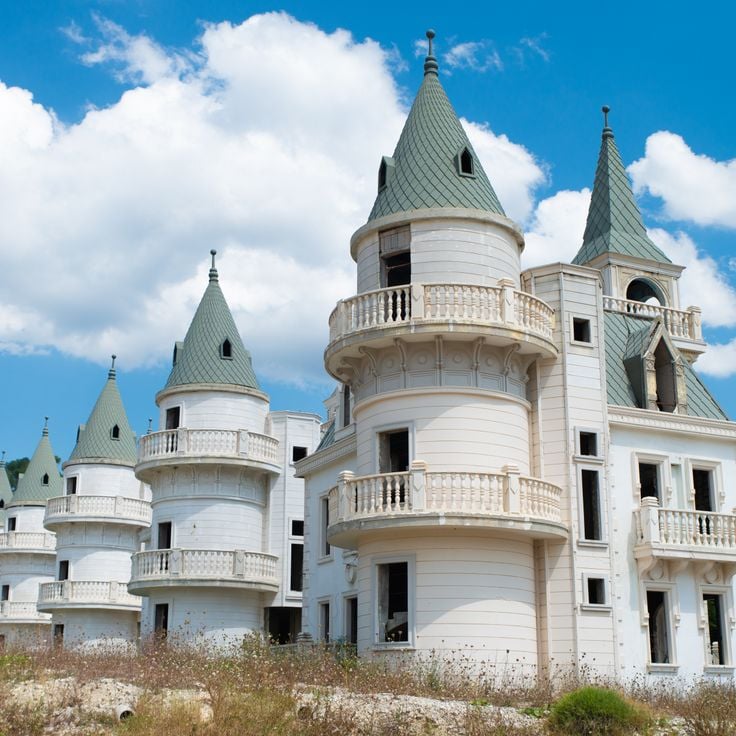
This complex comprises 732 identical French-style houses that remained unfinished after the collapse of the real estate market. The development was initiated in 2013 by the Sarot Group and was intended to become a luxury residential community, inspired by French architecture with its characteristic turrets and gables. The project stalled when the developers encountered financial difficulties, and the structures now stand abandoned in the Turkish countryside. The rows of empty houses stretching across the hills create an unusual scene that illustrates the failure of ambitious construction projects and attracts visitors searching for abandoned places.
This island in the Xochimilco canals displays hundreds of dolls hanging from trees and buildings. The former resident Don Julián Santana began placing dolls on the island in the 1950s after reporting the discovery of a drowned person in the canal. Over five decades, he collected discarded and damaged dolls from the waterways and mounted them across his property. Following his death in 2001, the island became one of the most unusual sites in southern Mexico City, where visitors can walk among the weathered toys suspended in the foliage.
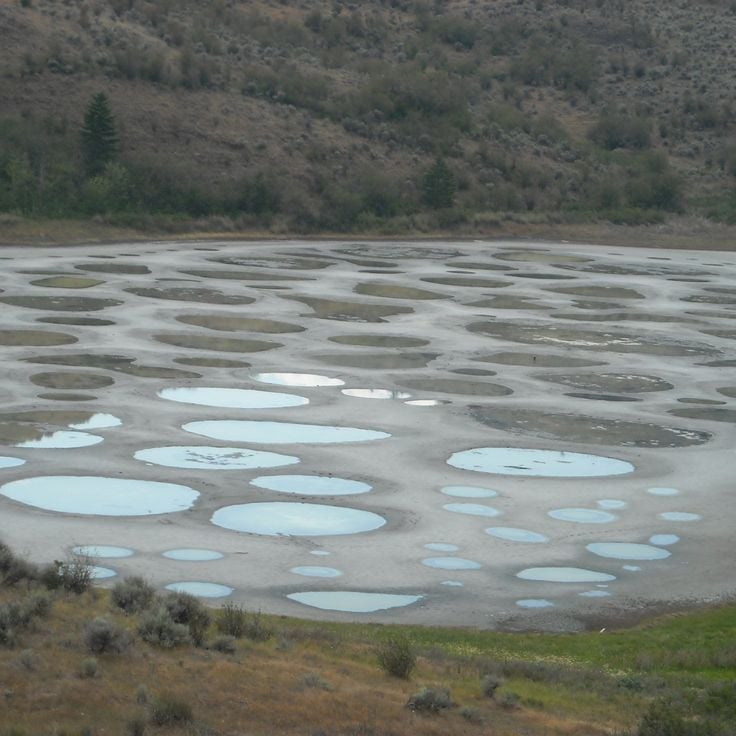
Spotted Lake forms numerous circular salt pools during summer evaporation, appearing yellow, green or blue depending on the minerals present. The water contains high concentrations of magnesium sulfate, calcium sulfate and sodium sulfate, along with trace amounts of silver and titanium. As temperatures rise and water evaporates, these minerals crystallize and leave behind colored pools separated by narrow walkways of hardened mineral deposits. The pattern changes throughout the season as evaporation progresses. The lake sits in the Okanagan Valley and has been a sacred site for the Syilx First Nation for centuries, valued for its medicinal properties. A fence now prevents public access to protect both the site and its cultural significance.
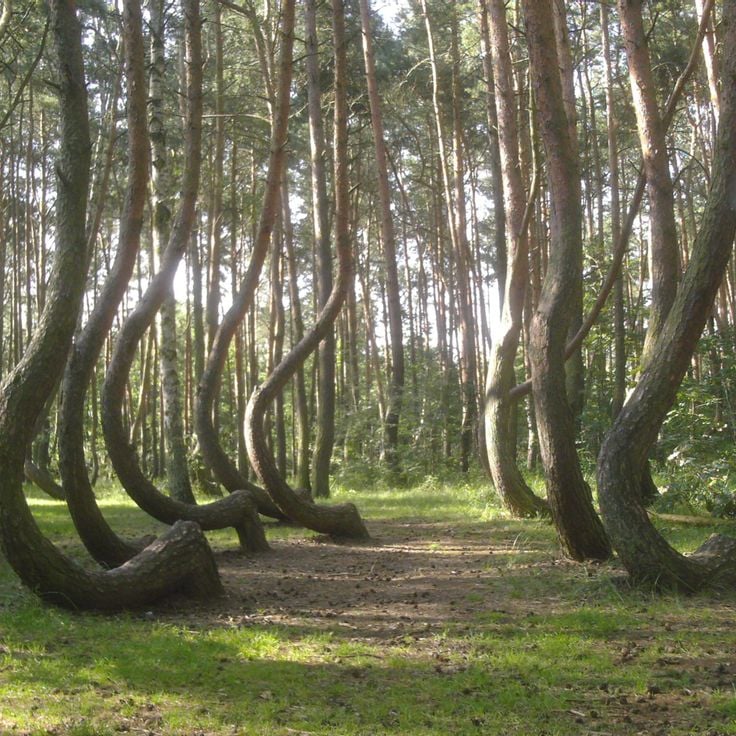
The Bosquet de Pins Courbés consists of 400 pine trees whose trunks curve northward at 3 to 10 feet (1 to 3 m) above ground before growing vertically. The trees were planted in the 1930s, likely using a deliberate technique to shape the trunks, though the exact purpose remains unknown. The uniform curvature across all specimens suggests human intervention, although the method and original intent of the manipulation were never documented. The small forest sits away from main roads and draws visitors looking for natural and manmade anomalies. The trees are now about 80 to 90 years old and the stand is protected by local authorities.
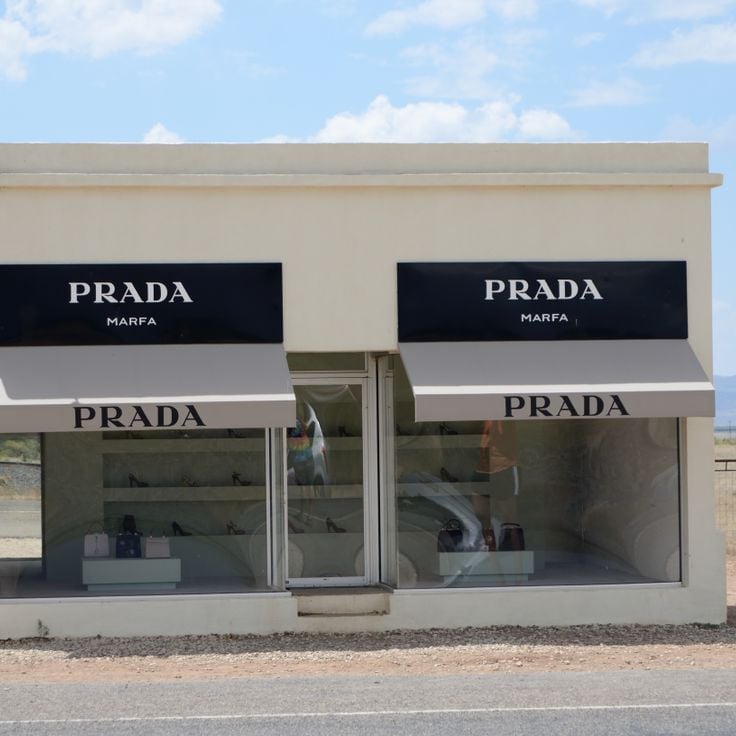
This art installation stands 37 miles (60 km) northwest of Marfa along US Route 90, presenting itself as a permanent sculpture in the form of a Prada boutique. Artists Elmgreen and Dragset erected the 15 by 25 foot (4.6 by 7.6 meter) structure of concrete and glass in 2005. The interior displays six handbags and 14 shoes from the Fall 2005 collection in illuminated vitrines. The installation cannot be entered and remains permanently locked. Following repeated vandalism, the original products were replaced with replicas. The work stands on private land and comments on the relationship between consumer culture, isolation and desert landscape.
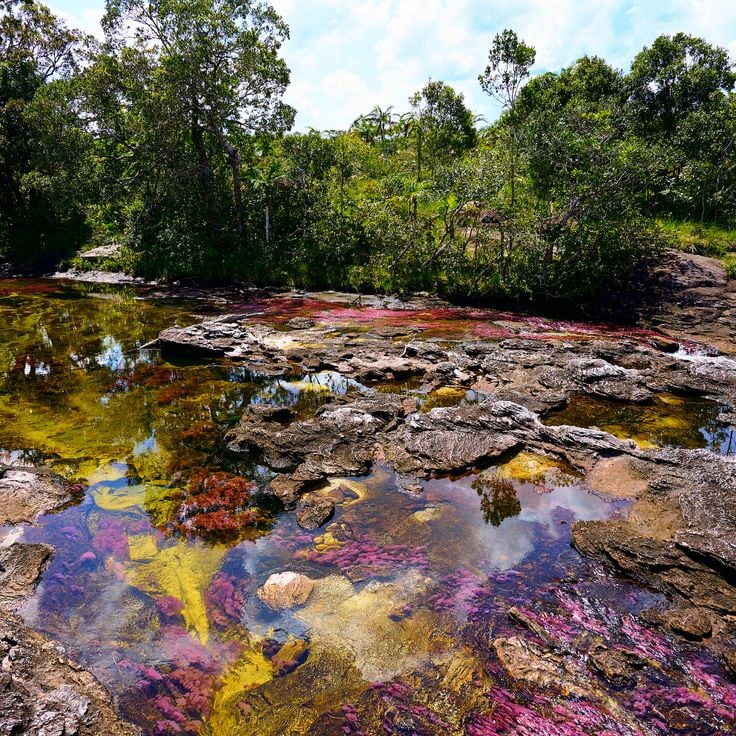
Caño Cristales displays red, yellow, green, blue and black hues between July and November, created by different aquatic plants. The 62-mile (100-kilometer) river originates in the Serranía de la Macarena and flows through isolated mountain terrain. The coloration comes primarily from Macarenia clavigera, an endemic algae species that grows on the riverbed. Color intensity depends on water level, sun exposure and water temperature. Outside the rainy season, parts of the riverbed dry up, while excessive rain obscures the view of the plants. Access is through La Macarena and requires a permit, as the area belongs to Serranía de la Macarena National Park.
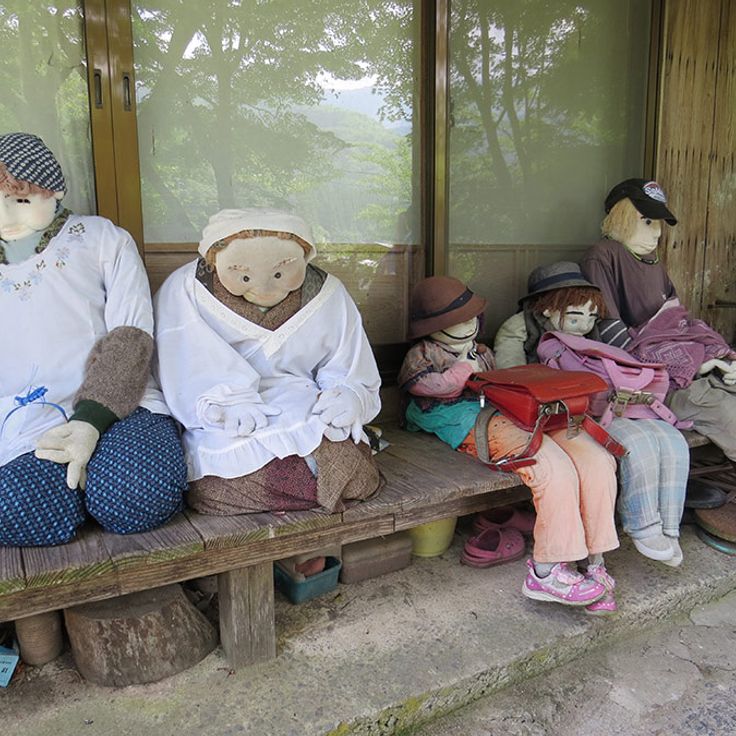
Nagoro sits in a remote mountain valley in Tokushima Prefecture and now counts fewer than two dozen actual residents. Artist Ayano Tsukimi has been creating life-size fabric dolls since the early 2000s, placing more than 350 of them throughout the village at bus stops, inside abandoned schoolrooms, in fields and along roadsides. The dolls wear everyday clothing and depict scenes from former village life, from schoolchildren to farm workers. The installation emerged as a response to the ongoing depopulation of rural Japan. Visitors reach the village via Prefectural Route 32, which winds through forested mountains about 90 minutes from Tokushima city.
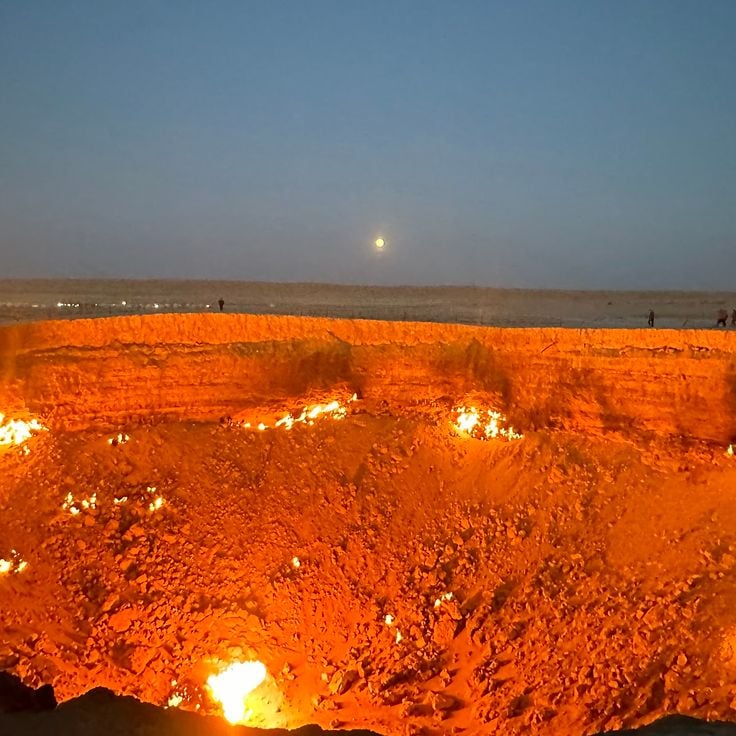
The Darvaza Gas Crater represents one of the most unusual consequences of human intervention in nature. This 230-foot (70-meter) wide crater in the Karakum Desert has been burning continuously since a drilling accident in 1971, when Soviet geologists attempting to tap a natural gas field watched the ground beneath their equipment collapse. To prevent the release of toxic gases, engineers ignited the escaping natural gas, expecting it to burn out within a few weeks. Half a century later, the fire still rages, illuminating the desert in an orange glow visible for several miles at night.
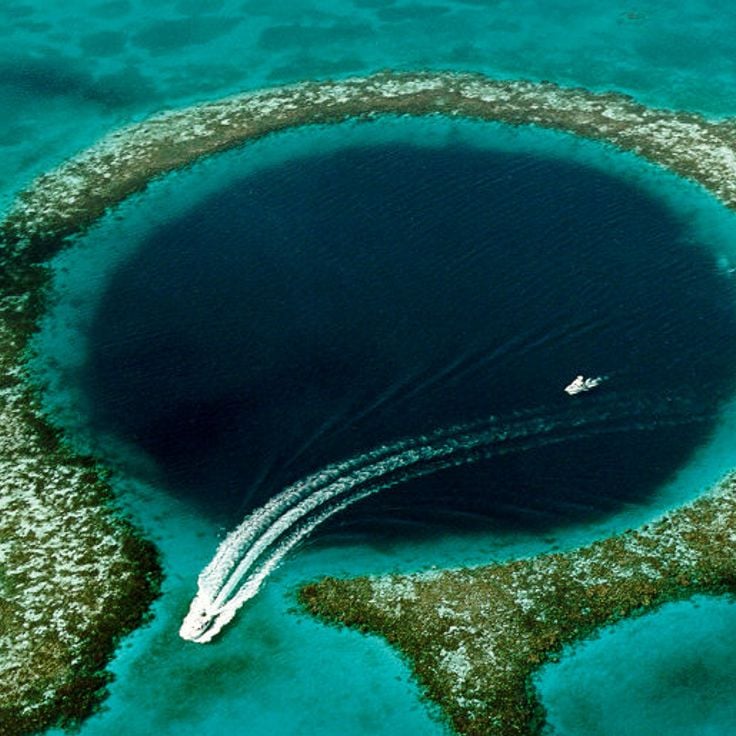
The Grand Trou Bleu is a circular karst sinkhole in the coral reef barrier off the coast of Belize, reaching 407 feet (124 meters) in depth with a diameter of 984 feet (300 meters). This geological phenomenon formed during the Ice Age when sea levels were lower and a limestone cave collapsed, later becoming submerged as the ocean rose. Today this underwater formation creates a distinctive dark blue circle in the turquoise sea and attracts divers from around the world who come to explore its stalactites and geological structures. The site lies within the Lighthouse Reef Atoll, approximately 43 miles (70 kilometers) from the mainland.
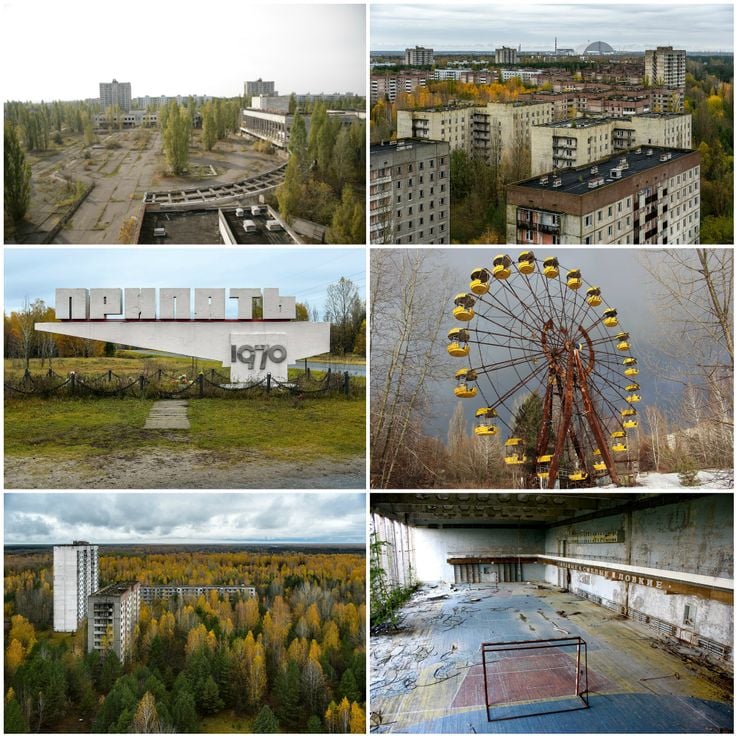
Pripyat was built in 1970 to house workers from the Chernobyl Nuclear Power Plant and was home to approximately 50,000 residents until its complete evacuation on April 27, 1986. The city now stands as a testament to the abrupt interruption of daily life and ranks among the world's most recognized ghost towns. Apartment blocks, schools, an amusement park, and other public facilities have remained largely untouched since the disaster. Access to the exclusion zone requires authorization and takes place through organized tours with designated routes and time restrictions.
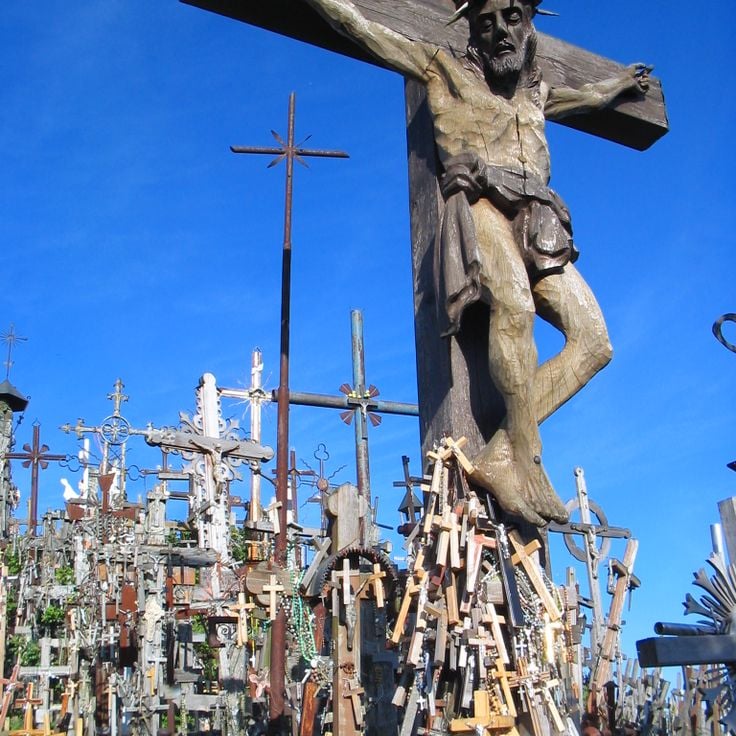
The Hill of Crosses is a pilgrimage site in northern Lithuania covered with more than one hundred thousand crosses, rosaries and religious statues. The tradition began in the nineteenth century as an expression of resistance against Russian rule and evolved into a place of Catholic devotion. During the Soviet era, authorities repeatedly removed the crosses, but believers continued to replace them. Today crosses of all sizes and materials blanket the hill, some made of wood, others of metal or stone. Pope John Paul II visited the site in 1993, further cementing its religious importance. The site fits within this collection of unusual places where human persistence over decades has created an extraordinary landscape.
The Dog Bark Park Inn is a 30-foot (9-meter) tall wooden building shaped like a beagle that serves as a hotel with two guest rooms, operated by an artist couple in Idaho. The property sits along Highway 95 south of Cottonwood and opened in 2003. The structure depicts an oversized dog whose interior has been converted into overnight accommodations. The couple also produces hand-carved wooden dog figures of various breeds that are sold on site. Entry is through an exterior staircase to the side of the building, while inside you'll find sleeping quarters, a bathroom and a small sitting area.
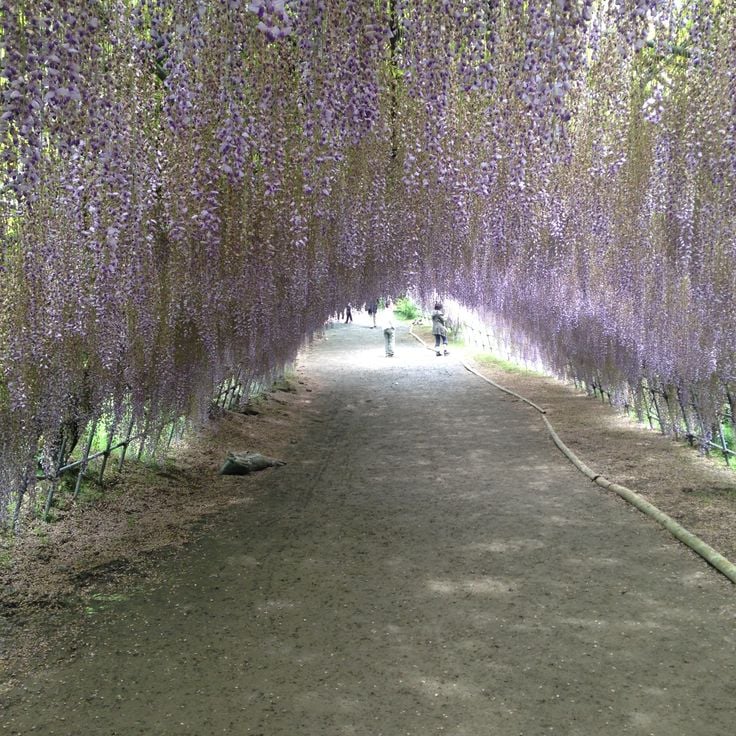
This tunnel at Kawachi Fuji Garden features wisterias growing over metal arches spanning 260 feet (80 meters), creating a covered walkway with hanging flower clusters. The installation began as a private project and opens only during bloom season between April and May, when different wisteria varieties display white, pink, purple and violet colors. The path winds through several sections showcasing distinct flower hues, attracting photographers and visitors from around the world. The design combines horticultural technique with an unconventional spatial arrangement that differs from traditional Japanese gardens.
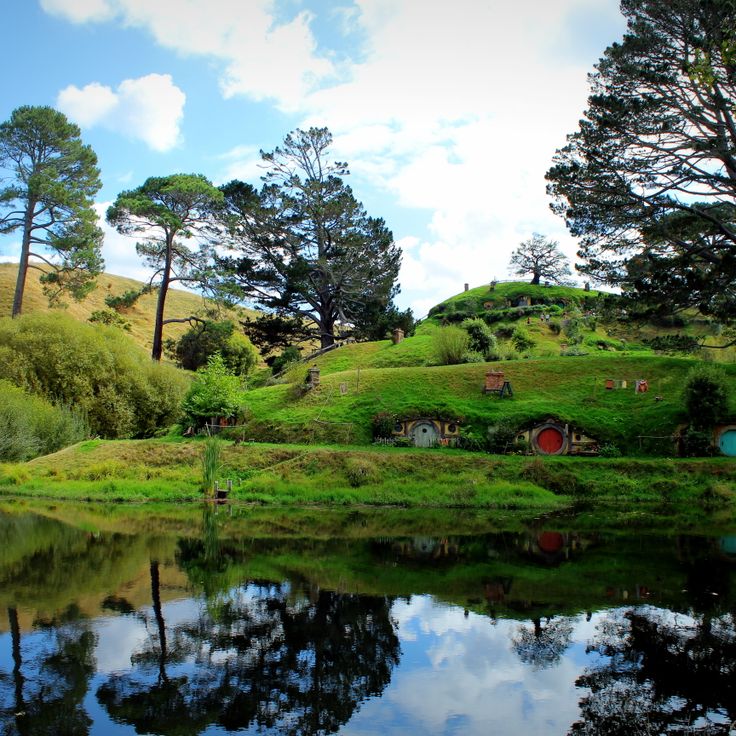
The Hobbiton Movie Set occupies a working sheep farm in Matamata and features 44 hobbit holes built into the rolling hillsides. The film location was created in 1999 for "The Lord of the Rings" trilogy and rebuilt as a permanent attraction in 2012 after filming "The Hobbit." Visitors can walk through the Shire, following paved paths between the round doors and touring The Green Dragon inn. The site includes detailed gardens, the Party Tree, and Bag End, where Bilbo Baggins lived in the films. Guided tours explain the construction techniques and filming process. The set demonstrates how fictional architecture can become a physical destination that attracts travelers interested in film production and fantasy literature.
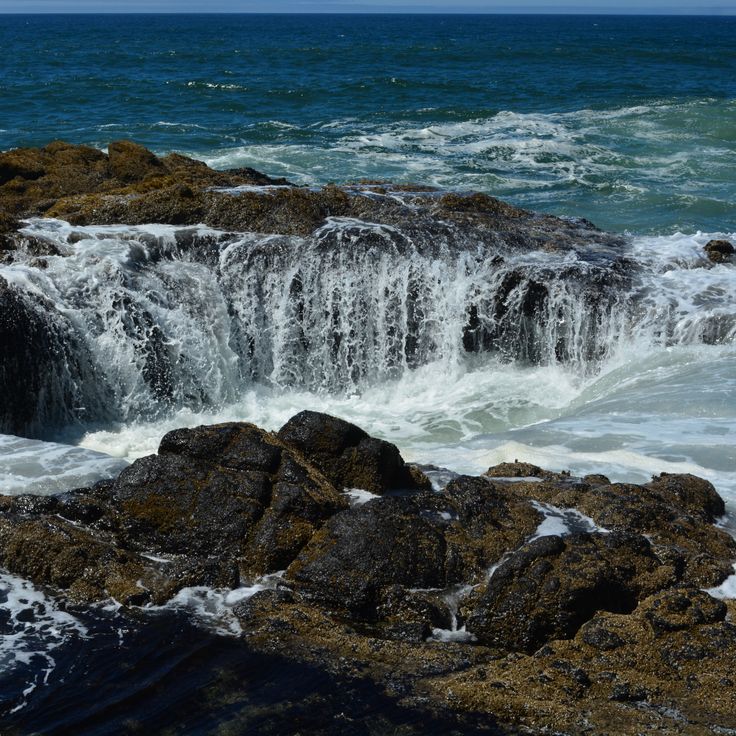
Thor's Well is a crater carved into the basalt rock coastline of Oregon, reaching a depth of 20 feet (6 meters). At high tide, seawater fills the opening, creating dramatic fountains as waves surge through the formation. The geological feature formed through erosion of the volcanic coastal rock and functions as a natural drain that produces particularly striking water movements under certain tidal conditions. Located in the Cape Perpetua Scenic Area, the site offers access to this natural phenomenon, with observation during incoming high tide on calm seas providing the best viewing conditions.
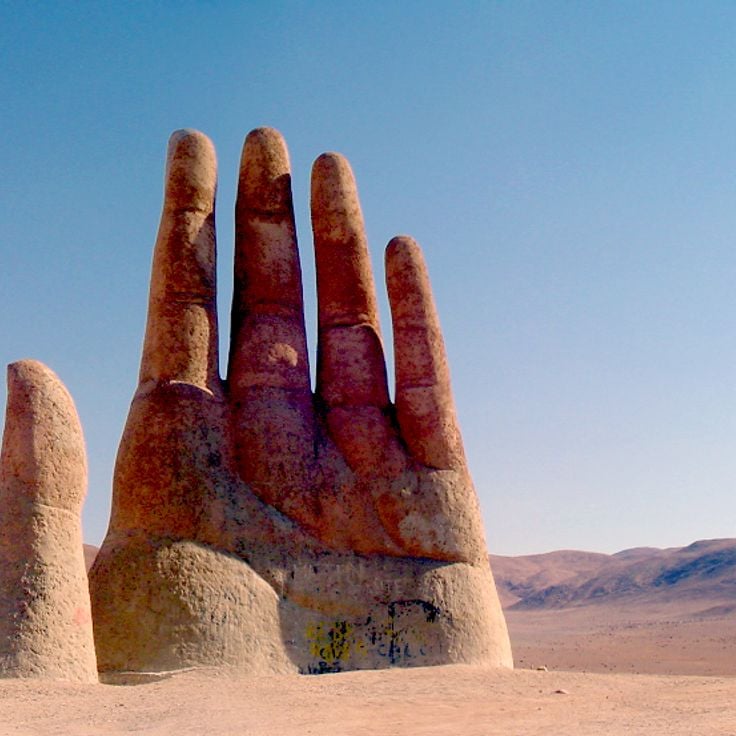
This concrete sculpture rises 11 meters from the sand of the Atacama Desert and represents a human hand. Chilean sculptor Mario Irarrázabal created the work in 1992 as part of an international sculpture competition. The isolated installation stands approximately 47 miles south of Antofagasta along the Panamericana highway and addresses human vulnerability against the harsh desert environment. The hand emerges from a sand dune, with only fingers and palm visible while the rest of the arm remains buried beneath the surface. The monument has become a photographic attraction along the route through one of the driest regions on Earth.
The Huhe Bridge in Huainan features a design modeled after piano keys, with black and white stripes painted across its surface. Completed in 2016, this structure spans approximately 500 feet (150 meters) across a small river in the Huainan urban area. As vehicles cross the bridge, an embedded sound system produces musical notes corresponding to their position and speed. The system detects movement and triggers different tones, creating melodic sequences as cars and motorcycles pass over designated sections. The bridge serves regular traffic while functioning as an attraction for visitors curious about its acoustic concept. Local authorities commissioned the design as part of urban development efforts in this coal mining region of Anhui Province.
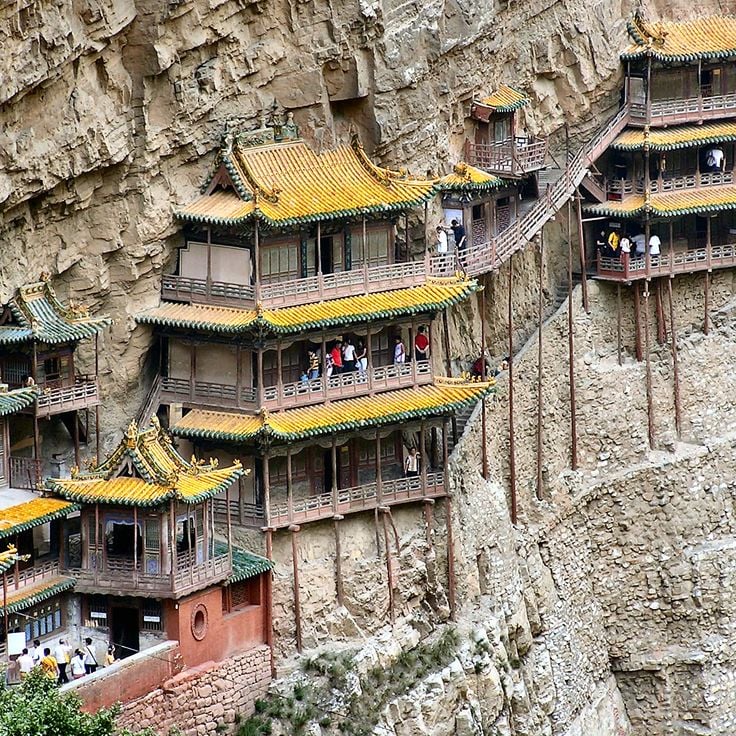
This 12th-century temple complex is attached to a vertical cliff face using wooden beams, about 165 feet (50 meters) above the ground. The construction combines Buddhist, Taoist, and Confucian elements in a series of pavilions and halls that extend along the cliff for more than 500 feet (150 meters). The site demonstrates advanced historical building techniques, with load-bearing beams inserted into small holes carved into the rock. The system uses the rock's natural contours and vertical support posts to distribute weight and stabilize the structure against wind and weather.
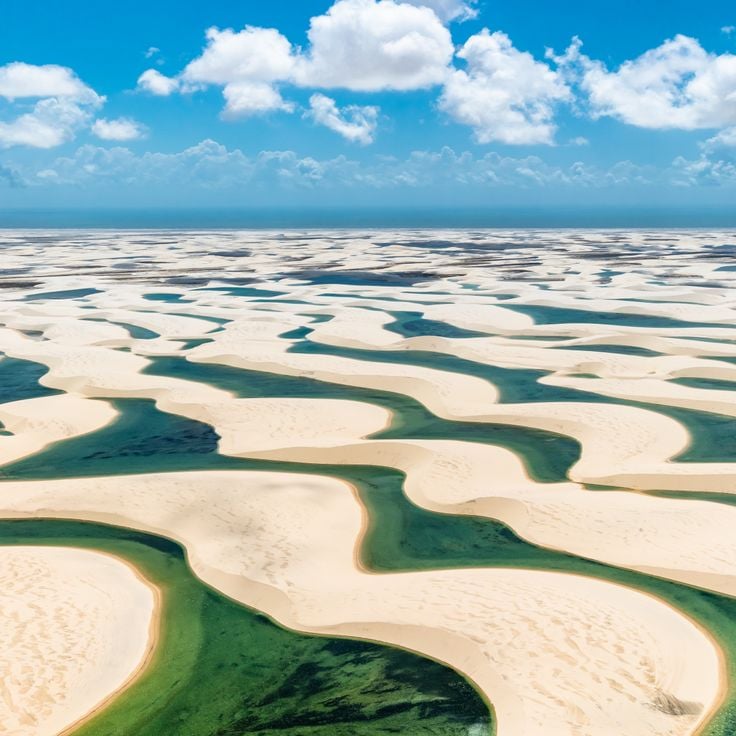
Lençóis Maranhenses National Park covers 155,000 hectares (383,000 acres) of white sand dunes where thousands of turquoise freshwater lagoons form between January and June during the rainy season. These temporary bodies of water result from the combination of rainfall averaging 63 inches (1,600 millimeters) annually and the impermeable bedrock beneath the sand. The dune field sits directly along the Atlantic coast in Maranhão state, creating an ecosystem that exhibits both coastal and desert characteristics. The lagoons reach their maximum extent between May and August and attract fish and turtles before disappearing again toward the end of the dry season.
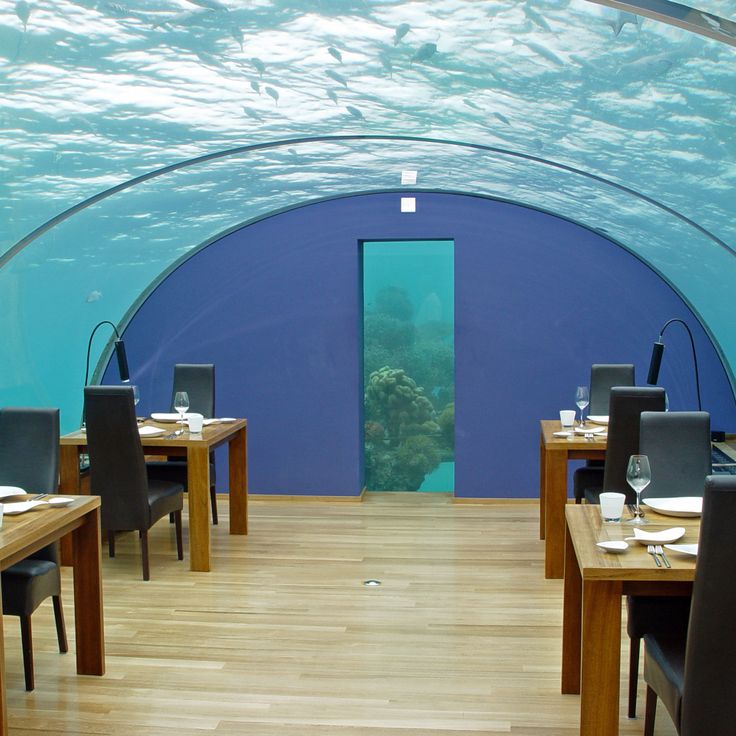
This restaurant sits 16 feet (5 meters) below sea level in a transparent acrylic dome installed on the private island of Rangali at a luxury resort. Opened in 2005, the dining room provides views through its curved walls of coral reefs, tropical fish and occasional passing rays. The structure seats fourteen guests at six tables and serves a multi-course menu. Access is through a staircase leading from the resort's main restaurant to the underwater space. Ithaa demonstrates the technical possibilities of modern restaurant design and combines fine dining with an environment typically accessible only to divers.
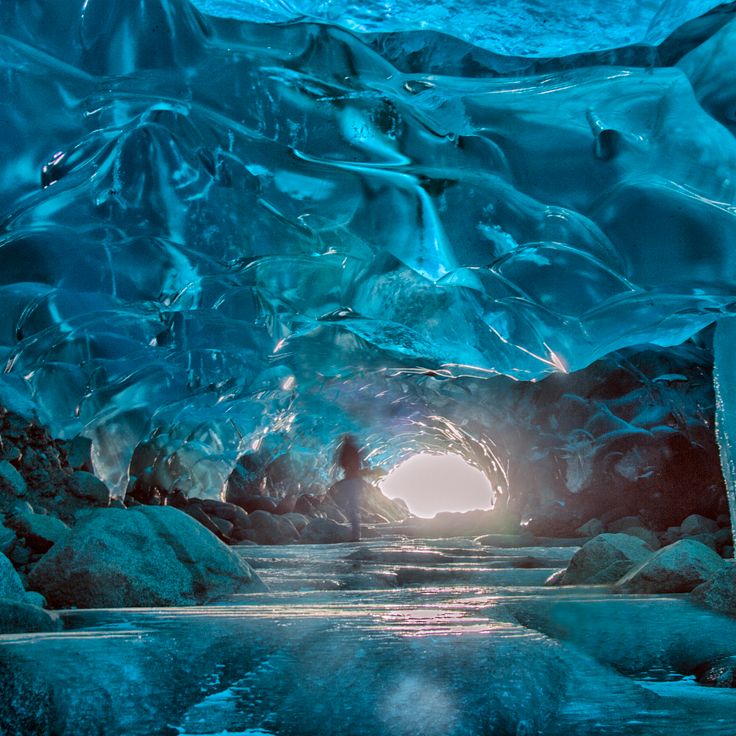
The Mendenhall Ice Caves form from meltwater flowing beneath the Mendenhall Glacier near Juneau. This runoff carves tunnels through the ice mass, creating chambers with blue-tinted walls that shift in color depending on ice density and ambient light. These natural formations are unstable and constantly reshape as the glacier continues to recede. Access requires a kayak crossing of Mendenhall Lake followed by a glacier traverse, a route that demands proper equipment and experience. Conditions inside the caves vary significantly with temperature changes and the glacier's ongoing movement.
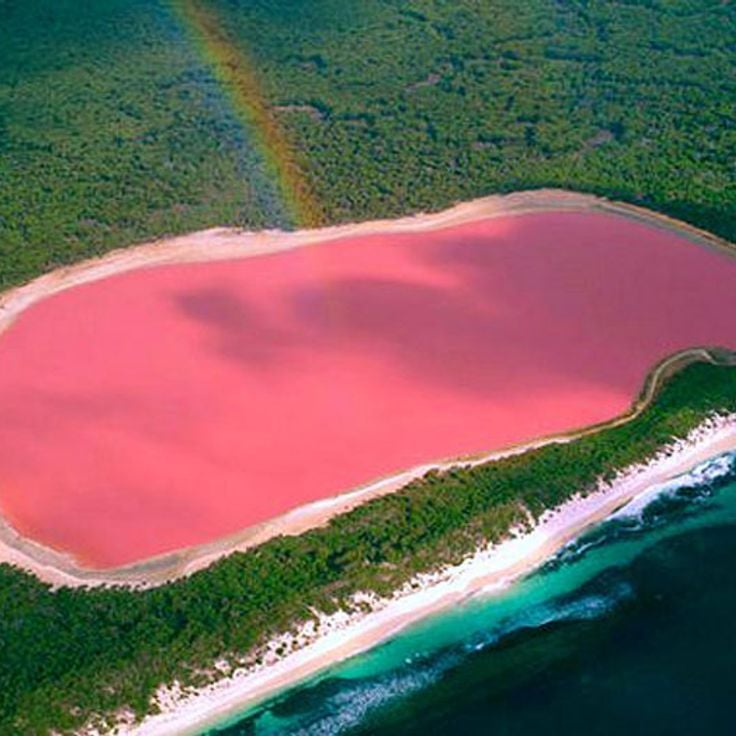
Lake Hillier on Middle Island displays a consistent pink coloring produced by microorganisms living in the salt water. The hue remains stable throughout the year and persists even when water samples are removed. This 2,000-foot (600-meter) lake sits within the Recherche Archipelago off Western Australia's southern coast, surrounded by dense eucalyptus forest and white sand beaches. Access is limited to helicopter or boat, as the island has no permanent inhabitants.
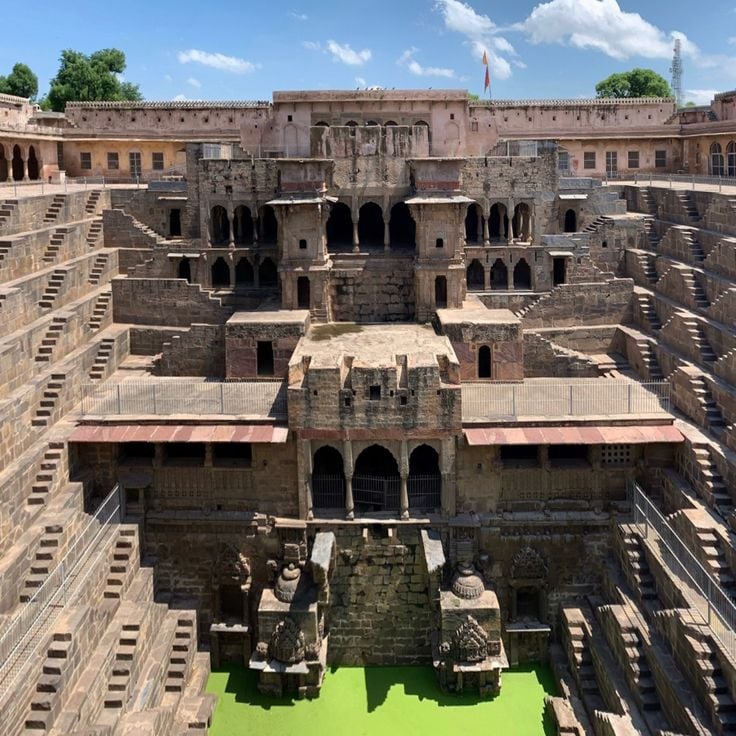
This monumental stepwell from the 9th century was built to collect and preserve water in the arid region of Rajasthan. Chand Baori extends over thirteen levels and reaches a depth of 100 feet (30 meters), with its approximately 3,500 symmetrically arranged steps forming a precise geometric pattern. The structure demonstrates the engineering capabilities of its era and served both as a water source and as a refuge from the heat. Though no longer operational for centuries, this well showcases the architectural skills of a civilization that had to adapt to extreme climatic conditions.
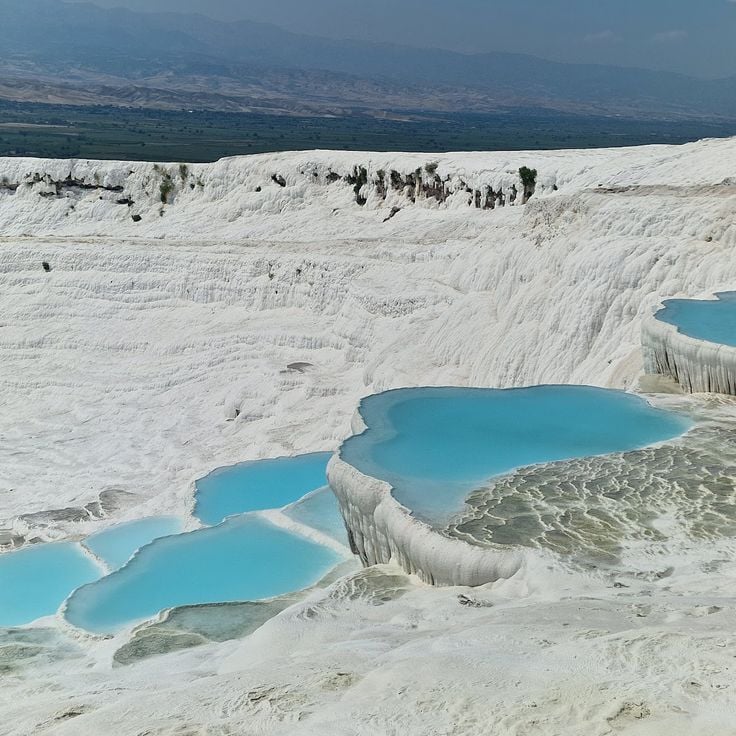
This geological formation, whose name means "cotton castle," results from calcium carbonate rich thermal water that has created white limestone deposits on natural terraces over thousands of years. The thermal springs reach temperatures between 95 and 212 degrees Fahrenheit (35 to 100 degrees Celsius). Like other geological features in this collection, Pamukkale represents a place where natural mineral processes have created an unusual landscape that differs from conventional tourist destinations. The terraces form an extensive system of shallow pools that stretch across the hillside, their appearance changing with water levels and light conditions.
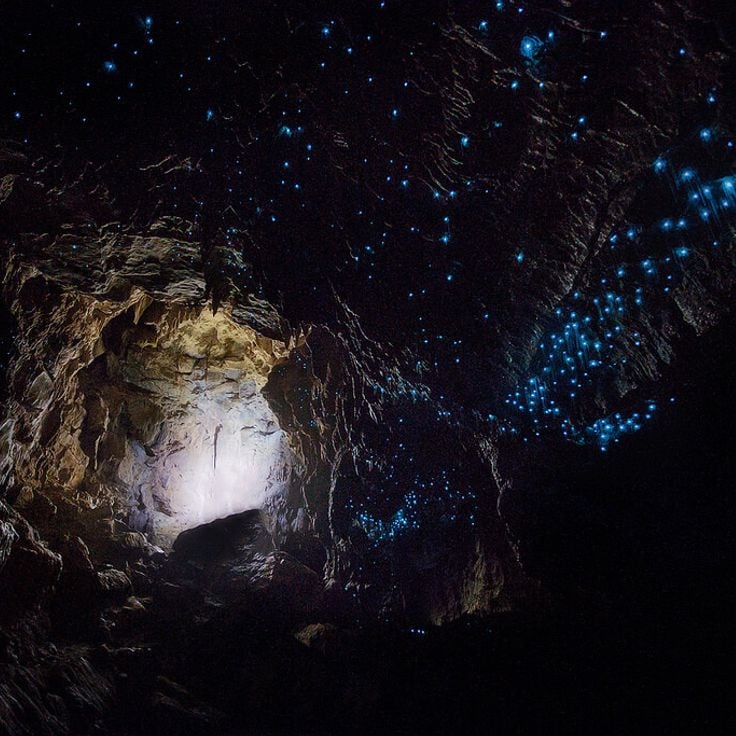
These caves shelter thousands of fungus gnat larvae that produce glowing points on the ceilings and reflect in the underground waterways. The Waitomo Caves represent one of those puzzling natural phenomena created by biological processes: larvae of the species Arachnocampa luminosa generate bioluminescent light to attract insects that become trapped in their sticky threads. Visitors explore the system through guided tours, partly on foot through upper chambers and partly by boat through darker sections where the greenish-blue glow of larvae creates a star map across cave ceilings. The phenomenon appears most clearly in complete silence and darkness, when the light points reach full intensity.
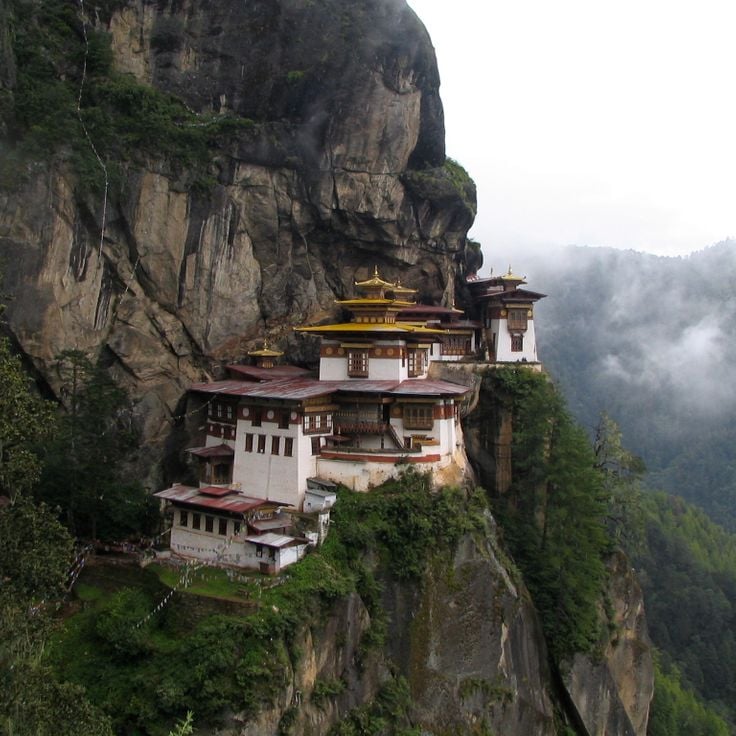
The Taktsang Monastery rises from a sheer rock face 10,240 feet (3,120 m) above the Paro valley floor and ranks among the most important pilgrimage sites in Himalayan Buddhism. The complex dates from 1692 and marks the location where, according to legend, Guru Rinpoche arrived on the back of a tigress in the 8th century and meditated for three months. The site includes four main temples and several residential buildings integrated into the cliff through stairs and galleries. Fire destroyed parts of the monastery in 1998, which were subsequently reconstructed. The three-hour ascent begins at the valley floor and climbs through pine forest to the entrance gate at 10,105 feet (3,080 m).
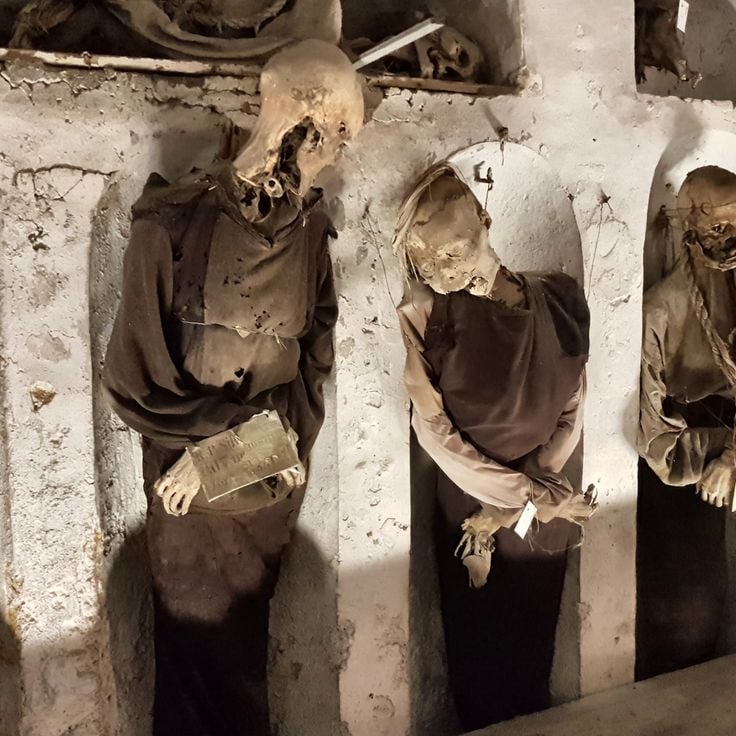
The Capuchin Catacombs beneath the monastery in Palermo preserve around 8,000 mummified bodies interred between 1599 and 1920. The deceased hang from walls or rest in open niches, dressed in the clothes they wore during life. Initially reserved for the monks of the order, this burial site later opened to wealthy citizens and nobles of Palermo. The dry microclimate of the underground corridors facilitated natural mummification of the bodies. The catacombs divide into sections according to gender, social status and profession of the dead. Rosalia Lombardo, a two-year-old girl who died in 1920, stands as one of the best preserved mummies at the site and represents the last body interred here.
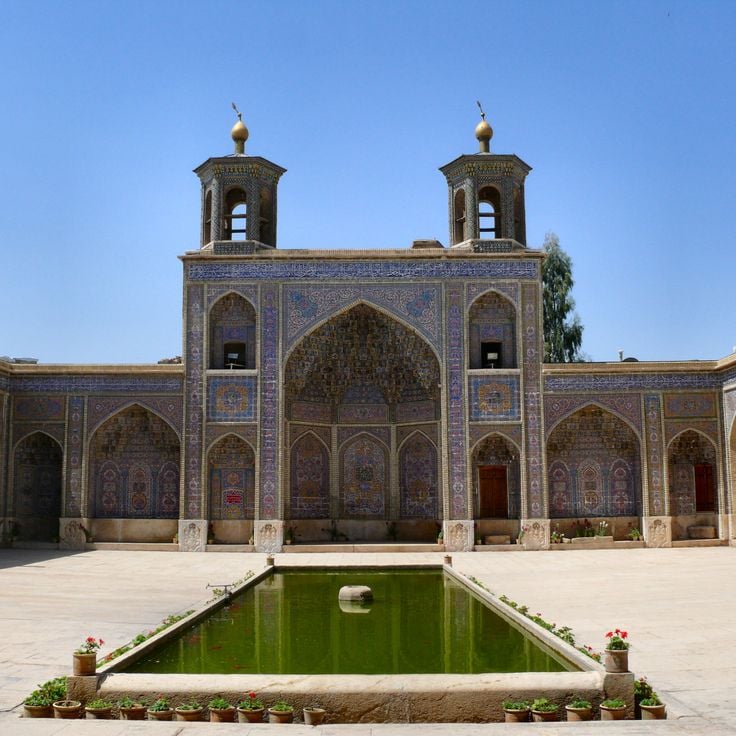
The Nasir al-Mulk Mosque in Shiraz demonstrates how traditional Persian architecture works with natural light. Completed in the 19th century, the building features extensive stained glass windows that cast geometric light patterns across the interior spaces and prayer carpets during morning hours. This optical effect results from the combination of colored glass panes and the low angle of the sun. The mosque sits in the Gowad-e-Araban district and is sometimes called the Pink Mosque due to the rose-colored tiles on its exterior walls. The optimal visiting time falls between 8 and 10 AM when sunlight passes through the windows on the western side.
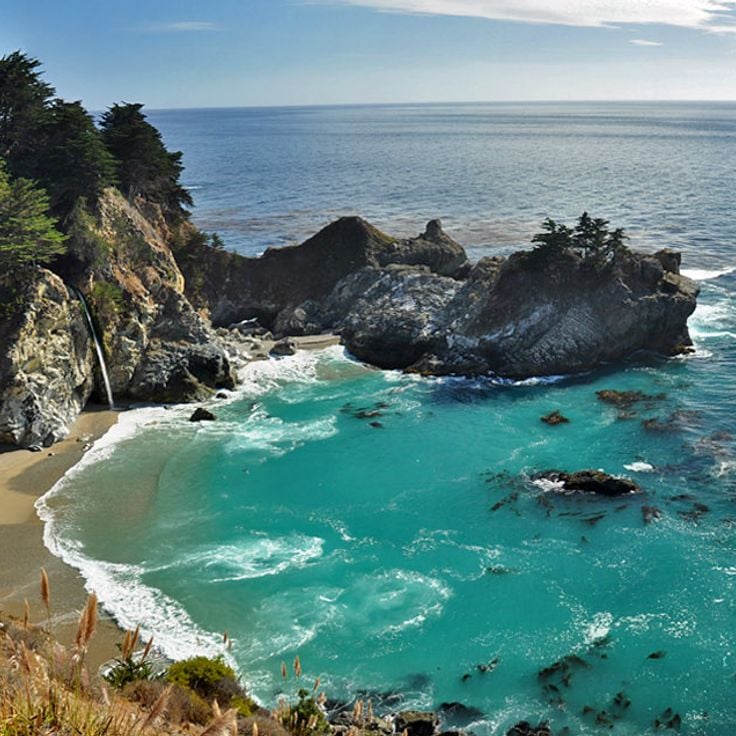
McWay Falls drops 80 feet (24 m) from a granite cliff directly into the Pacific Ocean, forming one of the few tidewaters of its kind along the California coast. The falls land on a narrow sand beach inaccessible to visitors, a restriction in place since the establishment of Julia Pfeiffer Burns State Park in the 1960s. The stream carries water year-round, with flow volume varying according to rainfall. A viewpoint along the 0.7-mile (1.1-km) trail provides views of the falls and surrounding coastal formation, where granite outcrops mix with sedimentary rock.
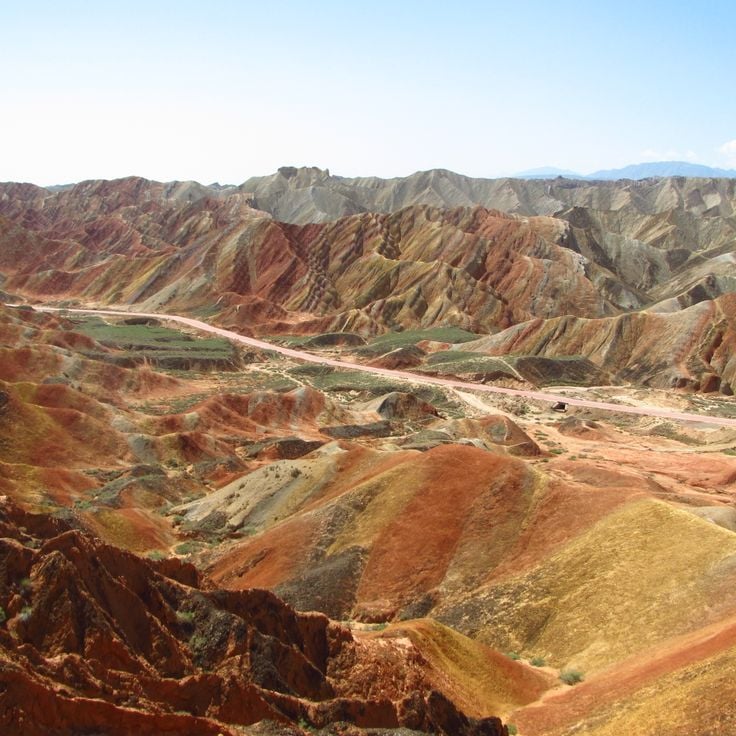
This geopark features sandstone formations with colored mineral layers composed of iron oxide and other elements created through geological processes over millions of years. The rock deposits display horizontal bands in red, orange, yellow and green caused by different oxidation states of the minerals. The approximately 200 square mile (510 square kilometer) area was uplifted by tectonic activity and shaped by wind and rain. The formations reach heights up to 1,640 feet (500 meters) and allow visitors to observe geological strata from different epochs.
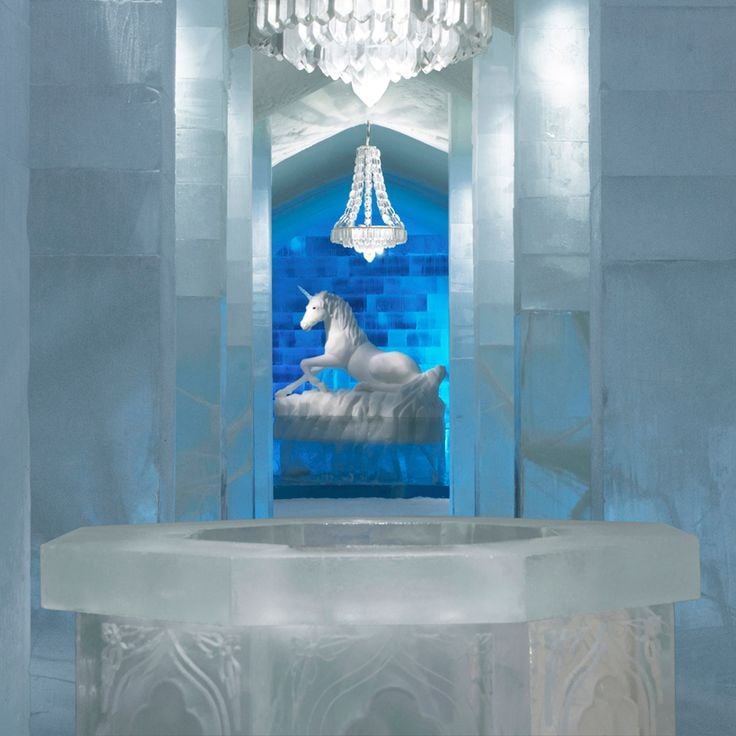
The Hôtel de Glace in Jukkasjärvi is built each winter from ice blocks harvested from the Torne River and offers guests the chance to stay in a structure made entirely from frozen material. The construction includes sleeping quarters, furniture and artistic installations crafted exclusively from ice. After the season ends, the entire building melts and is rebuilt the following year with new designs and configurations.
This complex comprises 732 identical French-style houses that remained unfinished after the collapse of the real estate market. The development was initiated in 2013 by the Sarot Group and was intended to become a luxury residential community, inspired by French architecture with its characteristic turrets and gables. The project stalled when the developers encountered financial difficulties, and the structures now stand abandoned in the Turkish countryside. The rows of empty houses stretching across the hills create an unusual scene that illustrates the failure of ambitious construction projects and attracts visitors searching for abandoned places.
This island in the Xochimilco canals displays hundreds of dolls hanging from trees and buildings. The former resident Don Julián Santana began placing dolls on the island in the 1950s after reporting the discovery of a drowned person in the canal. Over five decades, he collected discarded and damaged dolls from the waterways and mounted them across his property. Following his death in 2001, the island became one of the most unusual sites in southern Mexico City, where visitors can walk among the weathered toys suspended in the foliage.
Spotted Lake forms numerous circular salt pools during summer evaporation, appearing yellow, green or blue depending on the minerals present. The water contains high concentrations of magnesium sulfate, calcium sulfate and sodium sulfate, along with trace amounts of silver and titanium. As temperatures rise and water evaporates, these minerals crystallize and leave behind colored pools separated by narrow walkways of hardened mineral deposits. The pattern changes throughout the season as evaporation progresses. The lake sits in the Okanagan Valley and has been a sacred site for the Syilx First Nation for centuries, valued for its medicinal properties. A fence now prevents public access to protect both the site and its cultural significance.
The Bosquet de Pins Courbés consists of 400 pine trees whose trunks curve northward at 3 to 10 feet (1 to 3 m) above ground before growing vertically. The trees were planted in the 1930s, likely using a deliberate technique to shape the trunks, though the exact purpose remains unknown. The uniform curvature across all specimens suggests human intervention, although the method and original intent of the manipulation were never documented. The small forest sits away from main roads and draws visitors looking for natural and manmade anomalies. The trees are now about 80 to 90 years old and the stand is protected by local authorities.
This art installation stands 37 miles (60 km) northwest of Marfa along US Route 90, presenting itself as a permanent sculpture in the form of a Prada boutique. Artists Elmgreen and Dragset erected the 15 by 25 foot (4.6 by 7.6 meter) structure of concrete and glass in 2005. The interior displays six handbags and 14 shoes from the Fall 2005 collection in illuminated vitrines. The installation cannot be entered and remains permanently locked. Following repeated vandalism, the original products were replaced with replicas. The work stands on private land and comments on the relationship between consumer culture, isolation and desert landscape.
Caño Cristales displays red, yellow, green, blue and black hues between July and November, created by different aquatic plants. The 62-mile (100-kilometer) river originates in the Serranía de la Macarena and flows through isolated mountain terrain. The coloration comes primarily from Macarenia clavigera, an endemic algae species that grows on the riverbed. Color intensity depends on water level, sun exposure and water temperature. Outside the rainy season, parts of the riverbed dry up, while excessive rain obscures the view of the plants. Access is through La Macarena and requires a permit, as the area belongs to Serranía de la Macarena National Park.
Nagoro sits in a remote mountain valley in Tokushima Prefecture and now counts fewer than two dozen actual residents. Artist Ayano Tsukimi has been creating life-size fabric dolls since the early 2000s, placing more than 350 of them throughout the village at bus stops, inside abandoned schoolrooms, in fields and along roadsides. The dolls wear everyday clothing and depict scenes from former village life, from schoolchildren to farm workers. The installation emerged as a response to the ongoing depopulation of rural Japan. Visitors reach the village via Prefectural Route 32, which winds through forested mountains about 90 minutes from Tokushima city.
The Darvaza Gas Crater represents one of the most unusual consequences of human intervention in nature. This 230-foot (70-meter) wide crater in the Karakum Desert has been burning continuously since a drilling accident in 1971, when Soviet geologists attempting to tap a natural gas field watched the ground beneath their equipment collapse. To prevent the release of toxic gases, engineers ignited the escaping natural gas, expecting it to burn out within a few weeks. Half a century later, the fire still rages, illuminating the desert in an orange glow visible for several miles at night.
The Grand Trou Bleu is a circular karst sinkhole in the coral reef barrier off the coast of Belize, reaching 407 feet (124 meters) in depth with a diameter of 984 feet (300 meters). This geological phenomenon formed during the Ice Age when sea levels were lower and a limestone cave collapsed, later becoming submerged as the ocean rose. Today this underwater formation creates a distinctive dark blue circle in the turquoise sea and attracts divers from around the world who come to explore its stalactites and geological structures. The site lies within the Lighthouse Reef Atoll, approximately 43 miles (70 kilometers) from the mainland.
Pripyat was built in 1970 to house workers from the Chernobyl Nuclear Power Plant and was home to approximately 50,000 residents until its complete evacuation on April 27, 1986. The city now stands as a testament to the abrupt interruption of daily life and ranks among the world's most recognized ghost towns. Apartment blocks, schools, an amusement park, and other public facilities have remained largely untouched since the disaster. Access to the exclusion zone requires authorization and takes place through organized tours with designated routes and time restrictions.
The Hill of Crosses is a pilgrimage site in northern Lithuania covered with more than one hundred thousand crosses, rosaries and religious statues. The tradition began in the nineteenth century as an expression of resistance against Russian rule and evolved into a place of Catholic devotion. During the Soviet era, authorities repeatedly removed the crosses, but believers continued to replace them. Today crosses of all sizes and materials blanket the hill, some made of wood, others of metal or stone. Pope John Paul II visited the site in 1993, further cementing its religious importance. The site fits within this collection of unusual places where human persistence over decades has created an extraordinary landscape.
The Dog Bark Park Inn is a 30-foot (9-meter) tall wooden building shaped like a beagle that serves as a hotel with two guest rooms, operated by an artist couple in Idaho. The property sits along Highway 95 south of Cottonwood and opened in 2003. The structure depicts an oversized dog whose interior has been converted into overnight accommodations. The couple also produces hand-carved wooden dog figures of various breeds that are sold on site. Entry is through an exterior staircase to the side of the building, while inside you'll find sleeping quarters, a bathroom and a small sitting area.
This tunnel at Kawachi Fuji Garden features wisterias growing over metal arches spanning 260 feet (80 meters), creating a covered walkway with hanging flower clusters. The installation began as a private project and opens only during bloom season between April and May, when different wisteria varieties display white, pink, purple and violet colors. The path winds through several sections showcasing distinct flower hues, attracting photographers and visitors from around the world. The design combines horticultural technique with an unconventional spatial arrangement that differs from traditional Japanese gardens.
The Hobbiton Movie Set occupies a working sheep farm in Matamata and features 44 hobbit holes built into the rolling hillsides. The film location was created in 1999 for "The Lord of the Rings" trilogy and rebuilt as a permanent attraction in 2012 after filming "The Hobbit." Visitors can walk through the Shire, following paved paths between the round doors and touring The Green Dragon inn. The site includes detailed gardens, the Party Tree, and Bag End, where Bilbo Baggins lived in the films. Guided tours explain the construction techniques and filming process. The set demonstrates how fictional architecture can become a physical destination that attracts travelers interested in film production and fantasy literature.
Thor's Well is a crater carved into the basalt rock coastline of Oregon, reaching a depth of 20 feet (6 meters). At high tide, seawater fills the opening, creating dramatic fountains as waves surge through the formation. The geological feature formed through erosion of the volcanic coastal rock and functions as a natural drain that produces particularly striking water movements under certain tidal conditions. Located in the Cape Perpetua Scenic Area, the site offers access to this natural phenomenon, with observation during incoming high tide on calm seas providing the best viewing conditions.
This concrete sculpture rises 11 meters from the sand of the Atacama Desert and represents a human hand. Chilean sculptor Mario Irarrázabal created the work in 1992 as part of an international sculpture competition. The isolated installation stands approximately 47 miles south of Antofagasta along the Panamericana highway and addresses human vulnerability against the harsh desert environment. The hand emerges from a sand dune, with only fingers and palm visible while the rest of the arm remains buried beneath the surface. The monument has become a photographic attraction along the route through one of the driest regions on Earth.
The Huhe Bridge in Huainan features a design modeled after piano keys, with black and white stripes painted across its surface. Completed in 2016, this structure spans approximately 500 feet (150 meters) across a small river in the Huainan urban area. As vehicles cross the bridge, an embedded sound system produces musical notes corresponding to their position and speed. The system detects movement and triggers different tones, creating melodic sequences as cars and motorcycles pass over designated sections. The bridge serves regular traffic while functioning as an attraction for visitors curious about its acoustic concept. Local authorities commissioned the design as part of urban development efforts in this coal mining region of Anhui Province.
This 12th-century temple complex is attached to a vertical cliff face using wooden beams, about 165 feet (50 meters) above the ground. The construction combines Buddhist, Taoist, and Confucian elements in a series of pavilions and halls that extend along the cliff for more than 500 feet (150 meters). The site demonstrates advanced historical building techniques, with load-bearing beams inserted into small holes carved into the rock. The system uses the rock's natural contours and vertical support posts to distribute weight and stabilize the structure against wind and weather.
Lençóis Maranhenses National Park covers 155,000 hectares (383,000 acres) of white sand dunes where thousands of turquoise freshwater lagoons form between January and June during the rainy season. These temporary bodies of water result from the combination of rainfall averaging 63 inches (1,600 millimeters) annually and the impermeable bedrock beneath the sand. The dune field sits directly along the Atlantic coast in Maranhão state, creating an ecosystem that exhibits both coastal and desert characteristics. The lagoons reach their maximum extent between May and August and attract fish and turtles before disappearing again toward the end of the dry season.
This restaurant sits 16 feet (5 meters) below sea level in a transparent acrylic dome installed on the private island of Rangali at a luxury resort. Opened in 2005, the dining room provides views through its curved walls of coral reefs, tropical fish and occasional passing rays. The structure seats fourteen guests at six tables and serves a multi-course menu. Access is through a staircase leading from the resort's main restaurant to the underwater space. Ithaa demonstrates the technical possibilities of modern restaurant design and combines fine dining with an environment typically accessible only to divers.
The Mendenhall Ice Caves form from meltwater flowing beneath the Mendenhall Glacier near Juneau. This runoff carves tunnels through the ice mass, creating chambers with blue-tinted walls that shift in color depending on ice density and ambient light. These natural formations are unstable and constantly reshape as the glacier continues to recede. Access requires a kayak crossing of Mendenhall Lake followed by a glacier traverse, a route that demands proper equipment and experience. Conditions inside the caves vary significantly with temperature changes and the glacier's ongoing movement.
Lake Hillier on Middle Island displays a consistent pink coloring produced by microorganisms living in the salt water. The hue remains stable throughout the year and persists even when water samples are removed. This 2,000-foot (600-meter) lake sits within the Recherche Archipelago off Western Australia's southern coast, surrounded by dense eucalyptus forest and white sand beaches. Access is limited to helicopter or boat, as the island has no permanent inhabitants.
This monumental stepwell from the 9th century was built to collect and preserve water in the arid region of Rajasthan. Chand Baori extends over thirteen levels and reaches a depth of 100 feet (30 meters), with its approximately 3,500 symmetrically arranged steps forming a precise geometric pattern. The structure demonstrates the engineering capabilities of its era and served both as a water source and as a refuge from the heat. Though no longer operational for centuries, this well showcases the architectural skills of a civilization that had to adapt to extreme climatic conditions.
This geological formation, whose name means "cotton castle," results from calcium carbonate rich thermal water that has created white limestone deposits on natural terraces over thousands of years. The thermal springs reach temperatures between 95 and 212 degrees Fahrenheit (35 to 100 degrees Celsius). Like other geological features in this collection, Pamukkale represents a place where natural mineral processes have created an unusual landscape that differs from conventional tourist destinations. The terraces form an extensive system of shallow pools that stretch across the hillside, their appearance changing with water levels and light conditions.
These caves shelter thousands of fungus gnat larvae that produce glowing points on the ceilings and reflect in the underground waterways. The Waitomo Caves represent one of those puzzling natural phenomena created by biological processes: larvae of the species Arachnocampa luminosa generate bioluminescent light to attract insects that become trapped in their sticky threads. Visitors explore the system through guided tours, partly on foot through upper chambers and partly by boat through darker sections where the greenish-blue glow of larvae creates a star map across cave ceilings. The phenomenon appears most clearly in complete silence and darkness, when the light points reach full intensity.
The Taktsang Monastery rises from a sheer rock face 10,240 feet (3,120 m) above the Paro valley floor and ranks among the most important pilgrimage sites in Himalayan Buddhism. The complex dates from 1692 and marks the location where, according to legend, Guru Rinpoche arrived on the back of a tigress in the 8th century and meditated for three months. The site includes four main temples and several residential buildings integrated into the cliff through stairs and galleries. Fire destroyed parts of the monastery in 1998, which were subsequently reconstructed. The three-hour ascent begins at the valley floor and climbs through pine forest to the entrance gate at 10,105 feet (3,080 m).
The Capuchin Catacombs beneath the monastery in Palermo preserve around 8,000 mummified bodies interred between 1599 and 1920. The deceased hang from walls or rest in open niches, dressed in the clothes they wore during life. Initially reserved for the monks of the order, this burial site later opened to wealthy citizens and nobles of Palermo. The dry microclimate of the underground corridors facilitated natural mummification of the bodies. The catacombs divide into sections according to gender, social status and profession of the dead. Rosalia Lombardo, a two-year-old girl who died in 1920, stands as one of the best preserved mummies at the site and represents the last body interred here.
The Nasir al-Mulk Mosque in Shiraz demonstrates how traditional Persian architecture works with natural light. Completed in the 19th century, the building features extensive stained glass windows that cast geometric light patterns across the interior spaces and prayer carpets during morning hours. This optical effect results from the combination of colored glass panes and the low angle of the sun. The mosque sits in the Gowad-e-Araban district and is sometimes called the Pink Mosque due to the rose-colored tiles on its exterior walls. The optimal visiting time falls between 8 and 10 AM when sunlight passes through the windows on the western side.
McWay Falls drops 80 feet (24 m) from a granite cliff directly into the Pacific Ocean, forming one of the few tidewaters of its kind along the California coast. The falls land on a narrow sand beach inaccessible to visitors, a restriction in place since the establishment of Julia Pfeiffer Burns State Park in the 1960s. The stream carries water year-round, with flow volume varying according to rainfall. A viewpoint along the 0.7-mile (1.1-km) trail provides views of the falls and surrounding coastal formation, where granite outcrops mix with sedimentary rock.
This geopark features sandstone formations with colored mineral layers composed of iron oxide and other elements created through geological processes over millions of years. The rock deposits display horizontal bands in red, orange, yellow and green caused by different oxidation states of the minerals. The approximately 200 square mile (510 square kilometer) area was uplifted by tectonic activity and shaped by wind and rain. The formations reach heights up to 1,640 feet (500 meters) and allow visitors to observe geological strata from different epochs.
The Hôtel de Glace in Jukkasjärvi is built each winter from ice blocks harvested from the Torne River and offers guests the chance to stay in a structure made entirely from frozen material. The construction includes sleeping quarters, furniture and artistic installations crafted exclusively from ice. After the season ends, the entire building melts and is rebuilt the following year with new designs and configurations.
This complex comprises 732 identical French-style houses that remained unfinished after the collapse of the real estate market. The development was initiated in 2013 by the Sarot Group and was intended to become a luxury residential community, inspired by French architecture with its characteristic turrets and gables. The project stalled when the developers encountered financial difficulties, and the structures now stand abandoned in the Turkish countryside. The rows of empty houses stretching across the hills create an unusual scene that illustrates the failure of ambitious construction projects and attracts visitors searching for abandoned places.
This island in the Xochimilco canals displays hundreds of dolls hanging from trees and buildings. The former resident Don Julián Santana began placing dolls on the island in the 1950s after reporting the discovery of a drowned person in the canal. Over five decades, he collected discarded and damaged dolls from the waterways and mounted them across his property. Following his death in 2001, the island became one of the most unusual sites in southern Mexico City, where visitors can walk among the weathered toys suspended in the foliage.
Spotted Lake forms numerous circular salt pools during summer evaporation, appearing yellow, green or blue depending on the minerals present. The water contains high concentrations of magnesium sulfate, calcium sulfate and sodium sulfate, along with trace amounts of silver and titanium. As temperatures rise and water evaporates, these minerals crystallize and leave behind colored pools separated by narrow walkways of hardened mineral deposits. The pattern changes throughout the season as evaporation progresses. The lake sits in the Okanagan Valley and has been a sacred site for the Syilx First Nation for centuries, valued for its medicinal properties. A fence now prevents public access to protect both the site and its cultural significance.
The Bosquet de Pins Courbés consists of 400 pine trees whose trunks curve northward at 3 to 10 feet (1 to 3 m) above ground before growing vertically. The trees were planted in the 1930s, likely using a deliberate technique to shape the trunks, though the exact purpose remains unknown. The uniform curvature across all specimens suggests human intervention, although the method and original intent of the manipulation were never documented. The small forest sits away from main roads and draws visitors looking for natural and manmade anomalies. The trees are now about 80 to 90 years old and the stand is protected by local authorities.
This art installation stands 37 miles (60 km) northwest of Marfa along US Route 90, presenting itself as a permanent sculpture in the form of a Prada boutique. Artists Elmgreen and Dragset erected the 15 by 25 foot (4.6 by 7.6 meter) structure of concrete and glass in 2005. The interior displays six handbags and 14 shoes from the Fall 2005 collection in illuminated vitrines. The installation cannot be entered and remains permanently locked. Following repeated vandalism, the original products were replaced with replicas. The work stands on private land and comments on the relationship between consumer culture, isolation and desert landscape.
Caño Cristales displays red, yellow, green, blue and black hues between July and November, created by different aquatic plants. The 62-mile (100-kilometer) river originates in the Serranía de la Macarena and flows through isolated mountain terrain. The coloration comes primarily from Macarenia clavigera, an endemic algae species that grows on the riverbed. Color intensity depends on water level, sun exposure and water temperature. Outside the rainy season, parts of the riverbed dry up, while excessive rain obscures the view of the plants. Access is through La Macarena and requires a permit, as the area belongs to Serranía de la Macarena National Park.
Nagoro sits in a remote mountain valley in Tokushima Prefecture and now counts fewer than two dozen actual residents. Artist Ayano Tsukimi has been creating life-size fabric dolls since the early 2000s, placing more than 350 of them throughout the village at bus stops, inside abandoned schoolrooms, in fields and along roadsides. The dolls wear everyday clothing and depict scenes from former village life, from schoolchildren to farm workers. The installation emerged as a response to the ongoing depopulation of rural Japan. Visitors reach the village via Prefectural Route 32, which winds through forested mountains about 90 minutes from Tokushima city.
The Darvaza Gas Crater represents one of the most unusual consequences of human intervention in nature. This 230-foot (70-meter) wide crater in the Karakum Desert has been burning continuously since a drilling accident in 1971, when Soviet geologists attempting to tap a natural gas field watched the ground beneath their equipment collapse. To prevent the release of toxic gases, engineers ignited the escaping natural gas, expecting it to burn out within a few weeks. Half a century later, the fire still rages, illuminating the desert in an orange glow visible for several miles at night.
The Grand Trou Bleu is a circular karst sinkhole in the coral reef barrier off the coast of Belize, reaching 407 feet (124 meters) in depth with a diameter of 984 feet (300 meters). This geological phenomenon formed during the Ice Age when sea levels were lower and a limestone cave collapsed, later becoming submerged as the ocean rose. Today this underwater formation creates a distinctive dark blue circle in the turquoise sea and attracts divers from around the world who come to explore its stalactites and geological structures. The site lies within the Lighthouse Reef Atoll, approximately 43 miles (70 kilometers) from the mainland.
Pripyat was built in 1970 to house workers from the Chernobyl Nuclear Power Plant and was home to approximately 50,000 residents until its complete evacuation on April 27, 1986. The city now stands as a testament to the abrupt interruption of daily life and ranks among the world's most recognized ghost towns. Apartment blocks, schools, an amusement park, and other public facilities have remained largely untouched since the disaster. Access to the exclusion zone requires authorization and takes place through organized tours with designated routes and time restrictions.
The Hill of Crosses is a pilgrimage site in northern Lithuania covered with more than one hundred thousand crosses, rosaries and religious statues. The tradition began in the nineteenth century as an expression of resistance against Russian rule and evolved into a place of Catholic devotion. During the Soviet era, authorities repeatedly removed the crosses, but believers continued to replace them. Today crosses of all sizes and materials blanket the hill, some made of wood, others of metal or stone. Pope John Paul II visited the site in 1993, further cementing its religious importance. The site fits within this collection of unusual places where human persistence over decades has created an extraordinary landscape.
The Dog Bark Park Inn is a 30-foot (9-meter) tall wooden building shaped like a beagle that serves as a hotel with two guest rooms, operated by an artist couple in Idaho. The property sits along Highway 95 south of Cottonwood and opened in 2003. The structure depicts an oversized dog whose interior has been converted into overnight accommodations. The couple also produces hand-carved wooden dog figures of various breeds that are sold on site. Entry is through an exterior staircase to the side of the building, while inside you'll find sleeping quarters, a bathroom and a small sitting area.
This tunnel at Kawachi Fuji Garden features wisterias growing over metal arches spanning 260 feet (80 meters), creating a covered walkway with hanging flower clusters. The installation began as a private project and opens only during bloom season between April and May, when different wisteria varieties display white, pink, purple and violet colors. The path winds through several sections showcasing distinct flower hues, attracting photographers and visitors from around the world. The design combines horticultural technique with an unconventional spatial arrangement that differs from traditional Japanese gardens.
The Hobbiton Movie Set occupies a working sheep farm in Matamata and features 44 hobbit holes built into the rolling hillsides. The film location was created in 1999 for "The Lord of the Rings" trilogy and rebuilt as a permanent attraction in 2012 after filming "The Hobbit." Visitors can walk through the Shire, following paved paths between the round doors and touring The Green Dragon inn. The site includes detailed gardens, the Party Tree, and Bag End, where Bilbo Baggins lived in the films. Guided tours explain the construction techniques and filming process. The set demonstrates how fictional architecture can become a physical destination that attracts travelers interested in film production and fantasy literature.
Thor's Well is a crater carved into the basalt rock coastline of Oregon, reaching a depth of 20 feet (6 meters). At high tide, seawater fills the opening, creating dramatic fountains as waves surge through the formation. The geological feature formed through erosion of the volcanic coastal rock and functions as a natural drain that produces particularly striking water movements under certain tidal conditions. Located in the Cape Perpetua Scenic Area, the site offers access to this natural phenomenon, with observation during incoming high tide on calm seas providing the best viewing conditions.
This concrete sculpture rises 11 meters from the sand of the Atacama Desert and represents a human hand. Chilean sculptor Mario Irarrázabal created the work in 1992 as part of an international sculpture competition. The isolated installation stands approximately 47 miles south of Antofagasta along the Panamericana highway and addresses human vulnerability against the harsh desert environment. The hand emerges from a sand dune, with only fingers and palm visible while the rest of the arm remains buried beneath the surface. The monument has become a photographic attraction along the route through one of the driest regions on Earth.
The Huhe Bridge in Huainan features a design modeled after piano keys, with black and white stripes painted across its surface. Completed in 2016, this structure spans approximately 500 feet (150 meters) across a small river in the Huainan urban area. As vehicles cross the bridge, an embedded sound system produces musical notes corresponding to their position and speed. The system detects movement and triggers different tones, creating melodic sequences as cars and motorcycles pass over designated sections. The bridge serves regular traffic while functioning as an attraction for visitors curious about its acoustic concept. Local authorities commissioned the design as part of urban development efforts in this coal mining region of Anhui Province.
This 12th-century temple complex is attached to a vertical cliff face using wooden beams, about 165 feet (50 meters) above the ground. The construction combines Buddhist, Taoist, and Confucian elements in a series of pavilions and halls that extend along the cliff for more than 500 feet (150 meters). The site demonstrates advanced historical building techniques, with load-bearing beams inserted into small holes carved into the rock. The system uses the rock's natural contours and vertical support posts to distribute weight and stabilize the structure against wind and weather.
Lençóis Maranhenses National Park covers 155,000 hectares (383,000 acres) of white sand dunes where thousands of turquoise freshwater lagoons form between January and June during the rainy season. These temporary bodies of water result from the combination of rainfall averaging 63 inches (1,600 millimeters) annually and the impermeable bedrock beneath the sand. The dune field sits directly along the Atlantic coast in Maranhão state, creating an ecosystem that exhibits both coastal and desert characteristics. The lagoons reach their maximum extent between May and August and attract fish and turtles before disappearing again toward the end of the dry season.
This restaurant sits 16 feet (5 meters) below sea level in a transparent acrylic dome installed on the private island of Rangali at a luxury resort. Opened in 2005, the dining room provides views through its curved walls of coral reefs, tropical fish and occasional passing rays. The structure seats fourteen guests at six tables and serves a multi-course menu. Access is through a staircase leading from the resort's main restaurant to the underwater space. Ithaa demonstrates the technical possibilities of modern restaurant design and combines fine dining with an environment typically accessible only to divers.
The Mendenhall Ice Caves form from meltwater flowing beneath the Mendenhall Glacier near Juneau. This runoff carves tunnels through the ice mass, creating chambers with blue-tinted walls that shift in color depending on ice density and ambient light. These natural formations are unstable and constantly reshape as the glacier continues to recede. Access requires a kayak crossing of Mendenhall Lake followed by a glacier traverse, a route that demands proper equipment and experience. Conditions inside the caves vary significantly with temperature changes and the glacier's ongoing movement.
Lake Hillier on Middle Island displays a consistent pink coloring produced by microorganisms living in the salt water. The hue remains stable throughout the year and persists even when water samples are removed. This 2,000-foot (600-meter) lake sits within the Recherche Archipelago off Western Australia's southern coast, surrounded by dense eucalyptus forest and white sand beaches. Access is limited to helicopter or boat, as the island has no permanent inhabitants.
This monumental stepwell from the 9th century was built to collect and preserve water in the arid region of Rajasthan. Chand Baori extends over thirteen levels and reaches a depth of 100 feet (30 meters), with its approximately 3,500 symmetrically arranged steps forming a precise geometric pattern. The structure demonstrates the engineering capabilities of its era and served both as a water source and as a refuge from the heat. Though no longer operational for centuries, this well showcases the architectural skills of a civilization that had to adapt to extreme climatic conditions.
This geological formation, whose name means "cotton castle," results from calcium carbonate rich thermal water that has created white limestone deposits on natural terraces over thousands of years. The thermal springs reach temperatures between 95 and 212 degrees Fahrenheit (35 to 100 degrees Celsius). Like other geological features in this collection, Pamukkale represents a place where natural mineral processes have created an unusual landscape that differs from conventional tourist destinations. The terraces form an extensive system of shallow pools that stretch across the hillside, their appearance changing with water levels and light conditions.
These caves shelter thousands of fungus gnat larvae that produce glowing points on the ceilings and reflect in the underground waterways. The Waitomo Caves represent one of those puzzling natural phenomena created by biological processes: larvae of the species Arachnocampa luminosa generate bioluminescent light to attract insects that become trapped in their sticky threads. Visitors explore the system through guided tours, partly on foot through upper chambers and partly by boat through darker sections where the greenish-blue glow of larvae creates a star map across cave ceilings. The phenomenon appears most clearly in complete silence and darkness, when the light points reach full intensity.
The Taktsang Monastery rises from a sheer rock face 10,240 feet (3,120 m) above the Paro valley floor and ranks among the most important pilgrimage sites in Himalayan Buddhism. The complex dates from 1692 and marks the location where, according to legend, Guru Rinpoche arrived on the back of a tigress in the 8th century and meditated for three months. The site includes four main temples and several residential buildings integrated into the cliff through stairs and galleries. Fire destroyed parts of the monastery in 1998, which were subsequently reconstructed. The three-hour ascent begins at the valley floor and climbs through pine forest to the entrance gate at 10,105 feet (3,080 m).
The Capuchin Catacombs beneath the monastery in Palermo preserve around 8,000 mummified bodies interred between 1599 and 1920. The deceased hang from walls or rest in open niches, dressed in the clothes they wore during life. Initially reserved for the monks of the order, this burial site later opened to wealthy citizens and nobles of Palermo. The dry microclimate of the underground corridors facilitated natural mummification of the bodies. The catacombs divide into sections according to gender, social status and profession of the dead. Rosalia Lombardo, a two-year-old girl who died in 1920, stands as one of the best preserved mummies at the site and represents the last body interred here.
The Nasir al-Mulk Mosque in Shiraz demonstrates how traditional Persian architecture works with natural light. Completed in the 19th century, the building features extensive stained glass windows that cast geometric light patterns across the interior spaces and prayer carpets during morning hours. This optical effect results from the combination of colored glass panes and the low angle of the sun. The mosque sits in the Gowad-e-Araban district and is sometimes called the Pink Mosque due to the rose-colored tiles on its exterior walls. The optimal visiting time falls between 8 and 10 AM when sunlight passes through the windows on the western side.
McWay Falls drops 80 feet (24 m) from a granite cliff directly into the Pacific Ocean, forming one of the few tidewaters of its kind along the California coast. The falls land on a narrow sand beach inaccessible to visitors, a restriction in place since the establishment of Julia Pfeiffer Burns State Park in the 1960s. The stream carries water year-round, with flow volume varying according to rainfall. A viewpoint along the 0.7-mile (1.1-km) trail provides views of the falls and surrounding coastal formation, where granite outcrops mix with sedimentary rock.
This geopark features sandstone formations with colored mineral layers composed of iron oxide and other elements created through geological processes over millions of years. The rock deposits display horizontal bands in red, orange, yellow and green caused by different oxidation states of the minerals. The approximately 200 square mile (510 square kilometer) area was uplifted by tectonic activity and shaped by wind and rain. The formations reach heights up to 1,640 feet (500 meters) and allow visitors to observe geological strata from different epochs.
The Hôtel de Glace in Jukkasjärvi is built each winter from ice blocks harvested from the Torne River and offers guests the chance to stay in a structure made entirely from frozen material. The construction includes sleeping quarters, furniture and artistic installations crafted exclusively from ice. After the season ends, the entire building melts and is rebuilt the following year with new designs and configurations.