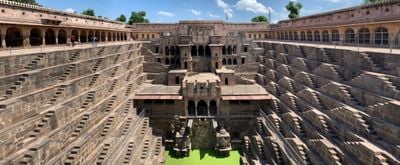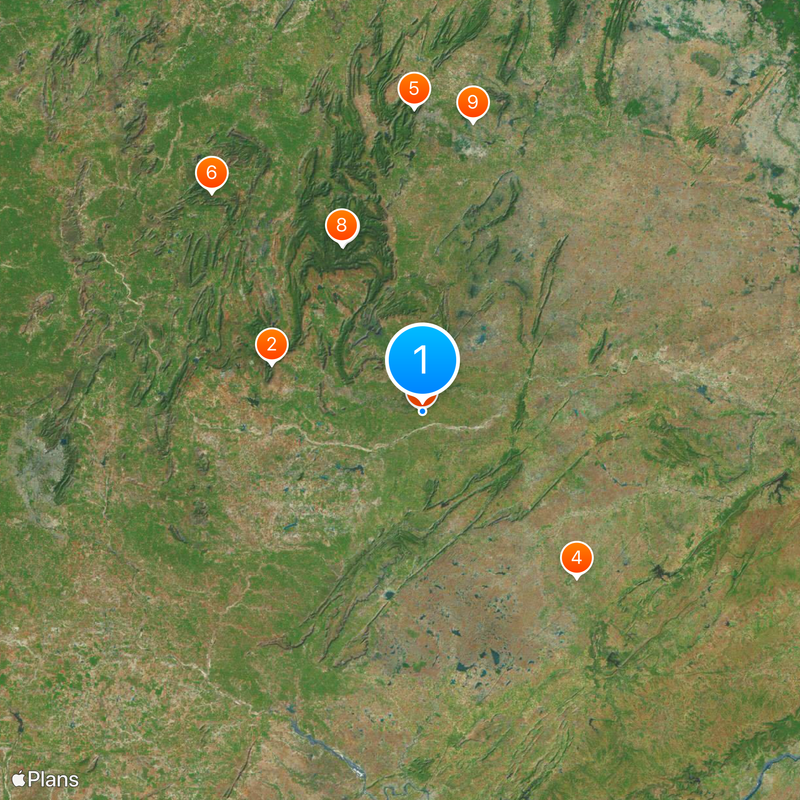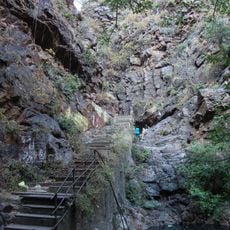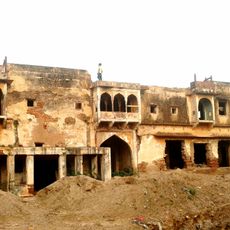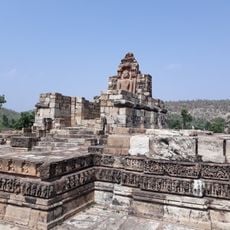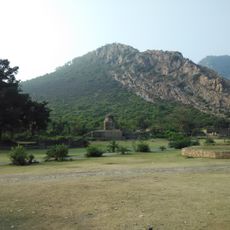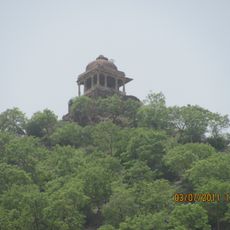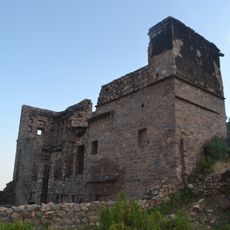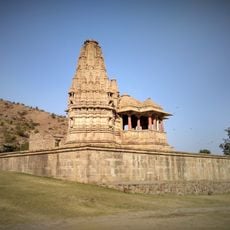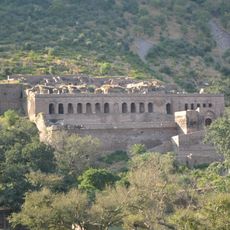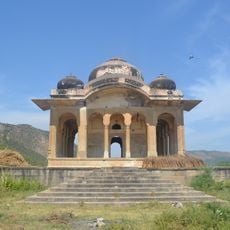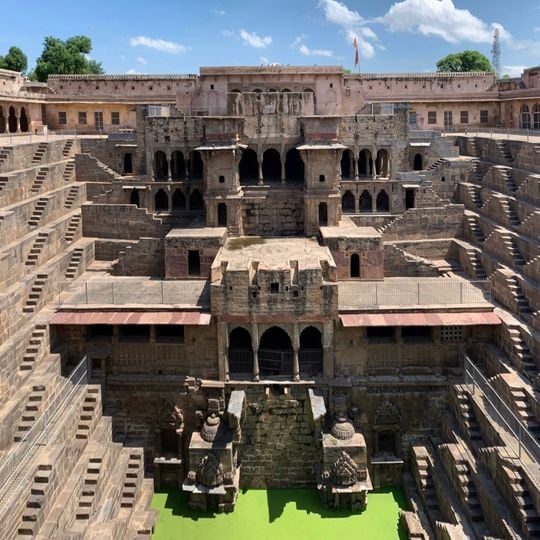
Chand Baori, Stepwell in Abhaneri, India.
This monumental stepwell comprises 3,500 steps arranged in geometric patterns across 13 levels, descending 30 meters (100 feet) into the earth to reach the water reservoir. Symmetrical staircases run down three sides, while the fourth side features a multi-story pavilion with columned galleries.
Construction of this water structure dates to the 8th century during the reign of Raja Chanda from the Nikumbh dynasty of Rajasthan. Later rulers added architectural elements, including decorative carvings and temple friezes, expanding the original construction over several centuries.
The structure served as a social center for community gatherings and religious ceremonies, while its steps provided pilgrims and residents direct access to the sacred water source. The integration of temple elements into the architecture underscores the spiritual significance of water in Hindu traditions and rituals.
The temperature at the bottom remains several degrees cooler than at the surface, providing a natural gathering space during intense summer heat. Visitors should wear sturdy footwear as the steps are steep and uneven, and early morning hours offer better photography with natural light.
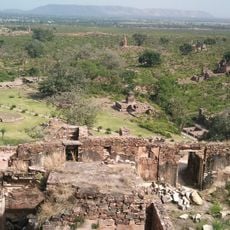
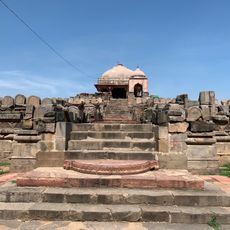
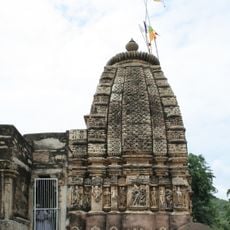
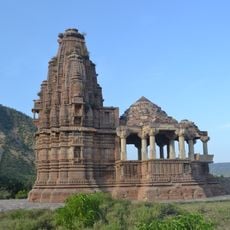
A hidden water-pulling shaft exists within the structure, while the adjacent Harshat Mata Temple contains scattered architectural elements from its original construction. Filmmakers have used the geometric precision for scenes in international productions, including footage for action sequences and documentaries about Indian engineering achievements.
The community of curious travelers
AroundUs brings together thousands of curated places, local tips, and hidden gems, enriched daily by 90,996 contributors worldwide.