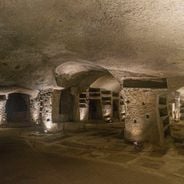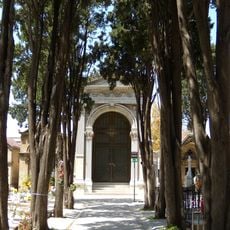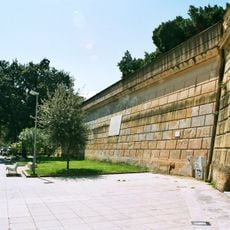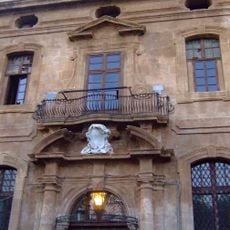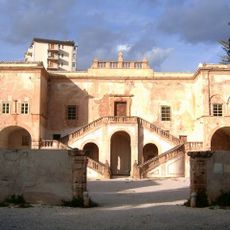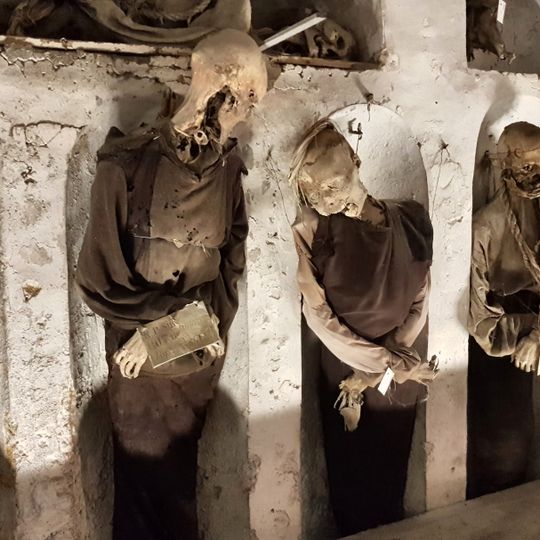
Catacombe dei Cappuccini, Catacombs and ethnographic museum in Palermo, Italy.
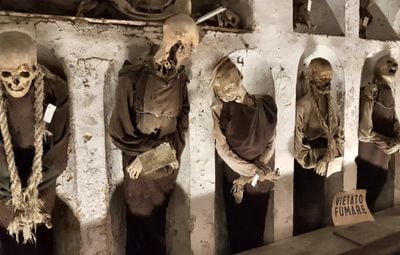
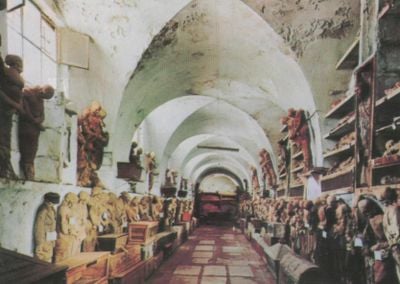
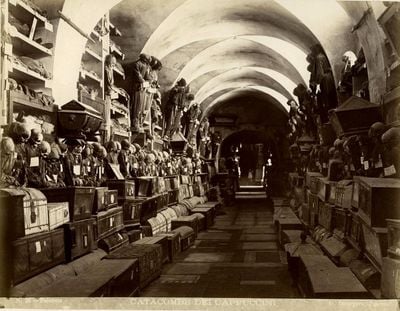
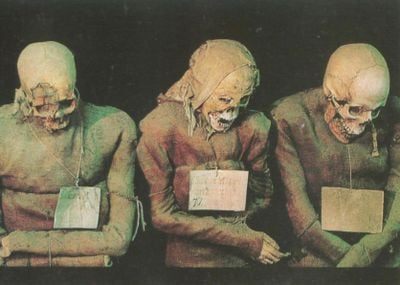
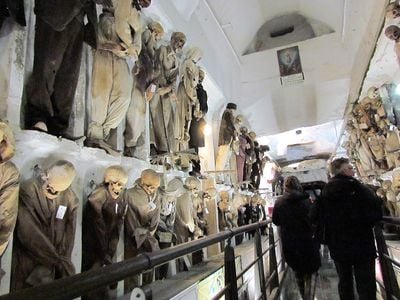
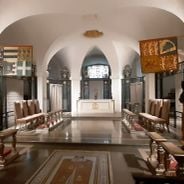
This underground burial site extends across 300 square meters beneath a Capuchin monastery and contains approximately 2,000 mummified corpses and skeletal remains. The deceased are arranged in various corridors according to gender, profession, and social rank. Many still wear original clothing from the period of their interment. The chambers include separate sections for clergy, virgins, children, professionals, and aristocrats, each designated by distinct architectural features.
The Capuchins created the first burial chambers in 1599 after their original monastery crypt became overcrowded. Initially, they accepted only deceased members of the order. From 1783 onward, the monks permitted affluent Palermo residents to inter their relatives in exchange for donations. The last burial took place in 1920, though a few subsequent interments were documented through the 1970s. The complex was expanded several times to accommodate growing demand from the community.
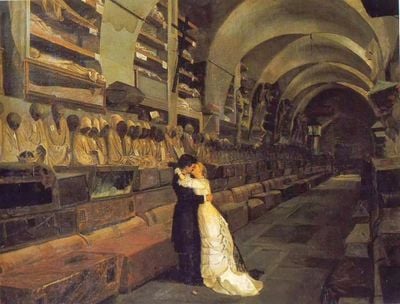
Local residents viewed preservation in these underground chambers as a symbol of social standing and family devotion. Relatives regularly visited the remains of their loved ones, changed their clothing, and maintained memory through prayer. These practices demonstrated the deep connection between the living and the dead in Sicilian society. Burial here was considered a privilege reserved for wealthy citizens, clergy, and nobility, reflecting the hierarchical structure of the community.
Access is available daily from 9:00 to 12:00 and 15:00 to 17:30, with all areas accessible by wheelchair. The facility is located approximately 1.2 miles (2 kilometers) from the historic city center and can be reached by public transportation or on foot. Photography is not permitted inside the complex. Several cafés and restaurants are located nearby. A typical visit lasts between 30 and 45 minutes.
The two-year-old girl Rosalia Lombardo, who died in 1920, is considered one of the most perfectly preserved mummies in the world. Professor Alfredo Salafia developed a special preservation method for her using formalin, alcohol, glycerin, and zinc salts, the exact formula of which was not rediscovered until 2009. This technique differs fundamentally from the natural drying methods used for most other bodies in the collection.
The community of curious travelers
AroundUs brings together thousands of curated places, local tips, and hidden gems, enriched daily by 90,737 contributors worldwide.