See the monuments around you in AROpen chests in the app
Around Us is built for your phone — point your camera at the streets and discover the monuments and places around you in augmented reality.Around Us is built for your phone — chests unlock when you walk, explore and capture nearby places.
Beneath the streets of some cities lies an underground world of burial chambers and crypts that tell the story of how people honored their dead across centuries. These subterranean spaces range from simple rock-carved tombs to elaborate vaulted rooms, housing the remains of countless generations along with religious monuments, painted walls, and carved stone that reflect Roman, Egyptian, and Christian beliefs. Walk through these passages and you encounter the actual practices of death and faith that shaped European life from the 1st century through the 1800s. The frescoes on the walls, the mosaics underfoot, and the carefully arranged bones reveal how different cultures buried their dead, what they believed about the afterlife, and how they saw themselves in the world.
Each crypt and catacomb serves as a record of its time and place. In Paris, workers moved millions of remains to former quarries when cemeteries overflowed, creating a vast underground network that solved a practical problem while becoming a monument to the dead. Vienna's imperial burial chambers held rulers for centuries, transforming tombs into statements of power and legacy. In Naples, Rome, and elsewhere, painted biblical scenes decorate the walls. In the Czech Republic and Poland, elaborate arrangements of bones form geometric designs and decorative patterns that speak to how death was both feared and organized into order.
What makes these places remarkable is how they show us the daily reality of life and death in earlier times. Whether you see neat rows of sarcophagi, walls covered with carved inscriptions, or arrangements of bones transformed into art, each site tells you something about what mattered to the people who created it. These underground spaces preserve the beliefs, fears, and hopes of generations, making them windows into how communities lived and what they thought about mortality and the world beyond death.
Beneath the streets of some cities lies an underground world of burial chambers and crypts that tell the story of how people honored their dead across centuries. These subterranean spaces range from simple rock-carved tombs to elaborate vaulted rooms, housing the remains of countless generations along with religious monuments, painted walls, and carved stone that reflect Roman, Egyptian, and Christian beliefs. Walk through these passages and you encounter the actual practices of death and faith that shaped European life from the 1st century through the 1800s. The frescoes on the walls, the mosaics underfoot, and the carefully arranged bones reveal how different cultures buried their dead, what they believed about the afterlife, and how they saw themselves in the world.
Each crypt and catacomb serves as a record of its time and place. In Paris, workers moved millions of remains to former quarries when cemeteries overflowed, creating a vast underground network that solved a practical problem while becoming a monument to the dead. Vienna's imperial burial chambers held rulers for centuries, transforming tombs into statements of power and legacy. In Naples, Rome, and elsewhere, painted biblical scenes decorate the walls. In the Czech Republic and Poland, elaborate arrangements of bones form geometric designs and decorative patterns that speak to how death was both feared and organized into order.
What makes these places remarkable is how they show us the daily reality of life and death in earlier times. Whether you see neat rows of sarcophagi, walls covered with carved inscriptions, or arrangements of bones transformed into art, each site tells you something about what mattered to the people who created it. These underground spaces preserve the beliefs, fears, and hopes of generations, making them windows into how communities lived and what they thought about mortality and the world beyond death.
The catacombs of the San Francisco Monastery comprise a network of tunnels beneath the building with burial chambers housing systematically arranged remains of approximately 25,000 individuals from the 17th century. This underground complex was created at a time when Lima had no public cemeteries and religious institutions served as burial sites. The bones were sorted by anatomical categories and placed in pits and niches, forming an organized necropolis. This site documents burial practices of the colonial period in Peru and shows how religious communities managed the death of their members and faithful.
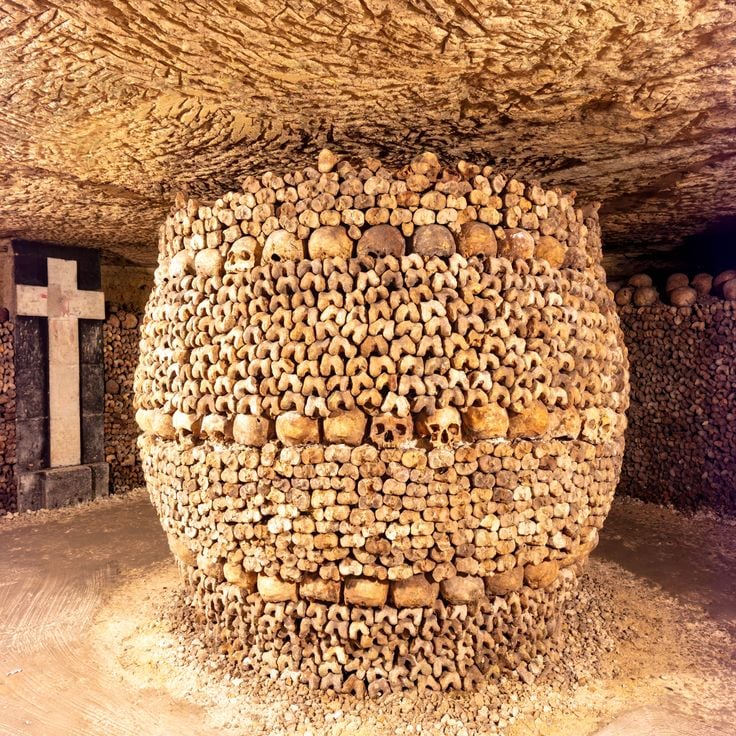
The Paris Catacombs extend across a 186-mile (300-kilometer) underground tunnel system containing the remains of 6 million people from the 18th century. The galleries beneath the French capital were created when the city's overcrowded cemeteries were cleared for sanitary reasons and the bones were transferred to former limestone quarries. The systematically arranged remains form walls along the passages and demonstrate the historical burial practices developed in European cities to manage limited burial space.
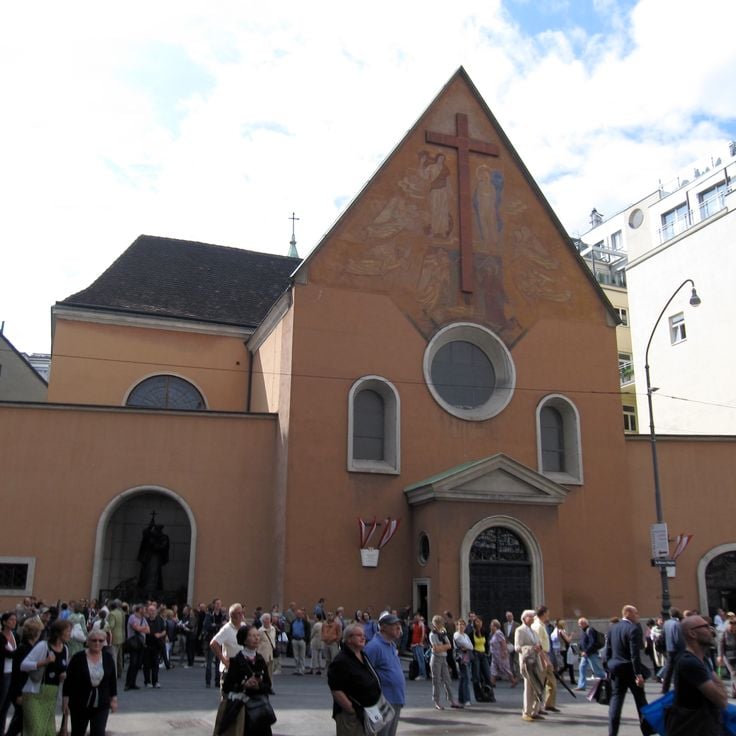
The Imperial Crypt beneath the Capuchin Church has served as the burial place of the Habsburg dynasty since 1633 and holds 149 sarcophagi of imperial family members through 1989. This underground chamber extends across nine vaulted rooms that were expanded over the centuries to accommodate the growing need for burial spaces. The sarcophagi display various artistic styles from Baroque to Neoclassicism, documenting the evolution of funeral art over more than three centuries. The crypt contains the remains of twelve emperors and nineteen empresses along with numerous archdukes, serving as an important testament to European burial practices within one of the continent's most influential ruling families.
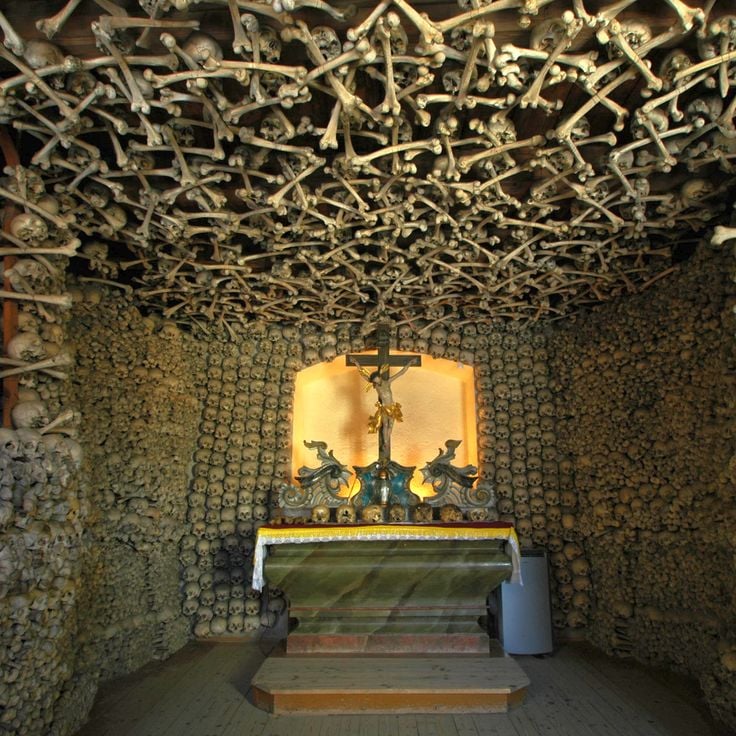
The Skull Chapel in Czermna transforms human remains into architectural decoration, a notable witness to European burial traditions. The walls and ceiling of this chapel are covered with more than 3,000 bones from the 18th century, forming geometric patterns and religious symbols. These bones come from victims of the Thirty Years' War, the plague, and several Silesian wars. A local priest collected and arranged the remains between 1776 and 1804 as a memorial and expression of Christian devotion. The chapel belongs to those European ossuaries that present human remains as spiritual monuments and address the transience of life. This place documents a particular form of honoring the dead in European history.
These catacombs beneath the cathedral preserve the tombs of bishops and members of the Habsburg family since the 14th century. The burial chambers form part of Vienna's long tradition of underground interments and complement the nearby Imperial Crypt. The space extends beneath the foundations of the church building and contains numerous sarcophagi and burial chambers that were used over several centuries.
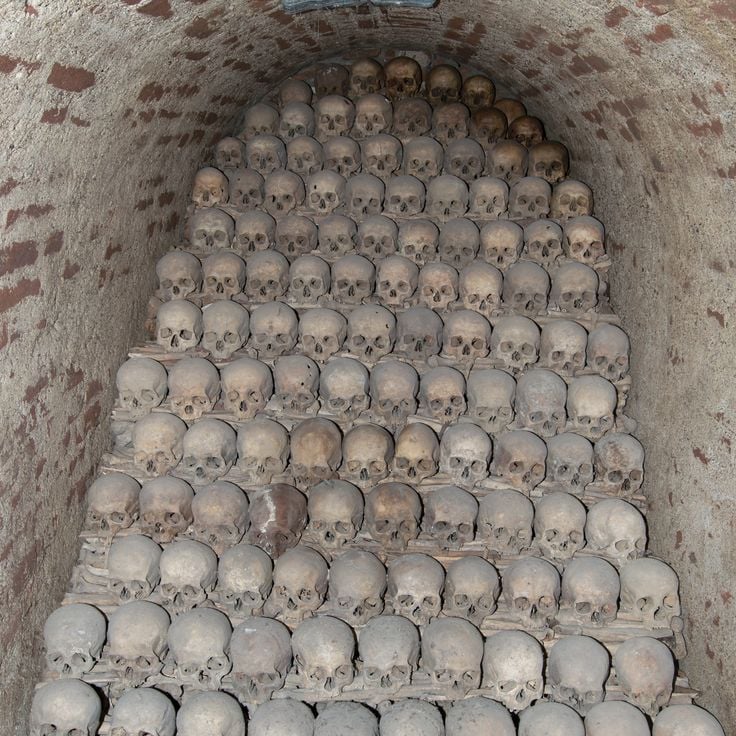
This underground ossuary in Brno contains the remains of more than 50000 people from the 17th and 18th centuries. The bones were arranged in an extensive vault system that documents historical burial practices during plague epidemics and other catastrophes. The crypt extends beneath St. James Church and ranks among the most significant ossuaries in Central Europe. The systematic arrangement of the bones illustrates the architectural and social structures of burial culture from this era.
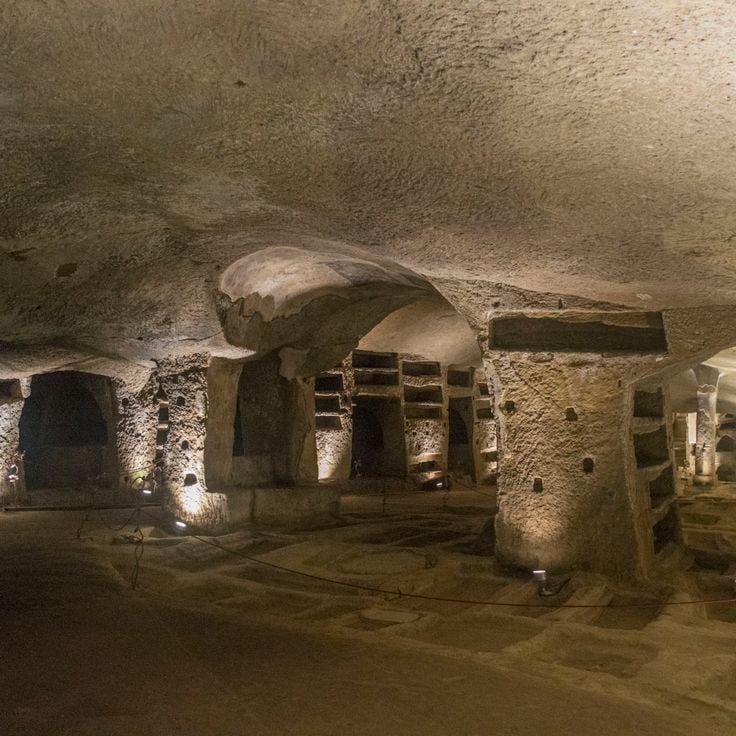
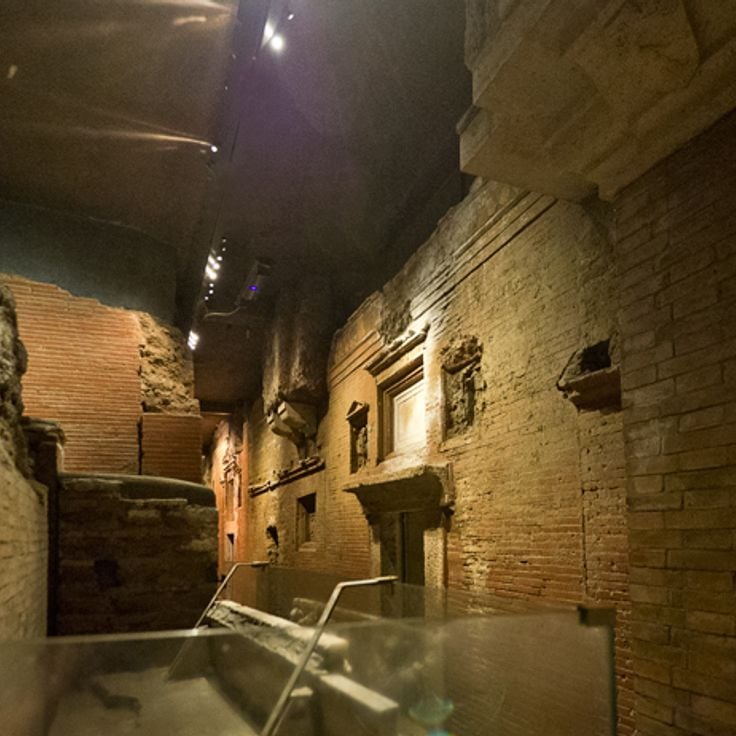
The catacombs of Naples form an extensive network of underground passages and burial chambers dating back to the second century. These Roman period installations contain ancient frescoes and mosaics depicting scenes from early Christianity and burial practices of the time. The tunnels extend beneath several city districts and display various forms of interment, including wall niches and floor graves. The artistic representations on the walls document religious themes and provide insight into the sepulchral art of the ancient Mediterranean region. These catacombs rank among the oldest preserved early Christian burial sites in Italy.
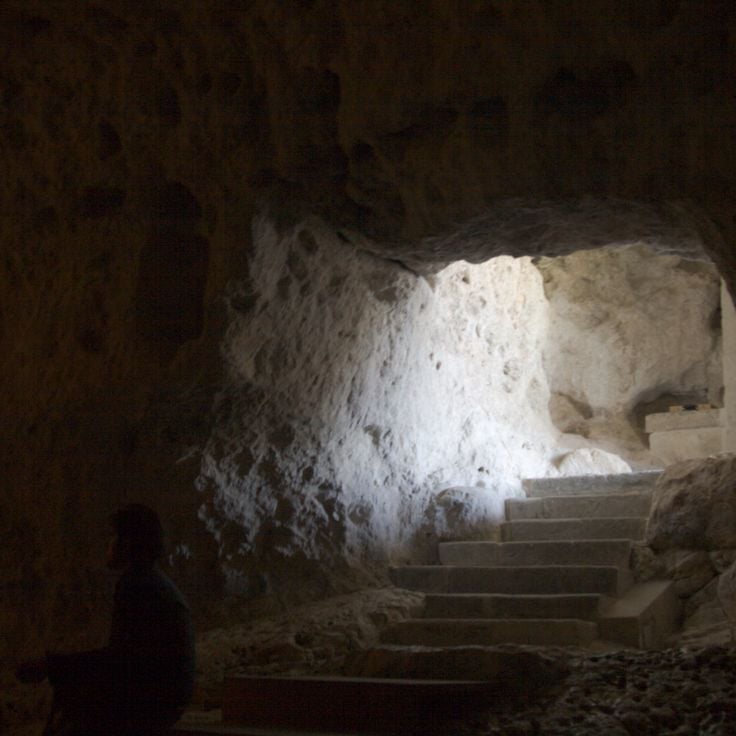
This crypt from the 9th century sits beneath the streets of Matera and contributes to this European network of underground burial chambers. Its walls display paintings depicting biblical figures and Old Testament scenes. The chamber combines Christian and Roman design elements, recording burial customs and religious practices spanning over a millennium.
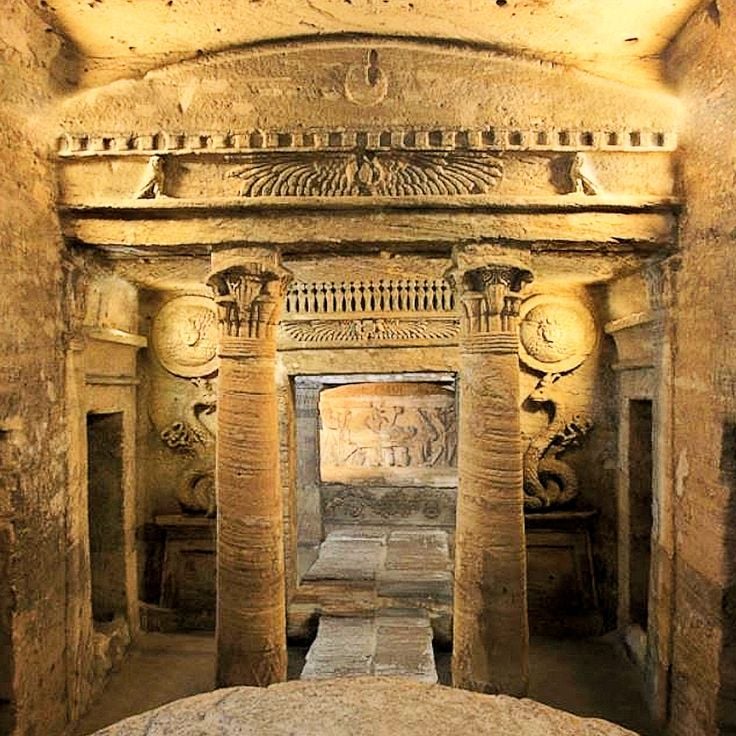
The Catacombs of Kom el Shoqafa form an underground necropolis from the first century that combines Roman and Egyptian elements in its architecture. The complex extends across three levels and reaches a depth of 100 feet (30 meters). The burial chambers display reliefs and sculptures that merge pharaonic motifs with Greco-Roman stylistic features. The main chamber contains representations of Egyptian deities such as Anubis and Thoth wearing Roman attire. The walls are decorated with scenes depicting traditional Egyptian burial rites, while the columns follow classical Roman order. This necropolis documents the cultural fusion that characterized Alexandria as a Mediterranean trading city, where burial traditions from different civilizations converged.
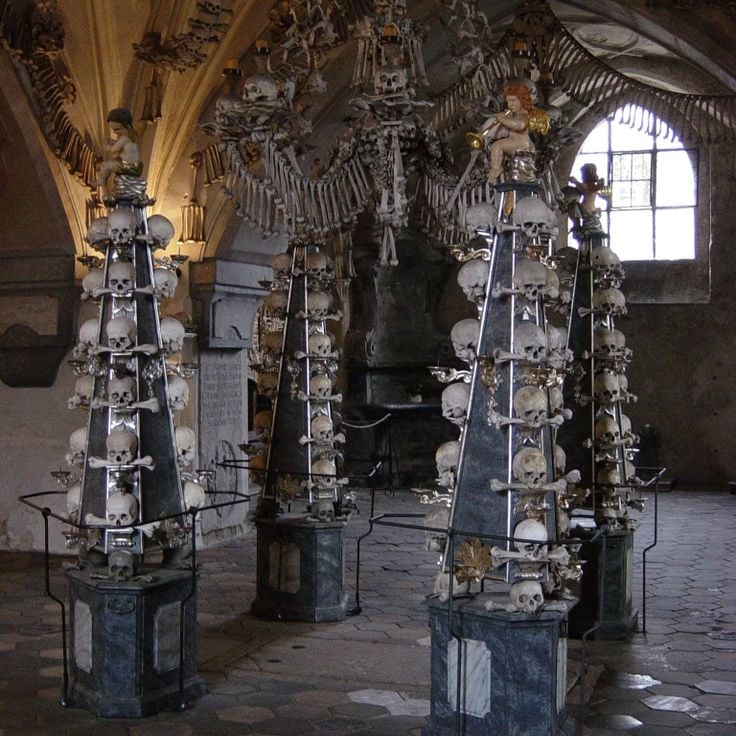
This ossuary preserves the skeletal remains of approximately 40,000 to 70,000 individuals, arranged into artistic ornaments. The underground chapel displays an unusual decoration of bones and skulls, including four pyramid-shaped piles in the corners and a large chandelier crafted from all bone types of the human skeleton. Artist František Rint created these arrangements in 1870. The vaults also contain a coat of arms of the Schwarzenberg family and various geometric patterns made from human remains. The cemetery originated in the 13th century when an abbot brought consecrated soil from Jerusalem.
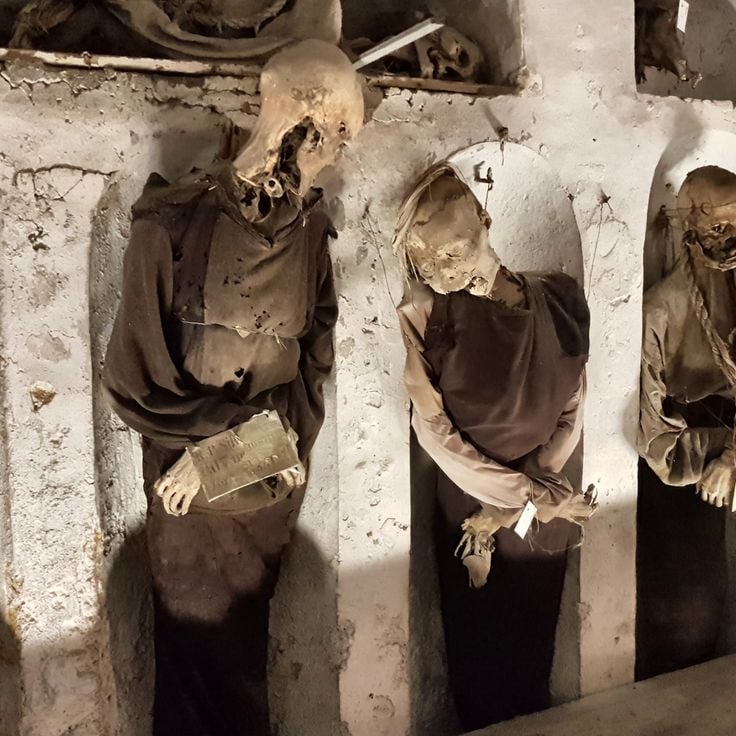
The Catacombs of Palermo preserve a collection of mummified bodies buried from the 16th to the early 20th century. The deceased, including monks, nobles, and citizens, are arranged in their original clothing along the corridors and in wall niches. The mummification process occurred through desiccation in special chambers, which enabled the preservation of bodies and their garments over centuries. This site documents social hierarchies and burial practices of Sicily through the visible presentation of the dead.
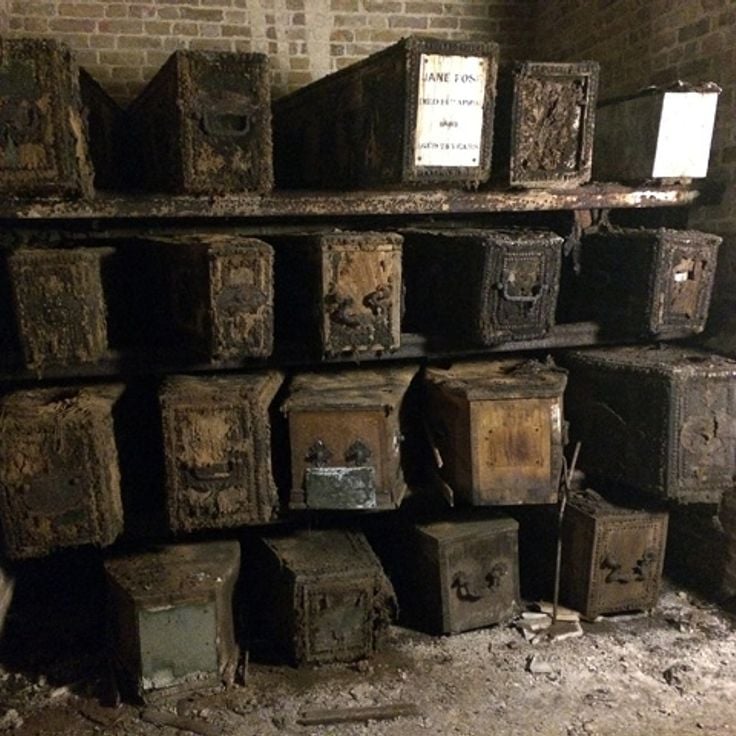
The Catacombs of West Norwood Cemetery form a system of underground passages with stone niches for coffins beneath the main chapel. These vaulted spaces were created in the 19th century and provide burial places for numerous London families. The structure extends under the chapel and displays typical elements of Victorian funerary architecture. The stone niches along the passages allowed for the storage of coffins in multiple levels. These catacombs belong to one of seven large cemeteries established around London in the 1830s to relieve overcrowded inner city burial grounds.
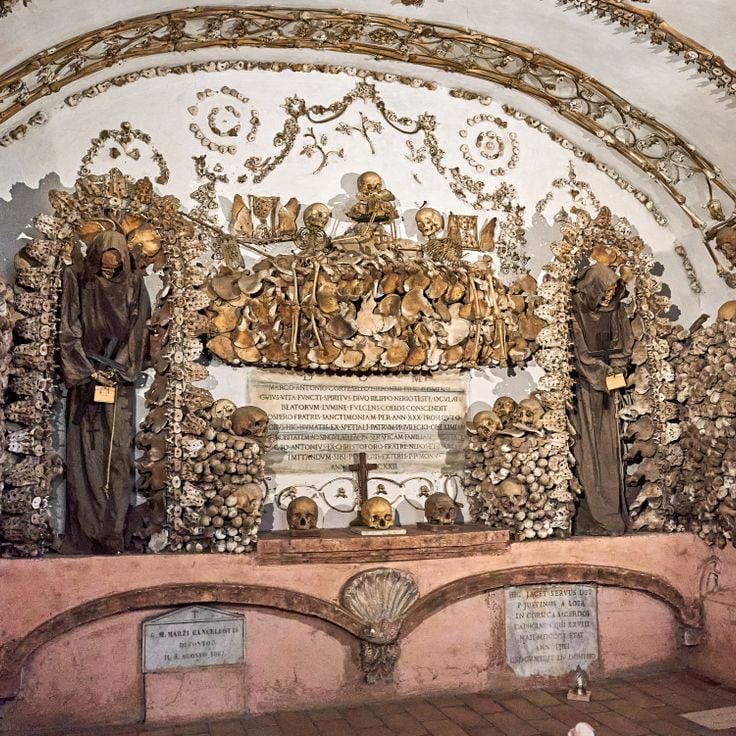
This crypt in Rome houses the remains of 3,700 Capuchin friars who died between the 16th and 19th centuries. The underground complex comprises six chapels where the remains of the religious brothers were artfully arranged. The bones were fashioned into decorative elements that form chandeliers, arches, and religious symbols. This Franciscan burial site demonstrates the order's conception of death as a natural part of spiritual life and documents monastic burial practices during the Counter-Reformation period.
This Roman necropolis lies 36 feet (11 meters) beneath St. Peter's Basilica and contains tombs from the first century. The ancient cemetery was rediscovered during archaeological excavations in the 20th century and shows the evolution of burial practices from pagan to Christian rites. The underground chambers preserve mausoleums of wealthy Roman families, their walls decorated with mosaics, frescoes, and stucco work. According to tradition, the tomb of the Apostle Peter is located here, which made this site an important pilgrimage destination and led to the construction of the first Constantinian basilica in the fourth century.
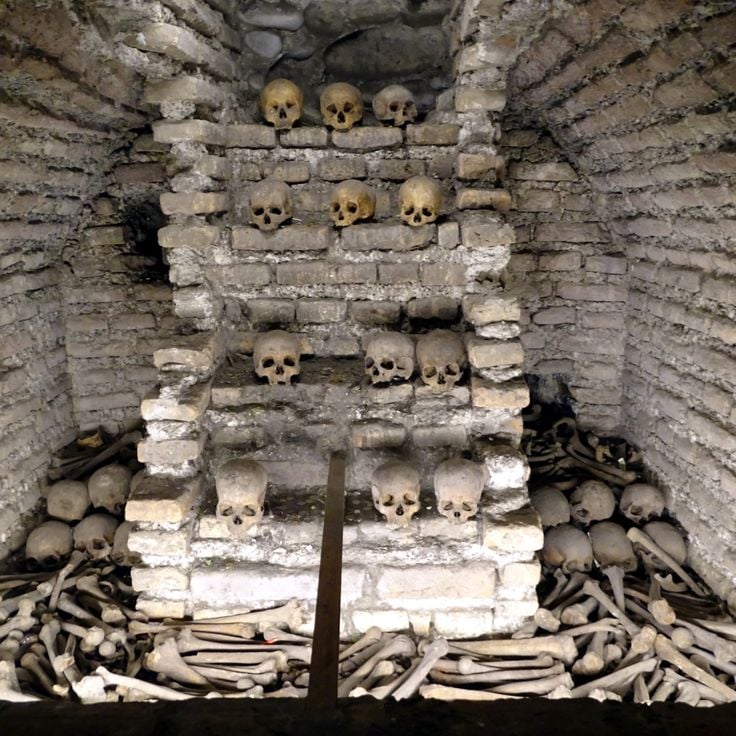
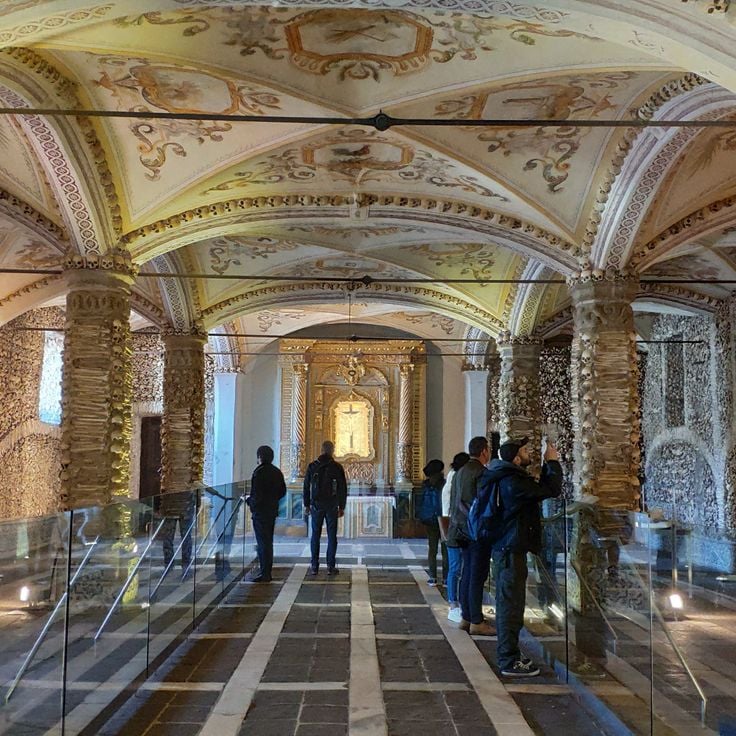
The Capela dos Ossos was built in the 16th century by Franciscan monks and forms part of the Church of São Francisco in Évora. The interior walls of this chapel are lined with the bones of approximately 5,000 people, collected from overcrowded cemeteries in the city. The walls and pillars display skulls and bones arranged in symmetrical patterns. At the entrance, a Portuguese inscription reads 'Nós ossos que aqui estamos pelos vossos esperamos' (We bones that are here await yours). This chapel illustrates the Franciscan meditation on the transience of earthly life and represents a continuation of the European tradition of ossuaries that transform human remains into decorative and spiritual elements.
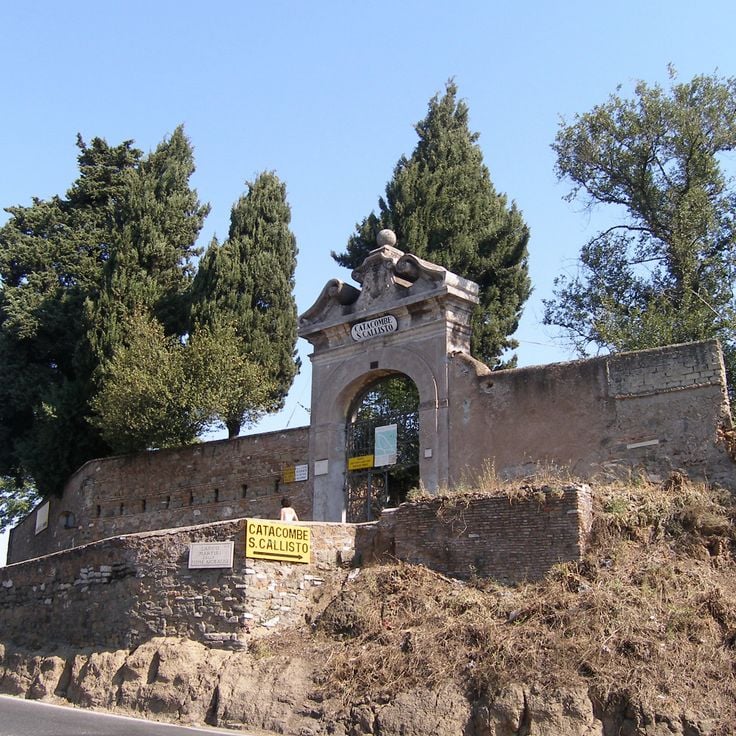
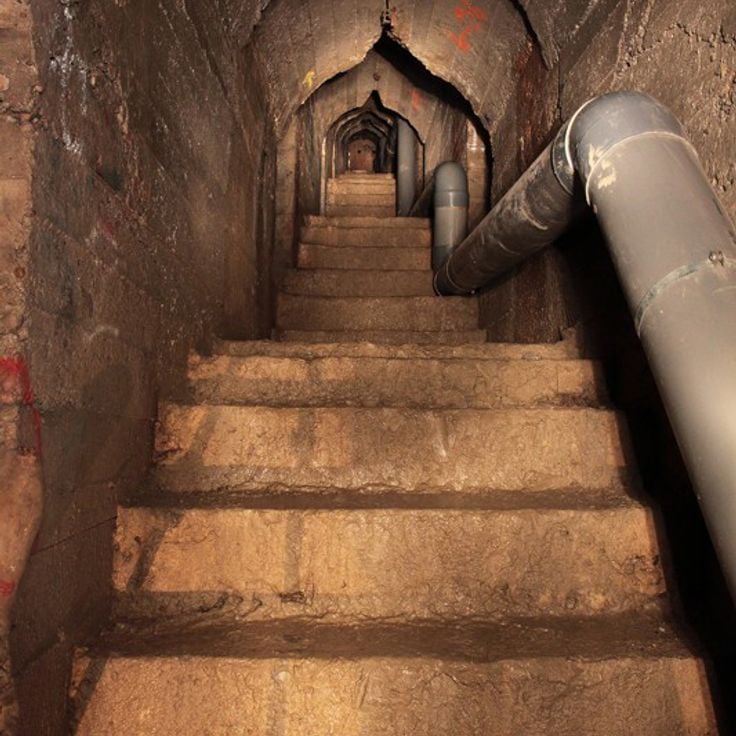
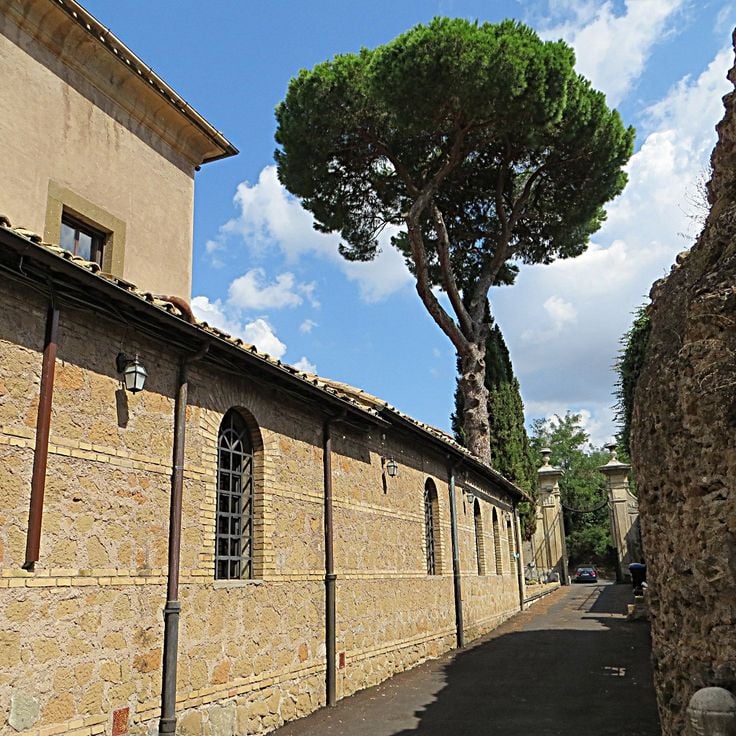
The Catacombs of Saint Callixtus extend over 12 miles (20 kilometers) of underground tunnels across four levels and contain the tombs of 16 popes as well as numerous Christian martyrs. This burial site dates from the second century and served as one of the most important necropolises of the early Christian community in Rome. The passages house carefully crafted burial chambers, wall paintings depicting biblical scenes, and inscriptions in Latin and Greek. The underground network demonstrates the burial practices of Roman Christians and their evolution over several centuries.
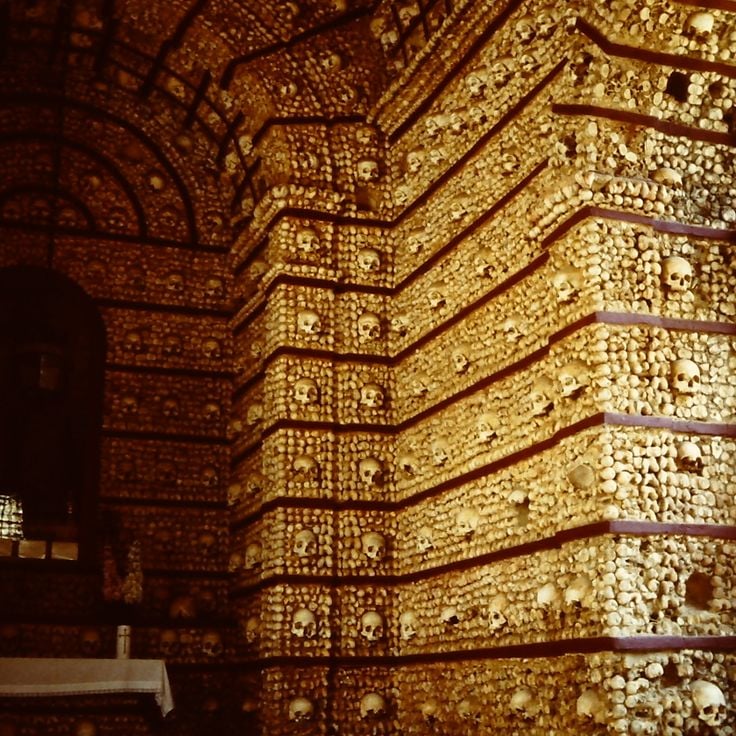
The Capela dos Ossos in the Carmelite Church of Faro was built in 1816 by monks of the Franciscan Order. The chapel displays human bones and skulls that decorate the walls and ceiling vaults of the rectangular chamber. The remains belong to approximately 1,245 monks from Franciscan cemeteries in the region. An inscription above the entrance reminds visitors of the transience of life. This chapel is part of a European tradition of ossuaries in which human remains become decorative elements and create spaces for contemplation.
The Arêtes de poisson in Lyon form a system of 32 parallel tunnels beneath the Croix Rousse district. This network was built between 1512 and 1528 and belongs to the underground structures that document the development of urban space in Europe. The parallel passages originally served for drainage and ventilation of the hill and demonstrate the construction techniques of the 16th century for managing underground spaces in historic cities.
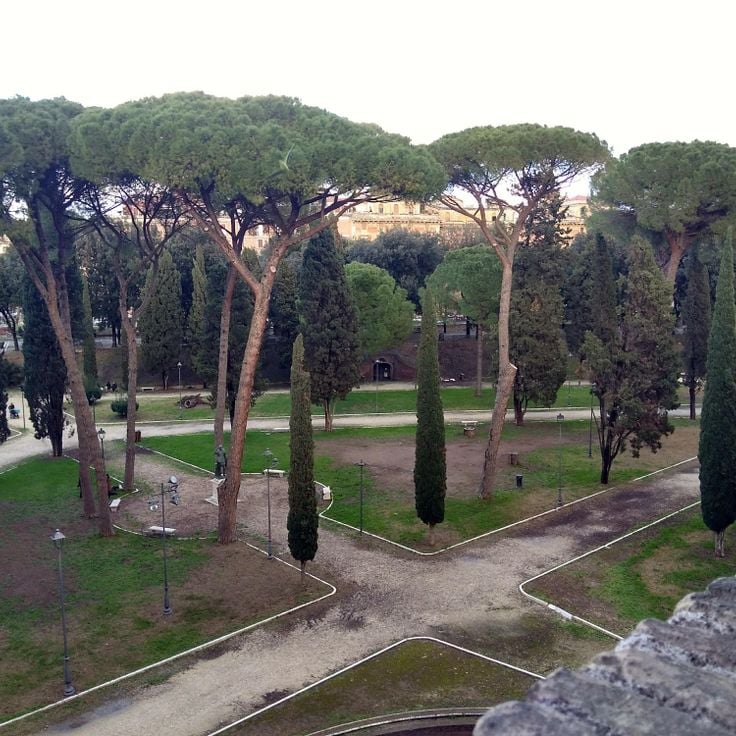
The Catacombs of Saint Sebastian lie beneath the ancient Appian Way in Rome and show how early Christians buried their dead. In these underground passages, you can see niches carved into the walls where bodies wrapped in cloth once rested. Over centuries, Christian communities used this place to honor their dead and express their faith. The rooms contain simple paintings on the walls and arranged burial places that tell how these people lived and what mattered to them. The site blends Christian practices with Roman burial traditions and preserves traces of believers from the early centuries of the Church.
The Catacombs of Domitilla are an underground burial site on the Via Ardeatina in Rome. These chambers show how early Christians buried their dead and expressed their faith. The walls hold paintings and inscriptions that speak to the daily life and beliefs of that time. Thousands of people rest here, buried across several centuries in these corridors. The site blends Roman building tradition with Christian symbols, revealing how different cultures honored their dead.
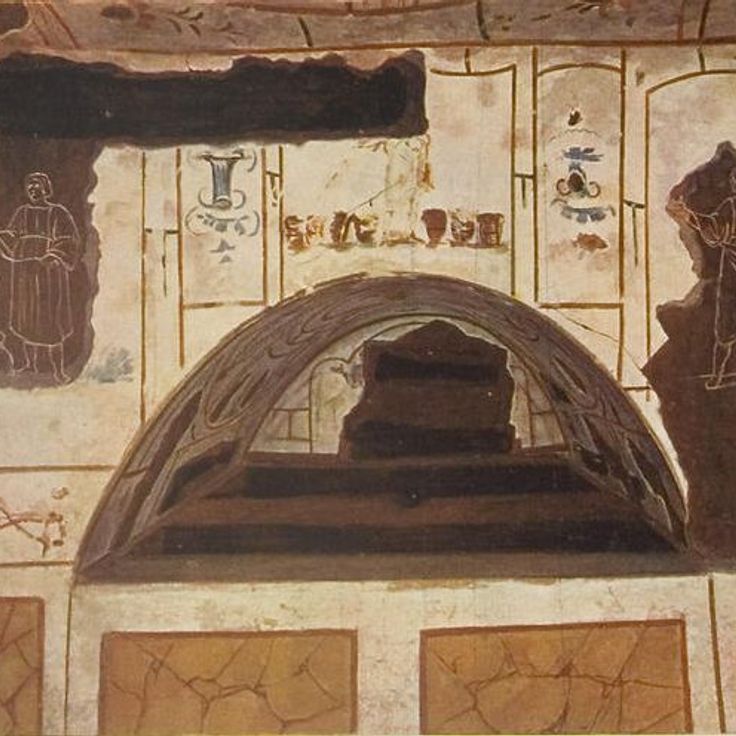
The Priscilla catacombs are burial chambers beneath Rome that served as a burial ground from the first century onward. Their network of corridors and rooms shows how early Christian communities laid their dead to rest and expressed their faith. The walls contain inscriptions and paintings depicting biblical scenes and daily life. These underground spaces give a sense of how people lived and died in the first centuries after Christ.
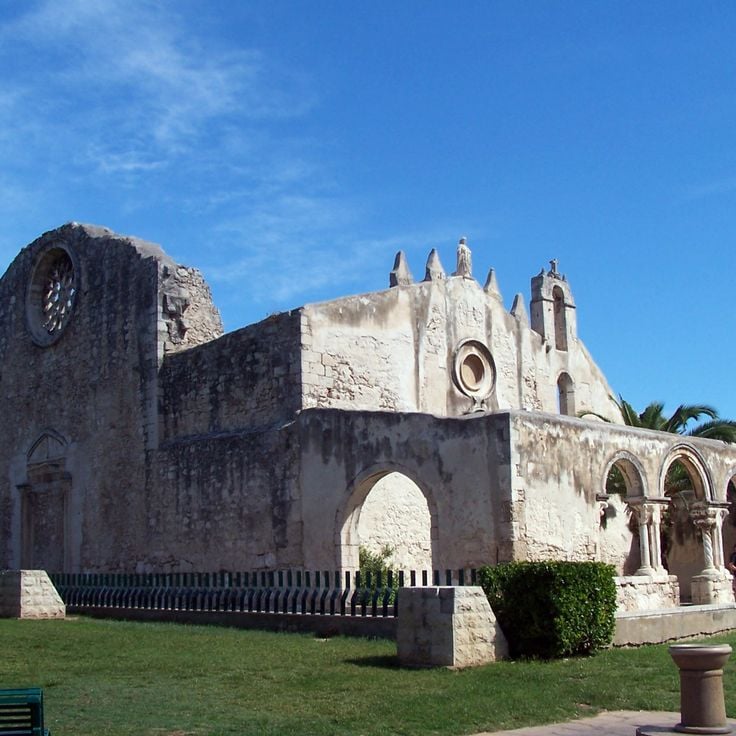
The Church of San Giovanni Evangelista in Syracuse shelters early Christian architecture and underground burial chambers below. The catacombs beneath the church reveal how early Christians buried their dead while expressing their faith through carved symbols and arranged tombs. Passages contain inscriptions and grave sites from the first centuries after Christ. This location merges a place of worship with a burial ground, showing how religious communities found space for their dead beneath the city streets.
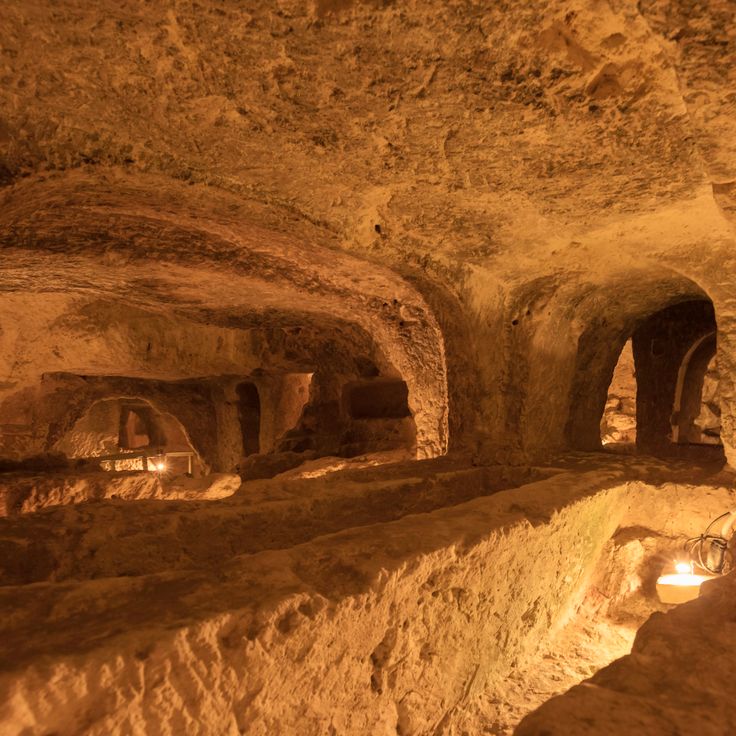
St. Paul's Catacombs is an underground Roman cemetery in Rabat, Malta. This site shows how people in ancient times buried and honored their dead. Corridors lead through chambers where bodies were placed in niches carved into the rock. You see crosses scratched into the walls and simple graves lying close together. The place brings together Roman burial traditions with early Christian symbols. Walking through the dark passages, you feel the history of generations who buried their dead here.
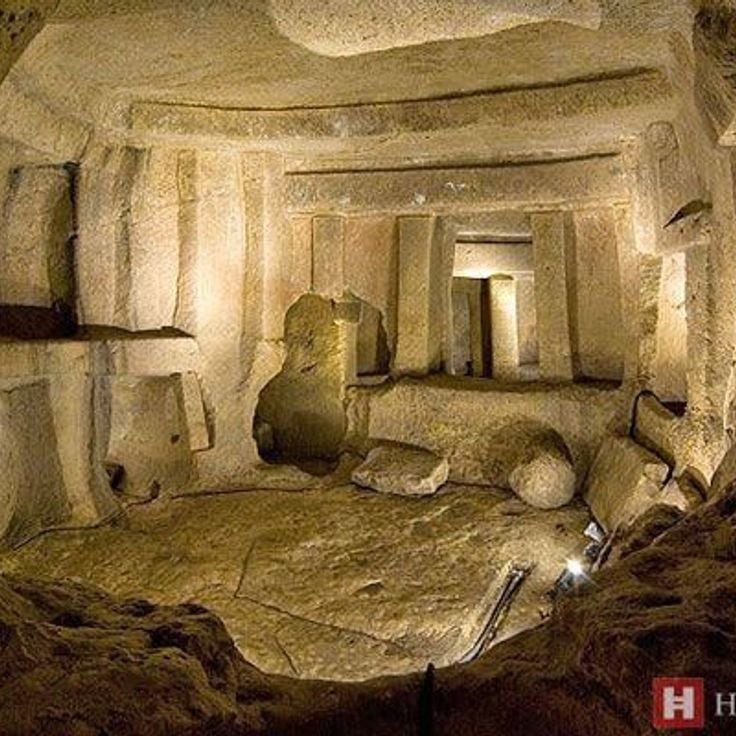
The Hypogeum of Ħal Saflieni is an underground burial site on Malta that dates back over 7000 years. This place reveals how prehistoric people honored and buried their dead. The rooms are carved into rock with carefully designed chambers connected by narrow passages. Walking through it, you see burial spaces used across many generations. The walls show traces of paint, and some rooms have decorations that held religious meaning. This burial complex tells the story of Malta's early cultures and their relationship with the dead.
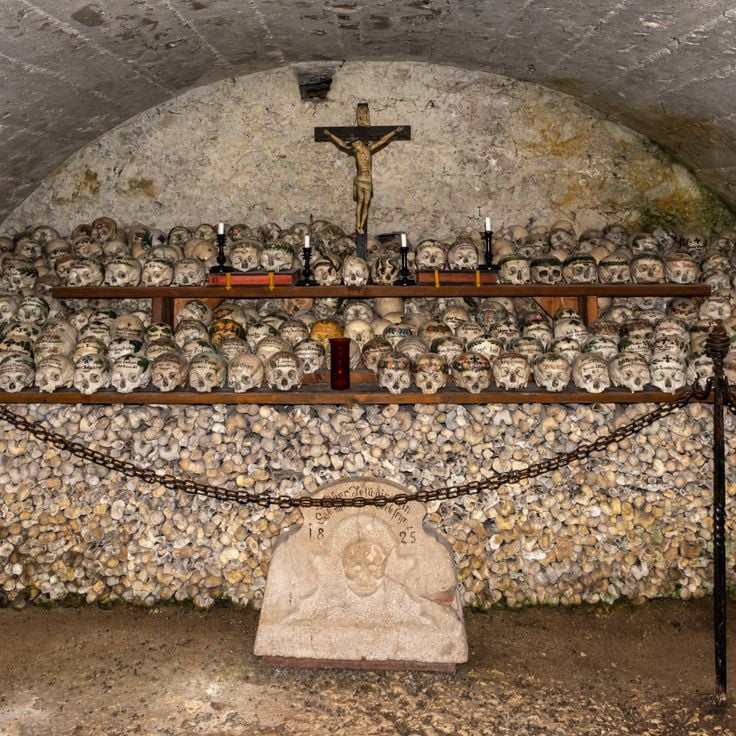
The Ossuary in Hallstatt holds the skulls and bones of the deceased, arranged with care and decorated with painted patterns. Names and dates are inscribed on the walls, telling stories of the people buried here. Walking through this space shows how the community in this Alpine region honored their dead and kept their memory alive across generations.
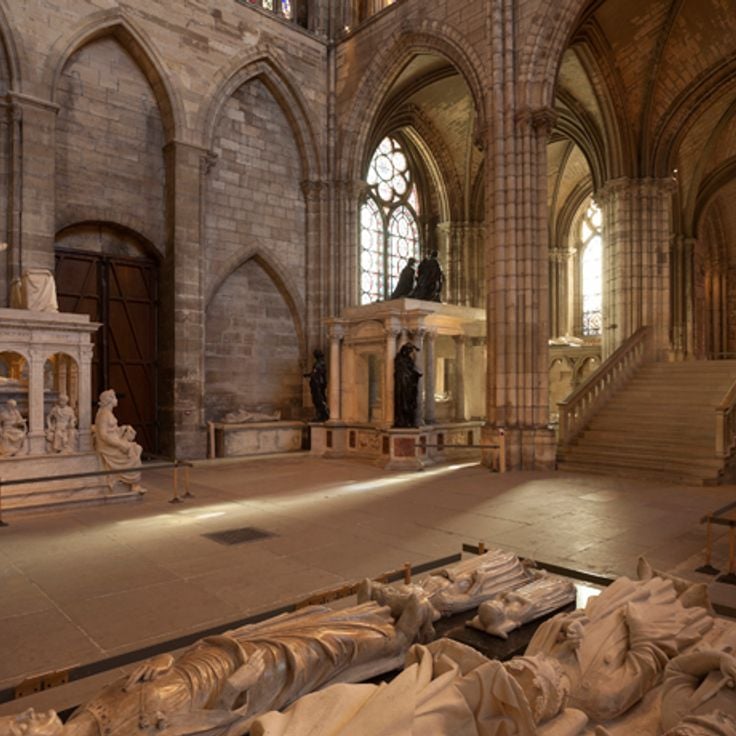
The royal necropolis of the Basilica of Saint-Denis sits beneath one of France's most important churches. Here rest French kings and queens in elaborate tombs and sarcophagi. The chambers show stone monuments carved with sculptures and inscriptions built over hundreds of years. Walking through these vaults, you see how rulers expressed their power and faith in stone. The arrangement of the graves and their decorations tell stories of dynasties and how France changed across generations.
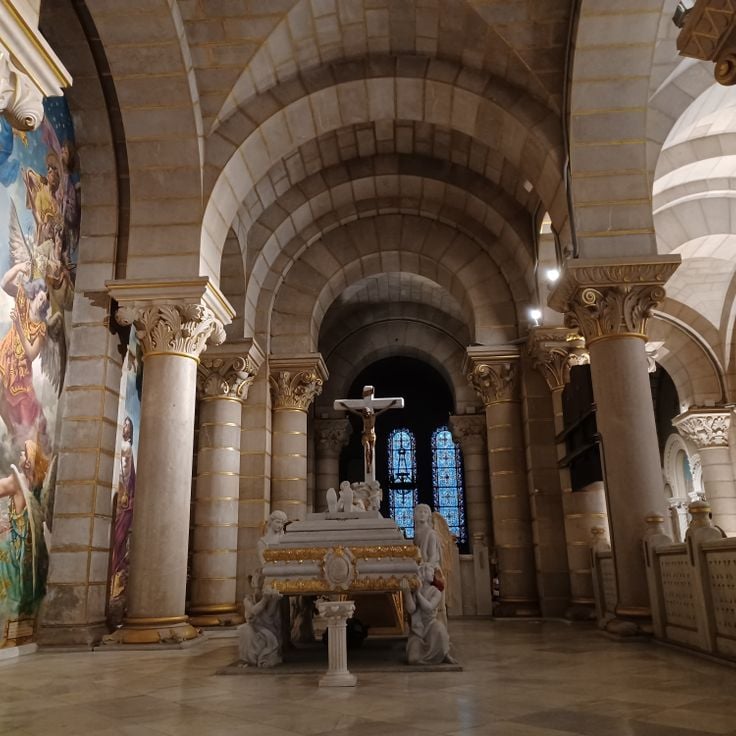
The Crypt of the Cathedral of Our Lady of La Almudena lies beneath the streets of Madrid, serving as an underground chamber that reflects centuries of European burial traditions. This space shows how religious communities honored their dead and gathered the faithful in sacred rooms. The architecture and layout of the crypt demonstrate the connection between everyday life and spiritual belief that shaped European cities from the early centuries of Christianity onward. Like other underground burial sites across the continent, this place tells of rituals, faith, and how people dealt with grief and remembrance.
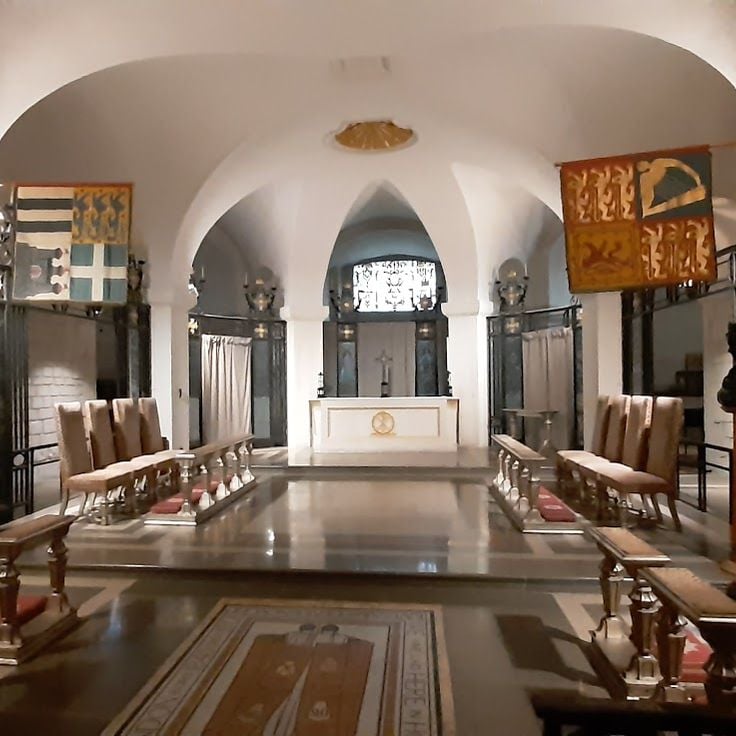
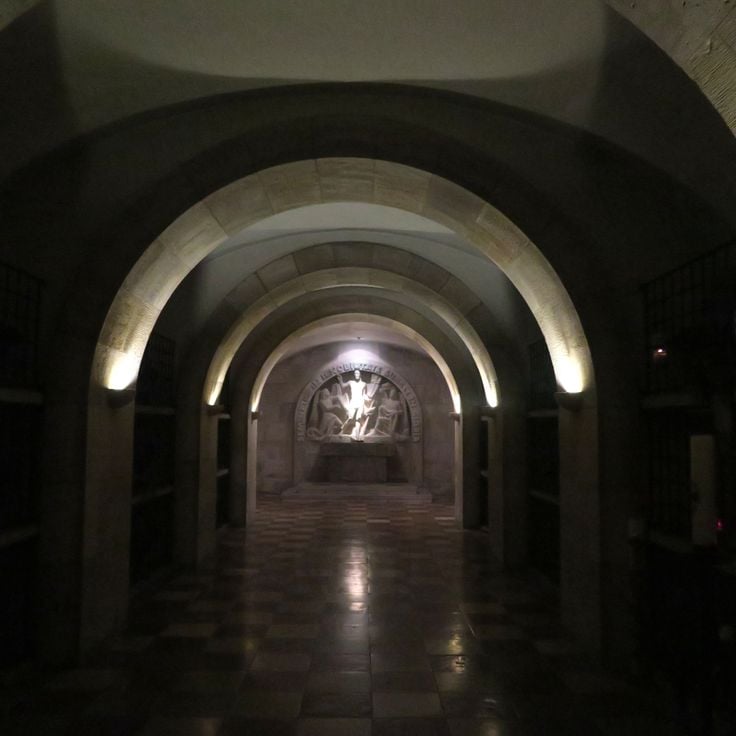
The Crypt is an underground chamber beneath a church that holds tombs and remains. Such spaces show how communities honored their dead and created sacred places for burial. The Crypt belongs to a network of underground burial sites across Europe, spanning from Roman times through the 19th century. In this vaulted room lie the remains of people laid to rest in a space made for contemplation and remembrance. The stone walls and arches speak to centuries of faith and burial customs.
The catacombs of the San Francisco Monastery comprise a network of tunnels beneath the building with burial chambers housing systematically arranged remains of approximately 25,000 individuals from the 17th century. This underground complex was created at a time when Lima had no public cemeteries and religious institutions served as burial sites. The bones were sorted by anatomical categories and placed in pits and niches, forming an organized necropolis. This site documents burial practices of the colonial period in Peru and shows how religious communities managed the death of their members and faithful.
The Paris Catacombs extend across a 186-mile (300-kilometer) underground tunnel system containing the remains of 6 million people from the 18th century. The galleries beneath the French capital were created when the city's overcrowded cemeteries were cleared for sanitary reasons and the bones were transferred to former limestone quarries. The systematically arranged remains form walls along the passages and demonstrate the historical burial practices developed in European cities to manage limited burial space.
The Imperial Crypt beneath the Capuchin Church has served as the burial place of the Habsburg dynasty since 1633 and holds 149 sarcophagi of imperial family members through 1989. This underground chamber extends across nine vaulted rooms that were expanded over the centuries to accommodate the growing need for burial spaces. The sarcophagi display various artistic styles from Baroque to Neoclassicism, documenting the evolution of funeral art over more than three centuries. The crypt contains the remains of twelve emperors and nineteen empresses along with numerous archdukes, serving as an important testament to European burial practices within one of the continent's most influential ruling families.
The Skull Chapel in Czermna transforms human remains into architectural decoration, a notable witness to European burial traditions. The walls and ceiling of this chapel are covered with more than 3,000 bones from the 18th century, forming geometric patterns and religious symbols. These bones come from victims of the Thirty Years' War, the plague, and several Silesian wars. A local priest collected and arranged the remains between 1776 and 1804 as a memorial and expression of Christian devotion. The chapel belongs to those European ossuaries that present human remains as spiritual monuments and address the transience of life. This place documents a particular form of honoring the dead in European history.
These catacombs beneath the cathedral preserve the tombs of bishops and members of the Habsburg family since the 14th century. The burial chambers form part of Vienna's long tradition of underground interments and complement the nearby Imperial Crypt. The space extends beneath the foundations of the church building and contains numerous sarcophagi and burial chambers that were used over several centuries.
This underground ossuary in Brno contains the remains of more than 50000 people from the 17th and 18th centuries. The bones were arranged in an extensive vault system that documents historical burial practices during plague epidemics and other catastrophes. The crypt extends beneath St. James Church and ranks among the most significant ossuaries in Central Europe. The systematic arrangement of the bones illustrates the architectural and social structures of burial culture from this era.
The catacombs of Naples form an extensive network of underground passages and burial chambers dating back to the second century. These Roman period installations contain ancient frescoes and mosaics depicting scenes from early Christianity and burial practices of the time. The tunnels extend beneath several city districts and display various forms of interment, including wall niches and floor graves. The artistic representations on the walls document religious themes and provide insight into the sepulchral art of the ancient Mediterranean region. These catacombs rank among the oldest preserved early Christian burial sites in Italy.
This crypt from the 9th century sits beneath the streets of Matera and contributes to this European network of underground burial chambers. Its walls display paintings depicting biblical figures and Old Testament scenes. The chamber combines Christian and Roman design elements, recording burial customs and religious practices spanning over a millennium.
The Catacombs of Kom el Shoqafa form an underground necropolis from the first century that combines Roman and Egyptian elements in its architecture. The complex extends across three levels and reaches a depth of 100 feet (30 meters). The burial chambers display reliefs and sculptures that merge pharaonic motifs with Greco-Roman stylistic features. The main chamber contains representations of Egyptian deities such as Anubis and Thoth wearing Roman attire. The walls are decorated with scenes depicting traditional Egyptian burial rites, while the columns follow classical Roman order. This necropolis documents the cultural fusion that characterized Alexandria as a Mediterranean trading city, where burial traditions from different civilizations converged.
This ossuary preserves the skeletal remains of approximately 40,000 to 70,000 individuals, arranged into artistic ornaments. The underground chapel displays an unusual decoration of bones and skulls, including four pyramid-shaped piles in the corners and a large chandelier crafted from all bone types of the human skeleton. Artist František Rint created these arrangements in 1870. The vaults also contain a coat of arms of the Schwarzenberg family and various geometric patterns made from human remains. The cemetery originated in the 13th century when an abbot brought consecrated soil from Jerusalem.
The Catacombs of Palermo preserve a collection of mummified bodies buried from the 16th to the early 20th century. The deceased, including monks, nobles, and citizens, are arranged in their original clothing along the corridors and in wall niches. The mummification process occurred through desiccation in special chambers, which enabled the preservation of bodies and their garments over centuries. This site documents social hierarchies and burial practices of Sicily through the visible presentation of the dead.
The Catacombs of West Norwood Cemetery form a system of underground passages with stone niches for coffins beneath the main chapel. These vaulted spaces were created in the 19th century and provide burial places for numerous London families. The structure extends under the chapel and displays typical elements of Victorian funerary architecture. The stone niches along the passages allowed for the storage of coffins in multiple levels. These catacombs belong to one of seven large cemeteries established around London in the 1830s to relieve overcrowded inner city burial grounds.
This crypt in Rome houses the remains of 3,700 Capuchin friars who died between the 16th and 19th centuries. The underground complex comprises six chapels where the remains of the religious brothers were artfully arranged. The bones were fashioned into decorative elements that form chandeliers, arches, and religious symbols. This Franciscan burial site demonstrates the order's conception of death as a natural part of spiritual life and documents monastic burial practices during the Counter-Reformation period.
This Roman necropolis lies 36 feet (11 meters) beneath St. Peter's Basilica and contains tombs from the first century. The ancient cemetery was rediscovered during archaeological excavations in the 20th century and shows the evolution of burial practices from pagan to Christian rites. The underground chambers preserve mausoleums of wealthy Roman families, their walls decorated with mosaics, frescoes, and stucco work. According to tradition, the tomb of the Apostle Peter is located here, which made this site an important pilgrimage destination and led to the construction of the first Constantinian basilica in the fourth century.
The Capela dos Ossos was built in the 16th century by Franciscan monks and forms part of the Church of São Francisco in Évora. The interior walls of this chapel are lined with the bones of approximately 5,000 people, collected from overcrowded cemeteries in the city. The walls and pillars display skulls and bones arranged in symmetrical patterns. At the entrance, a Portuguese inscription reads 'Nós ossos que aqui estamos pelos vossos esperamos' (We bones that are here await yours). This chapel illustrates the Franciscan meditation on the transience of earthly life and represents a continuation of the European tradition of ossuaries that transform human remains into decorative and spiritual elements.
The Catacombs of Saint Callixtus extend over 12 miles (20 kilometers) of underground tunnels across four levels and contain the tombs of 16 popes as well as numerous Christian martyrs. This burial site dates from the second century and served as one of the most important necropolises of the early Christian community in Rome. The passages house carefully crafted burial chambers, wall paintings depicting biblical scenes, and inscriptions in Latin and Greek. The underground network demonstrates the burial practices of Roman Christians and their evolution over several centuries.
The Capela dos Ossos in the Carmelite Church of Faro was built in 1816 by monks of the Franciscan Order. The chapel displays human bones and skulls that decorate the walls and ceiling vaults of the rectangular chamber. The remains belong to approximately 1,245 monks from Franciscan cemeteries in the region. An inscription above the entrance reminds visitors of the transience of life. This chapel is part of a European tradition of ossuaries in which human remains become decorative elements and create spaces for contemplation.
The Arêtes de poisson in Lyon form a system of 32 parallel tunnels beneath the Croix Rousse district. This network was built between 1512 and 1528 and belongs to the underground structures that document the development of urban space in Europe. The parallel passages originally served for drainage and ventilation of the hill and demonstrate the construction techniques of the 16th century for managing underground spaces in historic cities.
The Catacombs of Saint Sebastian lie beneath the ancient Appian Way in Rome and show how early Christians buried their dead. In these underground passages, you can see niches carved into the walls where bodies wrapped in cloth once rested. Over centuries, Christian communities used this place to honor their dead and express their faith. The rooms contain simple paintings on the walls and arranged burial places that tell how these people lived and what mattered to them. The site blends Christian practices with Roman burial traditions and preserves traces of believers from the early centuries of the Church.
The Catacombs of Domitilla are an underground burial site on the Via Ardeatina in Rome. These chambers show how early Christians buried their dead and expressed their faith. The walls hold paintings and inscriptions that speak to the daily life and beliefs of that time. Thousands of people rest here, buried across several centuries in these corridors. The site blends Roman building tradition with Christian symbols, revealing how different cultures honored their dead.
The Priscilla catacombs are burial chambers beneath Rome that served as a burial ground from the first century onward. Their network of corridors and rooms shows how early Christian communities laid their dead to rest and expressed their faith. The walls contain inscriptions and paintings depicting biblical scenes and daily life. These underground spaces give a sense of how people lived and died in the first centuries after Christ.
The Church of San Giovanni Evangelista in Syracuse shelters early Christian architecture and underground burial chambers below. The catacombs beneath the church reveal how early Christians buried their dead while expressing their faith through carved symbols and arranged tombs. Passages contain inscriptions and grave sites from the first centuries after Christ. This location merges a place of worship with a burial ground, showing how religious communities found space for their dead beneath the city streets.
St. Paul's Catacombs is an underground Roman cemetery in Rabat, Malta. This site shows how people in ancient times buried and honored their dead. Corridors lead through chambers where bodies were placed in niches carved into the rock. You see crosses scratched into the walls and simple graves lying close together. The place brings together Roman burial traditions with early Christian symbols. Walking through the dark passages, you feel the history of generations who buried their dead here.
The Hypogeum of Ħal Saflieni is an underground burial site on Malta that dates back over 7000 years. This place reveals how prehistoric people honored and buried their dead. The rooms are carved into rock with carefully designed chambers connected by narrow passages. Walking through it, you see burial spaces used across many generations. The walls show traces of paint, and some rooms have decorations that held religious meaning. This burial complex tells the story of Malta's early cultures and their relationship with the dead.
The Ossuary in Hallstatt holds the skulls and bones of the deceased, arranged with care and decorated with painted patterns. Names and dates are inscribed on the walls, telling stories of the people buried here. Walking through this space shows how the community in this Alpine region honored their dead and kept their memory alive across generations.
The royal necropolis of the Basilica of Saint-Denis sits beneath one of France's most important churches. Here rest French kings and queens in elaborate tombs and sarcophagi. The chambers show stone monuments carved with sculptures and inscriptions built over hundreds of years. Walking through these vaults, you see how rulers expressed their power and faith in stone. The arrangement of the graves and their decorations tell stories of dynasties and how France changed across generations.
The Crypt of the Cathedral of Our Lady of La Almudena lies beneath the streets of Madrid, serving as an underground chamber that reflects centuries of European burial traditions. This space shows how religious communities honored their dead and gathered the faithful in sacred rooms. The architecture and layout of the crypt demonstrate the connection between everyday life and spiritual belief that shaped European cities from the early centuries of Christianity onward. Like other underground burial sites across the continent, this place tells of rituals, faith, and how people dealt with grief and remembrance.
The Crypt is an underground chamber beneath a church that holds tombs and remains. Such spaces show how communities honored their dead and created sacred places for burial. The Crypt belongs to a network of underground burial sites across Europe, spanning from Roman times through the 19th century. In this vaulted room lie the remains of people laid to rest in a space made for contemplation and remembrance. The stone walls and arches speak to centuries of faith and burial customs.
The catacombs of the San Francisco Monastery comprise a network of tunnels beneath the building with burial chambers housing systematically arranged remains of approximately 25,000 individuals from the 17th century. This underground complex was created at a time when Lima had no public cemeteries and religious institutions served as burial sites. The bones were sorted by anatomical categories and placed in pits and niches, forming an organized necropolis. This site documents burial practices of the colonial period in Peru and shows how religious communities managed the death of their members and faithful.
The Paris Catacombs extend across a 186-mile (300-kilometer) underground tunnel system containing the remains of 6 million people from the 18th century. The galleries beneath the French capital were created when the city's overcrowded cemeteries were cleared for sanitary reasons and the bones were transferred to former limestone quarries. The systematically arranged remains form walls along the passages and demonstrate the historical burial practices developed in European cities to manage limited burial space.
The Imperial Crypt beneath the Capuchin Church has served as the burial place of the Habsburg dynasty since 1633 and holds 149 sarcophagi of imperial family members through 1989. This underground chamber extends across nine vaulted rooms that were expanded over the centuries to accommodate the growing need for burial spaces. The sarcophagi display various artistic styles from Baroque to Neoclassicism, documenting the evolution of funeral art over more than three centuries. The crypt contains the remains of twelve emperors and nineteen empresses along with numerous archdukes, serving as an important testament to European burial practices within one of the continent's most influential ruling families.
The Skull Chapel in Czermna transforms human remains into architectural decoration, a notable witness to European burial traditions. The walls and ceiling of this chapel are covered with more than 3,000 bones from the 18th century, forming geometric patterns and religious symbols. These bones come from victims of the Thirty Years' War, the plague, and several Silesian wars. A local priest collected and arranged the remains between 1776 and 1804 as a memorial and expression of Christian devotion. The chapel belongs to those European ossuaries that present human remains as spiritual monuments and address the transience of life. This place documents a particular form of honoring the dead in European history.
These catacombs beneath the cathedral preserve the tombs of bishops and members of the Habsburg family since the 14th century. The burial chambers form part of Vienna's long tradition of underground interments and complement the nearby Imperial Crypt. The space extends beneath the foundations of the church building and contains numerous sarcophagi and burial chambers that were used over several centuries.
This underground ossuary in Brno contains the remains of more than 50000 people from the 17th and 18th centuries. The bones were arranged in an extensive vault system that documents historical burial practices during plague epidemics and other catastrophes. The crypt extends beneath St. James Church and ranks among the most significant ossuaries in Central Europe. The systematic arrangement of the bones illustrates the architectural and social structures of burial culture from this era.
The catacombs of Naples form an extensive network of underground passages and burial chambers dating back to the second century. These Roman period installations contain ancient frescoes and mosaics depicting scenes from early Christianity and burial practices of the time. The tunnels extend beneath several city districts and display various forms of interment, including wall niches and floor graves. The artistic representations on the walls document religious themes and provide insight into the sepulchral art of the ancient Mediterranean region. These catacombs rank among the oldest preserved early Christian burial sites in Italy.
This crypt from the 9th century sits beneath the streets of Matera and contributes to this European network of underground burial chambers. Its walls display paintings depicting biblical figures and Old Testament scenes. The chamber combines Christian and Roman design elements, recording burial customs and religious practices spanning over a millennium.
The Catacombs of Kom el Shoqafa form an underground necropolis from the first century that combines Roman and Egyptian elements in its architecture. The complex extends across three levels and reaches a depth of 100 feet (30 meters). The burial chambers display reliefs and sculptures that merge pharaonic motifs with Greco-Roman stylistic features. The main chamber contains representations of Egyptian deities such as Anubis and Thoth wearing Roman attire. The walls are decorated with scenes depicting traditional Egyptian burial rites, while the columns follow classical Roman order. This necropolis documents the cultural fusion that characterized Alexandria as a Mediterranean trading city, where burial traditions from different civilizations converged.
This ossuary preserves the skeletal remains of approximately 40,000 to 70,000 individuals, arranged into artistic ornaments. The underground chapel displays an unusual decoration of bones and skulls, including four pyramid-shaped piles in the corners and a large chandelier crafted from all bone types of the human skeleton. Artist František Rint created these arrangements in 1870. The vaults also contain a coat of arms of the Schwarzenberg family and various geometric patterns made from human remains. The cemetery originated in the 13th century when an abbot brought consecrated soil from Jerusalem.
The Catacombs of Palermo preserve a collection of mummified bodies buried from the 16th to the early 20th century. The deceased, including monks, nobles, and citizens, are arranged in their original clothing along the corridors and in wall niches. The mummification process occurred through desiccation in special chambers, which enabled the preservation of bodies and their garments over centuries. This site documents social hierarchies and burial practices of Sicily through the visible presentation of the dead.
The Catacombs of West Norwood Cemetery form a system of underground passages with stone niches for coffins beneath the main chapel. These vaulted spaces were created in the 19th century and provide burial places for numerous London families. The structure extends under the chapel and displays typical elements of Victorian funerary architecture. The stone niches along the passages allowed for the storage of coffins in multiple levels. These catacombs belong to one of seven large cemeteries established around London in the 1830s to relieve overcrowded inner city burial grounds.
This crypt in Rome houses the remains of 3,700 Capuchin friars who died between the 16th and 19th centuries. The underground complex comprises six chapels where the remains of the religious brothers were artfully arranged. The bones were fashioned into decorative elements that form chandeliers, arches, and religious symbols. This Franciscan burial site demonstrates the order's conception of death as a natural part of spiritual life and documents monastic burial practices during the Counter-Reformation period.
This Roman necropolis lies 36 feet (11 meters) beneath St. Peter's Basilica and contains tombs from the first century. The ancient cemetery was rediscovered during archaeological excavations in the 20th century and shows the evolution of burial practices from pagan to Christian rites. The underground chambers preserve mausoleums of wealthy Roman families, their walls decorated with mosaics, frescoes, and stucco work. According to tradition, the tomb of the Apostle Peter is located here, which made this site an important pilgrimage destination and led to the construction of the first Constantinian basilica in the fourth century.
The Capela dos Ossos was built in the 16th century by Franciscan monks and forms part of the Church of São Francisco in Évora. The interior walls of this chapel are lined with the bones of approximately 5,000 people, collected from overcrowded cemeteries in the city. The walls and pillars display skulls and bones arranged in symmetrical patterns. At the entrance, a Portuguese inscription reads 'Nós ossos que aqui estamos pelos vossos esperamos' (We bones that are here await yours). This chapel illustrates the Franciscan meditation on the transience of earthly life and represents a continuation of the European tradition of ossuaries that transform human remains into decorative and spiritual elements.
The Catacombs of Saint Callixtus extend over 12 miles (20 kilometers) of underground tunnels across four levels and contain the tombs of 16 popes as well as numerous Christian martyrs. This burial site dates from the second century and served as one of the most important necropolises of the early Christian community in Rome. The passages house carefully crafted burial chambers, wall paintings depicting biblical scenes, and inscriptions in Latin and Greek. The underground network demonstrates the burial practices of Roman Christians and their evolution over several centuries.
The Capela dos Ossos in the Carmelite Church of Faro was built in 1816 by monks of the Franciscan Order. The chapel displays human bones and skulls that decorate the walls and ceiling vaults of the rectangular chamber. The remains belong to approximately 1,245 monks from Franciscan cemeteries in the region. An inscription above the entrance reminds visitors of the transience of life. This chapel is part of a European tradition of ossuaries in which human remains become decorative elements and create spaces for contemplation.
The Arêtes de poisson in Lyon form a system of 32 parallel tunnels beneath the Croix Rousse district. This network was built between 1512 and 1528 and belongs to the underground structures that document the development of urban space in Europe. The parallel passages originally served for drainage and ventilation of the hill and demonstrate the construction techniques of the 16th century for managing underground spaces in historic cities.
The Catacombs of Saint Sebastian lie beneath the ancient Appian Way in Rome and show how early Christians buried their dead. In these underground passages, you can see niches carved into the walls where bodies wrapped in cloth once rested. Over centuries, Christian communities used this place to honor their dead and express their faith. The rooms contain simple paintings on the walls and arranged burial places that tell how these people lived and what mattered to them. The site blends Christian practices with Roman burial traditions and preserves traces of believers from the early centuries of the Church.
The Catacombs of Domitilla are an underground burial site on the Via Ardeatina in Rome. These chambers show how early Christians buried their dead and expressed their faith. The walls hold paintings and inscriptions that speak to the daily life and beliefs of that time. Thousands of people rest here, buried across several centuries in these corridors. The site blends Roman building tradition with Christian symbols, revealing how different cultures honored their dead.
The Priscilla catacombs are burial chambers beneath Rome that served as a burial ground from the first century onward. Their network of corridors and rooms shows how early Christian communities laid their dead to rest and expressed their faith. The walls contain inscriptions and paintings depicting biblical scenes and daily life. These underground spaces give a sense of how people lived and died in the first centuries after Christ.
The Church of San Giovanni Evangelista in Syracuse shelters early Christian architecture and underground burial chambers below. The catacombs beneath the church reveal how early Christians buried their dead while expressing their faith through carved symbols and arranged tombs. Passages contain inscriptions and grave sites from the first centuries after Christ. This location merges a place of worship with a burial ground, showing how religious communities found space for their dead beneath the city streets.
St. Paul's Catacombs is an underground Roman cemetery in Rabat, Malta. This site shows how people in ancient times buried and honored their dead. Corridors lead through chambers where bodies were placed in niches carved into the rock. You see crosses scratched into the walls and simple graves lying close together. The place brings together Roman burial traditions with early Christian symbols. Walking through the dark passages, you feel the history of generations who buried their dead here.
The Hypogeum of Ħal Saflieni is an underground burial site on Malta that dates back over 7000 years. This place reveals how prehistoric people honored and buried their dead. The rooms are carved into rock with carefully designed chambers connected by narrow passages. Walking through it, you see burial spaces used across many generations. The walls show traces of paint, and some rooms have decorations that held religious meaning. This burial complex tells the story of Malta's early cultures and their relationship with the dead.
The Ossuary in Hallstatt holds the skulls and bones of the deceased, arranged with care and decorated with painted patterns. Names and dates are inscribed on the walls, telling stories of the people buried here. Walking through this space shows how the community in this Alpine region honored their dead and kept their memory alive across generations.
The royal necropolis of the Basilica of Saint-Denis sits beneath one of France's most important churches. Here rest French kings and queens in elaborate tombs and sarcophagi. The chambers show stone monuments carved with sculptures and inscriptions built over hundreds of years. Walking through these vaults, you see how rulers expressed their power and faith in stone. The arrangement of the graves and their decorations tell stories of dynasties and how France changed across generations.
The Crypt of the Cathedral of Our Lady of La Almudena lies beneath the streets of Madrid, serving as an underground chamber that reflects centuries of European burial traditions. This space shows how religious communities honored their dead and gathered the faithful in sacred rooms. The architecture and layout of the crypt demonstrate the connection between everyday life and spiritual belief that shaped European cities from the early centuries of Christianity onward. Like other underground burial sites across the continent, this place tells of rituals, faith, and how people dealt with grief and remembrance.
The Crypt is an underground chamber beneath a church that holds tombs and remains. Such spaces show how communities honored their dead and created sacred places for burial. The Crypt belongs to a network of underground burial sites across Europe, spanning from Roman times through the 19th century. In this vaulted room lie the remains of people laid to rest in a space made for contemplation and remembrance. The stone walls and arches speak to centuries of faith and burial customs.