Imperial Crypt, Imperial burial vault in Innere Stadt, Austria
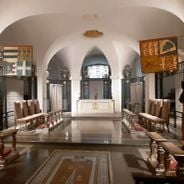
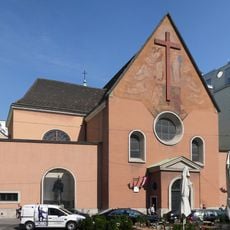
The Imperial Crypt is an underground burial place in the Innere Stadt of Vienna, located beneath the Capuchin Church. Vaulted chambers connect into a branching system of nine rooms where metal coffins and stone tombs stand in rows.
Anna of Tyrol, wife of Emperor Matthias, ordered the creation of this vault in her 1617 testament, which was completed in 1633. For over three centuries it remained the preferred resting place for members of the ruling family, until the monarchy ended in 1918.
The funeral ritual at the Capuchin Church involves a ceremonial knock at the door, where the friar refuses entry until the deceased is announced as a "poor sinner." The sarcophagi range from plain tin-alloy chests coated with shellac to true bronze works of the baroque and rococo eras. The heart of Karl III Joseph of Lorraine rests in an urn on his sarcophagus.
The chambers lie below street level and are reached by a stone staircase starting at the main entrance of the Capuchin Church. Photography is allowed, but lighting is dim and corridors can feel tight during busy periods.
Four heart urns stand among the sarcophagi: the hearts of the Habsburgs were kept here, not elsewhere. The German sources record 147 bodies and four heart urns in the crypt, and the heart of Karl Joseph of Lorraine, Prince-Bishop of Trier, who died in Vienna in 1715, rests on his own coffin. The bodies of Emperor Karl I and Empress Zita's descendants lie at Muri Abbey in Switzerland.
The community of curious travelers
AroundUs brings together thousands of curated places, local tips, and hidden gems, enriched daily by 92,589 contributors worldwide.