Hypogeum of Ħal Saflieni

Log in to your account

AroundUs is a community-driven map of interesting places, built by curious explorers like you. It grows with every review, story, and photo you share.
Connect to save your favorite spots, contribute locations, and create personalized routes.
By continuing, you accept our Terms and Conditions and our Privacy Policy
Add to collection
Map
Suggest a change
Share

Hypogeum of Ħal Saflieni, Underground archaeological site in Paola, Malta.

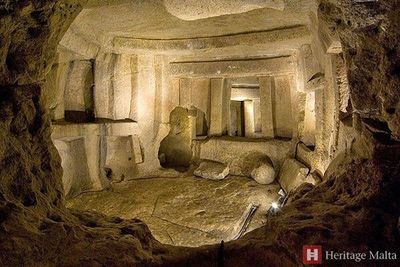
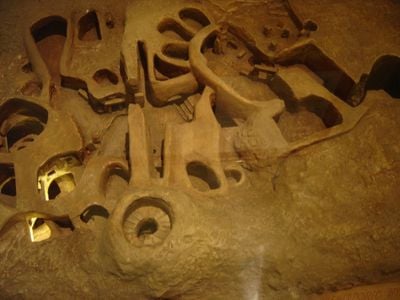
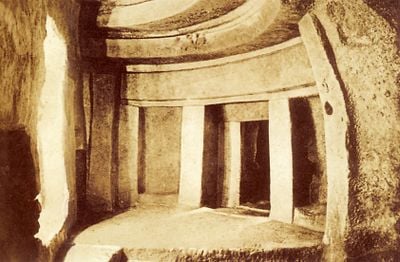
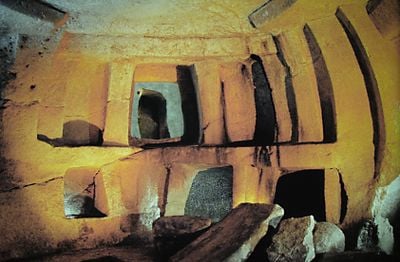
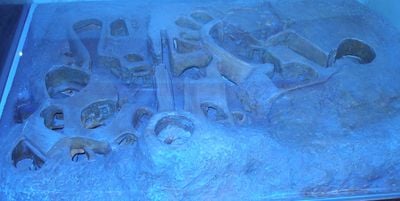
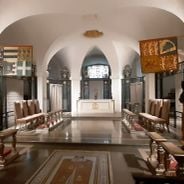
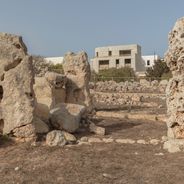
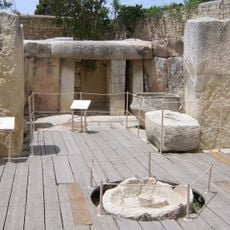
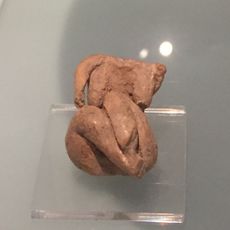
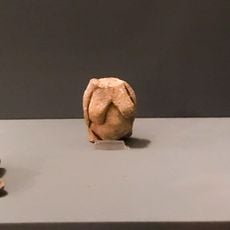
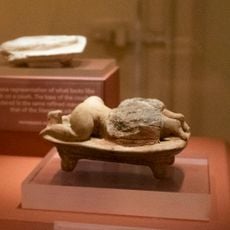
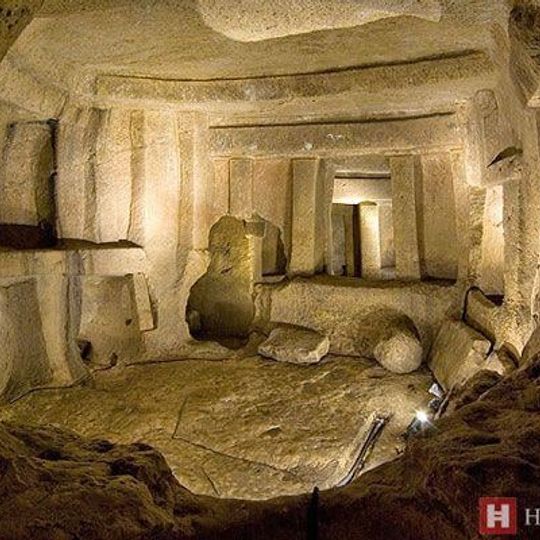
The Hypogeum of Ħal Saflieni is a three-level underground structure in Paola, Malta, carved entirely from limestone. The complex contains multiple connected rooms, including halls, smaller chambers, and storage spaces arranged systematically across its different levels.

Workers discovered the complex by chance in 1902 while constructing houses, which prompted archaeological excavations afterward. Research revealed that the rooms were used over a thousand years, spanning from Neolithic times into the early Bronze Age.

The site reveals burial customs from Neolithic times through its rock-cut chambers that served communities across centuries. These spaces reflect how ancient islanders treated their dead with organized placement and ritualistic care.

Since access is limited and visitor numbers are controlled, it is best to book in advance and allow more time than at other museums. It is important to wear sturdy shoes and bring warm clothing, as the underground rooms are cool and sometimes damp.

The so-called Oracle Room produces distinctive echoes when sounds are made inside, a property that may have heightened its significance for ritual purposes. Additionally, several chamber ceilings are decorated with reddish pigments that remain visible today.

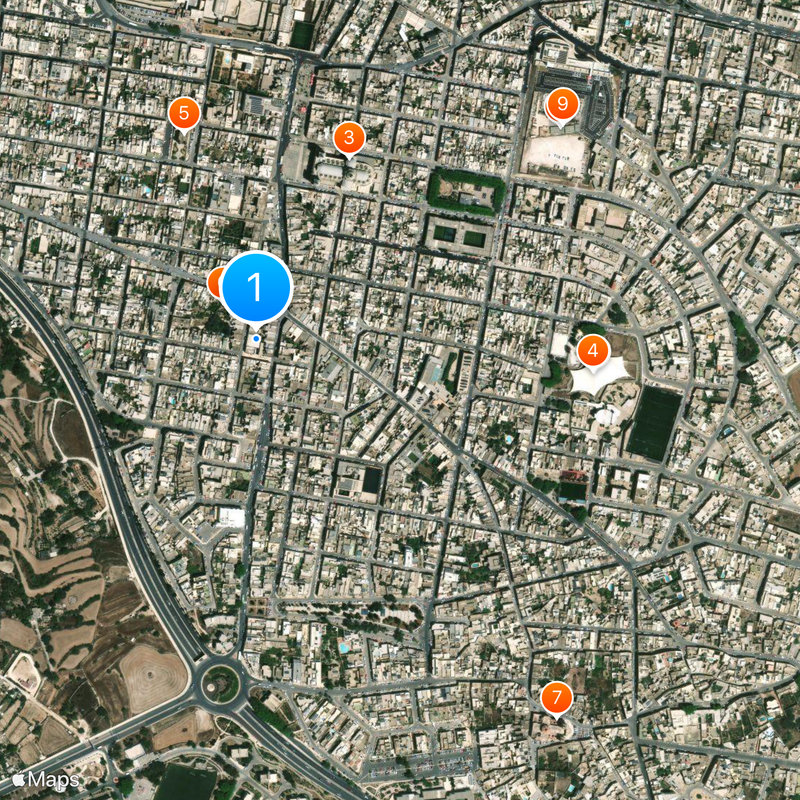
Location: Paola

Fee: Yes

Address: Triq iċ-Ċimiterju

Opening Hours: Monday-Sunday 09:00-17:00

Phone: +35621805018/9

Website: https://heritagemalta.org/hal-saflieni-hypogeum

GPS coordinates: 35.86956,14.50688

Latest update: December 6, 2025 21:03

Photos
Undiscovered crypts and catacombs in Europe

Beneath the streets of Europe's cities lies an underground world of burial chambers and crypts that tell the story of how people honored their dead across centuries. These subterranean spaces range from simple rock-carved tombs to elaborate vaulted rooms, housing the remains of countless generations along with religious monuments, painted walls, and carved stone that reflect Roman, Egyptian, and Christian beliefs. Walk through these passages and you encounter the actual practices of death and faith that shaped European life from the 1st century through the 1800s. The frescoes on the walls, the mosaics underfoot, and the carefully arranged bones reveal how different cultures buried their dead, what they believed about the afterlife, and how they saw themselves in the world. Each crypt and catacomb serves as a record of its time and place. In Paris, workers moved millions of remains to former quarries when cemeteries overflowed, creating a vast underground network that solved a practical problem while becoming a monument to the dead. Vienna's imperial burial chambers held rulers for centuries, transforming tombs into statements of power and legacy. In Naples, Rome, and elsewhere, painted biblical scenes decorate the walls. In the Czech Republic and Poland, elaborate arrangements of bones form geometric designs and decorative patterns that speak to how death was both feared and organized into order. What makes these places remarkable is how they show us the daily reality of life and death in earlier times. Whether you see neat rows of sarcophagi, walls covered with carved inscriptions, or arrangements of bones transformed into art, each site tells you something about what mattered to the people who created it. These underground spaces preserve the beliefs, fears, and hopes of generations, making them windows into how communities lived and what they thought about mortality and the world beyond death.

Malta guide from ancient temples to coastal cliffs

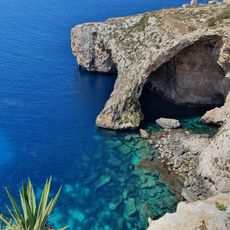
Malta combines thousands of years of history with varied coastal landscapes across a compact island area of 122 square miles (316 square kilometers). The capital Valletta contains major structures including the Co-Cathedral of St. John with its Caravaggio paintings, the National Museum of Archaeology, and the 18th-century Manoel Theatre. The city displays baroque architecture and military installations from the Knights of Malta period. The Neolithic temple complexes rank among the world's oldest freestanding stone structures. Ħaġar Qim and Mnajdra near Qrendi date from around 3600 to 3200 BC, while the Ġgantija temples on Gozo are even older. The Ħal-Saflieni Hypogeum in Paola is an underground necropolis with multiple chambers. The Tarxien temples show decorated stone blocks and reliefs. The coastline offers different formations: the Dingli Cliffs reach 830 feet (253 meters) in height, while the Blue Grotto near Qrendi features sea caves with turquoise water. The Blue Lagoon on Comino has shallow, clear water. Golden Bay near Mellieħa is a sandy beach. Fort Rinella in Kalkara preserves an 1884 Armstrong gun. The medieval town of Mdina and the Citadel in Victoria on Gozo display fortress architecture from different periods.

Reviews

Visited this place? Tap the stars to rate it and share your experience / photos with the community! Try now! You can cancel it anytime.

« Hypogeum of Ħal Saflieni - Underground archaeological site in Paola, Malta » is provided by Around Us (aroundus.com). Images and texts are derived from Wikimedia project under a Creative Commons license. You are allowed to copy, distribute, and modify copies of this page, under the conditions set by the license, as long as this note is clearly visible.

Discover hidden gems everywhere you go!

From secret cafés to breathtaking viewpoints, skip the crowded tourist spots and find places that match your style. Our app makes it easy with voice search, smart filtering, route optimization, and insider tips from travelers worldwide. Download now for the complete mobile experience.
Around Us App Screenshot

A unique approach to discovering new places

Le Figaro

All the places worth exploring

France Info

A tailor-made excursion in just a few clicks

20 Minutes