See the monuments around you in AROpen chests in the app
Around Us is built for your phone — point your camera at the streets and discover the monuments and places around you in augmented reality.Around Us is built for your phone — chests unlock when you walk, explore and capture nearby places.
Malta guide from ancient temples to coastal cliffs
Malta combines thousands of years of history with varied coastal landscapes across a compact island area of 122 square miles (316 square kilometers). The capital Valletta contains major structures including the Co-Cathedral of St. John with its Caravaggio paintings, the National Museum of Archaeology, and the 18th-century Manoel Theatre. The city displays baroque architecture and military installations from the Knights of Malta period.
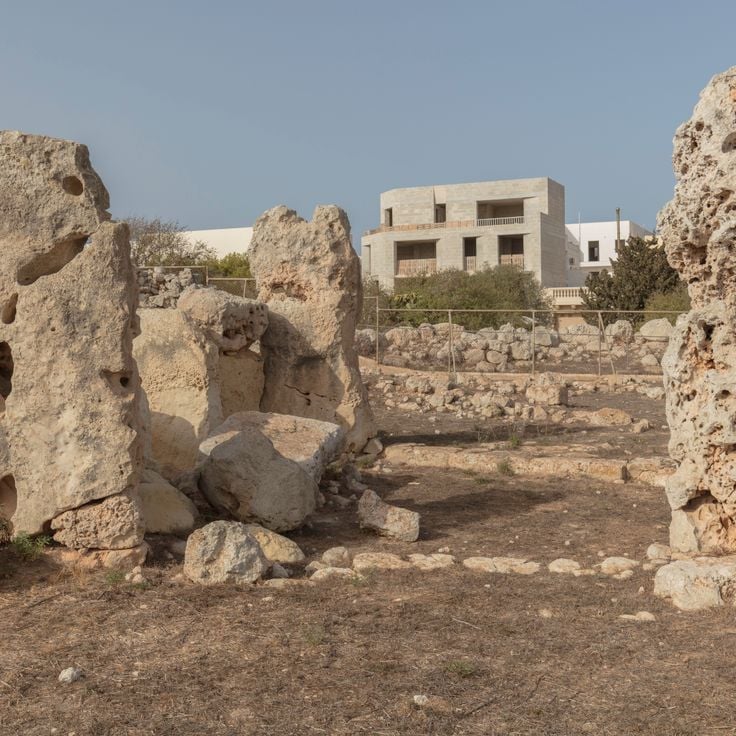
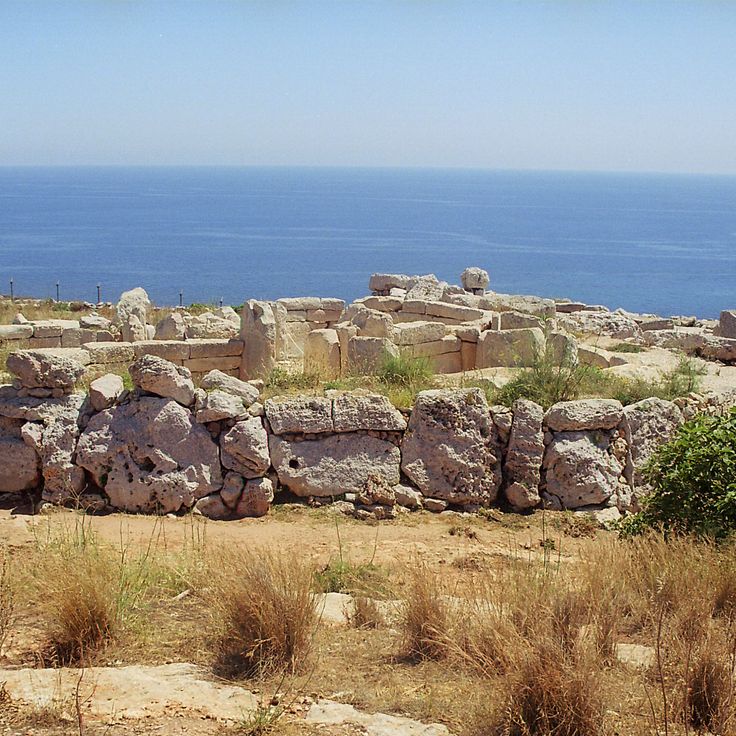
The Neolithic temple complexes rank among the world's oldest freestanding stone structures. Ħaġar Qim and Mnajdra near Qrendi date from around 3600 to 3200 BC, while the Ġgantija temples on Gozo are even older. The Ħal-Saflieni Hypogeum in Paola is an underground necropolis with multiple chambers. The Tarxien temples show decorated stone blocks and reliefs.
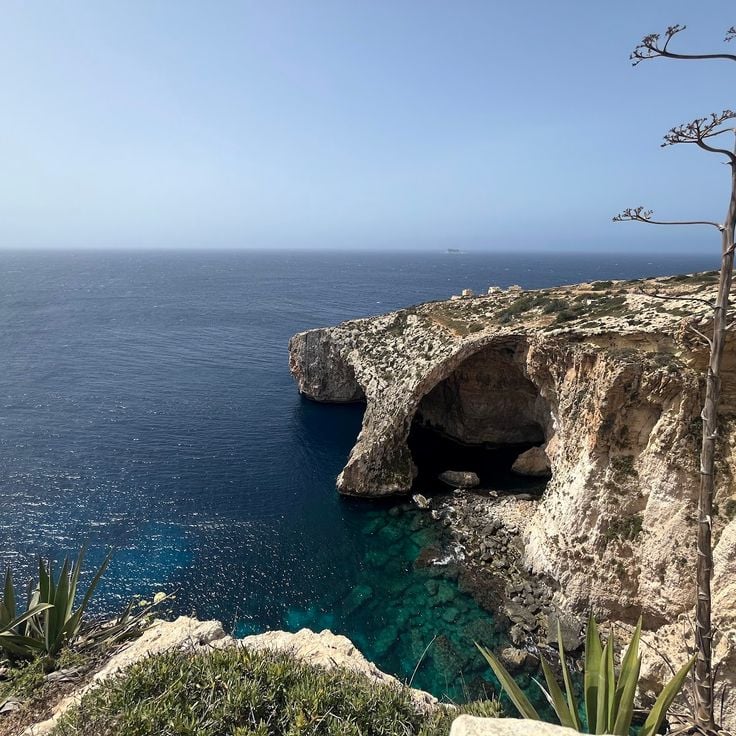
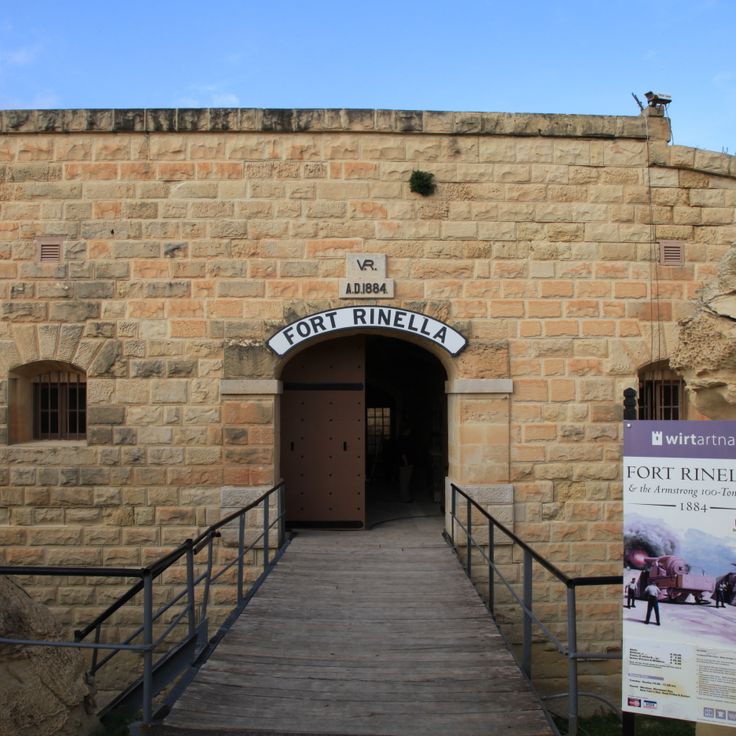
The coastline offers different formations: the Dingli Cliffs reach 830 feet (253 meters) in height, while the Blue Grotto near Qrendi features sea caves with turquoise water. The Blue Lagoon on Comino has shallow, clear water. Golden Bay near Mellieħa is a sandy beach. Fort Rinella in Kalkara preserves an 1884 Armstrong gun. The medieval town of Mdina and the Citadel in Victoria on Gozo display fortress architecture from different periods.
Malta guide from ancient temples to coastal cliffs
Malta combines thousands of years of history with varied coastal landscapes across a compact island area of 122 square miles (316 square kilometers). The capital Valletta contains major structures including the Co-Cathedral of St. John with its Caravaggio paintings, the National Museum of Archaeology, and the 18th-century Manoel Theatre. The city displays baroque architecture and military installations from the Knights of Malta period.
The Neolithic temple complexes rank among the world's oldest freestanding stone structures. Ħaġar Qim and Mnajdra near Qrendi date from around 3600 to 3200 BC, while the Ġgantija temples on Gozo are even older. The Ħal-Saflieni Hypogeum in Paola is an underground necropolis with multiple chambers. The Tarxien temples show decorated stone blocks and reliefs.
The coastline offers different formations: the Dingli Cliffs reach 830 feet (253 meters) in height, while the Blue Grotto near Qrendi features sea caves with turquoise water. The Blue Lagoon on Comino has shallow, clear water. Golden Bay near Mellieħa is a sandy beach. Fort Rinella in Kalkara preserves an 1884 Armstrong gun. The medieval town of Mdina and the Citadel in Victoria on Gozo display fortress architecture from different periods.
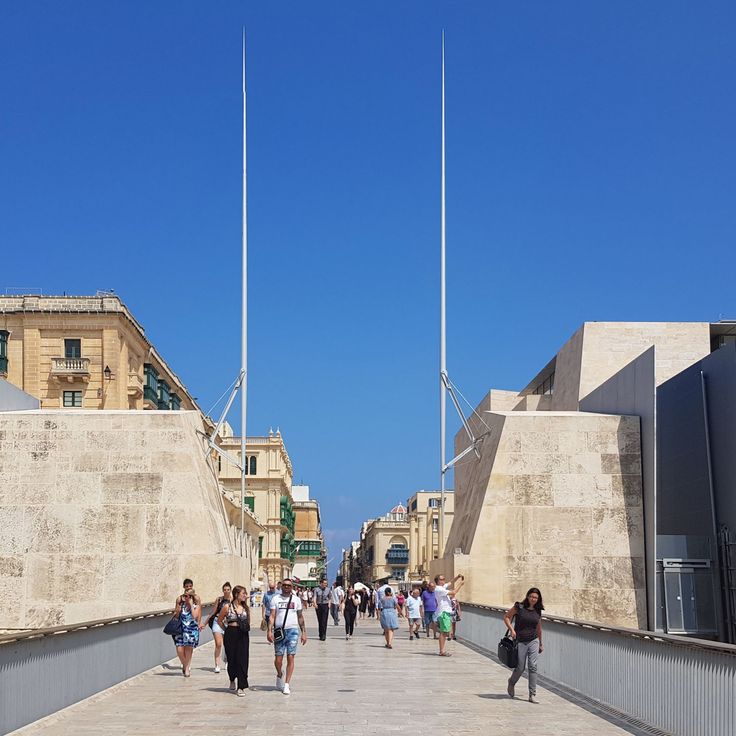
The City Gate of Valletta was completed in 2014 following a design by Renzo Piano and connects modern architecture with the historic old town. The entrance portal combines steel and stone into a contemporary structure that marks the access to the Maltese capital. The gate serves as a transition between the bus terminal outside the city walls and the historic center. Through its design, it establishes a clear connection between modern times and the baroque buildings of Valletta that have characterized the city since the 16th century.
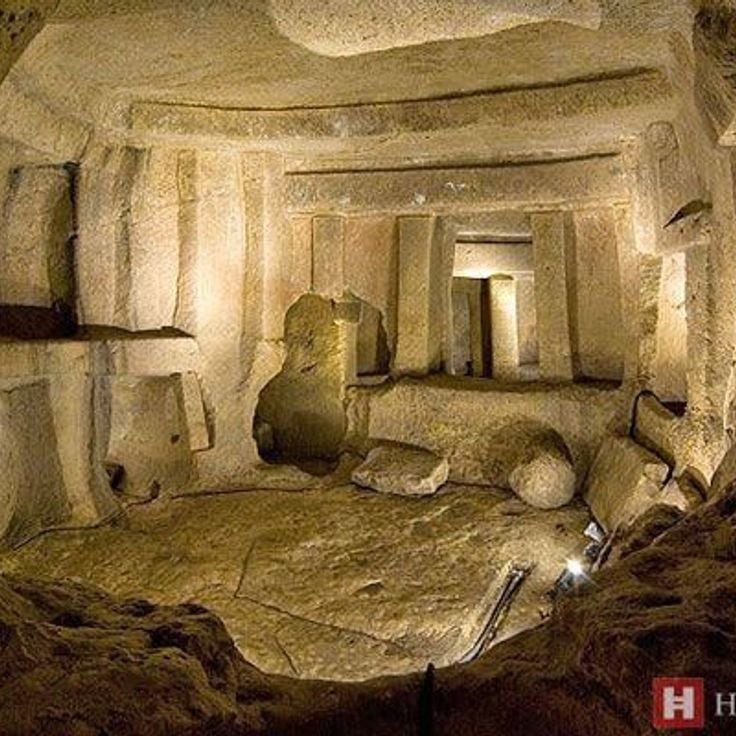
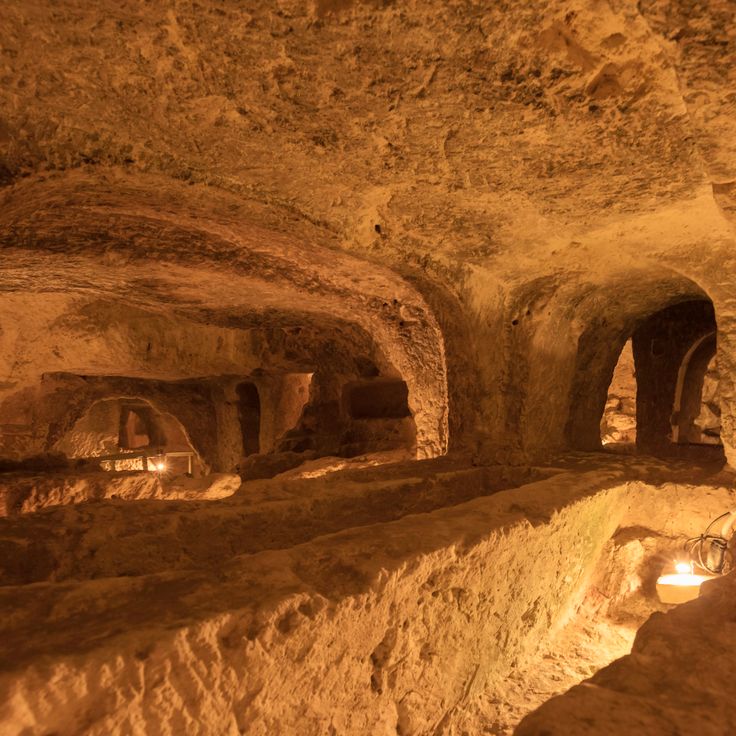
The Hypogeum Hal Saflieni is an underground prehistoric burial site extending across three levels and containing the remains of more than 7000 individuals. This Neolithic necropolis was carved into limestone rock around 4000 BC and displays remarkable architecture with carved chambers, niches, and decorative elements. The site served as a burial place for many centuries and stands as one of Malta's most important prehistoric monuments.
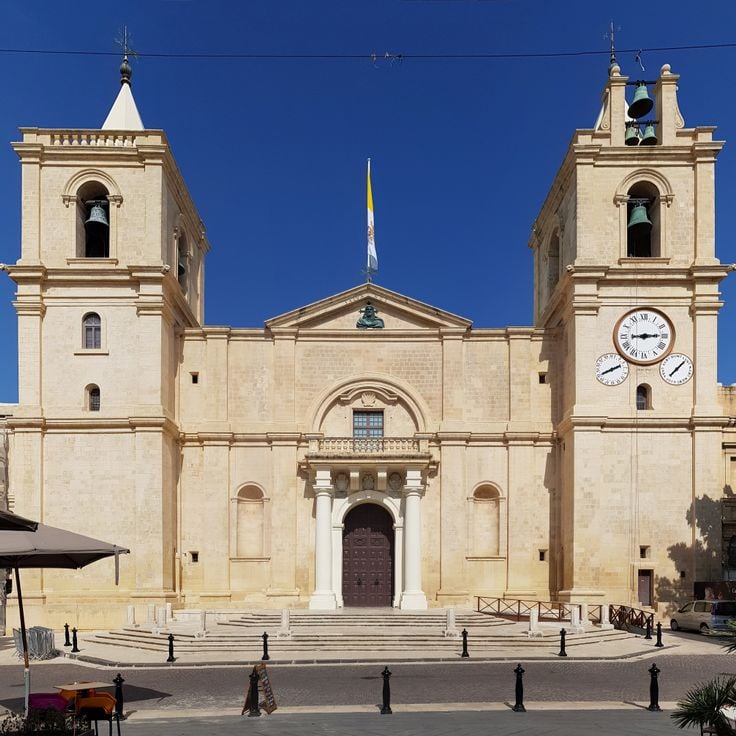
Saint John's Co-Cathedral is a 16th-century church in Valletta known for its baroque interior and artistic significance. The marble floor houses 400 tombstones of Knights of the Order of Malta. The cathedral preserves two major paintings by Caravaggio, including "The Beheading of Saint John the Baptist".
This sea cave extends 300 feet (90 meters) along the coast of Malta and reaches depths of 460 feet (140 meters). The Blue Grotto attracts visitors due to the luminescent corals on its rock walls. The natural system of caverns and rock arches forms part of the island's coastal landscape and provides insights into Malta's geological formations. Boat trips allow exploration of the different chambers within this marine feature.
This 19th-century fort in Kalkara was built by the British to defend the Grand Harbour. Fort Rinella houses a 100-ton (91-metric-ton) Armstrong gun, one of the largest remaining examples of its kind. The facility includes gun chambers, ammunition rooms, and Victorian-era barracks. Guided tours display military equipment and the fort's original chambers. The fort was named after Admiral Sir Francis Rinella.
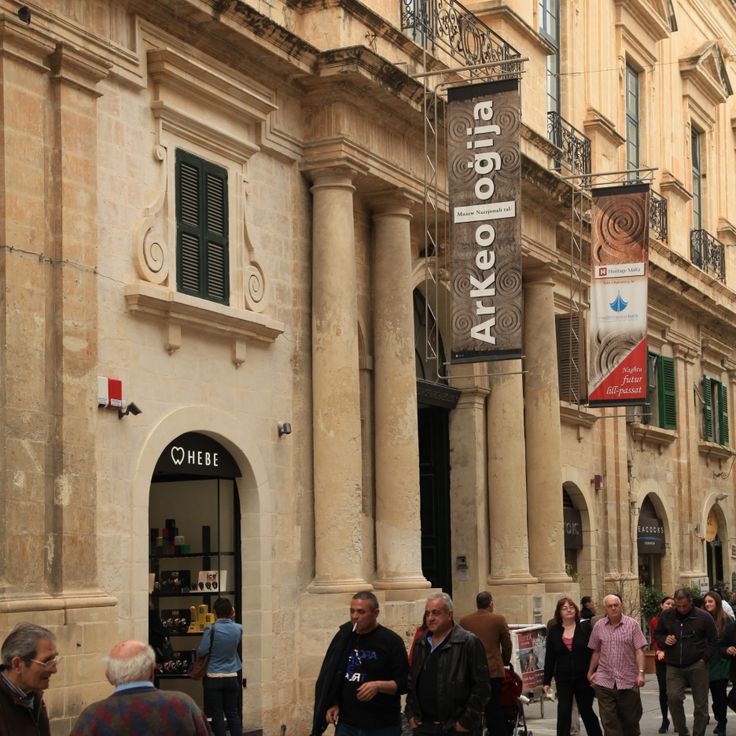
The museum displays a chronological collection of Maltese artifacts spanning from 5000 BC to 400 BC. The exhibition includes pottery, tools, and jewelry from the Neolithic period, along with Bronze Age objects. The collection documents Malta's cultural development through prehistoric epochs and is housed in the Auberge de Provence.
This Neolithic temple consists of three limestone structures built between approximately 3600 and 2500 BC. The complex functioned as an astronomical observatory, with the alignment of its doorways and openings marking the solstices and equinoxes. The three temple buildings display different architectural styles from distinct construction periods. The site sits about 500 meters from the Hagar Qim temple on a cliff above the Mediterranean Sea and is part of a UNESCO World Heritage Site.
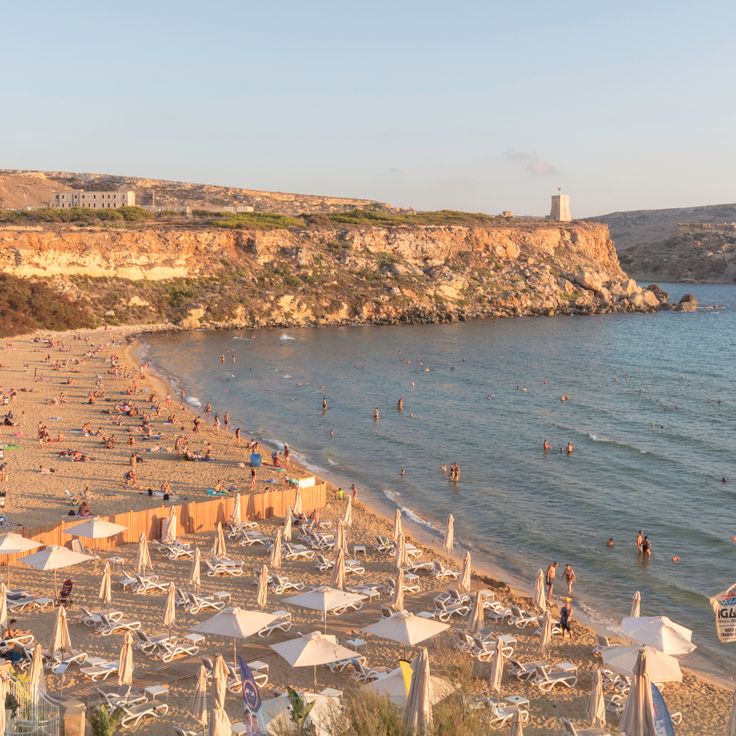
The Plage de la Baie Dorée is a sandy beach located in a natural bay surrounded by cliffs, with facilities for water sports and nearby restaurants. This beach stretches approximately 2000 feet (600 meters) and offers shallow water suitable for swimming and family outings. The bay provides sunbed and umbrella rentals, while several operators offer pedal boats, kayaks, and snorkeling equipment. Along the promenade, cafes and restaurants serve Maltese and international cuisine.
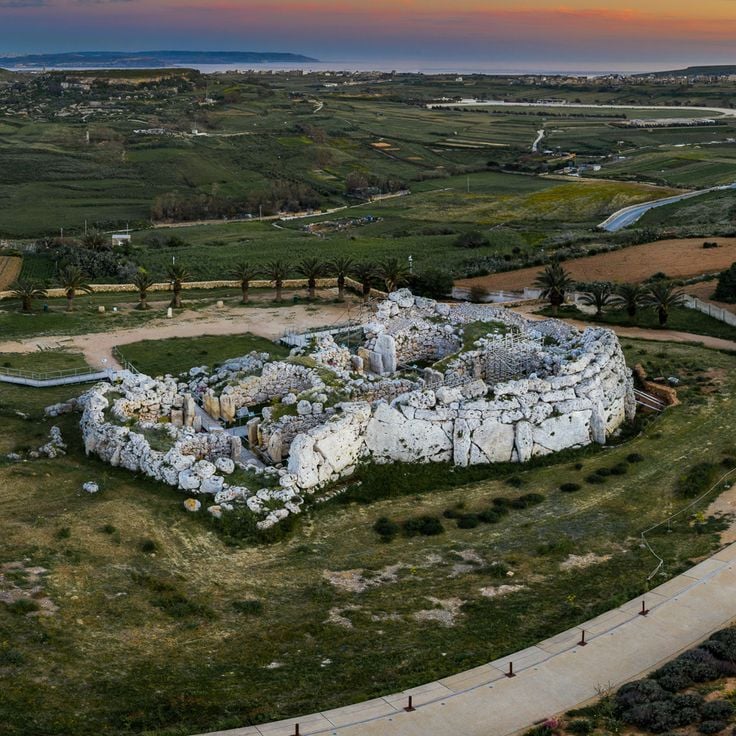
These megalithic temples dating from 3600 BC stand on Gozo and rank among the oldest freestanding structures in the world. The complex includes two temples with massive stone blocks weighing up to 50 tons (45 metric tons), demonstrating the advanced building techniques of Malta's neolithic inhabitants. The temples were constructed from coralline limestone and feature several semicircular chambers forming a distinctive cloverleaf pattern.
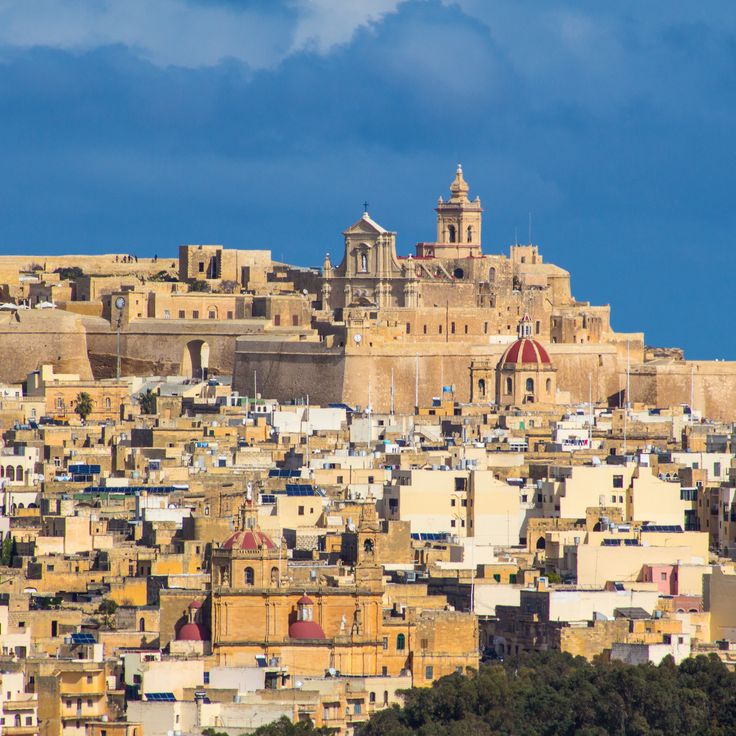
This 15th-century fortress sits on a hill in central Gozo and contains historic buildings, museums, and a cathedral. The Citadel served for centuries as a refuge for the population during pirate raids and now houses the Archaeology Museum, the Folklore Museum, and the Natural History Museum. From the fortification walls, views extend across Gozo and the surrounding Mediterranean Sea. The old town within the walls displays examples of medieval and baroque architecture.
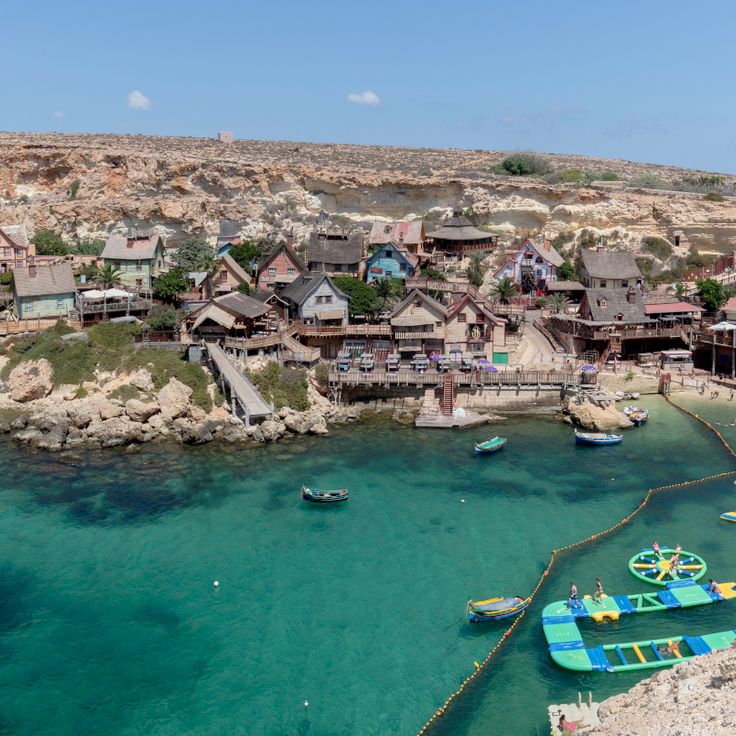
This film set was built in 1980 for the production of the musical comedy starring Robin Williams and now operates as a theme park. Popeye Village consists of 20 wooden structures surrounding a miniature harbor with docks, warehouses, and storefronts. The buildings feature distinctive tilted angles and colorful facades inspired by comic strip architecture. Visitors can walk through the set streets, take boat rides, and enjoy various entertainment activities. Located on Anchor Bay, the park connects Malta's film production history with family recreation facilities.
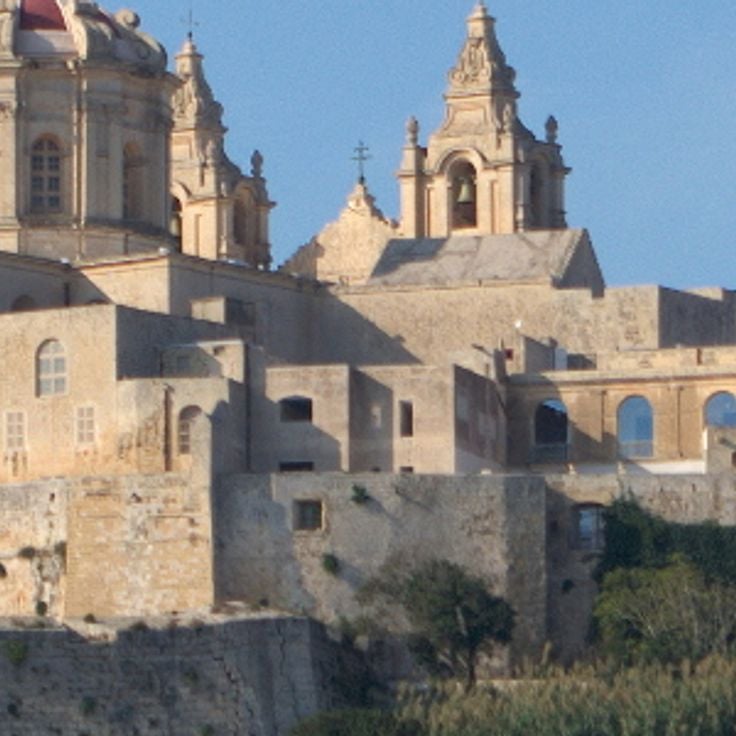
The Old City of Mdina served as Malta's first capital and displays Norman and Baroque architecture. This historic town contains palaces and churches from various periods. The narrow streets and stone facades reflect the medieval past. Visitors explore religious buildings, aristocratic residences, and city walls that document the island's development.
These Neolithic temples in Tarxien rank among Malta's most significant prehistoric sites. The archaeological complex includes four interconnected temple structures dating to around 3600 BC. The stonework displays representations of domestic animals, geometric patterns, and reliefs with spiral motifs. Excavations uncovered fragments of monumental statues, altars, and decorated stone blocks. The complex documents the advanced construction techniques and artistic skills of Malta's temple builders.
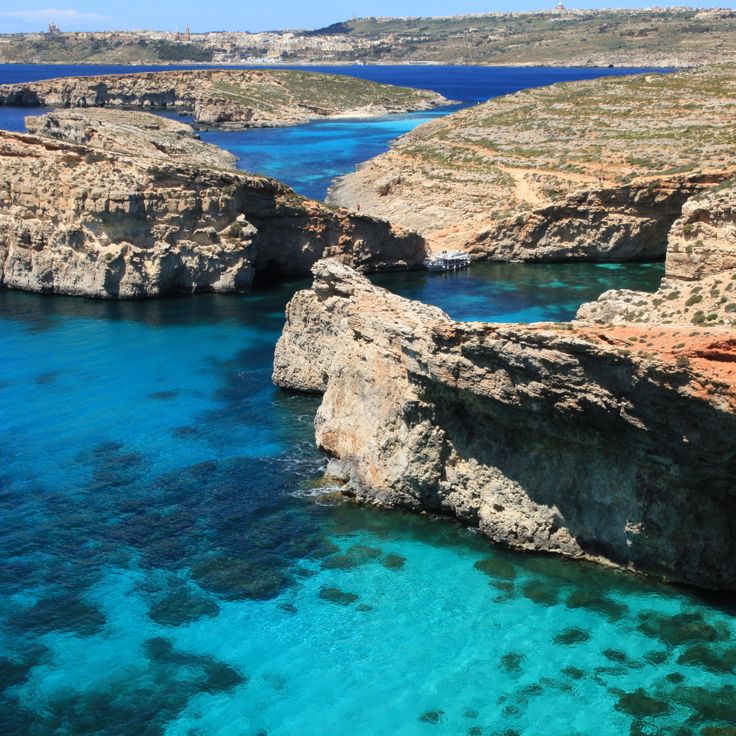
The Lagon Bleu Comino is a sea channel between Comino and Cominotto featuring clear turquoise water over white sand. The water depth reaches up to 52 feet (16 meters), and surrounding limestone cliffs create a sheltered natural bay. This location is among the most visited coastal formations in Malta and offers conditions for swimming and snorkeling.
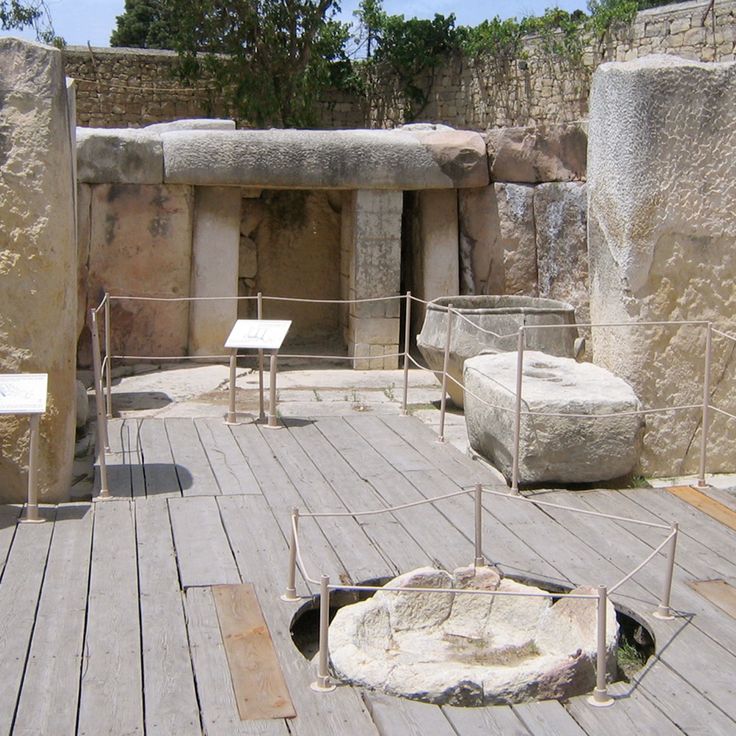
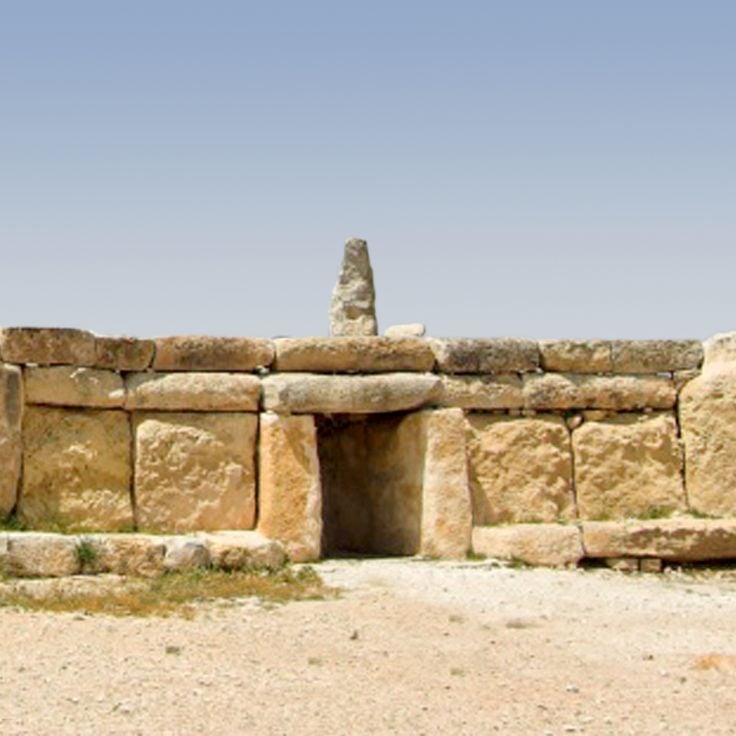
This Neolithic temple complex in Qrendi consists of stone blocks, some weighing up to 20 tons (18 metric tons). Archaeological evidence dates the construction of the site between 3600 and 3200 BC. The temples of Hagar Qim rank among the world's oldest freestanding structures and demonstrate advanced building techniques of Malta's prehistoric inhabitants. The structure includes several chambers and altars that indicate ritual use.
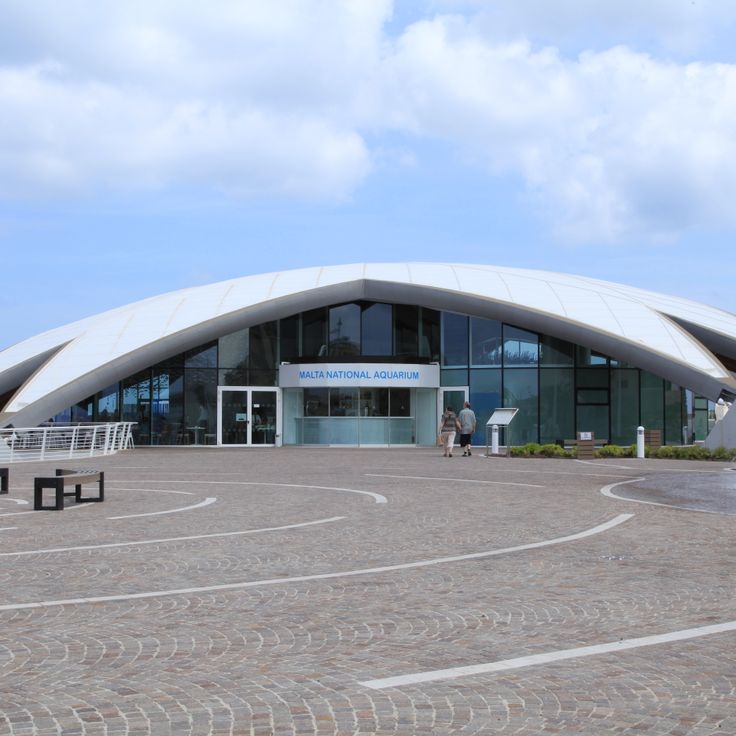
The National Aquarium of Malta in Qawra presents the marine diversity of the Mediterranean across three floors. This facility features 26 tanks displaying various fish species, rays, and sharks, along with a tunnel passing through the main tank. In addition to living specimens, the aquarium exhibits a collection of maritime objects documenting Malta's relationship with the sea. The displays complement the island's historical heritage by providing insight into the underwater world of the region.
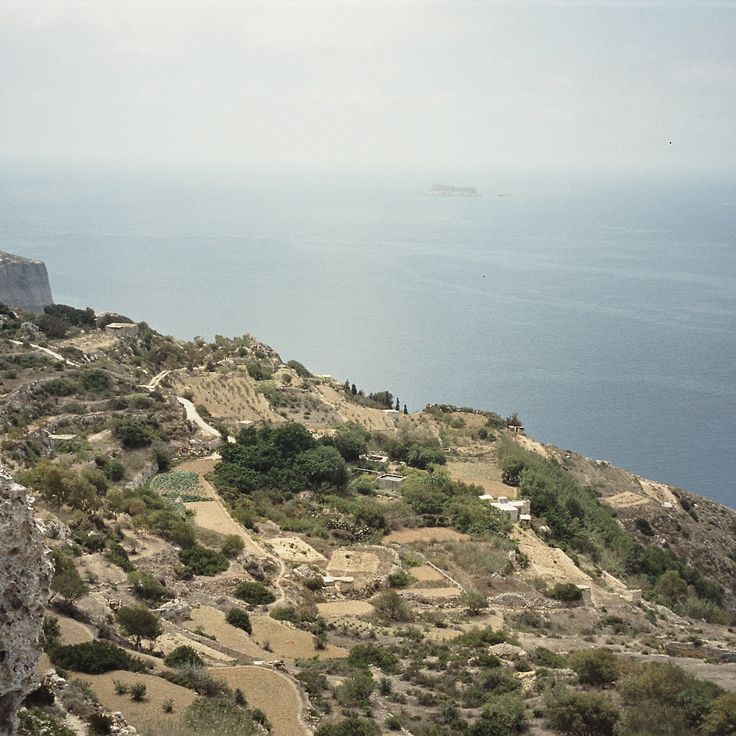
These cliffs rise 830 feet (253 meters) above sea level and provide panoramic views across the Mediterranean. From the cliffs, the uninhabited island of Filfla is visible, located about 3 miles (5 kilometers) off Malta's southwest coast. The Dingli Cliffs mark the highest point on the island and extend along the western coastline. Several walking paths run along the cliff edge, and the area is known for its sunsets. Near the cliffs stands the small 17th-century St. Mary Magdalene chapel. The cliffs display Malta's geological formations with visible limestone layers.
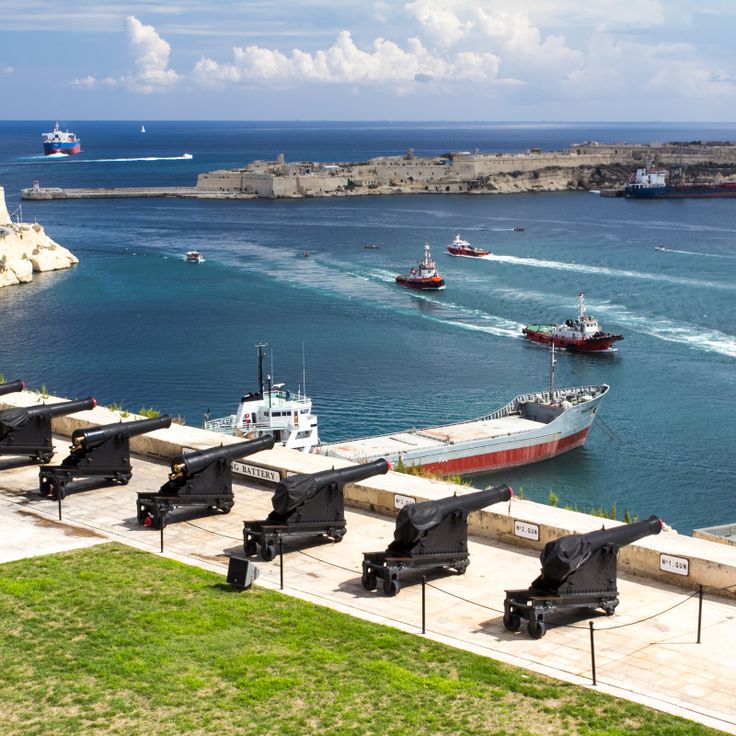
This 16th-century artillery platform in Valletta fires cannons daily at noon and 4:00 PM. The Saluting Battery was originally built to salute incoming vessels and mark the hours. Today, gunners in historical uniforms demonstrate the traditional saluting shots that have overlooked the harbor for centuries. The battery provides insight into Malta's military history and the importance of defending the capital during the Order's rule.
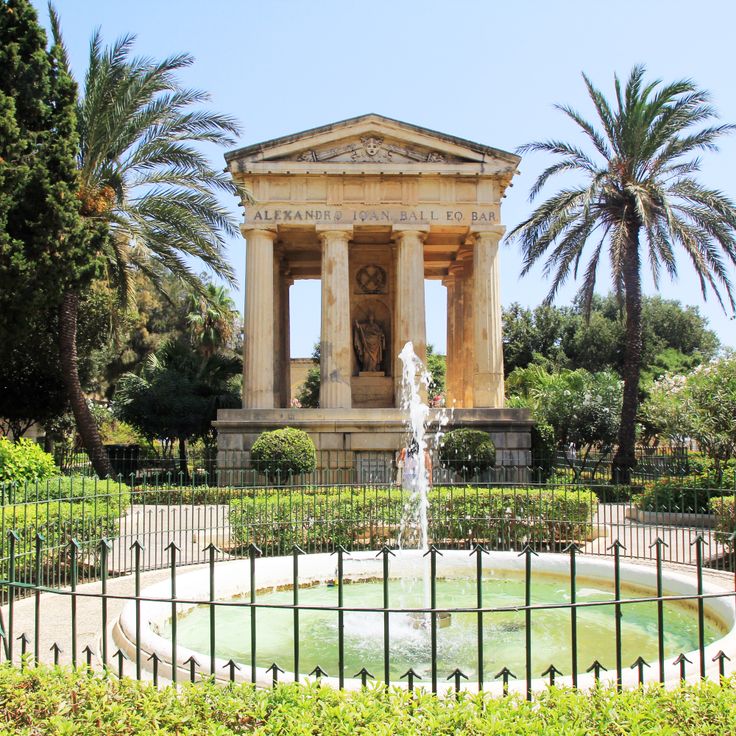
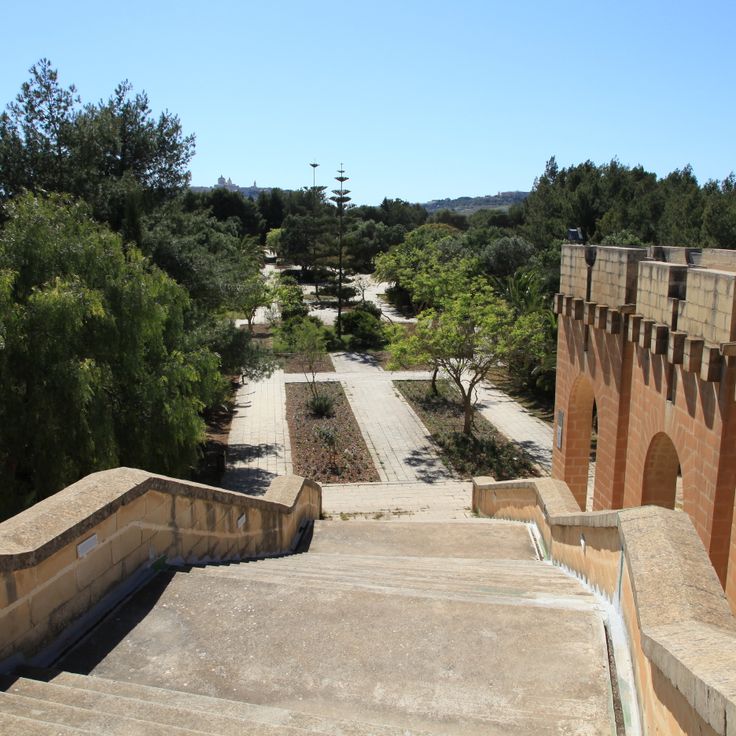
These public gardens in Valletta offer a quiet space with neoclassical monuments and viewpoints over Grand Harbour. The Lower Barrakka Gardens were established in the 19th century as a public recreation area and feature a Doric temple dedicated to First World War soldiers. From the terraces, visitors see the harbor fortifications, the opposite cities of Vittoriosa, Senglea, and Cospicua, and shipping activity in the port. The gardens sit below the Upper Barrakka Gardens and are accessible through several entrances from the waterfront promenade and the old city.
These catacombs form an underground network of Roman burial sites with 2,000-year-old tombs, frescoes, and archaeological artifacts. The complex documents early Christian burial traditions in Malta and displays various tomb types, including niches, chambers, and family vaults. The excavation site provides insights into the Roman settlement of the island and the development of Christian communities in the Mediterranean.
This park on a former British military airfield from World War II now houses sports and recreational facilities along with a crafts market. The grounds include the national football stadium, tennis courts, and picnic areas. The market features traditional Maltese glassware, pottery, and souvenirs. The park combines Malta's military past with modern leisure and cultural offerings.
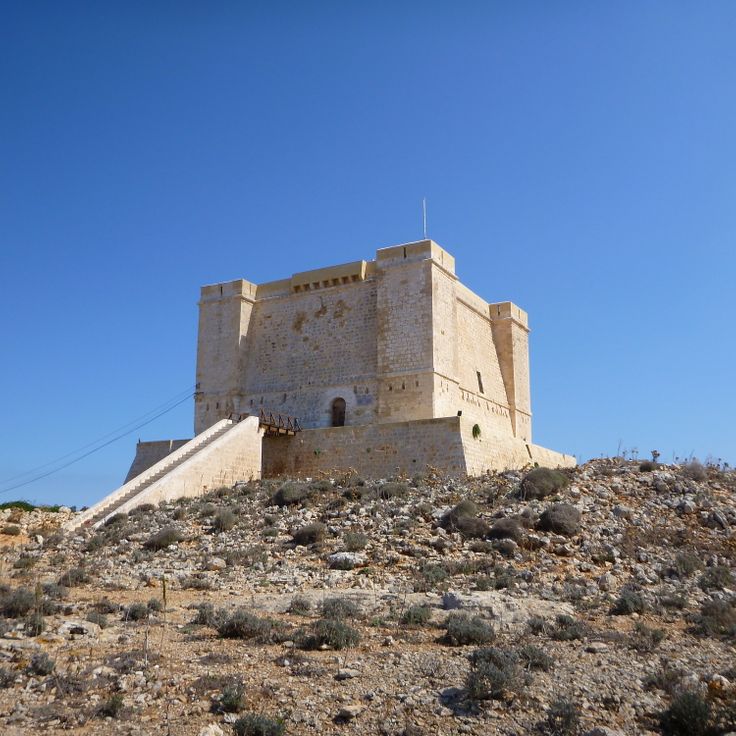
This 17th-century defensive structure stands on the small island of Comino between Malta and Gozo. The tower was built in 1618 as part of the Knights of St. John's watchtower system and served to monitor the waters between the islands and warn of approaching vessels. The construction follows the typical design of Maltese coastal towers with a square base and thick stone walls. From its position, the tower enabled communication between fortifications on Malta and Gozo through signal fires and optical messages. The structure complements the archipelago's historical defensive installations and provides insights into the maritime security strategy of the Knights' era.
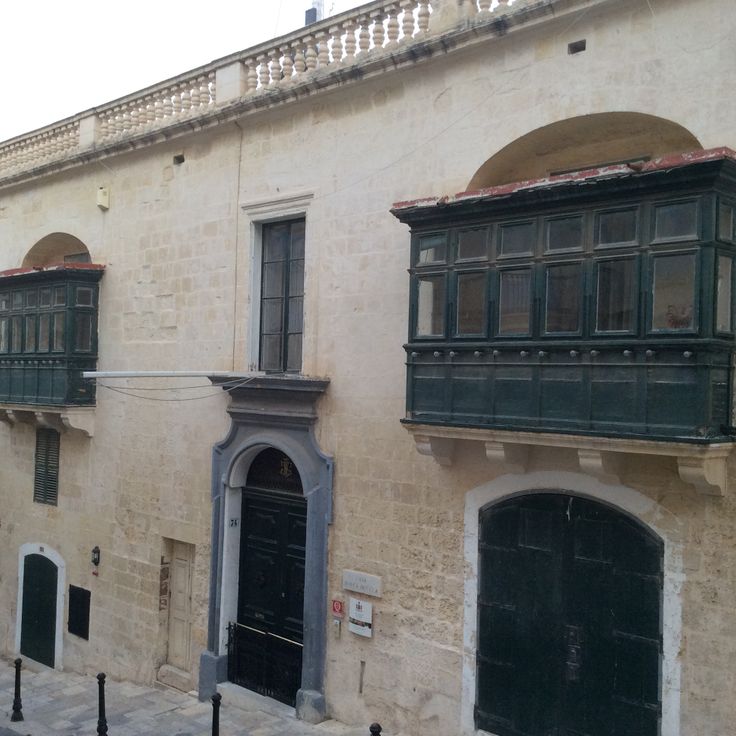
This 16th-century palace stands in the heart of Valletta and serves as the inhabited noble residence of the de Piro family. The rooms display historic furnishings, paintings by Maltese and European artists, and an extensive silver collection. Casa Rocca Piccola also includes a World War II air raid shelter and documents aristocratic life in Malta across several centuries.
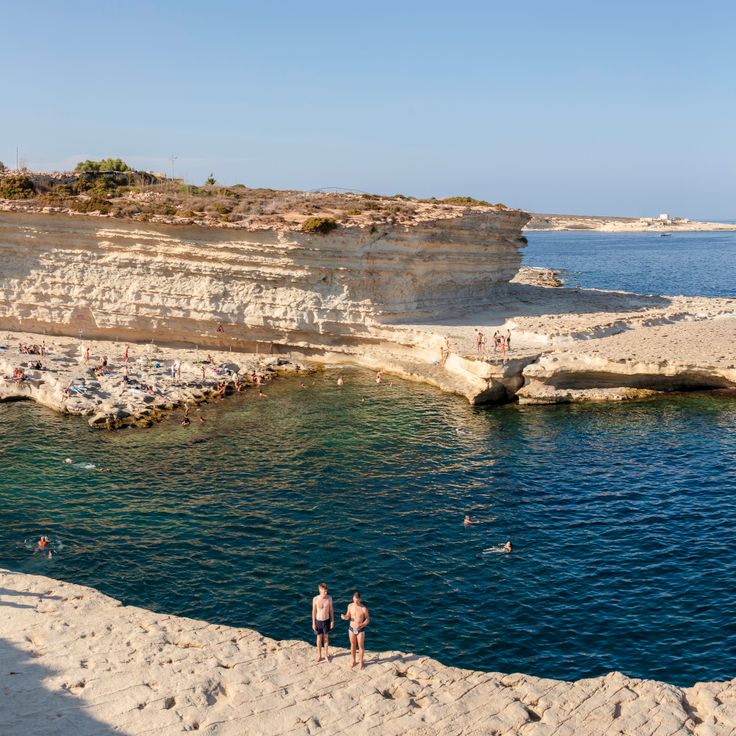
This natural seawater pool sits along the coast near Marsaxlokk, surrounded by limestone rock formations. The Saint Peter's Pool offers visitors opportunities to jump into the water from various heights. The pool fills with tidal flows and Mediterranean waves, creating a sheltered swimming area among the rocks.
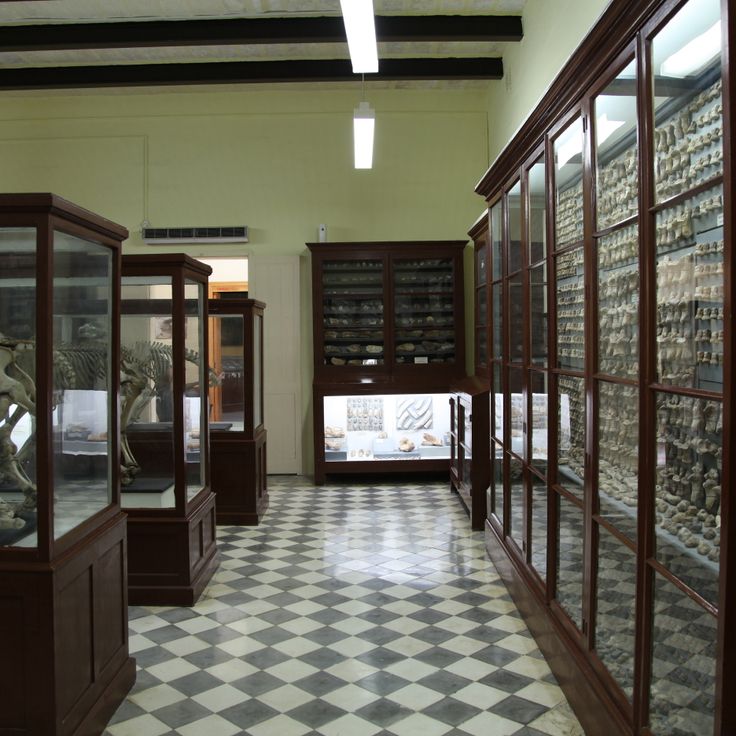
The Ghar Dalam Cave extends 144 meters (472 feet) and preserves fossils of extinct animals from the Ice Age. Notable finds include remains of dwarf elephants and hippopotamuses that once inhabited Malta. The karst formation documents the island's prehistoric fauna and provides insights into the geological past of the Mediterranean region. An adjoining museum displays artifacts from various periods.
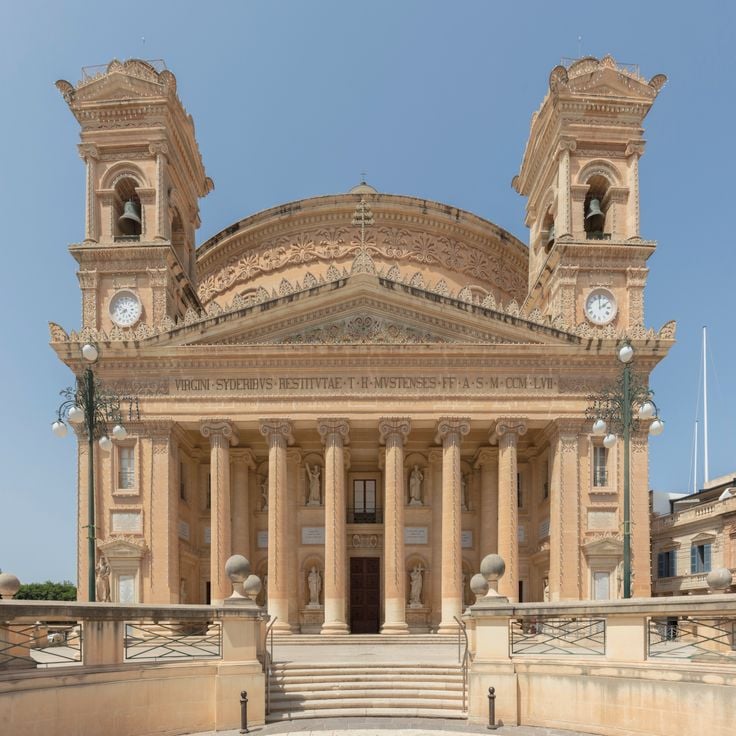
The Rotunda of Mosta is a Catholic church built with a circular floor plan. Constructed between 1833 and 1871, it features a dome measuring 122 feet (37 meters) in diameter. During World War II, on April 9, 1942, a German 500-pound (227-kilogram) bomb pierced the dome but failed to detonate while approximately 300 worshippers attended Mass.
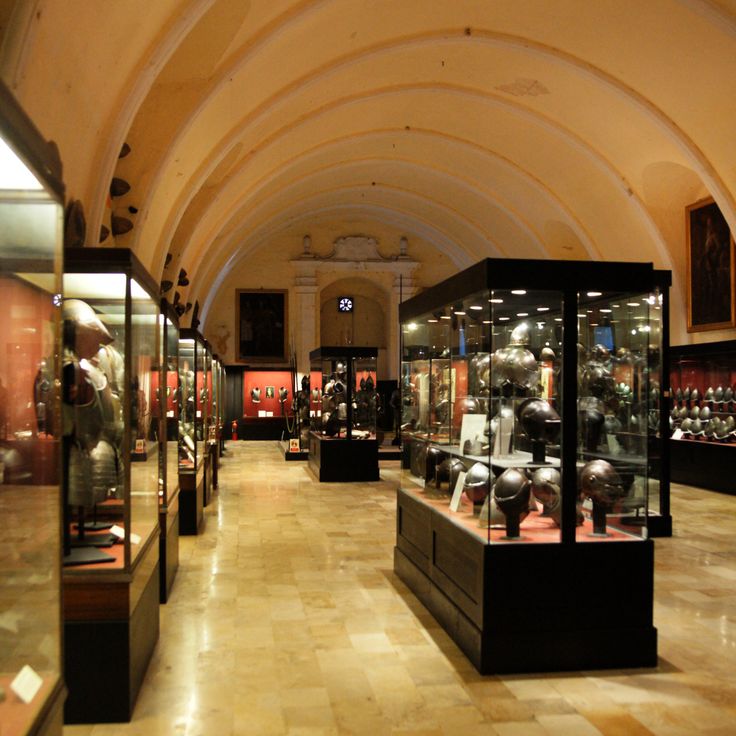
This armory in the Grandmaster's Palace displays over 5,000 suits of armor and 6,000 weapons from the period of the Knights of Saint John between 1530 and 1798. The collection includes swords, cannons, muskets, and ceremonial armor that document the military life and defensive strategies of the Order. The exhibited objects show the evolution of weaponry technology across three centuries of European history.
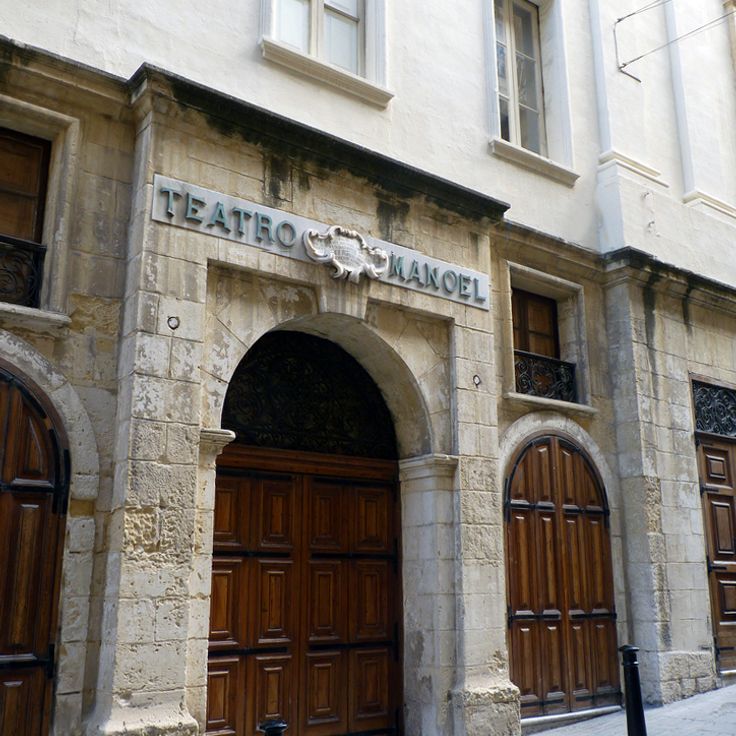
The Teatru Manoel was built in 1732 as a public theater and ranks among Europe's oldest continuously operating theater houses. The baroque interior architecture with its gilded boxes, painted ceilings, and characteristic wood paneling remains largely in its original condition. The auditorium provides seating for approximately 600 guests across three levels. Beyond classical concerts and opera performances, the venue regularly hosts theater productions, ballet events, and chamber music recitals. This theater includes a small museum documenting the building's history and its role in Malta's cultural life.
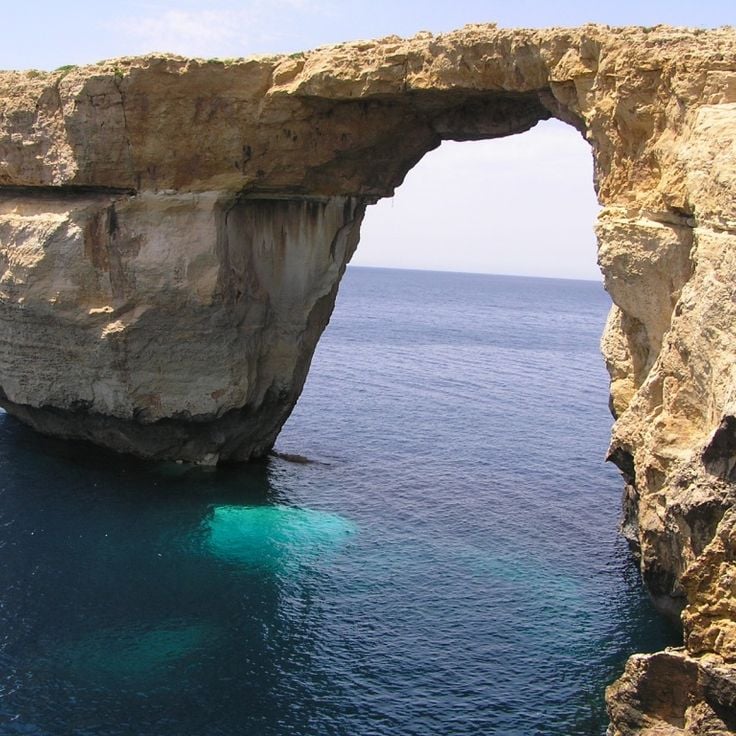
The Blue Window was a natural limestone formation on Gozo's coast that collapsed during a storm in March 2017. This distinctive rock arch rose from the Mediterranean Sea and had formed over thousands of years through erosion. The formation was among Malta's geological features and attracted numerous visitors. Today, underwater remains and photographs preserve the memory of this natural phenomenon that was part of the Dwejra coastal landscape.
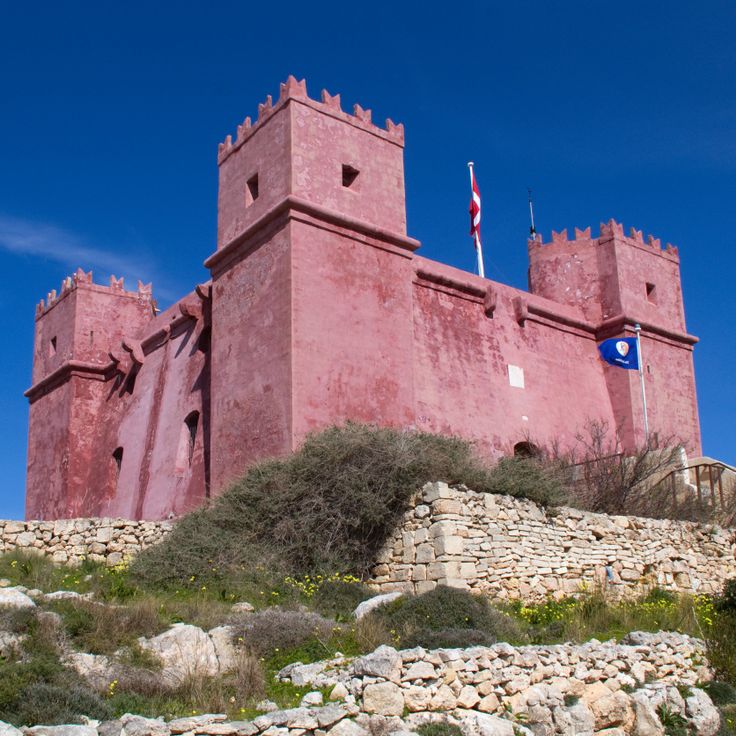
This 17th-century watchtower with its distinctive red walls was built during the rule of the Knights of Malta to defend the northern coastline against pirate raids and Ottoman attacks. The tower served as an observation post within a network of coastal fortifications, allowing for signal transmission to other towers along the shore. The structure stands on elevated ground, providing extensive views across Mellieħa Bay and the surrounding waters. This fortification demonstrates the strategic importance of Malta's coastal defense system during the early modern period.
The Skorba Temples preserve archaeological evidence from the 4th millennium BC and rank among the oldest surviving structures in Malta. This Neolithic site displays multiple construction phases with megalithic elements, pottery finds, and tools that offer insight into the early settlement of the island. Excavations have uncovered several layers of human activity here, including remains of buildings and objects from daily life across multiple prehistoric periods.
The City Gate of Valletta was completed in 2014 following a design by Renzo Piano and connects modern architecture with the historic old town. The entrance portal combines steel and stone into a contemporary structure that marks the access to the Maltese capital. The gate serves as a transition between the bus terminal outside the city walls and the historic center. Through its design, it establishes a clear connection between modern times and the baroque buildings of Valletta that have characterized the city since the 16th century.
The Hypogeum Hal Saflieni is an underground prehistoric burial site extending across three levels and containing the remains of more than 7000 individuals. This Neolithic necropolis was carved into limestone rock around 4000 BC and displays remarkable architecture with carved chambers, niches, and decorative elements. The site served as a burial place for many centuries and stands as one of Malta's most important prehistoric monuments.
Saint John's Co-Cathedral is a 16th-century church in Valletta known for its baroque interior and artistic significance. The marble floor houses 400 tombstones of Knights of the Order of Malta. The cathedral preserves two major paintings by Caravaggio, including "The Beheading of Saint John the Baptist".
This sea cave extends 300 feet (90 meters) along the coast of Malta and reaches depths of 460 feet (140 meters). The Blue Grotto attracts visitors due to the luminescent corals on its rock walls. The natural system of caverns and rock arches forms part of the island's coastal landscape and provides insights into Malta's geological formations. Boat trips allow exploration of the different chambers within this marine feature.
This 19th-century fort in Kalkara was built by the British to defend the Grand Harbour. Fort Rinella houses a 100-ton (91-metric-ton) Armstrong gun, one of the largest remaining examples of its kind. The facility includes gun chambers, ammunition rooms, and Victorian-era barracks. Guided tours display military equipment and the fort's original chambers. The fort was named after Admiral Sir Francis Rinella.
The museum displays a chronological collection of Maltese artifacts spanning from 5000 BC to 400 BC. The exhibition includes pottery, tools, and jewelry from the Neolithic period, along with Bronze Age objects. The collection documents Malta's cultural development through prehistoric epochs and is housed in the Auberge de Provence.
This Neolithic temple consists of three limestone structures built between approximately 3600 and 2500 BC. The complex functioned as an astronomical observatory, with the alignment of its doorways and openings marking the solstices and equinoxes. The three temple buildings display different architectural styles from distinct construction periods. The site sits about 500 meters from the Hagar Qim temple on a cliff above the Mediterranean Sea and is part of a UNESCO World Heritage Site.
The Plage de la Baie Dorée is a sandy beach located in a natural bay surrounded by cliffs, with facilities for water sports and nearby restaurants. This beach stretches approximately 2000 feet (600 meters) and offers shallow water suitable for swimming and family outings. The bay provides sunbed and umbrella rentals, while several operators offer pedal boats, kayaks, and snorkeling equipment. Along the promenade, cafes and restaurants serve Maltese and international cuisine.
These megalithic temples dating from 3600 BC stand on Gozo and rank among the oldest freestanding structures in the world. The complex includes two temples with massive stone blocks weighing up to 50 tons (45 metric tons), demonstrating the advanced building techniques of Malta's neolithic inhabitants. The temples were constructed from coralline limestone and feature several semicircular chambers forming a distinctive cloverleaf pattern.
This 15th-century fortress sits on a hill in central Gozo and contains historic buildings, museums, and a cathedral. The Citadel served for centuries as a refuge for the population during pirate raids and now houses the Archaeology Museum, the Folklore Museum, and the Natural History Museum. From the fortification walls, views extend across Gozo and the surrounding Mediterranean Sea. The old town within the walls displays examples of medieval and baroque architecture.
This film set was built in 1980 for the production of the musical comedy starring Robin Williams and now operates as a theme park. Popeye Village consists of 20 wooden structures surrounding a miniature harbor with docks, warehouses, and storefronts. The buildings feature distinctive tilted angles and colorful facades inspired by comic strip architecture. Visitors can walk through the set streets, take boat rides, and enjoy various entertainment activities. Located on Anchor Bay, the park connects Malta's film production history with family recreation facilities.
The Old City of Mdina served as Malta's first capital and displays Norman and Baroque architecture. This historic town contains palaces and churches from various periods. The narrow streets and stone facades reflect the medieval past. Visitors explore religious buildings, aristocratic residences, and city walls that document the island's development.
These Neolithic temples in Tarxien rank among Malta's most significant prehistoric sites. The archaeological complex includes four interconnected temple structures dating to around 3600 BC. The stonework displays representations of domestic animals, geometric patterns, and reliefs with spiral motifs. Excavations uncovered fragments of monumental statues, altars, and decorated stone blocks. The complex documents the advanced construction techniques and artistic skills of Malta's temple builders.
The Lagon Bleu Comino is a sea channel between Comino and Cominotto featuring clear turquoise water over white sand. The water depth reaches up to 52 feet (16 meters), and surrounding limestone cliffs create a sheltered natural bay. This location is among the most visited coastal formations in Malta and offers conditions for swimming and snorkeling.
This Neolithic temple complex in Qrendi consists of stone blocks, some weighing up to 20 tons (18 metric tons). Archaeological evidence dates the construction of the site between 3600 and 3200 BC. The temples of Hagar Qim rank among the world's oldest freestanding structures and demonstrate advanced building techniques of Malta's prehistoric inhabitants. The structure includes several chambers and altars that indicate ritual use.
The National Aquarium of Malta in Qawra presents the marine diversity of the Mediterranean across three floors. This facility features 26 tanks displaying various fish species, rays, and sharks, along with a tunnel passing through the main tank. In addition to living specimens, the aquarium exhibits a collection of maritime objects documenting Malta's relationship with the sea. The displays complement the island's historical heritage by providing insight into the underwater world of the region.
These cliffs rise 830 feet (253 meters) above sea level and provide panoramic views across the Mediterranean. From the cliffs, the uninhabited island of Filfla is visible, located about 3 miles (5 kilometers) off Malta's southwest coast. The Dingli Cliffs mark the highest point on the island and extend along the western coastline. Several walking paths run along the cliff edge, and the area is known for its sunsets. Near the cliffs stands the small 17th-century St. Mary Magdalene chapel. The cliffs display Malta's geological formations with visible limestone layers.
This 16th-century artillery platform in Valletta fires cannons daily at noon and 4:00 PM. The Saluting Battery was originally built to salute incoming vessels and mark the hours. Today, gunners in historical uniforms demonstrate the traditional saluting shots that have overlooked the harbor for centuries. The battery provides insight into Malta's military history and the importance of defending the capital during the Order's rule.
These public gardens in Valletta offer a quiet space with neoclassical monuments and viewpoints over Grand Harbour. The Lower Barrakka Gardens were established in the 19th century as a public recreation area and feature a Doric temple dedicated to First World War soldiers. From the terraces, visitors see the harbor fortifications, the opposite cities of Vittoriosa, Senglea, and Cospicua, and shipping activity in the port. The gardens sit below the Upper Barrakka Gardens and are accessible through several entrances from the waterfront promenade and the old city.
These catacombs form an underground network of Roman burial sites with 2,000-year-old tombs, frescoes, and archaeological artifacts. The complex documents early Christian burial traditions in Malta and displays various tomb types, including niches, chambers, and family vaults. The excavation site provides insights into the Roman settlement of the island and the development of Christian communities in the Mediterranean.
This park on a former British military airfield from World War II now houses sports and recreational facilities along with a crafts market. The grounds include the national football stadium, tennis courts, and picnic areas. The market features traditional Maltese glassware, pottery, and souvenirs. The park combines Malta's military past with modern leisure and cultural offerings.
This 17th-century defensive structure stands on the small island of Comino between Malta and Gozo. The tower was built in 1618 as part of the Knights of St. John's watchtower system and served to monitor the waters between the islands and warn of approaching vessels. The construction follows the typical design of Maltese coastal towers with a square base and thick stone walls. From its position, the tower enabled communication between fortifications on Malta and Gozo through signal fires and optical messages. The structure complements the archipelago's historical defensive installations and provides insights into the maritime security strategy of the Knights' era.
This 16th-century palace stands in the heart of Valletta and serves as the inhabited noble residence of the de Piro family. The rooms display historic furnishings, paintings by Maltese and European artists, and an extensive silver collection. Casa Rocca Piccola also includes a World War II air raid shelter and documents aristocratic life in Malta across several centuries.
This natural seawater pool sits along the coast near Marsaxlokk, surrounded by limestone rock formations. The Saint Peter's Pool offers visitors opportunities to jump into the water from various heights. The pool fills with tidal flows and Mediterranean waves, creating a sheltered swimming area among the rocks.
The Ghar Dalam Cave extends 144 meters (472 feet) and preserves fossils of extinct animals from the Ice Age. Notable finds include remains of dwarf elephants and hippopotamuses that once inhabited Malta. The karst formation documents the island's prehistoric fauna and provides insights into the geological past of the Mediterranean region. An adjoining museum displays artifacts from various periods.
The Rotunda of Mosta is a Catholic church built with a circular floor plan. Constructed between 1833 and 1871, it features a dome measuring 122 feet (37 meters) in diameter. During World War II, on April 9, 1942, a German 500-pound (227-kilogram) bomb pierced the dome but failed to detonate while approximately 300 worshippers attended Mass.
This armory in the Grandmaster's Palace displays over 5,000 suits of armor and 6,000 weapons from the period of the Knights of Saint John between 1530 and 1798. The collection includes swords, cannons, muskets, and ceremonial armor that document the military life and defensive strategies of the Order. The exhibited objects show the evolution of weaponry technology across three centuries of European history.
The Teatru Manoel was built in 1732 as a public theater and ranks among Europe's oldest continuously operating theater houses. The baroque interior architecture with its gilded boxes, painted ceilings, and characteristic wood paneling remains largely in its original condition. The auditorium provides seating for approximately 600 guests across three levels. Beyond classical concerts and opera performances, the venue regularly hosts theater productions, ballet events, and chamber music recitals. This theater includes a small museum documenting the building's history and its role in Malta's cultural life.
The Blue Window was a natural limestone formation on Gozo's coast that collapsed during a storm in March 2017. This distinctive rock arch rose from the Mediterranean Sea and had formed over thousands of years through erosion. The formation was among Malta's geological features and attracted numerous visitors. Today, underwater remains and photographs preserve the memory of this natural phenomenon that was part of the Dwejra coastal landscape.
This 17th-century watchtower with its distinctive red walls was built during the rule of the Knights of Malta to defend the northern coastline against pirate raids and Ottoman attacks. The tower served as an observation post within a network of coastal fortifications, allowing for signal transmission to other towers along the shore. The structure stands on elevated ground, providing extensive views across Mellieħa Bay and the surrounding waters. This fortification demonstrates the strategic importance of Malta's coastal defense system during the early modern period.
The Skorba Temples preserve archaeological evidence from the 4th millennium BC and rank among the oldest surviving structures in Malta. This Neolithic site displays multiple construction phases with megalithic elements, pottery finds, and tools that offer insight into the early settlement of the island. Excavations have uncovered several layers of human activity here, including remains of buildings and objects from daily life across multiple prehistoric periods.
The City Gate of Valletta was completed in 2014 following a design by Renzo Piano and connects modern architecture with the historic old town. The entrance portal combines steel and stone into a contemporary structure that marks the access to the Maltese capital. The gate serves as a transition between the bus terminal outside the city walls and the historic center. Through its design, it establishes a clear connection between modern times and the baroque buildings of Valletta that have characterized the city since the 16th century.
The Hypogeum Hal Saflieni is an underground prehistoric burial site extending across three levels and containing the remains of more than 7000 individuals. This Neolithic necropolis was carved into limestone rock around 4000 BC and displays remarkable architecture with carved chambers, niches, and decorative elements. The site served as a burial place for many centuries and stands as one of Malta's most important prehistoric monuments.
Saint John's Co-Cathedral is a 16th-century church in Valletta known for its baroque interior and artistic significance. The marble floor houses 400 tombstones of Knights of the Order of Malta. The cathedral preserves two major paintings by Caravaggio, including "The Beheading of Saint John the Baptist".
This sea cave extends 300 feet (90 meters) along the coast of Malta and reaches depths of 460 feet (140 meters). The Blue Grotto attracts visitors due to the luminescent corals on its rock walls. The natural system of caverns and rock arches forms part of the island's coastal landscape and provides insights into Malta's geological formations. Boat trips allow exploration of the different chambers within this marine feature.
This 19th-century fort in Kalkara was built by the British to defend the Grand Harbour. Fort Rinella houses a 100-ton (91-metric-ton) Armstrong gun, one of the largest remaining examples of its kind. The facility includes gun chambers, ammunition rooms, and Victorian-era barracks. Guided tours display military equipment and the fort's original chambers. The fort was named after Admiral Sir Francis Rinella.
The museum displays a chronological collection of Maltese artifacts spanning from 5000 BC to 400 BC. The exhibition includes pottery, tools, and jewelry from the Neolithic period, along with Bronze Age objects. The collection documents Malta's cultural development through prehistoric epochs and is housed in the Auberge de Provence.
This Neolithic temple consists of three limestone structures built between approximately 3600 and 2500 BC. The complex functioned as an astronomical observatory, with the alignment of its doorways and openings marking the solstices and equinoxes. The three temple buildings display different architectural styles from distinct construction periods. The site sits about 500 meters from the Hagar Qim temple on a cliff above the Mediterranean Sea and is part of a UNESCO World Heritage Site.
The Plage de la Baie Dorée is a sandy beach located in a natural bay surrounded by cliffs, with facilities for water sports and nearby restaurants. This beach stretches approximately 2000 feet (600 meters) and offers shallow water suitable for swimming and family outings. The bay provides sunbed and umbrella rentals, while several operators offer pedal boats, kayaks, and snorkeling equipment. Along the promenade, cafes and restaurants serve Maltese and international cuisine.
These megalithic temples dating from 3600 BC stand on Gozo and rank among the oldest freestanding structures in the world. The complex includes two temples with massive stone blocks weighing up to 50 tons (45 metric tons), demonstrating the advanced building techniques of Malta's neolithic inhabitants. The temples were constructed from coralline limestone and feature several semicircular chambers forming a distinctive cloverleaf pattern.
This 15th-century fortress sits on a hill in central Gozo and contains historic buildings, museums, and a cathedral. The Citadel served for centuries as a refuge for the population during pirate raids and now houses the Archaeology Museum, the Folklore Museum, and the Natural History Museum. From the fortification walls, views extend across Gozo and the surrounding Mediterranean Sea. The old town within the walls displays examples of medieval and baroque architecture.
This film set was built in 1980 for the production of the musical comedy starring Robin Williams and now operates as a theme park. Popeye Village consists of 20 wooden structures surrounding a miniature harbor with docks, warehouses, and storefronts. The buildings feature distinctive tilted angles and colorful facades inspired by comic strip architecture. Visitors can walk through the set streets, take boat rides, and enjoy various entertainment activities. Located on Anchor Bay, the park connects Malta's film production history with family recreation facilities.
The Old City of Mdina served as Malta's first capital and displays Norman and Baroque architecture. This historic town contains palaces and churches from various periods. The narrow streets and stone facades reflect the medieval past. Visitors explore religious buildings, aristocratic residences, and city walls that document the island's development.
These Neolithic temples in Tarxien rank among Malta's most significant prehistoric sites. The archaeological complex includes four interconnected temple structures dating to around 3600 BC. The stonework displays representations of domestic animals, geometric patterns, and reliefs with spiral motifs. Excavations uncovered fragments of monumental statues, altars, and decorated stone blocks. The complex documents the advanced construction techniques and artistic skills of Malta's temple builders.
The Lagon Bleu Comino is a sea channel between Comino and Cominotto featuring clear turquoise water over white sand. The water depth reaches up to 52 feet (16 meters), and surrounding limestone cliffs create a sheltered natural bay. This location is among the most visited coastal formations in Malta and offers conditions for swimming and snorkeling.
This Neolithic temple complex in Qrendi consists of stone blocks, some weighing up to 20 tons (18 metric tons). Archaeological evidence dates the construction of the site between 3600 and 3200 BC. The temples of Hagar Qim rank among the world's oldest freestanding structures and demonstrate advanced building techniques of Malta's prehistoric inhabitants. The structure includes several chambers and altars that indicate ritual use.
The National Aquarium of Malta in Qawra presents the marine diversity of the Mediterranean across three floors. This facility features 26 tanks displaying various fish species, rays, and sharks, along with a tunnel passing through the main tank. In addition to living specimens, the aquarium exhibits a collection of maritime objects documenting Malta's relationship with the sea. The displays complement the island's historical heritage by providing insight into the underwater world of the region.
These cliffs rise 830 feet (253 meters) above sea level and provide panoramic views across the Mediterranean. From the cliffs, the uninhabited island of Filfla is visible, located about 3 miles (5 kilometers) off Malta's southwest coast. The Dingli Cliffs mark the highest point on the island and extend along the western coastline. Several walking paths run along the cliff edge, and the area is known for its sunsets. Near the cliffs stands the small 17th-century St. Mary Magdalene chapel. The cliffs display Malta's geological formations with visible limestone layers.
This 16th-century artillery platform in Valletta fires cannons daily at noon and 4:00 PM. The Saluting Battery was originally built to salute incoming vessels and mark the hours. Today, gunners in historical uniforms demonstrate the traditional saluting shots that have overlooked the harbor for centuries. The battery provides insight into Malta's military history and the importance of defending the capital during the Order's rule.
These public gardens in Valletta offer a quiet space with neoclassical monuments and viewpoints over Grand Harbour. The Lower Barrakka Gardens were established in the 19th century as a public recreation area and feature a Doric temple dedicated to First World War soldiers. From the terraces, visitors see the harbor fortifications, the opposite cities of Vittoriosa, Senglea, and Cospicua, and shipping activity in the port. The gardens sit below the Upper Barrakka Gardens and are accessible through several entrances from the waterfront promenade and the old city.
These catacombs form an underground network of Roman burial sites with 2,000-year-old tombs, frescoes, and archaeological artifacts. The complex documents early Christian burial traditions in Malta and displays various tomb types, including niches, chambers, and family vaults. The excavation site provides insights into the Roman settlement of the island and the development of Christian communities in the Mediterranean.
This park on a former British military airfield from World War II now houses sports and recreational facilities along with a crafts market. The grounds include the national football stadium, tennis courts, and picnic areas. The market features traditional Maltese glassware, pottery, and souvenirs. The park combines Malta's military past with modern leisure and cultural offerings.
This 17th-century defensive structure stands on the small island of Comino between Malta and Gozo. The tower was built in 1618 as part of the Knights of St. John's watchtower system and served to monitor the waters between the islands and warn of approaching vessels. The construction follows the typical design of Maltese coastal towers with a square base and thick stone walls. From its position, the tower enabled communication between fortifications on Malta and Gozo through signal fires and optical messages. The structure complements the archipelago's historical defensive installations and provides insights into the maritime security strategy of the Knights' era.
This 16th-century palace stands in the heart of Valletta and serves as the inhabited noble residence of the de Piro family. The rooms display historic furnishings, paintings by Maltese and European artists, and an extensive silver collection. Casa Rocca Piccola also includes a World War II air raid shelter and documents aristocratic life in Malta across several centuries.
This natural seawater pool sits along the coast near Marsaxlokk, surrounded by limestone rock formations. The Saint Peter's Pool offers visitors opportunities to jump into the water from various heights. The pool fills with tidal flows and Mediterranean waves, creating a sheltered swimming area among the rocks.
The Ghar Dalam Cave extends 144 meters (472 feet) and preserves fossils of extinct animals from the Ice Age. Notable finds include remains of dwarf elephants and hippopotamuses that once inhabited Malta. The karst formation documents the island's prehistoric fauna and provides insights into the geological past of the Mediterranean region. An adjoining museum displays artifacts from various periods.
The Rotunda of Mosta is a Catholic church built with a circular floor plan. Constructed between 1833 and 1871, it features a dome measuring 122 feet (37 meters) in diameter. During World War II, on April 9, 1942, a German 500-pound (227-kilogram) bomb pierced the dome but failed to detonate while approximately 300 worshippers attended Mass.
This armory in the Grandmaster's Palace displays over 5,000 suits of armor and 6,000 weapons from the period of the Knights of Saint John between 1530 and 1798. The collection includes swords, cannons, muskets, and ceremonial armor that document the military life and defensive strategies of the Order. The exhibited objects show the evolution of weaponry technology across three centuries of European history.
The Teatru Manoel was built in 1732 as a public theater and ranks among Europe's oldest continuously operating theater houses. The baroque interior architecture with its gilded boxes, painted ceilings, and characteristic wood paneling remains largely in its original condition. The auditorium provides seating for approximately 600 guests across three levels. Beyond classical concerts and opera performances, the venue regularly hosts theater productions, ballet events, and chamber music recitals. This theater includes a small museum documenting the building's history and its role in Malta's cultural life.
The Blue Window was a natural limestone formation on Gozo's coast that collapsed during a storm in March 2017. This distinctive rock arch rose from the Mediterranean Sea and had formed over thousands of years through erosion. The formation was among Malta's geological features and attracted numerous visitors. Today, underwater remains and photographs preserve the memory of this natural phenomenon that was part of the Dwejra coastal landscape.
This 17th-century watchtower with its distinctive red walls was built during the rule of the Knights of Malta to defend the northern coastline against pirate raids and Ottoman attacks. The tower served as an observation post within a network of coastal fortifications, allowing for signal transmission to other towers along the shore. The structure stands on elevated ground, providing extensive views across Mellieħa Bay and the surrounding waters. This fortification demonstrates the strategic importance of Malta's coastal defense system during the early modern period.
The Skorba Temples preserve archaeological evidence from the 4th millennium BC and rank among the oldest surviving structures in Malta. This Neolithic site displays multiple construction phases with megalithic elements, pottery finds, and tools that offer insight into the early settlement of the island. Excavations have uncovered several layers of human activity here, including remains of buildings and objects from daily life across multiple prehistoric periods.