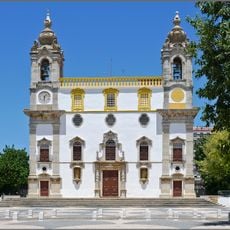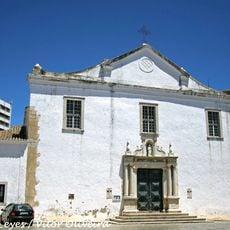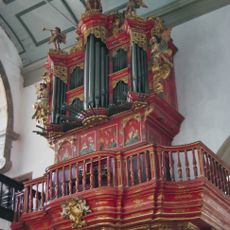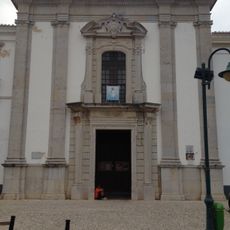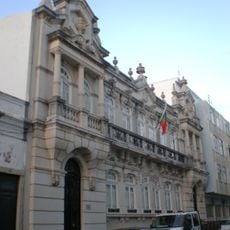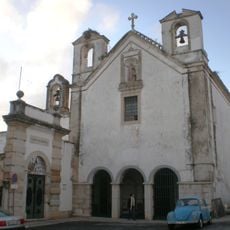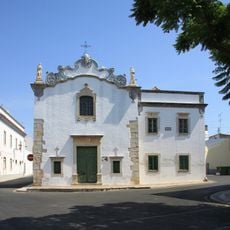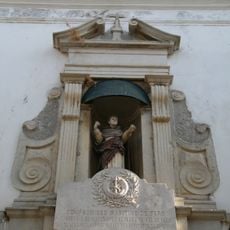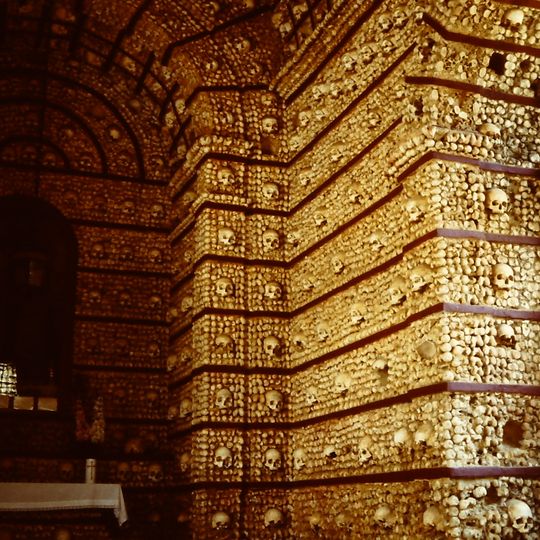
Capela dos Ossos, Catholic ossuary chapel at Igreja do Carmo, Faro, Portugal
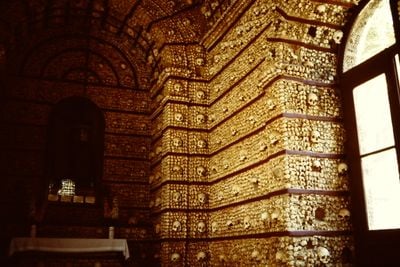
The Capela dos Ossos contains walls and ceilings constructed from human bones, with 1,245 skulls arranged in geometric patterns throughout the structure.
Built in 1816, this chapel provided a solution for overcrowded cemeteries by housing the remains of Carmelite monks from nearby burial grounds.
The inscription at the entrance reminds visitors to contemplate mortality with the message 'Stop here and consider that you will reach this state too'.
The chapel opens Monday through Friday from 10:00 to 13:00 and 15:00 to 17:30, Saturday from 10:00 to 13:00, with an entrance fee of 2 euros.
A complete skeleton covered in gold hangs at the front of the chapel, while femurs held together with mortar form the structural elements of the walls.
Location: Faro
Inception: 1816
Part of: Igreja do Carmo
GPS coordinates: 37.01611,-7.93194
Latest update: March 10, 2025 14:03
Underground locations provide insights into geological processes and human history. Natural caves display limestone formations, stalactites, and subterranean rivers formed over thousands of years. Artificial sites include Roman catacombs, medieval cellars, and mining tunnels that document economic and social developments. This collection features prehistoric burial chambers with wall paintings, extensive cave systems with lakes and passages, and historical mines for salt, copper, or coal. Visitors can explore archaeological findings, mineral formations, and technical installations from earlier periods. Temperatures remain constant throughout the year, and many sites offer guided tours through their underground chambers.
European crypts and catacombs form a network of underground burial chambers beneath urban streets. These spaces house tombs, skeletal remains, and religious monuments from different historical periods. The chambers contain frescoes, mosaics, stone carvings and architectural elements that combine Roman, Egyptian and Christian designs. The structures reveal burial customs and religious practices from the 1st through 19th centuries.
Inland Algarve holds nature reserves, medieval castles, and Roman ruins that together form a wide picture of Portuguese history and nature. Monchique has thermal springs, Silves shows a castle built of red sandstone, and Faro contains a chapel lined with human bones. Natural parks like Ria Formosa provide habitat for many bird species, while historic villages, coastal fortresses, and lighthouses mark the landscape. Travelers through this region encounter places like Cabo de São Vicente, where land ends at the southwestern tip of Europe, the cliffs of Ponta da Piedade near Lagos, or the ruins of Paderne Castle. Caldas de Monchique invites bathing in warm spring water, the Percurso dos Sete Vales Suspensos follows the coast through cut valleys, and Igreja do Carmo in Faro holds another bone chapel. Between these are beaches like Praia da Marinha and Praia do Barril, Roman excavations such as Cerro da Vila in Quarteira, and Palácio de Estoi, a pink palace from the 19th century. The Algarve connects coast and interior, history and nature in a way best explored on foot.
The Algarve offers some of Portugal's most scenic landscapes, with a coastline alternating between golden beaches, ochre limestone cliffs, and rock formations shaped by marine erosion. This collection features the area's most notable sites, from the sea caves of Benagil to the natural arches of Ponta da Piedade, and the expansive areas of Ria Formosa, a protected wetland spanning 37 miles (60 kilometers) along the coast. Beyond the coastline, the Algarve also boasts a notable historical heritage, including the medieval Silves Castle built from red sandstone and the white alleys of the old town of Albufeira. Beaches such as Praia da Marinha and Praia do Amado attract photographers as well as surfers, while coastal villages like Cacela Velha maintain an authentic ambiance. These locations are particularly suitable for photography due to their contrasting colors and Mediterranean light.
Cathedral of Faro
396 m
Igreja do Carmo
510 m
Teatro Lethes, Faro
247 m
Muralhas de Faro
368 m
Palacete Belmarço
244 m
Arco da Vila
305 m
Convento de Nossa Senhora da Assunção (Faro)
408 m
Igreja de São Pedro, matriz de São Pedro
372 m
Organo della Cattedrale di Faro
380 m
Igreja da Ordem Terceira de São Francisco
386 m
Palacete Guerreirinho
657 m
Convento de Santo António dos Capuchos
605 m
Igreja e Convento da Ordem Terceira de São Francisco
378 m
Paço Episcopal de Faro
373 m
Edifício do Banco de Portugal em Faro
245 m
Palacete Cúmane
182 m
Ermida de Nossa Senhora do Pé da Cruz
242 m
Celeiro na cerca do Convento de São Francisco
246 m
Casa das Açafatas
59 m
Casa de José Maria Assis
277 m
Ermida de Nossa Senhora da Esperança
535 m
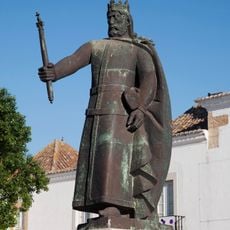
D. Afonso III
382 m
Câmara Municipal de Faro
337 m
Palácio Bivar
317 m
Palacete Ferreira de Almeida
214 m
Palácio da Familia Guerreirinho
661 m
Solar do Gárfias
158 m
Casa do Compromisso Marítimo
381 mReviews
Visited this place? Tap the stars to rate it and share your experience / photos with the community! Try now! You can cancel it anytime.
Discover hidden gems everywhere you go!
From secret cafés to breathtaking viewpoints, skip the crowded tourist spots and find places that match your style. Our app makes it easy with voice search, smart filtering, route optimization, and insider tips from travelers worldwide. Download now for the complete mobile experience.
A unique approach to discovering new places❞
— Le Figaro
All the places worth exploring❞
— France Info
A tailor-made excursion in just a few clicks❞
— 20 Minutes