See the monuments around you in AROpen chests in the app
Around Us is built for your phone — point your camera at the streets and discover the monuments and places around you in augmented reality.Around Us is built for your phone — chests unlock when you walk, explore and capture nearby places.
Discover inland Algarve natural and cultural sites
Inland Algarve holds nature reserves, medieval castles, and Roman ruins that together form a wide picture of Portuguese history and nature. Monchique has thermal springs, Silves shows a castle built of red sandstone, and Faro contains a chapel lined with human bones. Natural parks like Ria Formosa provide habitat for many bird species, while historic villages, coastal fortresses, and lighthouses mark the landscape.
Travelers through this region encounter places like Cabo de São Vicente, where land ends at the southwestern tip of Europe, the cliffs of Ponta da Piedade near Lagos, or the ruins of Paderne Castle. Caldas de Monchique invites bathing in warm spring water, the Percurso dos Sete Vales Suspensos follows the coast through cut valleys, and Igreja do Carmo in Faro holds another bone chapel. Between these are beaches like Praia da Marinha and Praia do Barril, Roman excavations such as Cerro da Vila in Quarteira, and Palácio de Estoi, a pink palace from the 19th century. The Algarve connects coast and interior, history and nature in a way best explored on foot.
Discover inland Algarve natural and cultural sites
Inland Algarve holds nature reserves, medieval castles, and Roman ruins that together form a wide picture of Portuguese history and nature. Monchique has thermal springs, Silves shows a castle built of red sandstone, and Faro contains a chapel lined with human bones. Natural parks like Ria Formosa provide habitat for many bird species, while historic villages, coastal fortresses, and lighthouses mark the landscape.
Travelers through this region encounter places like Cabo de São Vicente, where land ends at the southwestern tip of Europe, the cliffs of Ponta da Piedade near Lagos, or the ruins of Paderne Castle. Caldas de Monchique invites bathing in warm spring water, the Percurso dos Sete Vales Suspensos follows the coast through cut valleys, and Igreja do Carmo in Faro holds another bone chapel. Between these are beaches like Praia da Marinha and Praia do Barril, Roman excavations such as Cerro da Vila in Quarteira, and Palácio de Estoi, a pink palace from the 19th century. The Algarve connects coast and interior, history and nature in a way best explored on foot.
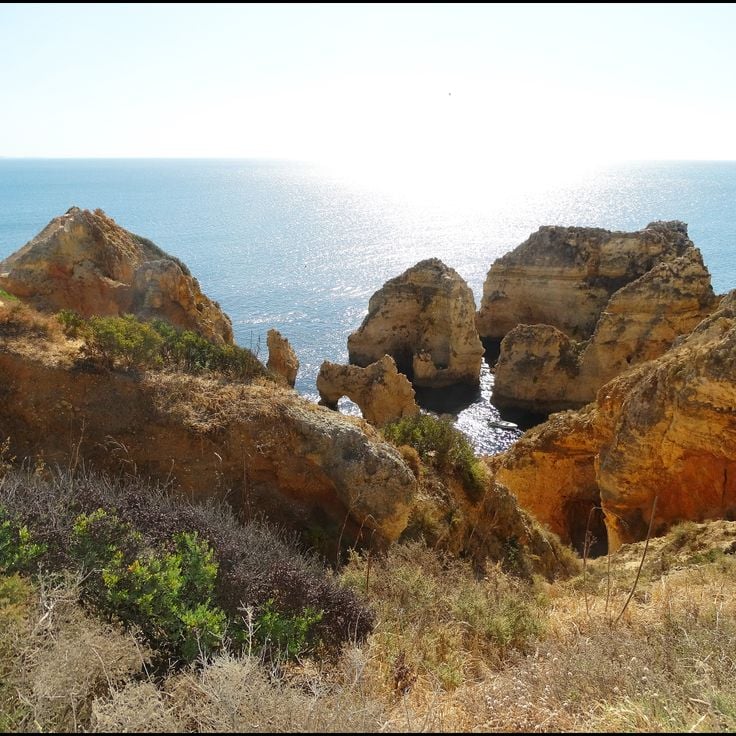
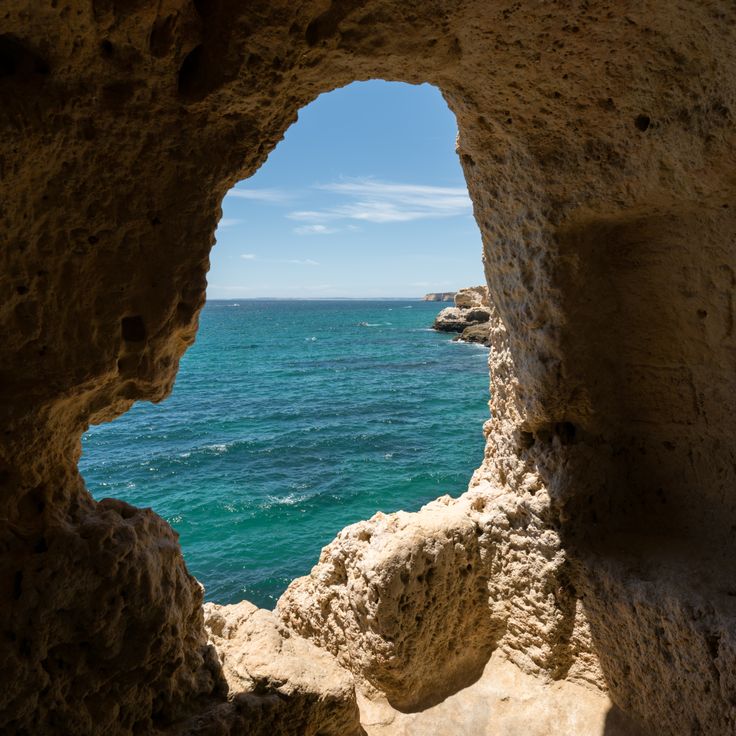
These limestone cliffs rise above the Atlantic and form a rugged coastline with caves and natural arches. The sea has carved tunnels and grottos into the rock over thousands of years. At low tide, visitors can explore some of these formations on foot. Boat trips pass through the narrow gaps between the rocks. The cliffs are among the most distinctive coastal sections in the region and show the power of erosion. From above, there is a wide view of the open sea.
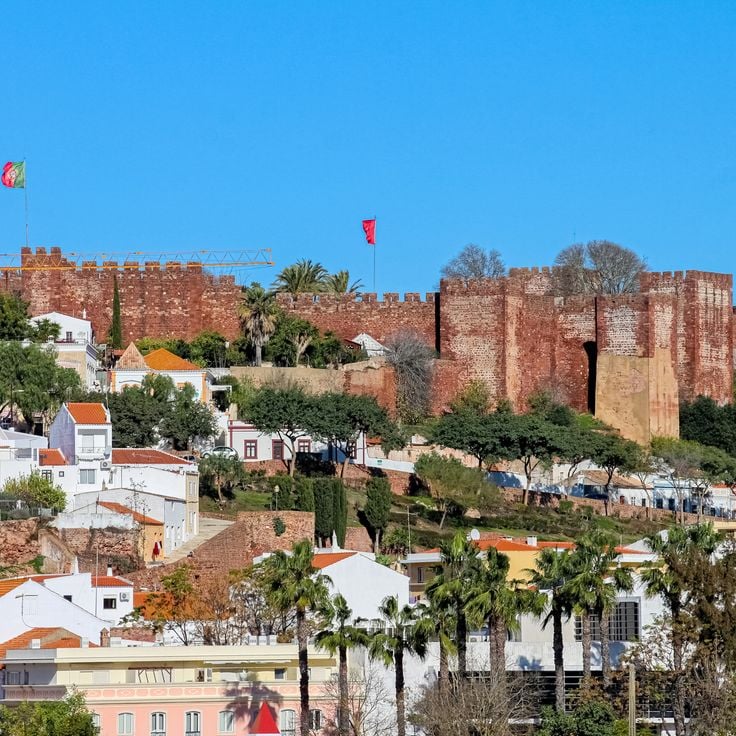
This 8th-century castle dates from the Moorish era, when Silves was the Algarve's capital. Thick red sandstone walls enclose a large courtyard from which you can see orange groves and the river valley below. Beneath the towers are cisterns that stored water. The structure has kept its military form: towers, watchtowers, and ramparts show how such fortresses were defended in the Middle Ages.
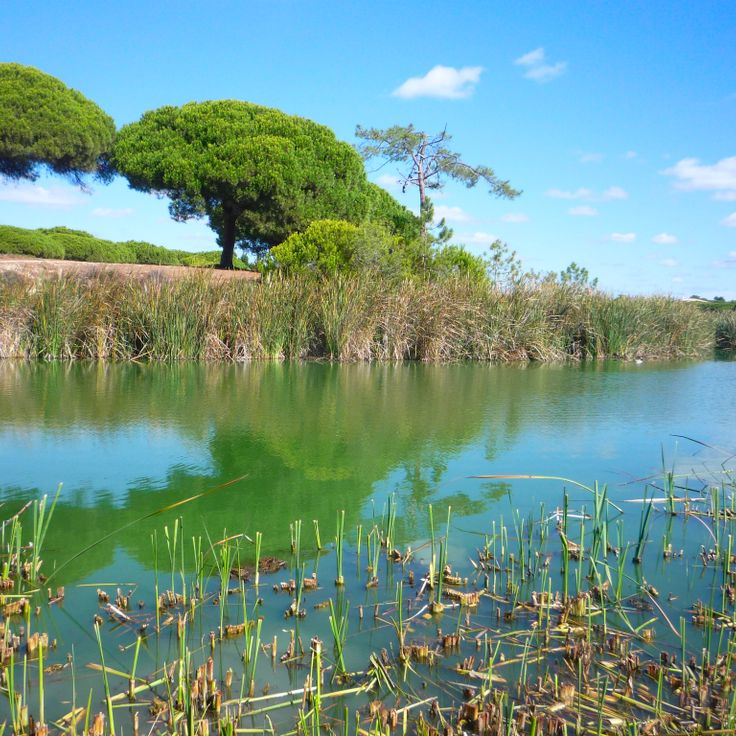
This natural park forms a key part of the inland Algarve's natural heritage. The wetland stretches along the coast and shelters flamingos, storks, and chameleons. Sandbanks, lagoons, and salt marshes shape the landscape. Migratory birds use this area as a resting point between Africa and Europe. Small islands protect the calm waters from the open sea. Fishermen work in traditional boats among the channels.
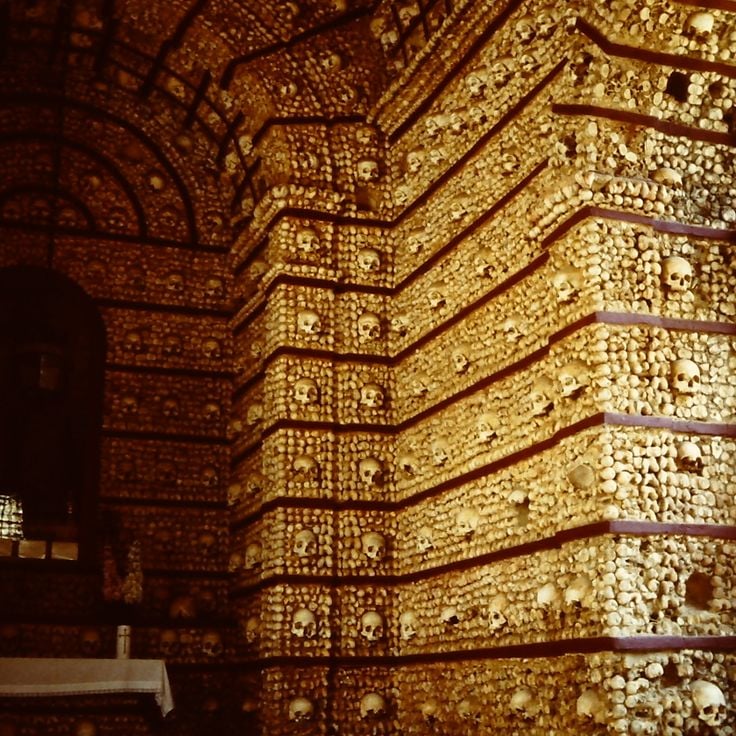
This chapel in Faro follows the baroque tradition of bone decorations found in Portugal. The walls and ceilings display bones from 1245 monks who lived in the 16th century. The room belongs to the Carmelite church and was created during the Counter-Reformation. The bones form geometric patterns and columns. An inscription above the entrance speaks about the passing nature of life. The interior is small and dim, with few windows. The chapel sits in the historic center of Faro, near the cathedral and the city walls. Visitors enter a quiet space that invites reflection on death and time.
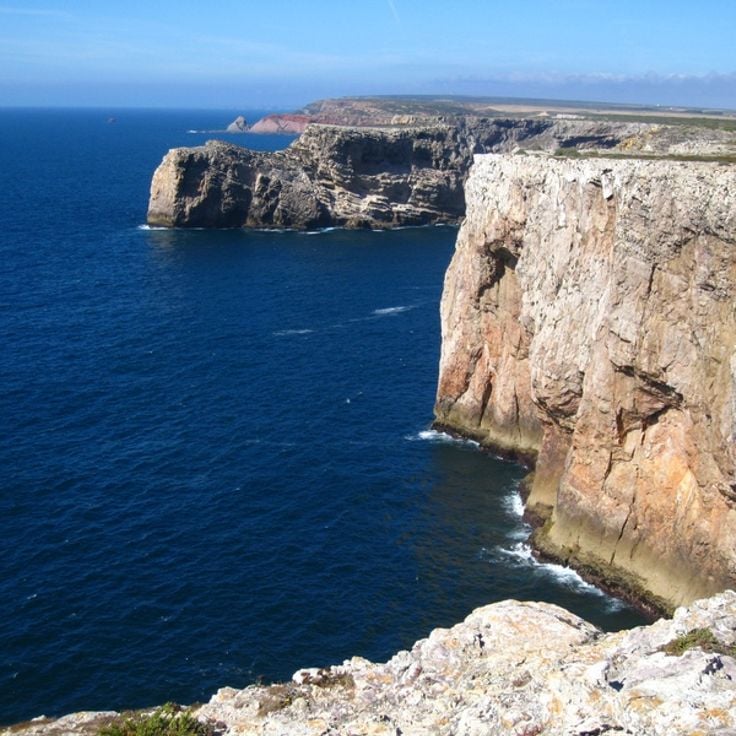
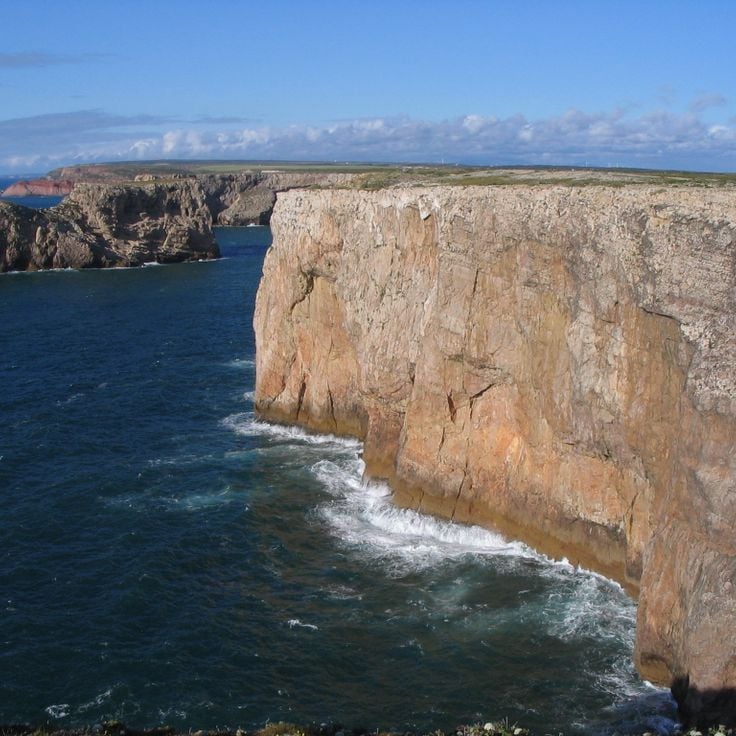
This promontory marks the southwesternmost point of mainland Portugal and stands with limestone cliffs about 60 meters (200 feet) high over the Atlantic Ocean. The location played an important role in European navigation when it served as a landmark for ships. A 19th-century lighthouse still operates and is part of the history of this place. Strong winds and an open view of the ocean shape the atmosphere. The vegetation is low and adapted to the harsh climate. Visitors come here in the late afternoon to watch the sun set over the sea. Access is simple, and footpaths run along the cliff edges.
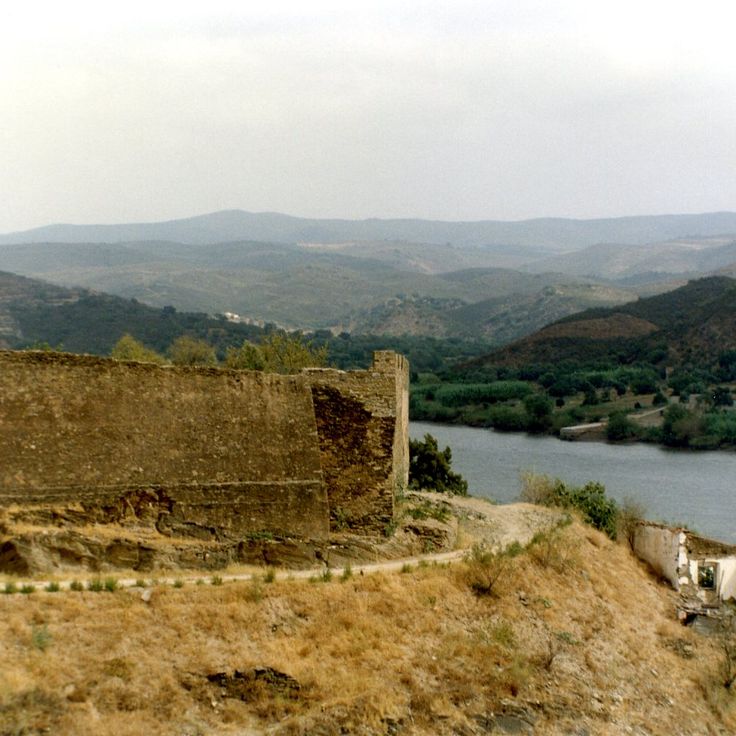
This medieval fortress from the 14th century rises above the Guadiana River at the border with Spain. The stone walls enclose a small courtyard and watchtowers from which the surrounding area can be seen for miles. Alcoutim Castle was once part of a defense system along the river. Narrow streets in the village lead up to the fortress. From the walls, views open onto the opposite Spanish shore and the surrounding hills. The structure fits into the landscape of inland Algarve, where historical fortifications are part of the region.
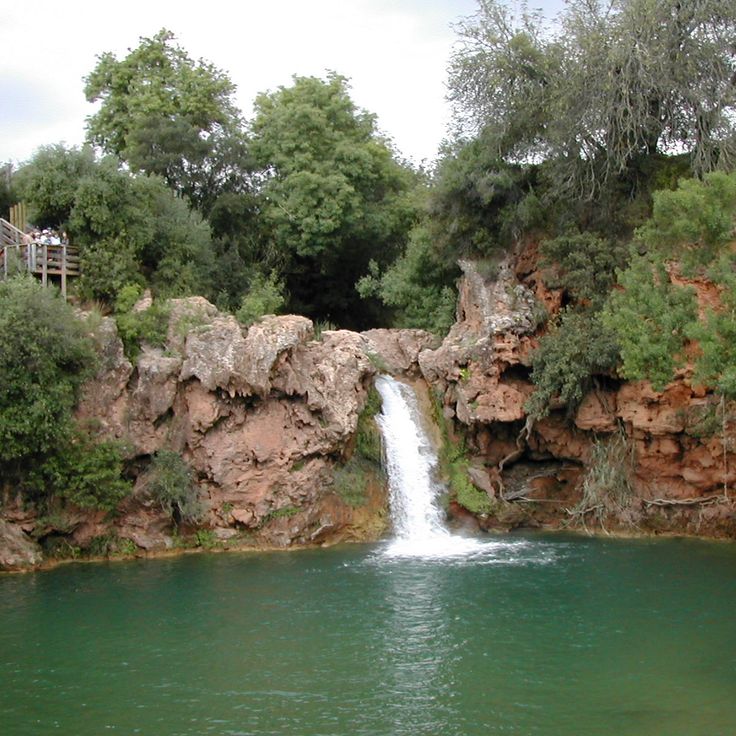
This natural pool forms at the base of a waterfall that drops four meters (13 feet). Cork oak trees and Mediterranean plants surround the basin. Water collects in a quiet hollow, accessible through a narrow gorge. In the inland Algarve, Pego do Inferno offers a shaded place to swim, away from the coastal beaches. The path leads through dry scrubland before the trail descends to the spring.
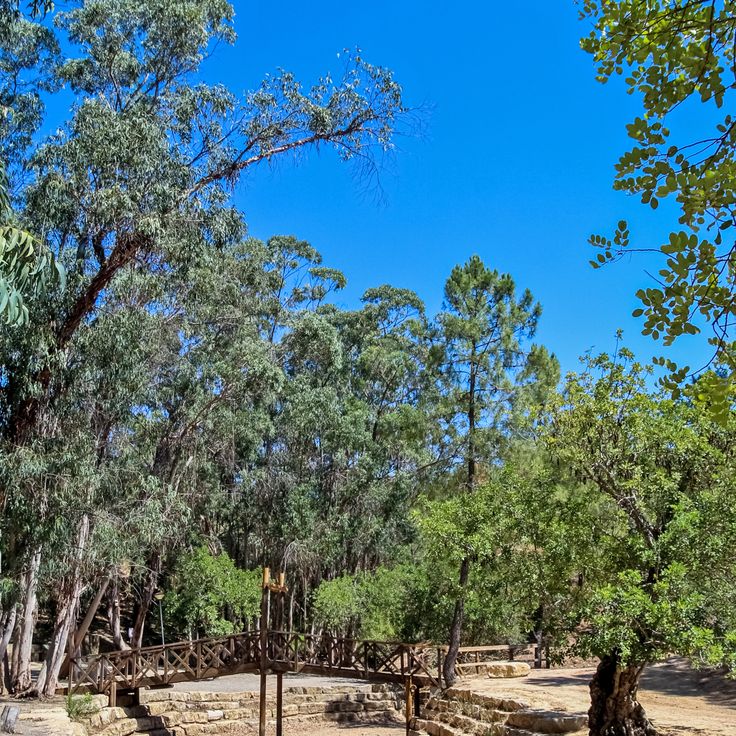
This recreation area sits in the hills outside São Brás de Alportel, surrounded by cork oak forest. Stone benches and tables rest under the trees, where spring water flows from the rocks. The site offers shade on warm days and draws locals for picnics and short walks. Narrow paths wind through the forest, where the bark of cork oaks is harvested in cycles. The spring water collects in small basins before continuing down the slope.
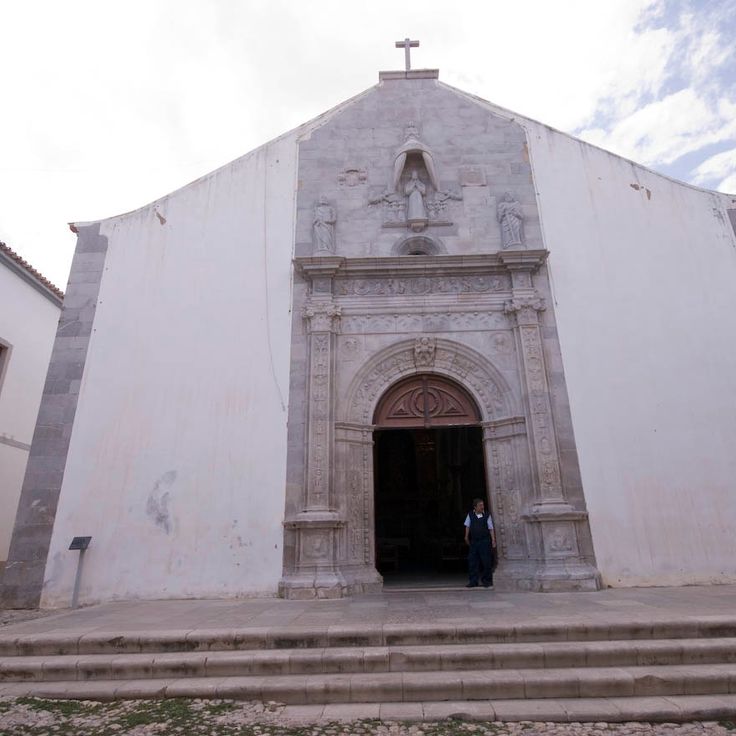
This church displays decorated stonework with examples of Renaissance art and architecture in the historic center of Tavira. The Misericórdia Church belongs to the significant buildings of the region that document the history of the inland Algarve. The facade shows Renaissance elements, while the interior features carved details and religious artworks. The church sits in the old town, where narrow streets and traditional houses shape the cityscape.
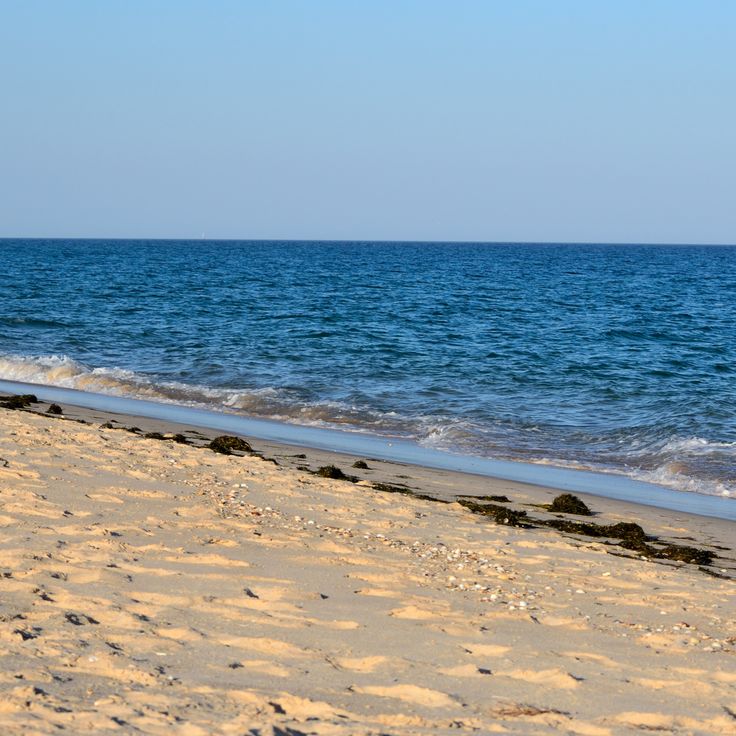
This beach lies on a sand island near Tavira and can be reached by a small train that runs through the landscape. At the entrance to the beach, old anchors stand from the time when fishermen worked here with tuna nets. Today the anchors form a kind of memorial and recall the former use of the coast. The sand is light, the water shallow, and the dunes behind give the place a quiet appearance. There are cafés and wooden walkways that cross the dunes. In summer many families come here because the sea slopes gently into the water and the beach is wide.
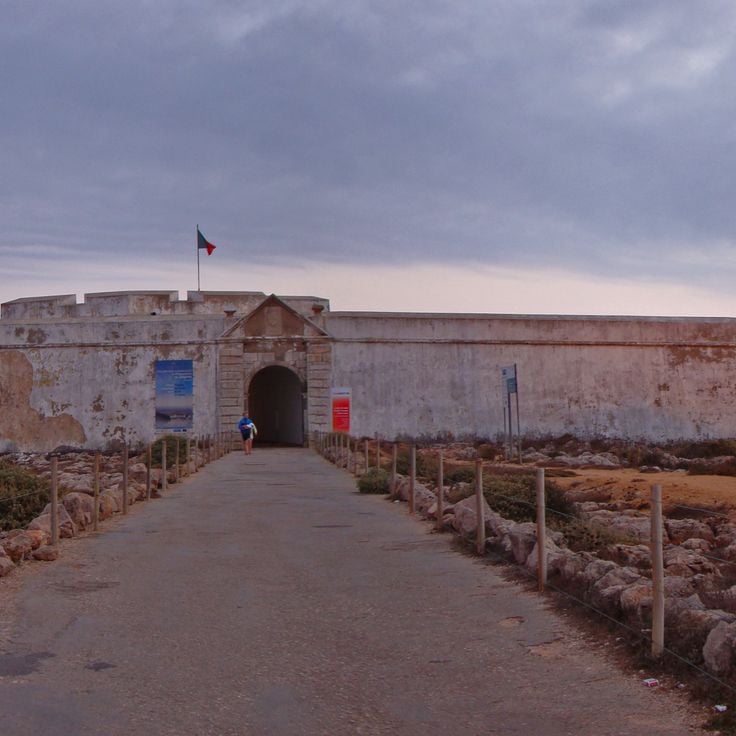
This fortress sits on high cliffs at the southwestern tip of mainland Europe, where Portuguese navigators once set out into the unknown. The fortress of Sagres faces the Atlantic, where waves crash against the rocks and the horizon seems endless. Inside the walls stands a large stone compass from the 16th century, its shape traced on the ground. The walls enclose an open area with a chapel, cisterns, and remains of buildings that speak of past centuries. Wind blows here almost constantly, and visitors walk along the edges where views of the open sea and the rugged coastline stretch in every direction.
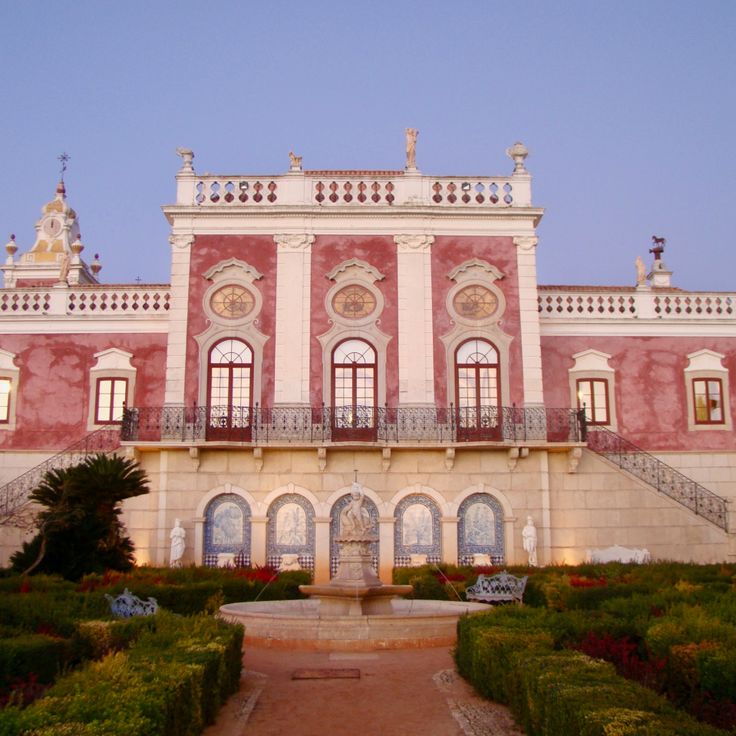
This palace near Faro combines Portuguese baroque architecture with romantic gardens from the 19th century. The estate displays ornate painted tiles, mythological statues, and symmetrical water pools. Azulejos cover the facades and staircases, while citrus and palm groves surround the terraces. The building was erected in the 1840s for a wealthy family and later converted into a pousada. Visitors find rococo elements in the interior rooms and a calm garden typical of the region's country estates.
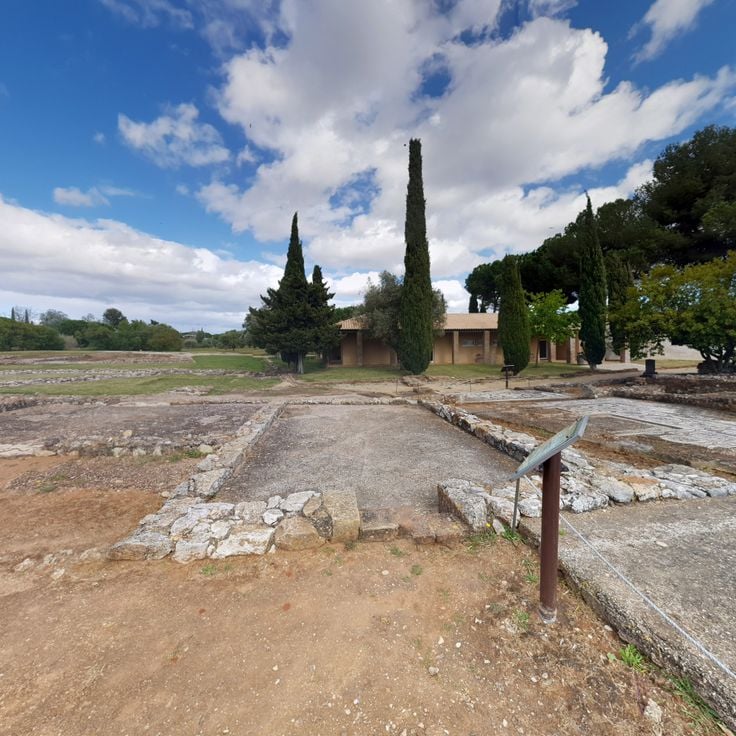
This Roman settlement in Quarteira shows the foundations of houses, baths, and a fish processing factory from the 1st century. The ruins lie close to the present-day coast and offer insight into daily life and the economy of the region during Roman rule. Mosaics and ceramic finds indicate the prosperity of the inhabitants. Paths lead between the remaining walls, allowing visitors to follow the layout of the rooms.
These thermal springs emerge from the mountainside and have been valued for their healing properties since Roman times. The water flows naturally warm from the rock and continues to draw visitors seeking relief in the old baths. The site sits surrounded by wooded hills, where shaded paths wind through the forest and the air carries the scent of eucalyptus.
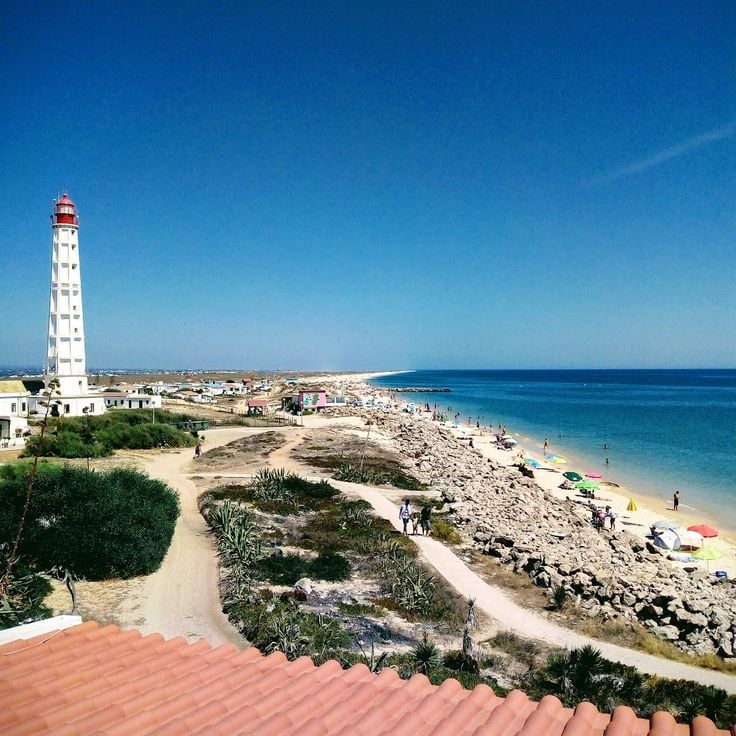
This island sits in the eastern part of the Ria Formosa and can be reached by boat from Faro, where a lighthouse built in 1851 rises above the sandy shores. Access is by ferry service, bringing visitors to a strip of coastline free from motor traffic. The island offers sand paths along the Atlantic side, where the sound of waves and circling seabirds shape the atmosphere. Beyond the lighthouse, there are small wooden houses and a few restaurants serving fresh fish. This island connects the natural features of the lagoon with the maritime history of inland Algarve.
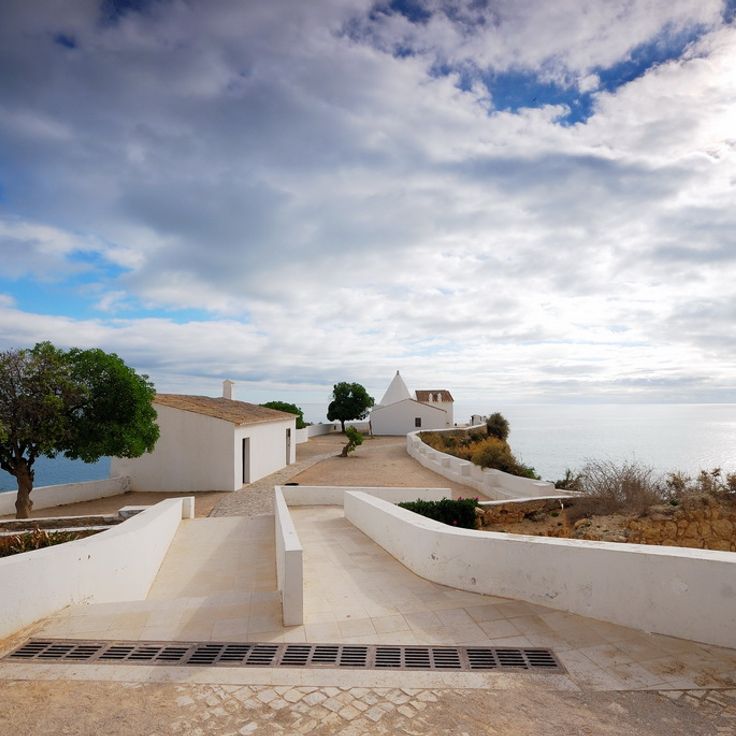
This 14th-century chapel sits on a cliff above the sea and once served as a watchtower against pirates. The position on the rocks let fishermen watch far out over the water. Today the place is a pilgrimage site surrounded by pines and rocky trails leading down to the cove. The view reaches out to the open Atlantic coast.
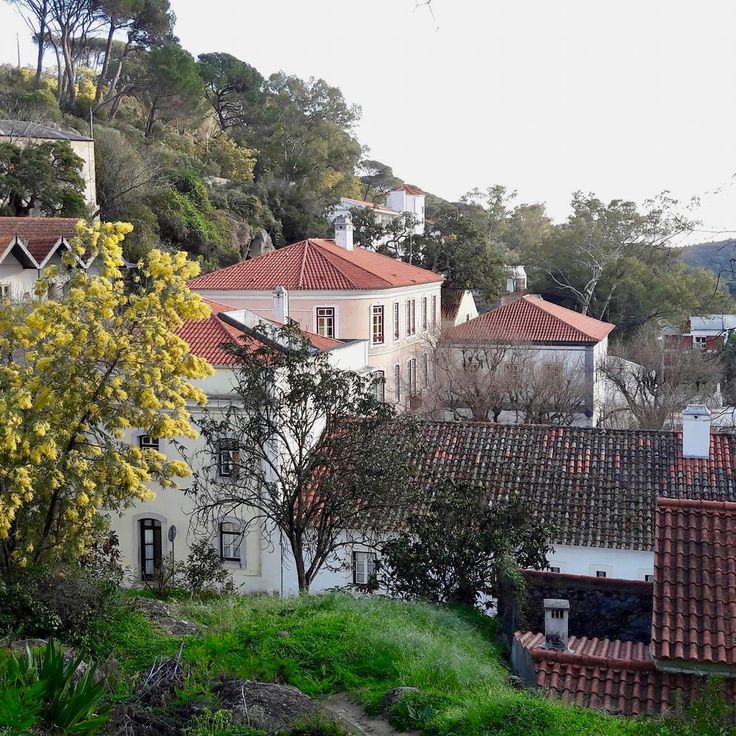
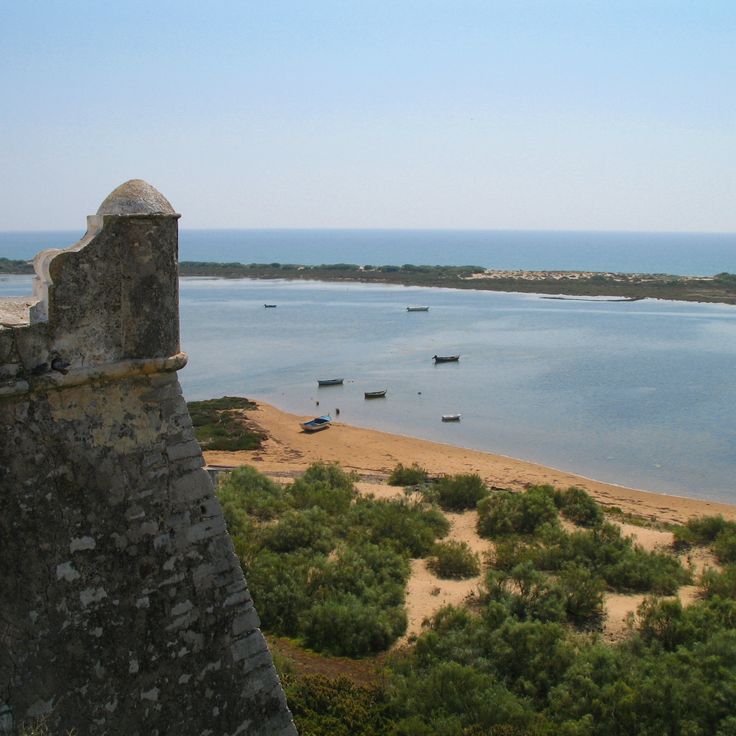
This 18th-century fishing village sits on a hill above salt water lagoons and the Atlantic coast. White houses form a small cluster around a church and a fortress from the same period. From here you can see across the shallow waters of the Ria Formosa and the narrow sand islands that separate the sea from the land. The streets are quiet and the coast is reached by boat or by walking along the lagoons.
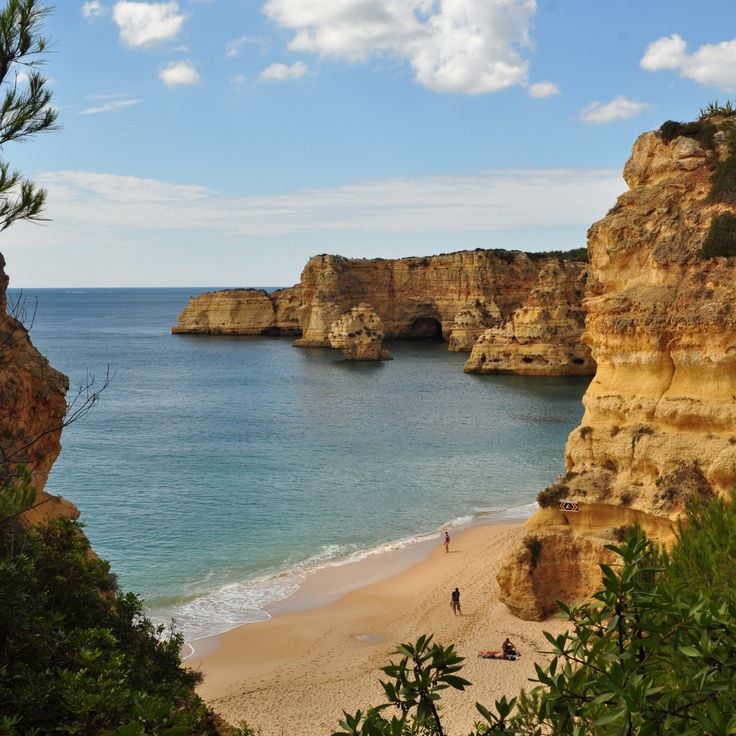
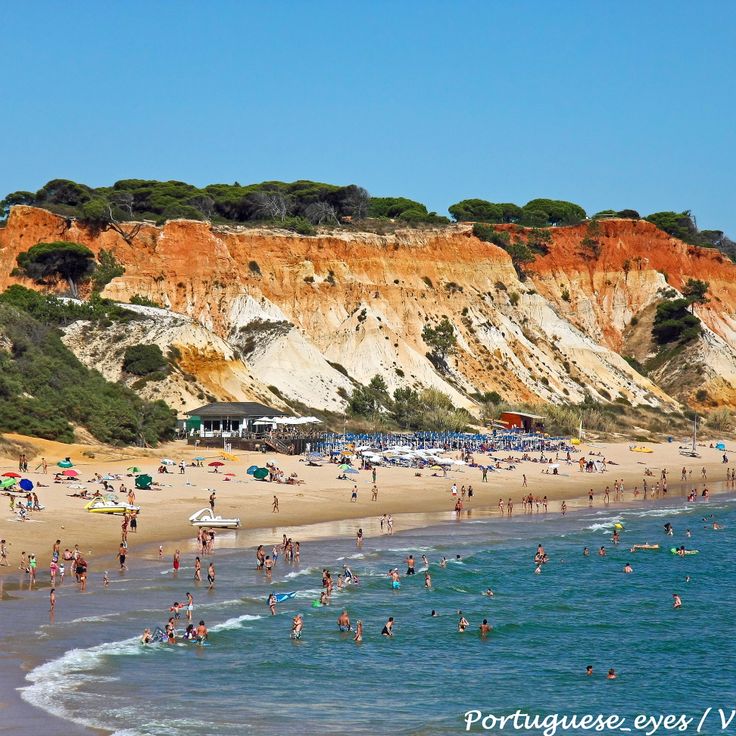
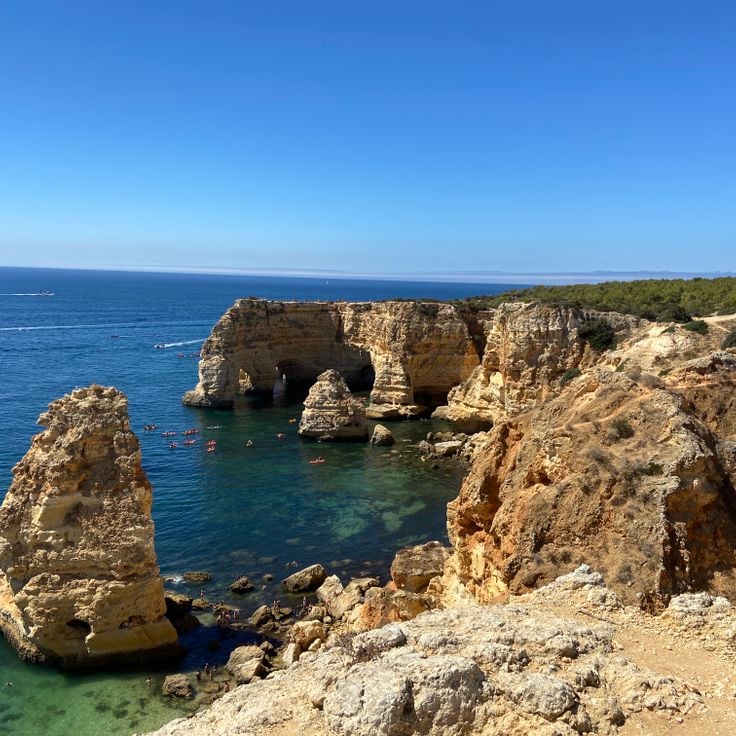
This beach sits between limestone cliffs that rise above the sand and extend into the water. Natural stone arches emerge from the sea. Along the shore caves open up and become accessible at low tide. The water is clear, the rocks show layering in different shades. Praia da Marinha is one of the better known beaches in the Algarve interior and attracts visitors who walk among the formations or snorkel.
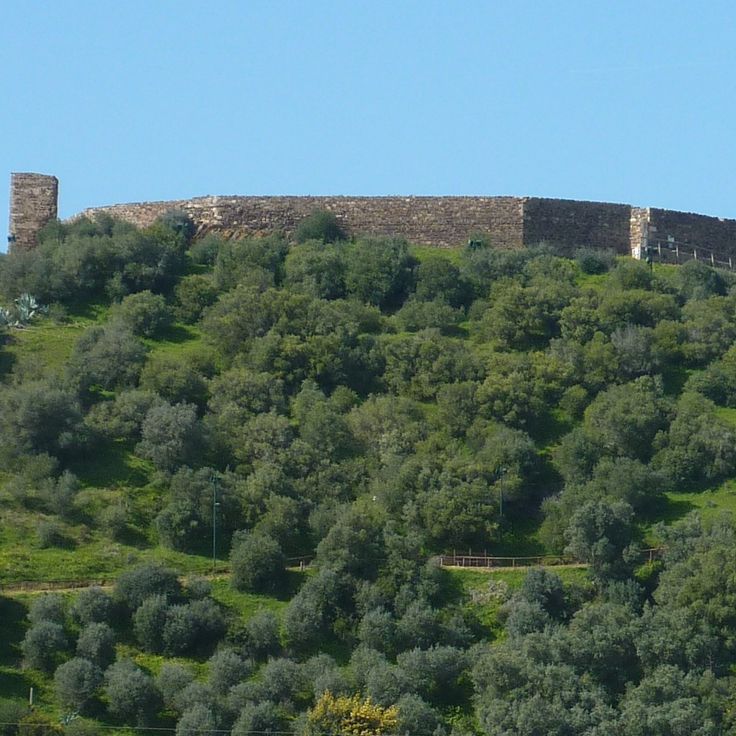
This castle sits on a hill with views over the Serra do Caldeirão mountains. The structure dates from the 12th century, built as a defensive fortification during Moorish rule and later adapted under Portuguese control. The remaining stone walls and towers show the original layout of the fortress, with battlements and watchtowers still visible. The site offers a perspective on the inland valleys and ridges of the Algarve region. The ruins belong to a network of medieval fortifications that once protected the interior routes.
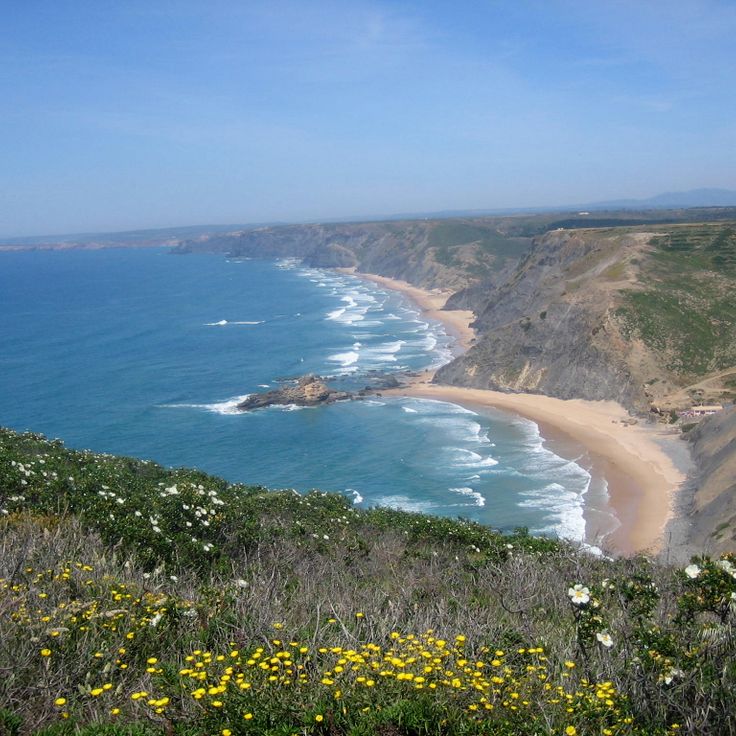
This natural park along the coast protects about 100 kilometers (62 miles) with beaches, cliffs and dunes. The zone sits between farmland and the sea. Rare plants grow on the windy hills, and migratory birds stop here in spring and autumn. Trails run through open fields to the rocks above the Atlantic.
This sandy stretch of coast near Albufeira runs for almost a kilometer and provides habitat for many water birds. The shoreline belongs to the natural sites of the inland Algarve where sandy areas meet zones for bird watching. Visitors find a place where the ocean meets quiet beach sections and different bird species appear along the shore.
These coastal rock formations are made of orange limestone shaped by water over centuries. Algar Seco contains natural tunnels and caves that run through the cliffs. Stairs and paths lead between the rocks to small viewing points above the Atlantic. At low tide, pools and cracks appear in the stone, while at high tide waves hit the walls directly. The formations look like sculptures with arches, openings, and smooth surfaces that reflect light.
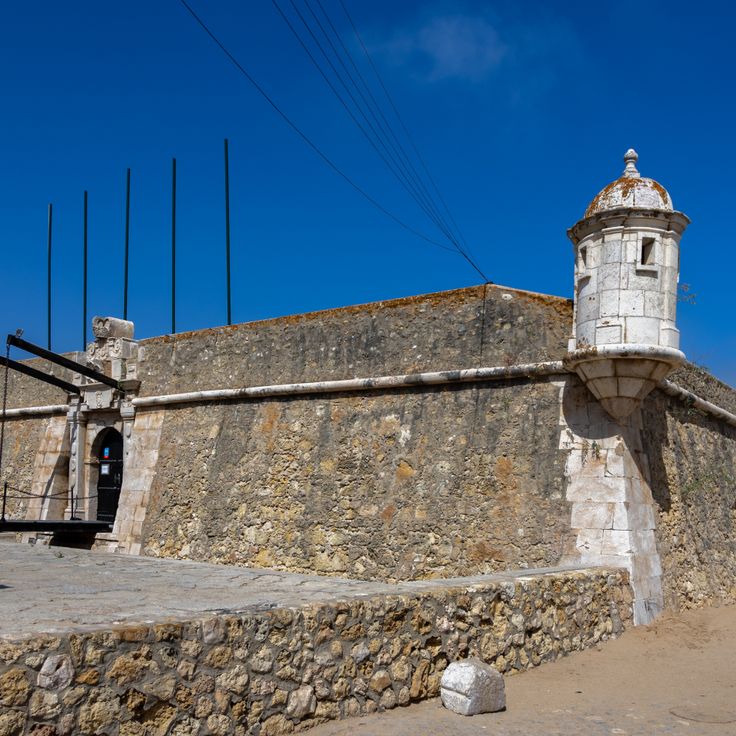
This 17th-century fortress stands at the entrance to the harbor of Lagos and once protected the town from attacks by sea. The thick stone walls and bastions are reached by a drawbridge. Inside, a museum displays nautical charts, navigation instruments, and objects from the time when Lagos was an important port for the age of discoveries. From the walls, you can see the Atlantic and the bay. The fortress recalls the military past of the coast and the role of this place in Portugal's maritime history.
This historical watchtower from the 16th century stands on a clifftop west of Vila do Bispo and once served as part of the coastal defense system. The tower belongs to a network of fortifications that monitored maritime trade routes and warned of pirate attacks. Its exposed position offers views of the Atlantic and the rugged coastline of the western Algarve. The stone structure still shows the architectural features typical of Portuguese coastal watchtowers from that period.
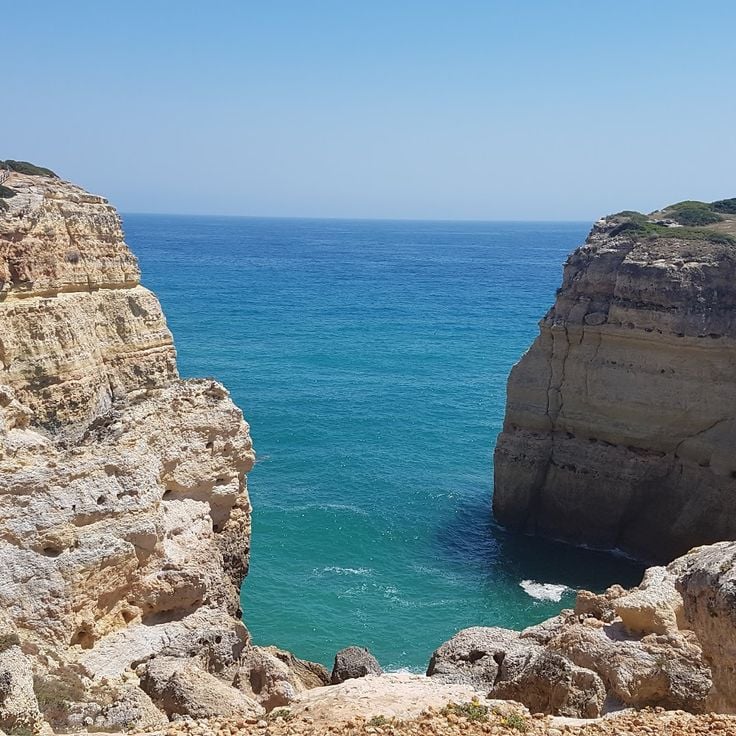
This coastal path follows the Algarve clifftops for 3.5 miles (5.7 kilometers) and reveals the erosion patterns of the limestone. The trail connects seven valleys that drop toward the ocean and passes caves, rock arches, and small coves with sand. From the path you see the layers in the rock and the vegetation on the cliffs. The route starts at one beach near Praia do Vale Centeanes and ends at another. Some sections run close to the cliff edge.
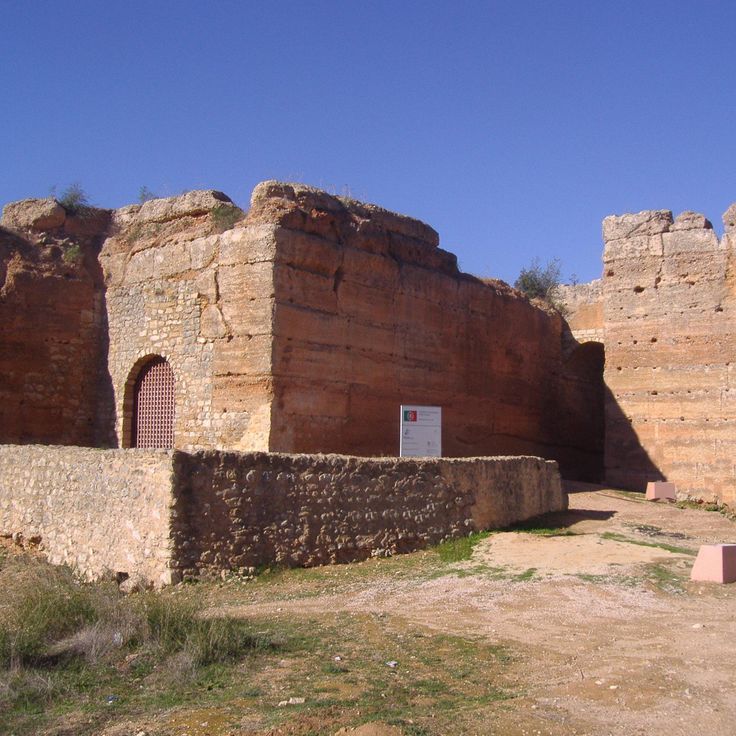
This fortress from the 12th century stands on a hilltop and was built with clay bricks. The walls and towers show typical construction methods of Moorish military installations. The defensive structures are clearly visible from the remains. The reddish color of the clay shapes the entire appearance of the site. The location lies away from the coast and gives an impression of how Moorish presence shaped inland Algarve.
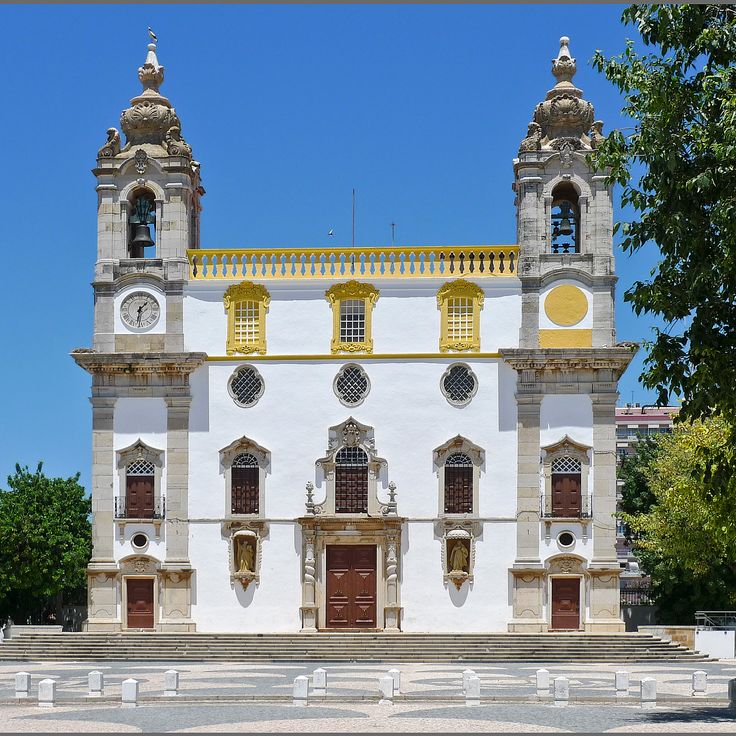
This church in Faro houses a chapel with walls decorated with the bones and skulls of monks. Built in 1719, the Capela dos Ossos forms part of a Carmelite convent and uses human remains to reflect on mortality. Inside the Igreja do Carmo you will find baroque altars and gilded woodwork. The chapel sits beside the main nave, creating a contrast between the decorated interior spaces and the bone lined room. From the outside, the building shows a white facade with two bell towers that form part of the historic center of Faro. Visitors enter through the main church before reaching the chapel.
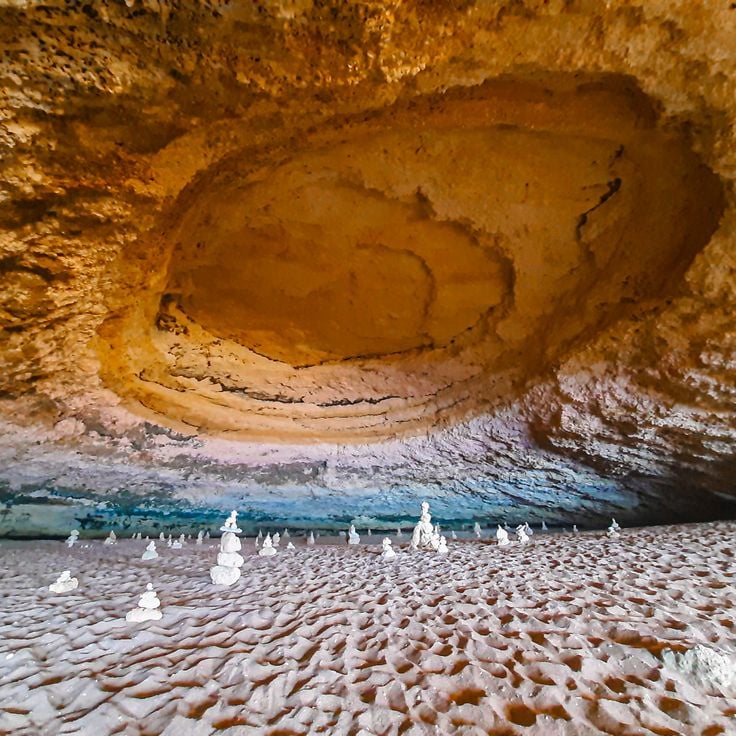
This sea cave in sandstone has two entrances from the water and a circular opening in the roof that lets light fall onto the beach inside. The Algar de Benagil sits below the coastal cliffs and can be reached by boat or kayak, as no footpath exists. The cave is among the rock formations of the region shaped by erosion.
This medieval fortification was built in the 10th century and sits on an 88-meter hill overlooking the surrounding region. The castle was part of the Moorish defensive line in the western Algarve and was later expanded after the Christian reconquest. From the walls, you see the village of Aljezur and the surrounding valleys with their agricultural land. The remains of the castle include wall sections, towers, and a gate. A footpath leads up from the village center to the site through a Mediterranean landscape of low-growing plants.
This cape rises on the western coast of the Algarve, where limestone cliffs stand above the Atlantic. The lighthouse dates to 1923 and marks the headland. The sea has shaped the rocks over centuries, carving caves and small inlets into the shore. Walking paths follow the cliff edge and offer views across open water. Fishermen have known the currents off this coast for generations. On clear days, the horizon stretches far into the distance. Salt air and the sound of waves define the atmosphere of this site within the natural and cultural interior of the Algarve region.
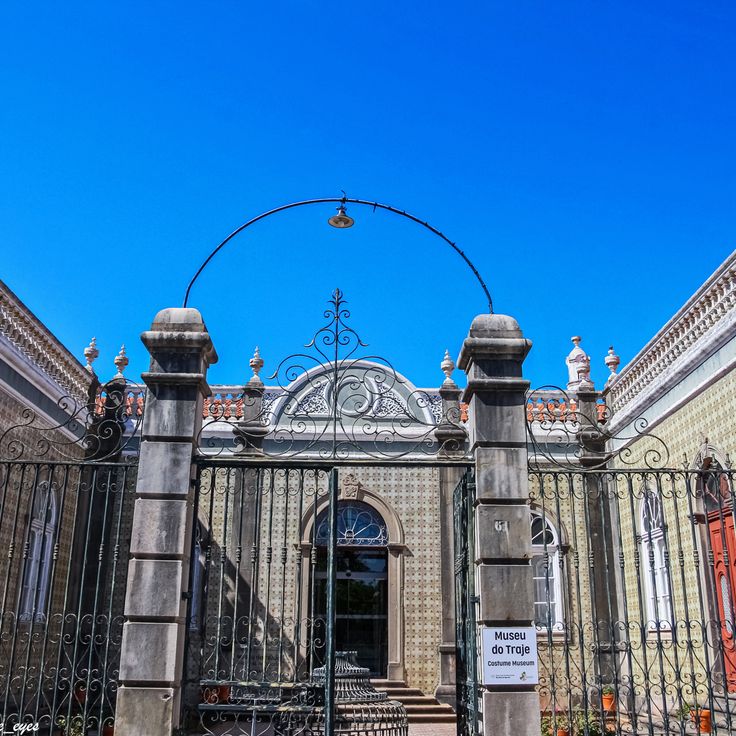
This museum holds clothing and fabrics from the period between the 19th and 20th centuries. The collection focuses on the rural tradition of the Algarve and preserves regional costumes, household linens, and everyday items from the area. The objects come from different villages and document the craftsmanship and way of life over the past two centuries. The museum sits in a quiet inland town and is among the cultural sites that tell the story of this part of Portugal.
These limestone cliffs rise above the Atlantic and form a rugged coastline with caves and natural arches. The sea has carved tunnels and grottos into the rock over thousands of years. At low tide, visitors can explore some of these formations on foot. Boat trips pass through the narrow gaps between the rocks. The cliffs are among the most distinctive coastal sections in the region and show the power of erosion. From above, there is a wide view of the open sea.
This 8th-century castle dates from the Moorish era, when Silves was the Algarve's capital. Thick red sandstone walls enclose a large courtyard from which you can see orange groves and the river valley below. Beneath the towers are cisterns that stored water. The structure has kept its military form: towers, watchtowers, and ramparts show how such fortresses were defended in the Middle Ages.
This natural park forms a key part of the inland Algarve's natural heritage. The wetland stretches along the coast and shelters flamingos, storks, and chameleons. Sandbanks, lagoons, and salt marshes shape the landscape. Migratory birds use this area as a resting point between Africa and Europe. Small islands protect the calm waters from the open sea. Fishermen work in traditional boats among the channels.
This chapel in Faro follows the baroque tradition of bone decorations found in Portugal. The walls and ceilings display bones from 1245 monks who lived in the 16th century. The room belongs to the Carmelite church and was created during the Counter-Reformation. The bones form geometric patterns and columns. An inscription above the entrance speaks about the passing nature of life. The interior is small and dim, with few windows. The chapel sits in the historic center of Faro, near the cathedral and the city walls. Visitors enter a quiet space that invites reflection on death and time.
This promontory marks the southwesternmost point of mainland Portugal and stands with limestone cliffs about 60 meters (200 feet) high over the Atlantic Ocean. The location played an important role in European navigation when it served as a landmark for ships. A 19th-century lighthouse still operates and is part of the history of this place. Strong winds and an open view of the ocean shape the atmosphere. The vegetation is low and adapted to the harsh climate. Visitors come here in the late afternoon to watch the sun set over the sea. Access is simple, and footpaths run along the cliff edges.
This medieval fortress from the 14th century rises above the Guadiana River at the border with Spain. The stone walls enclose a small courtyard and watchtowers from which the surrounding area can be seen for miles. Alcoutim Castle was once part of a defense system along the river. Narrow streets in the village lead up to the fortress. From the walls, views open onto the opposite Spanish shore and the surrounding hills. The structure fits into the landscape of inland Algarve, where historical fortifications are part of the region.
This natural pool forms at the base of a waterfall that drops four meters (13 feet). Cork oak trees and Mediterranean plants surround the basin. Water collects in a quiet hollow, accessible through a narrow gorge. In the inland Algarve, Pego do Inferno offers a shaded place to swim, away from the coastal beaches. The path leads through dry scrubland before the trail descends to the spring.
This recreation area sits in the hills outside São Brás de Alportel, surrounded by cork oak forest. Stone benches and tables rest under the trees, where spring water flows from the rocks. The site offers shade on warm days and draws locals for picnics and short walks. Narrow paths wind through the forest, where the bark of cork oaks is harvested in cycles. The spring water collects in small basins before continuing down the slope.
This church displays decorated stonework with examples of Renaissance art and architecture in the historic center of Tavira. The Misericórdia Church belongs to the significant buildings of the region that document the history of the inland Algarve. The facade shows Renaissance elements, while the interior features carved details and religious artworks. The church sits in the old town, where narrow streets and traditional houses shape the cityscape.
This beach lies on a sand island near Tavira and can be reached by a small train that runs through the landscape. At the entrance to the beach, old anchors stand from the time when fishermen worked here with tuna nets. Today the anchors form a kind of memorial and recall the former use of the coast. The sand is light, the water shallow, and the dunes behind give the place a quiet appearance. There are cafés and wooden walkways that cross the dunes. In summer many families come here because the sea slopes gently into the water and the beach is wide.
This fortress sits on high cliffs at the southwestern tip of mainland Europe, where Portuguese navigators once set out into the unknown. The fortress of Sagres faces the Atlantic, where waves crash against the rocks and the horizon seems endless. Inside the walls stands a large stone compass from the 16th century, its shape traced on the ground. The walls enclose an open area with a chapel, cisterns, and remains of buildings that speak of past centuries. Wind blows here almost constantly, and visitors walk along the edges where views of the open sea and the rugged coastline stretch in every direction.
This palace near Faro combines Portuguese baroque architecture with romantic gardens from the 19th century. The estate displays ornate painted tiles, mythological statues, and symmetrical water pools. Azulejos cover the facades and staircases, while citrus and palm groves surround the terraces. The building was erected in the 1840s for a wealthy family and later converted into a pousada. Visitors find rococo elements in the interior rooms and a calm garden typical of the region's country estates.
This Roman settlement in Quarteira shows the foundations of houses, baths, and a fish processing factory from the 1st century. The ruins lie close to the present-day coast and offer insight into daily life and the economy of the region during Roman rule. Mosaics and ceramic finds indicate the prosperity of the inhabitants. Paths lead between the remaining walls, allowing visitors to follow the layout of the rooms.
These thermal springs emerge from the mountainside and have been valued for their healing properties since Roman times. The water flows naturally warm from the rock and continues to draw visitors seeking relief in the old baths. The site sits surrounded by wooded hills, where shaded paths wind through the forest and the air carries the scent of eucalyptus.
This island sits in the eastern part of the Ria Formosa and can be reached by boat from Faro, where a lighthouse built in 1851 rises above the sandy shores. Access is by ferry service, bringing visitors to a strip of coastline free from motor traffic. The island offers sand paths along the Atlantic side, where the sound of waves and circling seabirds shape the atmosphere. Beyond the lighthouse, there are small wooden houses and a few restaurants serving fresh fish. This island connects the natural features of the lagoon with the maritime history of inland Algarve.
This 14th-century chapel sits on a cliff above the sea and once served as a watchtower against pirates. The position on the rocks let fishermen watch far out over the water. Today the place is a pilgrimage site surrounded by pines and rocky trails leading down to the cove. The view reaches out to the open Atlantic coast.
This 18th-century fishing village sits on a hill above salt water lagoons and the Atlantic coast. White houses form a small cluster around a church and a fortress from the same period. From here you can see across the shallow waters of the Ria Formosa and the narrow sand islands that separate the sea from the land. The streets are quiet and the coast is reached by boat or by walking along the lagoons.
This beach sits between limestone cliffs that rise above the sand and extend into the water. Natural stone arches emerge from the sea. Along the shore caves open up and become accessible at low tide. The water is clear, the rocks show layering in different shades. Praia da Marinha is one of the better known beaches in the Algarve interior and attracts visitors who walk among the formations or snorkel.
This castle sits on a hill with views over the Serra do Caldeirão mountains. The structure dates from the 12th century, built as a defensive fortification during Moorish rule and later adapted under Portuguese control. The remaining stone walls and towers show the original layout of the fortress, with battlements and watchtowers still visible. The site offers a perspective on the inland valleys and ridges of the Algarve region. The ruins belong to a network of medieval fortifications that once protected the interior routes.
This natural park along the coast protects about 100 kilometers (62 miles) with beaches, cliffs and dunes. The zone sits between farmland and the sea. Rare plants grow on the windy hills, and migratory birds stop here in spring and autumn. Trails run through open fields to the rocks above the Atlantic.
This sandy stretch of coast near Albufeira runs for almost a kilometer and provides habitat for many water birds. The shoreline belongs to the natural sites of the inland Algarve where sandy areas meet zones for bird watching. Visitors find a place where the ocean meets quiet beach sections and different bird species appear along the shore.
These coastal rock formations are made of orange limestone shaped by water over centuries. Algar Seco contains natural tunnels and caves that run through the cliffs. Stairs and paths lead between the rocks to small viewing points above the Atlantic. At low tide, pools and cracks appear in the stone, while at high tide waves hit the walls directly. The formations look like sculptures with arches, openings, and smooth surfaces that reflect light.
This 17th-century fortress stands at the entrance to the harbor of Lagos and once protected the town from attacks by sea. The thick stone walls and bastions are reached by a drawbridge. Inside, a museum displays nautical charts, navigation instruments, and objects from the time when Lagos was an important port for the age of discoveries. From the walls, you can see the Atlantic and the bay. The fortress recalls the military past of the coast and the role of this place in Portugal's maritime history.
This historical watchtower from the 16th century stands on a clifftop west of Vila do Bispo and once served as part of the coastal defense system. The tower belongs to a network of fortifications that monitored maritime trade routes and warned of pirate attacks. Its exposed position offers views of the Atlantic and the rugged coastline of the western Algarve. The stone structure still shows the architectural features typical of Portuguese coastal watchtowers from that period.
This coastal path follows the Algarve clifftops for 3.5 miles (5.7 kilometers) and reveals the erosion patterns of the limestone. The trail connects seven valleys that drop toward the ocean and passes caves, rock arches, and small coves with sand. From the path you see the layers in the rock and the vegetation on the cliffs. The route starts at one beach near Praia do Vale Centeanes and ends at another. Some sections run close to the cliff edge.
This fortress from the 12th century stands on a hilltop and was built with clay bricks. The walls and towers show typical construction methods of Moorish military installations. The defensive structures are clearly visible from the remains. The reddish color of the clay shapes the entire appearance of the site. The location lies away from the coast and gives an impression of how Moorish presence shaped inland Algarve.
This church in Faro houses a chapel with walls decorated with the bones and skulls of monks. Built in 1719, the Capela dos Ossos forms part of a Carmelite convent and uses human remains to reflect on mortality. Inside the Igreja do Carmo you will find baroque altars and gilded woodwork. The chapel sits beside the main nave, creating a contrast between the decorated interior spaces and the bone lined room. From the outside, the building shows a white facade with two bell towers that form part of the historic center of Faro. Visitors enter through the main church before reaching the chapel.
This sea cave in sandstone has two entrances from the water and a circular opening in the roof that lets light fall onto the beach inside. The Algar de Benagil sits below the coastal cliffs and can be reached by boat or kayak, as no footpath exists. The cave is among the rock formations of the region shaped by erosion.
This medieval fortification was built in the 10th century and sits on an 88-meter hill overlooking the surrounding region. The castle was part of the Moorish defensive line in the western Algarve and was later expanded after the Christian reconquest. From the walls, you see the village of Aljezur and the surrounding valleys with their agricultural land. The remains of the castle include wall sections, towers, and a gate. A footpath leads up from the village center to the site through a Mediterranean landscape of low-growing plants.
This cape rises on the western coast of the Algarve, where limestone cliffs stand above the Atlantic. The lighthouse dates to 1923 and marks the headland. The sea has shaped the rocks over centuries, carving caves and small inlets into the shore. Walking paths follow the cliff edge and offer views across open water. Fishermen have known the currents off this coast for generations. On clear days, the horizon stretches far into the distance. Salt air and the sound of waves define the atmosphere of this site within the natural and cultural interior of the Algarve region.
This museum holds clothing and fabrics from the period between the 19th and 20th centuries. The collection focuses on the rural tradition of the Algarve and preserves regional costumes, household linens, and everyday items from the area. The objects come from different villages and document the craftsmanship and way of life over the past two centuries. The museum sits in a quiet inland town and is among the cultural sites that tell the story of this part of Portugal.
These limestone cliffs rise above the Atlantic and form a rugged coastline with caves and natural arches. The sea has carved tunnels and grottos into the rock over thousands of years. At low tide, visitors can explore some of these formations on foot. Boat trips pass through the narrow gaps between the rocks. The cliffs are among the most distinctive coastal sections in the region and show the power of erosion. From above, there is a wide view of the open sea.
This 8th-century castle dates from the Moorish era, when Silves was the Algarve's capital. Thick red sandstone walls enclose a large courtyard from which you can see orange groves and the river valley below. Beneath the towers are cisterns that stored water. The structure has kept its military form: towers, watchtowers, and ramparts show how such fortresses were defended in the Middle Ages.
This natural park forms a key part of the inland Algarve's natural heritage. The wetland stretches along the coast and shelters flamingos, storks, and chameleons. Sandbanks, lagoons, and salt marshes shape the landscape. Migratory birds use this area as a resting point between Africa and Europe. Small islands protect the calm waters from the open sea. Fishermen work in traditional boats among the channels.
This chapel in Faro follows the baroque tradition of bone decorations found in Portugal. The walls and ceilings display bones from 1245 monks who lived in the 16th century. The room belongs to the Carmelite church and was created during the Counter-Reformation. The bones form geometric patterns and columns. An inscription above the entrance speaks about the passing nature of life. The interior is small and dim, with few windows. The chapel sits in the historic center of Faro, near the cathedral and the city walls. Visitors enter a quiet space that invites reflection on death and time.
This promontory marks the southwesternmost point of mainland Portugal and stands with limestone cliffs about 60 meters (200 feet) high over the Atlantic Ocean. The location played an important role in European navigation when it served as a landmark for ships. A 19th-century lighthouse still operates and is part of the history of this place. Strong winds and an open view of the ocean shape the atmosphere. The vegetation is low and adapted to the harsh climate. Visitors come here in the late afternoon to watch the sun set over the sea. Access is simple, and footpaths run along the cliff edges.
This medieval fortress from the 14th century rises above the Guadiana River at the border with Spain. The stone walls enclose a small courtyard and watchtowers from which the surrounding area can be seen for miles. Alcoutim Castle was once part of a defense system along the river. Narrow streets in the village lead up to the fortress. From the walls, views open onto the opposite Spanish shore and the surrounding hills. The structure fits into the landscape of inland Algarve, where historical fortifications are part of the region.
This natural pool forms at the base of a waterfall that drops four meters (13 feet). Cork oak trees and Mediterranean plants surround the basin. Water collects in a quiet hollow, accessible through a narrow gorge. In the inland Algarve, Pego do Inferno offers a shaded place to swim, away from the coastal beaches. The path leads through dry scrubland before the trail descends to the spring.
This recreation area sits in the hills outside São Brás de Alportel, surrounded by cork oak forest. Stone benches and tables rest under the trees, where spring water flows from the rocks. The site offers shade on warm days and draws locals for picnics and short walks. Narrow paths wind through the forest, where the bark of cork oaks is harvested in cycles. The spring water collects in small basins before continuing down the slope.
This church displays decorated stonework with examples of Renaissance art and architecture in the historic center of Tavira. The Misericórdia Church belongs to the significant buildings of the region that document the history of the inland Algarve. The facade shows Renaissance elements, while the interior features carved details and religious artworks. The church sits in the old town, where narrow streets and traditional houses shape the cityscape.
This beach lies on a sand island near Tavira and can be reached by a small train that runs through the landscape. At the entrance to the beach, old anchors stand from the time when fishermen worked here with tuna nets. Today the anchors form a kind of memorial and recall the former use of the coast. The sand is light, the water shallow, and the dunes behind give the place a quiet appearance. There are cafés and wooden walkways that cross the dunes. In summer many families come here because the sea slopes gently into the water and the beach is wide.
This fortress sits on high cliffs at the southwestern tip of mainland Europe, where Portuguese navigators once set out into the unknown. The fortress of Sagres faces the Atlantic, where waves crash against the rocks and the horizon seems endless. Inside the walls stands a large stone compass from the 16th century, its shape traced on the ground. The walls enclose an open area with a chapel, cisterns, and remains of buildings that speak of past centuries. Wind blows here almost constantly, and visitors walk along the edges where views of the open sea and the rugged coastline stretch in every direction.
This palace near Faro combines Portuguese baroque architecture with romantic gardens from the 19th century. The estate displays ornate painted tiles, mythological statues, and symmetrical water pools. Azulejos cover the facades and staircases, while citrus and palm groves surround the terraces. The building was erected in the 1840s for a wealthy family and later converted into a pousada. Visitors find rococo elements in the interior rooms and a calm garden typical of the region's country estates.
This Roman settlement in Quarteira shows the foundations of houses, baths, and a fish processing factory from the 1st century. The ruins lie close to the present-day coast and offer insight into daily life and the economy of the region during Roman rule. Mosaics and ceramic finds indicate the prosperity of the inhabitants. Paths lead between the remaining walls, allowing visitors to follow the layout of the rooms.
These thermal springs emerge from the mountainside and have been valued for their healing properties since Roman times. The water flows naturally warm from the rock and continues to draw visitors seeking relief in the old baths. The site sits surrounded by wooded hills, where shaded paths wind through the forest and the air carries the scent of eucalyptus.
This island sits in the eastern part of the Ria Formosa and can be reached by boat from Faro, where a lighthouse built in 1851 rises above the sandy shores. Access is by ferry service, bringing visitors to a strip of coastline free from motor traffic. The island offers sand paths along the Atlantic side, where the sound of waves and circling seabirds shape the atmosphere. Beyond the lighthouse, there are small wooden houses and a few restaurants serving fresh fish. This island connects the natural features of the lagoon with the maritime history of inland Algarve.
This 14th-century chapel sits on a cliff above the sea and once served as a watchtower against pirates. The position on the rocks let fishermen watch far out over the water. Today the place is a pilgrimage site surrounded by pines and rocky trails leading down to the cove. The view reaches out to the open Atlantic coast.
This 18th-century fishing village sits on a hill above salt water lagoons and the Atlantic coast. White houses form a small cluster around a church and a fortress from the same period. From here you can see across the shallow waters of the Ria Formosa and the narrow sand islands that separate the sea from the land. The streets are quiet and the coast is reached by boat or by walking along the lagoons.
This beach sits between limestone cliffs that rise above the sand and extend into the water. Natural stone arches emerge from the sea. Along the shore caves open up and become accessible at low tide. The water is clear, the rocks show layering in different shades. Praia da Marinha is one of the better known beaches in the Algarve interior and attracts visitors who walk among the formations or snorkel.
This castle sits on a hill with views over the Serra do Caldeirão mountains. The structure dates from the 12th century, built as a defensive fortification during Moorish rule and later adapted under Portuguese control. The remaining stone walls and towers show the original layout of the fortress, with battlements and watchtowers still visible. The site offers a perspective on the inland valleys and ridges of the Algarve region. The ruins belong to a network of medieval fortifications that once protected the interior routes.
This natural park along the coast protects about 100 kilometers (62 miles) with beaches, cliffs and dunes. The zone sits between farmland and the sea. Rare plants grow on the windy hills, and migratory birds stop here in spring and autumn. Trails run through open fields to the rocks above the Atlantic.
This sandy stretch of coast near Albufeira runs for almost a kilometer and provides habitat for many water birds. The shoreline belongs to the natural sites of the inland Algarve where sandy areas meet zones for bird watching. Visitors find a place where the ocean meets quiet beach sections and different bird species appear along the shore.
These coastal rock formations are made of orange limestone shaped by water over centuries. Algar Seco contains natural tunnels and caves that run through the cliffs. Stairs and paths lead between the rocks to small viewing points above the Atlantic. At low tide, pools and cracks appear in the stone, while at high tide waves hit the walls directly. The formations look like sculptures with arches, openings, and smooth surfaces that reflect light.
This 17th-century fortress stands at the entrance to the harbor of Lagos and once protected the town from attacks by sea. The thick stone walls and bastions are reached by a drawbridge. Inside, a museum displays nautical charts, navigation instruments, and objects from the time when Lagos was an important port for the age of discoveries. From the walls, you can see the Atlantic and the bay. The fortress recalls the military past of the coast and the role of this place in Portugal's maritime history.
This historical watchtower from the 16th century stands on a clifftop west of Vila do Bispo and once served as part of the coastal defense system. The tower belongs to a network of fortifications that monitored maritime trade routes and warned of pirate attacks. Its exposed position offers views of the Atlantic and the rugged coastline of the western Algarve. The stone structure still shows the architectural features typical of Portuguese coastal watchtowers from that period.
This coastal path follows the Algarve clifftops for 3.5 miles (5.7 kilometers) and reveals the erosion patterns of the limestone. The trail connects seven valleys that drop toward the ocean and passes caves, rock arches, and small coves with sand. From the path you see the layers in the rock and the vegetation on the cliffs. The route starts at one beach near Praia do Vale Centeanes and ends at another. Some sections run close to the cliff edge.
This fortress from the 12th century stands on a hilltop and was built with clay bricks. The walls and towers show typical construction methods of Moorish military installations. The defensive structures are clearly visible from the remains. The reddish color of the clay shapes the entire appearance of the site. The location lies away from the coast and gives an impression of how Moorish presence shaped inland Algarve.
This church in Faro houses a chapel with walls decorated with the bones and skulls of monks. Built in 1719, the Capela dos Ossos forms part of a Carmelite convent and uses human remains to reflect on mortality. Inside the Igreja do Carmo you will find baroque altars and gilded woodwork. The chapel sits beside the main nave, creating a contrast between the decorated interior spaces and the bone lined room. From the outside, the building shows a white facade with two bell towers that form part of the historic center of Faro. Visitors enter through the main church before reaching the chapel.
This sea cave in sandstone has two entrances from the water and a circular opening in the roof that lets light fall onto the beach inside. The Algar de Benagil sits below the coastal cliffs and can be reached by boat or kayak, as no footpath exists. The cave is among the rock formations of the region shaped by erosion.
This medieval fortification was built in the 10th century and sits on an 88-meter hill overlooking the surrounding region. The castle was part of the Moorish defensive line in the western Algarve and was later expanded after the Christian reconquest. From the walls, you see the village of Aljezur and the surrounding valleys with their agricultural land. The remains of the castle include wall sections, towers, and a gate. A footpath leads up from the village center to the site through a Mediterranean landscape of low-growing plants.
This cape rises on the western coast of the Algarve, where limestone cliffs stand above the Atlantic. The lighthouse dates to 1923 and marks the headland. The sea has shaped the rocks over centuries, carving caves and small inlets into the shore. Walking paths follow the cliff edge and offer views across open water. Fishermen have known the currents off this coast for generations. On clear days, the horizon stretches far into the distance. Salt air and the sound of waves define the atmosphere of this site within the natural and cultural interior of the Algarve region.
This museum holds clothing and fabrics from the period between the 19th and 20th centuries. The collection focuses on the rural tradition of the Algarve and preserves regional costumes, household linens, and everyday items from the area. The objects come from different villages and document the craftsmanship and way of life over the past two centuries. The museum sits in a quiet inland town and is among the cultural sites that tell the story of this part of Portugal.