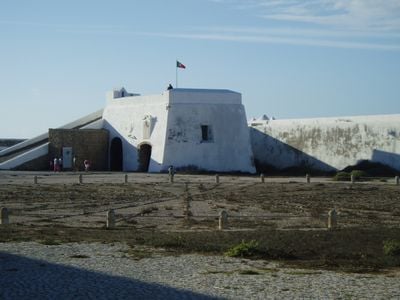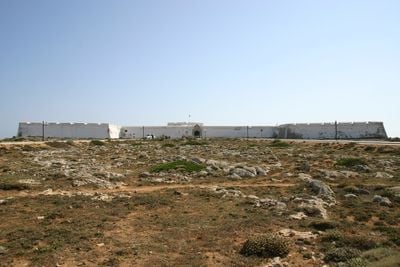
Fortaleza de Sagres, Military fortress at Sagres Point, Portugal
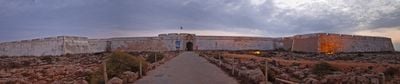
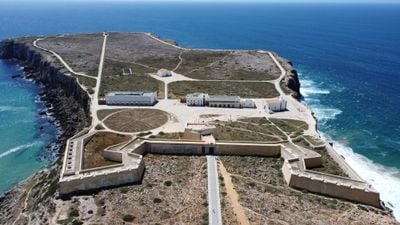
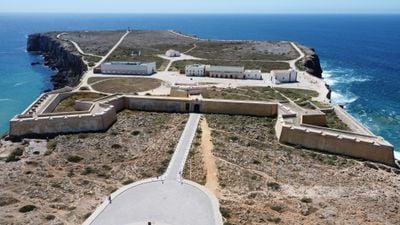
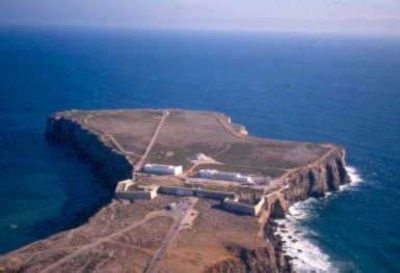
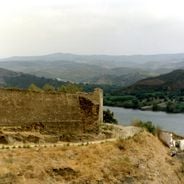
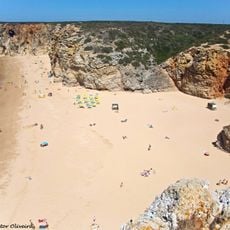
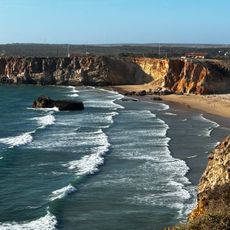
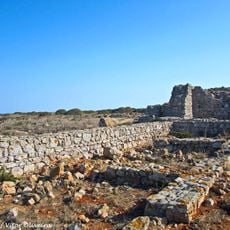
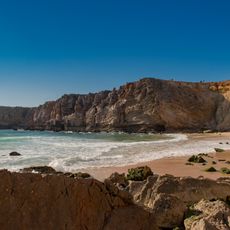
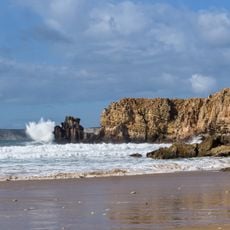
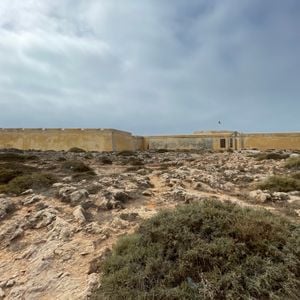
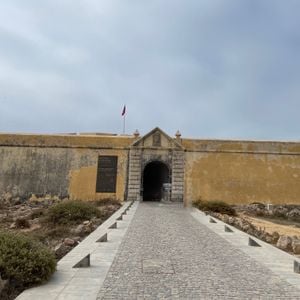
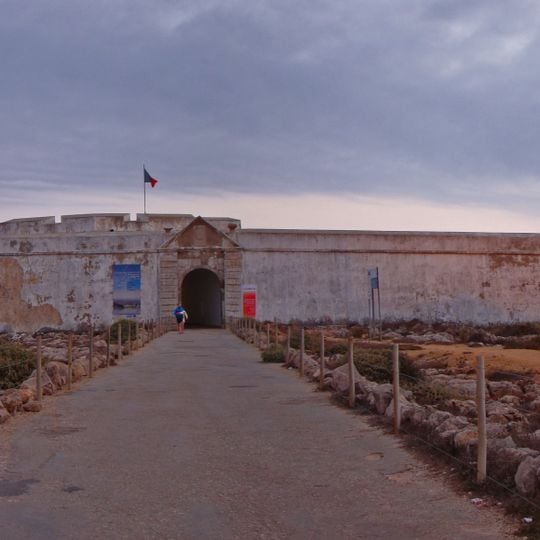
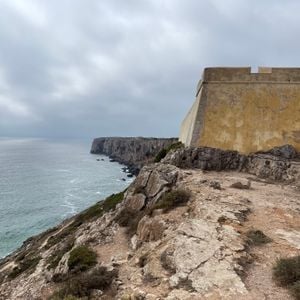
The Fortress of Sagres is a military fortification on a headland in southwestern Portugal, near the Algarve coast. High stone walls separate the narrow strip of land from the mainland and three sides drop away in steep cliffs overlooking the ocean.
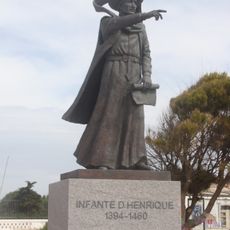
Prince Henry the Navigator had this outpost built in the 15th century to protect the harbor and coordinate expeditions along the African coast. Later rulers reinforced the walls after pirate raids and the 1755 earthquake damaged parts of the structure.
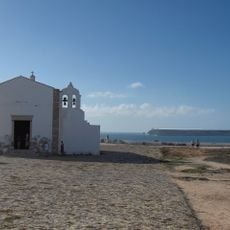
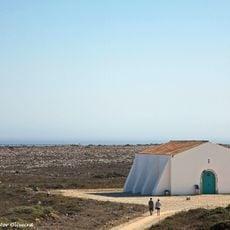
The name Sagres comes from the Latin word for sacred, as this headland was considered a holy place in ancient times. The chapel inside the walls and its simple stone facades recall the religious rituals Portuguese sailors observed before long voyages.
The site is open year-round, with longer hours during summer months than in winter. Wind can blow strongly across the exposed headland, so warm clothing is advisable even on sunny days.
A large circular stone rose in the courtyard once served Portuguese sailors as a navigation instrument and remains visible today. Its exact function is still debated, but many scholars believe it was a wind measuring system for planning sailing routes.
Location: Sagres
GPS coordinates: 37.00085,-8.94839
Latest update: December 3, 2025 22:01
Portugal extends well beyond its main tourist centers. Away from the established routes lie medieval villages like Monsanto, where granite houses wedge themselves between massive boulders, or the fortified hilltop town of Marvão overlooking the Spanish border. Peneda-Gerês National Park spreads across forests, rivers and centuries-old settlements connected by hiking trails. The coastline varies considerably: Cabo Espichel with its cliffs and remote pilgrimage site, the rock formations at Ponta da Piedade near Lagos, the striped wooden houses of Costa Nova facing the ocean. The Azores offer crater lakes such as Lagoa das Sete Cidades, volcanic caves like Gruta das Torres and thermal springs at Caldeira Velha. Madeira presents the coastal village of Paul do Mar and the plateau of Fajã dos Padres, accessible only by cable car. The list includes religious structures such as Alcobaça Monastery, the bone chapel in Évora and Convento dos Capuchos in the forests near Sintra. Historic fortifications like Almourol Castle on a Tagus island or the fortress at Sagres on the continent's southwestern tip complete the picture.
Inland Algarve holds nature reserves, medieval castles, and Roman ruins that together form a wide picture of Portuguese history and nature. Monchique has thermal springs, Silves shows a castle built of red sandstone, and Faro contains a chapel lined with human bones. Natural parks like Ria Formosa provide habitat for many bird species, while historic villages, coastal fortresses, and lighthouses mark the landscape. Travelers through this region encounter places like Cabo de São Vicente, where land ends at the southwestern tip of Europe, the cliffs of Ponta da Piedade near Lagos, or the ruins of Paderne Castle. Caldas de Monchique invites bathing in warm spring water, the Percurso dos Sete Vales Suspensos follows the coast through cut valleys, and Igreja do Carmo in Faro holds another bone chapel. Between these are beaches like Praia da Marinha and Praia do Barril, Roman excavations such as Cerro da Vila in Quarteira, and Palácio de Estoi, a pink palace from the 19th century. The Algarve connects coast and interior, history and nature in a way best explored on foot.
The Algarve offers some of Portugal's most scenic landscapes, with a coastline alternating between golden beaches, ochre limestone cliffs, and rock formations shaped by marine erosion. This collection features the area's most notable sites, from the sea caves of Benagil to the natural arches of Ponta da Piedade, and the expansive areas of Ria Formosa, a protected wetland spanning 37 miles (60 kilometers) along the coast. Beyond the coastline, the Algarve also boasts a notable historical heritage, including the medieval Silves Castle built from red sandstone and the white alleys of the old town of Albufeira. Beaches such as Praia da Marinha and Praia do Amado attract photographers as well as surfers, while coastal villages like Cacela Velha maintain an authentic ambiance. These locations are particularly suitable for photography due to their contrasting colors and Mediterranean light.
Cabo de São Vicente Lighthouse
4.9 km
Praia do Beliche
3.1 km
Praia do Tonel
543 m
Ponta de Sagres Lighthouse
704 m
Fort of Santo António de Belixe
4.2 km
Conjunto de menires de Milrei e do Padrão
8.7 km
Fortaleza de São Vicente
4.9 km
Praia do Martinhal
2.8 km
Zavial Battery
8.1 km
Igreja de Nossa Senhora da Graça (Sagres)
24 m
Praia da Ingrina
8 km
Forte de Nossa Senhora da Guia
2.1 km
Pousada de São Vicente
1.4 km
Praia do Tonel
550 m
Praia da Ponta Ruiva
7.7 km
Praia do Telheiro
5.7 km
Conjunto de menires de Vila do Bispo (Pedra Escorregadia; Casa do Francês; Amantes I; Amantes II; Cerro do Camacho)
7.5 km
Praia do Zavial Naturista
8.7 km
Hotel da Baleeira
1.8 km
Posto da Guarda Fiscal, GF, de Zavial
8 km
Menires do Cerro do Camacho
7.5 km
Estátua do Infante D. Henrique
1 km
Ponta de Sagres e Cabo de São Vicente
4.4 km
Praia da Baleeira (lapyahan, lat 37,01, long -8,93)
2 km
Praia do Barranco
7 km
Praia da Mareta
934 m
Praia do Tonel (lapyahan sa Distrito de Faro)
567 m
Praia dos Rebolinhos
3.5 kmReviews
Visited this place? Tap the stars to rate it and share your experience / photos with the community! Try now! You can cancel it anytime.
Discover hidden gems everywhere you go!
From secret cafés to breathtaking viewpoints, skip the crowded tourist spots and find places that match your style. Our app makes it easy with voice search, smart filtering, route optimization, and insider tips from travelers worldwide. Download now for the complete mobile experience.
A unique approach to discovering new places❞
— Le Figaro
All the places worth exploring❞
— France Info
A tailor-made excursion in just a few clicks❞
— 20 Minutes