Ponta da Piedade

Log in to your account

AroundUs is a community-driven map of interesting places, built by curious explorers like you. It grows with every review, story, and photo you share.
Connect to save your favorite spots, contribute locations, and create personalized routes.
By continuing, you accept our Terms and Conditions and our Privacy Policy

Ponta da Piedade

Add to collection
Map
Suggest a change
Share

Ponta da Piedade, Natural monument and cape in Lagos, Portugal

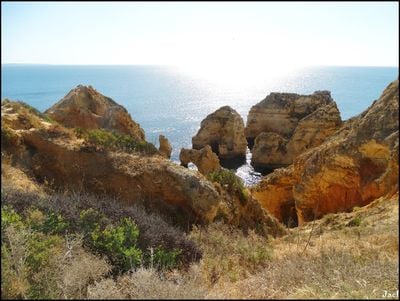
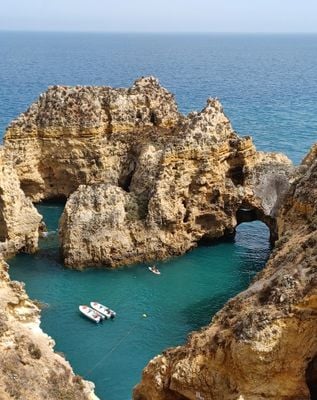
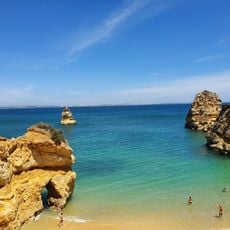
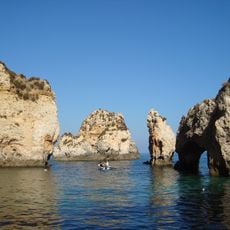
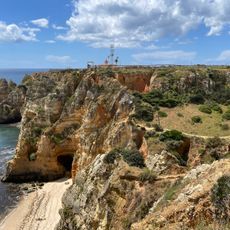
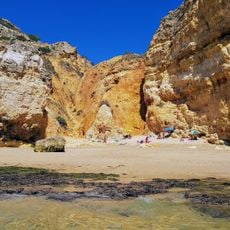
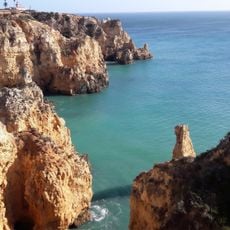
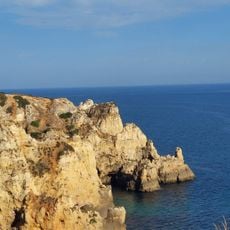
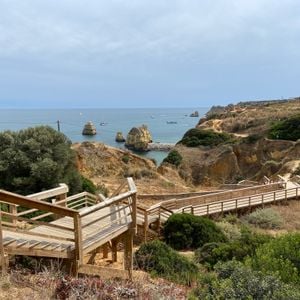
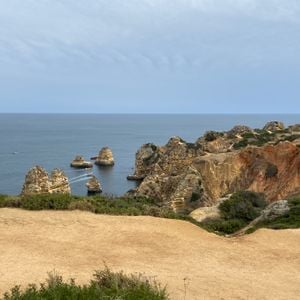
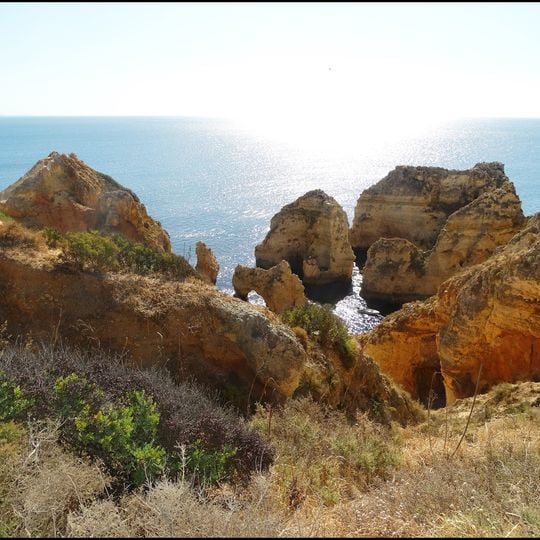
Ponta da Piedade is a cape featuring limestone cliffs that rise roughly 20 meters (65 feet) above the Atlantic Ocean, with multiple rock pillars, sea caves, and natural arches throughout. The coastline forms a series of vertical formations that create sheltered coves and passages between the water and stone.

The name comes from fishermen's wives who stood at the cliffs praying for their husbands' safe return from the sea. This connection between the location and the people who lived there shaped the site's identity for centuries.

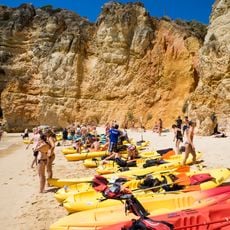
Local guides point out distinctive rock formations during boat tours, sharing folk names like the Cathedral and the Kissing Couple that locals have given to these natural shapes. These names reflect how people have observed and remembered the landscape over generations.

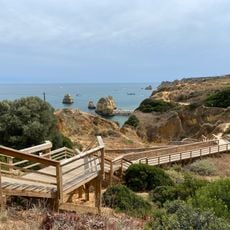
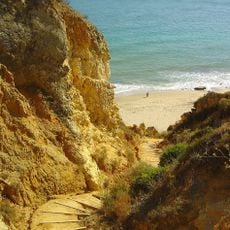
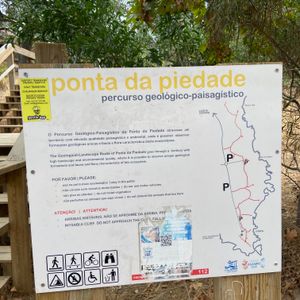
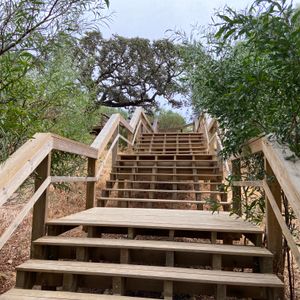
You can reach this location on foot by taking a coastal path from Lagos, or use local transport options like trains or cars to the lighthouse parking area. The best time to explore is in calm seas and good weather, especially if you plan to take a boat into the caves.

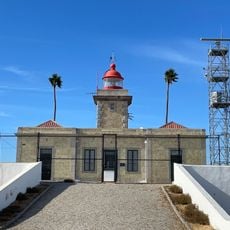
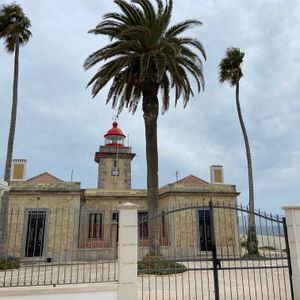
A lighthouse built in 1913 stands at the tip of the cape, marking the boundary to a network of caves accessible only by small boat. This blend of a historic structure and hidden waterways creates a special appeal when exploring from the water.

Location: Lagos

Address: Praia da Pera em, Lagos, Portugal

GPS coordinates: 37.07944,-8.66806

Latest update: December 6, 2025 16:01

Natural stone arches and rock holes

Geological forces have carved openings, arches, and caves into rock formations across continents through millions of years of erosion. Water, wind, and weathering have shaped these natural structures from various rock types, creating landmarks that reveal the Earth's ongoing transformation. The formations appear in diverse environments, from coastlines where ocean waves carve passages through limestone cliffs to desert regions where wind erosion creates openings in sandstone walls. This collection spans locations such as Durdle Door along England's Jurassic Coast, where a 200-foot (60-meter) arch rises from layers dating to the Mesozoic era. The Faraglioni Rocks off Capri reach heights of 360 feet (109 meters) and include a natural passage navigable by boat. In landlocked regions, formations like the Eyes of God in Bulgaria's Prohodna Cave display symmetrical ceiling openings where sunlight penetrates the rock. Desert sites such as Las Ventanas in Argentina's Andes showcase wind-carved arches in remote sandstone landscapes. Each location offers direct evidence of erosion processes that continue shaping these geological features, from readily accessible coastal points to isolated areas requiring significant travel to reach.

Portugal off the beaten path: villages, coasts, islands

Portugal extends well beyond its main tourist centers. Away from the established routes lie medieval villages like Monsanto, where granite houses wedge themselves between massive boulders, or the fortified hilltop town of Marvão overlooking the Spanish border. Peneda-Gerês National Park spreads across forests, rivers and centuries-old settlements connected by hiking trails. The coastline varies considerably: Cabo Espichel with its cliffs and remote pilgrimage site, the rock formations at Ponta da Piedade near Lagos, the striped wooden houses of Costa Nova facing the ocean. The Azores offer crater lakes such as Lagoa das Sete Cidades, volcanic caves like Gruta das Torres and thermal springs at Caldeira Velha. Madeira presents the coastal village of Paul do Mar and the plateau of Fajã dos Padres, accessible only by cable car. The list includes religious structures such as Alcobaça Monastery, the bone chapel in Évora and Convento dos Capuchos in the forests near Sintra. Historic fortifications like Almourol Castle on a Tagus island or the fortress at Sagres on the continent's southwestern tip complete the picture.

Discover inland Algarve natural and cultural sites

Inland Algarve holds nature reserves, medieval castles, and Roman ruins that together form a wide picture of Portuguese history and nature. Monchique has thermal springs, Silves shows a castle built of red sandstone, and Faro contains a chapel lined with human bones. Natural parks like Ria Formosa provide habitat for many bird species, while historic villages, coastal fortresses, and lighthouses mark the landscape. Travelers through this region encounter places like Cabo de São Vicente, where land ends at the southwestern tip of Europe, the cliffs of Ponta da Piedade near Lagos, or the ruins of Paderne Castle. Caldas de Monchique invites bathing in warm spring water, the Percurso dos Sete Vales Suspensos follows the coast through cut valleys, and Igreja do Carmo in Faro holds another bone chapel. Between these are beaches like Praia da Marinha and Praia do Barril, Roman excavations such as Cerro da Vila in Quarteira, and Palácio de Estoi, a pink palace from the 19th century. The Algarve connects coast and interior, history and nature in a way best explored on foot.

Algarve in photos: golden beaches, limestone cliffs, and sea caves of southern Portugal

The Algarve offers some of Portugal's most scenic landscapes, with a coastline alternating between golden beaches, ochre limestone cliffs, and rock formations shaped by marine erosion. This collection features the area's most notable sites, from the sea caves of Benagil to the natural arches of Ponta da Piedade, and the expansive areas of Ria Formosa, a protected wetland spanning 37 miles (60 kilometers) along the coast. Beyond the coastline, the Algarve also boasts a notable historical heritage, including the medieval Silves Castle built from red sandstone and the white alleys of the old town of Albufeira. Beaches such as Praia da Marinha and Praia do Amado attract photographers as well as surfers, while coastal villages like Cacela Velha maintain an authentic ambiance. These locations are particularly suitable for photography due to their contrasting colors and Mediterranean light.

Reviews

Visited this place? Tap the stars to rate it and share your experience / photos with the community! Try now! You can cancel it anytime.

« Ponta da Piedade - Natural monument and cape in Lagos, Portugal » is provided by Around Us (aroundus.com). Images and texts are derived from Wikimedia project under a Creative Commons license. You are allowed to copy, distribute, and modify copies of this page, under the conditions set by the license, as long as this note is clearly visible.

Discover hidden gems everywhere you go!

From secret cafés to breathtaking viewpoints, skip the crowded tourist spots and find places that match your style. Our app makes it easy with voice search, smart filtering, route optimization, and insider tips from travelers worldwide. Download now for the complete mobile experience.

Around Us App Screenshot

A unique approach to discovering new places

Le Figaro

All the places worth exploring

France Info

A tailor-made excursion in just a few clicks

20 Minutes