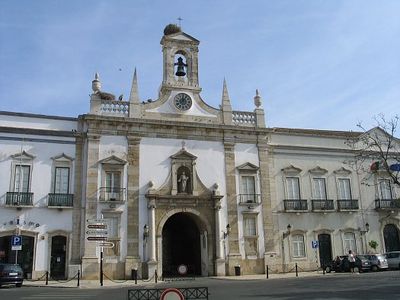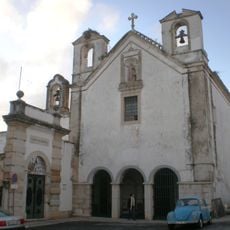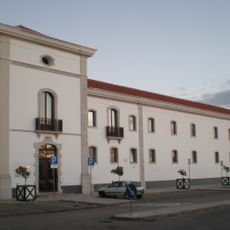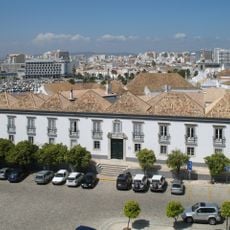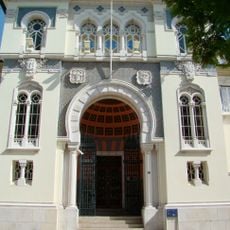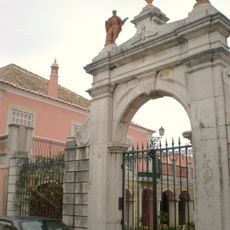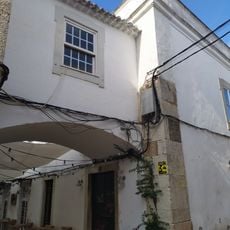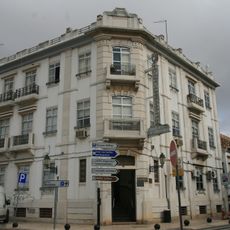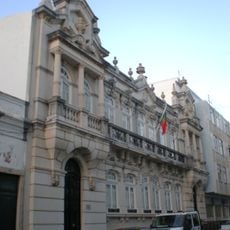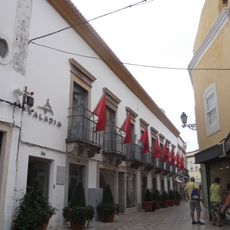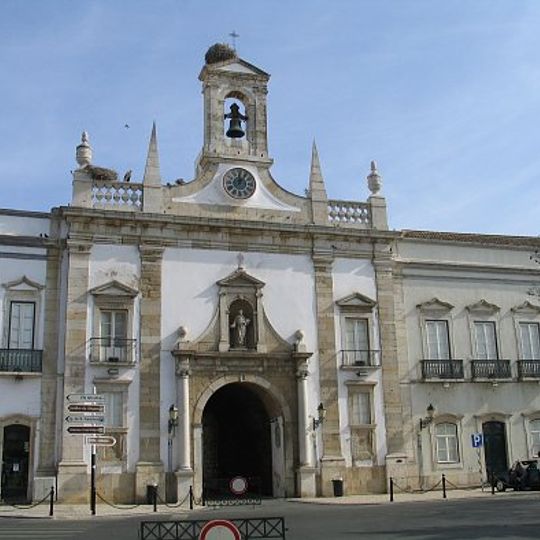
Arco da Vila, Triumphal arch in Faro, Portugal.
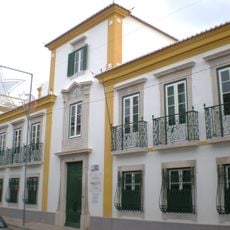
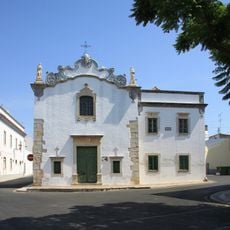
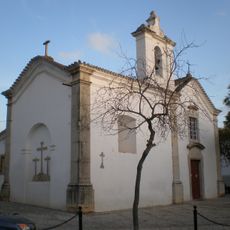
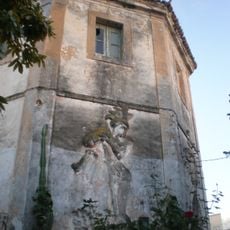
Arco da Vila is a neoclassical triumphal arch in Faro featuring ionic columns that support an entablature topped by a triangular pediment. The structure serves as the main decorated gateway connecting the marina to the historic old town, framed by residential buildings on either side.
The arch was commissioned in 1812 by Bishop Francisco Gomes do Avelar following the devastating 1755 earthquake that had destroyed much of Faro. Italian architect Francisco Xavier Fabri designed this neoclassical structure as a symbol of the city's reconstruction and renewal.
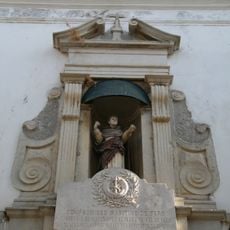
The structure takes its name from a statue of Saint Thomas Aquinas placed in its central niche, visible to anyone passing through. This religious element has shaped how locals and visitors experience the passage between the waterfront and the old quarter.
The arch is freely accessible daily and connects the waterfront area to the pedestrian zone of the old town, making it convenient for visitors moving between both areas. Early morning or sunset visits offer less crowding and better lighting for photographs and observation.
Hidden within the structure is one of the few surviving Moorish horseshoe arches from the area's earlier period, integrated into the foundation and visible upon close inspection. This remnant reveals how builders connected the site's architectural past with its neoclassical redesign.
The community of curious travelers
AroundUs brings together thousands of curated places, local tips, and hidden gems, enriched daily by 90,744 contributors worldwide.