Qanat, Underground aqueduct system in Palermo, Italy
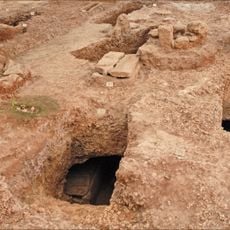
The Qanat in Palermo is an underground water channel system made of sloping tunnels and vertical shafts that carried groundwater from the surrounding hills into the city. The tunnels run at different depths and move water using gravity alone, with no pumps or machinery of any kind.
The system was built in the 10th century during Arab rule over Sicily, when Palermo was one of the largest cities in the Mediterranean world. Over time, the network was expanded and partly adapted by later rulers, though its core structure remained unchanged.
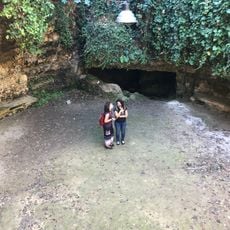
The word "qanat" comes from Arabic and refers to a channel or canal dug underground to carry water without pumps or machinery. Visitors who walk through the tunnels today can see how the slope of the ground itself was used to guide the flow of water from the hills toward the city.
Visiting the tunnels requires waterproof clothing and solid footwear, as the passages are wet, dark, and uneven underfoot. Tours must be booked in advance since access is restricted and the site cannot be visited independently.
The network is made up of several separate branches, each with its own name, that once supplied different parts of the city, and some of these branches still carry water today. Walking through them, it is possible to hear the sound of running water in sections that remain active after more than a thousand years.
The community of curious travelers
AroundUs brings together thousands of curated places, local tips, and hidden gems, enriched daily by 90,878 contributors worldwide.