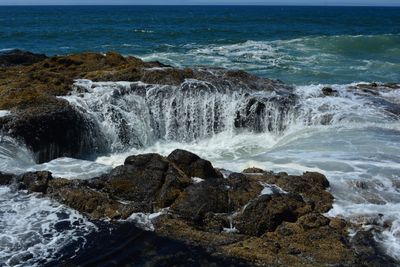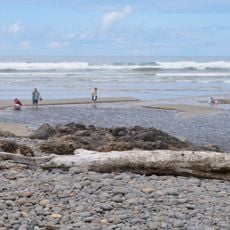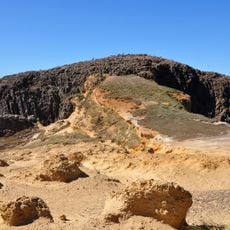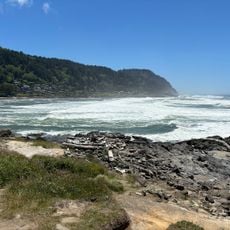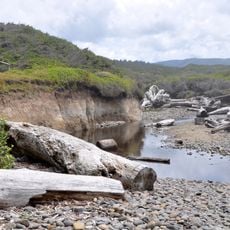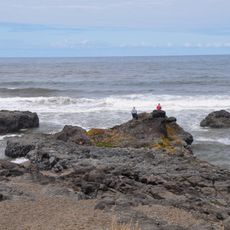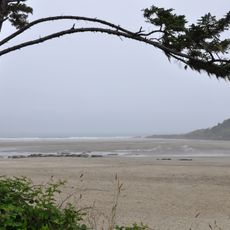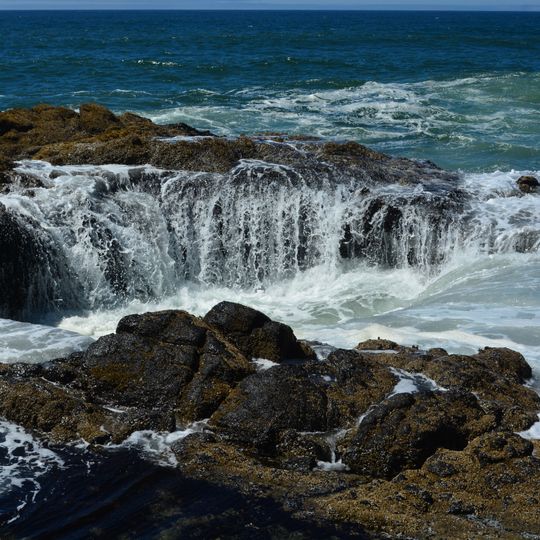
Thor's Well, Natural pit at Cape Perpetua, Oregon, US.
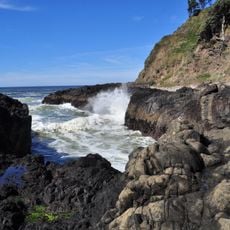
A circular depression in basalt rock connects to subterranean passages where seawater flows according to tidal cycles. The formation sits within the intertidal zone where waves meet porous volcanic bedrock. During incoming swells, water fills the opening and drains back through vertical channels, creating temporary fountains when conditions align with higher tides and strong Pacific currents.
Wave action carved a sea cave into the basalt coastline over many centuries. The roof eventually collapsed, leaving the vertical opening visible today. Geological surveys conducted in the latter half of the twentieth century documented ongoing changes to the structure as coastal erosion continues to reshape this section of the shoreline south of Yachats.
Naturalists and coastal researchers frequent this section of the Oregon shoreline to study tidal dynamics and erosion patterns. The formation serves as an educational example of marine geology for regional institutions. During periods of strong surf, observers witness powerful water columns that highlight the force of coastal processes at work along this stretch of coastline.
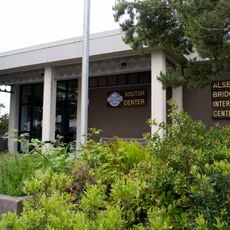
Access from the Cape Perpetua Visitor Center parking area along Highway 101 via a paved trail leads to viewing spots. Arrival one hour before to one hour after high tide offers the most activity. Stepping onto rocks near the opening is dangerous due to unpredictable waves that can sweep individuals into the ocean without warning.
Timing between incoming waves and drainage through underground passages creates water columns that occasionally shoot up to 20 feet (6 m) above the surrounding rock surface. These brief eruptions occur irregularly depending on wave height, tidal stage, and wind direction, making each visit yield different displays of force and volume.
The community of curious travelers
AroundUs brings together thousands of curated places, local tips, and hidden gems, enriched daily by 91,481 contributors worldwide.