See the monuments around you in AROpen chests in the app
Around Us is built for your phone — point your camera at the streets and discover the monuments and places around you in augmented reality.Around Us is built for your phone — chests unlock when you walk, explore and capture nearby places.
Hot springs form where geothermal activity or groundwater systems naturally heat water. This collection features such springs across volcanic zones, mountain ranges and remote areas on all continents. Each location has distinct mineral content and temperatures shaped by its underlying geology.
In Iceland, the Blue Lagoon offers mineral-rich water in a lava field near Grindavík, while Deildartunguhver in the west produces one of Europe's most powerful hot springs. Pamukkale in Turkey's Denizli region displays terraced limestone pools formed by calcium-rich thermal water. The Széchenyi Baths in Budapest draw water exceeding 160 degrees Fahrenheit (70 degrees Celsius) from nearly 4,300 feet (1,300 meters) below ground. In Wyoming, Yellowstone's Grand Prismatic Spring shows intense colors produced by its size and thermophilic bacteria.
Japan hosts numerous onsen, including Takaragawa in Gunma Prefecture along a river and Yubatake in Kusatsu with visible high mineral output. Jigokudani Monkey Park in Nagano is known for macaques that bathe there. In North America, the collection spans Banff Upper Hot Springs in Alberta, Chena Hot Springs in Alaska and smaller sites such as Baker Hot Springs in Utah. Grutas Tolantongo in Hidalgo, Mexico, combines warm pools with river flows in a canyon. New Zealand's geothermal zones appear at Champagne Pool in Waiotapu and Hell's Gate Park near Rotorua.
Hot springs form where geothermal activity or groundwater systems naturally heat water. This collection features such springs across volcanic zones, mountain ranges and remote areas on all continents. Each location has distinct mineral content and temperatures shaped by its underlying geology.
In Iceland, the Blue Lagoon offers mineral-rich water in a lava field near Grindavík, while Deildartunguhver in the west produces one of Europe's most powerful hot springs. Pamukkale in Turkey's Denizli region displays terraced limestone pools formed by calcium-rich thermal water. The Széchenyi Baths in Budapest draw water exceeding 160 degrees Fahrenheit (70 degrees Celsius) from nearly 4,300 feet (1,300 meters) below ground. In Wyoming, Yellowstone's Grand Prismatic Spring shows intense colors produced by its size and thermophilic bacteria.
Japan hosts numerous onsen, including Takaragawa in Gunma Prefecture along a river and Yubatake in Kusatsu with visible high mineral output. Jigokudani Monkey Park in Nagano is known for macaques that bathe there. In North America, the collection spans Banff Upper Hot Springs in Alberta, Chena Hot Springs in Alaska and smaller sites such as Baker Hot Springs in Utah. Grutas Tolantongo in Hidalgo, Mexico, combines warm pools with river flows in a canyon. New Zealand's geothermal zones appear at Champagne Pool in Waiotapu and Hell's Gate Park near Rotorua.
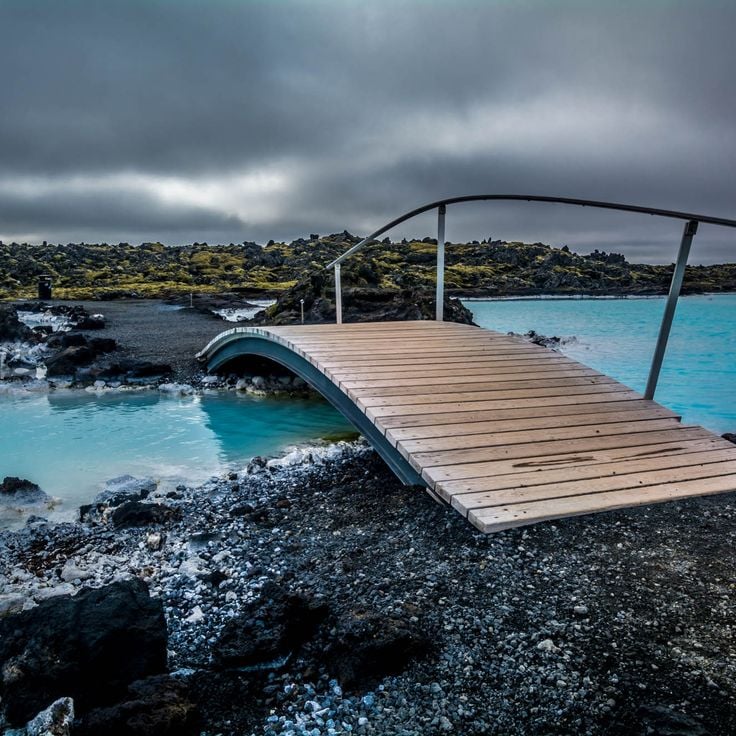
This geothermal spa formed from excess water released by a nearby power plant and sits within a black lava field southwest of Reykjavík. The waters of Lagon Bleu reach temperatures around 100°F (38°C) and contain silica, sulfur and minerals that give the milky turquoise water its distinctive color. The facility includes multiple pools, saunas and a bathing area surrounded by cooled lava formations, with steam rising from the water surface. Visitors can apply silica mud masks available at several stations throughout the water.
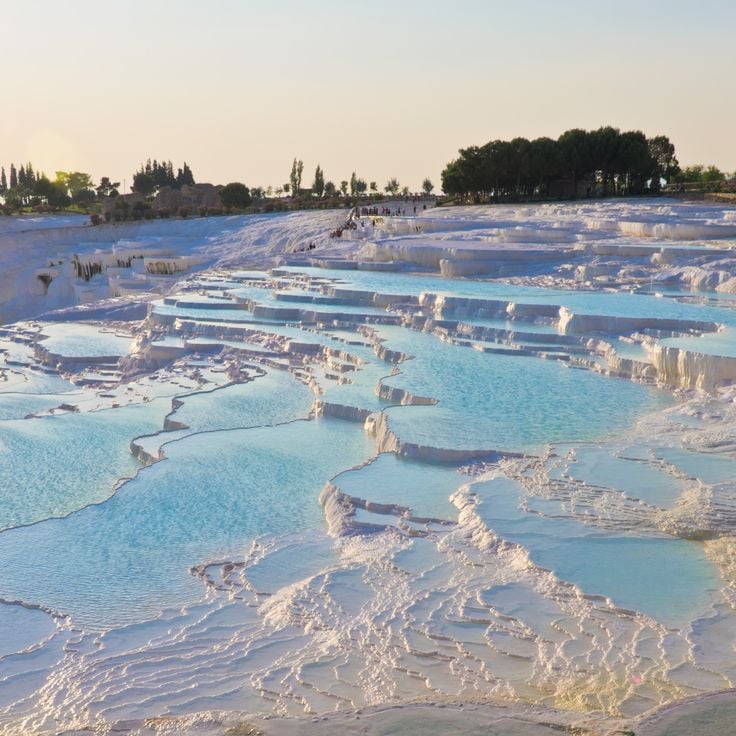
The thermal pools of Pamukkale feature natural limestone terraces with thermal water flowing at 95 degrees Fahrenheit (35 degrees Celsius) from underground springs. The water contains calcium, magnesium and other minerals that have formed the characteristic white deposits over thousands of years. These hot springs are located in the Denizli region and represent one of Turkey's recognized warm water sources, where the formations continue to develop through ongoing mineral deposition.
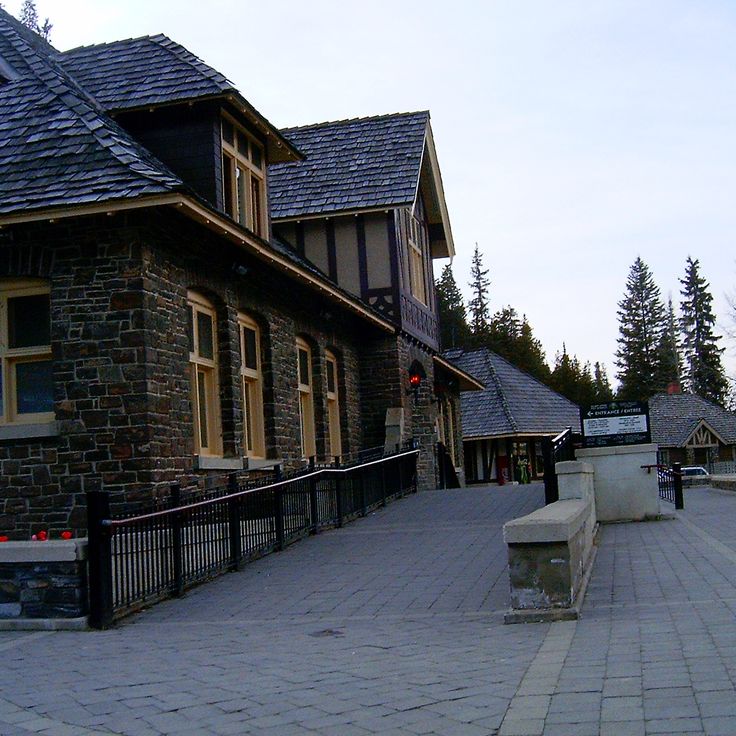
Banff Upper Hot Springs is a thermal bath built in 1932 at an elevation of 5,200 feet (1,585 meters) with views of Mount Rundle. The water reaches temperatures between 98 and 104 degrees Fahrenheit (37 to 40 degrees Celsius) and comes from a natural spring on Sulphur Mountain. The facility includes a large outdoor pool and changing rooms. Visitors can enjoy panoramic views of the Canadian Rockies after their bath or use the nearby hiking trail.
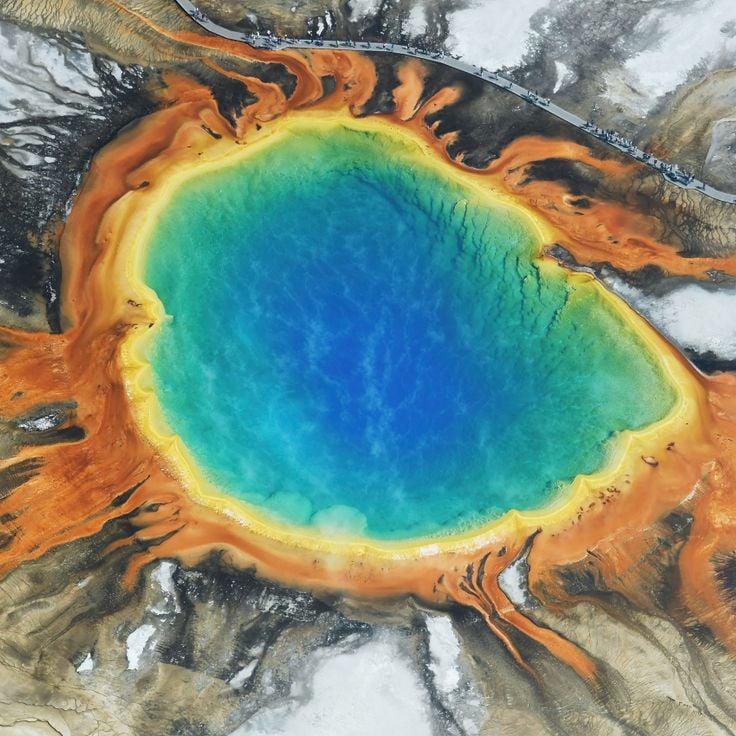
The Grand Prismatic Spring displays concentric rings of orange, green and blue created by thermophilic bacteria and dissolved minerals. This thermal spring in Yellowstone National Park measures 230 feet (70 meters) across and reaches temperatures around 160°F (70°C). The color spectrum varies with water temperature and season, as microorganisms thrive in the cooler peripheral zones. Elevated boardwalks provide access and offer multiple perspectives of the spring and its steaming runoff channels.
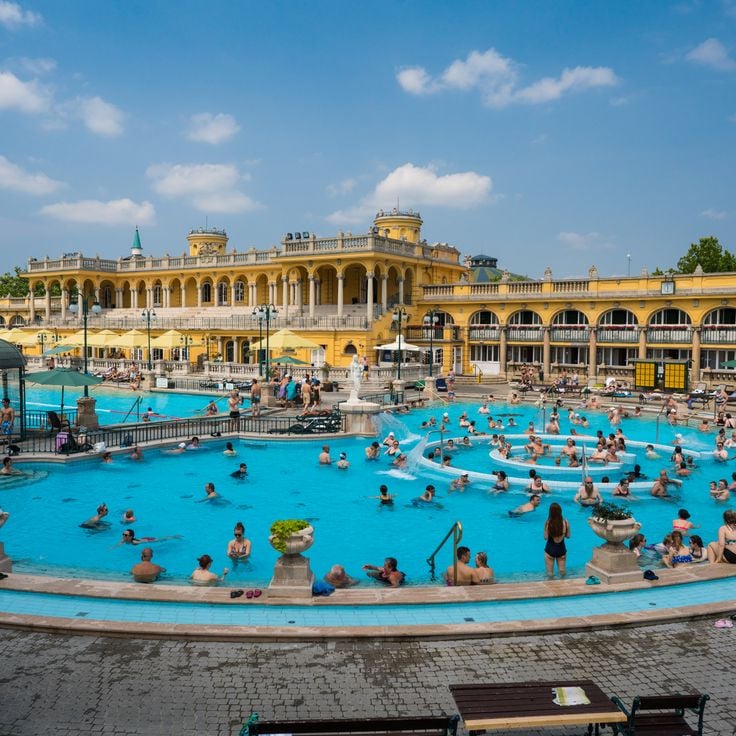
The historic Széchenyi Thermal Baths in Budapest date from 1913 and house 21 pools at varying temperatures within a neo-baroque building whose architectural details reflect the Austro-Hungarian imperial era and which draws natural thermal water from depths exceeding 3,900 feet (1,200 meters).
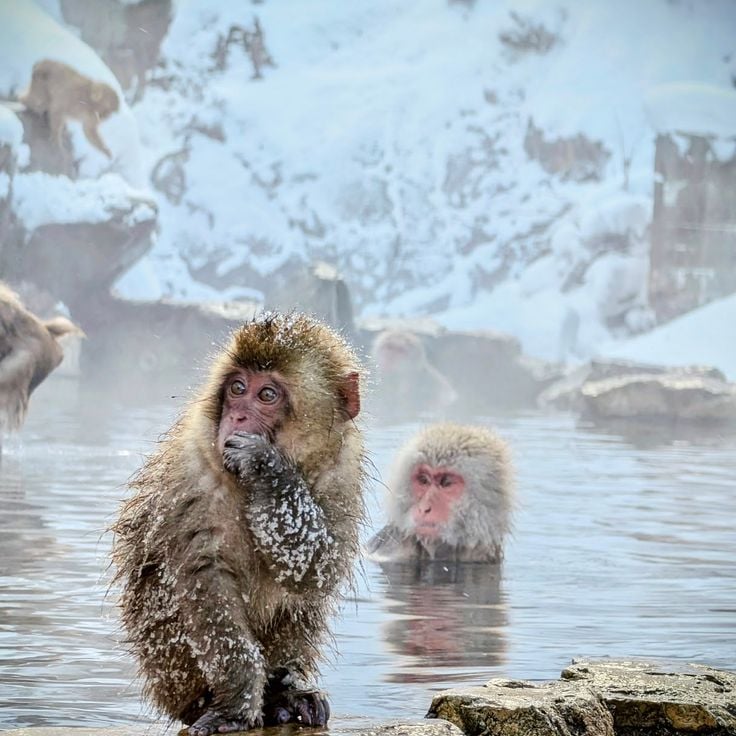
The hot springs at Jigokudani Monkey Park sit at 2,800 feet (850 meters) elevation in the mountains of Nagano and serve as the natural habitat for around 200 Japanese macaques. These primates use the warm thermal waters throughout the year, particularly during winter months when snow covers the surrounding mountain slopes. The springs form through geothermal activity in the region and provide the macaques with protection from the cold, while visitors can observe the animals up close in their natural behavior.
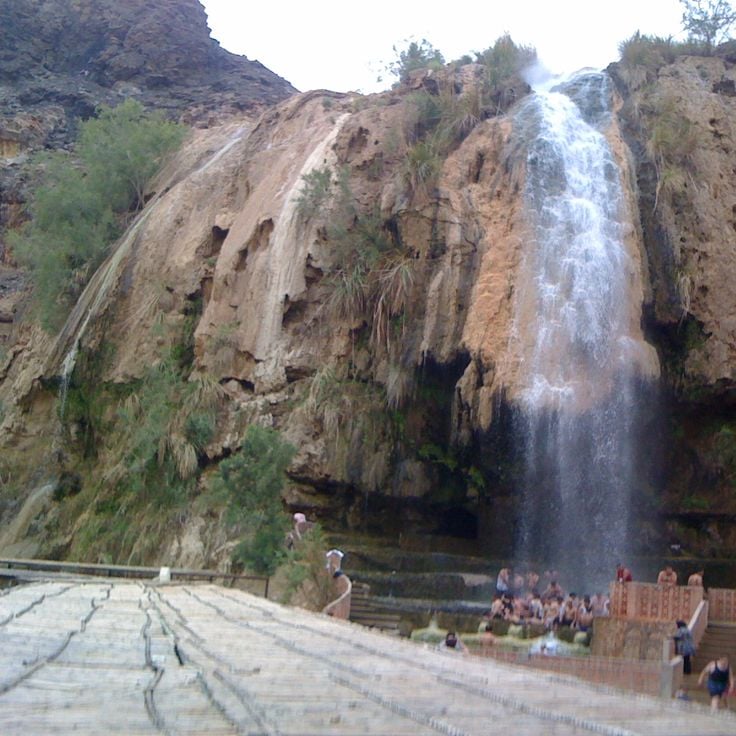
The Ma'in Hot Springs sit 866 feet (264 meters) below sea level and reach temperatures up to 145 degrees Fahrenheit (63 degrees Celsius). The mineral-rich water flows from natural sources in this region, forming several pools and waterfalls. The springs are located in a wadi between Madaba and the Dead Sea, where warm thermal water rises from underground rock layers and flows through the landscape.
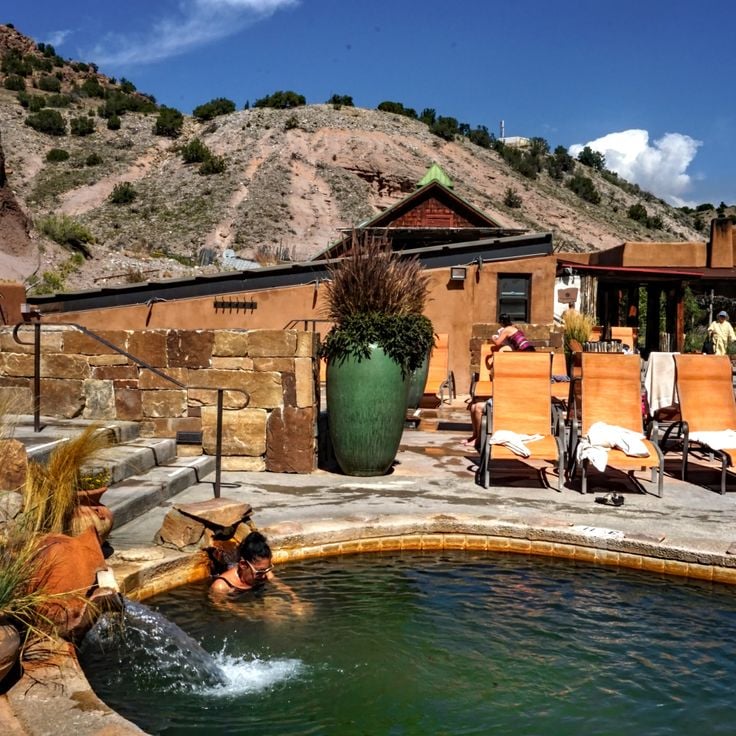
The four mineral springs at Ojo Caliente contain varying compositions of lithium, iron, sodium bicarbonate and arsenic, with temperatures ranging from 80 to 109 degrees Fahrenheit (27 to 43 degrees Celsius), and have drawn visitors to this remote northern New Mexico valley for centuries.
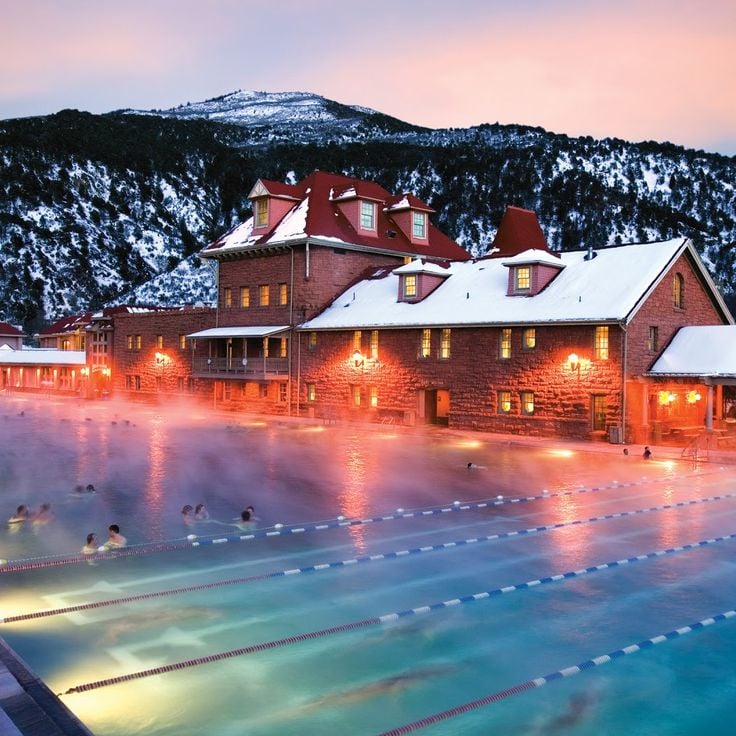
This thermal pool in Glenwood Springs maintains a constant temperature of 95 degrees Fahrenheit (35 degrees Celsius) and extends for 405 feet (123 meters). The mineral-rich water comes from natural hot springs in the Yampa Valley, with the Rocky Mountains providing a mountain backdrop. The facility has utilized the geothermal resources of this Colorado region for over a century.
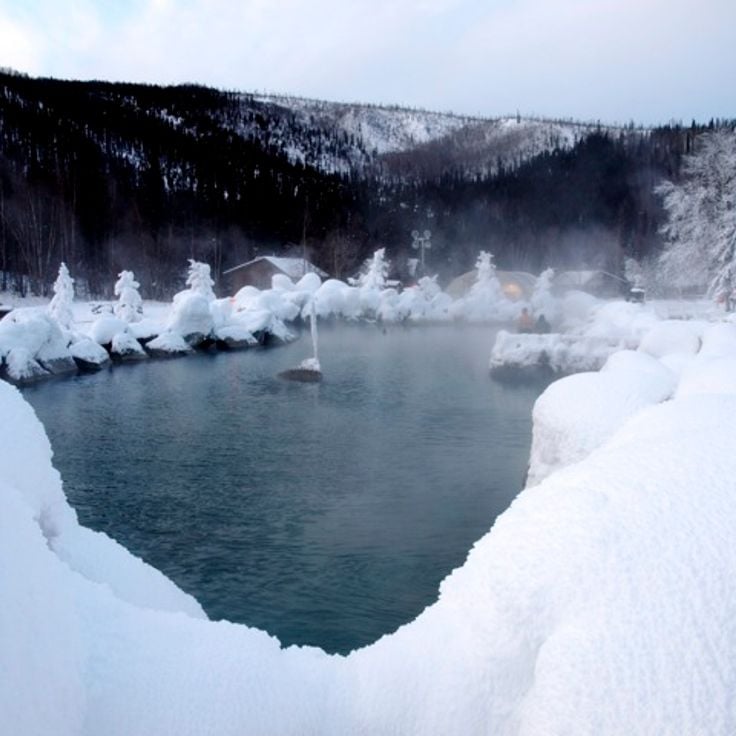
Chena Hot Springs sits 56 miles (90 kilometers) northeast of Fairbanks in central Alaska, drawing on geothermal springs that maintain temperatures between 104 and 135 degrees Fahrenheit (40 to 57 degrees Celsius) year-round. The facility operates a public bathhouse and several smaller pools fed by mineral-rich water from underground reservoirs. On clear winter nights from September through April, the aurora borealis frequently appears in the sky above the springs, as this region south of the Arctic Circle lies within the aurora viewing zone. The springs were discovered by gold prospectors in the late 19th century and have been commercially developed since the 1950s.
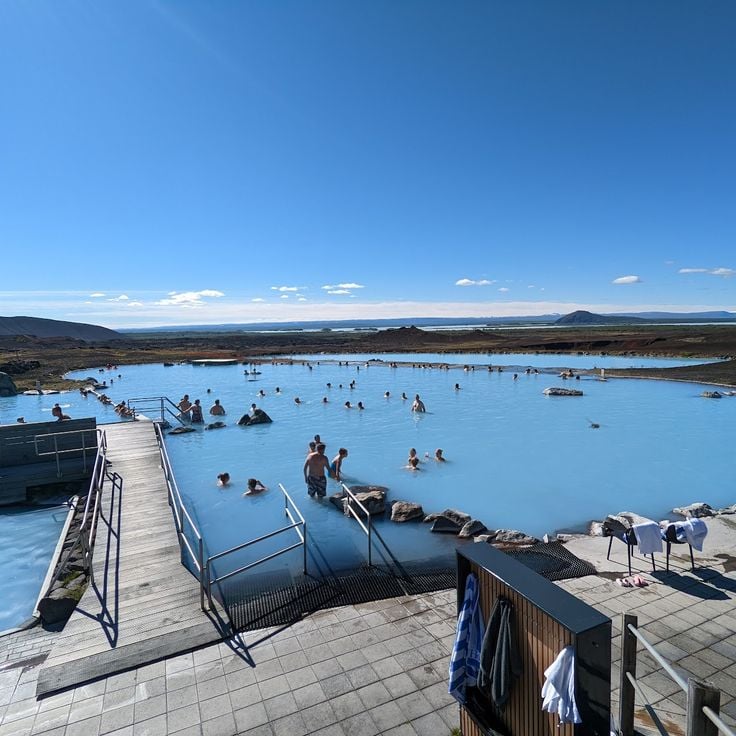
The Myvatn Nature Baths use geothermal water from the surrounding volcanic landscape. The alkaline pools maintain temperatures between 97 and 104 degrees Fahrenheit (36 to 40 degrees Celsius) and contain minerals such as sulfur and silica from the area's geological formations. The facility provides access to multiple man-made pools fed by naturally heated water, along with steam areas. Bathing is possible year-round, with winter months particularly popular for soaking.
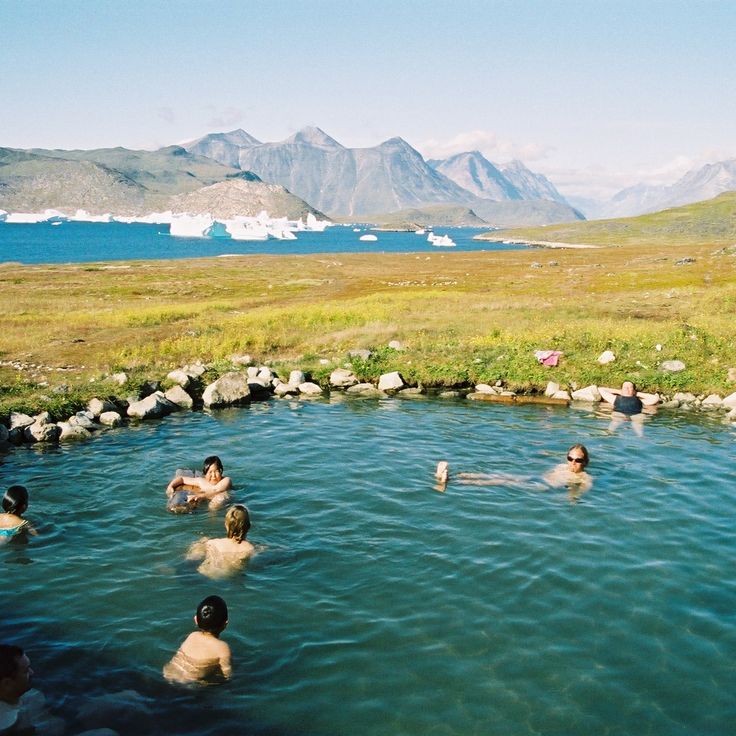
The Uunartoq hot springs occupy an uninhabited island in southwest Greenland and maintain a year-round water temperature of around 100 degrees Fahrenheit (38 degrees Celsius). Three natural pools collect the mineral-rich water that rises from underground volcanic sources. Visitors reach the island by boat from Qaqortoq and bathe in the warm pools as icebergs drift past in the surrounding waters.
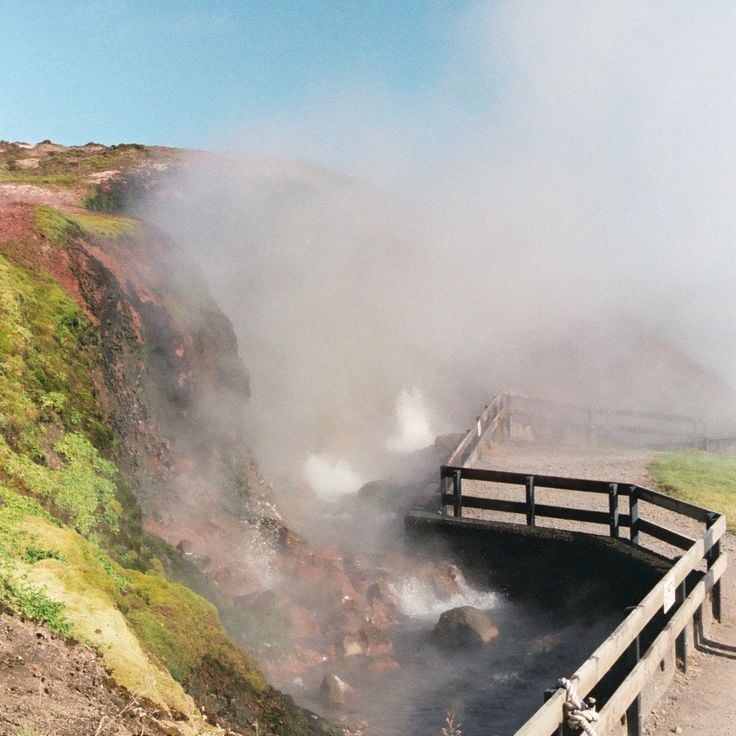
This thermal spring at Deildartunguhver produces 47 gallons (180 liters) of water per second and ranks among the most productive in Europe. The water reaches temperatures above 205°F (97°C) and supplies nearby communities with district heating and hot water. Steam rises from the source openings while mineral deposits color the surrounding ground.
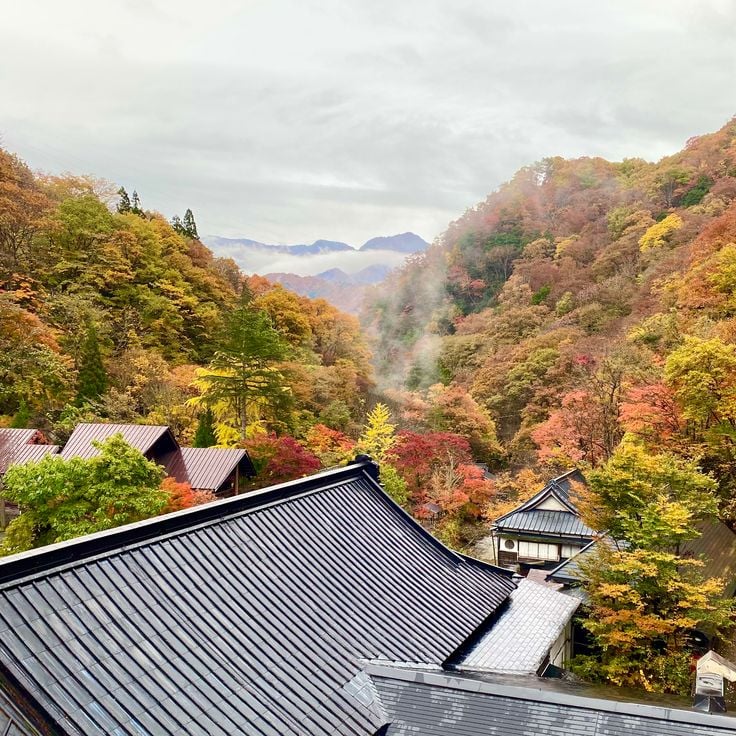
These outdoor bathing areas at Takaragawa Onsen occupy the banks of a mountain river in a wooded valley. The spring water maintains temperatures around 104 degrees Fahrenheit (40 degrees Celsius) and fills four separate pools, with both mixed and gender-separated bathing available. The natural setting includes river stones and cedar trees, particularly striking during winter months when snow covers the surroundings.
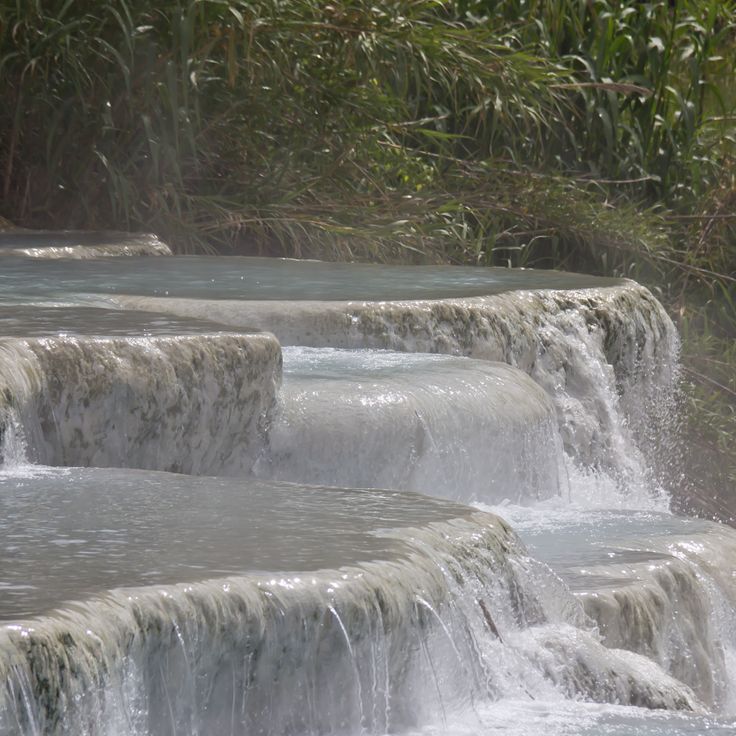
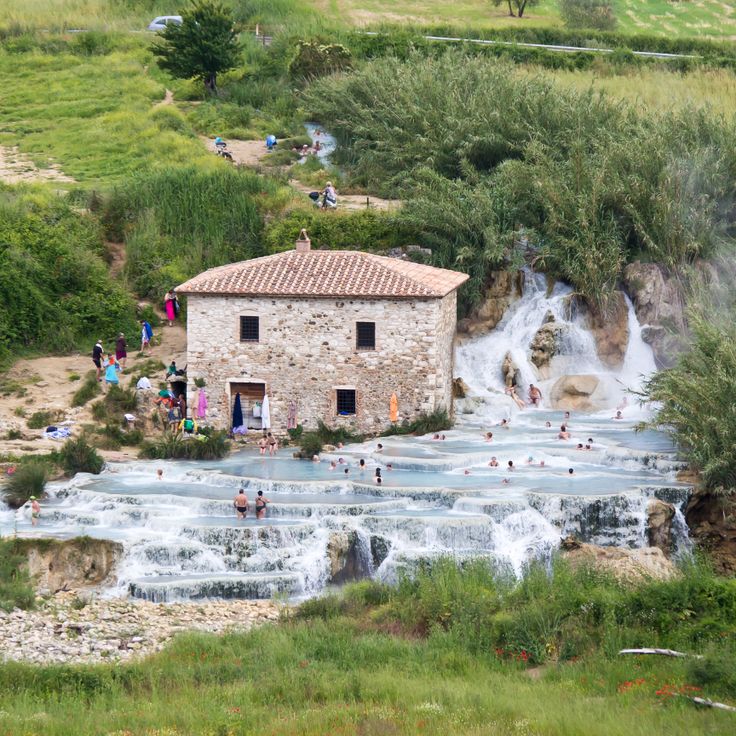
Cascate del Mulino provides free access to natural thermal pools formed in travertine terraces across multiple levels. Water flows from a source maintaining a constant temperature of 99.5 degrees Fahrenheit (37.5 degrees Celsius) and contains sulfur and other minerals. The pools sit along a country road near the historic Saturnia thermal spring and remain accessible throughout the year. Visitors find basic roadside parking available, though the site offers no changing facilities or restroom amenities.
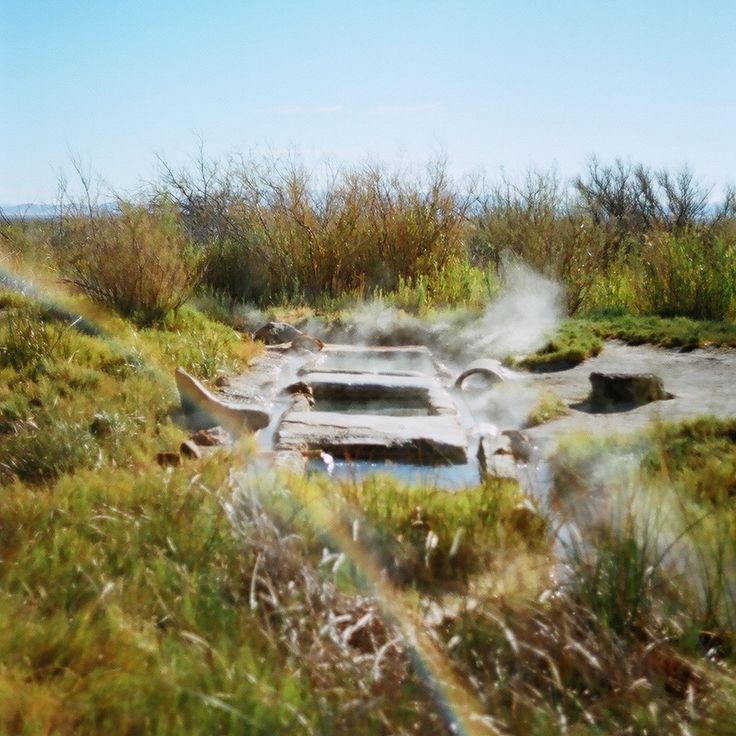
Baker Hot Springs is a thermal system located in a former quarry area in Utah. Water temperatures reach 140 degrees Fahrenheit (60 degrees Celsius), and the mineral-rich springs feed several pools in the desert landscape. The site sits away from paved roads and attracts visitors seeking undeveloped hot springs. The terrain shows clear evidence of past quarrying operations, while hot water continues to emerge from the ground.
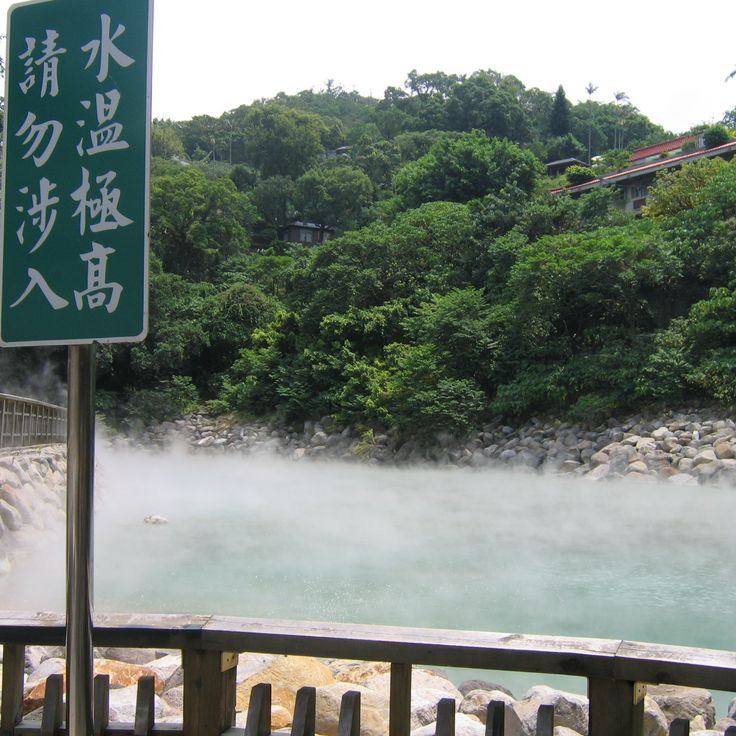
The thermal spring in Beitou's volcanic crater features sulfur-rich mineral water that displays a distinctive green color from its chemical composition, attracting visitors from Taiwan and abroad for over a century.
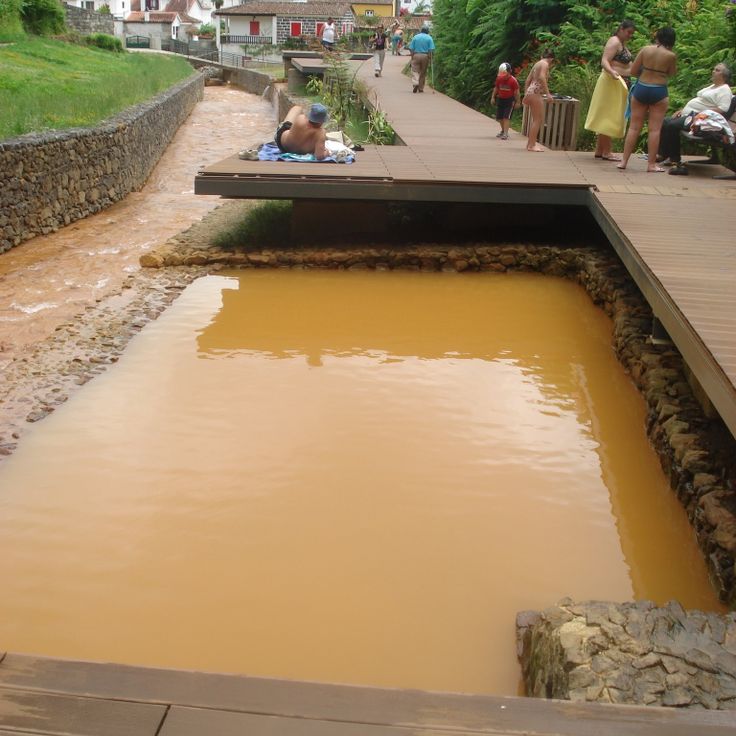
The hot springs of Furnas feed several public pools with mineral-rich water from volcanic activity. The natural springs sit in an active geothermal area on São Miguel and have been used for bathing for centuries. The water contains iron, sulfur and other minerals from underground. Several bathing facilities offer access to the springs with temperatures ranging from 77 to 104 degrees Fahrenheit (25 to 40 degrees Celsius).
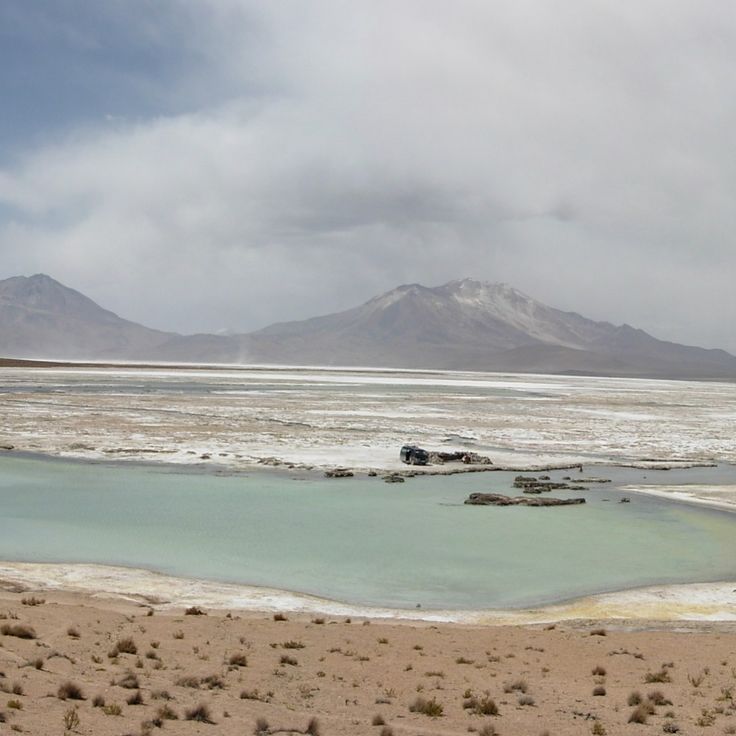
The Polloquere Hot Springs sit at an elevation of 14,100 feet (4,300 meters) in the Salar de Surire, feeding natural pools with mineralized water at a constant 95 degrees Fahrenheit (35 degrees Celsius). These springs emerge in a high Andean landscape where warm water rises from volcanic depths. Visitors find a remote bathing site in the Chilean highlands, surrounded by salt flats and volcanoes. Access requires driving unpaved roads through the nature reserve.
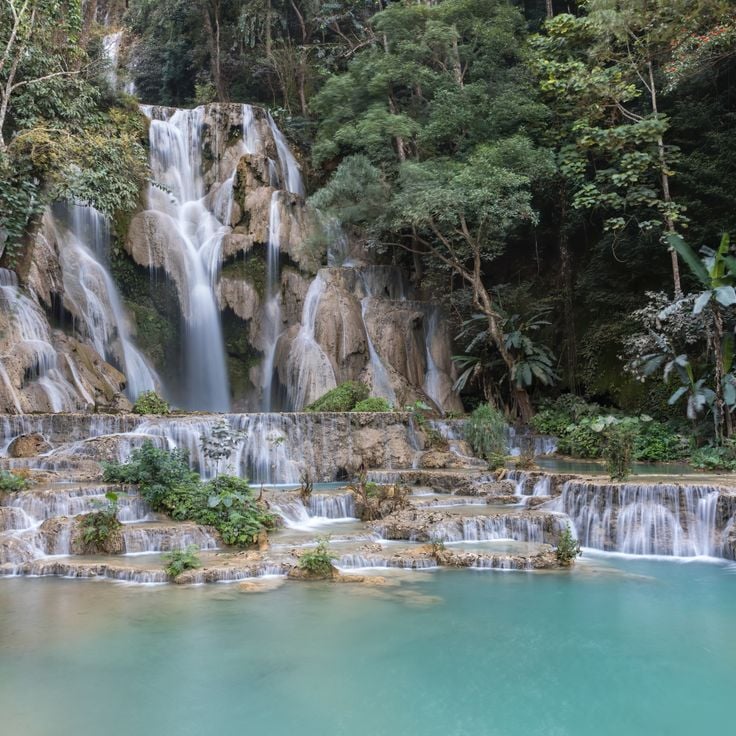
This thermal spring sits near the Kuang Si waterfalls and offers several small pools filled with warm water heated by underground geothermal activity. The temperature reaches comfortable bathing levels while the mineral-rich water emerges among tropical vegetation. Visitors often combine time at the waterfalls with a soak in the natural pools, which are located at the base of the limestone formations.
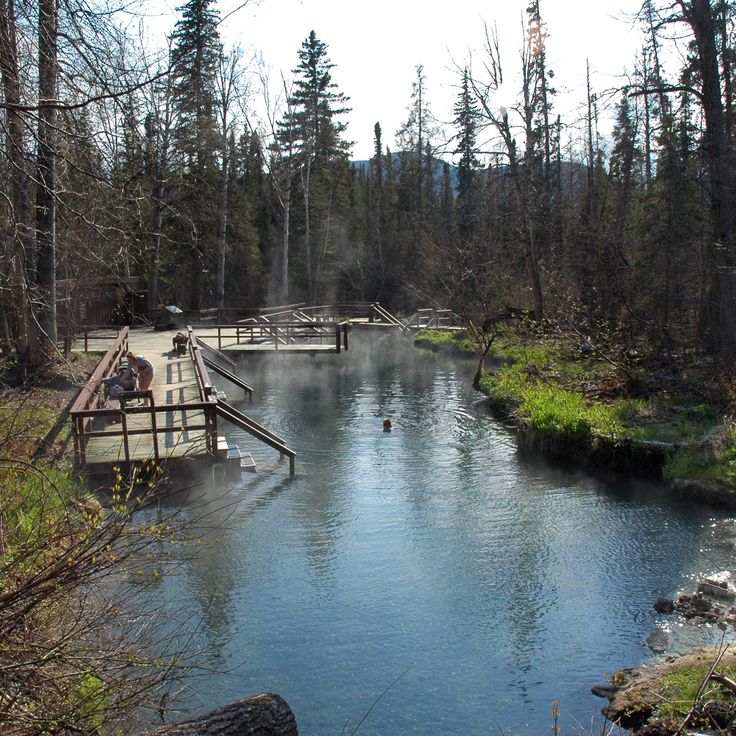
These hot springs sit deep within the boreal forests of British Columbia, where two separate pools hold naturally heated mineral water. The Liard River Hot Springs maintain temperatures between 108 and 126 degrees Fahrenheit (42 to 52 degrees Celsius), providing comfortable bathing year round. The water rises from deep beneath the surface, carrying sulfur and other mineral compounds that account for its distinct smell. Wooden boardwalks lead through surrounding vegetation to the two main pools, with the first larger pool typically running cooler than the smaller second pool.
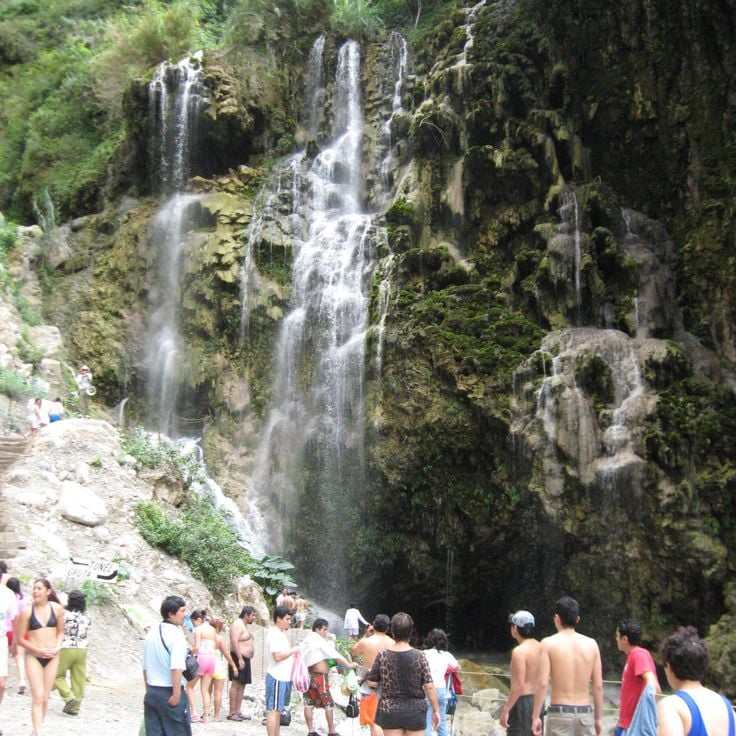
This thermal spring site at Grutas Tolantongo features natural pools and caves carved into the limestone cliffs of the Mezquital Valley. The mineral-rich water reaches temperatures of 100°F (38°C) and flows through a series of terraced pools built along the cliff face 328 feet (100 m) above the canyon floor. The main cave extends 49 feet (15 m) into the mountain, while the open-air pools offer views of the surrounding cactus-studded landscape. The site sits at 5577 feet (1700 m) elevation in a remote canyon.
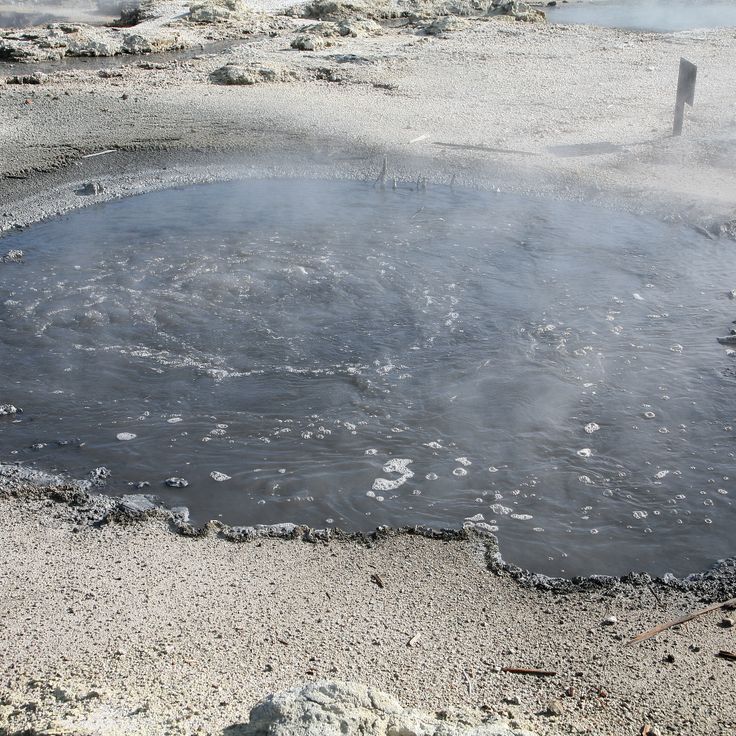
This geothermal reserve features bubbling mud pools, steaming fumaroles and hot springs alongside traditional Māori wood carvings in Rotorua. The park covers 50 acres (20 hectares) with several walking trails through geothermal formations and a wellness area offering mineral-rich mud baths. Visitors can walk through the active thermal landscape, bathe in the mud pools and learn about Māori geothermal heritage.
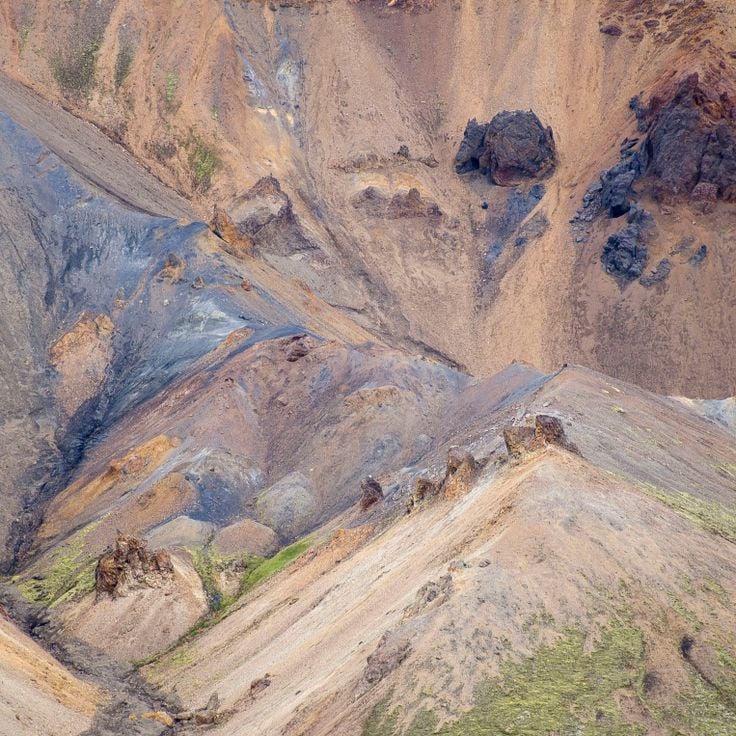
These hot springs at Landmannalaugar offer natural water heated to around 104 degrees Fahrenheit (40 degrees Celsius) by underground volcanic activity. The springs sit amid rhyolite mountains whose mineral deposits display shades of red, orange and yellow. Visitors bathe in shallow pools fed by glacial rivers that mix with the warm spring water, creating moderate temperatures suitable for extended soaking.
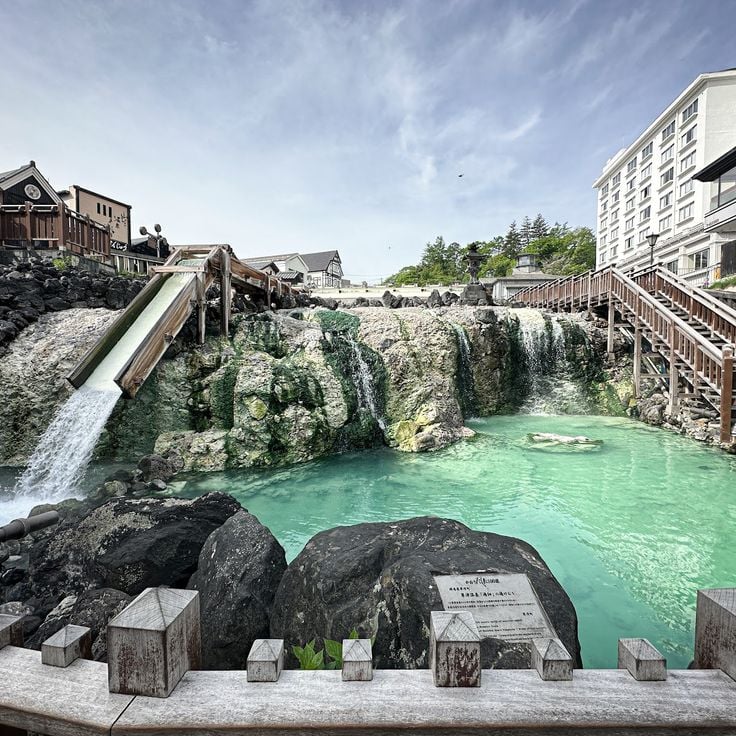
This thermal bath in Kusatsu features traditional wooden channels through which spring water flows at temperatures exceeding 195°F (90°C) before cooling for use in the town's public baths. The system distributes more than 8,500 gallons (32,000 liters) of mineral-rich water daily from six natural sources. The wooden structure dates to the 17th century and undergoes regular maintenance. Visitors can walk alongside the channels and observe the rising sulfur steam. The facility sits in downtown Kusatsu and remains open to the public without admission charge.
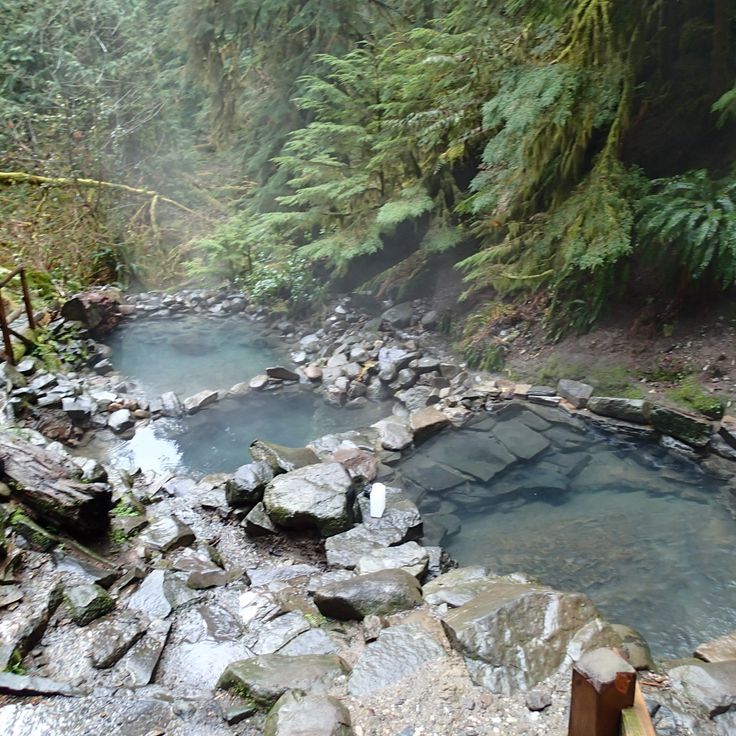
Terwilliger Hot Springs features six natural thermal pools at varying temperatures within Willamette National Forest. The water cascades from one pool to the next, cooling gradually as it descends. The pools sit among Douglas fir and western hemlock trees along the McKenzie River. Water temperatures range from approximately 106 degrees Fahrenheit (41 degrees Celsius) in the uppermost pool to around 90 degrees Fahrenheit (32 degrees Celsius) in the lower sections. Access requires a quarter mile (400 meter) hike from the parking area. The springs are also known as Cougar Hot Springs and sit at an elevation of roughly 2,400 feet (730 meters).
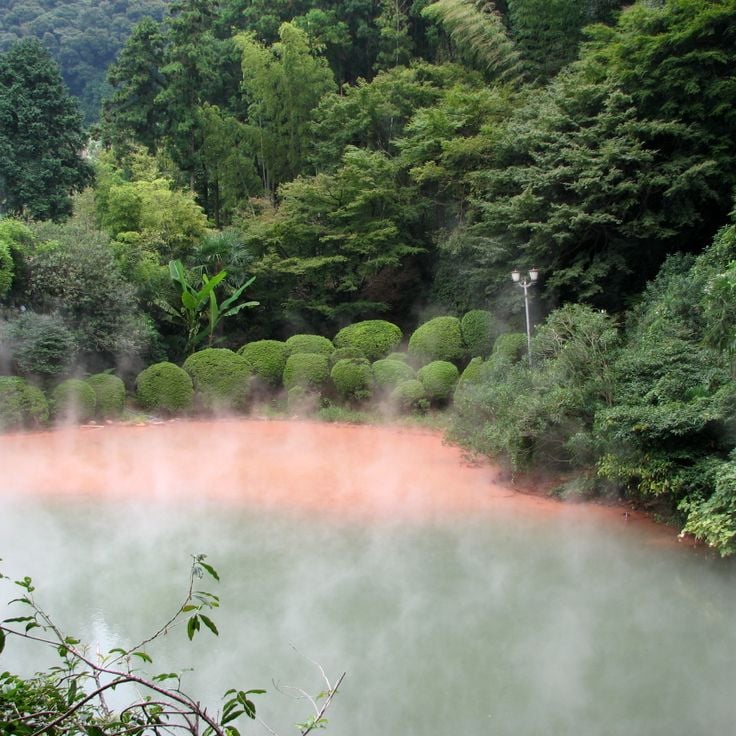
Chinoike Jigoku in Beppu features a large thermal pool with red water caused by high iron concentrations. The spring reaches temperatures of 170 degrees Fahrenheit (78 degrees Celsius) and forms part of the city's eight hell springs. Visitors can view the mineral-rich pool from wooden walkways, where the coloring results from natural geological processes beneath the surface.
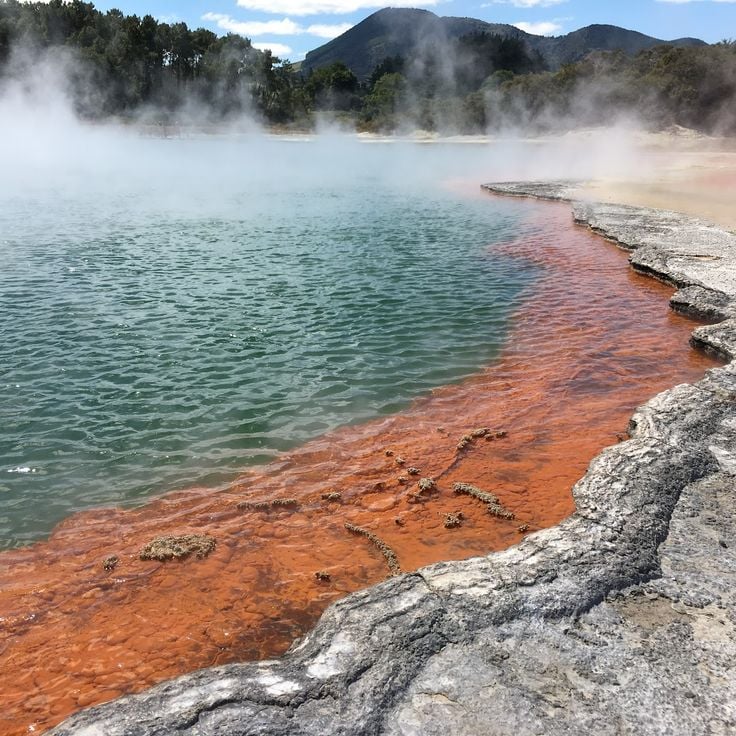
The Champagne Pool at Waiotapu displays bright orange and green mineral deposits along its edges while carbon dioxide bubbles continuously rise to the surface of the 165-degree Fahrenheit (73-degree Celsius) water. This geothermal pool contains high concentrations of gold, silver and other metals dissolved from volcanic rocks beneath the surface. The orange coloration results from arsenic and antimony while the green areas come from sulfur-based compounds.
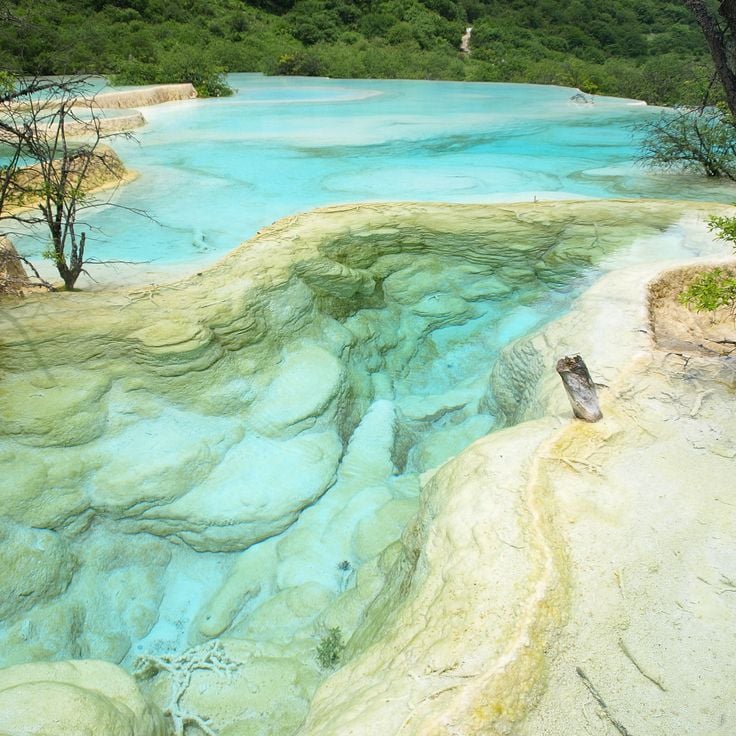
The limestone pools of Huanglong extend for 2.2 miles (3.6 kilometers) and contain thermal mineral water in shades of turquoise and blue. These natural terraces form through calcium carbonate deposits at elevations between 10,500 and 11,800 feet (3,200 and 3,600 meters), creating a system of more than 3,400 interconnected pools. The mineral-rich water flows from underground springs, depositing calcium carbonate that creates the distinctive colored formations. The site lies within a protected valley in the Minshan Mountains and holds UNESCO World Heritage status.
The thermal springs at Saturnia emerge from the ground at 99 degrees Fahrenheit (37 degrees Celsius) and form natural travertine pools with mineral deposits. The water flows over a series of cascades and creates terraced pools of varying sizes. The springs are located in the Tuscan countryside among meadows and low hills, roughly five miles (eight kilometers) southeast of the village of Saturnia. Access is public and the pools are available around the clock. The sulfurous water leaves white deposits on the stones and the temperature remains constant throughout the year.
This geothermal spa formed from excess water released by a nearby power plant and sits within a black lava field southwest of Reykjavík. The waters of Lagon Bleu reach temperatures around 100°F (38°C) and contain silica, sulfur and minerals that give the milky turquoise water its distinctive color. The facility includes multiple pools, saunas and a bathing area surrounded by cooled lava formations, with steam rising from the water surface. Visitors can apply silica mud masks available at several stations throughout the water.
The thermal pools of Pamukkale feature natural limestone terraces with thermal water flowing at 95 degrees Fahrenheit (35 degrees Celsius) from underground springs. The water contains calcium, magnesium and other minerals that have formed the characteristic white deposits over thousands of years. These hot springs are located in the Denizli region and represent one of Turkey's recognized warm water sources, where the formations continue to develop through ongoing mineral deposition.
Banff Upper Hot Springs is a thermal bath built in 1932 at an elevation of 5,200 feet (1,585 meters) with views of Mount Rundle. The water reaches temperatures between 98 and 104 degrees Fahrenheit (37 to 40 degrees Celsius) and comes from a natural spring on Sulphur Mountain. The facility includes a large outdoor pool and changing rooms. Visitors can enjoy panoramic views of the Canadian Rockies after their bath or use the nearby hiking trail.
The Grand Prismatic Spring displays concentric rings of orange, green and blue created by thermophilic bacteria and dissolved minerals. This thermal spring in Yellowstone National Park measures 230 feet (70 meters) across and reaches temperatures around 160°F (70°C). The color spectrum varies with water temperature and season, as microorganisms thrive in the cooler peripheral zones. Elevated boardwalks provide access and offer multiple perspectives of the spring and its steaming runoff channels.
The historic Széchenyi Thermal Baths in Budapest date from 1913 and house 21 pools at varying temperatures within a neo-baroque building whose architectural details reflect the Austro-Hungarian imperial era and which draws natural thermal water from depths exceeding 3,900 feet (1,200 meters).
The hot springs at Jigokudani Monkey Park sit at 2,800 feet (850 meters) elevation in the mountains of Nagano and serve as the natural habitat for around 200 Japanese macaques. These primates use the warm thermal waters throughout the year, particularly during winter months when snow covers the surrounding mountain slopes. The springs form through geothermal activity in the region and provide the macaques with protection from the cold, while visitors can observe the animals up close in their natural behavior.
The Ma'in Hot Springs sit 866 feet (264 meters) below sea level and reach temperatures up to 145 degrees Fahrenheit (63 degrees Celsius). The mineral-rich water flows from natural sources in this region, forming several pools and waterfalls. The springs are located in a wadi between Madaba and the Dead Sea, where warm thermal water rises from underground rock layers and flows through the landscape.
The four mineral springs at Ojo Caliente contain varying compositions of lithium, iron, sodium bicarbonate and arsenic, with temperatures ranging from 80 to 109 degrees Fahrenheit (27 to 43 degrees Celsius), and have drawn visitors to this remote northern New Mexico valley for centuries.
This thermal pool in Glenwood Springs maintains a constant temperature of 95 degrees Fahrenheit (35 degrees Celsius) and extends for 405 feet (123 meters). The mineral-rich water comes from natural hot springs in the Yampa Valley, with the Rocky Mountains providing a mountain backdrop. The facility has utilized the geothermal resources of this Colorado region for over a century.
Chena Hot Springs sits 56 miles (90 kilometers) northeast of Fairbanks in central Alaska, drawing on geothermal springs that maintain temperatures between 104 and 135 degrees Fahrenheit (40 to 57 degrees Celsius) year-round. The facility operates a public bathhouse and several smaller pools fed by mineral-rich water from underground reservoirs. On clear winter nights from September through April, the aurora borealis frequently appears in the sky above the springs, as this region south of the Arctic Circle lies within the aurora viewing zone. The springs were discovered by gold prospectors in the late 19th century and have been commercially developed since the 1950s.
The Myvatn Nature Baths use geothermal water from the surrounding volcanic landscape. The alkaline pools maintain temperatures between 97 and 104 degrees Fahrenheit (36 to 40 degrees Celsius) and contain minerals such as sulfur and silica from the area's geological formations. The facility provides access to multiple man-made pools fed by naturally heated water, along with steam areas. Bathing is possible year-round, with winter months particularly popular for soaking.
The Uunartoq hot springs occupy an uninhabited island in southwest Greenland and maintain a year-round water temperature of around 100 degrees Fahrenheit (38 degrees Celsius). Three natural pools collect the mineral-rich water that rises from underground volcanic sources. Visitors reach the island by boat from Qaqortoq and bathe in the warm pools as icebergs drift past in the surrounding waters.
This thermal spring at Deildartunguhver produces 47 gallons (180 liters) of water per second and ranks among the most productive in Europe. The water reaches temperatures above 205°F (97°C) and supplies nearby communities with district heating and hot water. Steam rises from the source openings while mineral deposits color the surrounding ground.
These outdoor bathing areas at Takaragawa Onsen occupy the banks of a mountain river in a wooded valley. The spring water maintains temperatures around 104 degrees Fahrenheit (40 degrees Celsius) and fills four separate pools, with both mixed and gender-separated bathing available. The natural setting includes river stones and cedar trees, particularly striking during winter months when snow covers the surroundings.
Cascate del Mulino provides free access to natural thermal pools formed in travertine terraces across multiple levels. Water flows from a source maintaining a constant temperature of 99.5 degrees Fahrenheit (37.5 degrees Celsius) and contains sulfur and other minerals. The pools sit along a country road near the historic Saturnia thermal spring and remain accessible throughout the year. Visitors find basic roadside parking available, though the site offers no changing facilities or restroom amenities.
Baker Hot Springs is a thermal system located in a former quarry area in Utah. Water temperatures reach 140 degrees Fahrenheit (60 degrees Celsius), and the mineral-rich springs feed several pools in the desert landscape. The site sits away from paved roads and attracts visitors seeking undeveloped hot springs. The terrain shows clear evidence of past quarrying operations, while hot water continues to emerge from the ground.
The thermal spring in Beitou's volcanic crater features sulfur-rich mineral water that displays a distinctive green color from its chemical composition, attracting visitors from Taiwan and abroad for over a century.
The hot springs of Furnas feed several public pools with mineral-rich water from volcanic activity. The natural springs sit in an active geothermal area on São Miguel and have been used for bathing for centuries. The water contains iron, sulfur and other minerals from underground. Several bathing facilities offer access to the springs with temperatures ranging from 77 to 104 degrees Fahrenheit (25 to 40 degrees Celsius).
The Polloquere Hot Springs sit at an elevation of 14,100 feet (4,300 meters) in the Salar de Surire, feeding natural pools with mineralized water at a constant 95 degrees Fahrenheit (35 degrees Celsius). These springs emerge in a high Andean landscape where warm water rises from volcanic depths. Visitors find a remote bathing site in the Chilean highlands, surrounded by salt flats and volcanoes. Access requires driving unpaved roads through the nature reserve.
This thermal spring sits near the Kuang Si waterfalls and offers several small pools filled with warm water heated by underground geothermal activity. The temperature reaches comfortable bathing levels while the mineral-rich water emerges among tropical vegetation. Visitors often combine time at the waterfalls with a soak in the natural pools, which are located at the base of the limestone formations.
These hot springs sit deep within the boreal forests of British Columbia, where two separate pools hold naturally heated mineral water. The Liard River Hot Springs maintain temperatures between 108 and 126 degrees Fahrenheit (42 to 52 degrees Celsius), providing comfortable bathing year round. The water rises from deep beneath the surface, carrying sulfur and other mineral compounds that account for its distinct smell. Wooden boardwalks lead through surrounding vegetation to the two main pools, with the first larger pool typically running cooler than the smaller second pool.
This thermal spring site at Grutas Tolantongo features natural pools and caves carved into the limestone cliffs of the Mezquital Valley. The mineral-rich water reaches temperatures of 100°F (38°C) and flows through a series of terraced pools built along the cliff face 328 feet (100 m) above the canyon floor. The main cave extends 49 feet (15 m) into the mountain, while the open-air pools offer views of the surrounding cactus-studded landscape. The site sits at 5577 feet (1700 m) elevation in a remote canyon.
This geothermal reserve features bubbling mud pools, steaming fumaroles and hot springs alongside traditional Māori wood carvings in Rotorua. The park covers 50 acres (20 hectares) with several walking trails through geothermal formations and a wellness area offering mineral-rich mud baths. Visitors can walk through the active thermal landscape, bathe in the mud pools and learn about Māori geothermal heritage.
These hot springs at Landmannalaugar offer natural water heated to around 104 degrees Fahrenheit (40 degrees Celsius) by underground volcanic activity. The springs sit amid rhyolite mountains whose mineral deposits display shades of red, orange and yellow. Visitors bathe in shallow pools fed by glacial rivers that mix with the warm spring water, creating moderate temperatures suitable for extended soaking.
This thermal bath in Kusatsu features traditional wooden channels through which spring water flows at temperatures exceeding 195°F (90°C) before cooling for use in the town's public baths. The system distributes more than 8,500 gallons (32,000 liters) of mineral-rich water daily from six natural sources. The wooden structure dates to the 17th century and undergoes regular maintenance. Visitors can walk alongside the channels and observe the rising sulfur steam. The facility sits in downtown Kusatsu and remains open to the public without admission charge.
Terwilliger Hot Springs features six natural thermal pools at varying temperatures within Willamette National Forest. The water cascades from one pool to the next, cooling gradually as it descends. The pools sit among Douglas fir and western hemlock trees along the McKenzie River. Water temperatures range from approximately 106 degrees Fahrenheit (41 degrees Celsius) in the uppermost pool to around 90 degrees Fahrenheit (32 degrees Celsius) in the lower sections. Access requires a quarter mile (400 meter) hike from the parking area. The springs are also known as Cougar Hot Springs and sit at an elevation of roughly 2,400 feet (730 meters).
Chinoike Jigoku in Beppu features a large thermal pool with red water caused by high iron concentrations. The spring reaches temperatures of 170 degrees Fahrenheit (78 degrees Celsius) and forms part of the city's eight hell springs. Visitors can view the mineral-rich pool from wooden walkways, where the coloring results from natural geological processes beneath the surface.
The Champagne Pool at Waiotapu displays bright orange and green mineral deposits along its edges while carbon dioxide bubbles continuously rise to the surface of the 165-degree Fahrenheit (73-degree Celsius) water. This geothermal pool contains high concentrations of gold, silver and other metals dissolved from volcanic rocks beneath the surface. The orange coloration results from arsenic and antimony while the green areas come from sulfur-based compounds.
The limestone pools of Huanglong extend for 2.2 miles (3.6 kilometers) and contain thermal mineral water in shades of turquoise and blue. These natural terraces form through calcium carbonate deposits at elevations between 10,500 and 11,800 feet (3,200 and 3,600 meters), creating a system of more than 3,400 interconnected pools. The mineral-rich water flows from underground springs, depositing calcium carbonate that creates the distinctive colored formations. The site lies within a protected valley in the Minshan Mountains and holds UNESCO World Heritage status.
The thermal springs at Saturnia emerge from the ground at 99 degrees Fahrenheit (37 degrees Celsius) and form natural travertine pools with mineral deposits. The water flows over a series of cascades and creates terraced pools of varying sizes. The springs are located in the Tuscan countryside among meadows and low hills, roughly five miles (eight kilometers) southeast of the village of Saturnia. Access is public and the pools are available around the clock. The sulfurous water leaves white deposits on the stones and the temperature remains constant throughout the year.
This geothermal spa formed from excess water released by a nearby power plant and sits within a black lava field southwest of Reykjavík. The waters of Lagon Bleu reach temperatures around 100°F (38°C) and contain silica, sulfur and minerals that give the milky turquoise water its distinctive color. The facility includes multiple pools, saunas and a bathing area surrounded by cooled lava formations, with steam rising from the water surface. Visitors can apply silica mud masks available at several stations throughout the water.
The thermal pools of Pamukkale feature natural limestone terraces with thermal water flowing at 95 degrees Fahrenheit (35 degrees Celsius) from underground springs. The water contains calcium, magnesium and other minerals that have formed the characteristic white deposits over thousands of years. These hot springs are located in the Denizli region and represent one of Turkey's recognized warm water sources, where the formations continue to develop through ongoing mineral deposition.
Banff Upper Hot Springs is a thermal bath built in 1932 at an elevation of 5,200 feet (1,585 meters) with views of Mount Rundle. The water reaches temperatures between 98 and 104 degrees Fahrenheit (37 to 40 degrees Celsius) and comes from a natural spring on Sulphur Mountain. The facility includes a large outdoor pool and changing rooms. Visitors can enjoy panoramic views of the Canadian Rockies after their bath or use the nearby hiking trail.
The Grand Prismatic Spring displays concentric rings of orange, green and blue created by thermophilic bacteria and dissolved minerals. This thermal spring in Yellowstone National Park measures 230 feet (70 meters) across and reaches temperatures around 160°F (70°C). The color spectrum varies with water temperature and season, as microorganisms thrive in the cooler peripheral zones. Elevated boardwalks provide access and offer multiple perspectives of the spring and its steaming runoff channels.
The historic Széchenyi Thermal Baths in Budapest date from 1913 and house 21 pools at varying temperatures within a neo-baroque building whose architectural details reflect the Austro-Hungarian imperial era and which draws natural thermal water from depths exceeding 3,900 feet (1,200 meters).
The hot springs at Jigokudani Monkey Park sit at 2,800 feet (850 meters) elevation in the mountains of Nagano and serve as the natural habitat for around 200 Japanese macaques. These primates use the warm thermal waters throughout the year, particularly during winter months when snow covers the surrounding mountain slopes. The springs form through geothermal activity in the region and provide the macaques with protection from the cold, while visitors can observe the animals up close in their natural behavior.
The Ma'in Hot Springs sit 866 feet (264 meters) below sea level and reach temperatures up to 145 degrees Fahrenheit (63 degrees Celsius). The mineral-rich water flows from natural sources in this region, forming several pools and waterfalls. The springs are located in a wadi between Madaba and the Dead Sea, where warm thermal water rises from underground rock layers and flows through the landscape.
The four mineral springs at Ojo Caliente contain varying compositions of lithium, iron, sodium bicarbonate and arsenic, with temperatures ranging from 80 to 109 degrees Fahrenheit (27 to 43 degrees Celsius), and have drawn visitors to this remote northern New Mexico valley for centuries.
This thermal pool in Glenwood Springs maintains a constant temperature of 95 degrees Fahrenheit (35 degrees Celsius) and extends for 405 feet (123 meters). The mineral-rich water comes from natural hot springs in the Yampa Valley, with the Rocky Mountains providing a mountain backdrop. The facility has utilized the geothermal resources of this Colorado region for over a century.
Chena Hot Springs sits 56 miles (90 kilometers) northeast of Fairbanks in central Alaska, drawing on geothermal springs that maintain temperatures between 104 and 135 degrees Fahrenheit (40 to 57 degrees Celsius) year-round. The facility operates a public bathhouse and several smaller pools fed by mineral-rich water from underground reservoirs. On clear winter nights from September through April, the aurora borealis frequently appears in the sky above the springs, as this region south of the Arctic Circle lies within the aurora viewing zone. The springs were discovered by gold prospectors in the late 19th century and have been commercially developed since the 1950s.
The Myvatn Nature Baths use geothermal water from the surrounding volcanic landscape. The alkaline pools maintain temperatures between 97 and 104 degrees Fahrenheit (36 to 40 degrees Celsius) and contain minerals such as sulfur and silica from the area's geological formations. The facility provides access to multiple man-made pools fed by naturally heated water, along with steam areas. Bathing is possible year-round, with winter months particularly popular for soaking.
The Uunartoq hot springs occupy an uninhabited island in southwest Greenland and maintain a year-round water temperature of around 100 degrees Fahrenheit (38 degrees Celsius). Three natural pools collect the mineral-rich water that rises from underground volcanic sources. Visitors reach the island by boat from Qaqortoq and bathe in the warm pools as icebergs drift past in the surrounding waters.
This thermal spring at Deildartunguhver produces 47 gallons (180 liters) of water per second and ranks among the most productive in Europe. The water reaches temperatures above 205°F (97°C) and supplies nearby communities with district heating and hot water. Steam rises from the source openings while mineral deposits color the surrounding ground.
These outdoor bathing areas at Takaragawa Onsen occupy the banks of a mountain river in a wooded valley. The spring water maintains temperatures around 104 degrees Fahrenheit (40 degrees Celsius) and fills four separate pools, with both mixed and gender-separated bathing available. The natural setting includes river stones and cedar trees, particularly striking during winter months when snow covers the surroundings.
Cascate del Mulino provides free access to natural thermal pools formed in travertine terraces across multiple levels. Water flows from a source maintaining a constant temperature of 99.5 degrees Fahrenheit (37.5 degrees Celsius) and contains sulfur and other minerals. The pools sit along a country road near the historic Saturnia thermal spring and remain accessible throughout the year. Visitors find basic roadside parking available, though the site offers no changing facilities or restroom amenities.
Baker Hot Springs is a thermal system located in a former quarry area in Utah. Water temperatures reach 140 degrees Fahrenheit (60 degrees Celsius), and the mineral-rich springs feed several pools in the desert landscape. The site sits away from paved roads and attracts visitors seeking undeveloped hot springs. The terrain shows clear evidence of past quarrying operations, while hot water continues to emerge from the ground.
The thermal spring in Beitou's volcanic crater features sulfur-rich mineral water that displays a distinctive green color from its chemical composition, attracting visitors from Taiwan and abroad for over a century.
The hot springs of Furnas feed several public pools with mineral-rich water from volcanic activity. The natural springs sit in an active geothermal area on São Miguel and have been used for bathing for centuries. The water contains iron, sulfur and other minerals from underground. Several bathing facilities offer access to the springs with temperatures ranging from 77 to 104 degrees Fahrenheit (25 to 40 degrees Celsius).
The Polloquere Hot Springs sit at an elevation of 14,100 feet (4,300 meters) in the Salar de Surire, feeding natural pools with mineralized water at a constant 95 degrees Fahrenheit (35 degrees Celsius). These springs emerge in a high Andean landscape where warm water rises from volcanic depths. Visitors find a remote bathing site in the Chilean highlands, surrounded by salt flats and volcanoes. Access requires driving unpaved roads through the nature reserve.
This thermal spring sits near the Kuang Si waterfalls and offers several small pools filled with warm water heated by underground geothermal activity. The temperature reaches comfortable bathing levels while the mineral-rich water emerges among tropical vegetation. Visitors often combine time at the waterfalls with a soak in the natural pools, which are located at the base of the limestone formations.
These hot springs sit deep within the boreal forests of British Columbia, where two separate pools hold naturally heated mineral water. The Liard River Hot Springs maintain temperatures between 108 and 126 degrees Fahrenheit (42 to 52 degrees Celsius), providing comfortable bathing year round. The water rises from deep beneath the surface, carrying sulfur and other mineral compounds that account for its distinct smell. Wooden boardwalks lead through surrounding vegetation to the two main pools, with the first larger pool typically running cooler than the smaller second pool.
This thermal spring site at Grutas Tolantongo features natural pools and caves carved into the limestone cliffs of the Mezquital Valley. The mineral-rich water reaches temperatures of 100°F (38°C) and flows through a series of terraced pools built along the cliff face 328 feet (100 m) above the canyon floor. The main cave extends 49 feet (15 m) into the mountain, while the open-air pools offer views of the surrounding cactus-studded landscape. The site sits at 5577 feet (1700 m) elevation in a remote canyon.
This geothermal reserve features bubbling mud pools, steaming fumaroles and hot springs alongside traditional Māori wood carvings in Rotorua. The park covers 50 acres (20 hectares) with several walking trails through geothermal formations and a wellness area offering mineral-rich mud baths. Visitors can walk through the active thermal landscape, bathe in the mud pools and learn about Māori geothermal heritage.
These hot springs at Landmannalaugar offer natural water heated to around 104 degrees Fahrenheit (40 degrees Celsius) by underground volcanic activity. The springs sit amid rhyolite mountains whose mineral deposits display shades of red, orange and yellow. Visitors bathe in shallow pools fed by glacial rivers that mix with the warm spring water, creating moderate temperatures suitable for extended soaking.
This thermal bath in Kusatsu features traditional wooden channels through which spring water flows at temperatures exceeding 195°F (90°C) before cooling for use in the town's public baths. The system distributes more than 8,500 gallons (32,000 liters) of mineral-rich water daily from six natural sources. The wooden structure dates to the 17th century and undergoes regular maintenance. Visitors can walk alongside the channels and observe the rising sulfur steam. The facility sits in downtown Kusatsu and remains open to the public without admission charge.
Terwilliger Hot Springs features six natural thermal pools at varying temperatures within Willamette National Forest. The water cascades from one pool to the next, cooling gradually as it descends. The pools sit among Douglas fir and western hemlock trees along the McKenzie River. Water temperatures range from approximately 106 degrees Fahrenheit (41 degrees Celsius) in the uppermost pool to around 90 degrees Fahrenheit (32 degrees Celsius) in the lower sections. Access requires a quarter mile (400 meter) hike from the parking area. The springs are also known as Cougar Hot Springs and sit at an elevation of roughly 2,400 feet (730 meters).
Chinoike Jigoku in Beppu features a large thermal pool with red water caused by high iron concentrations. The spring reaches temperatures of 170 degrees Fahrenheit (78 degrees Celsius) and forms part of the city's eight hell springs. Visitors can view the mineral-rich pool from wooden walkways, where the coloring results from natural geological processes beneath the surface.
The Champagne Pool at Waiotapu displays bright orange and green mineral deposits along its edges while carbon dioxide bubbles continuously rise to the surface of the 165-degree Fahrenheit (73-degree Celsius) water. This geothermal pool contains high concentrations of gold, silver and other metals dissolved from volcanic rocks beneath the surface. The orange coloration results from arsenic and antimony while the green areas come from sulfur-based compounds.
The limestone pools of Huanglong extend for 2.2 miles (3.6 kilometers) and contain thermal mineral water in shades of turquoise and blue. These natural terraces form through calcium carbonate deposits at elevations between 10,500 and 11,800 feet (3,200 and 3,600 meters), creating a system of more than 3,400 interconnected pools. The mineral-rich water flows from underground springs, depositing calcium carbonate that creates the distinctive colored formations. The site lies within a protected valley in the Minshan Mountains and holds UNESCO World Heritage status.
The thermal springs at Saturnia emerge from the ground at 99 degrees Fahrenheit (37 degrees Celsius) and form natural travertine pools with mineral deposits. The water flows over a series of cascades and creates terraced pools of varying sizes. The springs are located in the Tuscan countryside among meadows and low hills, roughly five miles (eight kilometers) southeast of the village of Saturnia. Access is public and the pools are available around the clock. The sulfurous water leaves white deposits on the stones and the temperature remains constant throughout the year.