See the monuments around you in AROpen chests in the app
Around Us is built for your phone — point your camera at the streets and discover the monuments and places around you in augmented reality.Around Us is built for your phone — chests unlock when you walk, explore and capture nearby places.
Heritage of Tuscany: cathedrals, museums, historic squares, medieval architecture
Tuscany brings together some of the most important signs of Italy's past, spread across Florence, Pisa, and Siena. Each city has its own special sites: Pisa’s Leaning Tower is one of Italy’s most famous structures, while Florence has the Santa Maria del Fiore Cathedral with its large dome, the Uffizi Gallery filled with Renaissance works, and old bridges like the Ponte Vecchio crossing the Arno River for many centuries. Siena shows its own pride with the Piazza del Campo, a shell-shaped square where the main events happen.
Walking through the area, you notice buildings that tell stories from the Middle Ages and the Renaissance. Colorful marble-faced churches, big palaces such as the Palazzo Vecchio in Florence, and small churches on the hills add to this historic scene. Places like the Central Market and the Academy Gallery in Florence attract visitors eager to see relics of that lively time. Quiet spots like the San Miniato al Monte Basilica on a hill offer peace and broad views of the city.
This list of places shows how Tuscany has shaped art and building styles in Europe. Whether visiting art galleries or walking on paved streets, you feel history at every turn. The region also has lesser-known experiences, such as the thermal waters of Saturnia, proving that Tuscany is more than just urban monuments.
Heritage of Tuscany: cathedrals, museums, historic squares, medieval architecture
Tuscany brings together some of the most important signs of Italy's past, spread across Florence, Pisa, and Siena. Each city has its own special sites: Pisa’s Leaning Tower is one of Italy’s most famous structures, while Florence has the Santa Maria del Fiore Cathedral with its large dome, the Uffizi Gallery filled with Renaissance works, and old bridges like the Ponte Vecchio crossing the Arno River for many centuries. Siena shows its own pride with the Piazza del Campo, a shell-shaped square where the main events happen.
Walking through the area, you notice buildings that tell stories from the Middle Ages and the Renaissance. Colorful marble-faced churches, big palaces such as the Palazzo Vecchio in Florence, and small churches on the hills add to this historic scene. Places like the Central Market and the Academy Gallery in Florence attract visitors eager to see relics of that lively time. Quiet spots like the San Miniato al Monte Basilica on a hill offer peace and broad views of the city.
This list of places shows how Tuscany has shaped art and building styles in Europe. Whether visiting art galleries or walking on paved streets, you feel history at every turn. The region also has lesser-known experiences, such as the thermal waters of Saturnia, proving that Tuscany is more than just urban monuments.
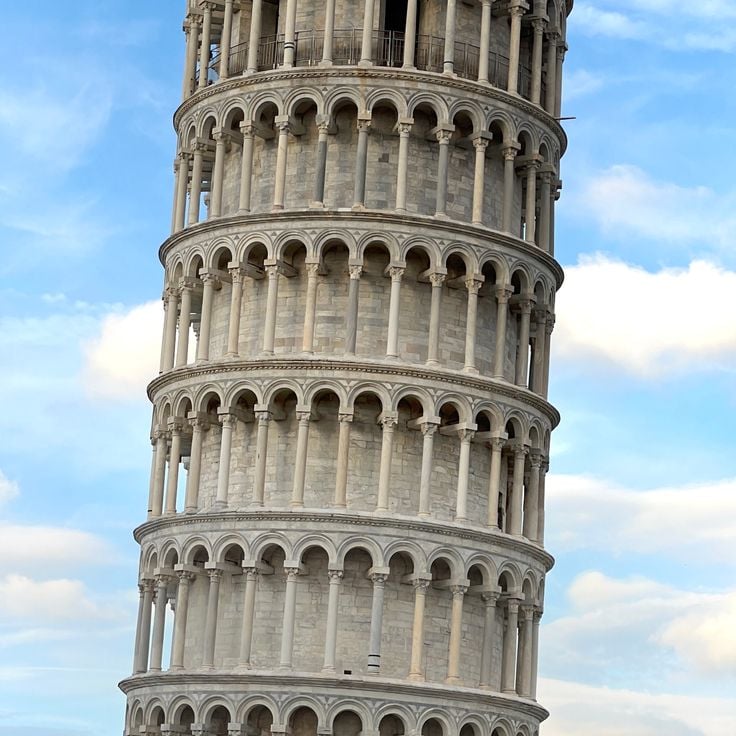
The Leaning Tower of Pisa is the bell tower of the cathedral, built in the 12th century from white marble. Its famous tilt happened because the ground beneath it settled during construction, making it one of Italy's most recognizable structures. This tower shows how medieval builders dealt with difficult ground conditions while creating something that captures attention across the centuries.
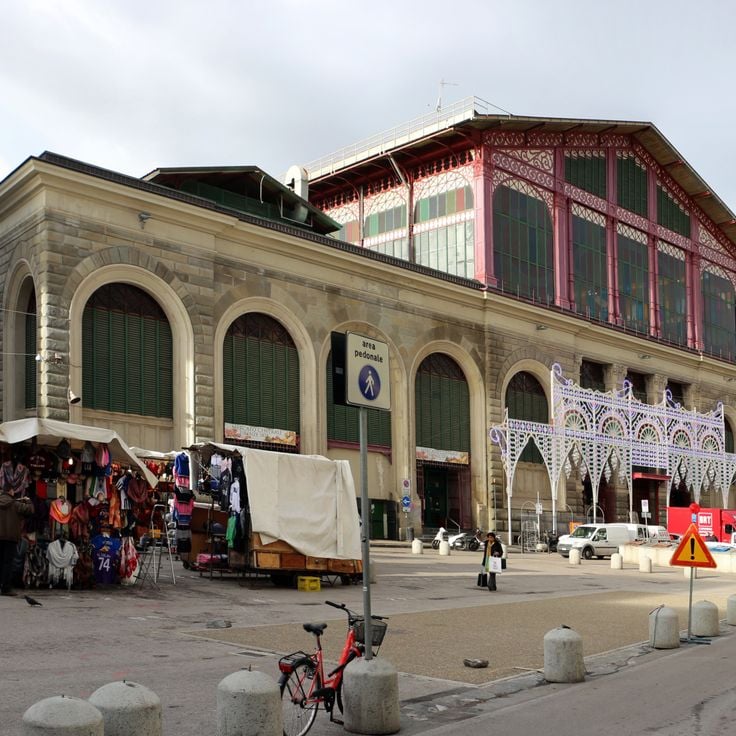
The Central Market of Florence is a 19th-century building that reflects the craft and daily habits of the city. On the ground floor, you will find stalls selling fresh produce and local products, while the upper floors house restaurants where you can taste Florentine cuisine. This market demonstrates how the region has maintained its culinary traditions and how people in Florence shop and eat.
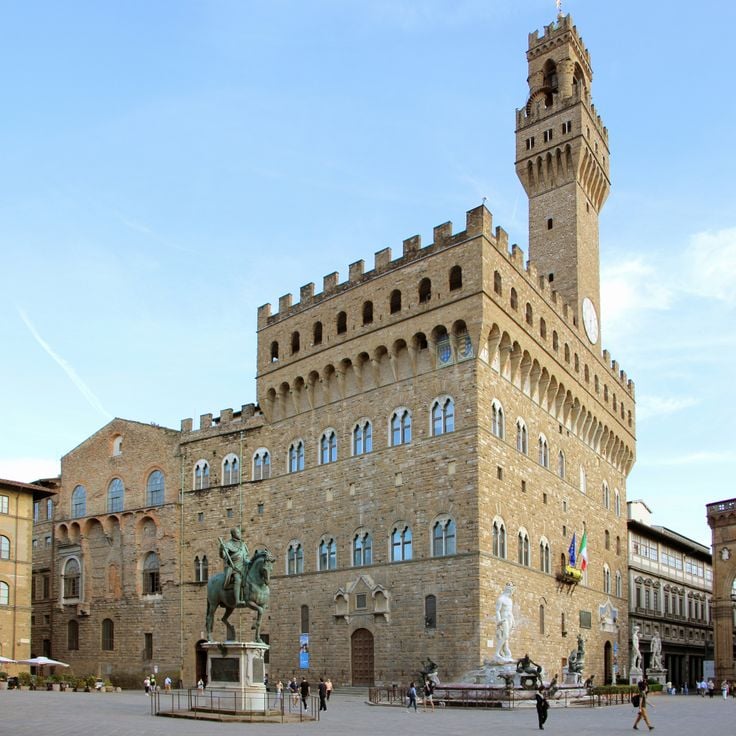
Palazzo Vecchio is a medieval palace that has dominated Florence since the 13th century. Built to serve as the seat of city government, this fortress-like structure houses impressive frescoes and a collection of historical maps within its walls. Walking through its rooms, you experience centuries of Florence's political and artistic legacy.
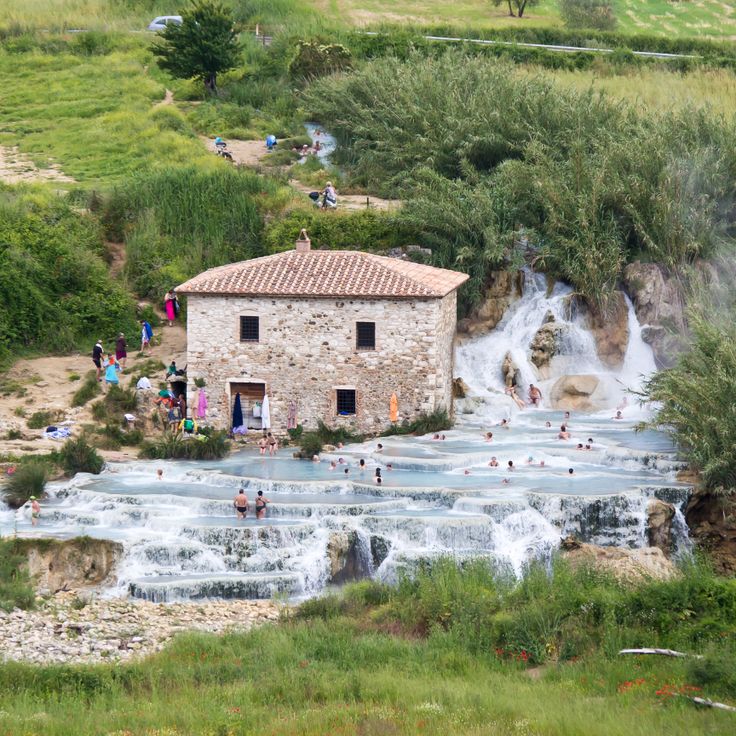
Cascate del Mulino near Saturnia is a natural hot spring where warm water has flowed since Roman times. The water stays at about 37 degrees Celsius (98 degrees Fahrenheit) and runs over limestone terraces, forming small pools where visitors can bathe. This place shows how nature itself creates wonders in Tuscany beyond its cities. The sulfurous water was known to the Romans and today attracts people looking to relax in these natural pools. The terraces look like gentle steps guiding the water downward.
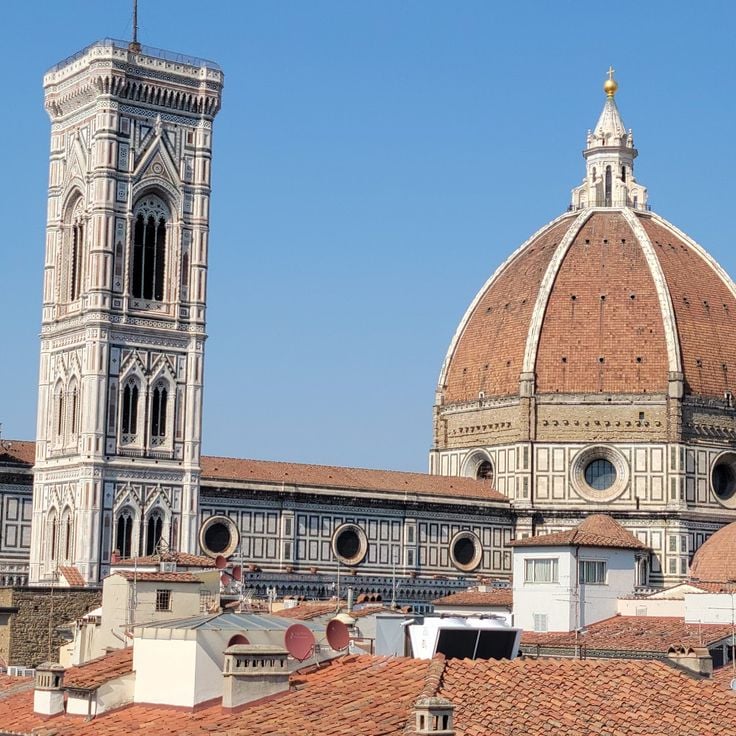
This cathedral stands as one of Florence's most important religious buildings, shaping the city's character since the 13th century through its distinctive style and architecture. The remarkable dome that Brunelleschi designed rises prominently over the city and makes the building recognizable from many vantage points. The colored marble surfaces on the exterior and the pointed arch windows reflect the Gothic style of its era. When you approach this cathedral, you sense the strength of architecture that has lasted through the centuries.
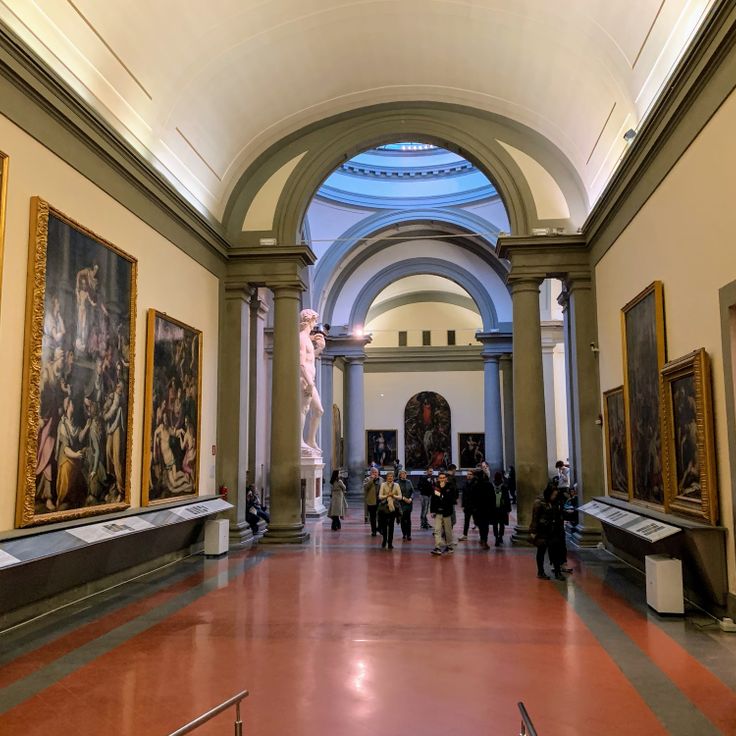
The Academy Gallery in Florence houses one of the world's most famous sculptures: Michelangelo's David. The museum displays religious paintings from the 14th century and other works that document the development of art in Tuscany. Visitors can see the original statue here, admired for centuries. The museum itself tells the story of Florentine artistic tradition and its importance to European art history.
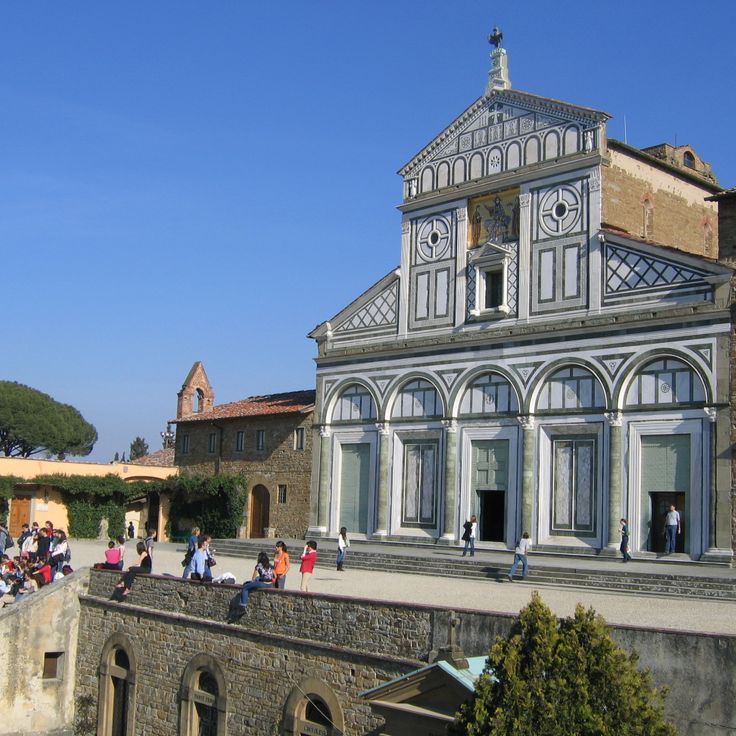
San Miniato al Monte stands on a hillside above Florence, displaying the religious architecture of the 11th century with its distinctive white and green marble facade. The building features medieval mosaics that adorn its interior spaces and offers expansive views across the city from its elevated position. The monumental cemetery surrounding the basilica adds to the historical character of this place, which shows how Tuscany developed its architectural traditions during the Middle Ages.
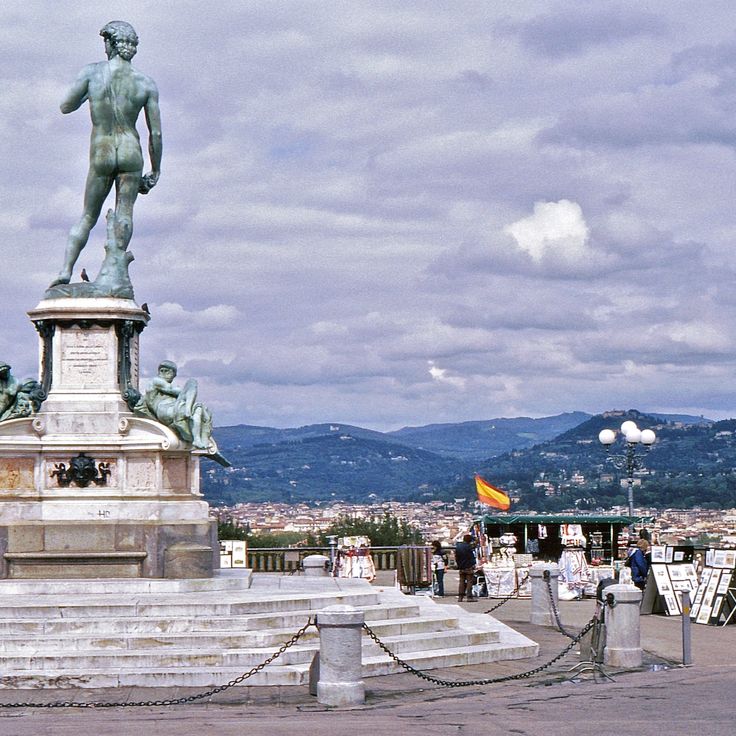
The Michelangelo Terrace is a viewpoint in Florence where visitors come to see the entire historic city and the surrounding hills. From this elevated spot, you can take in the cathedral dome, the rooftops of the old city, and the gentle slopes of the Tuscan countryside. Many people visit to enjoy Florence from above and to photograph the landscape. The terrace is especially beautiful at sunset, when the light bathes the ancient buildings in warm tones. It is a place where you can pause and let the view speak for itself.
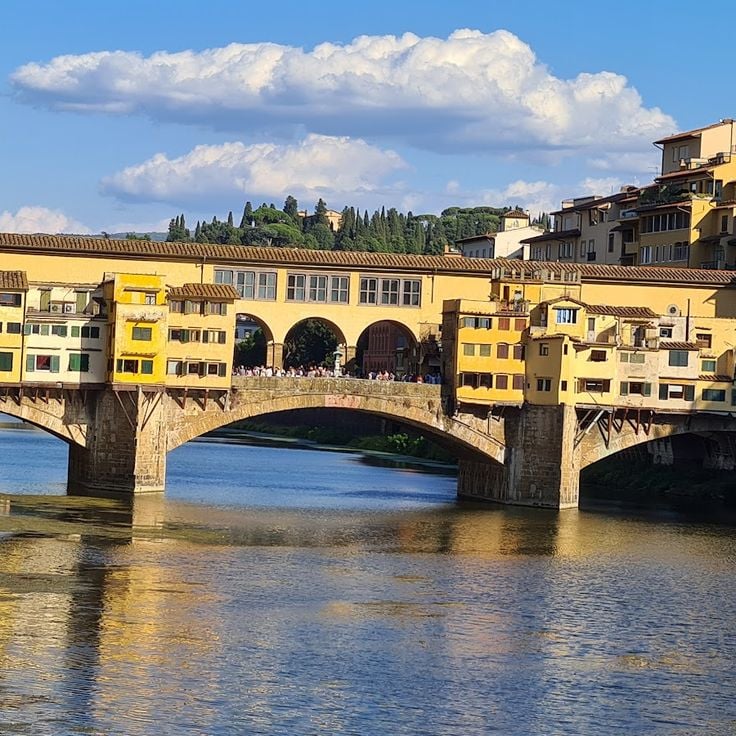
The Ponte Vecchio is a bridge from the 14th century that crosses the Arno River in Florence. Since 1593, goldsmiths and jewelers have occupied the small shops that line both sides of the bridge. It is one of the oldest places in Florence where craftsmanship and commerce have thrived for centuries. Walking across the bridge, you see glittering jewelry in shop windows and watch artisans at work. The bridge connects not only two riverbanks but also the past with the present day.
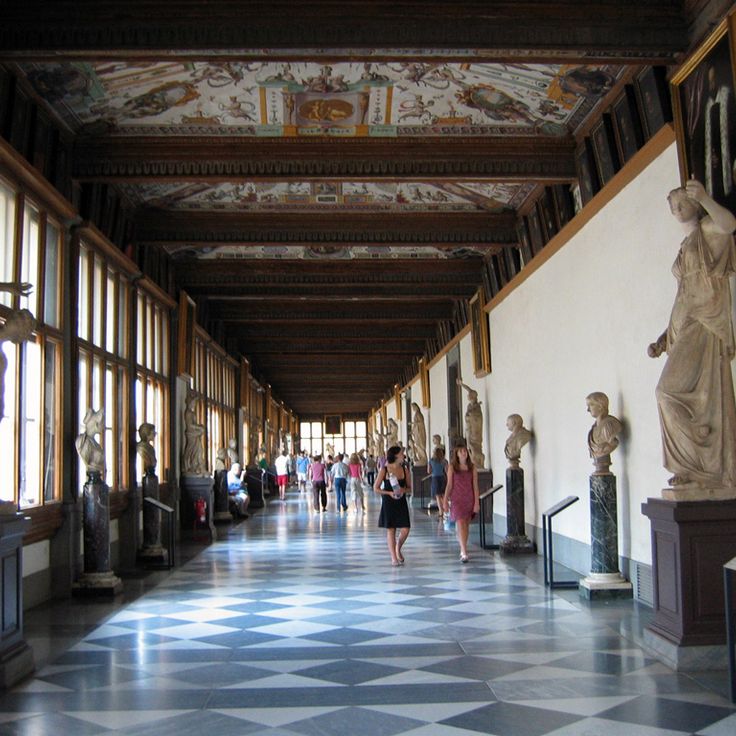
The Uffizi Gallery is Florence's main museum and home to one of Italy's most important art collections. Built by the Medici family, this building displays works by Botticelli, Leonardo da Vinci, and Michelangelo. As you walk through the galleries, you see paintings created during the Renaissance that shaped art history. The rooms are filled with visitors and stories, and many come here to experience these masterpieces up close. The Uffizi is a place where Florence's artistic past comes alive.
The Cathedral Square is the religious center of Florence and home to three major structures. The Cathedral of Santa Maria del Fiore stands as the focal point with its striking dome covered in terracotta tiles and marble panels. Beside it sits the Baptistry of San Giovanni, showing off its distinctive geometric facade in green and white marble. The Campanile, Giotto's bell tower, rises as an elegant structure decorated with colorful marble. Together, these three buildings represent different periods of Florentine construction and show how the city's religious architecture developed over centuries. The square itself is surrounded by historic buildings and fills with visitors throughout the day who come to see these important monuments.
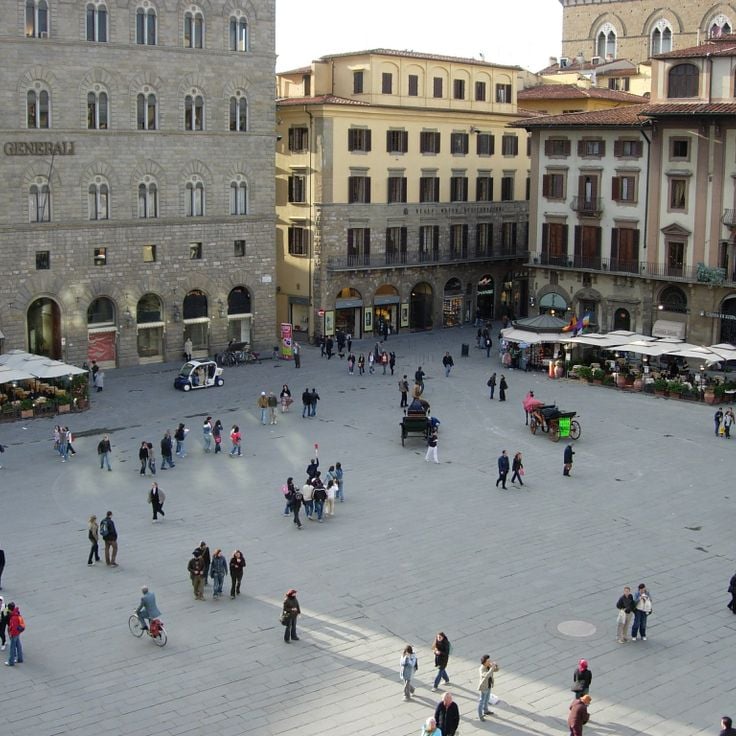
Piazza della Signoria is the main public square of Florence and has been a gathering place for centuries. The Palazzo Vecchio dominates the space with its fortress-like appearance and towers above the square. The Loggia dei Lanzi stands nearby, a covered structure displaying sculptures and artwork. A replica of Michelangelo's David stands in the open, one of the most recognized statues in the world. Walking through this square, you feel the weight of medieval and Renaissance history at every step.
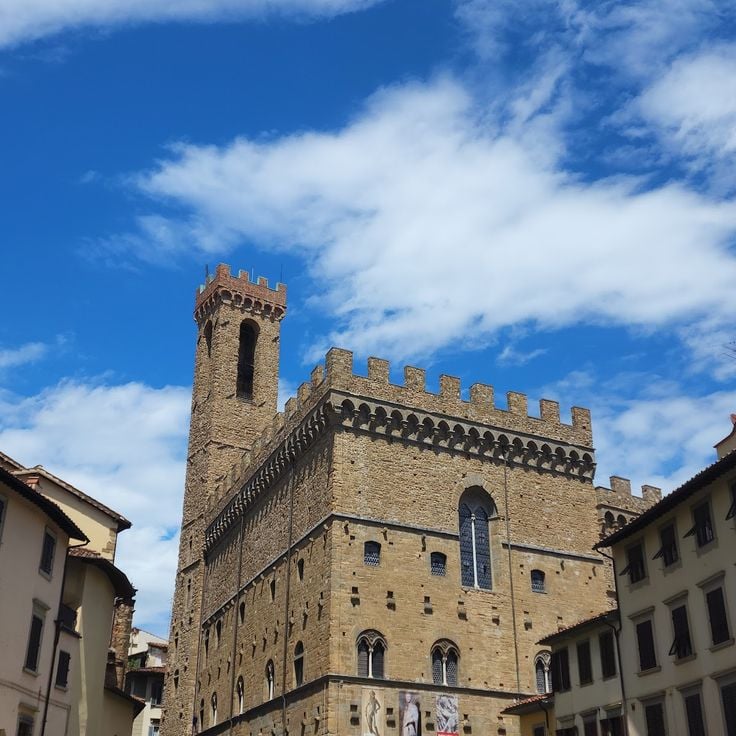
The Bargello Museum housed in a former 13th-century palace showcases Renaissance sculpture in Florence. Works by Donatello and his contemporaries fill the rooms, revealing how artists of that era shaped stone and bronze. Walking through the palace, you encounter pieces that capture human emotion and beauty. The building itself has thick walls and grand halls that speak to its history as a seat of power. This museum holds works that shaped how people understood art and beauty during the Renaissance.
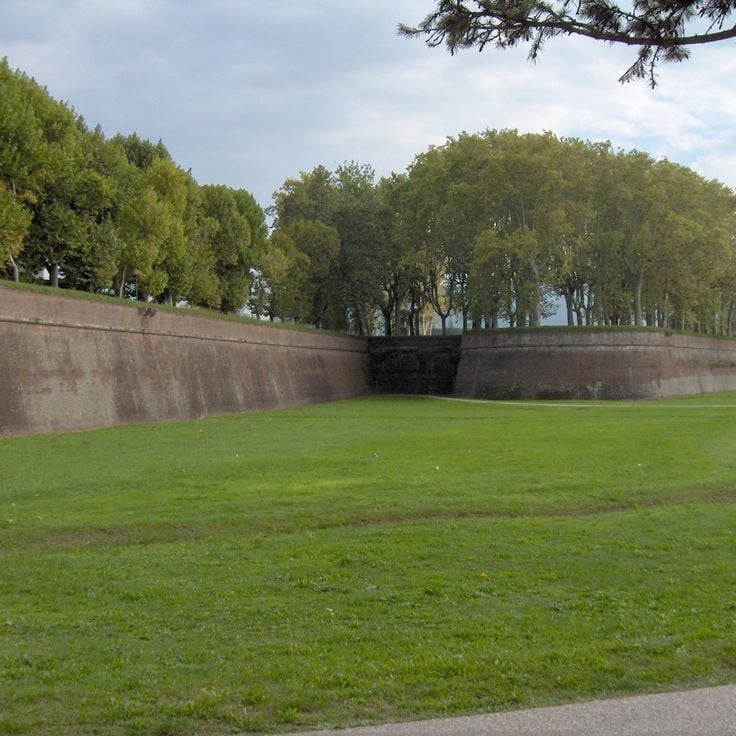
The fortifications of Lucca are a military construction from the 16th century that encircles the city for about 4 kilometers. These structures were built to defend the city and today they serve as an unusual place to walk and explore. On top of the walls you will find pathways and gardens where locals and visitors enjoy spending time. The fortifications of Lucca show the defensive methods of that era and at the same time offer views over the city and surrounding landscape. You can see the massive stone walls and understand how important these structures were for protecting Lucca.
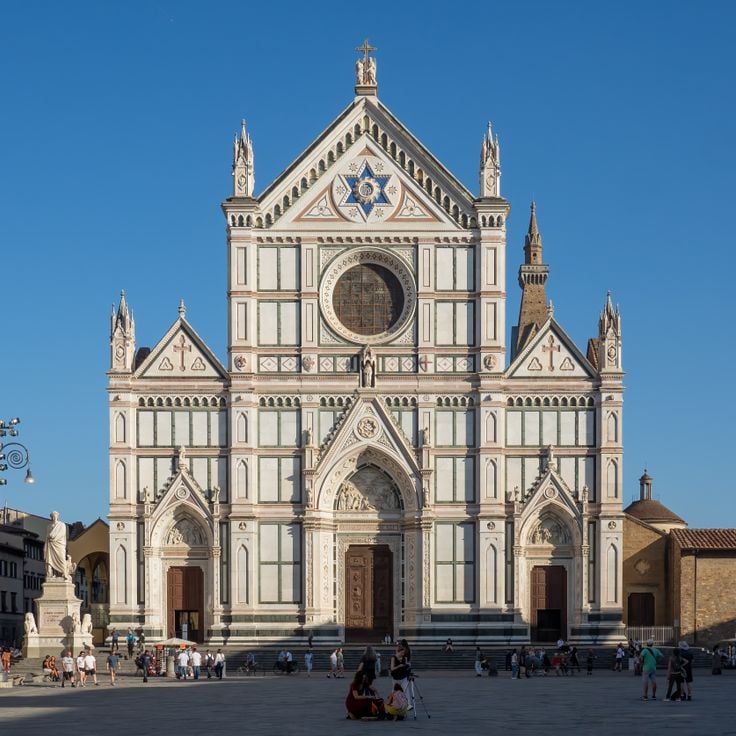
The Basilica di Santa Croce is a large Franciscan church in Florence built in 1294. It houses frescoes by Giotto in the Bardi Chapel and the tombs of notable figures such as Michelangelo, Galileo, Rossini, and Machiavelli. This church shows the refined architecture and cultural depth of the Florentine Renaissance and is an important place to understand Italy's history.
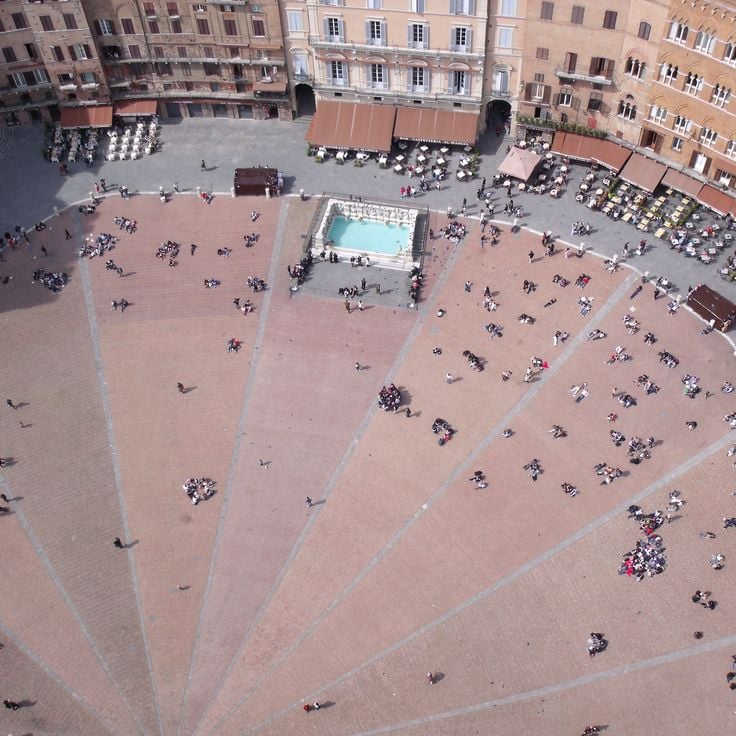
The Piazza del Campo is the main square of Siena and has a distinctive shell-shaped form. The square is paved with red bricks and divided into nine sections. Twice a year, the Palio horse races take place here, with riders competing for the city's honor. Medieval palaces surround the square and have done so for centuries. The space has a gentle slope that creates a natural arena for events and gatherings. Walking through this square, you sense the weight of history in its architecture and the role it has played in the life of Siena.
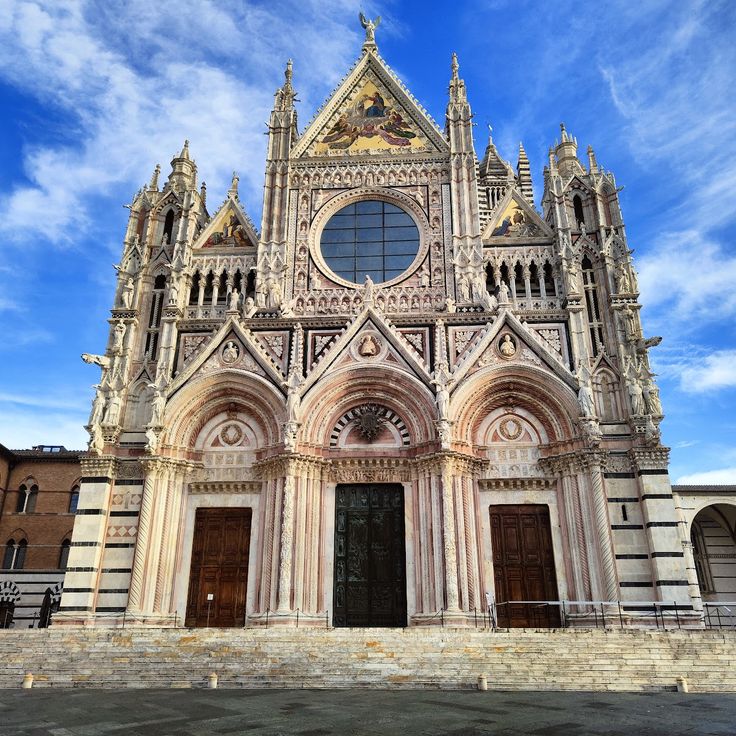
The Cathedral of Siena is a 13th century religious building featuring distinctive patterns made from black and white marble. Its facade displays carved sculptures and mosaics that decorate the surface. This cathedral stands as one of Tuscany's most important religious structures and shows the craftsmanship of that era. Visitors see the characteristic marble patterning that defines Siena's monuments and can observe the decorative details up close.
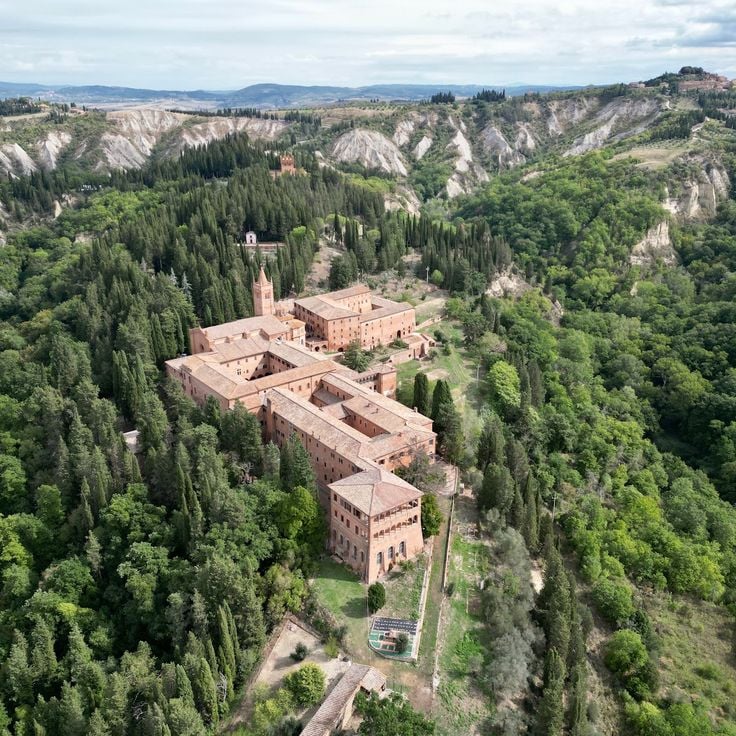
Monte Oliveto Maggiore Abbey is a Benedictine monastery from the 14th century that shaped spiritual life in Tuscany. The cloister displays frescoes depicting the life of Saint Benedict, painted by important artists of that era. The ancient library holds precious manuscripts that speak to the scholarly tradition of this community. Set on a hill in the countryside, the abbey shows how religious communities in medieval and Renaissance times preserved knowledge and influenced art history.
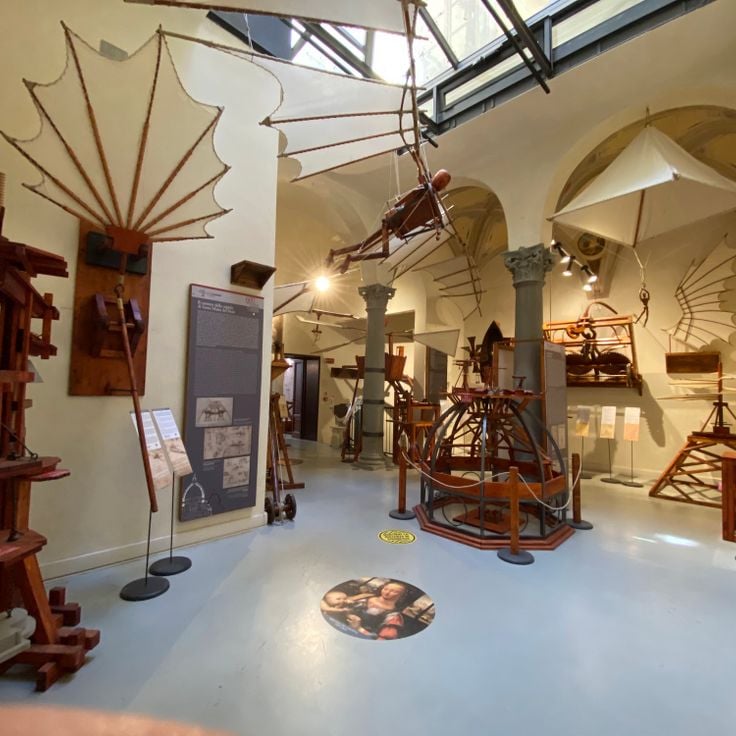
This museum in Florence displays working replicas of Leonardo da Vinci's machines and inventions alongside his drawings and technical studies. The collection shows how this artist and inventor approached engineering and design. Walking through, you see how his curiosity led him to imagine solutions centuries ahead of his time.
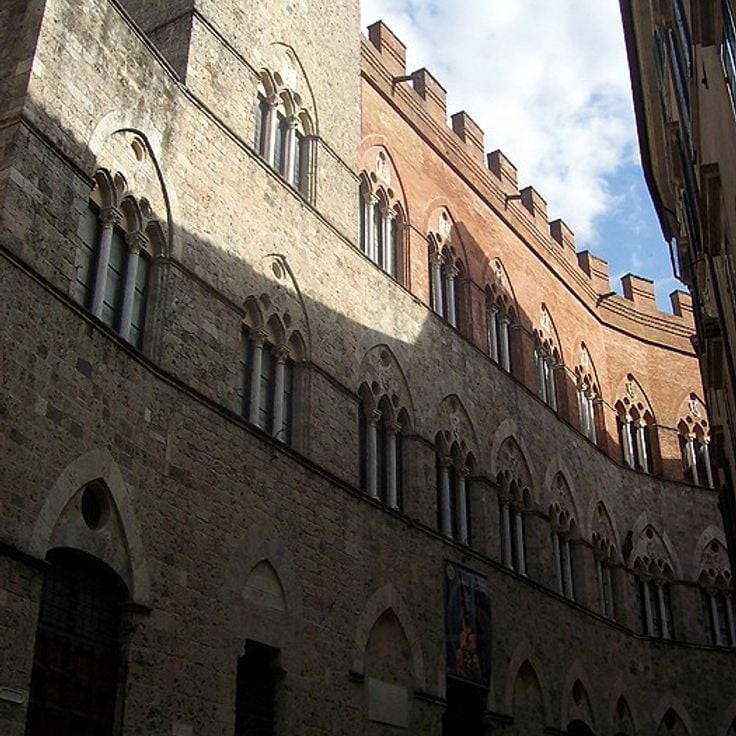
The Palazzo Chigi Saracini is a medieval building in Siena with facades of stone and marble. Inside, a music academy and a collection of historical instruments tell the story of the city's past. Walking through this palace, you discover how music and history have shaped this corner of Tuscany.
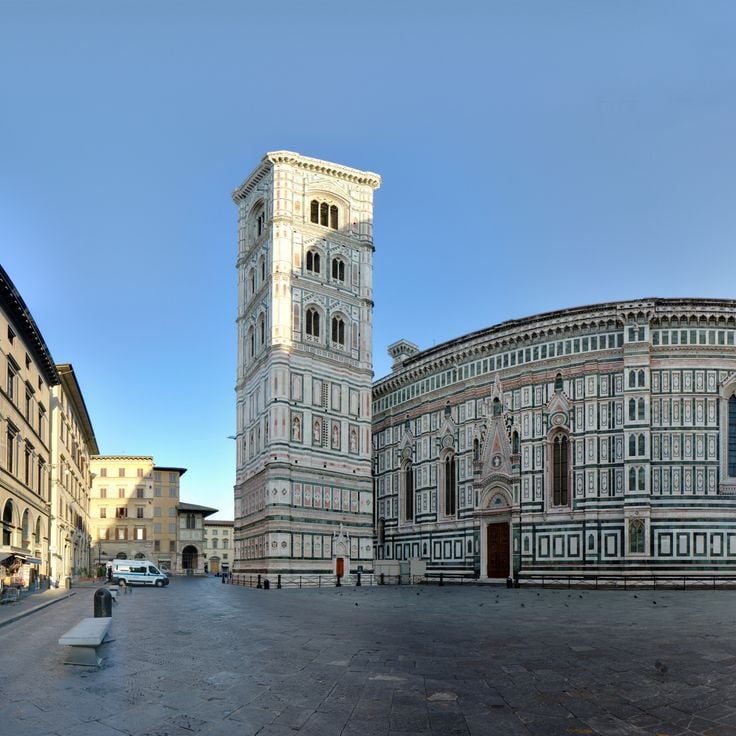
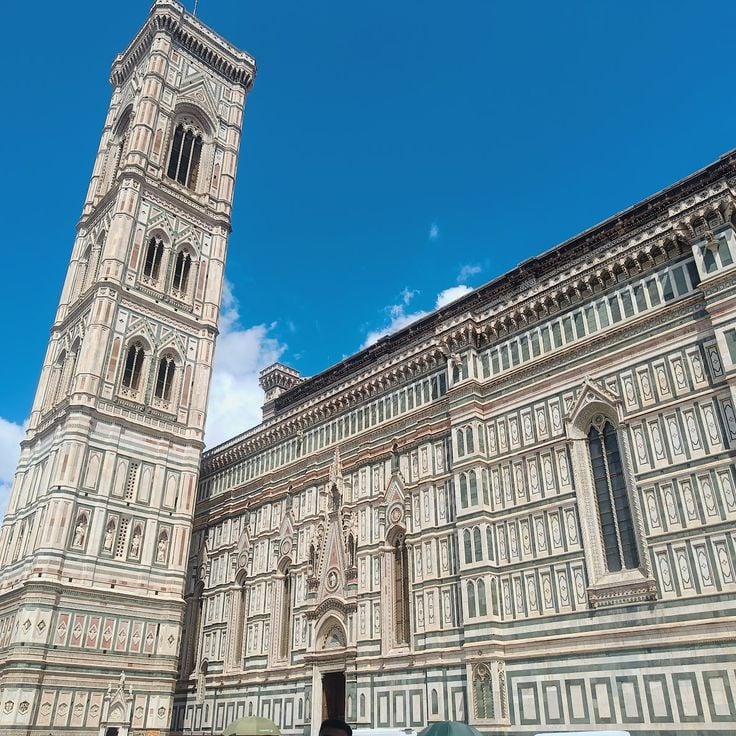
The Campanile di Giotto is a Gothic bell tower constructed between 1334 and 1359, standing next to the Cathedral of Santa Maria del Fiore. Rising 84 meters high with a distinctive facade of colored marble in white, green, and pink, this tower defines the skyline of Florence's historic center. Visitors who climb to the top gain a sweeping view across the city and surrounding hills. The tower's design combines geometric forms with decorative details typical of Florentine Renaissance architecture.
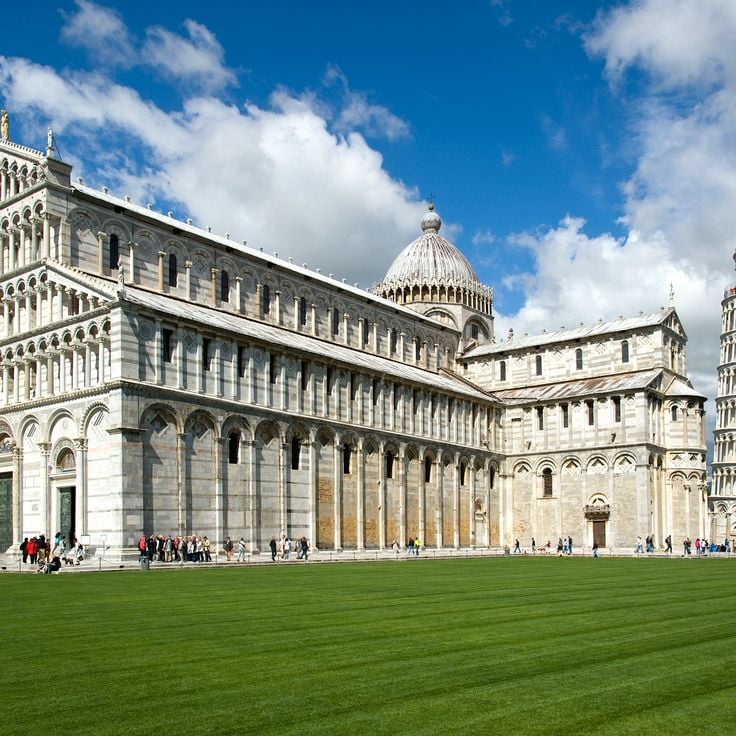
The Piazza dei Miracoli in Pise brings together some of the city's most important religious buildings on a large grassy area. The romanesque cathedral displays white and green marble on its facade, while the circular baptistry beside it is also made from marble. The famous leaning tower rises nearby, captivating visitors for centuries with its unintended tilt. These three structures form a harmonious group that shows the artistic and building skill of the medieval period. The open space allows you to admire the details of each building and understand how they relate to one another.
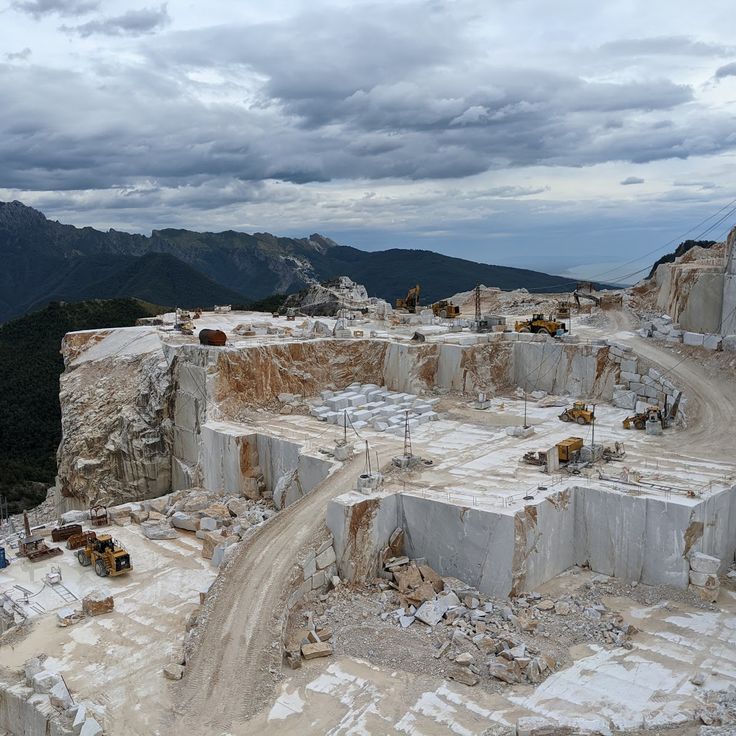
The marble quarries of Carrare are working sites where large blocks of white stone are extracted from the mountainside, continuing a practice that goes back to Roman times. You walk through vast open-air spaces carved into the rock face, where the stone is quarried and shaped by hand. This place demonstrates how artists and builders across centuries have sourced material for the great artworks and buildings throughout Tuscany. The quarries remain active today, preserving a craft tradition that supplied sculptors and architects during the Renaissance and continues to this day.
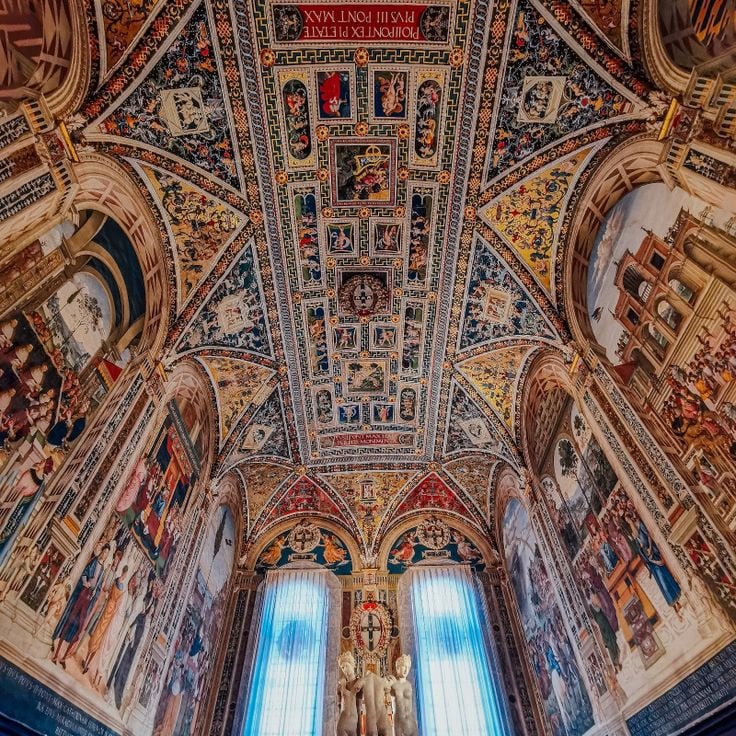
The Piccolomini Library in Siena displays frescoes by Pinturicchio showing the life of Pope Pius II. The room is filled with vibrant painted walls that tell the story of this important pope's years. Illuminated manuscripts with decorated letters and original period furniture fill the space. Visitors can see how scholars and church leaders lived and worked during the Renaissance.
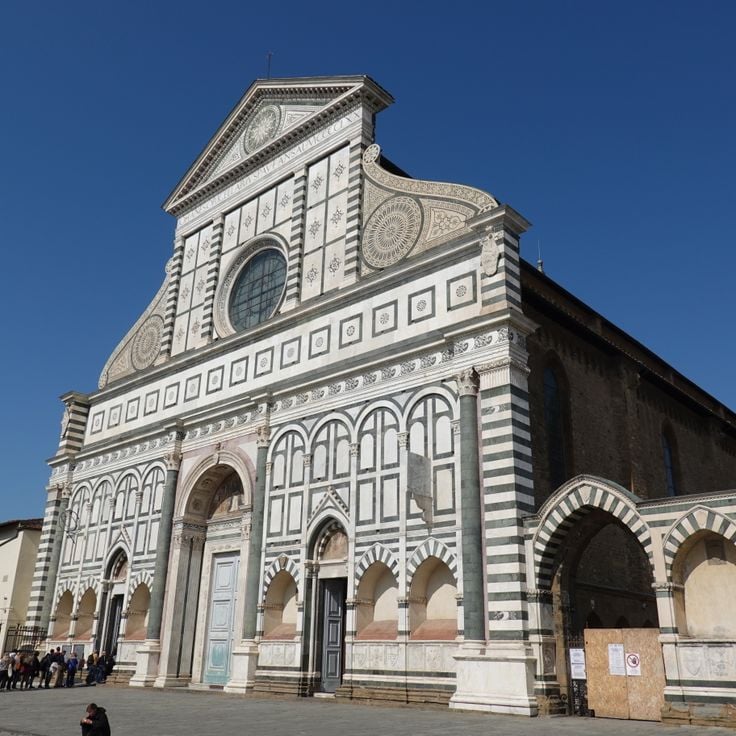
Santa Maria Novella is a gothic church built in the 13th century with flying buttresses, showing the craftsmanship of Tuscan architecture. Its facade features geometric patterns of white and green marble. The cloister holds frescoes depicting biblical scenes, preserving the artistic skill of that era. As part of Tuscany's heritage, this church demonstrates the shift between Romanesque and Gothic styles and stands as one of Florence's important historical monuments.
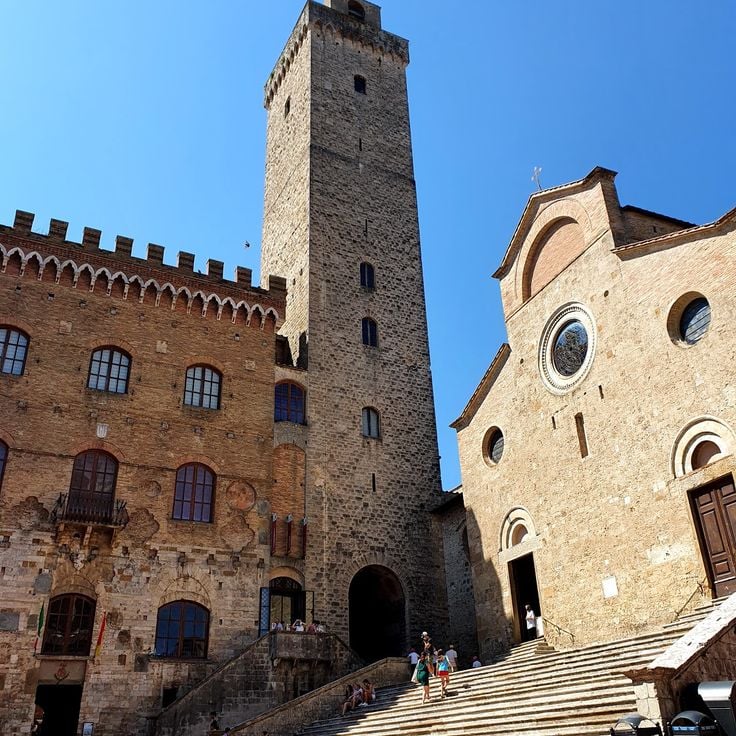
The Towers of San Gimignano are what remain of a medieval town where wealthy families built their homes as tall stone structures. Of the original 72 towers, 14 still stand today, built between the 12th and 13th centuries. These towers show how families displayed their power and wealth back then. Walking through San Gimignano, you see these stone towers rising above the town, giving the place a distinctive look. They are part of Tuscany's past and help us understand how people lived and worked in the Middle Ages.
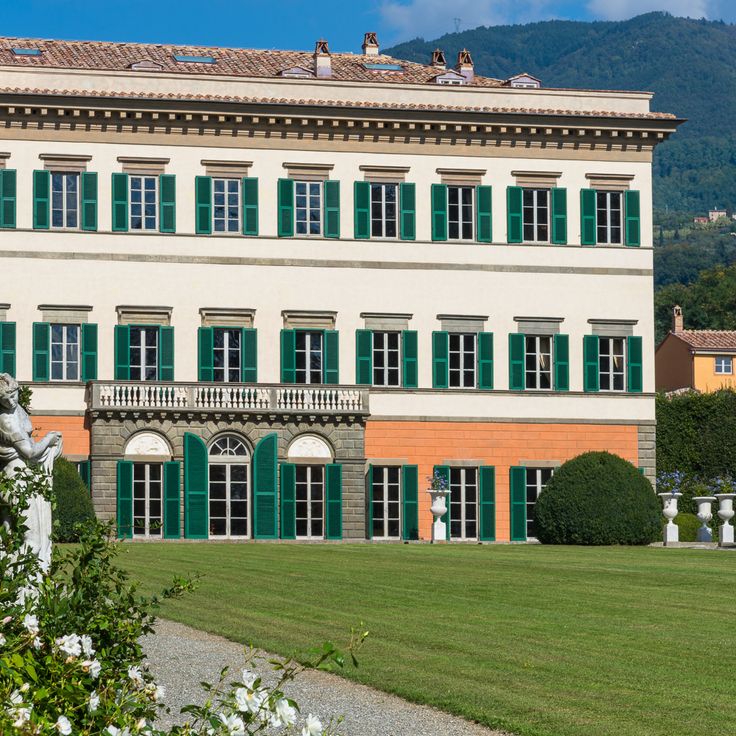
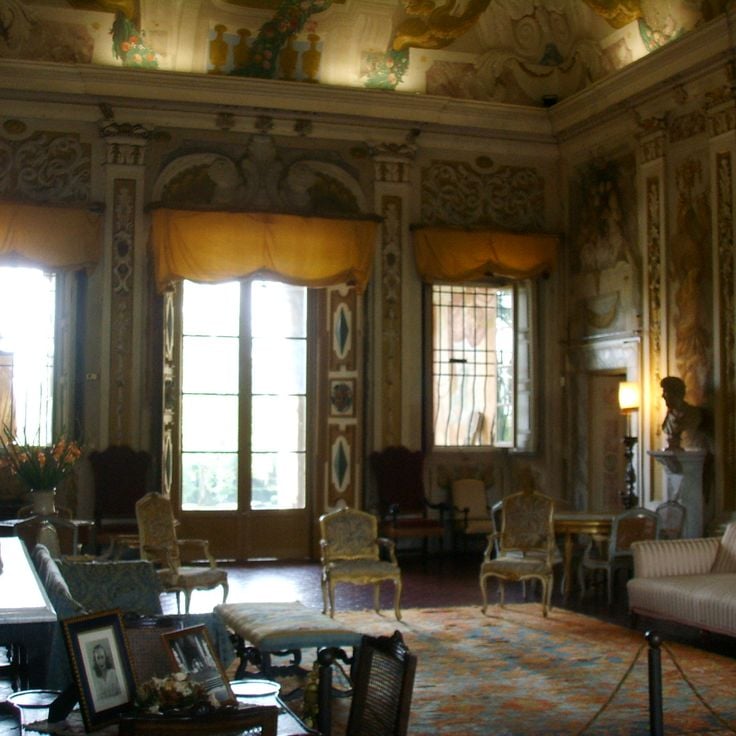
This 16th-century aristocratic residence displays rooms adorned with frescoes and period decorations. The gardens of this villa feature fountains and a green theater that invites visitors to experience Renaissance noble culture. Marlia brings together architecture and garden design as a testament to past splendor.
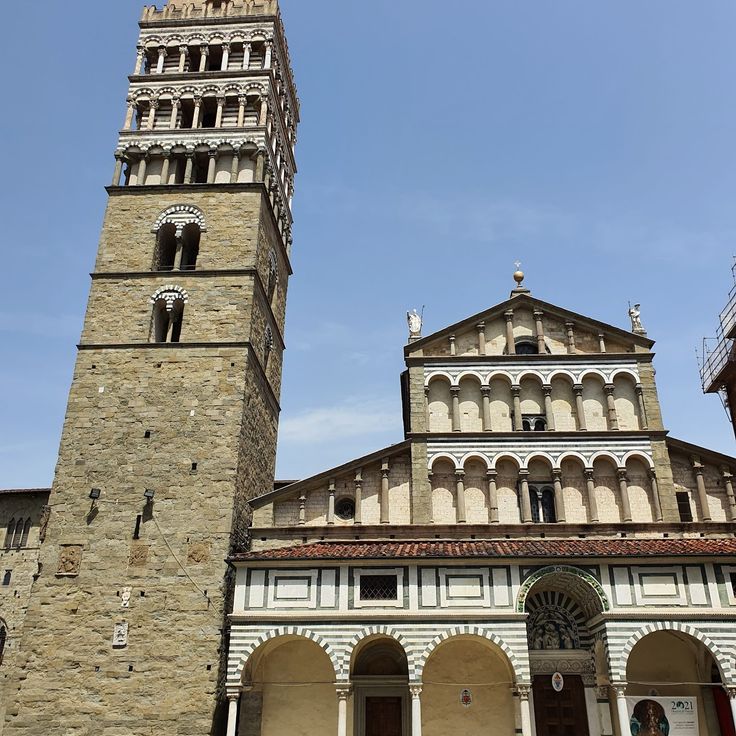
The Cathedral of Pistoia is a Romanesque building from the 12th century that shows the strength of medieval architecture. Its facade of white and green marble has a calm beauty that matches the style found throughout Tuscany. Inside, the cathedral holds a silver altar of Saint James, made with great craftsmanship. This building tells the story of the religious and artistic importance that Pistoia held during the Middle Ages and the Renaissance.
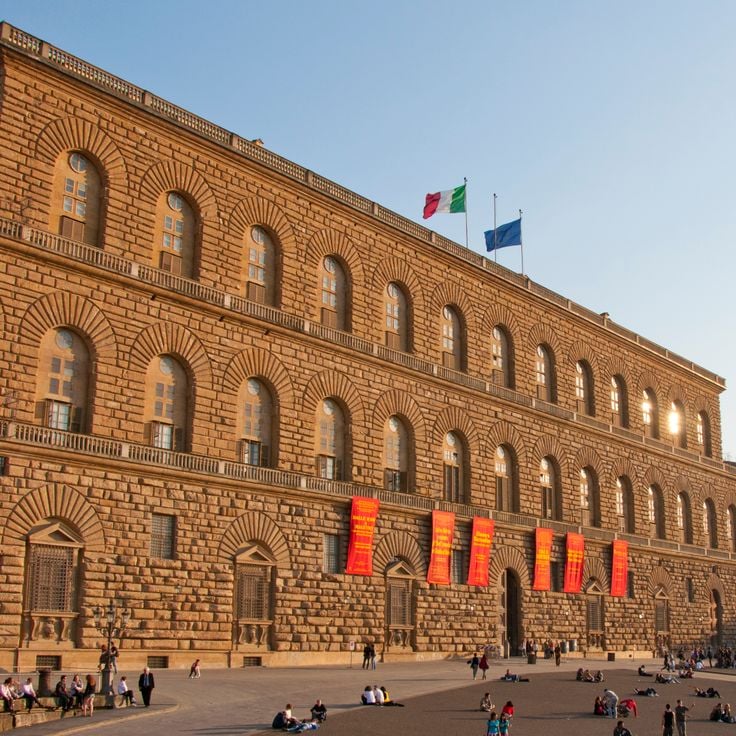
Palazzo Pitti is a 15th-century Renaissance palace in Florence that sits across the Arno River from the city center. Inside the palace are several museums displaying art collections, costumes, and silver objects. Behind the main building, the Boboli Gardens spread out with pathways, sculptures, and fountains, creating a space to explore and rest.
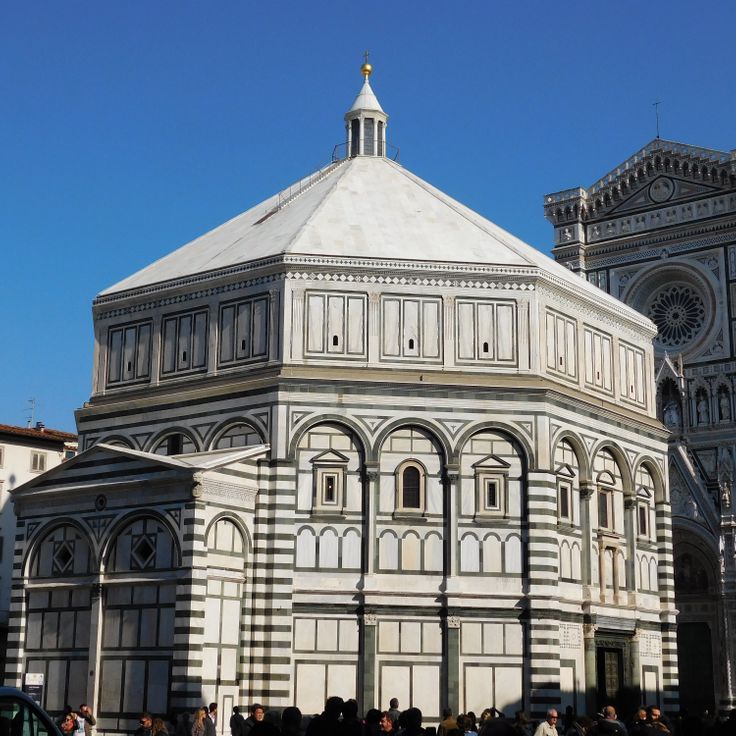
The Baptistry of San Giovanni is an octagonal building from the 11th century and stands at the heart of Florence as one of the city's oldest structures. Its gilded bronze doors display biblical scenes rendered in fine craftsmanship, and the interior walls shine with elaborate mosaics. This baptismal church served for centuries as the place where Florentines were baptized, and it embodies the connection between the medieval and Renaissance periods that runs through all of Tuscany.
Villa Torrigiani is a noble residence built in the 16th century near Lucca. It displays the power and wealth of the Torrigiani family through its spacious rooms and ornate decorations. The gardens are laid out in geometric patterns and contain clipped hedges, water features, and fountains in the Baroque style. Walking through the grounds, you see carefully crafted details and artistic water displays that reflect the life of the aristocracy in Tuscany.
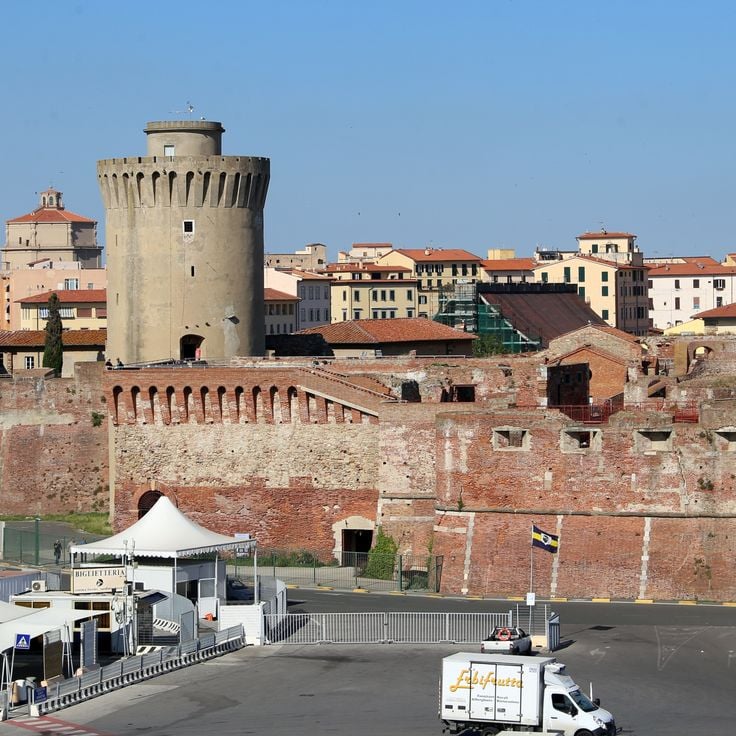
The Medici Fortress in Livorno is a military structure commissioned by Cosimo I de' Medici in 1519. The five-sided building features bastions at each corner and watchtowers. The fortress shows the defensive measures the Medici needed to maintain their power on the coast. Walking along the walls, you can see how Renaissance architecture combines fortification with geometric precision. The structure reveals how the Tuscan ruling families protected and controlled their territories.
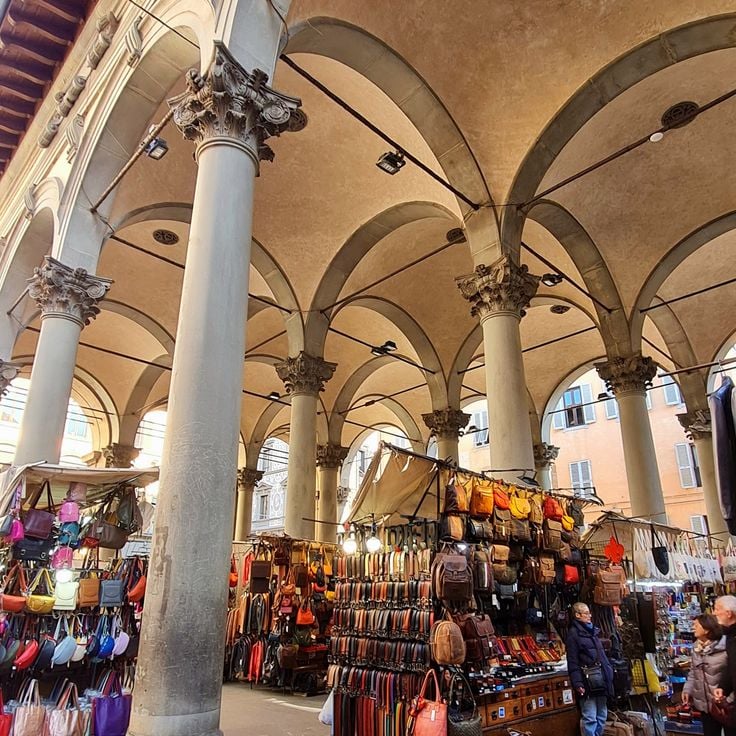
The Loggia del Mercato Nuovo is a market structure built in 1547 beneath a stone loggia with arches. This building shows how Florence designed its trading spaces and remains a place where leather goods and souvenirs are sold today. You can walk through the open arcades and experience the everyday activity of a Florentine market, where craftspeople and vendors display their wares.
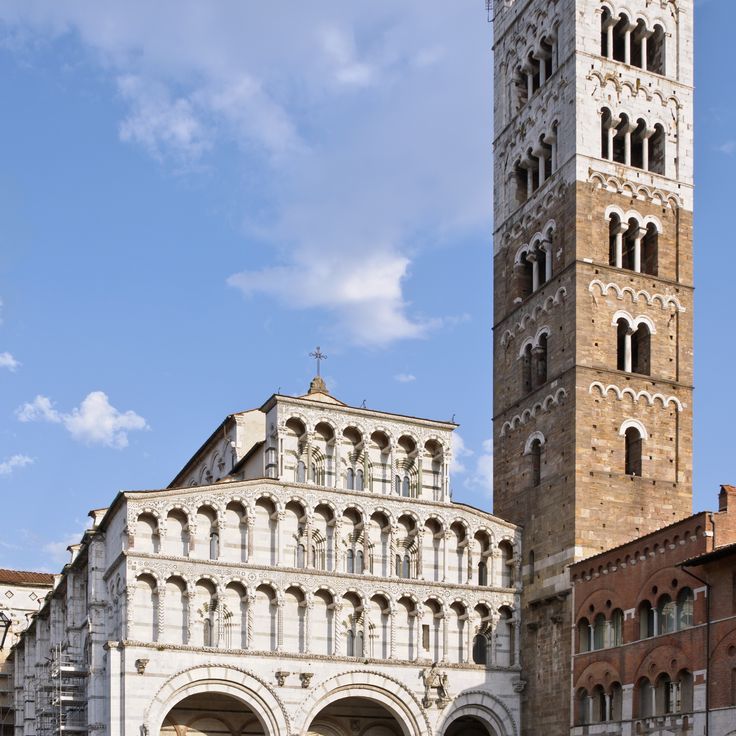
San Martino in Fori is a Romanesque church in Lucca dating to the 12th century. Its facade features white marble adorned with sculptural details and classical columns. Inside, three naves and lateral chapels create a spacious interior typical of medieval religious architecture. This church demonstrates the skilled craftsmanship and artistic vision that shaped Tuscan heritage during the medieval period and remains part of the region's architectural legacy.
The Leaning Tower of Pisa is the bell tower of the cathedral, built in the 12th century from white marble. Its famous tilt happened because the ground beneath it settled during construction, making it one of Italy's most recognizable structures. This tower shows how medieval builders dealt with difficult ground conditions while creating something that captures attention across the centuries.
The Central Market of Florence is a 19th-century building that reflects the craft and daily habits of the city. On the ground floor, you will find stalls selling fresh produce and local products, while the upper floors house restaurants where you can taste Florentine cuisine. This market demonstrates how the region has maintained its culinary traditions and how people in Florence shop and eat.
Palazzo Vecchio is a medieval palace that has dominated Florence since the 13th century. Built to serve as the seat of city government, this fortress-like structure houses impressive frescoes and a collection of historical maps within its walls. Walking through its rooms, you experience centuries of Florence's political and artistic legacy.
Cascate del Mulino near Saturnia is a natural hot spring where warm water has flowed since Roman times. The water stays at about 37 degrees Celsius (98 degrees Fahrenheit) and runs over limestone terraces, forming small pools where visitors can bathe. This place shows how nature itself creates wonders in Tuscany beyond its cities. The sulfurous water was known to the Romans and today attracts people looking to relax in these natural pools. The terraces look like gentle steps guiding the water downward.
This cathedral stands as one of Florence's most important religious buildings, shaping the city's character since the 13th century through its distinctive style and architecture. The remarkable dome that Brunelleschi designed rises prominently over the city and makes the building recognizable from many vantage points. The colored marble surfaces on the exterior and the pointed arch windows reflect the Gothic style of its era. When you approach this cathedral, you sense the strength of architecture that has lasted through the centuries.
The Academy Gallery in Florence houses one of the world's most famous sculptures: Michelangelo's David. The museum displays religious paintings from the 14th century and other works that document the development of art in Tuscany. Visitors can see the original statue here, admired for centuries. The museum itself tells the story of Florentine artistic tradition and its importance to European art history.
San Miniato al Monte stands on a hillside above Florence, displaying the religious architecture of the 11th century with its distinctive white and green marble facade. The building features medieval mosaics that adorn its interior spaces and offers expansive views across the city from its elevated position. The monumental cemetery surrounding the basilica adds to the historical character of this place, which shows how Tuscany developed its architectural traditions during the Middle Ages.
The Michelangelo Terrace is a viewpoint in Florence where visitors come to see the entire historic city and the surrounding hills. From this elevated spot, you can take in the cathedral dome, the rooftops of the old city, and the gentle slopes of the Tuscan countryside. Many people visit to enjoy Florence from above and to photograph the landscape. The terrace is especially beautiful at sunset, when the light bathes the ancient buildings in warm tones. It is a place where you can pause and let the view speak for itself.
The Ponte Vecchio is a bridge from the 14th century that crosses the Arno River in Florence. Since 1593, goldsmiths and jewelers have occupied the small shops that line both sides of the bridge. It is one of the oldest places in Florence where craftsmanship and commerce have thrived for centuries. Walking across the bridge, you see glittering jewelry in shop windows and watch artisans at work. The bridge connects not only two riverbanks but also the past with the present day.
The Uffizi Gallery is Florence's main museum and home to one of Italy's most important art collections. Built by the Medici family, this building displays works by Botticelli, Leonardo da Vinci, and Michelangelo. As you walk through the galleries, you see paintings created during the Renaissance that shaped art history. The rooms are filled with visitors and stories, and many come here to experience these masterpieces up close. The Uffizi is a place where Florence's artistic past comes alive.
The Cathedral Square is the religious center of Florence and home to three major structures. The Cathedral of Santa Maria del Fiore stands as the focal point with its striking dome covered in terracotta tiles and marble panels. Beside it sits the Baptistry of San Giovanni, showing off its distinctive geometric facade in green and white marble. The Campanile, Giotto's bell tower, rises as an elegant structure decorated with colorful marble. Together, these three buildings represent different periods of Florentine construction and show how the city's religious architecture developed over centuries. The square itself is surrounded by historic buildings and fills with visitors throughout the day who come to see these important monuments.
Piazza della Signoria is the main public square of Florence and has been a gathering place for centuries. The Palazzo Vecchio dominates the space with its fortress-like appearance and towers above the square. The Loggia dei Lanzi stands nearby, a covered structure displaying sculptures and artwork. A replica of Michelangelo's David stands in the open, one of the most recognized statues in the world. Walking through this square, you feel the weight of medieval and Renaissance history at every step.
The Bargello Museum housed in a former 13th-century palace showcases Renaissance sculpture in Florence. Works by Donatello and his contemporaries fill the rooms, revealing how artists of that era shaped stone and bronze. Walking through the palace, you encounter pieces that capture human emotion and beauty. The building itself has thick walls and grand halls that speak to its history as a seat of power. This museum holds works that shaped how people understood art and beauty during the Renaissance.
The fortifications of Lucca are a military construction from the 16th century that encircles the city for about 4 kilometers. These structures were built to defend the city and today they serve as an unusual place to walk and explore. On top of the walls you will find pathways and gardens where locals and visitors enjoy spending time. The fortifications of Lucca show the defensive methods of that era and at the same time offer views over the city and surrounding landscape. You can see the massive stone walls and understand how important these structures were for protecting Lucca.
The Basilica di Santa Croce is a large Franciscan church in Florence built in 1294. It houses frescoes by Giotto in the Bardi Chapel and the tombs of notable figures such as Michelangelo, Galileo, Rossini, and Machiavelli. This church shows the refined architecture and cultural depth of the Florentine Renaissance and is an important place to understand Italy's history.
The Piazza del Campo is the main square of Siena and has a distinctive shell-shaped form. The square is paved with red bricks and divided into nine sections. Twice a year, the Palio horse races take place here, with riders competing for the city's honor. Medieval palaces surround the square and have done so for centuries. The space has a gentle slope that creates a natural arena for events and gatherings. Walking through this square, you sense the weight of history in its architecture and the role it has played in the life of Siena.
The Cathedral of Siena is a 13th century religious building featuring distinctive patterns made from black and white marble. Its facade displays carved sculptures and mosaics that decorate the surface. This cathedral stands as one of Tuscany's most important religious structures and shows the craftsmanship of that era. Visitors see the characteristic marble patterning that defines Siena's monuments and can observe the decorative details up close.
Monte Oliveto Maggiore Abbey is a Benedictine monastery from the 14th century that shaped spiritual life in Tuscany. The cloister displays frescoes depicting the life of Saint Benedict, painted by important artists of that era. The ancient library holds precious manuscripts that speak to the scholarly tradition of this community. Set on a hill in the countryside, the abbey shows how religious communities in medieval and Renaissance times preserved knowledge and influenced art history.
This museum in Florence displays working replicas of Leonardo da Vinci's machines and inventions alongside his drawings and technical studies. The collection shows how this artist and inventor approached engineering and design. Walking through, you see how his curiosity led him to imagine solutions centuries ahead of his time.
The Palazzo Chigi Saracini is a medieval building in Siena with facades of stone and marble. Inside, a music academy and a collection of historical instruments tell the story of the city's past. Walking through this palace, you discover how music and history have shaped this corner of Tuscany.
The Campanile di Giotto is a Gothic bell tower constructed between 1334 and 1359, standing next to the Cathedral of Santa Maria del Fiore. Rising 84 meters high with a distinctive facade of colored marble in white, green, and pink, this tower defines the skyline of Florence's historic center. Visitors who climb to the top gain a sweeping view across the city and surrounding hills. The tower's design combines geometric forms with decorative details typical of Florentine Renaissance architecture.
The Piazza dei Miracoli in Pise brings together some of the city's most important religious buildings on a large grassy area. The romanesque cathedral displays white and green marble on its facade, while the circular baptistry beside it is also made from marble. The famous leaning tower rises nearby, captivating visitors for centuries with its unintended tilt. These three structures form a harmonious group that shows the artistic and building skill of the medieval period. The open space allows you to admire the details of each building and understand how they relate to one another.
The marble quarries of Carrare are working sites where large blocks of white stone are extracted from the mountainside, continuing a practice that goes back to Roman times. You walk through vast open-air spaces carved into the rock face, where the stone is quarried and shaped by hand. This place demonstrates how artists and builders across centuries have sourced material for the great artworks and buildings throughout Tuscany. The quarries remain active today, preserving a craft tradition that supplied sculptors and architects during the Renaissance and continues to this day.
The Piccolomini Library in Siena displays frescoes by Pinturicchio showing the life of Pope Pius II. The room is filled with vibrant painted walls that tell the story of this important pope's years. Illuminated manuscripts with decorated letters and original period furniture fill the space. Visitors can see how scholars and church leaders lived and worked during the Renaissance.
Santa Maria Novella is a gothic church built in the 13th century with flying buttresses, showing the craftsmanship of Tuscan architecture. Its facade features geometric patterns of white and green marble. The cloister holds frescoes depicting biblical scenes, preserving the artistic skill of that era. As part of Tuscany's heritage, this church demonstrates the shift between Romanesque and Gothic styles and stands as one of Florence's important historical monuments.
The Towers of San Gimignano are what remain of a medieval town where wealthy families built their homes as tall stone structures. Of the original 72 towers, 14 still stand today, built between the 12th and 13th centuries. These towers show how families displayed their power and wealth back then. Walking through San Gimignano, you see these stone towers rising above the town, giving the place a distinctive look. They are part of Tuscany's past and help us understand how people lived and worked in the Middle Ages.
This 16th-century aristocratic residence displays rooms adorned with frescoes and period decorations. The gardens of this villa feature fountains and a green theater that invites visitors to experience Renaissance noble culture. Marlia brings together architecture and garden design as a testament to past splendor.
The Cathedral of Pistoia is a Romanesque building from the 12th century that shows the strength of medieval architecture. Its facade of white and green marble has a calm beauty that matches the style found throughout Tuscany. Inside, the cathedral holds a silver altar of Saint James, made with great craftsmanship. This building tells the story of the religious and artistic importance that Pistoia held during the Middle Ages and the Renaissance.
Palazzo Pitti is a 15th-century Renaissance palace in Florence that sits across the Arno River from the city center. Inside the palace are several museums displaying art collections, costumes, and silver objects. Behind the main building, the Boboli Gardens spread out with pathways, sculptures, and fountains, creating a space to explore and rest.
The Baptistry of San Giovanni is an octagonal building from the 11th century and stands at the heart of Florence as one of the city's oldest structures. Its gilded bronze doors display biblical scenes rendered in fine craftsmanship, and the interior walls shine with elaborate mosaics. This baptismal church served for centuries as the place where Florentines were baptized, and it embodies the connection between the medieval and Renaissance periods that runs through all of Tuscany.
Villa Torrigiani is a noble residence built in the 16th century near Lucca. It displays the power and wealth of the Torrigiani family through its spacious rooms and ornate decorations. The gardens are laid out in geometric patterns and contain clipped hedges, water features, and fountains in the Baroque style. Walking through the grounds, you see carefully crafted details and artistic water displays that reflect the life of the aristocracy in Tuscany.
The Medici Fortress in Livorno is a military structure commissioned by Cosimo I de' Medici in 1519. The five-sided building features bastions at each corner and watchtowers. The fortress shows the defensive measures the Medici needed to maintain their power on the coast. Walking along the walls, you can see how Renaissance architecture combines fortification with geometric precision. The structure reveals how the Tuscan ruling families protected and controlled their territories.
The Loggia del Mercato Nuovo is a market structure built in 1547 beneath a stone loggia with arches. This building shows how Florence designed its trading spaces and remains a place where leather goods and souvenirs are sold today. You can walk through the open arcades and experience the everyday activity of a Florentine market, where craftspeople and vendors display their wares.
San Martino in Fori is a Romanesque church in Lucca dating to the 12th century. Its facade features white marble adorned with sculptural details and classical columns. Inside, three naves and lateral chapels create a spacious interior typical of medieval religious architecture. This church demonstrates the skilled craftsmanship and artistic vision that shaped Tuscan heritage during the medieval period and remains part of the region's architectural legacy.
The Leaning Tower of Pisa is the bell tower of the cathedral, built in the 12th century from white marble. Its famous tilt happened because the ground beneath it settled during construction, making it one of Italy's most recognizable structures. This tower shows how medieval builders dealt with difficult ground conditions while creating something that captures attention across the centuries.
The Central Market of Florence is a 19th-century building that reflects the craft and daily habits of the city. On the ground floor, you will find stalls selling fresh produce and local products, while the upper floors house restaurants where you can taste Florentine cuisine. This market demonstrates how the region has maintained its culinary traditions and how people in Florence shop and eat.
Palazzo Vecchio is a medieval palace that has dominated Florence since the 13th century. Built to serve as the seat of city government, this fortress-like structure houses impressive frescoes and a collection of historical maps within its walls. Walking through its rooms, you experience centuries of Florence's political and artistic legacy.
Cascate del Mulino near Saturnia is a natural hot spring where warm water has flowed since Roman times. The water stays at about 37 degrees Celsius (98 degrees Fahrenheit) and runs over limestone terraces, forming small pools where visitors can bathe. This place shows how nature itself creates wonders in Tuscany beyond its cities. The sulfurous water was known to the Romans and today attracts people looking to relax in these natural pools. The terraces look like gentle steps guiding the water downward.
This cathedral stands as one of Florence's most important religious buildings, shaping the city's character since the 13th century through its distinctive style and architecture. The remarkable dome that Brunelleschi designed rises prominently over the city and makes the building recognizable from many vantage points. The colored marble surfaces on the exterior and the pointed arch windows reflect the Gothic style of its era. When you approach this cathedral, you sense the strength of architecture that has lasted through the centuries.
The Academy Gallery in Florence houses one of the world's most famous sculptures: Michelangelo's David. The museum displays religious paintings from the 14th century and other works that document the development of art in Tuscany. Visitors can see the original statue here, admired for centuries. The museum itself tells the story of Florentine artistic tradition and its importance to European art history.
San Miniato al Monte stands on a hillside above Florence, displaying the religious architecture of the 11th century with its distinctive white and green marble facade. The building features medieval mosaics that adorn its interior spaces and offers expansive views across the city from its elevated position. The monumental cemetery surrounding the basilica adds to the historical character of this place, which shows how Tuscany developed its architectural traditions during the Middle Ages.
The Michelangelo Terrace is a viewpoint in Florence where visitors come to see the entire historic city and the surrounding hills. From this elevated spot, you can take in the cathedral dome, the rooftops of the old city, and the gentle slopes of the Tuscan countryside. Many people visit to enjoy Florence from above and to photograph the landscape. The terrace is especially beautiful at sunset, when the light bathes the ancient buildings in warm tones. It is a place where you can pause and let the view speak for itself.
The Ponte Vecchio is a bridge from the 14th century that crosses the Arno River in Florence. Since 1593, goldsmiths and jewelers have occupied the small shops that line both sides of the bridge. It is one of the oldest places in Florence where craftsmanship and commerce have thrived for centuries. Walking across the bridge, you see glittering jewelry in shop windows and watch artisans at work. The bridge connects not only two riverbanks but also the past with the present day.
The Uffizi Gallery is Florence's main museum and home to one of Italy's most important art collections. Built by the Medici family, this building displays works by Botticelli, Leonardo da Vinci, and Michelangelo. As you walk through the galleries, you see paintings created during the Renaissance that shaped art history. The rooms are filled with visitors and stories, and many come here to experience these masterpieces up close. The Uffizi is a place where Florence's artistic past comes alive.
The Cathedral Square is the religious center of Florence and home to three major structures. The Cathedral of Santa Maria del Fiore stands as the focal point with its striking dome covered in terracotta tiles and marble panels. Beside it sits the Baptistry of San Giovanni, showing off its distinctive geometric facade in green and white marble. The Campanile, Giotto's bell tower, rises as an elegant structure decorated with colorful marble. Together, these three buildings represent different periods of Florentine construction and show how the city's religious architecture developed over centuries. The square itself is surrounded by historic buildings and fills with visitors throughout the day who come to see these important monuments.
Piazza della Signoria is the main public square of Florence and has been a gathering place for centuries. The Palazzo Vecchio dominates the space with its fortress-like appearance and towers above the square. The Loggia dei Lanzi stands nearby, a covered structure displaying sculptures and artwork. A replica of Michelangelo's David stands in the open, one of the most recognized statues in the world. Walking through this square, you feel the weight of medieval and Renaissance history at every step.
The Bargello Museum housed in a former 13th-century palace showcases Renaissance sculpture in Florence. Works by Donatello and his contemporaries fill the rooms, revealing how artists of that era shaped stone and bronze. Walking through the palace, you encounter pieces that capture human emotion and beauty. The building itself has thick walls and grand halls that speak to its history as a seat of power. This museum holds works that shaped how people understood art and beauty during the Renaissance.
The fortifications of Lucca are a military construction from the 16th century that encircles the city for about 4 kilometers. These structures were built to defend the city and today they serve as an unusual place to walk and explore. On top of the walls you will find pathways and gardens where locals and visitors enjoy spending time. The fortifications of Lucca show the defensive methods of that era and at the same time offer views over the city and surrounding landscape. You can see the massive stone walls and understand how important these structures were for protecting Lucca.
The Basilica di Santa Croce is a large Franciscan church in Florence built in 1294. It houses frescoes by Giotto in the Bardi Chapel and the tombs of notable figures such as Michelangelo, Galileo, Rossini, and Machiavelli. This church shows the refined architecture and cultural depth of the Florentine Renaissance and is an important place to understand Italy's history.
The Piazza del Campo is the main square of Siena and has a distinctive shell-shaped form. The square is paved with red bricks and divided into nine sections. Twice a year, the Palio horse races take place here, with riders competing for the city's honor. Medieval palaces surround the square and have done so for centuries. The space has a gentle slope that creates a natural arena for events and gatherings. Walking through this square, you sense the weight of history in its architecture and the role it has played in the life of Siena.
The Cathedral of Siena is a 13th century religious building featuring distinctive patterns made from black and white marble. Its facade displays carved sculptures and mosaics that decorate the surface. This cathedral stands as one of Tuscany's most important religious structures and shows the craftsmanship of that era. Visitors see the characteristic marble patterning that defines Siena's monuments and can observe the decorative details up close.
Monte Oliveto Maggiore Abbey is a Benedictine monastery from the 14th century that shaped spiritual life in Tuscany. The cloister displays frescoes depicting the life of Saint Benedict, painted by important artists of that era. The ancient library holds precious manuscripts that speak to the scholarly tradition of this community. Set on a hill in the countryside, the abbey shows how religious communities in medieval and Renaissance times preserved knowledge and influenced art history.
This museum in Florence displays working replicas of Leonardo da Vinci's machines and inventions alongside his drawings and technical studies. The collection shows how this artist and inventor approached engineering and design. Walking through, you see how his curiosity led him to imagine solutions centuries ahead of his time.
The Palazzo Chigi Saracini is a medieval building in Siena with facades of stone and marble. Inside, a music academy and a collection of historical instruments tell the story of the city's past. Walking through this palace, you discover how music and history have shaped this corner of Tuscany.
The Campanile di Giotto is a Gothic bell tower constructed between 1334 and 1359, standing next to the Cathedral of Santa Maria del Fiore. Rising 84 meters high with a distinctive facade of colored marble in white, green, and pink, this tower defines the skyline of Florence's historic center. Visitors who climb to the top gain a sweeping view across the city and surrounding hills. The tower's design combines geometric forms with decorative details typical of Florentine Renaissance architecture.
The Piazza dei Miracoli in Pise brings together some of the city's most important religious buildings on a large grassy area. The romanesque cathedral displays white and green marble on its facade, while the circular baptistry beside it is also made from marble. The famous leaning tower rises nearby, captivating visitors for centuries with its unintended tilt. These three structures form a harmonious group that shows the artistic and building skill of the medieval period. The open space allows you to admire the details of each building and understand how they relate to one another.
The marble quarries of Carrare are working sites where large blocks of white stone are extracted from the mountainside, continuing a practice that goes back to Roman times. You walk through vast open-air spaces carved into the rock face, where the stone is quarried and shaped by hand. This place demonstrates how artists and builders across centuries have sourced material for the great artworks and buildings throughout Tuscany. The quarries remain active today, preserving a craft tradition that supplied sculptors and architects during the Renaissance and continues to this day.
The Piccolomini Library in Siena displays frescoes by Pinturicchio showing the life of Pope Pius II. The room is filled with vibrant painted walls that tell the story of this important pope's years. Illuminated manuscripts with decorated letters and original period furniture fill the space. Visitors can see how scholars and church leaders lived and worked during the Renaissance.
Santa Maria Novella is a gothic church built in the 13th century with flying buttresses, showing the craftsmanship of Tuscan architecture. Its facade features geometric patterns of white and green marble. The cloister holds frescoes depicting biblical scenes, preserving the artistic skill of that era. As part of Tuscany's heritage, this church demonstrates the shift between Romanesque and Gothic styles and stands as one of Florence's important historical monuments.
The Towers of San Gimignano are what remain of a medieval town where wealthy families built their homes as tall stone structures. Of the original 72 towers, 14 still stand today, built between the 12th and 13th centuries. These towers show how families displayed their power and wealth back then. Walking through San Gimignano, you see these stone towers rising above the town, giving the place a distinctive look. They are part of Tuscany's past and help us understand how people lived and worked in the Middle Ages.
This 16th-century aristocratic residence displays rooms adorned with frescoes and period decorations. The gardens of this villa feature fountains and a green theater that invites visitors to experience Renaissance noble culture. Marlia brings together architecture and garden design as a testament to past splendor.
The Cathedral of Pistoia is a Romanesque building from the 12th century that shows the strength of medieval architecture. Its facade of white and green marble has a calm beauty that matches the style found throughout Tuscany. Inside, the cathedral holds a silver altar of Saint James, made with great craftsmanship. This building tells the story of the religious and artistic importance that Pistoia held during the Middle Ages and the Renaissance.
Palazzo Pitti is a 15th-century Renaissance palace in Florence that sits across the Arno River from the city center. Inside the palace are several museums displaying art collections, costumes, and silver objects. Behind the main building, the Boboli Gardens spread out with pathways, sculptures, and fountains, creating a space to explore and rest.
The Baptistry of San Giovanni is an octagonal building from the 11th century and stands at the heart of Florence as one of the city's oldest structures. Its gilded bronze doors display biblical scenes rendered in fine craftsmanship, and the interior walls shine with elaborate mosaics. This baptismal church served for centuries as the place where Florentines were baptized, and it embodies the connection between the medieval and Renaissance periods that runs through all of Tuscany.
Villa Torrigiani is a noble residence built in the 16th century near Lucca. It displays the power and wealth of the Torrigiani family through its spacious rooms and ornate decorations. The gardens are laid out in geometric patterns and contain clipped hedges, water features, and fountains in the Baroque style. Walking through the grounds, you see carefully crafted details and artistic water displays that reflect the life of the aristocracy in Tuscany.
The Medici Fortress in Livorno is a military structure commissioned by Cosimo I de' Medici in 1519. The five-sided building features bastions at each corner and watchtowers. The fortress shows the defensive measures the Medici needed to maintain their power on the coast. Walking along the walls, you can see how Renaissance architecture combines fortification with geometric precision. The structure reveals how the Tuscan ruling families protected and controlled their territories.
The Loggia del Mercato Nuovo is a market structure built in 1547 beneath a stone loggia with arches. This building shows how Florence designed its trading spaces and remains a place where leather goods and souvenirs are sold today. You can walk through the open arcades and experience the everyday activity of a Florentine market, where craftspeople and vendors display their wares.
San Martino in Fori is a Romanesque church in Lucca dating to the 12th century. Its facade features white marble adorned with sculptural details and classical columns. Inside, three naves and lateral chapels create a spacious interior typical of medieval religious architecture. This church demonstrates the skilled craftsmanship and artistic vision that shaped Tuscan heritage during the medieval period and remains part of the region's architectural legacy.