See the monuments around you in AROpen chests in the app
Around Us is built for your phone — point your camera at the streets and discover the monuments and places around you in augmented reality.Around Us is built for your phone — chests unlock when you walk, explore and capture nearby places.
Siena is a Tuscan city built on three hills, where medieval streets wind between brick buildings and open onto piazzas. The shell-shaped Piazza del Campo hosts the Palio horse race twice a year and serves as the town's main gathering place. The Cathedral, with its black-and-white marble facade, stands on one of the highest points. From the top of Torre del Mangia, the city spreads out in all directions, with its terracotta rooftops and surrounding hills visible. Gothic and Renaissance architecture appears throughout the streets, in the form of palaces, churches, fountains and loggias. The Palazzo Pubblico contains frescoes and civic art, while the Pinacoteca Nazionale displays paintings from the Sienese School. The Biblioteca Piccolomini holds illuminated manuscripts. The Basilica of San Domenico rises on a hill, offering views across the rooftops. The Fortezza Medicea and the university botanical garden provide additional perspectives on the city and its landscape. Beyond the center, the Etruscan necropolis at Malignano, Villa di Geggiano with its gardens, and the Chianti sculpture park add to the range of places to explore.
Siena is a Tuscan city built on three hills, where medieval streets wind between brick buildings and open onto piazzas. The shell-shaped Piazza del Campo hosts the Palio horse race twice a year and serves as the town's main gathering place. The Cathedral, with its black-and-white marble facade, stands on one of the highest points. From the top of Torre del Mangia, the city spreads out in all directions, with its terracotta rooftops and surrounding hills visible. Gothic and Renaissance architecture appears throughout the streets, in the form of palaces, churches, fountains and loggias. The Palazzo Pubblico contains frescoes and civic art, while the Pinacoteca Nazionale displays paintings from the Sienese School. The Biblioteca Piccolomini holds illuminated manuscripts. The Basilica of San Domenico rises on a hill, offering views across the rooftops. The Fortezza Medicea and the university botanical garden provide additional perspectives on the city and its landscape. Beyond the center, the Etruscan necropolis at Malignano, Villa di Geggiano with its gardens, and the Chianti sculpture park add to the range of places to explore.
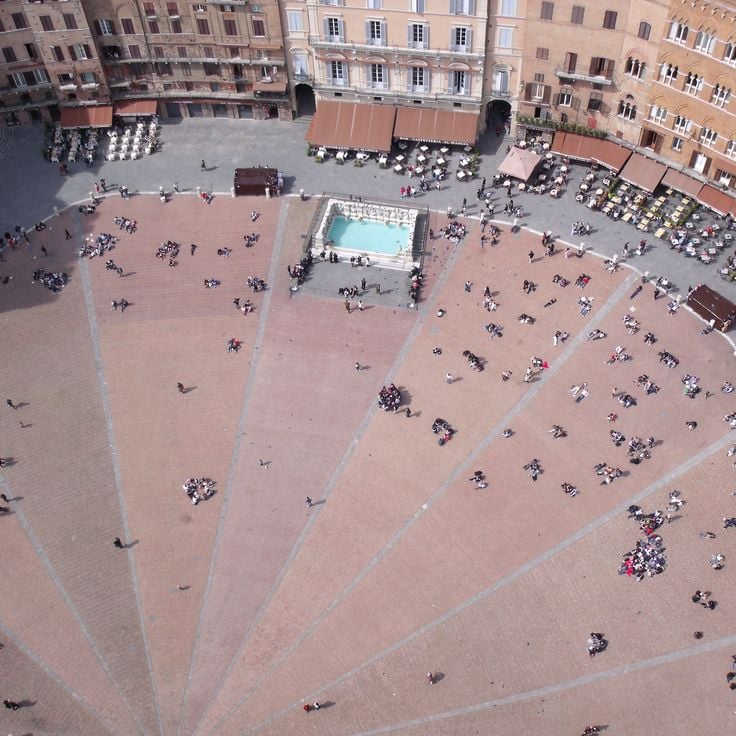
This shell-shaped square sits at the center of the city and was completed in the 14th century. The ground slopes downward, creating a natural amphitheater form. Reddish paving divides the surface into nine segments. Cafés and restaurants line the edges. People gather on the stone to sit and watch daily activity. Historic buildings surround the square completely. The town hall stands at the lowest point. The square serves as a meeting place for public events and the everyday life of the city.
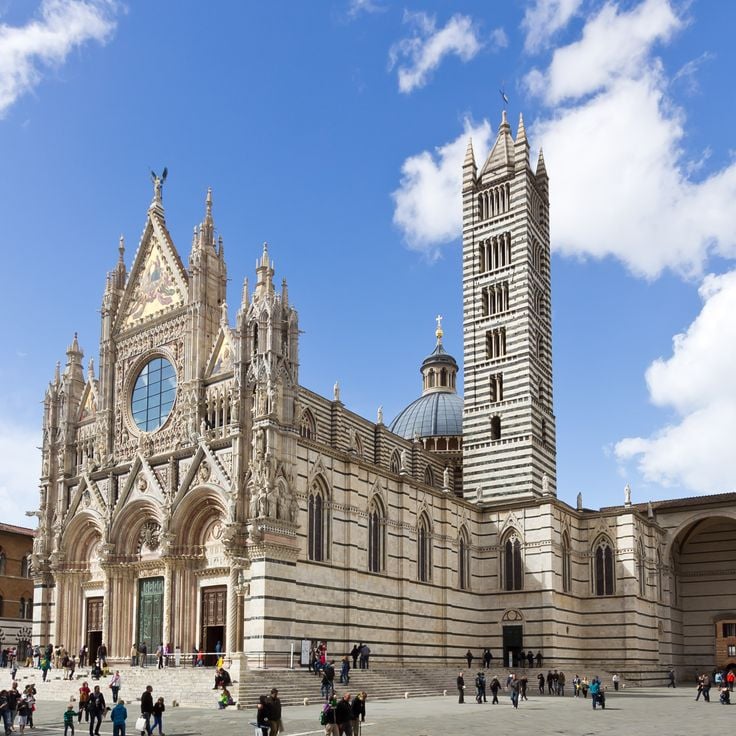
This cathedral is a Romanesque and Gothic church that started construction in 1215 and continued until 1348. The facade displays statues of prophets and philosophers. Inside, black and white marble lines the walls and the floor carries biblical scenes and allegorical themes. The dome rises over the crossing and the pulpit dates from the 13th century. A passage beside the main space leads to the Piccolomini Library with Renaissance frescoes. The cathedral serves as a central point for visitors walking through Siena's historic center.
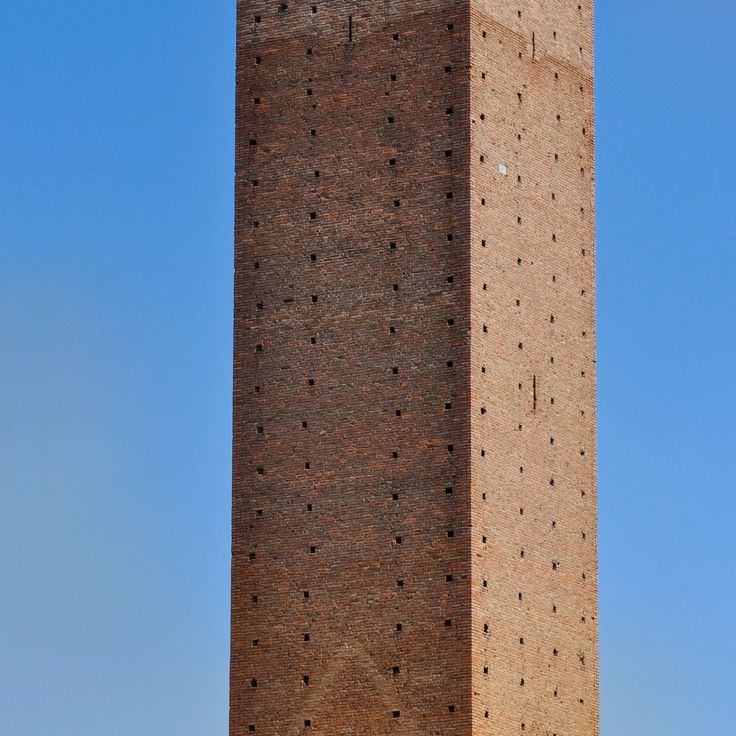
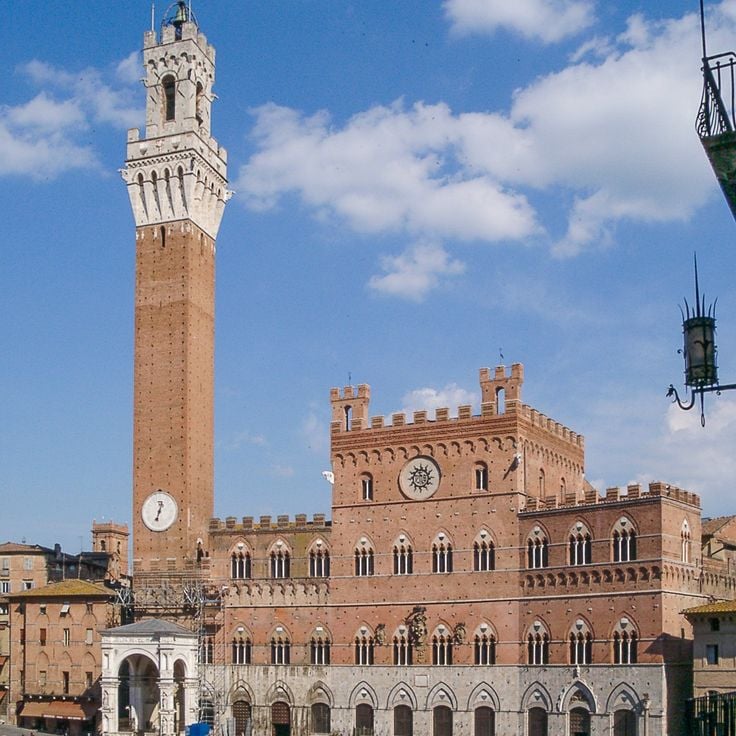
This tower stands at the edge of Piazza del Campo and was built between 1338 and 1348. The spire reaches a height of 335 feet (102 meters) and offers a view of the city, the surrounding hills and the Tuscan countryside. The slender brick structure rises above the medieval streets and fits into the Gothic forms of the historical buildings. The white stone crown contrasts with the red masonry. The tower belongs to the Palazzo Pubblico and contributes to the skyline of Siena.
This palace forms the western edge of the Campo and houses the city's administration. Red brick walls rise in Gothic proportion, tall arched windows punctuate the facade. Inside, 14th-century frescoes depict scenes of justice and good governance. The halls once hosted the magistrates of the Republic. From the balconies, you overlook the shell-shaped square. The tower stands at the left corner. Tourists pass through an arched entrance into a courtyard before climbing the stairs to the chambers.
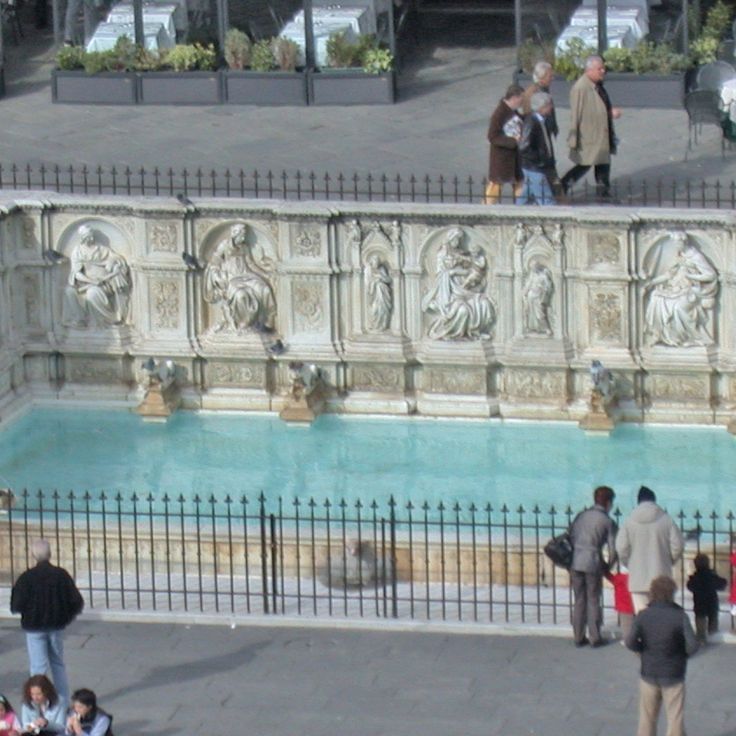
This Renaissance marble fountain stands at the center of Piazza del Campo and shows sculptures along with water channels decorated in floral patterns. The work dates from the 15th century and was later replaced with copies, while the originals are now kept in a museum. The basin and the relief figures offer an example of sculptural work from that period, as water flows over the carved surfaces.
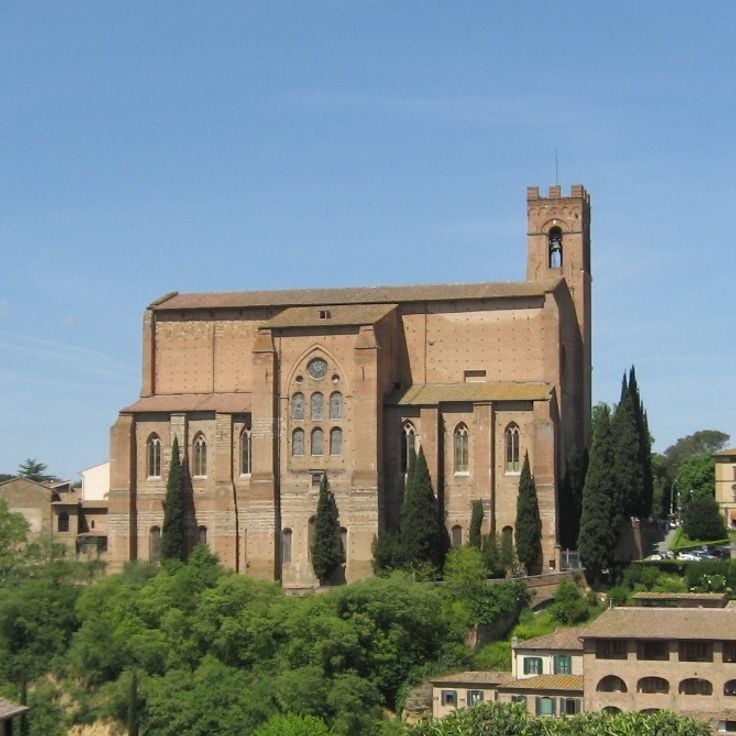
This Gothic church dominates the skyline of Siena with its single bell tower and red brick walls. The facade displays a rose window, while the interior holds chapels and frescoes. The basilica preserves relics of Saint Catherine of Siena. From the terrace in front of the building, the view opens across rooftops and hills. This religious structure connects spiritual tradition with the urban fabric of the old town.
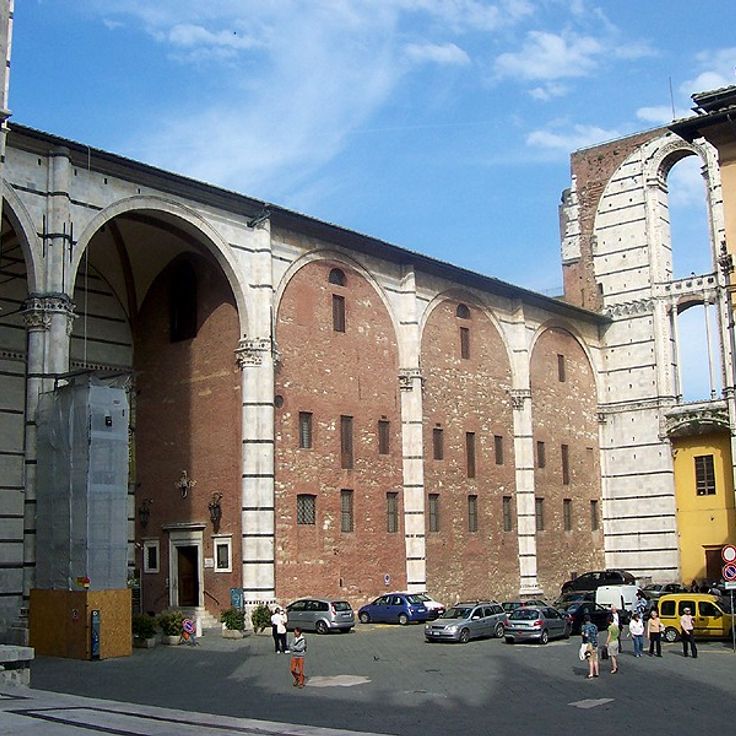
The Facciatone is a stone viewing platform at 77 meters (253 feet) height that opens onto the rooftops of the old town and the Tuscan countryside. This platform belongs to an unfinished 14th-century expansion project of the cathedral and now offers a sweeping view of Siena's narrow lanes, towers and squares. From here you can see the Palazzo Pubblico, the Torre del Mangia and the surrounding hills dotted with vineyards and olive groves. The climb takes you through tight spiral staircases inside the cathedral walls and ends on an open terrace where the wind often blows hard.
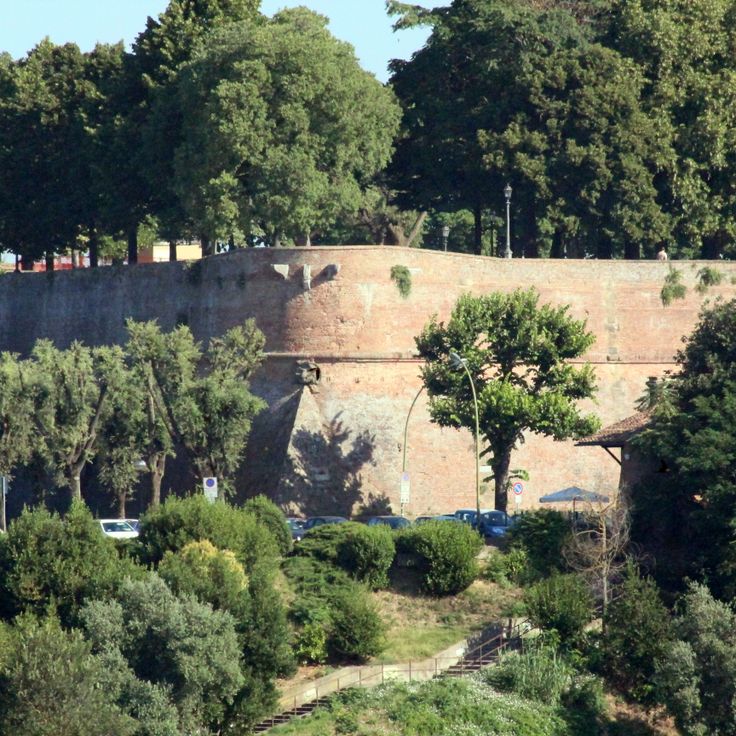
This fortress appears as a broad, low structure of red brick and gray stone. The walls form an irregular hexagon with rounded corners that once served for defense. The central courtyard is open and wide, with trees and lawns. From the ramparts you can see over the rooftops of Siena and the surrounding hills. The fortress was built in the 16th century under Cosimo I to secure control over the city. Today residents and visitors use the inner courtyard for walks, events and markets. It feels quiet, the paths are wide and lead through shaded areas.
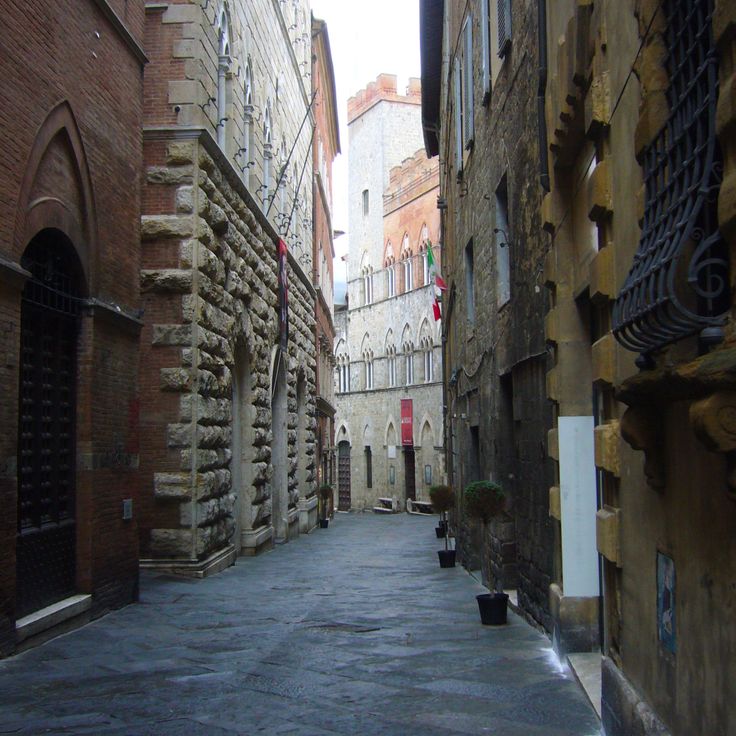
This street connects Piazza del Campo to the cathedral and runs through the historic center of the city. The medieval buildings along the route house shops selling traditional crafts, restaurants and boutiques on their ground floors. Walking here means moving through a busy part of the old town, where tourists and locals stroll through narrow lanes and observe architecture from past centuries.
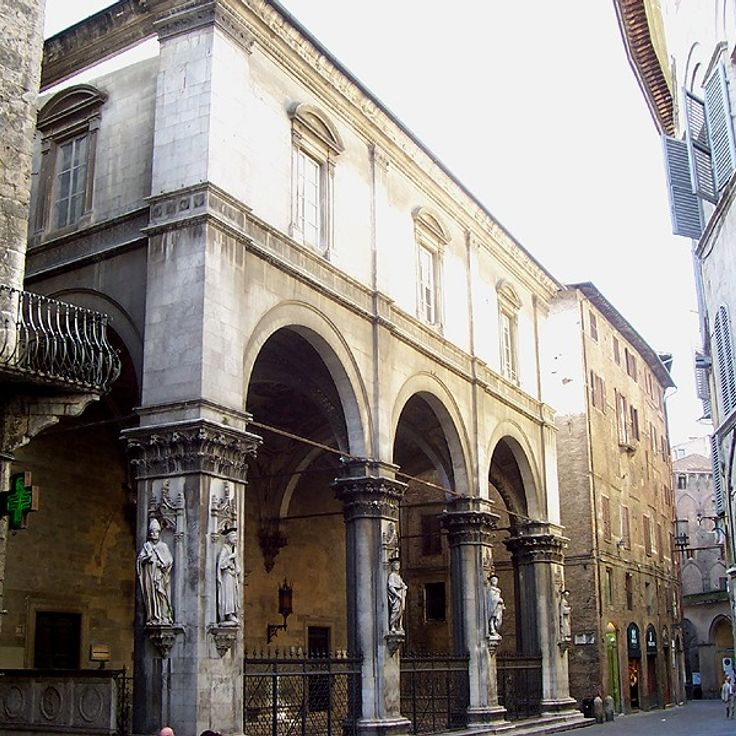
The Loggia della Mercanzia stands at the crossing of several old streets in central Siena. This building from 1428 shows Gothic elements with marble columns and open arches. Under the arcades, merchants and judges of the former commercial court used to meet. Statues of Roman jurists still stand against the pillars today. The decorations on the arches reflect the importance of the site in medieval Siena. Visitors photograph this structure for the combination of light, shadow and architectural details.
This art gallery in Palazzo Buonsignori displays paintings from the Sienese school, spanning from the Medieval period to the Renaissance. Many works feature gold backgrounds that catch the light in the rooms. The collection traces the development of local painting, known for delicate lines and warm colors. Visitors can follow the connection between religious art and the history of the city. The palace dates from the 15th century and provides a quiet setting for the collection.
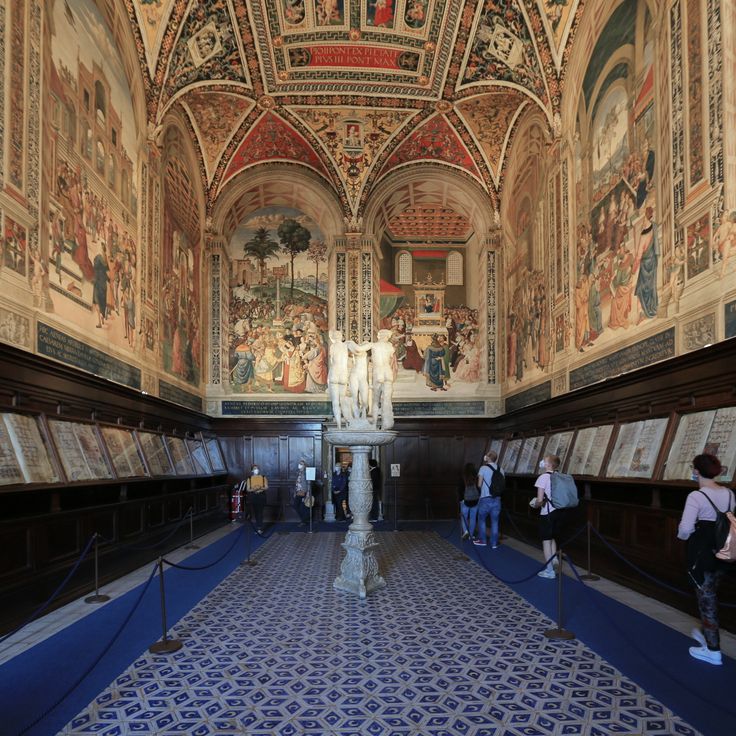
This library sits within the cathedral and displays wall paintings from 1502. The frescoes tell the story of Pope Pius II through bright scenes from his life. The painted ceiling shows ancient symbols. The room preserves historical choir books and manuscripts. Light falls through tall windows onto the colored walls.
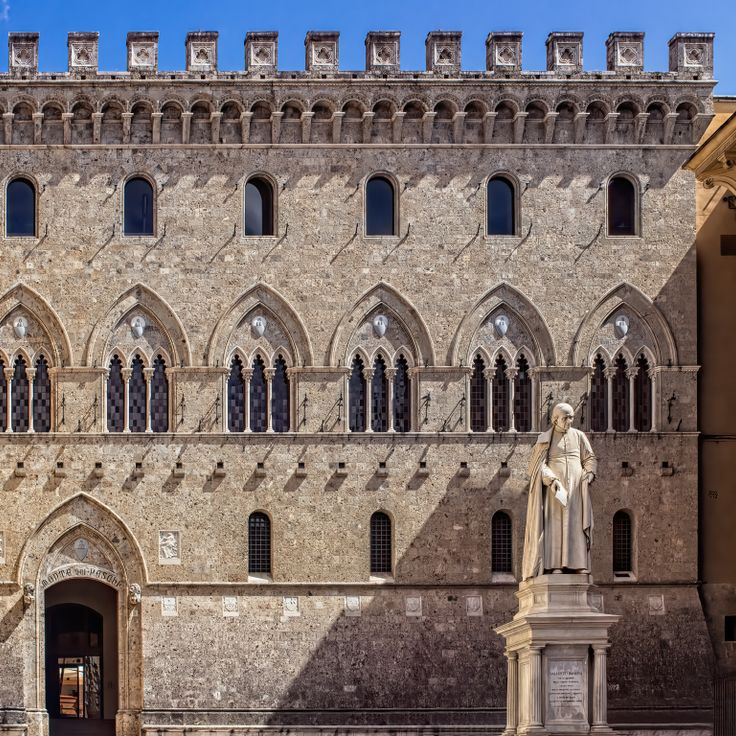
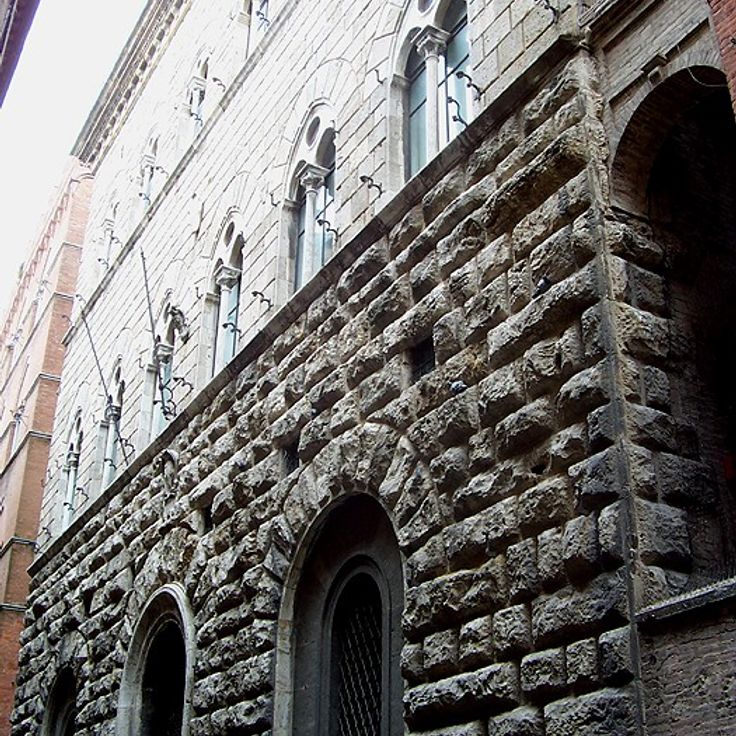
This medieval palace displays a symmetrical facade with Gothic windows that shape the historic center of Siena. The building has served as the headquarters of Monte dei Paschi bank since 1472. The architecture combines functional banking needs with the Gothic language that defines the city. The square in front of Palazzo Salimbeni belongs to the quieter corners of the old town and shows how medieval structures have been maintained in Siena through the centuries.
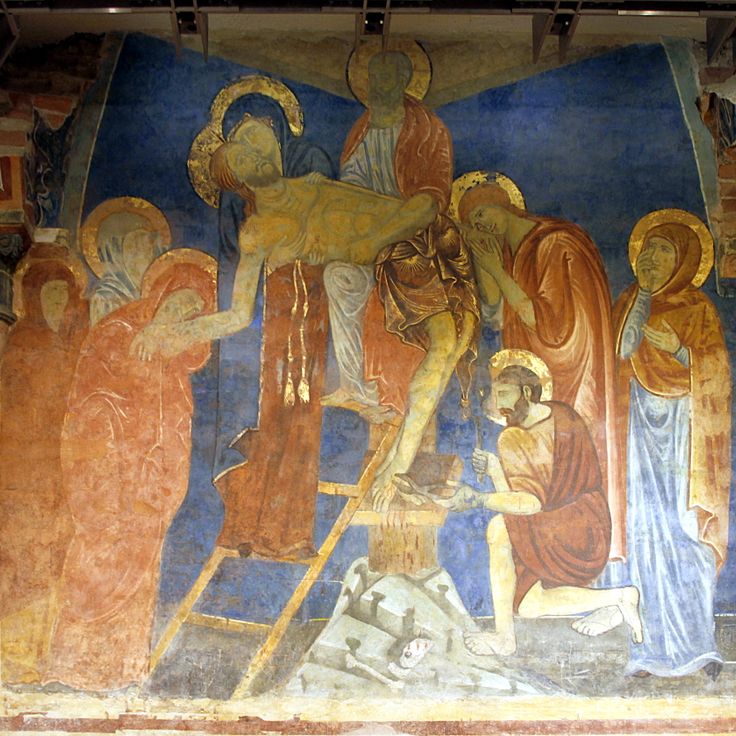
This crypt beneath the Cathedral displays wall paintings from the 13th century. The biblical scenes on the walls use bright colors that remain visible after centuries. The underground chamber once served as a burial space and connects the sacred history of Siena with the artistic tradition of the Gothic period.
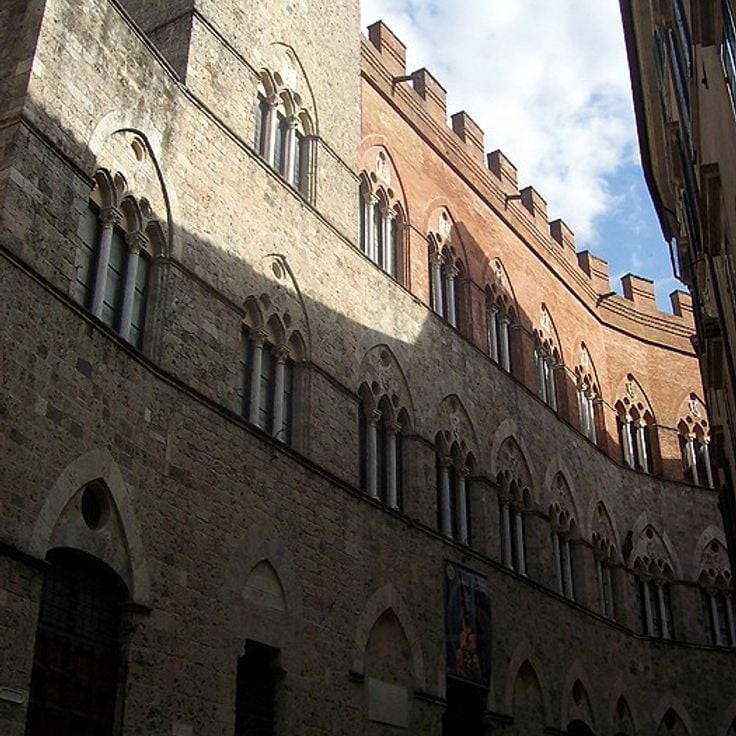
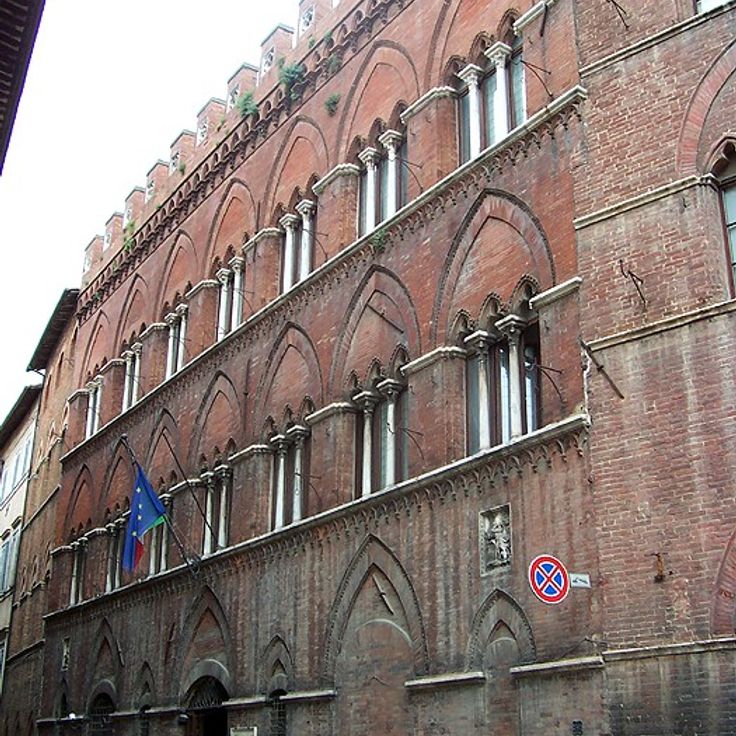
This Gothic palace along Via di Città houses the Chigiana Music Academy, a music school with an international reputation. The historic halls display a collection of old instruments and paintings from different centuries. Stone walls, arched windows and carved wooden ceilings define the interior spaces. The courtyard opens to a small garden. Concerts and master classes take place in the rooms. The palace stands as one of the well-preserved examples of medieval architecture in Siena.
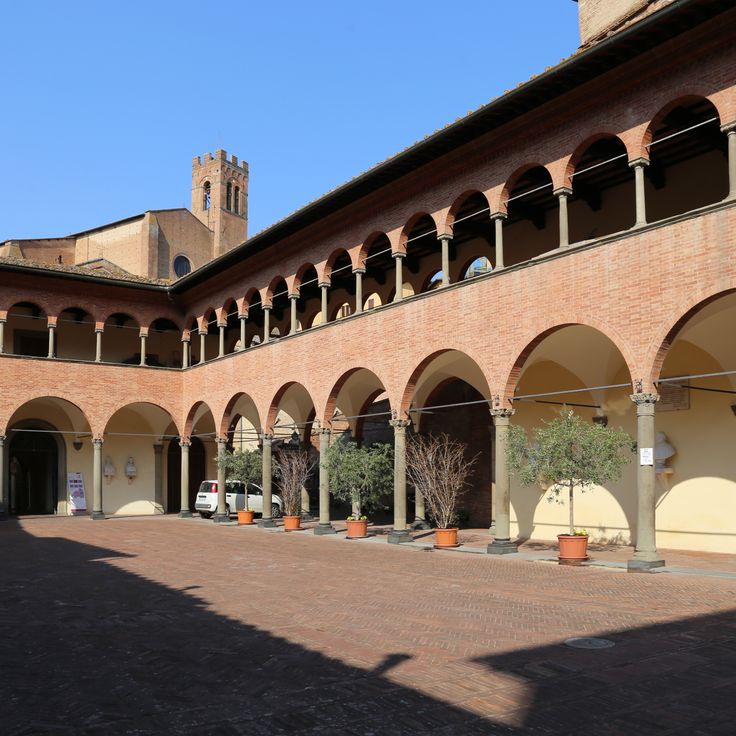
This sanctuary stands at the birthplace of the 14th century saint. The rooms display religious art and personal items from her life. Several chapels were added over the centuries. Frescoes cover the walls and ceilings. Pilgrims visit the places where she lived and prayed. The simple architecture emphasizes the spiritual importance.
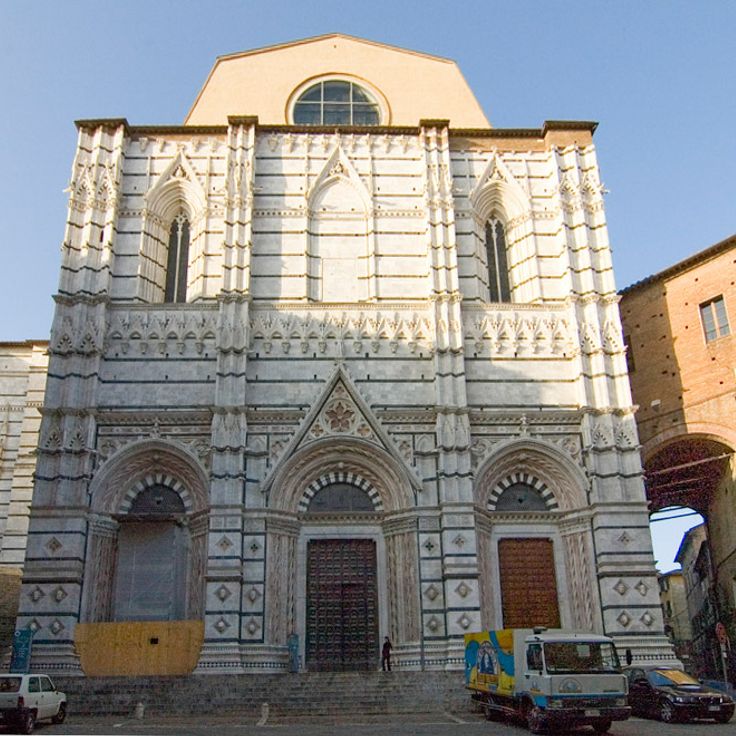
This baptistery from the 14th century sits below the cathedral and holds a marble baptismal font crafted by several Renaissance artists. The chapel walls display frescoes showing religious scenes. The building adds to the group of historical churches in Siena and fits into the architecture of the old town.
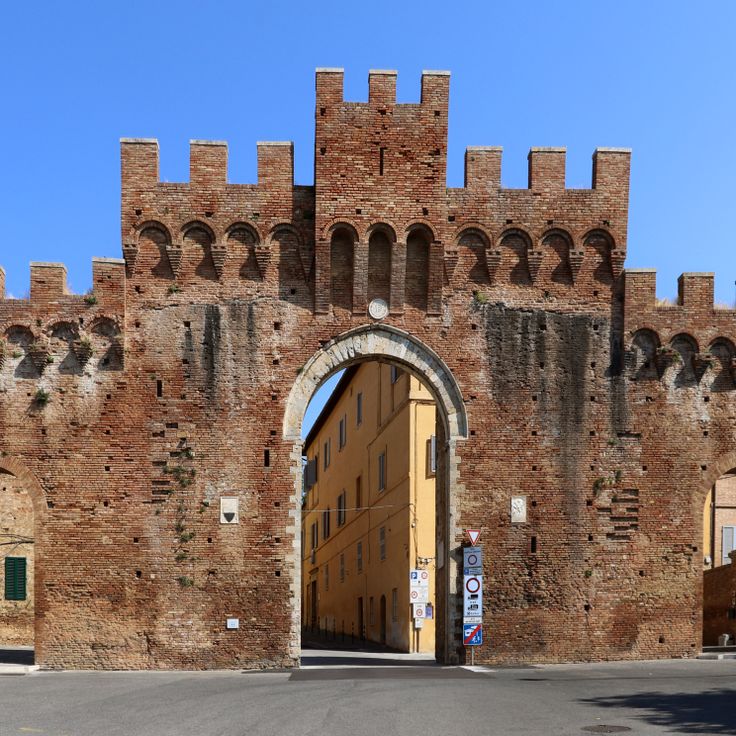
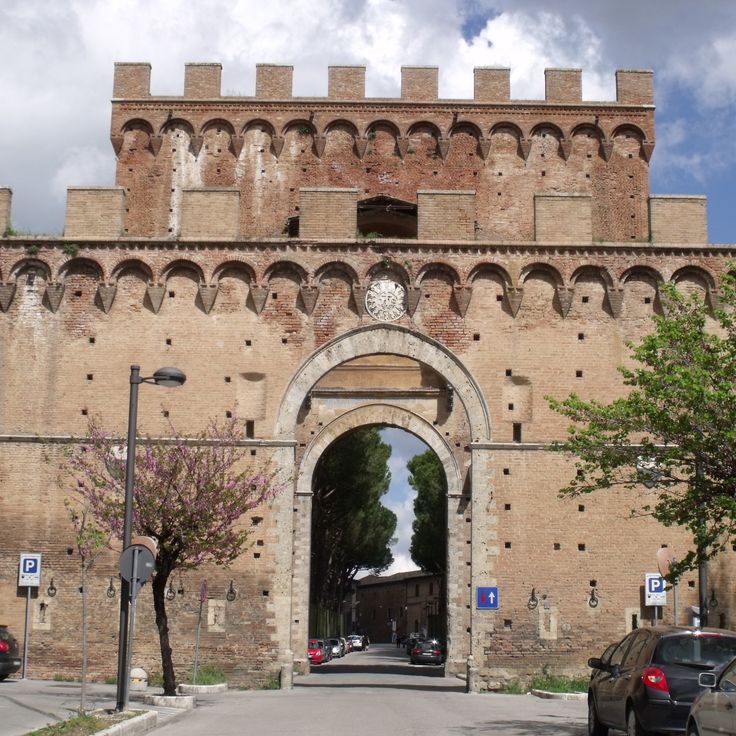
This 14th-century gate opens on the southern side of the old town and forms part of Siena's historical fortifications. Thick stone walls and a rounded arch frame the passage, where guards once stood and travelers arrived. Pedestrians and cars now pass through Porta Romana on their way to the medieval streets inside. The gate shows how the city once protected its boundaries and controlled traffic. From here, the climb begins toward the Campo and Cathedral, while outside the walls residential areas and green spaces spread.
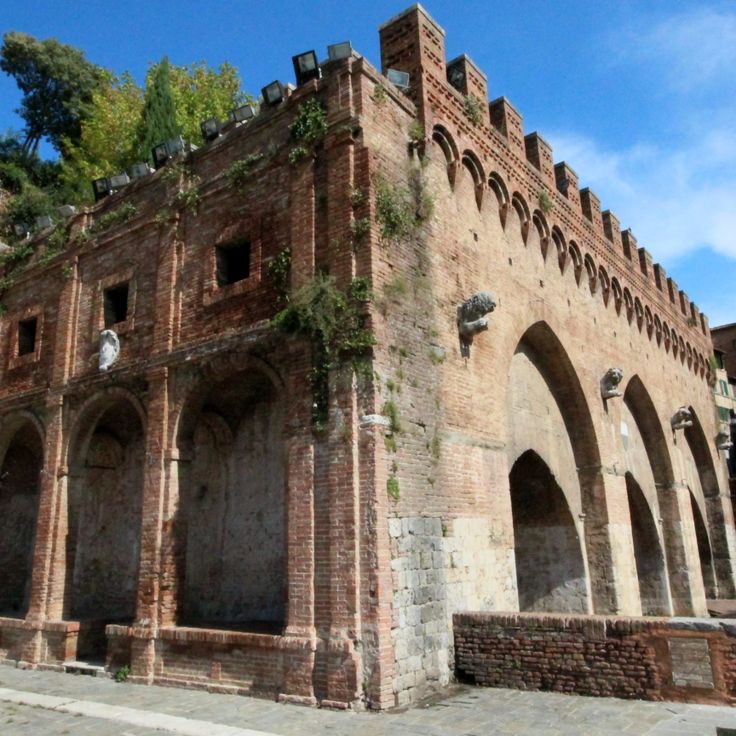
This medieval fountain from the 13th century stands in the neighborhood below the Basilica of San Domenico. Three stone arches form the facade and frame water basins that once supplied the area. The structure demonstrates the hydraulic engineering of the period and remains one of the city's historical water sources. Visitors find a quiet example of Gothic infrastructure here, set among narrow brick and stone lanes.
This former noble residence presents contemporary art through rotating exhibitions and adds a modern cultural voice to the historical buildings of Siena. The rooms connect old architecture with current artistic expressions. Workshops and events take place regularly and invite visitors to engage with different creative forms. The center sits in a central location and is easily reached from the streets of the old town.
This Renaissance palace from the 15th century displays its ornamented facade along Via di Città. The stone walls carry reliefs and Gothic windows that cast light onto the street below. The building now houses the Pinacoteca Nazionale, which exhibits Sienese paintings. Visitors photograph the details of the exterior walls, the arches in the courtyard, and the views from the upper floors over the surrounding rooftops and church towers of the city.
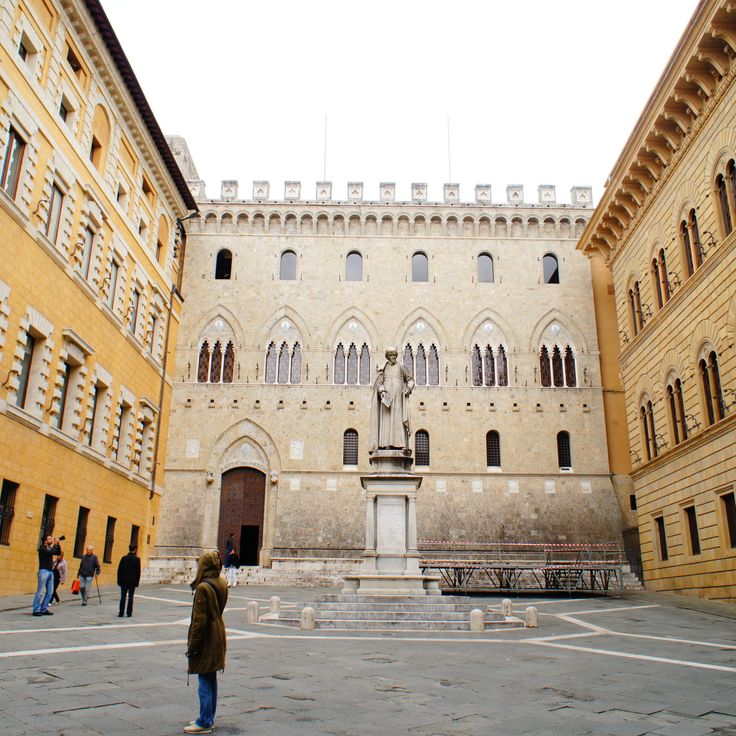
This historic square lies at the heart of Siena and forms part of the city's architectural variety. Piazza Salimbeni is surrounded by three palace buildings from different centuries, each showing a different style. A statue of the priest and economist Sallustio Bandini stands at the center. The building façades feature stone decorations and large windows. The square serves as a quiet retreat between the busier streets of the city center. From here, the Gothic and Renaissance elements of Siena are easy to see, the same styles found at the Cathedral and Piazza del Campo.
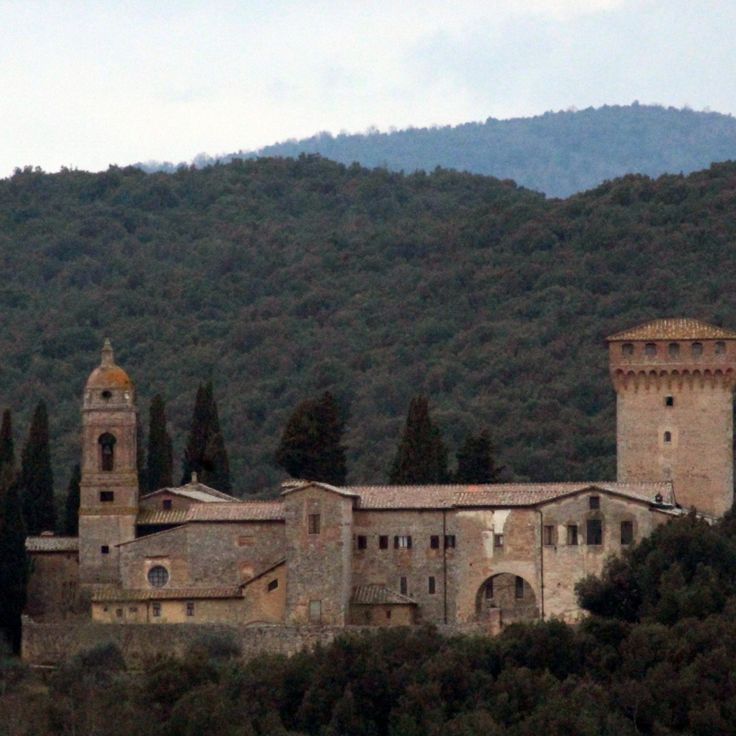
This hermitage stands within dense forest, a few miles outside the city walls. The site occupies a quiet valley, surrounded by holm oaks and chestnut trees. Stone buildings in ochre tones blend into the landscape. Narrow paths lead through the undergrowth to chapels and monastic cells. Light filters through the canopy and casts shadows on the walls. Birds call among the branches. Silence is broken only by wind in the leaves. A place removed from urban life, it offers space for contemplation and works well for quiet nature photography.
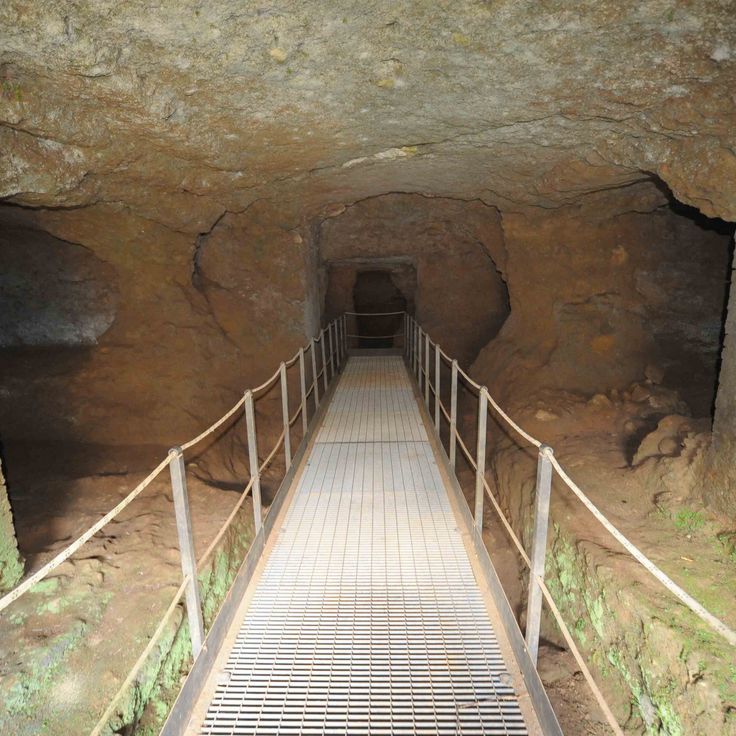
This Etruscan burial ground shows stone chambers with geometric ornaments from the time before Roman rule. The site sits in the hills outside Siena and documents funeral practices through its preserved structures. Visitors look into the original rooms where stonework displays the craftsmanship of the Etruscans. The chambers fit into the natural landscape.
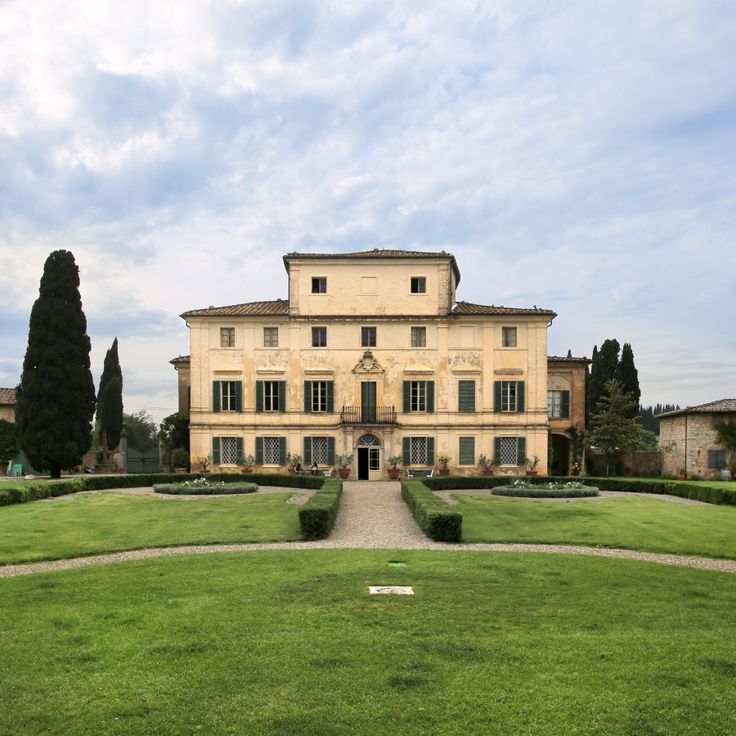
This 18th-century residence sits south of Siena. The garden shows straight lines of cypress trees extending across several levels. The interior rooms contain furniture from the period of construction and wall paintings depicting historical scenes. From the terraces, you see the Tuscan hills surrounding the property. The villa was built as a country estate for a local family.
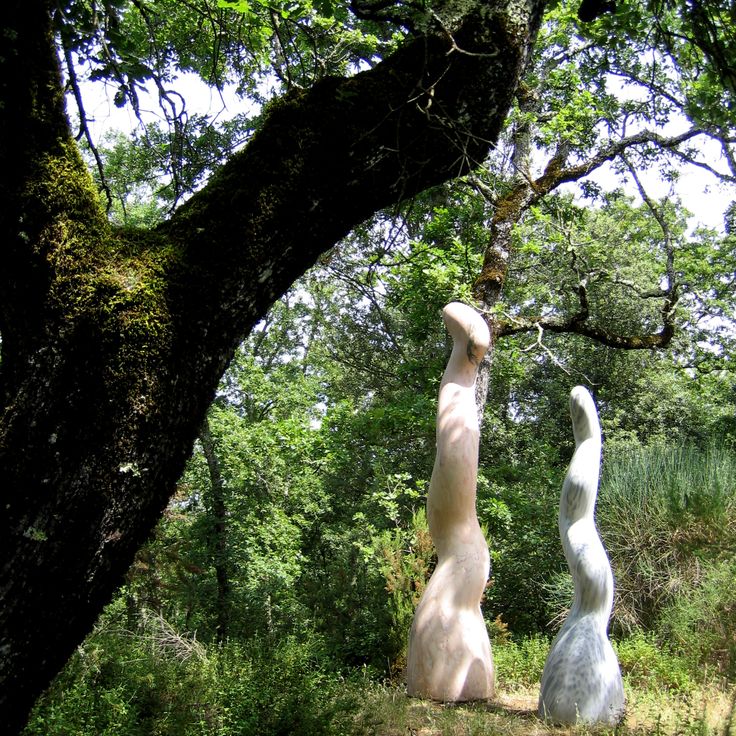
This museum spreads contemporary sculptures across olive groves, vineyards and Mediterranean gardens. Visitors walk among artworks that blend into the Chianti landscape. Some pieces stand under trees, others rise in open clearings. Paths lead through different sections where artists from different countries display their work. The grounds offer views of the Tuscan hills and connect art with the rural setting of the region.
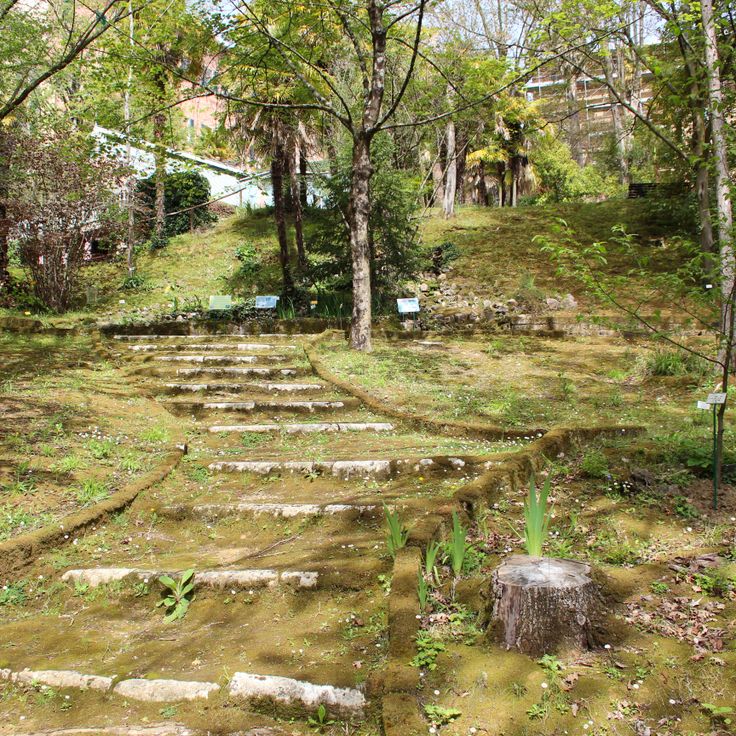
This botanical garden extends across terraced levels along stone walls and presents medicinal plants and species from the Mediterranean region. The grounds serve the University of Siena as a scientific collection. Winding paths lead between plant beds and trees, offering views of the city. Students and visitors meet among the plant groups. The terraces catch different light throughout the day.
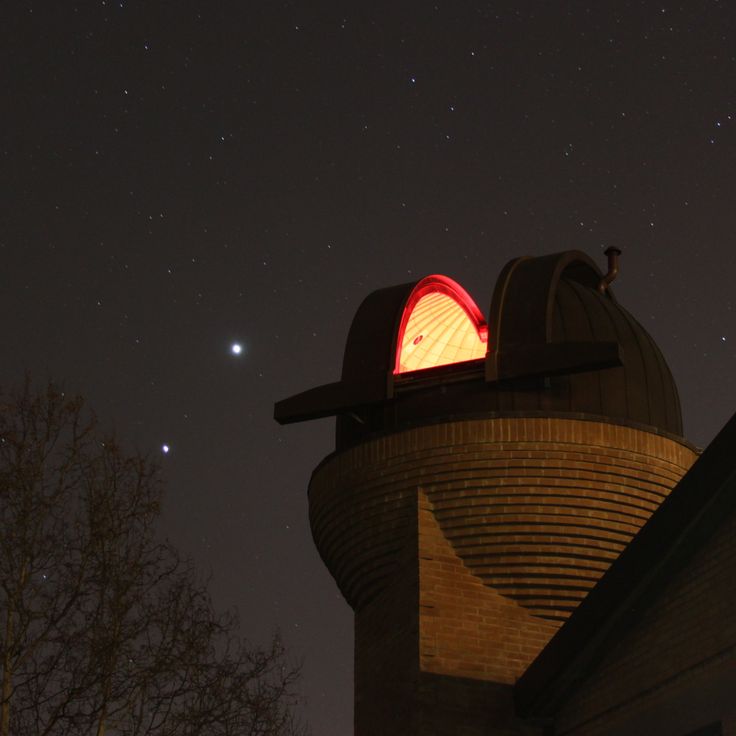
This observatory is known for research and public events where visitors can engage with the night sky. On clear nights, planets, stars and galaxies become visible through telescopes. The facility combines scientific work with opportunities for those interested to take a look at the universe and learn more about astronomical phenomena in the city.
This gate dates to the 13th century and forms part of the old fortification around Siena. Two towers mark one of the historical entrances to the city. The passage leads into the medieval streets of the center. The stone walls show the original construction. The gate sits at the edge of the old town and connects the outer areas with the historical core. People walk through here on their way to the central squares and sights.
This shell-shaped square sits at the center of the city and was completed in the 14th century. The ground slopes downward, creating a natural amphitheater form. Reddish paving divides the surface into nine segments. Cafés and restaurants line the edges. People gather on the stone to sit and watch daily activity. Historic buildings surround the square completely. The town hall stands at the lowest point. The square serves as a meeting place for public events and the everyday life of the city.
This cathedral is a Romanesque and Gothic church that started construction in 1215 and continued until 1348. The facade displays statues of prophets and philosophers. Inside, black and white marble lines the walls and the floor carries biblical scenes and allegorical themes. The dome rises over the crossing and the pulpit dates from the 13th century. A passage beside the main space leads to the Piccolomini Library with Renaissance frescoes. The cathedral serves as a central point for visitors walking through Siena's historic center.
This tower stands at the edge of Piazza del Campo and was built between 1338 and 1348. The spire reaches a height of 335 feet (102 meters) and offers a view of the city, the surrounding hills and the Tuscan countryside. The slender brick structure rises above the medieval streets and fits into the Gothic forms of the historical buildings. The white stone crown contrasts with the red masonry. The tower belongs to the Palazzo Pubblico and contributes to the skyline of Siena.
This palace forms the western edge of the Campo and houses the city's administration. Red brick walls rise in Gothic proportion, tall arched windows punctuate the facade. Inside, 14th-century frescoes depict scenes of justice and good governance. The halls once hosted the magistrates of the Republic. From the balconies, you overlook the shell-shaped square. The tower stands at the left corner. Tourists pass through an arched entrance into a courtyard before climbing the stairs to the chambers.
This Renaissance marble fountain stands at the center of Piazza del Campo and shows sculptures along with water channels decorated in floral patterns. The work dates from the 15th century and was later replaced with copies, while the originals are now kept in a museum. The basin and the relief figures offer an example of sculptural work from that period, as water flows over the carved surfaces.
This Gothic church dominates the skyline of Siena with its single bell tower and red brick walls. The facade displays a rose window, while the interior holds chapels and frescoes. The basilica preserves relics of Saint Catherine of Siena. From the terrace in front of the building, the view opens across rooftops and hills. This religious structure connects spiritual tradition with the urban fabric of the old town.
The Facciatone is a stone viewing platform at 77 meters (253 feet) height that opens onto the rooftops of the old town and the Tuscan countryside. This platform belongs to an unfinished 14th-century expansion project of the cathedral and now offers a sweeping view of Siena's narrow lanes, towers and squares. From here you can see the Palazzo Pubblico, the Torre del Mangia and the surrounding hills dotted with vineyards and olive groves. The climb takes you through tight spiral staircases inside the cathedral walls and ends on an open terrace where the wind often blows hard.
This fortress appears as a broad, low structure of red brick and gray stone. The walls form an irregular hexagon with rounded corners that once served for defense. The central courtyard is open and wide, with trees and lawns. From the ramparts you can see over the rooftops of Siena and the surrounding hills. The fortress was built in the 16th century under Cosimo I to secure control over the city. Today residents and visitors use the inner courtyard for walks, events and markets. It feels quiet, the paths are wide and lead through shaded areas.
This street connects Piazza del Campo to the cathedral and runs through the historic center of the city. The medieval buildings along the route house shops selling traditional crafts, restaurants and boutiques on their ground floors. Walking here means moving through a busy part of the old town, where tourists and locals stroll through narrow lanes and observe architecture from past centuries.
The Loggia della Mercanzia stands at the crossing of several old streets in central Siena. This building from 1428 shows Gothic elements with marble columns and open arches. Under the arcades, merchants and judges of the former commercial court used to meet. Statues of Roman jurists still stand against the pillars today. The decorations on the arches reflect the importance of the site in medieval Siena. Visitors photograph this structure for the combination of light, shadow and architectural details.
This art gallery in Palazzo Buonsignori displays paintings from the Sienese school, spanning from the Medieval period to the Renaissance. Many works feature gold backgrounds that catch the light in the rooms. The collection traces the development of local painting, known for delicate lines and warm colors. Visitors can follow the connection between religious art and the history of the city. The palace dates from the 15th century and provides a quiet setting for the collection.
This library sits within the cathedral and displays wall paintings from 1502. The frescoes tell the story of Pope Pius II through bright scenes from his life. The painted ceiling shows ancient symbols. The room preserves historical choir books and manuscripts. Light falls through tall windows onto the colored walls.
This medieval palace displays a symmetrical facade with Gothic windows that shape the historic center of Siena. The building has served as the headquarters of Monte dei Paschi bank since 1472. The architecture combines functional banking needs with the Gothic language that defines the city. The square in front of Palazzo Salimbeni belongs to the quieter corners of the old town and shows how medieval structures have been maintained in Siena through the centuries.
This crypt beneath the Cathedral displays wall paintings from the 13th century. The biblical scenes on the walls use bright colors that remain visible after centuries. The underground chamber once served as a burial space and connects the sacred history of Siena with the artistic tradition of the Gothic period.
This Gothic palace along Via di Città houses the Chigiana Music Academy, a music school with an international reputation. The historic halls display a collection of old instruments and paintings from different centuries. Stone walls, arched windows and carved wooden ceilings define the interior spaces. The courtyard opens to a small garden. Concerts and master classes take place in the rooms. The palace stands as one of the well-preserved examples of medieval architecture in Siena.
This sanctuary stands at the birthplace of the 14th century saint. The rooms display religious art and personal items from her life. Several chapels were added over the centuries. Frescoes cover the walls and ceilings. Pilgrims visit the places where she lived and prayed. The simple architecture emphasizes the spiritual importance.
This baptistery from the 14th century sits below the cathedral and holds a marble baptismal font crafted by several Renaissance artists. The chapel walls display frescoes showing religious scenes. The building adds to the group of historical churches in Siena and fits into the architecture of the old town.
This 14th-century gate opens on the southern side of the old town and forms part of Siena's historical fortifications. Thick stone walls and a rounded arch frame the passage, where guards once stood and travelers arrived. Pedestrians and cars now pass through Porta Romana on their way to the medieval streets inside. The gate shows how the city once protected its boundaries and controlled traffic. From here, the climb begins toward the Campo and Cathedral, while outside the walls residential areas and green spaces spread.
This medieval fountain from the 13th century stands in the neighborhood below the Basilica of San Domenico. Three stone arches form the facade and frame water basins that once supplied the area. The structure demonstrates the hydraulic engineering of the period and remains one of the city's historical water sources. Visitors find a quiet example of Gothic infrastructure here, set among narrow brick and stone lanes.
This former noble residence presents contemporary art through rotating exhibitions and adds a modern cultural voice to the historical buildings of Siena. The rooms connect old architecture with current artistic expressions. Workshops and events take place regularly and invite visitors to engage with different creative forms. The center sits in a central location and is easily reached from the streets of the old town.
This Renaissance palace from the 15th century displays its ornamented facade along Via di Città. The stone walls carry reliefs and Gothic windows that cast light onto the street below. The building now houses the Pinacoteca Nazionale, which exhibits Sienese paintings. Visitors photograph the details of the exterior walls, the arches in the courtyard, and the views from the upper floors over the surrounding rooftops and church towers of the city.
This historic square lies at the heart of Siena and forms part of the city's architectural variety. Piazza Salimbeni is surrounded by three palace buildings from different centuries, each showing a different style. A statue of the priest and economist Sallustio Bandini stands at the center. The building façades feature stone decorations and large windows. The square serves as a quiet retreat between the busier streets of the city center. From here, the Gothic and Renaissance elements of Siena are easy to see, the same styles found at the Cathedral and Piazza del Campo.
This hermitage stands within dense forest, a few miles outside the city walls. The site occupies a quiet valley, surrounded by holm oaks and chestnut trees. Stone buildings in ochre tones blend into the landscape. Narrow paths lead through the undergrowth to chapels and monastic cells. Light filters through the canopy and casts shadows on the walls. Birds call among the branches. Silence is broken only by wind in the leaves. A place removed from urban life, it offers space for contemplation and works well for quiet nature photography.
This Etruscan burial ground shows stone chambers with geometric ornaments from the time before Roman rule. The site sits in the hills outside Siena and documents funeral practices through its preserved structures. Visitors look into the original rooms where stonework displays the craftsmanship of the Etruscans. The chambers fit into the natural landscape.
This 18th-century residence sits south of Siena. The garden shows straight lines of cypress trees extending across several levels. The interior rooms contain furniture from the period of construction and wall paintings depicting historical scenes. From the terraces, you see the Tuscan hills surrounding the property. The villa was built as a country estate for a local family.
This museum spreads contemporary sculptures across olive groves, vineyards and Mediterranean gardens. Visitors walk among artworks that blend into the Chianti landscape. Some pieces stand under trees, others rise in open clearings. Paths lead through different sections where artists from different countries display their work. The grounds offer views of the Tuscan hills and connect art with the rural setting of the region.
This botanical garden extends across terraced levels along stone walls and presents medicinal plants and species from the Mediterranean region. The grounds serve the University of Siena as a scientific collection. Winding paths lead between plant beds and trees, offering views of the city. Students and visitors meet among the plant groups. The terraces catch different light throughout the day.
This observatory is known for research and public events where visitors can engage with the night sky. On clear nights, planets, stars and galaxies become visible through telescopes. The facility combines scientific work with opportunities for those interested to take a look at the universe and learn more about astronomical phenomena in the city.
This gate dates to the 13th century and forms part of the old fortification around Siena. Two towers mark one of the historical entrances to the city. The passage leads into the medieval streets of the center. The stone walls show the original construction. The gate sits at the edge of the old town and connects the outer areas with the historical core. People walk through here on their way to the central squares and sights.
This shell-shaped square sits at the center of the city and was completed in the 14th century. The ground slopes downward, creating a natural amphitheater form. Reddish paving divides the surface into nine segments. Cafés and restaurants line the edges. People gather on the stone to sit and watch daily activity. Historic buildings surround the square completely. The town hall stands at the lowest point. The square serves as a meeting place for public events and the everyday life of the city.
This cathedral is a Romanesque and Gothic church that started construction in 1215 and continued until 1348. The facade displays statues of prophets and philosophers. Inside, black and white marble lines the walls and the floor carries biblical scenes and allegorical themes. The dome rises over the crossing and the pulpit dates from the 13th century. A passage beside the main space leads to the Piccolomini Library with Renaissance frescoes. The cathedral serves as a central point for visitors walking through Siena's historic center.
This tower stands at the edge of Piazza del Campo and was built between 1338 and 1348. The spire reaches a height of 335 feet (102 meters) and offers a view of the city, the surrounding hills and the Tuscan countryside. The slender brick structure rises above the medieval streets and fits into the Gothic forms of the historical buildings. The white stone crown contrasts with the red masonry. The tower belongs to the Palazzo Pubblico and contributes to the skyline of Siena.
This palace forms the western edge of the Campo and houses the city's administration. Red brick walls rise in Gothic proportion, tall arched windows punctuate the facade. Inside, 14th-century frescoes depict scenes of justice and good governance. The halls once hosted the magistrates of the Republic. From the balconies, you overlook the shell-shaped square. The tower stands at the left corner. Tourists pass through an arched entrance into a courtyard before climbing the stairs to the chambers.
This Renaissance marble fountain stands at the center of Piazza del Campo and shows sculptures along with water channels decorated in floral patterns. The work dates from the 15th century and was later replaced with copies, while the originals are now kept in a museum. The basin and the relief figures offer an example of sculptural work from that period, as water flows over the carved surfaces.
This Gothic church dominates the skyline of Siena with its single bell tower and red brick walls. The facade displays a rose window, while the interior holds chapels and frescoes. The basilica preserves relics of Saint Catherine of Siena. From the terrace in front of the building, the view opens across rooftops and hills. This religious structure connects spiritual tradition with the urban fabric of the old town.
The Facciatone is a stone viewing platform at 77 meters (253 feet) height that opens onto the rooftops of the old town and the Tuscan countryside. This platform belongs to an unfinished 14th-century expansion project of the cathedral and now offers a sweeping view of Siena's narrow lanes, towers and squares. From here you can see the Palazzo Pubblico, the Torre del Mangia and the surrounding hills dotted with vineyards and olive groves. The climb takes you through tight spiral staircases inside the cathedral walls and ends on an open terrace where the wind often blows hard.
This fortress appears as a broad, low structure of red brick and gray stone. The walls form an irregular hexagon with rounded corners that once served for defense. The central courtyard is open and wide, with trees and lawns. From the ramparts you can see over the rooftops of Siena and the surrounding hills. The fortress was built in the 16th century under Cosimo I to secure control over the city. Today residents and visitors use the inner courtyard for walks, events and markets. It feels quiet, the paths are wide and lead through shaded areas.
This street connects Piazza del Campo to the cathedral and runs through the historic center of the city. The medieval buildings along the route house shops selling traditional crafts, restaurants and boutiques on their ground floors. Walking here means moving through a busy part of the old town, where tourists and locals stroll through narrow lanes and observe architecture from past centuries.
The Loggia della Mercanzia stands at the crossing of several old streets in central Siena. This building from 1428 shows Gothic elements with marble columns and open arches. Under the arcades, merchants and judges of the former commercial court used to meet. Statues of Roman jurists still stand against the pillars today. The decorations on the arches reflect the importance of the site in medieval Siena. Visitors photograph this structure for the combination of light, shadow and architectural details.
This art gallery in Palazzo Buonsignori displays paintings from the Sienese school, spanning from the Medieval period to the Renaissance. Many works feature gold backgrounds that catch the light in the rooms. The collection traces the development of local painting, known for delicate lines and warm colors. Visitors can follow the connection between religious art and the history of the city. The palace dates from the 15th century and provides a quiet setting for the collection.
This library sits within the cathedral and displays wall paintings from 1502. The frescoes tell the story of Pope Pius II through bright scenes from his life. The painted ceiling shows ancient symbols. The room preserves historical choir books and manuscripts. Light falls through tall windows onto the colored walls.
This medieval palace displays a symmetrical facade with Gothic windows that shape the historic center of Siena. The building has served as the headquarters of Monte dei Paschi bank since 1472. The architecture combines functional banking needs with the Gothic language that defines the city. The square in front of Palazzo Salimbeni belongs to the quieter corners of the old town and shows how medieval structures have been maintained in Siena through the centuries.
This crypt beneath the Cathedral displays wall paintings from the 13th century. The biblical scenes on the walls use bright colors that remain visible after centuries. The underground chamber once served as a burial space and connects the sacred history of Siena with the artistic tradition of the Gothic period.
This Gothic palace along Via di Città houses the Chigiana Music Academy, a music school with an international reputation. The historic halls display a collection of old instruments and paintings from different centuries. Stone walls, arched windows and carved wooden ceilings define the interior spaces. The courtyard opens to a small garden. Concerts and master classes take place in the rooms. The palace stands as one of the well-preserved examples of medieval architecture in Siena.
This sanctuary stands at the birthplace of the 14th century saint. The rooms display religious art and personal items from her life. Several chapels were added over the centuries. Frescoes cover the walls and ceilings. Pilgrims visit the places where she lived and prayed. The simple architecture emphasizes the spiritual importance.
This baptistery from the 14th century sits below the cathedral and holds a marble baptismal font crafted by several Renaissance artists. The chapel walls display frescoes showing religious scenes. The building adds to the group of historical churches in Siena and fits into the architecture of the old town.
This 14th-century gate opens on the southern side of the old town and forms part of Siena's historical fortifications. Thick stone walls and a rounded arch frame the passage, where guards once stood and travelers arrived. Pedestrians and cars now pass through Porta Romana on their way to the medieval streets inside. The gate shows how the city once protected its boundaries and controlled traffic. From here, the climb begins toward the Campo and Cathedral, while outside the walls residential areas and green spaces spread.
This medieval fountain from the 13th century stands in the neighborhood below the Basilica of San Domenico. Three stone arches form the facade and frame water basins that once supplied the area. The structure demonstrates the hydraulic engineering of the period and remains one of the city's historical water sources. Visitors find a quiet example of Gothic infrastructure here, set among narrow brick and stone lanes.
This former noble residence presents contemporary art through rotating exhibitions and adds a modern cultural voice to the historical buildings of Siena. The rooms connect old architecture with current artistic expressions. Workshops and events take place regularly and invite visitors to engage with different creative forms. The center sits in a central location and is easily reached from the streets of the old town.
This Renaissance palace from the 15th century displays its ornamented facade along Via di Città. The stone walls carry reliefs and Gothic windows that cast light onto the street below. The building now houses the Pinacoteca Nazionale, which exhibits Sienese paintings. Visitors photograph the details of the exterior walls, the arches in the courtyard, and the views from the upper floors over the surrounding rooftops and church towers of the city.
This historic square lies at the heart of Siena and forms part of the city's architectural variety. Piazza Salimbeni is surrounded by three palace buildings from different centuries, each showing a different style. A statue of the priest and economist Sallustio Bandini stands at the center. The building façades feature stone decorations and large windows. The square serves as a quiet retreat between the busier streets of the city center. From here, the Gothic and Renaissance elements of Siena are easy to see, the same styles found at the Cathedral and Piazza del Campo.
This hermitage stands within dense forest, a few miles outside the city walls. The site occupies a quiet valley, surrounded by holm oaks and chestnut trees. Stone buildings in ochre tones blend into the landscape. Narrow paths lead through the undergrowth to chapels and monastic cells. Light filters through the canopy and casts shadows on the walls. Birds call among the branches. Silence is broken only by wind in the leaves. A place removed from urban life, it offers space for contemplation and works well for quiet nature photography.
This Etruscan burial ground shows stone chambers with geometric ornaments from the time before Roman rule. The site sits in the hills outside Siena and documents funeral practices through its preserved structures. Visitors look into the original rooms where stonework displays the craftsmanship of the Etruscans. The chambers fit into the natural landscape.
This 18th-century residence sits south of Siena. The garden shows straight lines of cypress trees extending across several levels. The interior rooms contain furniture from the period of construction and wall paintings depicting historical scenes. From the terraces, you see the Tuscan hills surrounding the property. The villa was built as a country estate for a local family.
This museum spreads contemporary sculptures across olive groves, vineyards and Mediterranean gardens. Visitors walk among artworks that blend into the Chianti landscape. Some pieces stand under trees, others rise in open clearings. Paths lead through different sections where artists from different countries display their work. The grounds offer views of the Tuscan hills and connect art with the rural setting of the region.
This botanical garden extends across terraced levels along stone walls and presents medicinal plants and species from the Mediterranean region. The grounds serve the University of Siena as a scientific collection. Winding paths lead between plant beds and trees, offering views of the city. Students and visitors meet among the plant groups. The terraces catch different light throughout the day.
This observatory is known for research and public events where visitors can engage with the night sky. On clear nights, planets, stars and galaxies become visible through telescopes. The facility combines scientific work with opportunities for those interested to take a look at the universe and learn more about astronomical phenomena in the city.
This gate dates to the 13th century and forms part of the old fortification around Siena. Two towers mark one of the historical entrances to the city. The passage leads into the medieval streets of the center. The stone walls show the original construction. The gate sits at the edge of the old town and connects the outer areas with the historical core. People walk through here on their way to the central squares and sights.