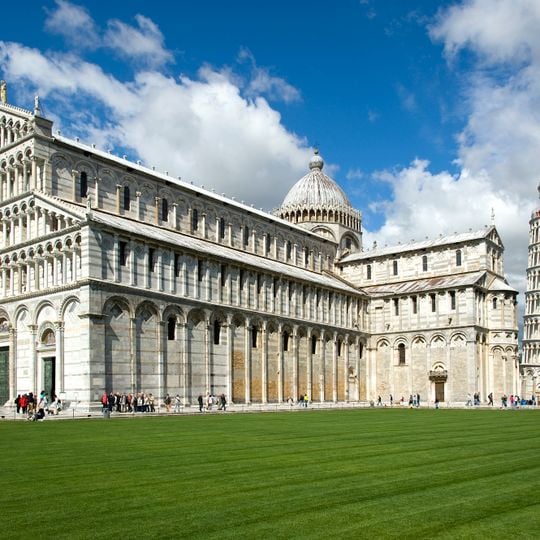
Piazza del Duomo, Pisa, Square in Pisa, Italy
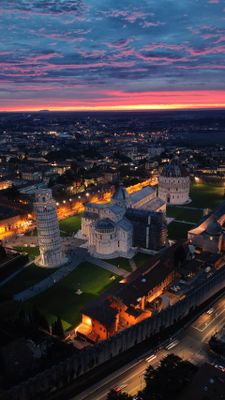
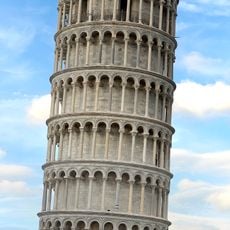
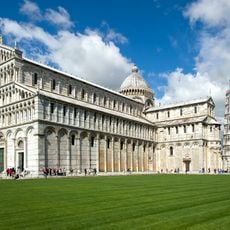
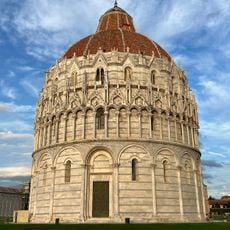
Piazza del Duomo is a wide open square in Pisa covering around 9 hectares that brings together four large white marble religious buildings surrounded by lawns and paved walkways. The site forms a connected ensemble of cathedral, baptistery, cemetery, and bell tower, with each building constructed in different decades and showing its own architectural development.
The cathedral was founded in 1063, funded by Pisa's campaign in Sicily under Giovanni Orlandi, and designed by Buscheto. The Baptistery followed in 1153, the campanile in 1173, the Campo Santo in 1277. Alessandro Gherardesca reshaped the square in the 19th century, demolishing later buildings.
The square's popular name comes from Gabriele D'Annunzio, who in his 1910 novel Forse che sì forse che no called it the "prato dei Miracoli" (meadow of miracles); it is also sometimes called the Campo dei Miracoli. The name spread after the war and later with mass tourism. The walled 8.87-hectare site has been a UNESCO World Heritage Site since 1987.
The square is freely accessible throughout the day, while individual buildings require entry tickets. Visitors should wear comfortable shoes and plan enough time to walk between the four structures and view them from different perspectives.
The cathedral facade contains reused spolia from Roman temples and tombs that Pisa brought back from its Mediterranean conquests. These pieces from different eras were deliberately left visible in the masonry to display the city's wealth and military power.
The community of curious travelers
AroundUs brings together thousands of curated places, local tips, and hidden gems, enriched daily by 92,435 contributors worldwide.