Porta di San Ranieri, Bronze sculpture in Museo dell'Opera del Duomo, Pisa, Italy
The Porta di San Ranieri is the bronze door of the right transept of Pisa Cathedral, made by Bonanno Pisano at the end of the 12th century. It consists of twenty-four bronze plates fixed with iron nails, hidden by bronze rosettes, to a wooden supporting structure. The panels retell New Testament scenes from the Annunciation to the Coronation of the Virgin, read from bottom to top and left to right, with six prophets at the top.
Created by artist Bonanno Pisano between 1180 and 1181, the door represents an early example of bronze door art in Italy. It survived a cathedral fire in 1595 and was eventually moved to the museum for protection and preservation.
The door's Latin inscription names Bonanno Pisano and dates the work to 1180, during the term of the operaio Benedetto. The twenty-four panels retell the New Testament in a fixed order: reading starts at the bottom and moves upward, horizontally from left to right, from the six prophets and the Annunciation to the Death of the Virgin, Christ in Glory and Mary in Glory.
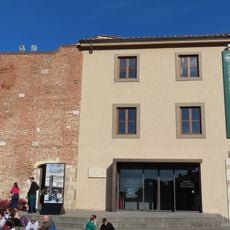
The original door is protected inside the Museo dell'Opera del Duomo, while visitors can see a replica mounted in the cathedral's right transept. Both versions are accessible, allowing you to compare the original with its copy.
The Latin inscription on the door names Bonanno Pisano and dates the work to 1180, recording that he finished it in one year during the term of the operaio Benedictus. Nineteenth-century scholars already cited this text, which is why the door's authorship is documented rather than inferred.
The community of curious travelers
AroundUs brings together thousands of curated places, local tips, and hidden gems, enriched daily by 92,784 contributors worldwide.