Historic Quarter of the Seaport City of Valparaíso, UNESCO World Heritage site
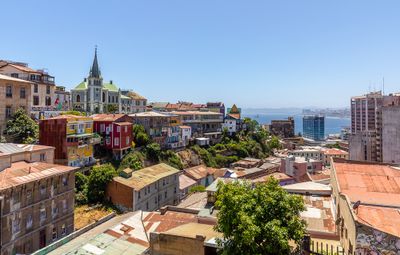
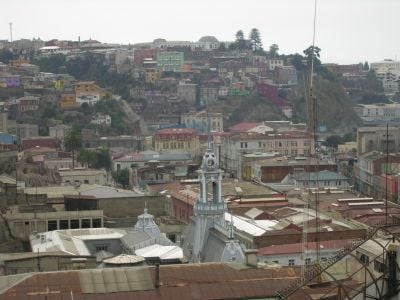
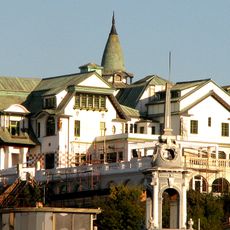
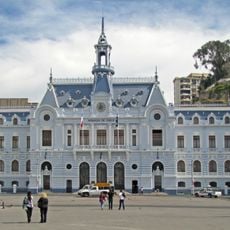
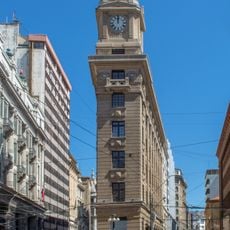
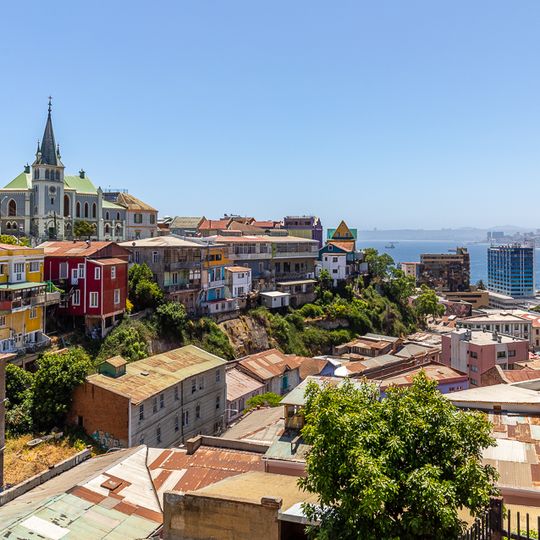
The Historic Quarter of Valparaíso is a neighborhood and old town on Chile's Pacific coast, with multi-story houses in red, yellow, blue, green and white packed onto steep slopes. A grey stone church with a tall pointed spire and green roof stands on the upper left; lower down, a light blue and white clock tower with a domed top rises above corrugated metal roofs in grey, red and rust tones. Narrow cobblestone streets and small plazas connect the slopes.
The quarter developed into a major port from the 16th century onward and was shaped by trade and European immigration. During the 19th century it reached its peak as one of South America's busiest ports before shifts in shipping changed its role.
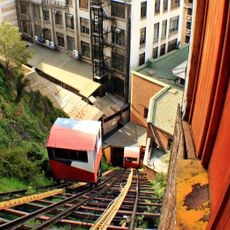
Valparaíso's hillside houses are clad in corrugated metal sheets, often salvaged from ships or painted with leftover marine paint, which is why the Cerro Alegre and Cerro Concepción slopes show red, yellow, blue and green facades. British and German immigrant families founded schools, fire brigades and social clubs here in the 19th century, and the Ascensor Reina Victoria and other lifts still carry residents and visitors between the port and the hilltops.
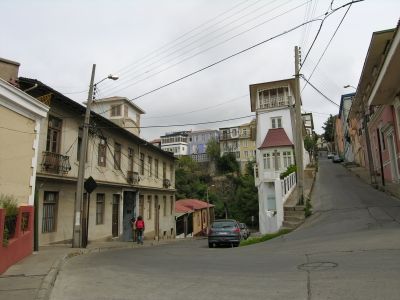
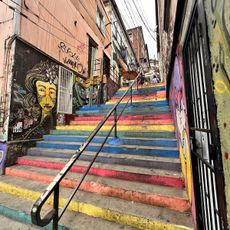
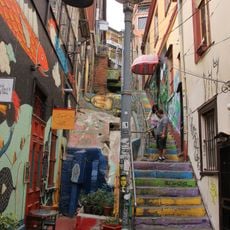
The quarter requires comfortable shoes since streets are steep and full of stairs, and a flashlight helps when exploring in the evening. It is best explored during daytime when visibility is clear and more people are in the streets.
The many funicular lifts in the quarter were built in the early 20th century to ease residents' daily climb up the hills and remain important transport today. These lifts gave the place its technical character and shaped how people lived on the steep terrain.
The community of curious travelers
AroundUs brings together thousands of curated places, local tips, and hidden gems, enriched daily by 92,658 contributors worldwide.