Chile, Republic in South America
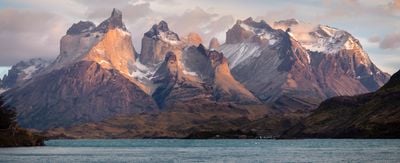
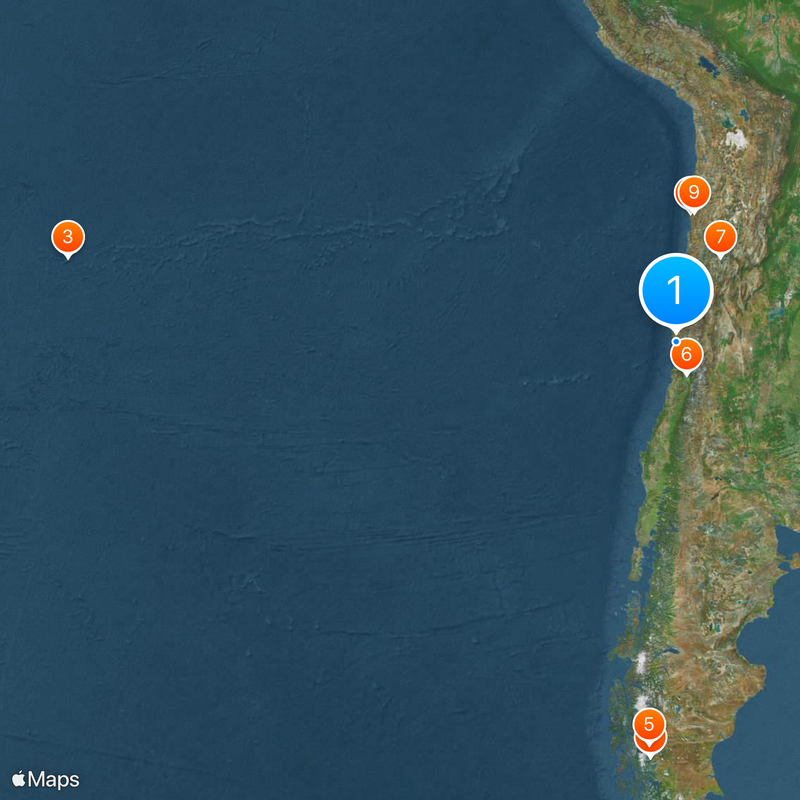
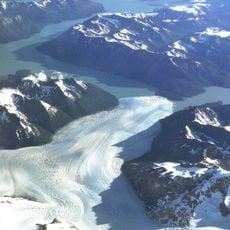
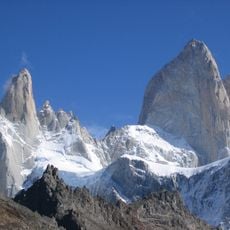
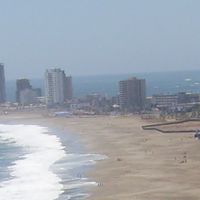
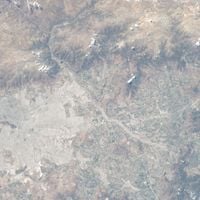
This South American nation stretches over 4,300 kilometers along the western coast, wedged between the Pacific Ocean and the Andes mountain chain. The narrow shape gives the territory a wide variety of landscapes, from dry deserts in the north to glaciers and fjords in the south.
Spanish conquerors reached the territory in 1536 under Diego de Almagro and founded settlements that led to conflicts with the indigenous population. Independence was achieved in 1818 under the leadership of Bernardo O'Higgins after a series of battles against colonial rule.
The name comes from a Mapuche word referring to the place where land ends, pointing to the long coastline between mountains and sea. Visitors today can experience regional festivals like the Fiesta de la Vendimia in wine areas, where grapes are celebrated and local wines are tasted.
Travelers will find a developed transport network with long-distance buses connecting major cities and domestic flights for longer distances. Roads are generally well maintained, and English is commonly spoken in tourist centers.
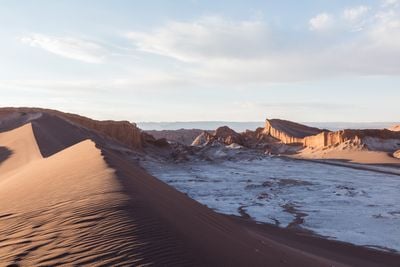
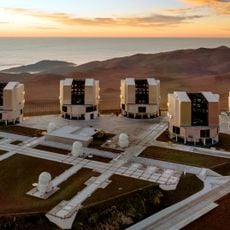
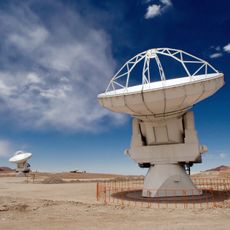
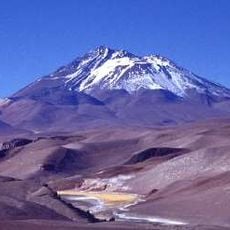
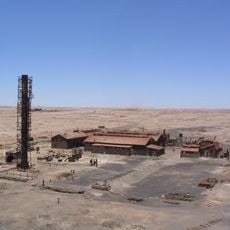
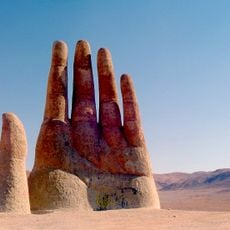
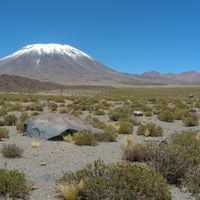
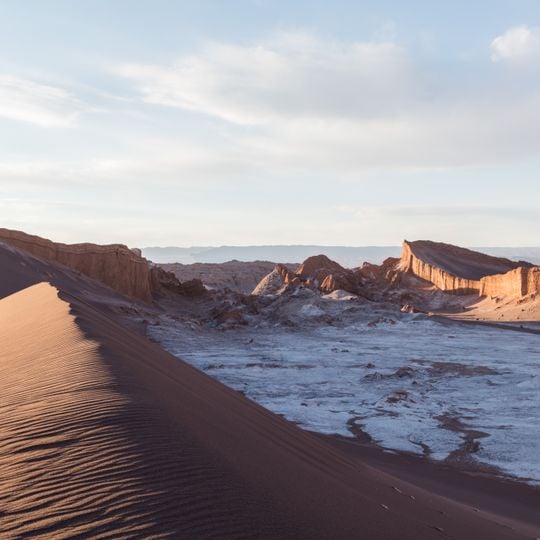
The Atacama Desert in the north contains areas where no precipitation has ever been measured, making it the driest region outside the polar zones. Some parts of this desert show no traces of life, not even microorganisms in the soil.
The community of curious travelers
AroundUs brings together thousands of curated places, local tips, and hidden gems, enriched daily by 91,262 contributors worldwide.