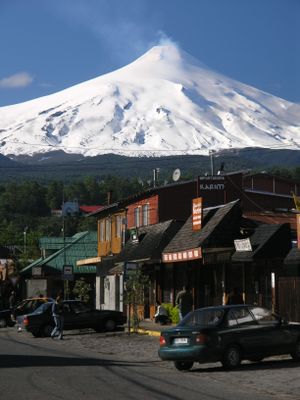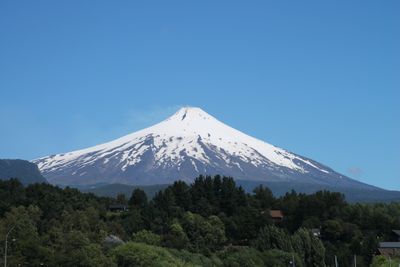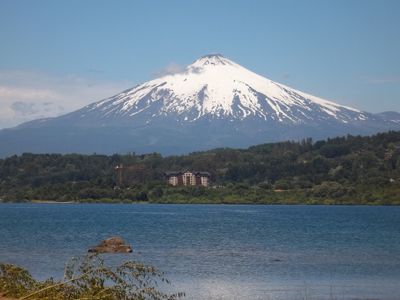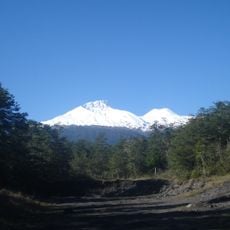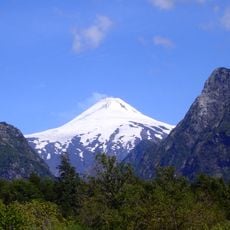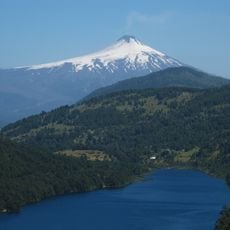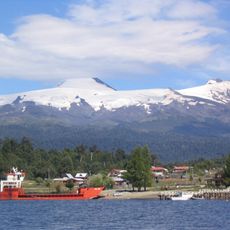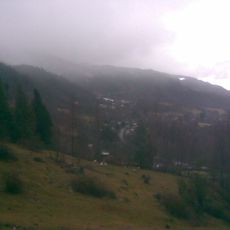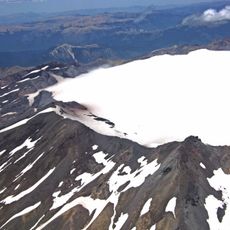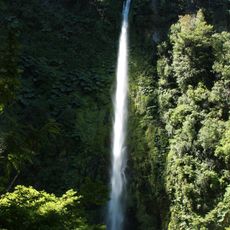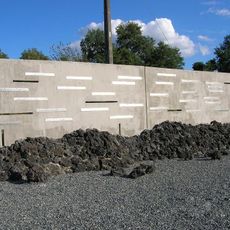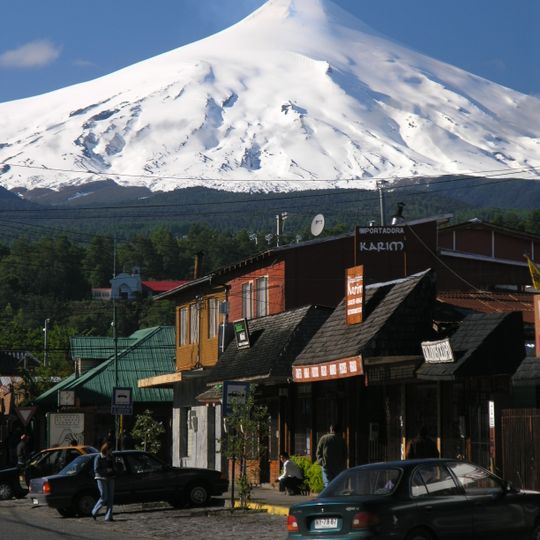
Villarrica Volcano, Active stratovolcano in Araucanía Region, Chile.
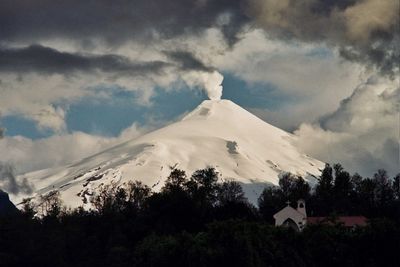
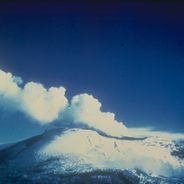
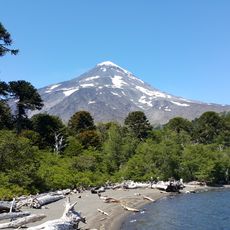
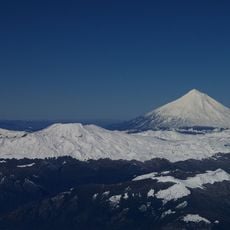
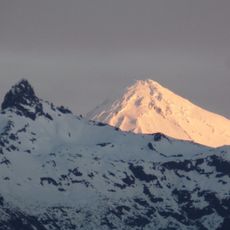
Villarrica Volcano is an active stratovolcano in the Araucanía Region of southern Chile, rising 2,847 meters (9,340 feet) above sea level. Its summit holds a crater roughly 200 meters (650 feet) wide, from which gas and steam rise continuously.
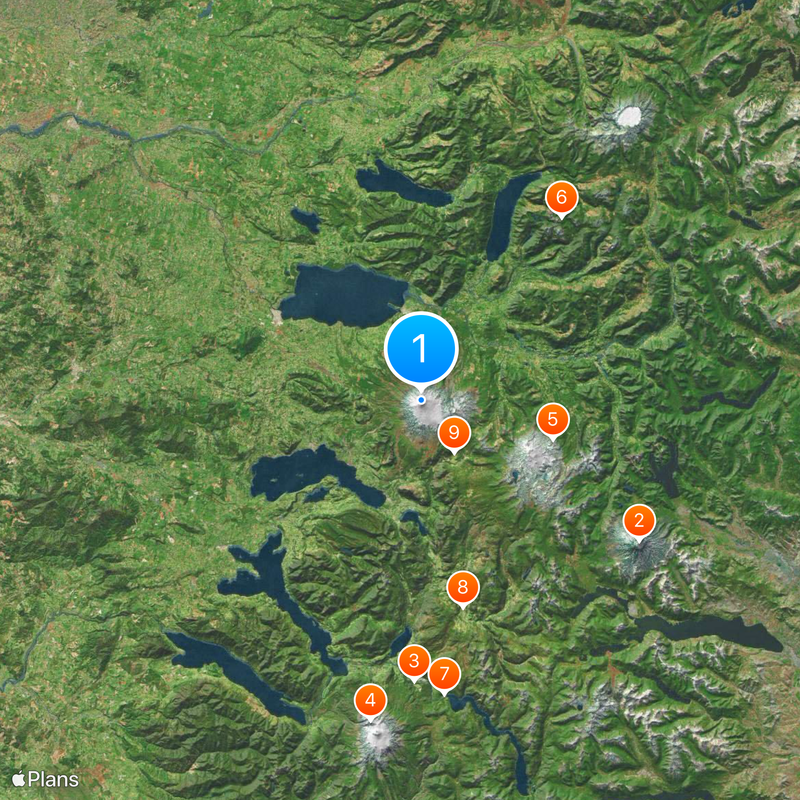
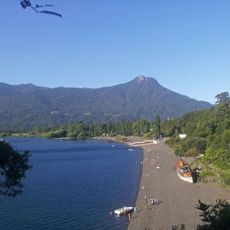
The volcano formed roughly 650,000 years ago and has experienced 49 eruptions documented in geological records. The 1971 eruption discharged 30 million cubic meters of lava into nearby Lake Calafquén.
The Mapuche call this mountain Rucapillán, meaning House of the Spirit, and regard it as a sacred site in their spiritual life. The glow from the crater is visible at night from many surrounding villages, reminding residents of the power of nature.
The Chilean geological service operates a monitoring network of seismic, geodetic, and satellite instruments that provides activity data around the clock. Visitors should check official alert levels before attempting an ascent, as conditions can change quickly.
Inside the crater sits a lava lake that shifts its level depending on pressure and activity beneath the surface. This lake is among the few permanent lava lakes on Earth and offers a rare sight in volcano research.
The community of curious travelers
AroundUs brings together thousands of curated places, local tips, and hidden gems, enriched daily by 90,891 contributors worldwide.