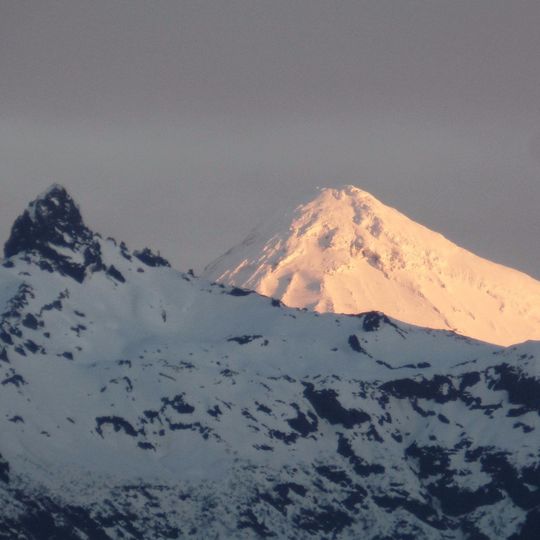
Cerro Quinquilil, extinct volcano in La Araucanía, Chile
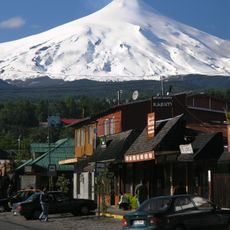
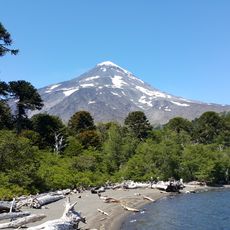
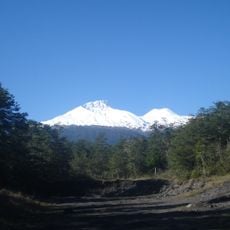
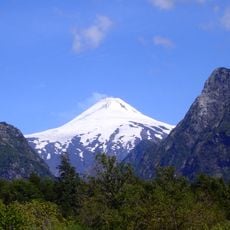
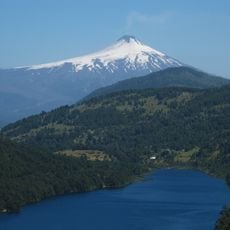
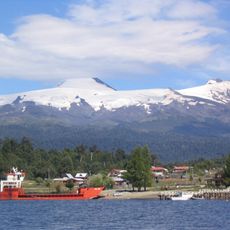
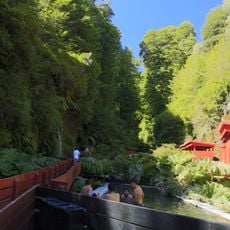
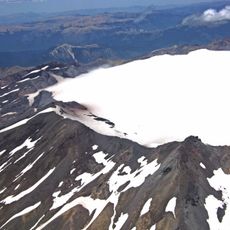
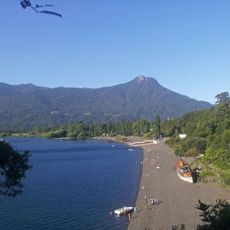
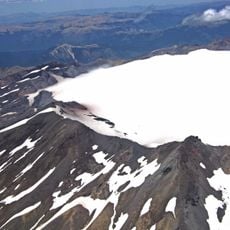
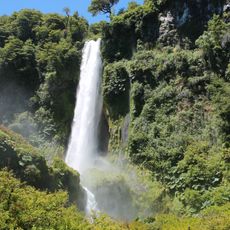
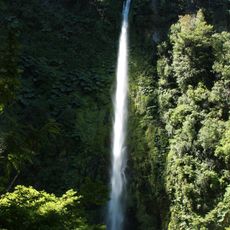
Cerro Quinquilil is a cone-shaped extinct volcano in La Araucanía region in southern Chile, rising about 1,600 meters (5,250 feet) above the surrounding land. The mountain is surrounded by thick forests and sits within Villarrica National Park, which protects a landscape of natural ecosystems and wild terrain.
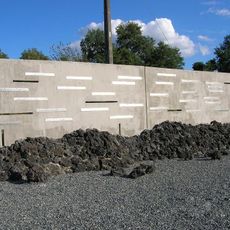
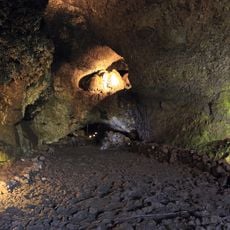
The mountain was formed during the Pleistocene period and is composed mainly of basalt rock containing olivine minerals, showing its volcanic origin. Though part of a volcanic group, it has never erupted in recorded history and is considered extinct.
The mountain's name comes from the Mapuche language and refers to stone with plants, reflecting the connection between the terrain and local vegetation. This naming heritage shows the long-standing presence of Mapuche culture in the area.
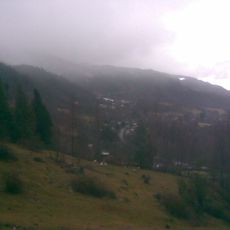
The mountain sits in a sparsely populated area with cool, moist weather marked by frequent rain, so bring waterproof gear. Access is by hiking trails through surrounding forests, and the warmer months offer more stable conditions for visiting.
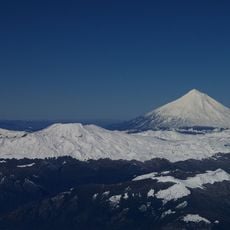
The mountain belongs to a volcanic group that includes the better-known Villarrica volcano, yet remains less known despite sharing similar geological features. Many visitors to the national park overlook this quiet neighbor in favor of the more active volcanoes nearby.
The community of curious travelers
AroundUs brings together thousands of curated places, local tips, and hidden gems, enriched daily by 91,239 contributors worldwide.