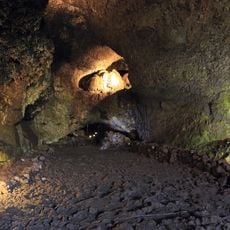
Huerquehue National Park, Nature reserve in Cunco, Chile.
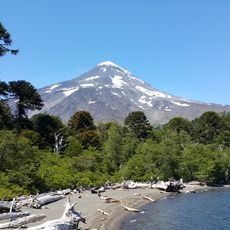
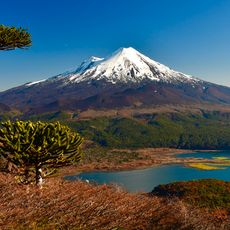
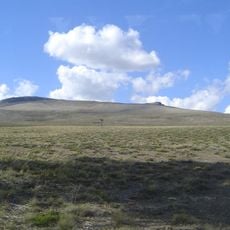
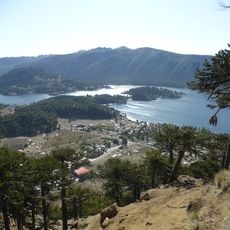
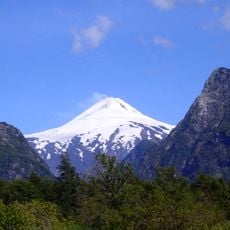
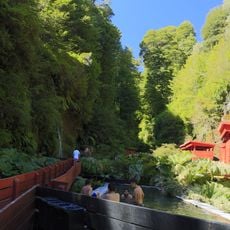
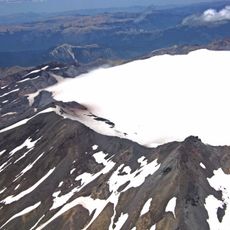
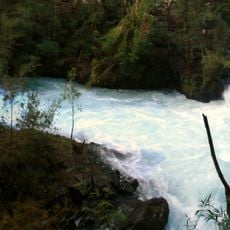
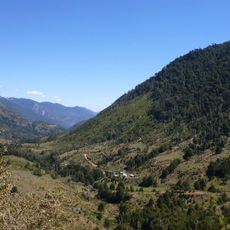
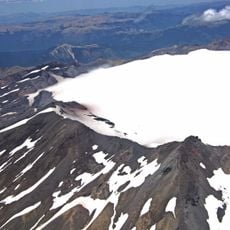
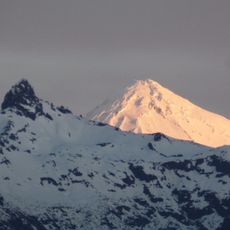
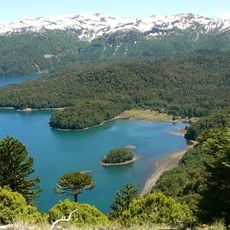
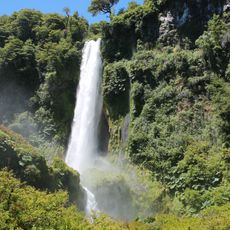
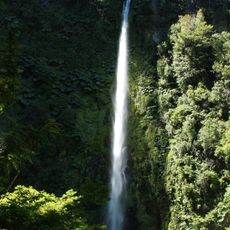
Huerquehue National Park is a nature reserve in the foothills of the Andes, featuring ancient Araucaria forests, clear lakes, and diverse wildlife. The terrain is mountainous with different forest zones at various elevations, along with several lakes distributed throughout the park.
The land was first protected in 1912 as Benjamín Vicuña Mackenna Park, also called Colico, covering 265,000 hectares. That park was decommissioned in 1929. Huerquehue National Park was created on June 9, 1967 by Decree 378 of the Ministry of Lands and Colonization, with its present 12,500 hectares.
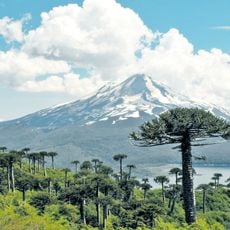
The name Huerquehue comes from Mapudungun, the Mapuche language, and means 'the messenger's place'. The park lies in the Valdivian temperate rainforest, where Araucaria araucana, the monkey puzzle tree, grows; it is considered a vulnerable species and is one of the park's most notable features.
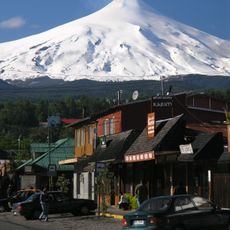
Visitors can reach the park through nearby Pucón, which has camping and lodging options in several zones. The best time to explore is during warmer months when trails are easily accessible and the lakes invite swimming.
The park protects the kodkod or güiña, an endangered wild cat, alongside the pudú, the world's smallest deer, and Darwin's frog. The long-clawed mole mouse (Geoxus valdivianus), a rare burrowing rodent, also lives here. The araucaria forests it shelters are listed as a vulnerable species.
The community of curious travelers
AroundUs brings together thousands of curated places, local tips, and hidden gems, enriched daily by 92,810 contributors worldwide.